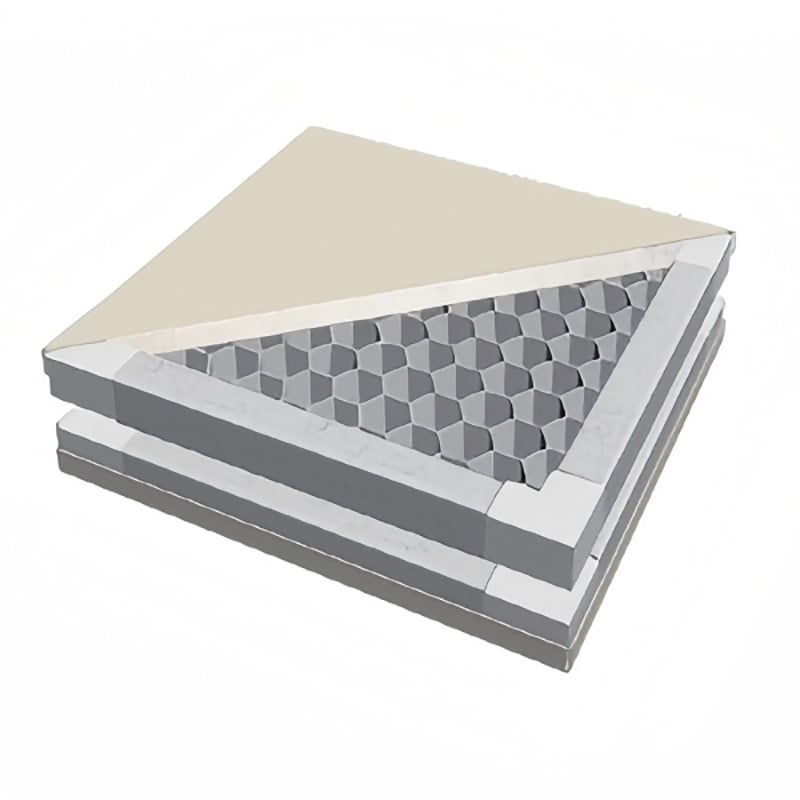
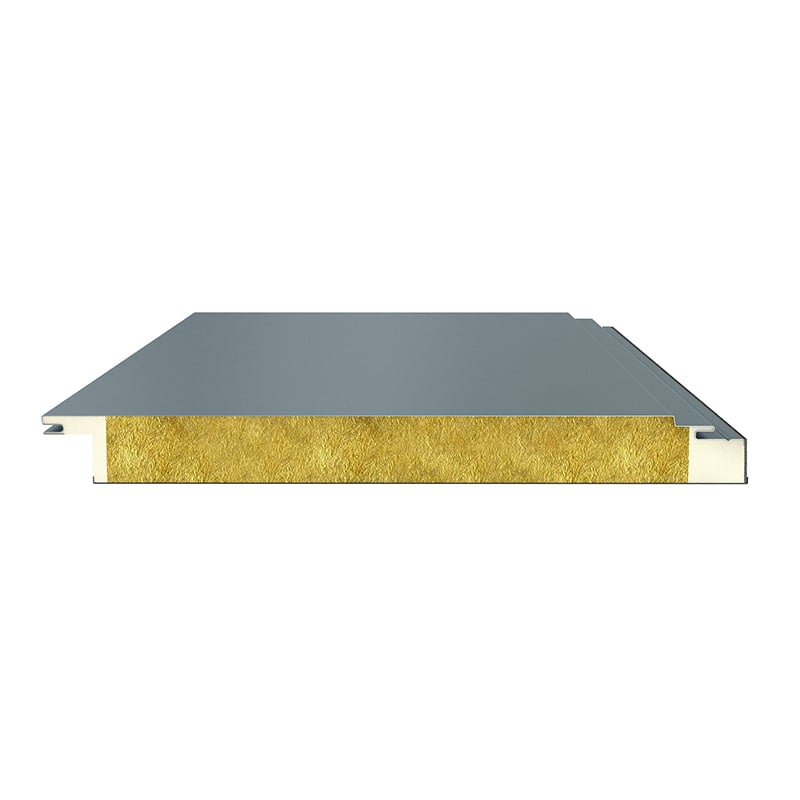
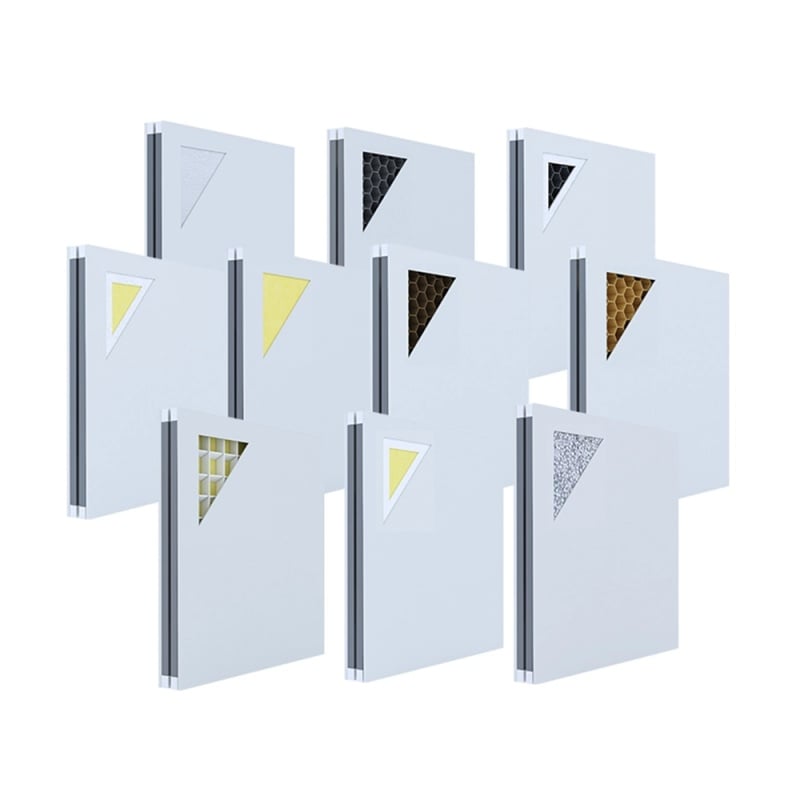
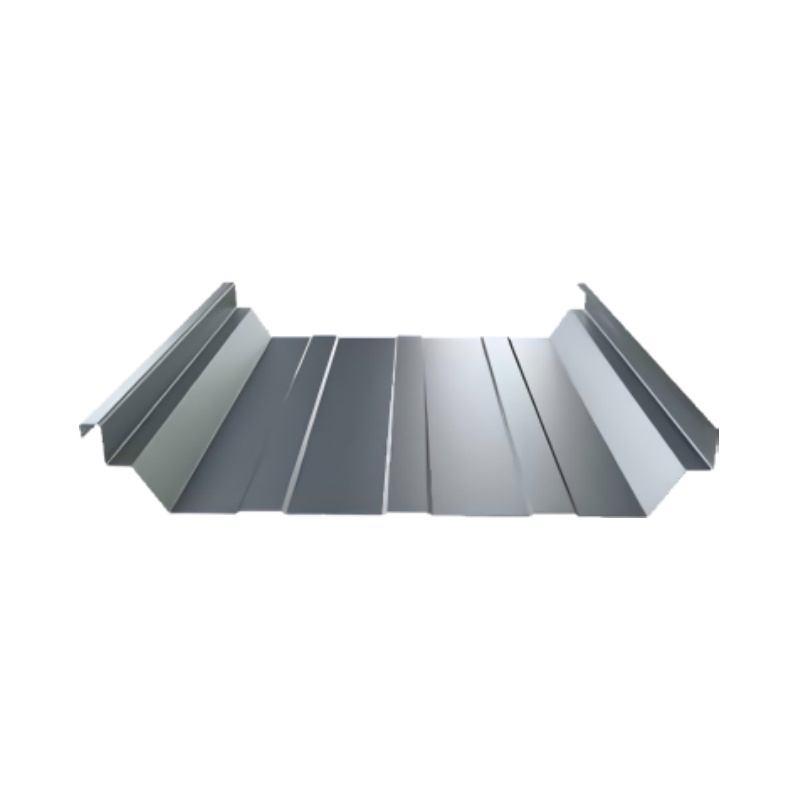
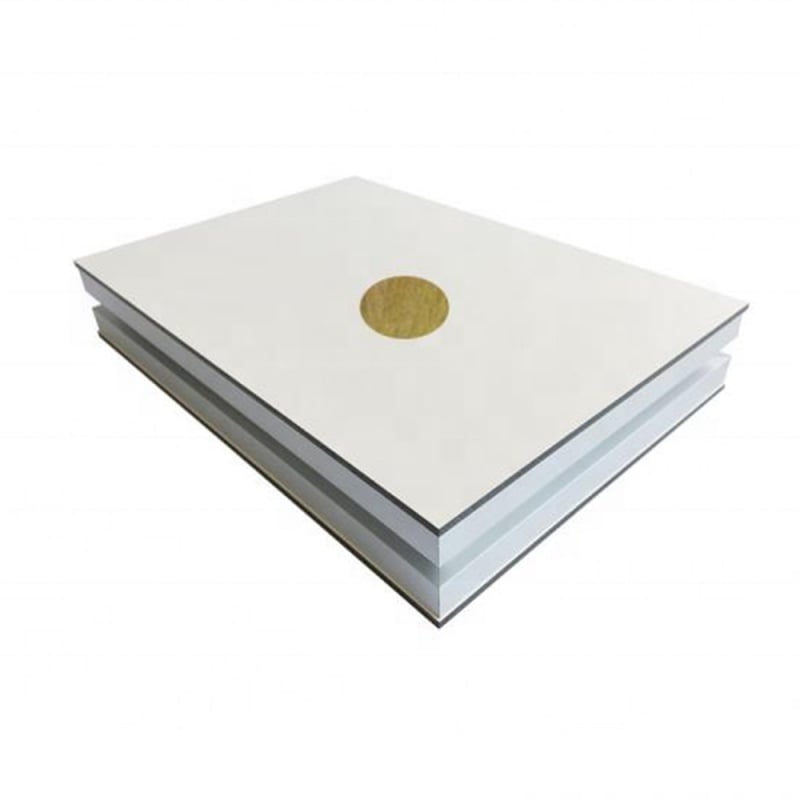
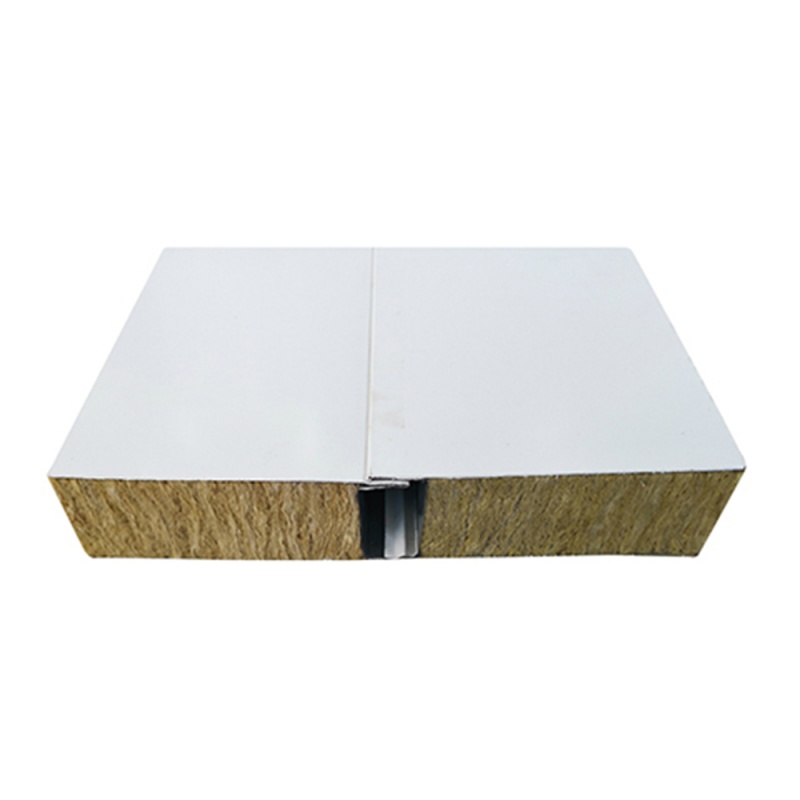
Cleanroom panels are widely utilized in industries with stringent environmental requirements—such as electronics, pharmaceuticals, and food processing—where they serve to create clean and hygienic spatial environments. These panels feature a diverse range of core materials, with common varieties including rock wool, hollow magnesium oxide, aluminum honeycomb, and magnesium oxide-rock wool composites. Given the distinct properties inherent to each type of core material, the installation processes for these various cleanroom panels indeed present numerous differences.
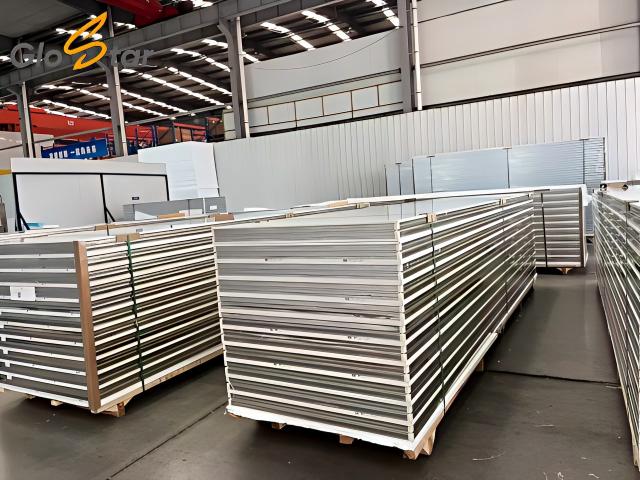
Rock wool core material is manufactured from natural rock through a high-temperature melting process; it is relatively heavy and possesses a certain degree of rigidity. During installation, the load-bearing capacity of the supporting keel structure is of paramount importance. Based on the weight of the panels, the spacing between keels must be designed scientifically and rationally to prevent panel deformation caused by insufficient load-bearing support. For instance, if rock wool cleanroom panels are utilized as wall materials in a large-scale industrial facility with stringent fire safety requirements, setting the keel spacing too wide—given the substantial weight of the rock wool panels—could eventually lead to sagging or deformation of the panels over time, thereby compromising both aesthetic appeal and operational safety.
Furthermore, the cut edges of rock wool panels are prone to generating dust. Consequently, appropriate protective measures must be implemented during installation—such as requiring construction personnel to wear professional dust-proof masks and deploying localized dust extraction equipment in cutting zones—to prevent dust contamination within the cleanroom environment. When joining panels, it is imperative to ensure that the seams are tightly fitted; this is essential for effectively guaranteeing thermal insulation and soundproofing performance. For example, in the construction of medical operating rooms—where noise control standards are exceptionally strict—tightly fitted seams can significantly minimize the intrusion of external noise while simultaneously preventing thermal exchange between the indoor and outdoor environments, thereby maintaining stable indoor temperatures.
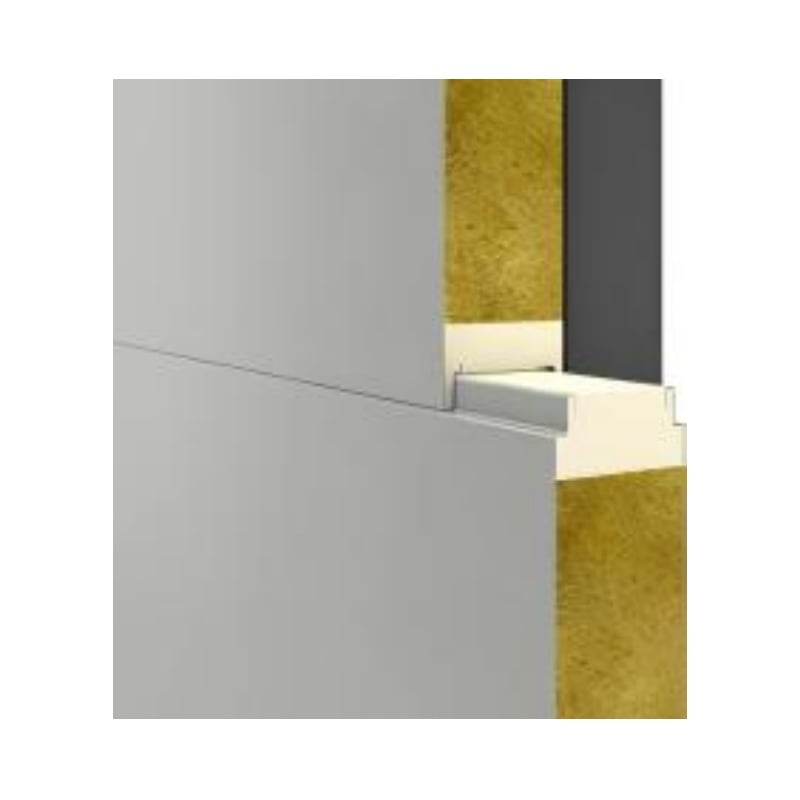
Polyurethane core material consists of a polyurethane foam filling; it offers excellent thermal insulation and sealing properties, combining high structural strength with a moderate weight. During installation, the layout of the supporting keel structure can be adjusted to suit the specific application scenario. For instance, in the construction of a cold storage facility—where thermal insulation requirements are particularly high—the low internal temperatures necessitate cleanroom panels with superior insulating capabilities to minimize energy consumption. In such cases, the keel layout can be flexibly configured based on practical factors such as the spatial structure of the cold storage unit and the positioning of refrigeration equipment.
However, since polyurethane materials may release harmful gases when exposed to high temperatures, the use of open flames must be strictly prohibited during the installation process, and adequate ventilation must be ensured. Additionally, polyurethane panels typically feature a tongue-and-groove interlocking design at their joints; during installation, it is crucial to ensure that these interlocking profiles engage tightly to enhance the overall airtightness of the structure. Taking a food cold storage facility as an example: if the tongue-and-groove joints do not interlock tightly, outside air can easily infiltrate. This may lead to temperature fluctuations within the cold storage area, thereby compromising the effectiveness of food preservation.
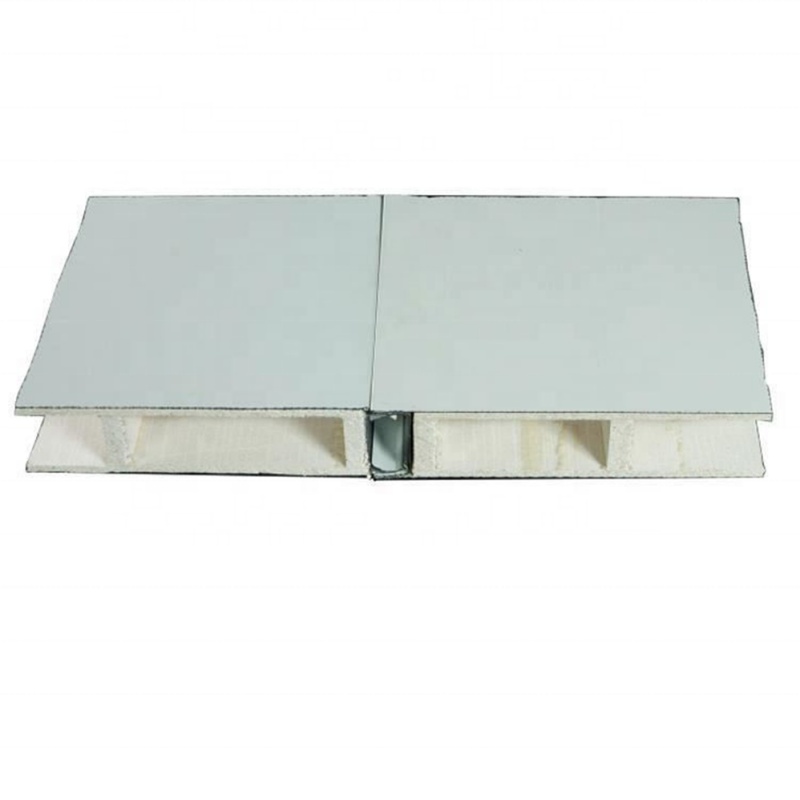
Hollow magnesium oxide core panels typically consist of a honeycomb or grid-like hollow internal structure bonded to magnesium oxide faceboards. Being lightweight, they offer relatively convenient installation. However, their installation places stringent demands on the flatness of the substrate (base layer). The substrate surface must be flat, dry, and clean; if the flatness deviation of the substrate exceeds the specified tolerance (generally, the flatness error must not exceed 5 mm within any 2-meter span), the cleanroom panels will fail to adhere tightly to the substrate after installation, resulting in excessively wide panel seams. In the construction of electronic cleanrooms, if panel seams are too wide, dust and other impurities can easily enter, making it impossible to meet the rigorous environmental cleanliness standards required for electronics manufacturing.
When securing the panels, methods such as self-tapping screws are typically employed. Specific requirements govern the spacing of these screws, which are generally distributed uniformly within a reasonable range to ensure the panels are firmly anchored. Furthermore, the treatment of panel seams is equally critical; they must be filled with sealing materials to ensure an effective seal and prevent air leakage.
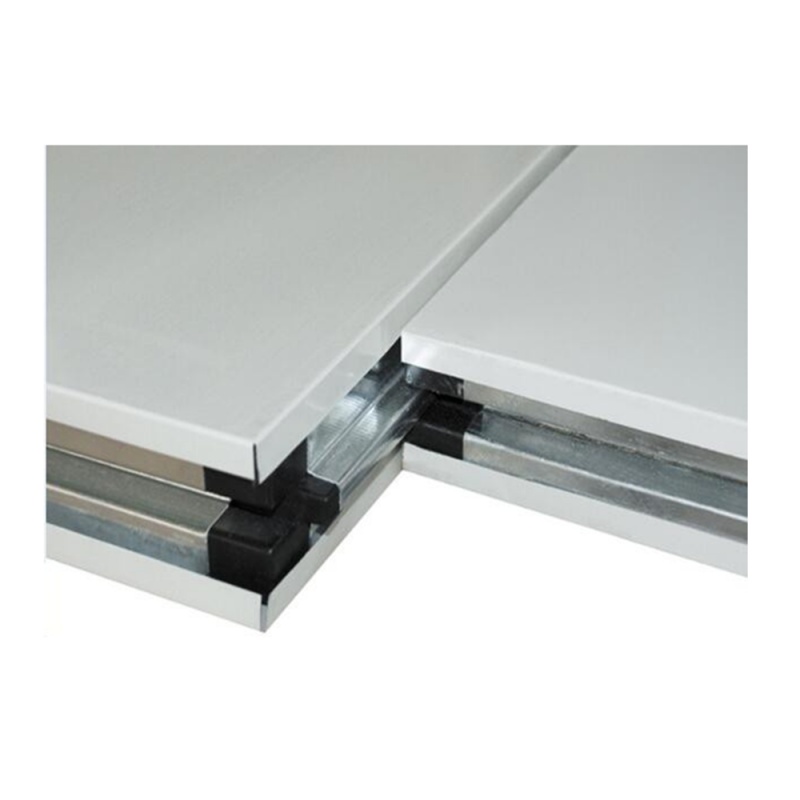
Aluminum honeycomb cleanroom panels offer numerous advantages, such as high structural strength and excellent surface flatness. During installation, given the relatively uniform distribution of the panels' weight, the design of the supporting keel system can be determined based on the specific panel specifications and the ambient installation environment. In large-scale commercial shopping malls—specifically for projects involving the enclosure of central air conditioning ventilation ducts—the use of aluminum honeycomb cleanroom panels necessitates a keel design tailored to the shape and dimensions of the ventilation ducts, as well as the overall spatial layout of the mall.
When splicing aluminum honeycomb cleanroom panels, a high degree of precision is required. It is essential to ensure that all joints are flat and tightly sealed to achieve an aesthetically pleasing appearance and maintain optimal overall performance. Furthermore, during the installation process, great care must be taken to protect the panel surfaces; precautions should be implemented to prevent scratches or impacts that could cause surface damage, thereby compromising both the visual appeal and the functional integrity of the panels.
Panels featuring a magnesium oxide (MgO) and rock wool core combine the distinct characteristics of both materials. During installation, it is necessary to consider the specific requirements imposed by the rock wool core—particularly regarding its fire resistance and thermal insulation properties—while simultaneously accommodating the unique attributes of the magnesium oxide facing boards. When securing the panels, it is critical to ensure that the fasteners penetrate firmly through the magnesium oxide board to establish a secure connection with the supporting keel, thereby guaranteeing the structural stability of the entire assembly. In cleanroom construction projects within pharmaceutical manufacturing facilities, inadequate fastening can lead to panel loosening during subsequent operations, potentially triggered by factors such as equipment vibration within the workshop.
Regarding the treatment of panel joints, the gaps must first be filled with a suitable sealant material, followed by appropriate surface finishing, to ensure both the airtightness and the aesthetic continuity of the joints. Additionally, given that magnesium oxide boards are susceptible to moisture-related issues—such as "sweating" or moisture migration—in high-humidity environments, robust moisture-proofing measures must be implemented during installation; examples include applying moisture-resistant coatings to the underlying substrate.
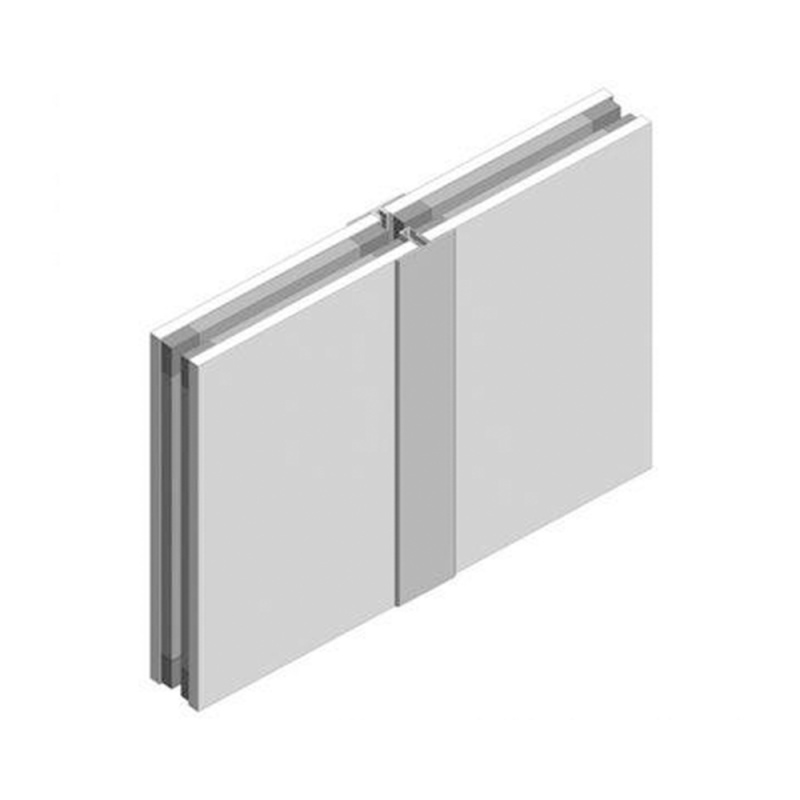
When installing purification panels with different core materials, specific measures must be adopted—tailored to the characteristics of the core material—regarding keel design, moisture and fire protection treatments, panel splicing, and handling safeguards. This ensures installation quality and allows the purification panels to perform to their full potential. In actual engineering projects, the selection of purification panels with appropriate core materials should be based on a comprehensive assessment of factors such as the specific application scenario, environmental requirements, and budget; furthermore, construction must be executed in strict adherence to the relevant installation guidelines.
 Hot News
2026-09-09
2026-08-14
2026-08-11
2026-08-06
2026-07-30
2026-07-20

We believe that by upholding quality and embracing innovation, we can drive transformative changes in architecture and build a sustainable future for the construction industry.
No. 377, Gaoqi Road, High-tech Zone, Binzhou City, Shandong Province, China
Copyright © Shandong Apex Metal Products Co., Ltd. All Rights Reserved (Under the Glostar New Materials Group) Privacy Policy Blog
 EN
EN