Få et gratis tilbud for prosjektet ditt

Uansett om det gjelder en stålverksted, kuldkammer eller renromssystem, tilbyr vi konkurransedyktige fabrikkspriser og profesjonell designløsning.
E-post
Navn
Mobil/WhatsApp
Navn på bedrift
Melding
0/1000

Bransjenyheter

Hjem >  Resurser >  Bransjenyheter

Finnes det forskjeller i montering av rene rom-paneler med ulike kjerne-materialer

Apr 14, 2026

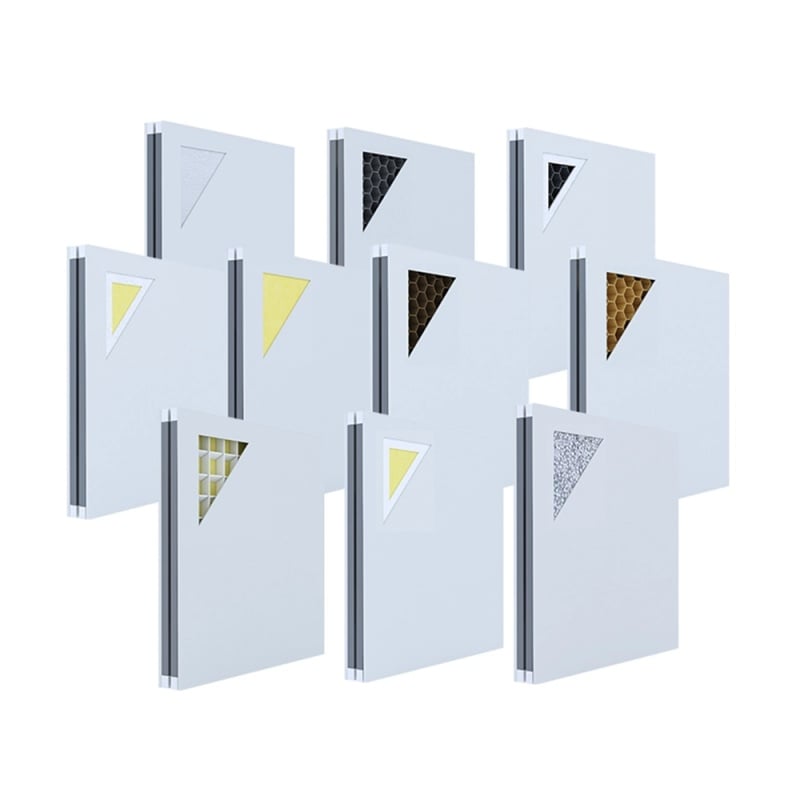
Renromspaneler brukes mye i industrier med strenge miljøkrav—som elektronikk, farmasi og matprosessering—der de brukes til å skape rene og hygieniske romlige miljøer. Disse panelene har et bredt utvalg av kjerne-materialer, der vanlige typer inkluderer steinull, hul magnesiumoksid, aluminiumshonningrute og magnesiumoksid–steinull-kompositt. Ettersom hver type kjerne-materiale har egne egenskaper, viser monteringsprosessene for disse ulike rene rom-panelene faktisk mange forskjeller.
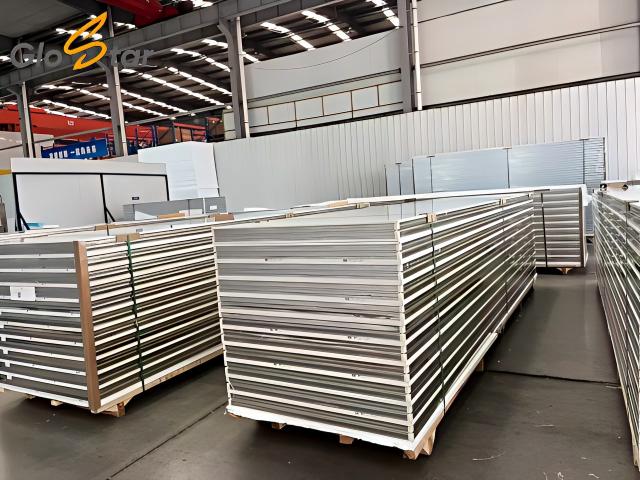
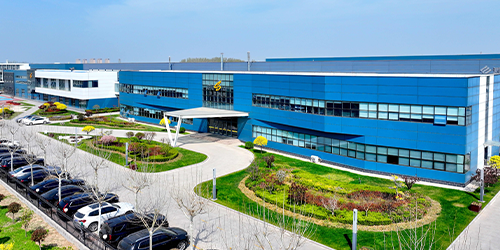
cleanroom panels factory

Montering av rene rom-paneler med steinullkjerne

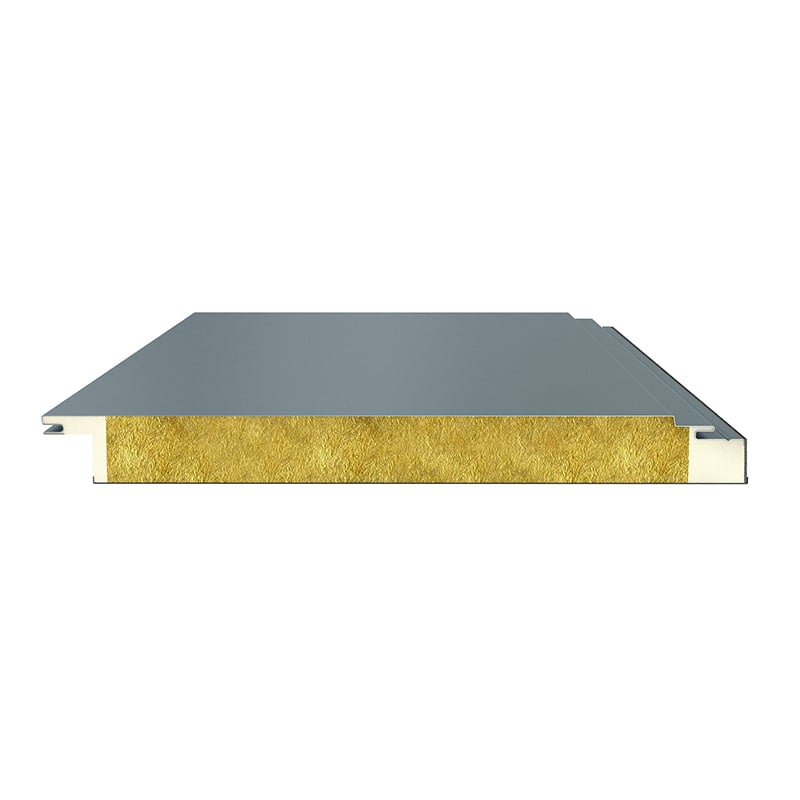
Kjerne materialet steinull produseres fra naturlig stein gjennom en høytemperatur-smelteprosess; det er relativt tungt og har en viss grad av stivhet. Under installasjonen er bæreevnen til den bærende skinnkonstruksjonen av ytterste betydning. Basert på vekten av panelene må avstanden mellom skinneprofilene dimensjoneres vitenskapelig og rasjonelt for å unngå paneldeformasjon forårsaket av utilstrekkelig bæreevne. For eksempel, hvis steinull-renromspaneler brukes som veggmaterialer i en storindustriell anlegg med strenge krav til brannsikkerhet, kan en for stor avstand mellom skinneprofilene – gitt den betydelige vekten av steinullpanelene – til slutt føre til hengning eller deformasjon av panelene over tid, noe som dermed svekker både estetisk uttrykk og driftssikkerhet.

Videre er skjærekantene på steinullpaneler utsatt for støvutvikling. Derfor må passende beskyttende tiltak iverksettes under installasjonen—f.eks. ved å kreve at byggepersonell bruker profesjonelle støvbeskyttende masker og installerer lokal støvutslippsutstyr i områdene der panelene skjæres—for å unngå støvforurensning i renromsmiljøet. Når paneler festes sammen, er det avgjørende å sikre at lemmene er tett tilpasset; dette er avgjørende for å sikre effektiv varmeisolasjon og lydisolasjon. For eksempel kan tett tilpassede lemmever i byggingen av medisinske operasjonsrom—der kravene til støykontroll er svært strenge—betydelig redusere inntrangen av ytre støy samtidig som de forhindrer varmeutveksling mellom innendørs- og utendørs-miljøet, og dermed opprettholde stabile innendørs temperaturer.
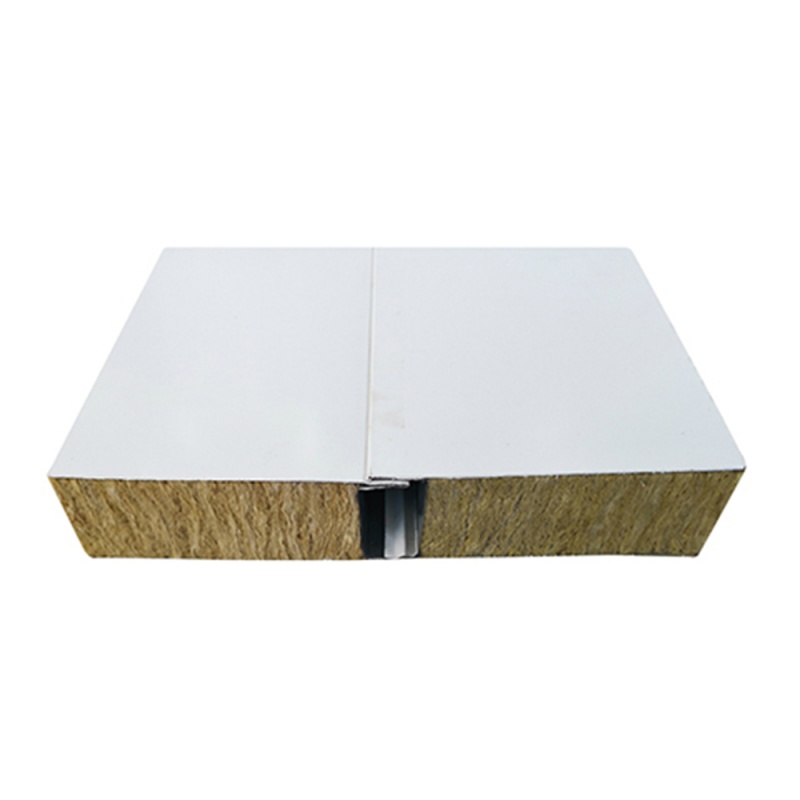
Installation of Rock Wool Core Cleanroom Panels

Installasjon av polyuretanskjermrenromspaneler

Kjerne materialet av polyuretan består av en polyuretanskumfylling; det gir utmerkede termiske isolerende og tettings egenskaper, og kombinerer høy strukturell styrke med et moderat vekt. Under installasjonen kan oppsettet av den bærende skinnestrukturen justeres for å tilpasse seg det spesifikke bruksområdet. For eksempel, ved bygging av et kjøleanlegg – der kravene til termisk isolering er spesielt høye – krever de lave innvendige temperaturene rengjøringsromspaneler med overlegen isoleringskapasitet for å minimere energiforbruket. I slike tilfeller kan skinnestrukturen konfigureres fleksibelt basert på praktiske faktorer som romstrukturen i kjøleanlegget og plasseringen av kjøleutstyr.

Imidlertid, siden polyuretanmaterialer kan frigjøre skadelige gasser ved eksponering for høye temperaturer, må bruk av åpen flamme strengt forbudses under installasjonsprosessen, og tilstrekkelig ventilasjon må sikres. I tillegg har polyuretanpaneler vanligvis en tann-og-grovsammenkoblingsdesign på leddene sine; under installasjon er det avgjørende å sikre at disse sammenkoblingsprofilene sitter stramt sammen for å forbedre den totale lufttettheten i konstruksjonen. Som et eksempel kan nevnes en matkylhusanlegg: hvis tann-og-grov-leddene ikke sitter stramt sammen, kan utendørs luft lett trenge inn. Dette kan føre til temperatursvingninger innenfor kjøleanlegget, noe som dermed svekker effekten av matbevaring.
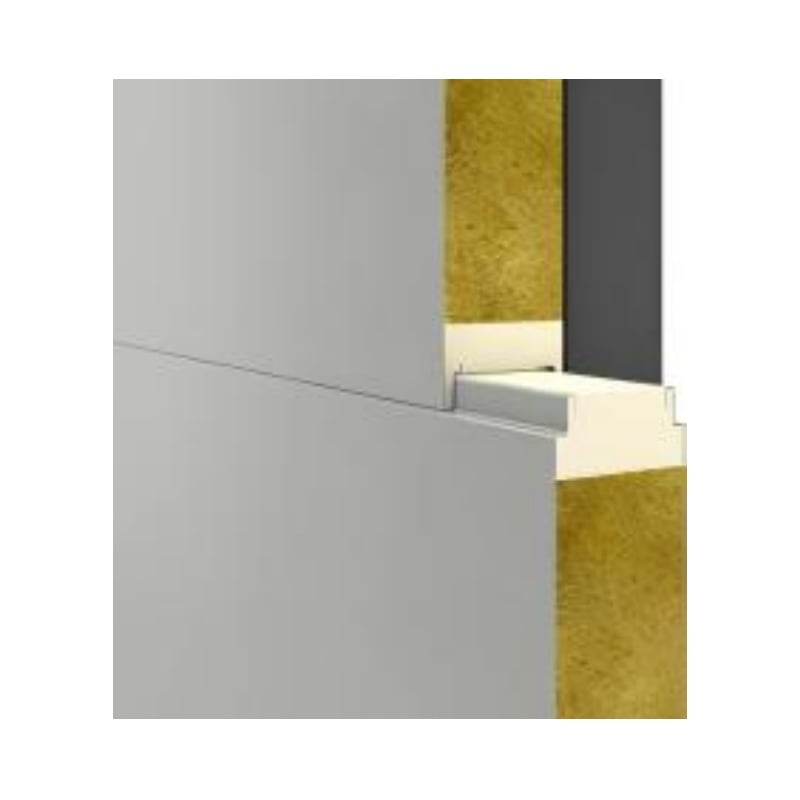
Installation of Polyurethane Core Cleanroom Panels

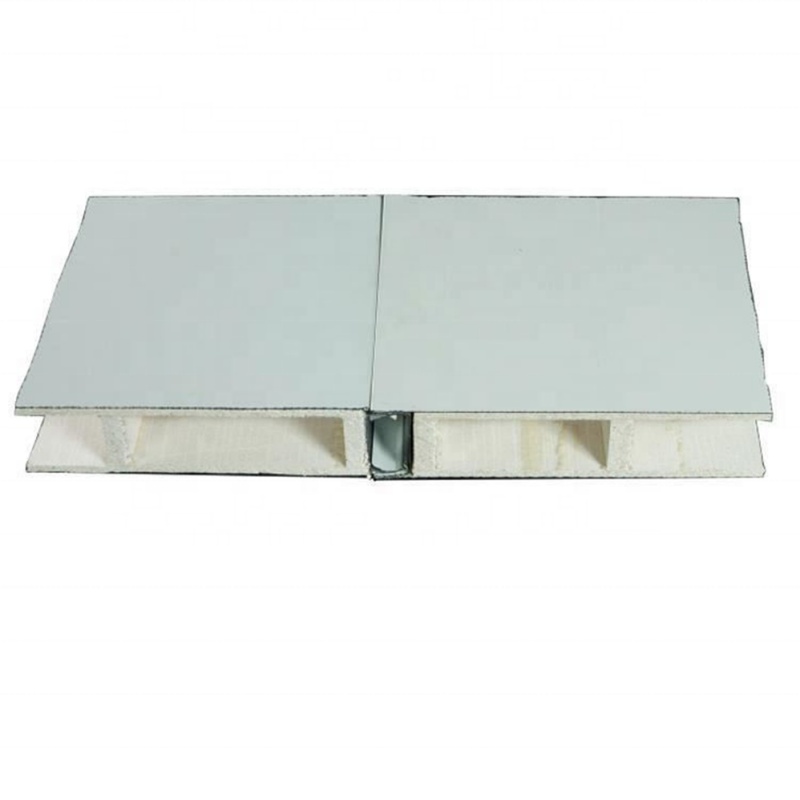
Installasjon av hule reneromspaneler med magnesiumoksidkjerne

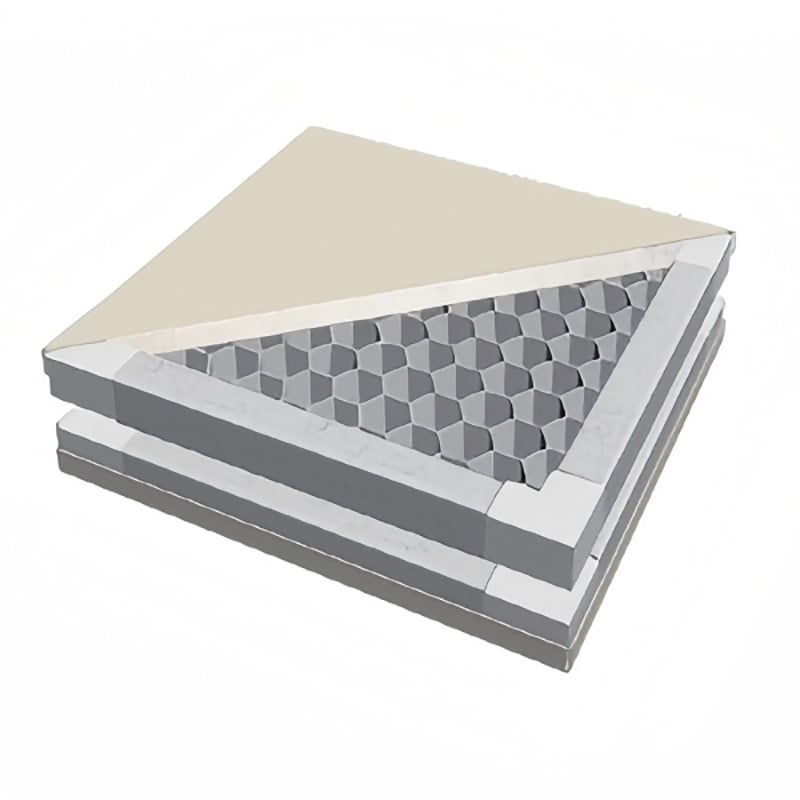
Hule paneler med magnesiumoksidkjerne består vanligvis av en bikakemønster- eller rutenettlignende, hul indre struktur som er limt til magnesiumoksidplater. Ettersom de er lette, gir de en relativt praktisk installasjon. Imidlertid stilles det strenge krav til flatheten på underlaget (grunnlaget) ved installasjonen. Overflaten på underlaget må være flat, tørr og ren; hvis flatheitsavviket på underlaget overstiger den angitte toleransen (vanligvis må flatheitsfeilen ikke overstige 5 mm innenfor en spennvidde på 2 meter), vil rengjøringsromspanelene ikke feste seg tett til underlaget etter installasjon, noe som fører til for brede panelfuger. Ved bygging av elektroniske rengjøringsrom kan støv og andre urenheter lett trenge inn gjennom for brede panelfuger, noe som gjør det umulig å oppfylle de strenge kravene til miljørenhet som kreves i elektronikkproduksjon.

Når panelene festes, brukes vanligvis metoder som selvgangende skruer. Spesifikke krav styrer avstanden mellom disse skruene, som generelt er jevnt fordelt innenfor et rimelig område for å sikre at panelene er fast forankret. Videre er behandlingen av panelfuger like viktig; de må fylles med tettningsmaterialer for å sikre en effektiv tetting og forhindre luftlekkasje.
cleanroom panels factory Installation of Rock Wool Core Cleanroom Panels Rock wool core material is manufactured from natural rock through a high-temperature melting process; it is relatively heavy and possesses a certain degree of rigidity. During installation, the load-bearing capacity of the supporting keel structure is of paramount importance. Based on the weight of the panels, the spacing between keels must be designed scientifically and rationally to prevent panel deformation caused by insufficient load-bearing support. For instance, if rock wool cleanroom panels are utilized as wall materials in a large-scale industrial facility with stringent fire safety requirements, setting the keel spacing too wide—given the substantial weight of the rock wool panels—could eventually lead to sagging or deformation of the panels over time, thereby compromising both aesthetic appeal and operational safety.  Furthermore, the cut edges of rock wool panels are prone to generating dust. Consequently, appropriate protective measures must be implemented during installation—such as requiring construction personnel to wear professional dust-proof masks and deploying localized dust extraction equipment in cutting zones—to prevent dust contamination within the cleanroom environment. When joining panels, it is imperative to ensure that the seams are tightly fitted; this is essential for effectively guaranteeing thermal insulation and soundproofing performance. For example, in the construction of medical operating rooms—where noise control standards are exceptionally strict—tightly fitted seams can significantly minimize the intrusion of external noise while simultaneously preventing thermal exchange between the indoor and outdoor environments, thereby maintaining stable indoor temperatures.  Installation of Rock Wool Core Cleanroom Panels  Installation of Polyurethane Core Cleanroom Panels Polyurethane core material consists of a polyurethane foam filling; it offers excellent thermal insulation and sealing properties, combining high structural strength with a moderate weight. During installation, the layout of the supporting keel structure can be adjusted to suit the specific application scenario. For instance, in the construction of a cold storage facility—where thermal insulation requirements are particularly high—the low internal temperatures necessitate cleanroom panels with superior insulating capabilities to minimize energy consumption. In such cases, the keel layout can be flexibly configured based on practical factors such as the spatial structure of the cold storage unit and the positioning of refrigeration equipment.  However, since polyurethane materials may release harmful gases when exposed to high temperatures, the use of open flames must be strictly prohibited during the installation process, and adequate ventilation must be ensured. Additionally, polyurethane panels typically feature a tongue-and-groove interlocking design at their joints; during installation, it is crucial to ensure that these interlocking profiles engage tightly to enhance the overall airtightness of the structure. Taking a food cold storage facility as an example: if the tongue-and-groove joints do not interlock tightly, outside air can easily infiltrate. This may lead to temperature fluctuations within the cold storage area, thereby compromising the effectiveness of food preservation.  Installation of Polyurethane Core Cleanroom Panels  Installation of Hollow Magnesium Oxide Core Cleanroom Panels

Viktige monteringspunkter for rengjøringsromspaneler med aluminiumshonningkjerne

Reinromspaneler med aluminiumshonningstruktur tilbyr mange fordeler, som høy strukturell styrke og utmerket overflatelikhet. Under installasjonen, gitt den relativt jevne vektfordelingen til panelene, kan designet av det bærende skjelettsystemet bestämmas utifrån de spesifikke panelspesifikasjonene og den omgivende installasjonsmiljøet. I store kommersielle kjøpesentre – spesielt for prosjekter som involverer innkapsling av sentral luftkondisjoneringens ventilasjonskanaler – krever bruken av aluminiumshonningceller rengjøringsromspaneler et skjelettdesign som er tilpasset formen og dimensjonene til ventilasjonskanalene, samt den totale romlige oppsettet i kjøpesenteret.

Når man spikrer aluminiumshonningrute-renromspaneler, kreves en høy nøyaktighet. Det er avgjørende å sikre at alle ledd er flate og godt tettede for å oppnå et estetisk tiltalende utseende og opprettholde optimal helhetlig ytelse. Videre må man under installasjonsprosessen ta stor forsiktighet med å beskytte paneloverflatene; det bør iverksettes tiltak for å unngå skraper eller støt som kan føre til overflatebeskadigelse, og dermed svekke både det visuelle inntrykket og den funksjonelle integriteten til panelene.
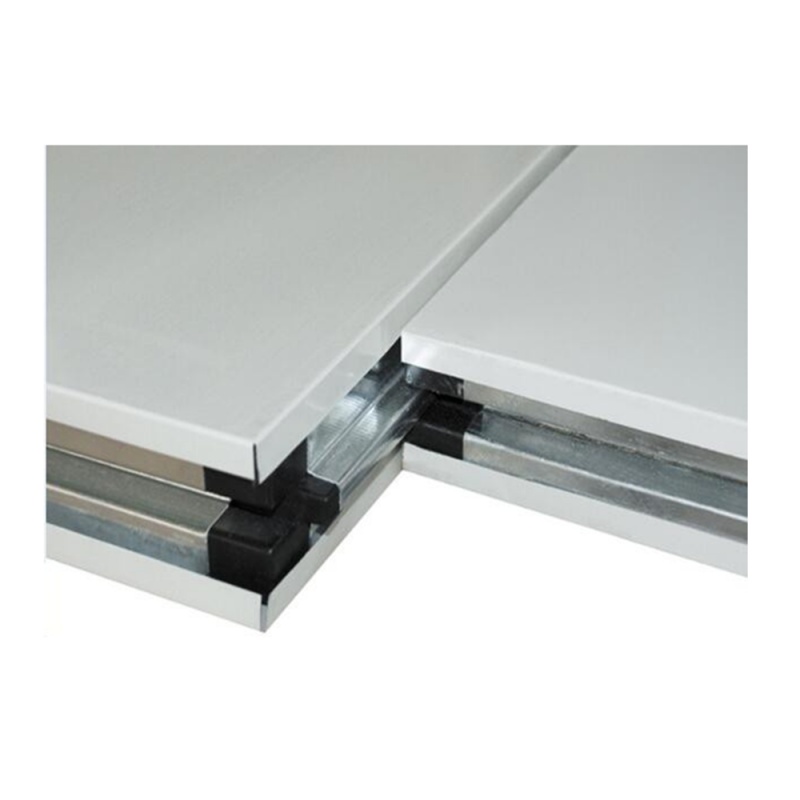
Key Installation Points for Aluminum Honeycomb Core Cleanroom Panels

Installasjonshensyn for renromspaneler med magnesiumoksid- og steinullkjerne

Paneler med kjerne av magnesiumoksid (MgO) og steinull kombinere de distinkte egenskapene til begge materialene. Under montering må de spesifikke kravene som stilles til steinullkjernen tas i betraktning – spesielt med hensyn til dens brannmotstand og termiske isoleringsegenskaper – samtidig som de unike egenskapene til magnesiumoksidplaten tas med i beregningen. Når panelene festes, er det avgjørende å sikre at festemidlene trenger godt gjennom magnesiumoksidplaten for å oppnå en sikker forbindelse med underliggende skinner, og dermed garantere strukturell stabilitet for hele anordningen. I renromsbyggprosjekter innen farmasøytisk produksjon kan utilstrekkelig festing føre til løsning av paneler under senere drift, potensielt utløst av faktorer som utstyrsvibrasjoner i verkstedet.

Angående behandlingen av panelfuger må spaltene først fylles med et egnet tetningsmateriale, etterfulgt av en passende overflatebehandling, for å sikre både lufttetthet og estetisk kontinuitet i fugene. I tillegg må det på grunn av magnesiumoksidplaters følsomhet for fuktbetingede problemer – som «svetting» eller fuktutvandring – i miljøer med høy luftfuktighet implementeres robuste fuktbegrensende tiltak under montering; eksempler inkluderer påføring av fuktbestandige belegg på underlaget.
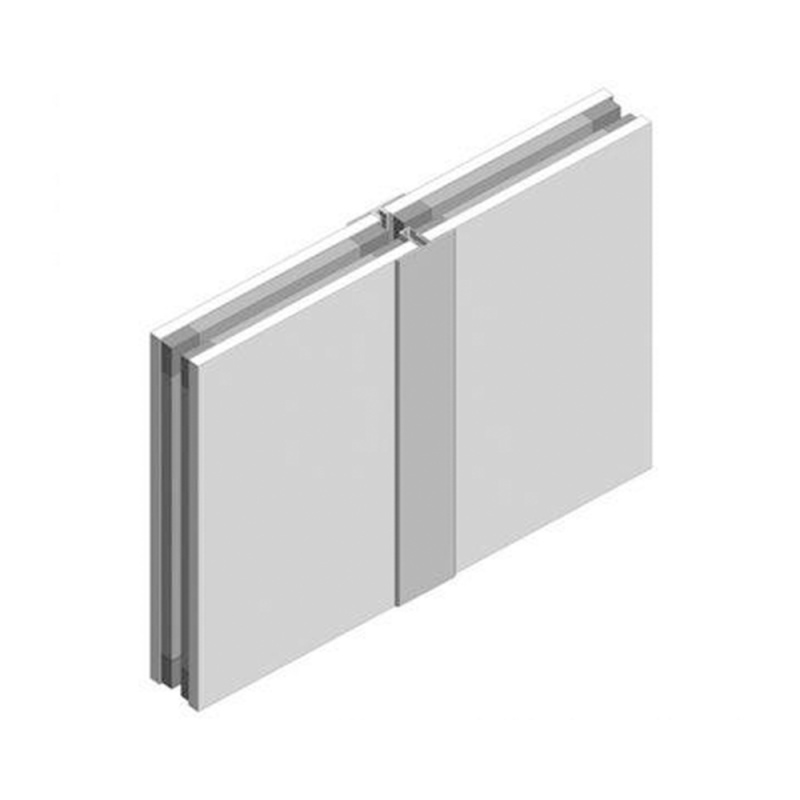
cleanroom panels factory Installation of Rock Wool Core Cleanroom Panels Rock wool core material is manufactured from natural rock through a high-temperature melting process; it is relatively heavy and possesses a certain degree of rigidity. During installation, the load-bearing capacity of the supporting keel structure is of paramount importance. Based on the weight of the panels, the spacing between keels must be designed scientifically and rationally to prevent panel deformation caused by insufficient load-bearing support. For instance, if rock wool cleanroom panels are utilized as wall materials in a large-scale industrial facility with stringent fire safety requirements, setting the keel spacing too wide—given the substantial weight of the rock wool panels—could eventually lead to sagging or deformation of the panels over time, thereby compromising both aesthetic appeal and operational safety.  Furthermore, the cut edges of rock wool panels are prone to generating dust. Consequently, appropriate protective measures must be implemented during installation—such as requiring construction personnel to wear professional dust-proof masks and deploying localized dust extraction equipment in cutting zones—to prevent dust contamination within the cleanroom environment. When joining panels, it is imperative to ensure that the seams are tightly fitted; this is essential for effectively guaranteeing thermal insulation and soundproofing performance. For example, in the construction of medical operating rooms—where noise control standards are exceptionally strict—tightly fitted seams can significantly minimize the intrusion of external noise while simultaneously preventing thermal exchange between the indoor and outdoor environments, thereby maintaining stable indoor temperatures.  Installation of Rock Wool Core Cleanroom Panels  Installation of Polyurethane Core Cleanroom Panels Polyurethane core material consists of a polyurethane foam filling; it offers excellent thermal insulation and sealing properties, combining high structural strength with a moderate weight. During installation, the layout of the supporting keel structure can be adjusted to suit the specific application scenario. For instance, in the construction of a cold storage facility—where thermal insulation requirements are particularly high—the low internal temperatures necessitate cleanroom panels with superior insulating capabilities to minimize energy consumption. In such cases, the keel layout can be flexibly configured based on practical factors such as the spatial structure of the cold storage unit and the positioning of refrigeration equipment.  However, since polyurethane materials may release harmful gases when exposed to high temperatures, the use of open flames must be strictly prohibited during the installation process, and adequate ventilation must be ensured. Additionally, polyurethane panels typically feature a tongue-and-groove interlocking design at their joints; during installation, it is crucial to ensure that these interlocking profiles engage tightly to enhance the overall airtightness of the structure. Taking a food cold storage facility as an example: if the tongue-and-groove joints do not interlock tightly, outside air can easily infiltrate. This may lead to temperature fluctuations within the cold storage area, thereby compromising the effectiveness of food preservation.  Installation of Polyurethane Core Cleanroom Panels  Installation of Hollow Magnesium Oxide Core Cleanroom Panels Hollow magnesium oxide core panels typically consist of a honeycomb or grid-like hollow internal structure bonded to magnesium oxide faceboards. Being lightweight, they offer relatively convenient installation. However, their installation places stringent demands on the flatness of the substrate (base layer). The substrate surface must be flat, dry, and clean; if the flatness deviation of the substrate exceeds the specified tolerance (generally, the flatness error must not exceed 5 mm within any 2-meter span), the cleanroom panels will fail to adhere tightly to the substrate after installation, resulting in excessively wide panel seams. In the construction of electronic cleanrooms, if panel seams are too wide, dust and other impurities can easily enter, making it impossible to meet the rigorous environmental cleanliness standards required for electronics manufacturing.  When securing the panels, methods such as self-tapping screws are typically employed. Specific requirements govern the spacing of these screws, which are generally distributed uniformly within a reasonable range to ensure the panels are firmly anchored. Furthermore, the treatment of panel seams is equally critical; they must be filled with sealing materials to ensure an effective seal and prevent air leakage.  cleanroom panels factory Installation of Rock Wool Core Cleanroom Panels Rock wool core material is manufactured from natural rock through a high-temperature melting process; it is relatively heavy and possesses a certain degree of rigidity. During installation, the load-bearing capacity of the supporting keel structure is of paramount importance. Based on the weight of the panels, the spacing between keels must be designed scientifically and rationally to prevent panel deformation caused by insufficient load-bearing support. For instance, if rock wool cleanroom panels are utilized as wall materials in a large-scale industrial facility with stringent fire safety requirements, setting the keel spacing too wide—given the substantial weight of the rock wool panels—could eventually lead to sagging or deformation of the panels over time, thereby compromising both aesthetic appeal and operational safety.  Furthermore, the cut edges of rock wool panels are prone to generating dust. Consequently, appropriate protective measures must be implemented during installation—such as requiring construction personnel to wear professional dust-proof masks and deploying localized dust extraction equipment in cutting zones—to prevent dust contamination within the cleanroom environment. When joining panels, it is imperative to ensure that the seams are tightly fitted; this is essential for effectively guaranteeing thermal insulation and soundproofing performance. For example, in the construction of medical operating rooms—where noise control standards are exceptionally strict—tightly fitted seams can significantly minimize the intrusion of external noise while simultaneously preventing thermal exchange between the indoor and outdoor environments, thereby maintaining stable indoor temperatures.  Installation of Rock Wool Core Cleanroom Panels  Installation of Polyurethane Core Cleanroom Panels Polyurethane core material consists of a polyurethane foam filling; it offers excellent thermal insulation and sealing properties, combining high structural strength with a moderate weight. During installation, the layout of the supporting keel structure can be adjusted to suit the specific application scenario. For instance, in the construction of a cold storage facility—where thermal insulation requirements are particularly high—the low internal temperatures necessitate cleanroom panels with superior insulating capabilities to minimize energy consumption. In such cases, the keel layout can be flexibly configured based on practical factors such as the spatial structure of the cold storage unit and the positioning of refrigeration equipment.  However, since polyurethane materials may release harmful gases when exposed to high temperatures, the use of open flames must be strictly prohibited during the installation process, and adequate ventilation must be ensured. Additionally, polyurethane panels typically feature a tongue-and-groove interlocking design at their joints; during installation, it is crucial to ensure that these interlocking profiles engage tightly to enhance the overall airtightness of the structure. Taking a food cold storage facility as an example: if the tongue-and-groove joints do not interlock tightly, outside air can easily infiltrate. This may lead to temperature fluctuations within the cold storage area, thereby compromising the effectiveness of food preservation.  Installation of Polyurethane Core Cleanroom Panels  Installation of Hollow Magnesium Oxide Core Cleanroom Panels  Key Installation Points for Aluminum Honeycomb Core Cleanroom Panels Aluminum honeycomb core cleanroom panels offer numerous advantages, such as high structural strength and excellent surface flatness. During installation, given the relatively uniform distribution of the panels' weight, the design of the supporting keel system can be determined based on the specific panel specifications and the ambient installation environment. In large-scale commercial shopping malls—specifically for projects involving the enclosure of central air conditioning ventilation ducts—the use of aluminum honeycomb cleanroom panels necessitates a keel design tailored to the shape and dimensions of the ventilation ducts, as well as the overall spatial layout of the mall.  When splicing aluminum honeycomb cleanroom panels, a high degree of precision is required. It is essential to ensure that all joints are flat and tightly sealed to achieve an aesthetically pleasing appearance and maintain optimal overall performance. Furthermore, during the installation process, great care must be taken to protect the panel surfaces; precautions should be implemented to prevent scratches or impacts that could cause surface damage, thereby compromising both the visual appeal and the functional integrity of the panels.  Key Installation Points for Aluminum Honeycomb Core Cleanroom Panels  Installation Considerations for Magnesium Oxide Rock Wool Core Cleanroom Panels

Når rengjøringspaneler med ulike kjerne-materialer installeres, må spesifikke tiltak iverksettes – tilpasset egenskapene til kjerne-materialet – når det gjelder skjelettdesign, fuktbehandling og brannbeskyttelse, panelføying og håndteringsforholdsregler. Dette sikrer installasjonskvaliteten og lar rengjøringspanelene fungere optimalt. I faktiske ingeniørprosjekter bør valget av rengjøringspaneler med passende kjerne-materialer baseres på en helhetlig vurdering av faktorer som den konkrete anvendelsessituasjonen, miljøkravene og budsjettet; videre må byggingen utføres i streng overholdelse av de aktuelle installasjonsanvisningene.
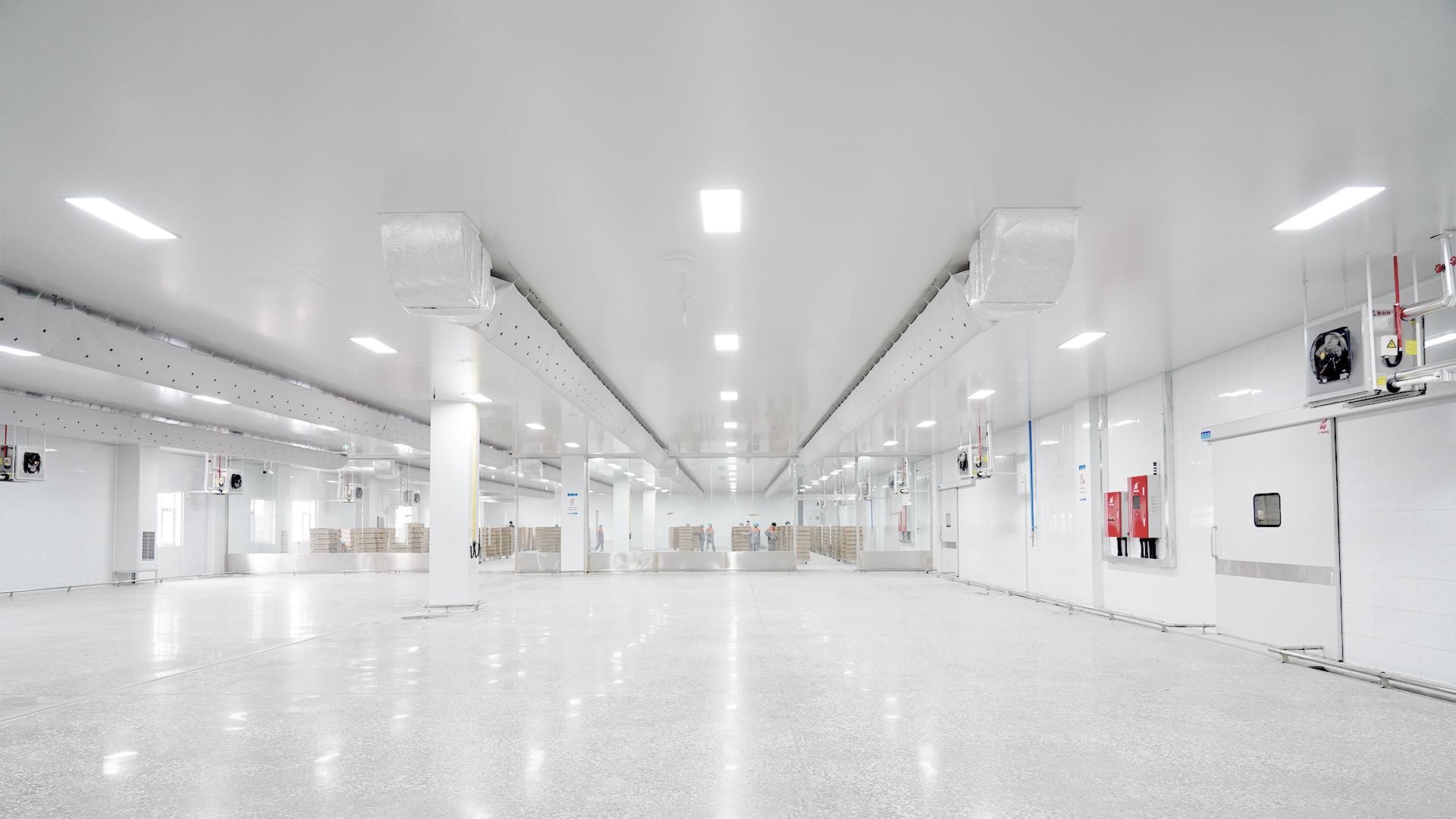
Cleanroom Enclosure System for Shandong Boda Food (1).jpg

Få et gratis tilbud for prosjektet ditt

Uansett om det gjelder en stålverksted, kuldkammer eller renromssystem, tilbyr vi konkurransedyktige fabrikkspriser og profesjonell designløsning.
E-post
Navn
Mobil/WhatsApp
Navn på bedrift
Melding
0/1000