Получете безплатна оферта за вашия проект

Независимо дали става въпрос за стоманена работилница, хладилно складиране или система за чисти помещения, ние предлагаме конкурентни фабрични цени и професионален дизайн.
Имейл
Име
Мобилен телефон / WhatsApp
Име на компанията
Съобщение
0/1000

Има ли разлики в монтажа на панели за чисти стаи с различни материали за ядро

Apr 14, 2026

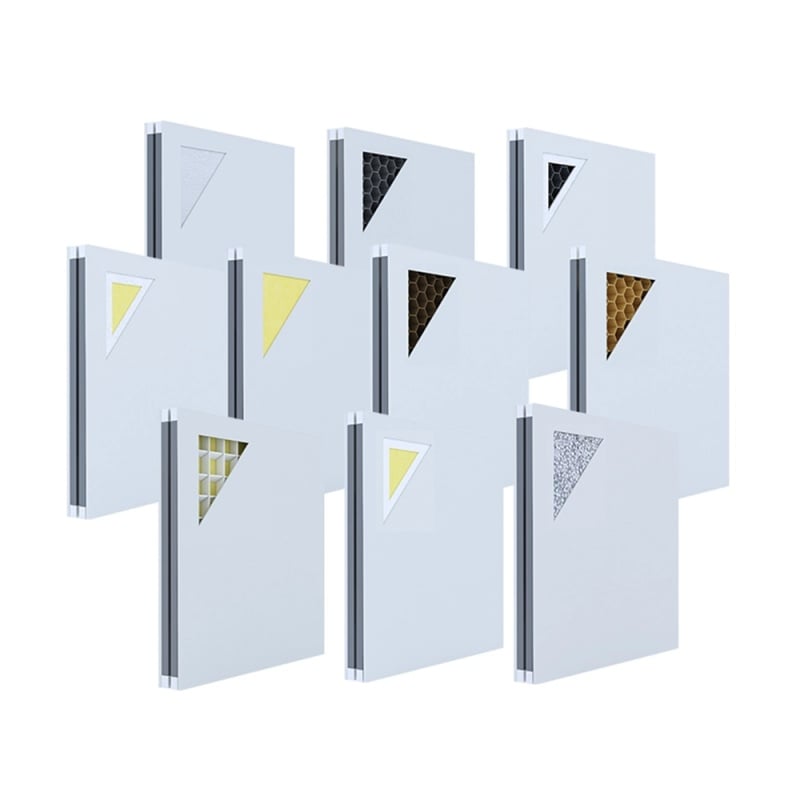
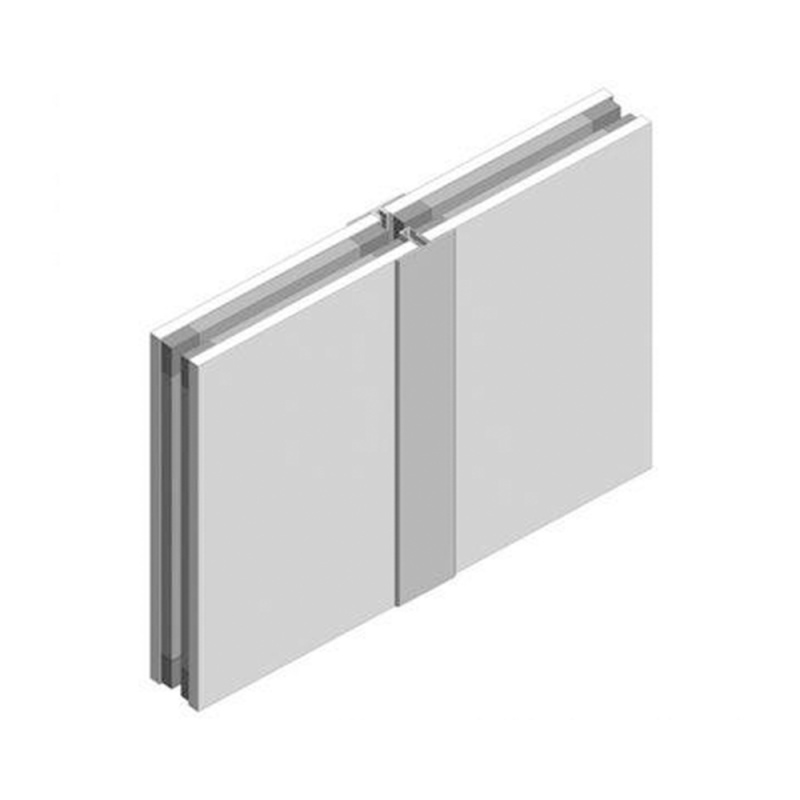
Панели за чисти помещения широко се използват в индустрии със строги изисквания към околната среда — като електрониката, фармацевтиката и хранителната промишленост — където служат за създаване на чисти и хигиенични пространствени среди. Тези панели имат разнообразие от основни материали, като най-често срещаните са каменна вата, шуплест магнезиев оксид, алуминиев меденорешетъчен материал и композити от магнезиев оксид и каменна вата. Поради различните свойства, присъщи на всеки вид основен материал, процесите за монтаж на тези различни панели за чисти стаи наистина показват множество разлики.
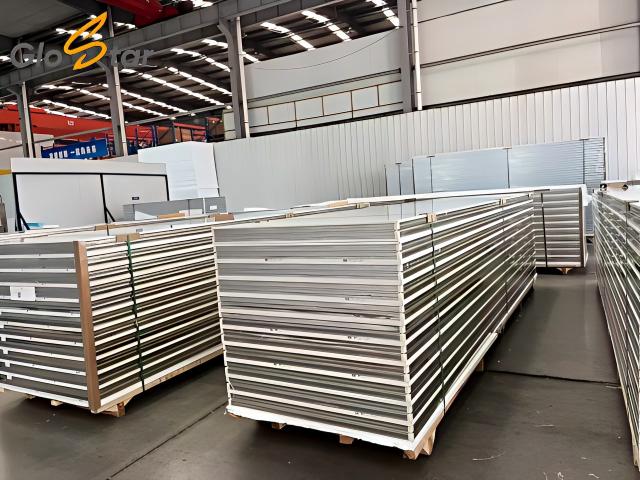
cleanroom panels factory

Монтаж на панели за чисти стаи с основен материал каменна вата

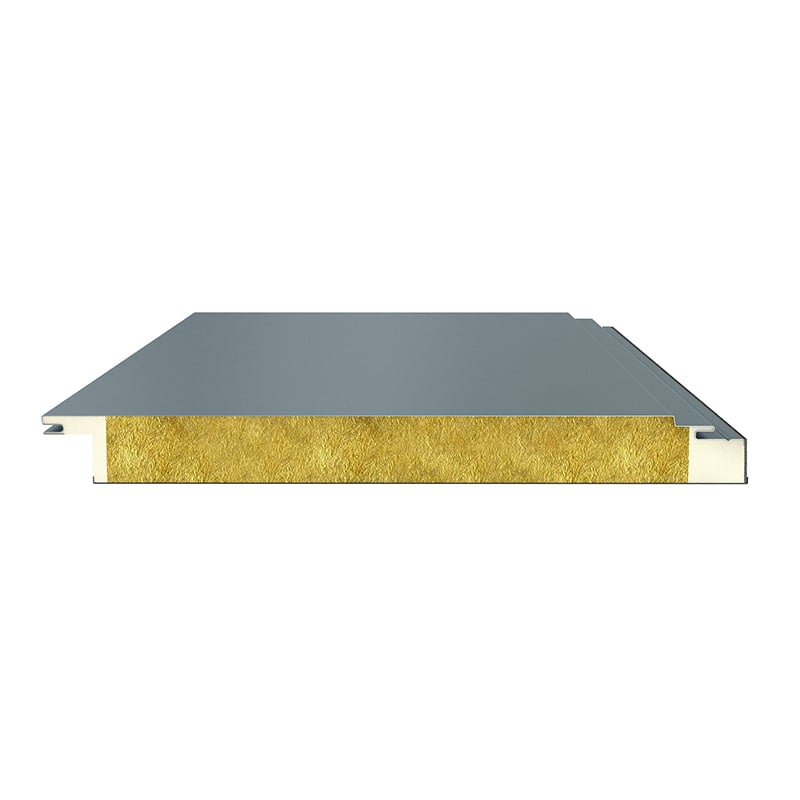
Ядреният материал от каменна вата се произвежда от естествена скала чрез процес на високотемпературно топене; той е относително тежък и притежава определена степен на твърдост. По време на монтажа носимата способност на поддържащата решетъчна конструкция има първостепенно значение. Въз основа на теглото на панелите разстоянието между решетките трябва да се проектира научно и рационално, за да се предотврати деформация на панелите поради недостатъчна носима подкрепа. Например, ако панели за чисти помещения от каменна вата се използват като стенни материали в голяма промишлена сграда със строги изисквания към пожарната безопасност, задаването на твърде голямо разстояние между решетките — с оглед на значителното тегло на панелите от каменна вата — може с течение на времето да доведе до провисване или деформация на панелите, което компрометира както визуалния вид, така и оперативната безопасност.

Освен това ръбовете на отрязаните панели от каменна вата са склонни да генерират прах. Следователно по време на монтажа трябва да се предприемат подходящи защитни мерки — например изискване персоналът на строителната площадка да носи професионални прашезащитни маски и да се инсталират локални системи за отсмукване на прах в зоните за рязане — за да се предотврати замърсяването на чистото помещение с прах. При съединяването на панелите е задължително шевовете да бъдат плътно прилепени; това е съществено условие за ефективно осигуряване на топлоизолационните и звукоизолационните характеристики. Например при строителството на медицински операционни зали — където стандартите за контрол на шума са изключително строги — плътно прилепналите шевове значително намаляват проникването на външен шум, а същевременно предотвратяват топлообмен между вътрешната и външната среда, като по този начин поддържат стабилна вътрешна температура.
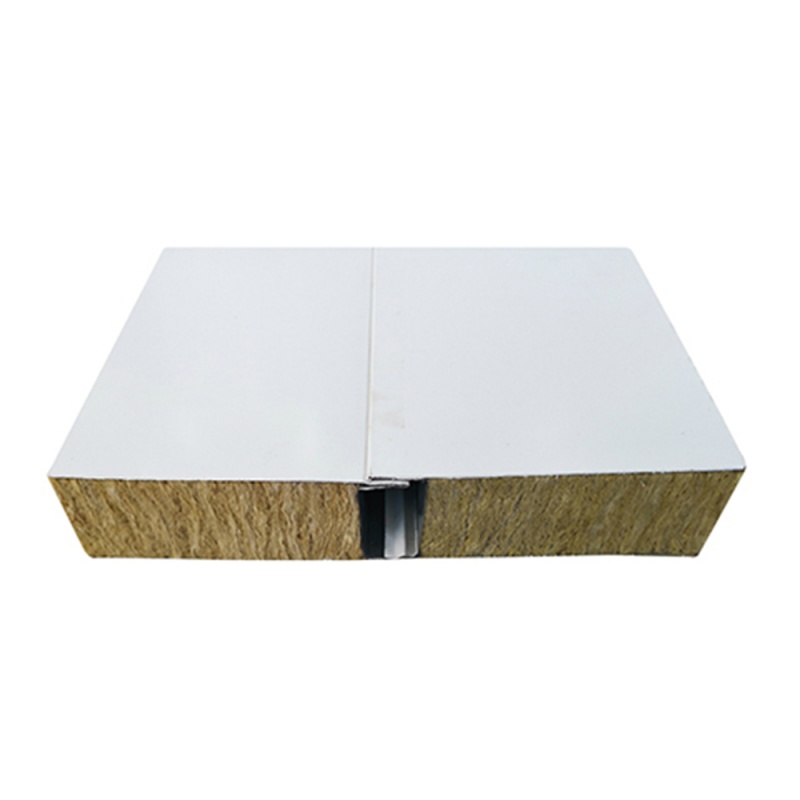
Installation of Rock Wool Core Cleanroom Panels

Монтаж на чисти помещения с панели с полиуретаново ядро

Материалът за ядро от полиуретан се състои от пяна от полиуретан; той предлага отлични термоизолационни и уплътнителни свойства, като комбинира висока конструктивна здравина с умерена тежест. По време на инсталацията разположението на поддържащата кила може да се адаптира според конкретния случай на приложение. Например, при строителството на хладилно складово помещение — където изискванията за термоизолация са особено високи — ниските вътрешни температури изискват панели за чисти стаи с превъзходни изолационни възможности, за да се минимизира енергийното потребление. В такива случаи разположението на килата може да се конфигурира гъвкаво въз основа на практически фактори като пространствената структура на хладилното помещение и разположението на хладилното оборудване.

Обаче, тъй като материалите от полиуретан могат да отделят вредни газове при излагане на високи температури, употребата на открит огън по време на монтажа строго се забранява и трябва да се осигури адекватна вентилация. Освен това, панелите от полиуретан обикновено имат интерлокинг дизайн с изпъкналост и вдлъбнатина („език и жлеб“) по своите съединения; по време на монтажа е от решаващо значение тези интерлокинг профили да бъдат плътно съчетани, за да се подобри общата въздушна непроницаемост на конструкцията. Като пример може да се посочи хладилно складово помещение за храни: ако съединенията с „език и жлеб“ не са плътно съчетани, външният въздух лесно може да проникне вътре. Това може да доведе до температурни колебания в хладилното помещение и следователно да компрометира ефективността на запазването на храните.
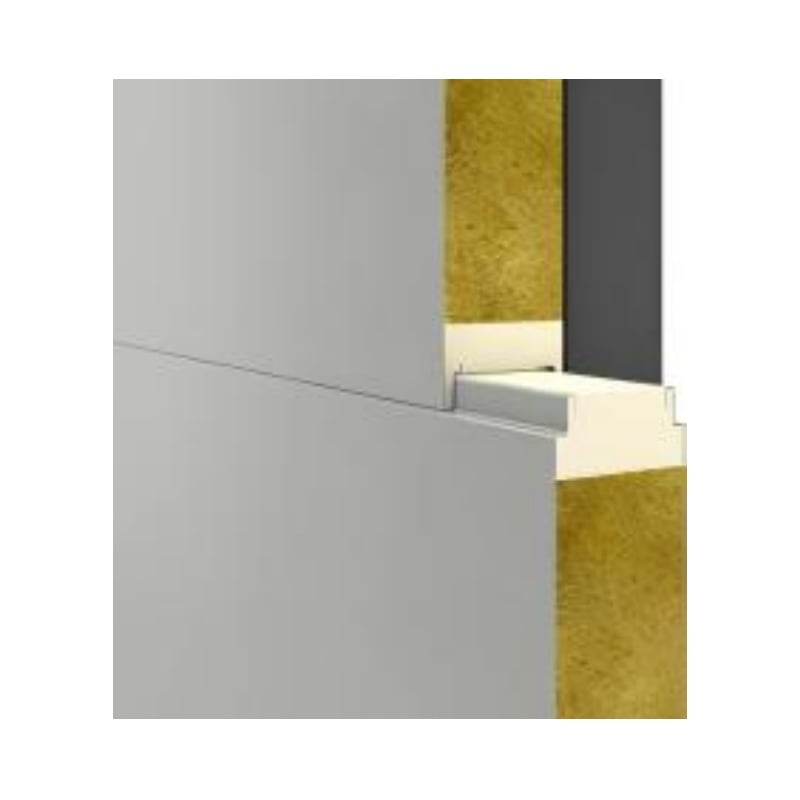
Installation of Polyurethane Core Cleanroom Panels

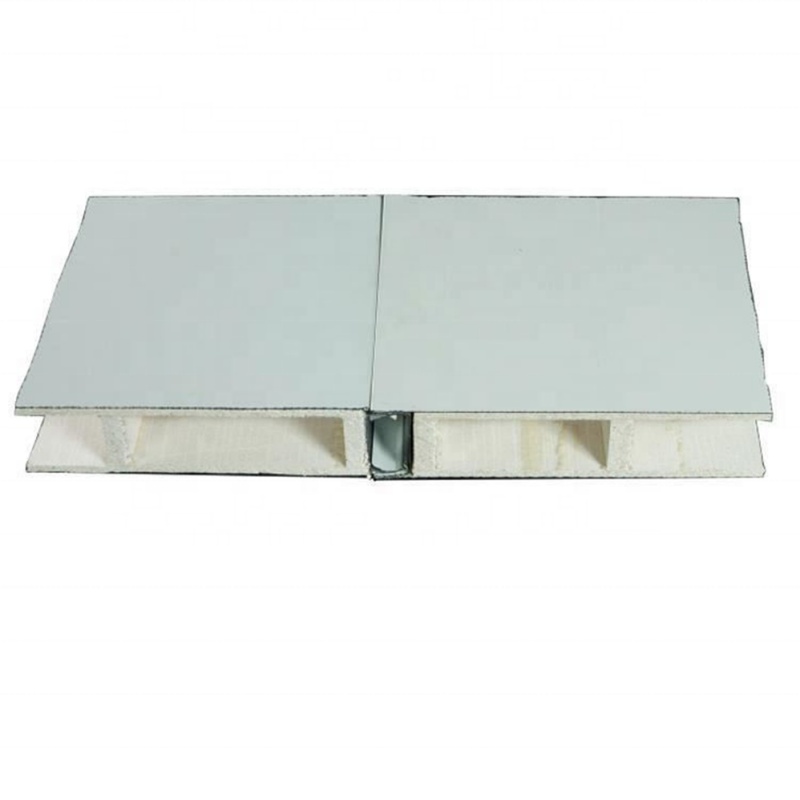
Монтаж на чисти стаи с кухи панели с ядро от магнезиев оксид

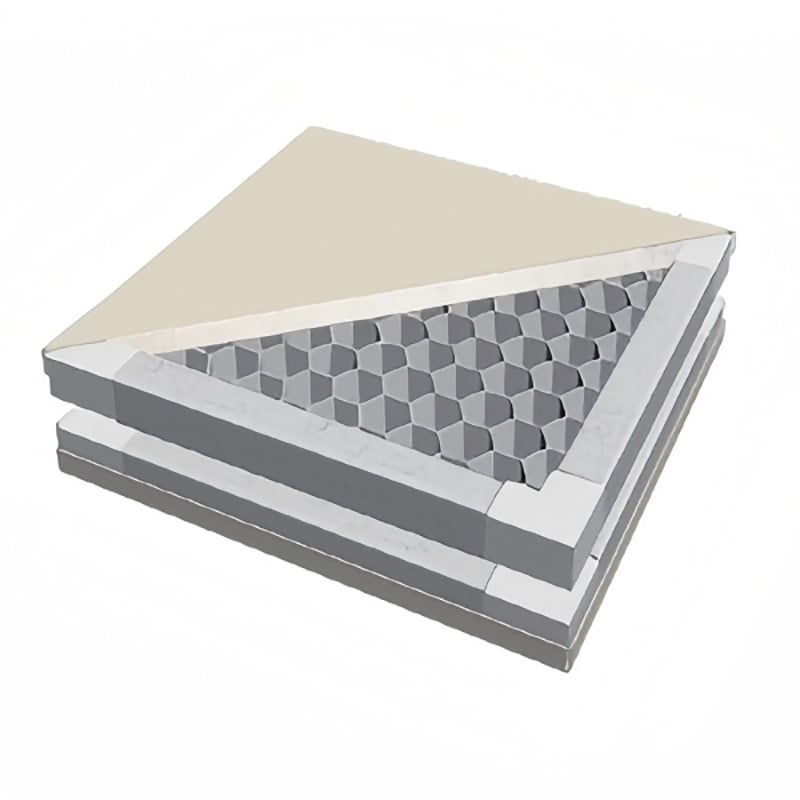
Кухи панели с ядро от магнезиев оксид обикновено се състоят от вътрешна структура с форма на пчелна пита или мрежа, която е прикрепена към магнезиевоокисни лицеви плочи. Тъй като са леки, те осигуряват относително удобна инсталация. Въпреки това монтажът им предлага строги изисквания към равнинността на основния слой (субстрата). Повърхността на субстрата трябва да е равна, суха и чиста; ако отклонението от равнинността на субстрата надвишава зададената допусната стойност (най-често грешката в равнинността не трябва да надвишава 5 мм в рамките на всеки 2-метров интервал), чистопомещенските панели няма да се залепят плътно към субстрата след монтажа, което води до прекалено широки шевове между панелите. При строителството на електронни чисти помещения, ако шевовете между панелите са прекалено широки, прах и други примеси могат лесно да проникнат вътре, поради което е невъзможно да се изпълнят строгите изисквания за чистота на околната среда, необходими за производството на електроника.

При фиксирането на панелите обикновено се използват методи като самонарезни винтове. Специфични изисквания регулират разстоянието между тези винтове, които обикновено се разпределят равномерно в разумен диапазон, за да се осигури здраво закрепване на панелите. Освен това обработката на шевовете между панелите е също толкова важна; те трябва да бъдат запълнени с уплътнителни материали, за да се осигури ефективно уплътняне и да се предотврати изтичането на въздух.
cleanroom panels factory Installation of Rock Wool Core Cleanroom Panels Rock wool core material is manufactured from natural rock through a high-temperature melting process; it is relatively heavy and possesses a certain degree of rigidity. During installation, the load-bearing capacity of the supporting keel structure is of paramount importance. Based on the weight of the panels, the spacing between keels must be designed scientifically and rationally to prevent panel deformation caused by insufficient load-bearing support. For instance, if rock wool cleanroom panels are utilized as wall materials in a large-scale industrial facility with stringent fire safety requirements, setting the keel spacing too wide—given the substantial weight of the rock wool panels—could eventually lead to sagging or deformation of the panels over time, thereby compromising both aesthetic appeal and operational safety.  Furthermore, the cut edges of rock wool panels are prone to generating dust. Consequently, appropriate protective measures must be implemented during installation—such as requiring construction personnel to wear professional dust-proof masks and deploying localized dust extraction equipment in cutting zones—to prevent dust contamination within the cleanroom environment. When joining panels, it is imperative to ensure that the seams are tightly fitted; this is essential for effectively guaranteeing thermal insulation and soundproofing performance. For example, in the construction of medical operating rooms—where noise control standards are exceptionally strict—tightly fitted seams can significantly minimize the intrusion of external noise while simultaneously preventing thermal exchange between the indoor and outdoor environments, thereby maintaining stable indoor temperatures.  Installation of Rock Wool Core Cleanroom Panels  Installation of Polyurethane Core Cleanroom Panels Polyurethane core material consists of a polyurethane foam filling; it offers excellent thermal insulation and sealing properties, combining high structural strength with a moderate weight. During installation, the layout of the supporting keel structure can be adjusted to suit the specific application scenario. For instance, in the construction of a cold storage facility—where thermal insulation requirements are particularly high—the low internal temperatures necessitate cleanroom panels with superior insulating capabilities to minimize energy consumption. In such cases, the keel layout can be flexibly configured based on practical factors such as the spatial structure of the cold storage unit and the positioning of refrigeration equipment.  However, since polyurethane materials may release harmful gases when exposed to high temperatures, the use of open flames must be strictly prohibited during the installation process, and adequate ventilation must be ensured. Additionally, polyurethane panels typically feature a tongue-and-groove interlocking design at their joints; during installation, it is crucial to ensure that these interlocking profiles engage tightly to enhance the overall airtightness of the structure. Taking a food cold storage facility as an example: if the tongue-and-groove joints do not interlock tightly, outside air can easily infiltrate. This may lead to temperature fluctuations within the cold storage area, thereby compromising the effectiveness of food preservation.  Installation of Polyurethane Core Cleanroom Panels  Installation of Hollow Magnesium Oxide Core Cleanroom Panels

Основни точки при инсталирането на чисти стаи с панели с алуминиев меденорамков ядрен слой

Алуминиеви пчелни панели за чисти стаи предлагат множество предимства, като например висока конструктивна якост и отлично равна повърхност. По време на монтаж, като се има предвид относително равномерното разпределение на теглото на панелите, проектът на поддържащата кила може да се определи въз основа на конкретните спецификации на панелите и на околната среда за монтаж. В големи търговски центрове — по-специално за проекти, свързани с обвиване на централни климатични вентилационни канали — използването на алуминиеви пчелни панели за чисти стаи изисква проект на кила, адаптиран към формата и размерите на вентилационните канали, както и към общото пространствено оформление на търговския център.

При сплайсването на алуминиеви пчелни панели за чисти стаи е необходима висока степен на прецизност. От съществено значение е да се осигури равномерност и плътно запечатване на всички стави, за да се постигне естетично привлекателен външен вид и да се запази оптималната обща производителност. Освен това по време на инсталационния процес трябва да се проявява голяма внимателност при защитата на повърхностите на панелите; трябва да се вземат предпазни мерки срещу драскотини или удари, които биха причинили повърхностни повреди и биха компрометирали както визуалната привлекателност, така и функционалната цялост на панелите.
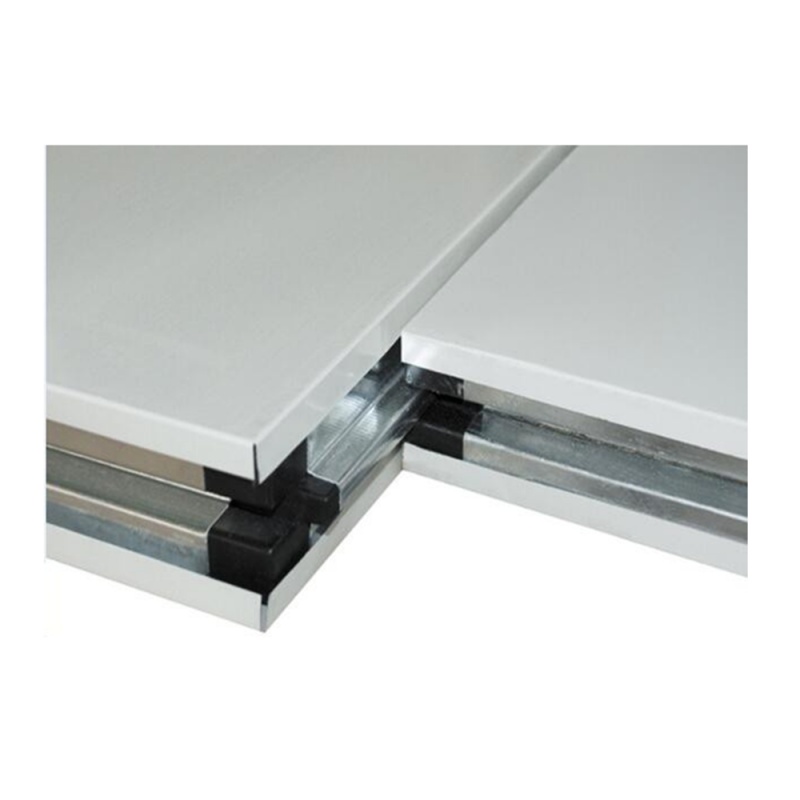
Key Installation Points for Aluminum Honeycomb Core Cleanroom Panels

Съображения при инсталирането на панели за чисти стаи с ядро от магнезиев оксид и скален вълна

Панели с ядро от магнезиев оксид (MgO) и скален вълна съчетават уникалните характеристики на двата материала. По време на монтажа е необходимо да се вземат предвид специфичните изисквания, наложени от ядрото от каменна вата — особено относно неговата огнеустойчивост и топлоизолационни свойства — като едновременно с това се отчитат уникалните характеристики на магнезиевоокисните облицовъчни плочи. При фиксирането на панелите е от критично значение да се осигури, че крепежните елементи проникват здраво през магнезиевоокисната плоча, за да се установи сигурна връзка с поддържащия кил, което гарантира структурната устойчивост на цялата конструкция. При строителството на чисти стаи в производствени фармацевтични предприятия недостатъчното закрепване може да доведе до разхлабване на панелите по време на последващи операции, потенциално предизвикано от фактори като вибрации от оборудването в работилницата.

Що се отнася до обработката на ставите между панелите, първо трябва да се запълнят зазорите с подходящо уплътнително средство, последвано от подходяща повърхностна обработка, за да се осигури както въздушната непроницаемост, така и естетичната непрекъснатост на ставите. Освен това, като се има предвид, че магнезиевоокисните плочи са подложни на проблеми, свързани с влагата — като например „потене“ или миграция на влага — в среда с висока влажност, по време на монтажа трябва да се приложат ефективни мерки за влагозащита; примери за това включват нанасяне на влагоустойчиви покрития върху основната основа.
cleanroom panels factory Installation of Rock Wool Core Cleanroom Panels Rock wool core material is manufactured from natural rock through a high-temperature melting process; it is relatively heavy and possesses a certain degree of rigidity. During installation, the load-bearing capacity of the supporting keel structure is of paramount importance. Based on the weight of the panels, the spacing between keels must be designed scientifically and rationally to prevent panel deformation caused by insufficient load-bearing support. For instance, if rock wool cleanroom panels are utilized as wall materials in a large-scale industrial facility with stringent fire safety requirements, setting the keel spacing too wide—given the substantial weight of the rock wool panels—could eventually lead to sagging or deformation of the panels over time, thereby compromising both aesthetic appeal and operational safety.  Furthermore, the cut edges of rock wool panels are prone to generating dust. Consequently, appropriate protective measures must be implemented during installation—such as requiring construction personnel to wear professional dust-proof masks and deploying localized dust extraction equipment in cutting zones—to prevent dust contamination within the cleanroom environment. When joining panels, it is imperative to ensure that the seams are tightly fitted; this is essential for effectively guaranteeing thermal insulation and soundproofing performance. For example, in the construction of medical operating rooms—where noise control standards are exceptionally strict—tightly fitted seams can significantly minimize the intrusion of external noise while simultaneously preventing thermal exchange between the indoor and outdoor environments, thereby maintaining stable indoor temperatures.  Installation of Rock Wool Core Cleanroom Panels  Installation of Polyurethane Core Cleanroom Panels Polyurethane core material consists of a polyurethane foam filling; it offers excellent thermal insulation and sealing properties, combining high structural strength with a moderate weight. During installation, the layout of the supporting keel structure can be adjusted to suit the specific application scenario. For instance, in the construction of a cold storage facility—where thermal insulation requirements are particularly high—the low internal temperatures necessitate cleanroom panels with superior insulating capabilities to minimize energy consumption. In such cases, the keel layout can be flexibly configured based on practical factors such as the spatial structure of the cold storage unit and the positioning of refrigeration equipment.  However, since polyurethane materials may release harmful gases when exposed to high temperatures, the use of open flames must be strictly prohibited during the installation process, and adequate ventilation must be ensured. Additionally, polyurethane panels typically feature a tongue-and-groove interlocking design at their joints; during installation, it is crucial to ensure that these interlocking profiles engage tightly to enhance the overall airtightness of the structure. Taking a food cold storage facility as an example: if the tongue-and-groove joints do not interlock tightly, outside air can easily infiltrate. This may lead to temperature fluctuations within the cold storage area, thereby compromising the effectiveness of food preservation.  Installation of Polyurethane Core Cleanroom Panels  Installation of Hollow Magnesium Oxide Core Cleanroom Panels Hollow magnesium oxide core panels typically consist of a honeycomb or grid-like hollow internal structure bonded to magnesium oxide faceboards. Being lightweight, they offer relatively convenient installation. However, their installation places stringent demands on the flatness of the substrate (base layer). The substrate surface must be flat, dry, and clean; if the flatness deviation of the substrate exceeds the specified tolerance (generally, the flatness error must not exceed 5 mm within any 2-meter span), the cleanroom panels will fail to adhere tightly to the substrate after installation, resulting in excessively wide panel seams. In the construction of electronic cleanrooms, if panel seams are too wide, dust and other impurities can easily enter, making it impossible to meet the rigorous environmental cleanliness standards required for electronics manufacturing.  When securing the panels, methods such as self-tapping screws are typically employed. Specific requirements govern the spacing of these screws, which are generally distributed uniformly within a reasonable range to ensure the panels are firmly anchored. Furthermore, the treatment of panel seams is equally critical; they must be filled with sealing materials to ensure an effective seal and prevent air leakage.  cleanroom panels factory Installation of Rock Wool Core Cleanroom Panels Rock wool core material is manufactured from natural rock through a high-temperature melting process; it is relatively heavy and possesses a certain degree of rigidity. During installation, the load-bearing capacity of the supporting keel structure is of paramount importance. Based on the weight of the panels, the spacing between keels must be designed scientifically and rationally to prevent panel deformation caused by insufficient load-bearing support. For instance, if rock wool cleanroom panels are utilized as wall materials in a large-scale industrial facility with stringent fire safety requirements, setting the keel spacing too wide—given the substantial weight of the rock wool panels—could eventually lead to sagging or deformation of the panels over time, thereby compromising both aesthetic appeal and operational safety.  Furthermore, the cut edges of rock wool panels are prone to generating dust. Consequently, appropriate protective measures must be implemented during installation—such as requiring construction personnel to wear professional dust-proof masks and deploying localized dust extraction equipment in cutting zones—to prevent dust contamination within the cleanroom environment. When joining panels, it is imperative to ensure that the seams are tightly fitted; this is essential for effectively guaranteeing thermal insulation and soundproofing performance. For example, in the construction of medical operating rooms—where noise control standards are exceptionally strict—tightly fitted seams can significantly minimize the intrusion of external noise while simultaneously preventing thermal exchange between the indoor and outdoor environments, thereby maintaining stable indoor temperatures.  Installation of Rock Wool Core Cleanroom Panels  Installation of Polyurethane Core Cleanroom Panels Polyurethane core material consists of a polyurethane foam filling; it offers excellent thermal insulation and sealing properties, combining high structural strength with a moderate weight. During installation, the layout of the supporting keel structure can be adjusted to suit the specific application scenario. For instance, in the construction of a cold storage facility—where thermal insulation requirements are particularly high—the low internal temperatures necessitate cleanroom panels with superior insulating capabilities to minimize energy consumption. In such cases, the keel layout can be flexibly configured based on practical factors such as the spatial structure of the cold storage unit and the positioning of refrigeration equipment.  However, since polyurethane materials may release harmful gases when exposed to high temperatures, the use of open flames must be strictly prohibited during the installation process, and adequate ventilation must be ensured. Additionally, polyurethane panels typically feature a tongue-and-groove interlocking design at their joints; during installation, it is crucial to ensure that these interlocking profiles engage tightly to enhance the overall airtightness of the structure. Taking a food cold storage facility as an example: if the tongue-and-groove joints do not interlock tightly, outside air can easily infiltrate. This may lead to temperature fluctuations within the cold storage area, thereby compromising the effectiveness of food preservation.  Installation of Polyurethane Core Cleanroom Panels  Installation of Hollow Magnesium Oxide Core Cleanroom Panels  Key Installation Points for Aluminum Honeycomb Core Cleanroom Panels Aluminum honeycomb core cleanroom panels offer numerous advantages, such as high structural strength and excellent surface flatness. During installation, given the relatively uniform distribution of the panels' weight, the design of the supporting keel system can be determined based on the specific panel specifications and the ambient installation environment. In large-scale commercial shopping malls—specifically for projects involving the enclosure of central air conditioning ventilation ducts—the use of aluminum honeycomb cleanroom panels necessitates a keel design tailored to the shape and dimensions of the ventilation ducts, as well as the overall spatial layout of the mall.  When splicing aluminum honeycomb cleanroom panels, a high degree of precision is required. It is essential to ensure that all joints are flat and tightly sealed to achieve an aesthetically pleasing appearance and maintain optimal overall performance. Furthermore, during the installation process, great care must be taken to protect the panel surfaces; precautions should be implemented to prevent scratches or impacts that could cause surface damage, thereby compromising both the visual appeal and the functional integrity of the panels.  Key Installation Points for Aluminum Honeycomb Core Cleanroom Panels  Installation Considerations for Magnesium Oxide Rock Wool Core Cleanroom Panels

При монтажа на филтриращи панели с различни материали за ядро трябва да се прилагат специфични мерки — адаптирани към характеристиките на материала за ядро — относно конструкцията на обковката, обработката за влагозащита и пожарозащита, спояването на панелите и мерките за безопасно обращение. Това гарантира качеството на монтажа и позволява на филтриращите панели да функционират в пълния си потенциал. В реалните инженерни проекти изборът на филтриращи панели с подходящи материали за ядро трябва да се основава на комплексна оценка на фактори като конкретния сценарий на приложение, изискванията към околната среда и бюджета; освен това монтажът трябва да се извършва стриктно в съответствие със съответните инструкции за инсталиране.
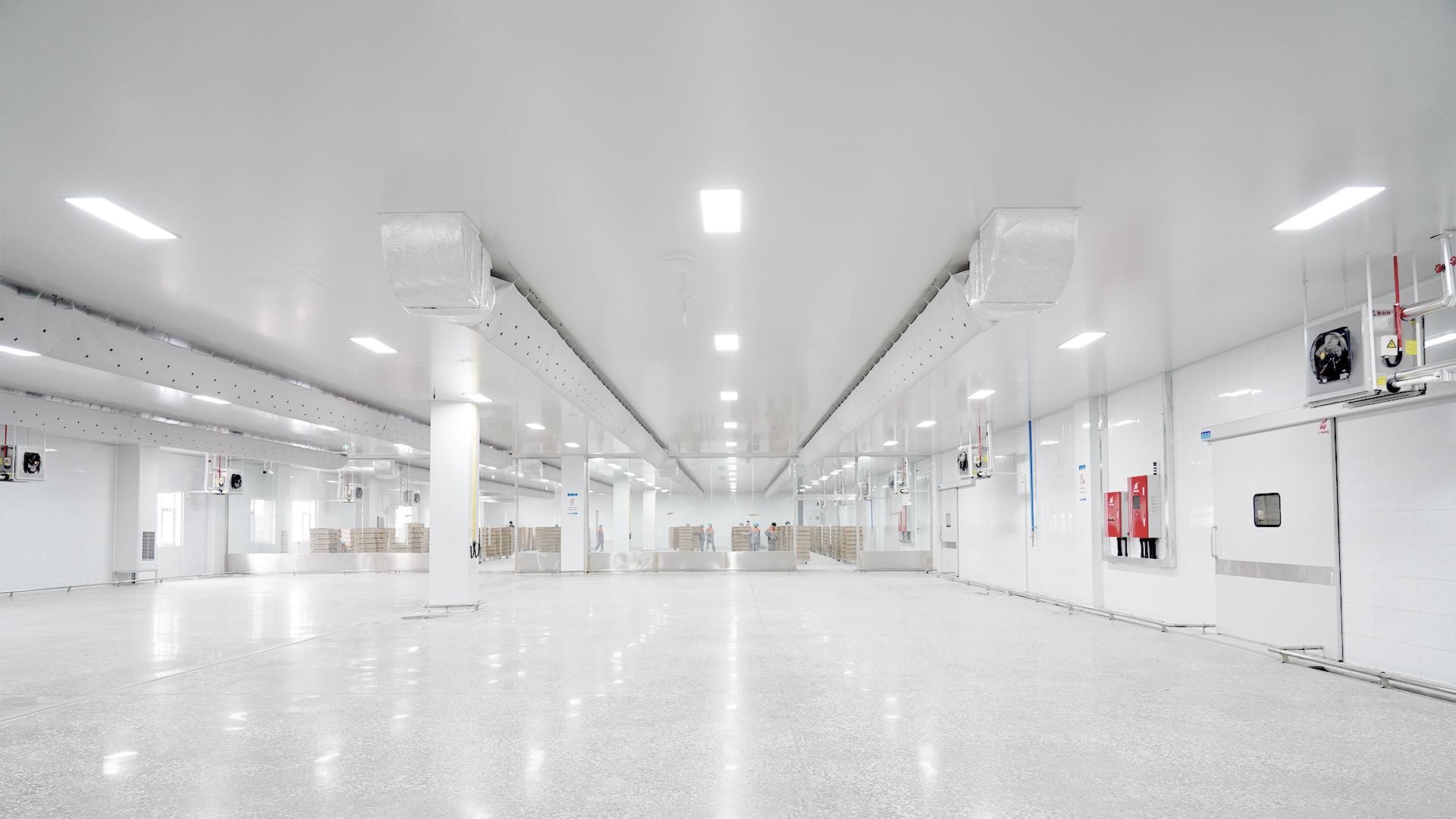
Cleanroom Enclosure System for Shandong Boda Food (1).jpg

Получете безплатна оферта за вашия проект

Независимо дали става въпрос за стоманена работилница, хладилно складиране или система за чисти помещения, ние предлагаме конкурентни фабрични цени и професионален дизайн.
Имейл
Име
Мобилен телефон / WhatsApp
Име на компанията
Съобщение
0/1000