Solicite um Orçamento Gratuito para o Seu Projeto

Seja um galpão de aço, uma câmara frigorífica ou um sistema de sala limpa, oferecemos preços competitivos de fábrica e projeto profissional.
E-mail
Nome
Celular/WhatsApp
Nome da Empresa
Mensagem
0/1000

Notícias do Setor

Página Inicial >  Recursos >  Notícias do Setor

Há diferenças na instalação de painéis para salas limpas com diferentes materiais de núcleo

Apr 14, 2026

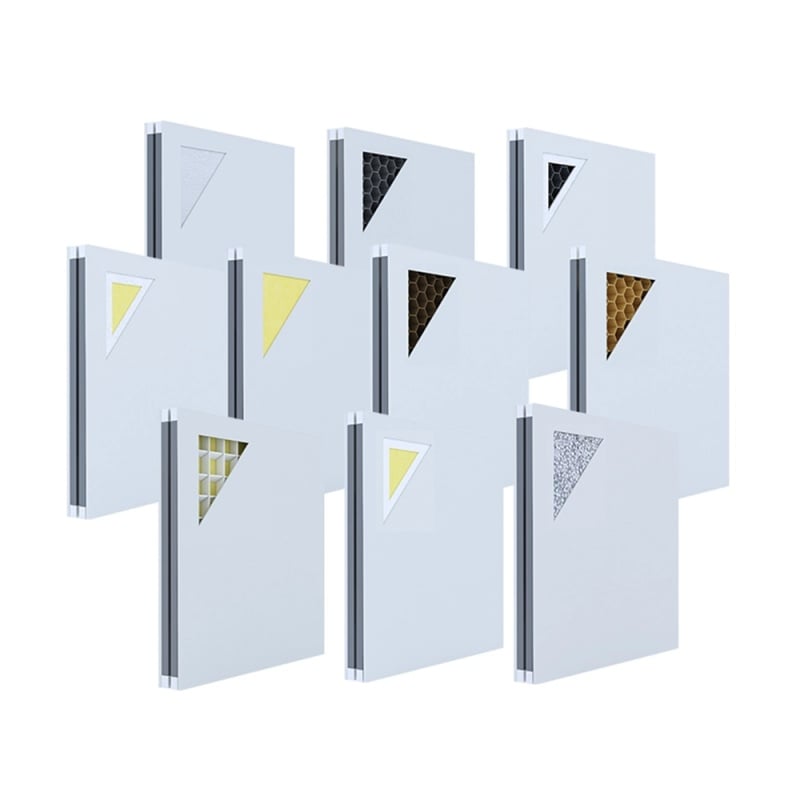
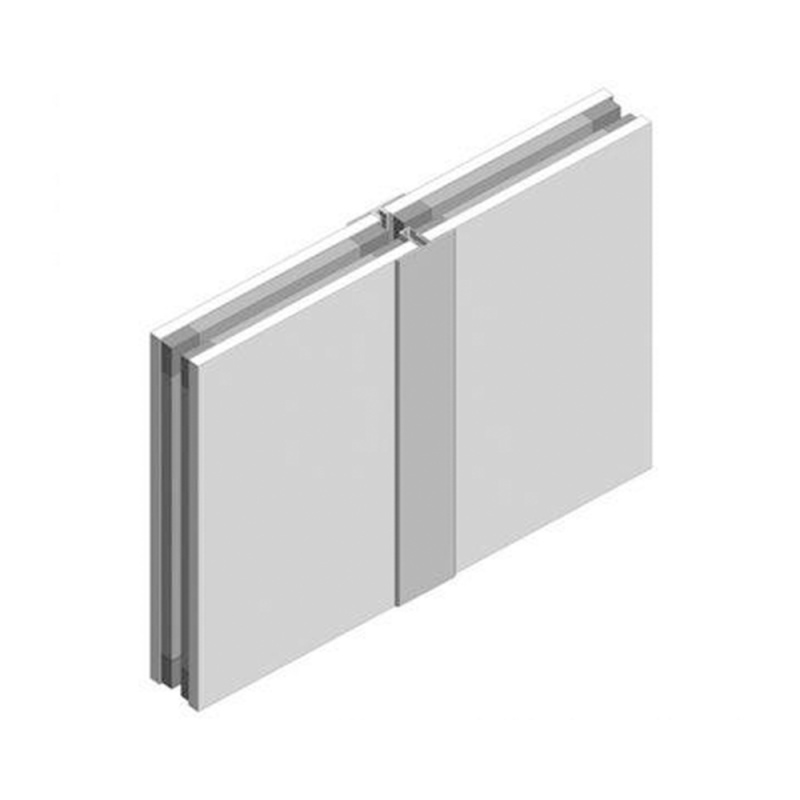
Painéis para salas limpas são amplamente utilizados em indústrias com requisitos ambientais rigorosos — como eletrônica, farmacêutica e processamento de alimentos — onde servem para criar ambientes espaciais limpos e higiênicos. Esses painéis apresentam uma diversidade de materiais de núcleo, sendo as variedades mais comuns lã de rocha, óxido de magnésio oco, favo de alumínio e compósitos de óxido de magnésio e lã de rocha. Dadas as propriedades distintas inerentes a cada tipo de material de núcleo, os processos de instalação desses diversos painéis para salas limpas, de fato, apresentam numerosas diferenças.
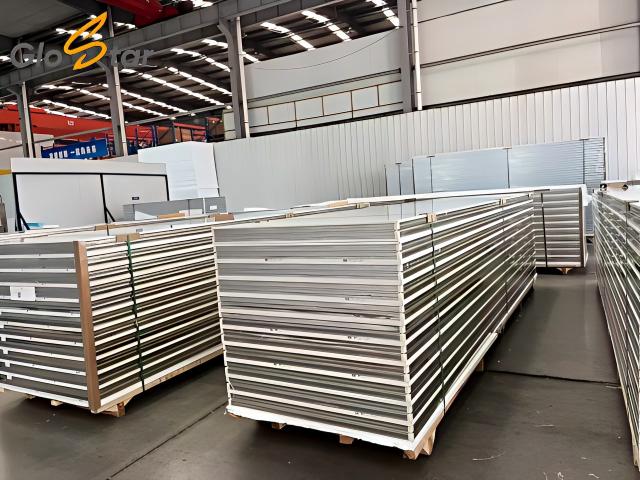
cleanroom panels factory

Instalação de Painéis para Salas Limpas com Núcleo de Lã de Rocha

O material de núcleo de lã de rocha é fabricado a partir de rocha natural por meio de um processo de fusão em alta temperatura; é relativamente pesado e possui certo grau de rigidez. Durante a instalação, a capacidade de carga da estrutura de montantes de suporte é de importância fundamental. Com base no peso dos painéis, o espaçamento entre os montantes deve ser projetado de forma científica e racional para evitar deformações dos painéis causadas por suporte insuficiente à carga. Por exemplo, se painéis para salas limpas em lã de rocha forem utilizados como materiais para paredes em uma grande instalação industrial com requisitos rigorosos de segurança contra incêndios, definir um espaçamento excessivamente amplo entre os montantes — considerando o peso substancial dos painéis de lã de rocha — poderia, com o tempo, levar ao empenamento ou deformação dos painéis, comprometendo tanto o apelo estético quanto a segurança operacional.

Além disso, as bordas cortadas dos painéis de lã de rocha tendem a gerar poeira. Consequentemente, devem ser implementadas medidas protetoras adequadas durante a instalação — por exemplo, exigir que o pessoal de construção utilize máscaras profissionais antipoeira e instalar equipamentos locais de extração de poeira nas zonas de corte — para evitar a contaminação por poeira no ambiente da sala limpa. Ao unir os painéis, é fundamental garantir que as juntas fiquem perfeitamente ajustadas; isso é essencial para assegurar eficazmente o desempenho de isolamento térmico e acústico. Por exemplo, na construção de salas cirúrgicas médicas — onde os padrões de controle de ruído são excepcionalmente rigorosos — juntas perfeitamente ajustadas podem reduzir significativamente a intrusão de ruído externo, ao mesmo tempo que impedem a troca térmica entre os ambientes interno e externo, mantendo assim temperaturas internas estáveis.
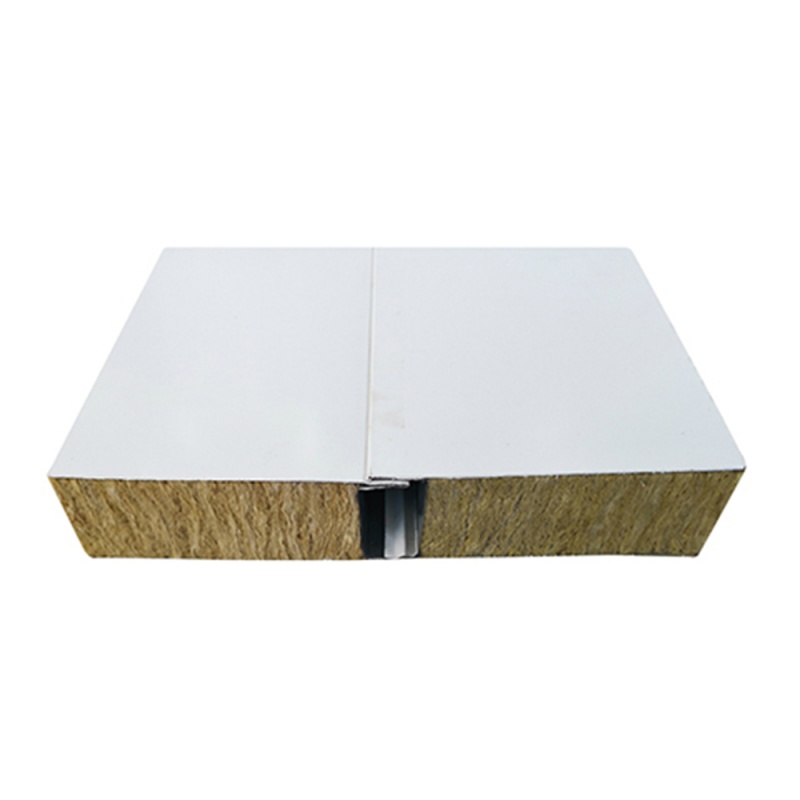
Installation of Rock Wool Core Cleanroom Panels

Instalação de Painéis para Salas Limpas com Núcleo de Poliuretano

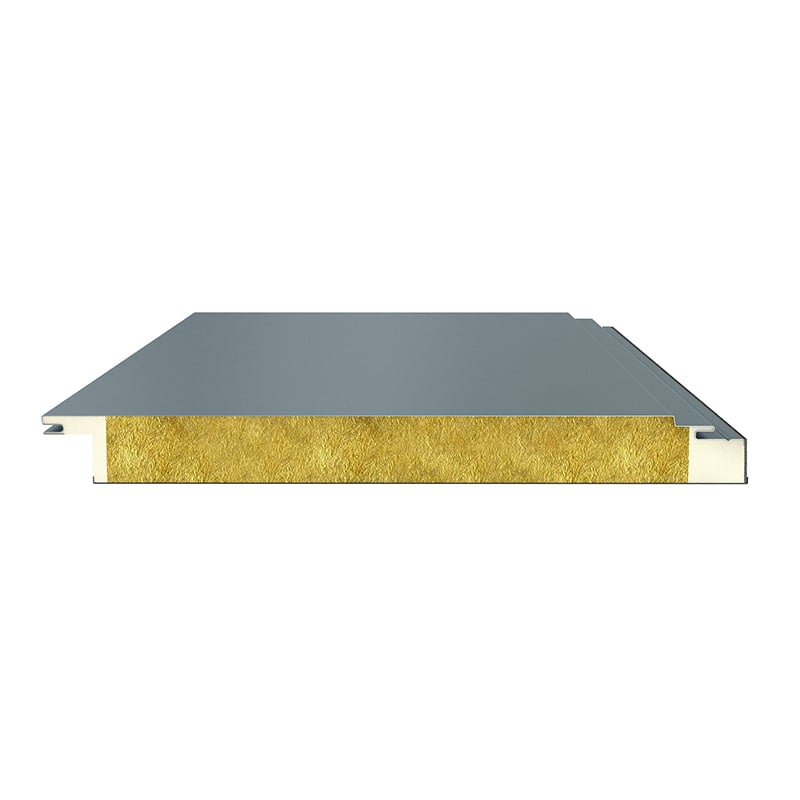
O material de núcleo de poliuretano consiste em um enchimento de espuma de poliuretano; oferece excelentes propriedades de isolamento térmico e vedação, combinando alta resistência estrutural com um peso moderado. Durante a instalação, o layout da estrutura de montantes de suporte pode ser ajustado para atender ao cenário específico de aplicação. Por exemplo, na construção de uma câmara frigorífica — onde os requisitos de isolamento térmico são particularmente elevados — as baixas temperaturas internas exigem painéis para salas limpas com capacidades superiores de isolamento, a fim de minimizar o consumo energético. Nesses casos, o layout dos montantes pode ser configurado de forma flexível com base em fatores práticos, como a estrutura espacial da câmara frigorífica e o posicionamento dos equipamentos de refrigeração.

No entanto, como os materiais de poliuretano podem liberar gases nocivos quando expostos a altas temperaturas, o uso de chamas abertas deve ser estritamente proibido durante o processo de instalação, e deve-se garantir ventilação adequada. Além disso, os painéis de poliuretano geralmente apresentam um design entrelaçado tipo macho-fêmea nas suas juntas; durante a instalação, é fundamental assegurar que esses perfis entrelaçados se encaixem firmemente para melhorar a estanqueidade geral da estrutura. Tomando como exemplo uma instalação de câmara frigorífica para alimentos: se as juntas macho-fêmea não se encaixarem firmemente, o ar externo poderá infiltrar-se facilmente. Isso pode provocar flutuações de temperatura na área refrigerada, comprometendo, assim, a eficácia da conservação dos alimentos.
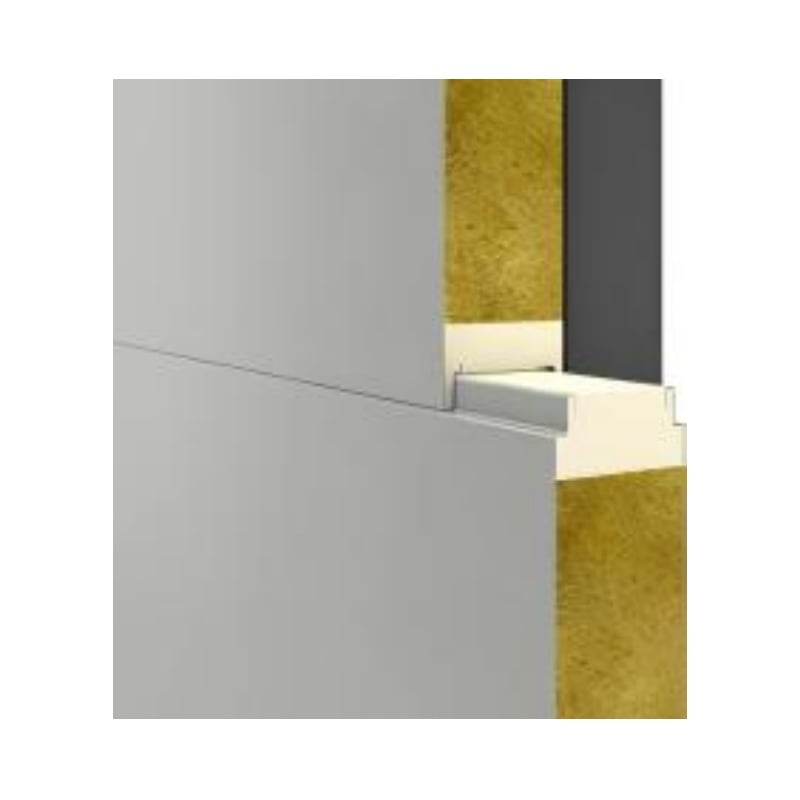
Installation of Polyurethane Core Cleanroom Panels

Instalação de Painéis para Salas Limpas com Núcleo Oco de Óxido de Magnésio

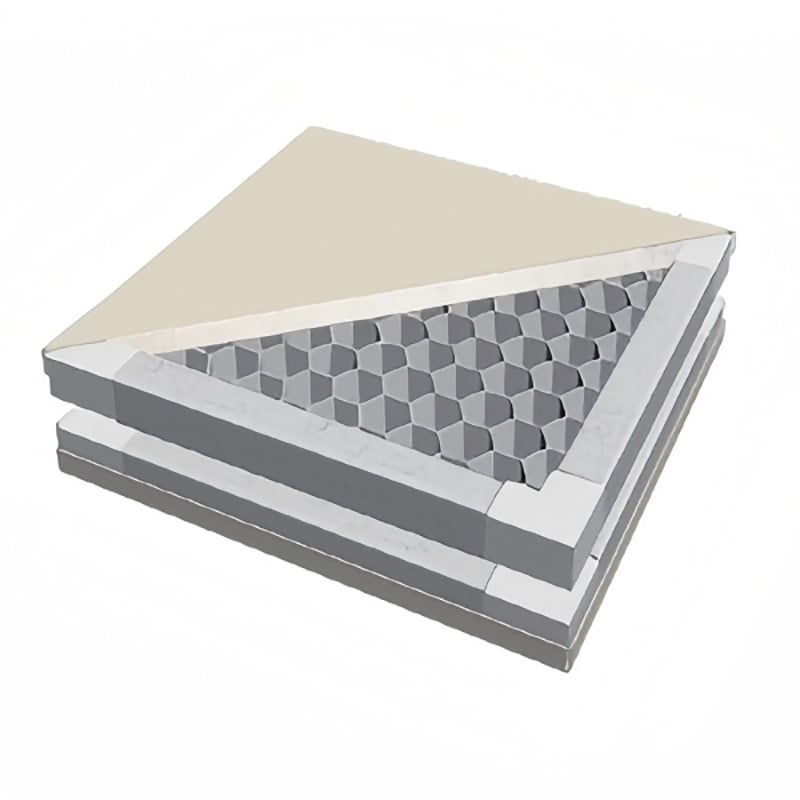
Painéis com núcleo oco de óxido de magnésio geralmente consistem em uma estrutura interna oca em forma de favo de mel ou grade, ligada a chapas frontais de óxido de magnésio. Por serem leves, oferecem instalação relativamente conveniente. No entanto, sua instalação exige rigorosas condições de planicidade do substrato (camada base). A superfície do substrato deve ser plana, seca e limpa; caso o desvio de planicidade do substrato ultrapasse a tolerância especificada (geralmente, o erro de planicidade não deve exceder 5 mm em qualquer trecho de 2 metros), os painéis para salas limpas não aderirão firmemente ao substrato após a instalação, resultando em juntas entre os painéis excessivamente largas. Na construção de salas limpas eletrônicas, se as juntas entre os painéis forem muito largas, poeira e outras impurezas poderão penetrar facilmente, tornando impossível atender aos rigorosos padrões de limpeza ambiental exigidos pela fabricação de equipamentos eletrônicos.

Ao fixar os painéis, métodos como parafusos autofurantes são normalmente empregados. Requisitos específicos regem o espaçamento desses parafusos, que geralmente são distribuídos de forma uniforme dentro de uma faixa razoável para garantir que os painéis fiquem firmemente ancorados. Além disso, o tratamento das juntas entre os painéis é igualmente crítico; elas devem ser preenchidas com materiais de vedação para assegurar uma vedação eficaz e evitar vazamentos de ar.
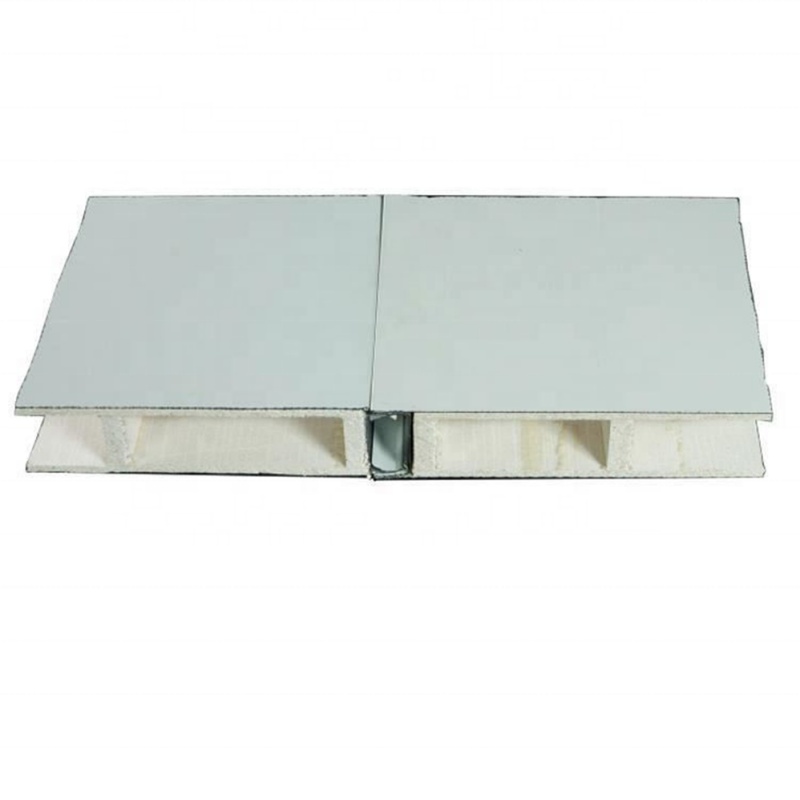
cleanroom panels factory Installation of Rock Wool Core Cleanroom Panels Rock wool core material is manufactured from natural rock through a high-temperature melting process; it is relatively heavy and possesses a certain degree of rigidity. During installation, the load-bearing capacity of the supporting keel structure is of paramount importance. Based on the weight of the panels, the spacing between keels must be designed scientifically and rationally to prevent panel deformation caused by insufficient load-bearing support. For instance, if rock wool cleanroom panels are utilized as wall materials in a large-scale industrial facility with stringent fire safety requirements, setting the keel spacing too wide—given the substantial weight of the rock wool panels—could eventually lead to sagging or deformation of the panels over time, thereby compromising both aesthetic appeal and operational safety.  Furthermore, the cut edges of rock wool panels are prone to generating dust. Consequently, appropriate protective measures must be implemented during installation—such as requiring construction personnel to wear professional dust-proof masks and deploying localized dust extraction equipment in cutting zones—to prevent dust contamination within the cleanroom environment. When joining panels, it is imperative to ensure that the seams are tightly fitted; this is essential for effectively guaranteeing thermal insulation and soundproofing performance. For example, in the construction of medical operating rooms—where noise control standards are exceptionally strict—tightly fitted seams can significantly minimize the intrusion of external noise while simultaneously preventing thermal exchange between the indoor and outdoor environments, thereby maintaining stable indoor temperatures.  Installation of Rock Wool Core Cleanroom Panels  Installation of Polyurethane Core Cleanroom Panels Polyurethane core material consists of a polyurethane foam filling; it offers excellent thermal insulation and sealing properties, combining high structural strength with a moderate weight. During installation, the layout of the supporting keel structure can be adjusted to suit the specific application scenario. For instance, in the construction of a cold storage facility—where thermal insulation requirements are particularly high—the low internal temperatures necessitate cleanroom panels with superior insulating capabilities to minimize energy consumption. In such cases, the keel layout can be flexibly configured based on practical factors such as the spatial structure of the cold storage unit and the positioning of refrigeration equipment.  However, since polyurethane materials may release harmful gases when exposed to high temperatures, the use of open flames must be strictly prohibited during the installation process, and adequate ventilation must be ensured. Additionally, polyurethane panels typically feature a tongue-and-groove interlocking design at their joints; during installation, it is crucial to ensure that these interlocking profiles engage tightly to enhance the overall airtightness of the structure. Taking a food cold storage facility as an example: if the tongue-and-groove joints do not interlock tightly, outside air can easily infiltrate. This may lead to temperature fluctuations within the cold storage area, thereby compromising the effectiveness of food preservation.  Installation of Polyurethane Core Cleanroom Panels  Installation of Hollow Magnesium Oxide Core Cleanroom Panels

Pontos-Chave de Instalação para Painéis de Sala Limpa com Núcleo em Alumínio em Ninhos de Abelha

Painéis para Salas Limpas com Núcleo em Alvéolo de Alumínio oferecem inúmeras vantagens, como alta resistência estrutural e excelente planicidade superficial. Durante a instalação, dada a distribuição relativamente uniforme do peso dos painéis, o projeto do sistema de montantes de suporte pode ser definido com base nas especificações específicas dos painéis e no ambiente de instalação. Em shoppings comerciais de grande porte — especificamente em projetos que envolvem o revestimento de dutos de ventilação de ar-condicionado central — o uso de painéis de sala limpa em alumínio tipo favo de mel exige um projeto de montantes adaptado à forma e às dimensões dos dutos de ventilação, bem como ao layout espacial geral do shopping.

Ao emendar painéis de sala limpa em favo de mel de alumínio, é necessária uma alta precisão. É essencial garantir que todas as juntas estejam planas e hermeticamente seladas para obter uma aparência esteticamente agradável e manter o desempenho geral ideal. Além disso, durante o processo de instalação, deve-se ter extremo cuidado ao proteger as superfícies dos painéis; devem ser adotadas precauções para evitar arranhões ou impactos que possam causar danos na superfície, comprometendo assim tanto o apelo visual quanto a integridade funcional dos painéis.
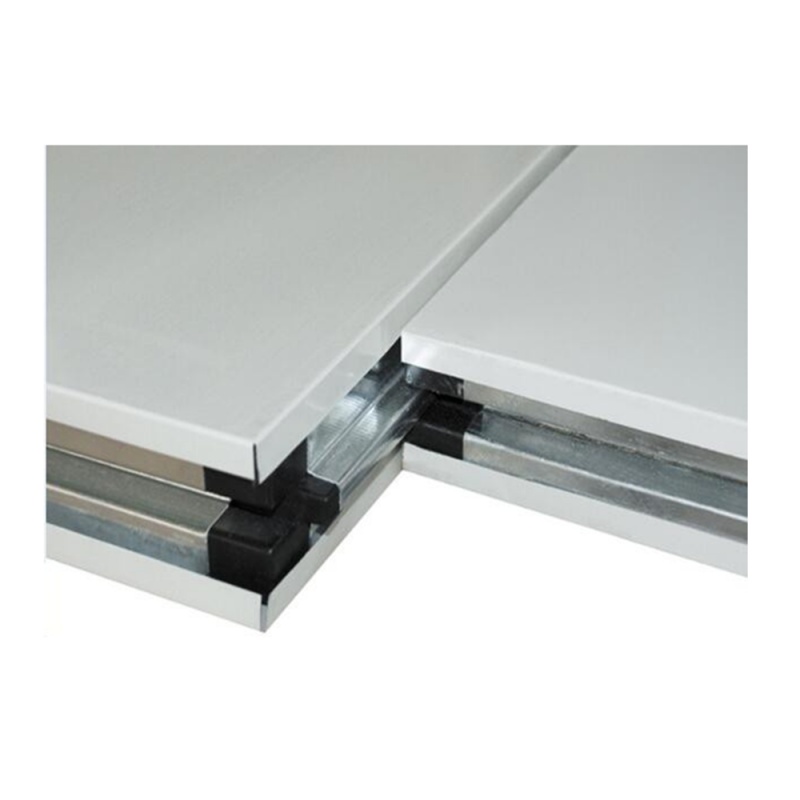
Key Installation Points for Aluminum Honeycomb Core Cleanroom Panels

Considerações para a Instalação de Painéis de Sala Limpa com Núcleo de Óxido de Magnésio e Lã de Rocha

Painéis com núcleo de óxido de magnésio (MgO) e lã de rocha combinar as características distintas de ambos os materiais. Durante a instalação, é necessário considerar os requisitos específicos impostos pelo núcleo de lã de rocha — particularmente no que diz respeito à sua resistência ao fogo e às propriedades de isolamento térmico — ao mesmo tempo em que se acomodam os atributos únicos dos painéis revestidos com óxido de magnésio. Ao fixar os painéis, é fundamental garantir que os elementos de fixação penetrem firmemente através do painel de óxido de magnésio para estabelecer uma conexão segura com o perfil de sustentação, assegurando, assim, a estabilidade estrutural de todo o conjunto. Em projetos de construção de salas limpas em instalações farmacêuticas, uma fixação inadequada pode levar ao afrouxamento dos painéis durante operações subsequentes, potencialmente desencadeado por fatores como a vibração de equipamentos dentro da oficina.

Quanto ao tratamento das juntas dos painéis, as lacunas devem ser inicialmente preenchidas com um material selante adequado, seguido de um acabamento superficial apropriado, para garantir tanto a estanqueidade ao ar quanto a continuidade estética das juntas. Além disso, considerando que as placas de óxido de magnésio são suscetíveis a problemas relacionados à umidade — como "transpiração" ou migração de umidade — em ambientes de alta umidade, devem ser implementadas medidas robustas de impermeabilização durante a instalação; exemplos incluem a aplicação de revestimentos resistentes à umidade sobre o substrato subjacente.
cleanroom panels factory Installation of Rock Wool Core Cleanroom Panels Rock wool core material is manufactured from natural rock through a high-temperature melting process; it is relatively heavy and possesses a certain degree of rigidity. During installation, the load-bearing capacity of the supporting keel structure is of paramount importance. Based on the weight of the panels, the spacing between keels must be designed scientifically and rationally to prevent panel deformation caused by insufficient load-bearing support. For instance, if rock wool cleanroom panels are utilized as wall materials in a large-scale industrial facility with stringent fire safety requirements, setting the keel spacing too wide—given the substantial weight of the rock wool panels—could eventually lead to sagging or deformation of the panels over time, thereby compromising both aesthetic appeal and operational safety.  Furthermore, the cut edges of rock wool panels are prone to generating dust. Consequently, appropriate protective measures must be implemented during installation—such as requiring construction personnel to wear professional dust-proof masks and deploying localized dust extraction equipment in cutting zones—to prevent dust contamination within the cleanroom environment. When joining panels, it is imperative to ensure that the seams are tightly fitted; this is essential for effectively guaranteeing thermal insulation and soundproofing performance. For example, in the construction of medical operating rooms—where noise control standards are exceptionally strict—tightly fitted seams can significantly minimize the intrusion of external noise while simultaneously preventing thermal exchange between the indoor and outdoor environments, thereby maintaining stable indoor temperatures.  Installation of Rock Wool Core Cleanroom Panels  Installation of Polyurethane Core Cleanroom Panels Polyurethane core material consists of a polyurethane foam filling; it offers excellent thermal insulation and sealing properties, combining high structural strength with a moderate weight. During installation, the layout of the supporting keel structure can be adjusted to suit the specific application scenario. For instance, in the construction of a cold storage facility—where thermal insulation requirements are particularly high—the low internal temperatures necessitate cleanroom panels with superior insulating capabilities to minimize energy consumption. In such cases, the keel layout can be flexibly configured based on practical factors such as the spatial structure of the cold storage unit and the positioning of refrigeration equipment.  However, since polyurethane materials may release harmful gases when exposed to high temperatures, the use of open flames must be strictly prohibited during the installation process, and adequate ventilation must be ensured. Additionally, polyurethane panels typically feature a tongue-and-groove interlocking design at their joints; during installation, it is crucial to ensure that these interlocking profiles engage tightly to enhance the overall airtightness of the structure. Taking a food cold storage facility as an example: if the tongue-and-groove joints do not interlock tightly, outside air can easily infiltrate. This may lead to temperature fluctuations within the cold storage area, thereby compromising the effectiveness of food preservation.  Installation of Polyurethane Core Cleanroom Panels  Installation of Hollow Magnesium Oxide Core Cleanroom Panels Hollow magnesium oxide core panels typically consist of a honeycomb or grid-like hollow internal structure bonded to magnesium oxide faceboards. Being lightweight, they offer relatively convenient installation. However, their installation places stringent demands on the flatness of the substrate (base layer). The substrate surface must be flat, dry, and clean; if the flatness deviation of the substrate exceeds the specified tolerance (generally, the flatness error must not exceed 5 mm within any 2-meter span), the cleanroom panels will fail to adhere tightly to the substrate after installation, resulting in excessively wide panel seams. In the construction of electronic cleanrooms, if panel seams are too wide, dust and other impurities can easily enter, making it impossible to meet the rigorous environmental cleanliness standards required for electronics manufacturing.  When securing the panels, methods such as self-tapping screws are typically employed. Specific requirements govern the spacing of these screws, which are generally distributed uniformly within a reasonable range to ensure the panels are firmly anchored. Furthermore, the treatment of panel seams is equally critical; they must be filled with sealing materials to ensure an effective seal and prevent air leakage.  cleanroom panels factory Installation of Rock Wool Core Cleanroom Panels Rock wool core material is manufactured from natural rock through a high-temperature melting process; it is relatively heavy and possesses a certain degree of rigidity. During installation, the load-bearing capacity of the supporting keel structure is of paramount importance. Based on the weight of the panels, the spacing between keels must be designed scientifically and rationally to prevent panel deformation caused by insufficient load-bearing support. For instance, if rock wool cleanroom panels are utilized as wall materials in a large-scale industrial facility with stringent fire safety requirements, setting the keel spacing too wide—given the substantial weight of the rock wool panels—could eventually lead to sagging or deformation of the panels over time, thereby compromising both aesthetic appeal and operational safety.  Furthermore, the cut edges of rock wool panels are prone to generating dust. Consequently, appropriate protective measures must be implemented during installation—such as requiring construction personnel to wear professional dust-proof masks and deploying localized dust extraction equipment in cutting zones—to prevent dust contamination within the cleanroom environment. When joining panels, it is imperative to ensure that the seams are tightly fitted; this is essential for effectively guaranteeing thermal insulation and soundproofing performance. For example, in the construction of medical operating rooms—where noise control standards are exceptionally strict—tightly fitted seams can significantly minimize the intrusion of external noise while simultaneously preventing thermal exchange between the indoor and outdoor environments, thereby maintaining stable indoor temperatures.  Installation of Rock Wool Core Cleanroom Panels  Installation of Polyurethane Core Cleanroom Panels Polyurethane core material consists of a polyurethane foam filling; it offers excellent thermal insulation and sealing properties, combining high structural strength with a moderate weight. During installation, the layout of the supporting keel structure can be adjusted to suit the specific application scenario. For instance, in the construction of a cold storage facility—where thermal insulation requirements are particularly high—the low internal temperatures necessitate cleanroom panels with superior insulating capabilities to minimize energy consumption. In such cases, the keel layout can be flexibly configured based on practical factors such as the spatial structure of the cold storage unit and the positioning of refrigeration equipment.  However, since polyurethane materials may release harmful gases when exposed to high temperatures, the use of open flames must be strictly prohibited during the installation process, and adequate ventilation must be ensured. Additionally, polyurethane panels typically feature a tongue-and-groove interlocking design at their joints; during installation, it is crucial to ensure that these interlocking profiles engage tightly to enhance the overall airtightness of the structure. Taking a food cold storage facility as an example: if the tongue-and-groove joints do not interlock tightly, outside air can easily infiltrate. This may lead to temperature fluctuations within the cold storage area, thereby compromising the effectiveness of food preservation.  Installation of Polyurethane Core Cleanroom Panels  Installation of Hollow Magnesium Oxide Core Cleanroom Panels  Key Installation Points for Aluminum Honeycomb Core Cleanroom Panels Aluminum honeycomb core cleanroom panels offer numerous advantages, such as high structural strength and excellent surface flatness. During installation, given the relatively uniform distribution of the panels' weight, the design of the supporting keel system can be determined based on the specific panel specifications and the ambient installation environment. In large-scale commercial shopping malls—specifically for projects involving the enclosure of central air conditioning ventilation ducts—the use of aluminum honeycomb cleanroom panels necessitates a keel design tailored to the shape and dimensions of the ventilation ducts, as well as the overall spatial layout of the mall.  When splicing aluminum honeycomb cleanroom panels, a high degree of precision is required. It is essential to ensure that all joints are flat and tightly sealed to achieve an aesthetically pleasing appearance and maintain optimal overall performance. Furthermore, during the installation process, great care must be taken to protect the panel surfaces; precautions should be implemented to prevent scratches or impacts that could cause surface damage, thereby compromising both the visual appeal and the functional integrity of the panels.  Key Installation Points for Aluminum Honeycomb Core Cleanroom Panels  Installation Considerations for Magnesium Oxide Rock Wool Core Cleanroom Panels

Ao instalar painéis de purificação com materiais de núcleo diferentes, devem ser adotadas medidas específicas — adaptadas às características do material de núcleo — no que diz respeito ao projeto da estrutura metálica (keel), aos tratamentos de proteção contra umidade e fogo, ao emenda dos painéis e às medidas de segurança durante o manuseio. Isso garante a qualidade da instalação e permite que os painéis de purificação atinjam todo o seu potencial de desempenho. Em projetos de engenharia reais, a seleção de painéis de purificação com materiais de núcleo adequados deve basear-se em uma avaliação abrangente de fatores como o cenário específico de aplicação, os requisitos ambientais e o orçamento; além disso, a execução da obra deve seguir rigorosamente as orientações relevantes para instalação.
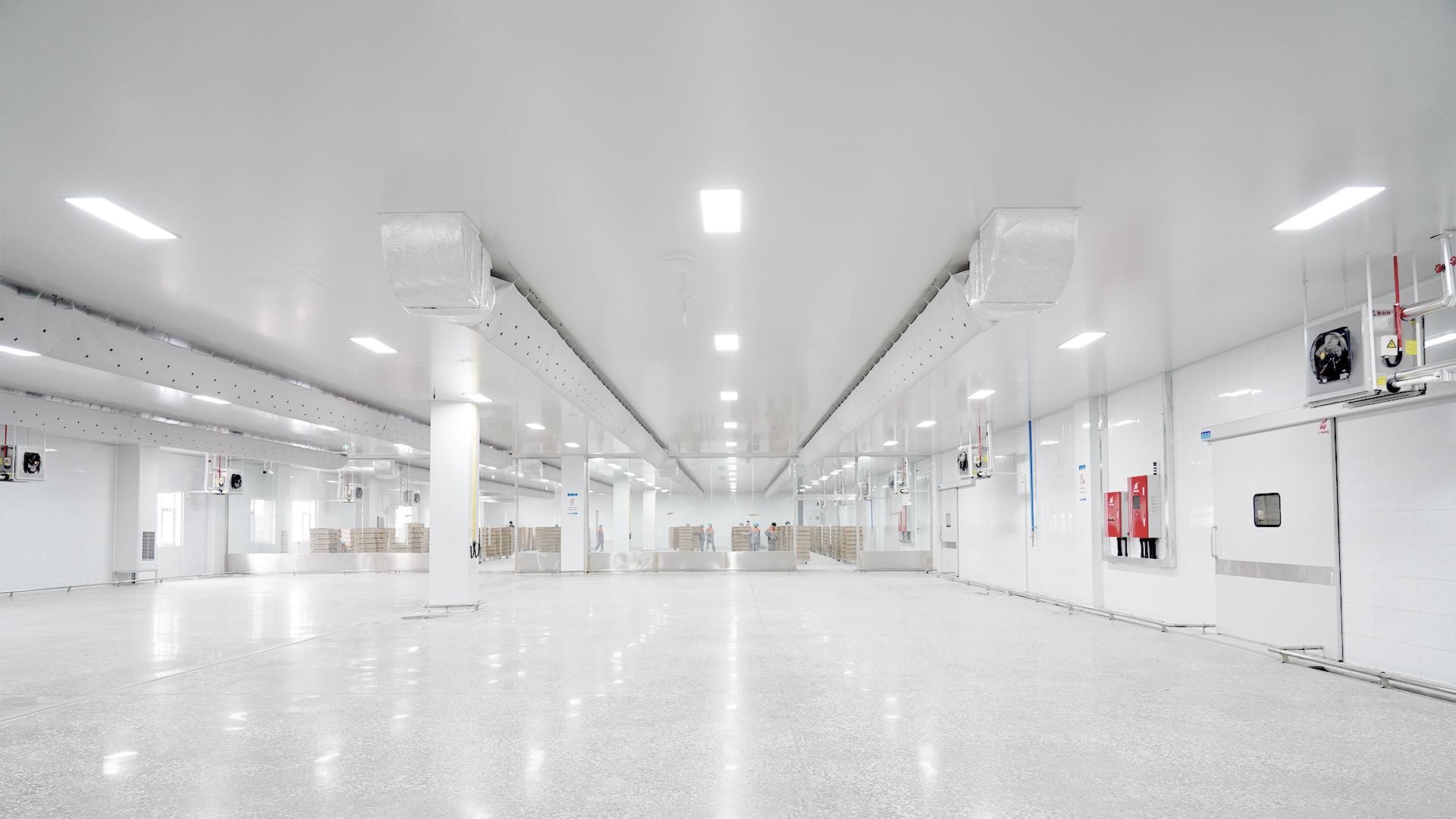
Cleanroom Enclosure System for Shandong Boda Food (1).jpg

Solicite um Orçamento Gratuito para o Seu Projeto

Seja um galpão de aço, uma câmara frigorífica ou um sistema de sala limpa, oferecemos preços competitivos de fábrica e projeto profissional.
E-mail
Nome
Celular/WhatsApp
Nome da Empresa
Mensagem
0/1000