รับใบเสนอราคาฟรีสำหรับโครงการของคุณ

ไม่ว่าจะเป็นโรงงานผลิตเหล็ก ห้องเย็น หรือระบบห้องปลอดเชื้อ เราให้ราคาจากโรงงานที่แข่งขันได้พร้อมการออกแบบโดยผู้เชี่ยวชาญ
อีเมล
ชื่อ
มือถือ/วอตส์แอป
ชื่อบริษัท
ข้อความ
0/1000

ข่าวสารในอุตสาหกรรม

หน้าแรก >  ทรัพยากร >  ข่าวสารในอุตสาหกรรม

มีความแตกต่างกันหรือไม่ในการติดตั้งแผงห้องสะอาดที่มีวัสดุแกนกลางต่างชนิดกัน

Apr 14, 2026

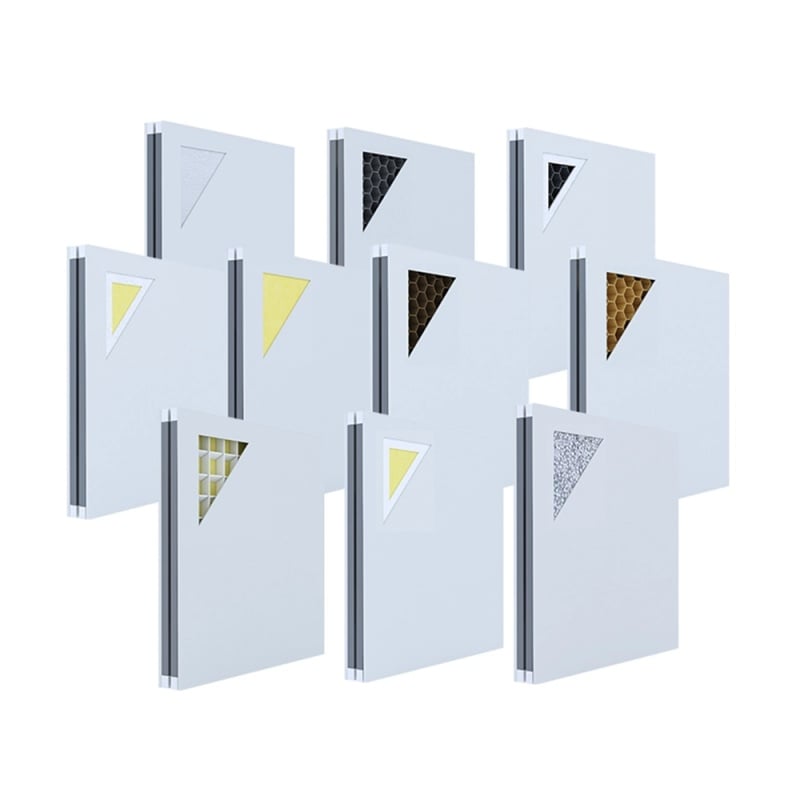
แผงห้องสะอาด ใช้งานอย่างแพร่หลายในอุตสาหกรรมที่มีข้อกำหนดด้านสิ่งแวดล้อมอย่างเข้มงวด เช่น อุตสาหกรรมอิเล็กทรอนิกส์ ยา และการแปรรูปอาหาร ซึ่งแผงเหล่านี้ทำหน้าที่สร้างสภาพแวดล้อมเชิงพื้นที่ที่สะอาดและถูกสุขลักษณะ แผงเหล่านี้มีวัสดุแกนกลางหลากหลายประเภท โดยที่นิยมใช้กันทั่วไป ได้แก่ หินใย (rock wool) แมกนีเซียมออกไซด์กลวง (hollow magnesium oxide) โครงสร้างรังผึ้งอลูมิเนียม (aluminum honeycomb) และวัสดุคอมโพสิตแมกนีเซียมออกไซด์-หินใย (magnesium oxide-rock wool composites) เนื่องจากคุณสมบัติที่แตกต่างกันของแต่ละวัสดุแกนกลาง กระบวนการติดตั้งแผงห้องสะอาดแต่ละประเภทจึงมีความแตกต่างกันอย่างมาก
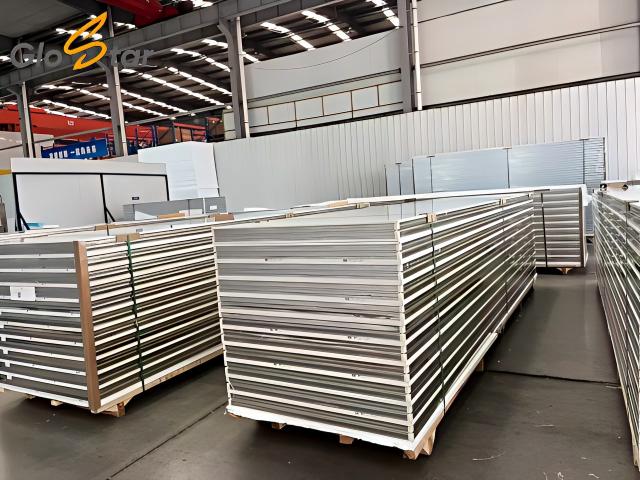
cleanroom panels factory

การติดตั้งแผงห้องสะอาดที่มีแกนกลางเป็นหินใย (Rock Wool Core Cleanroom Panels)

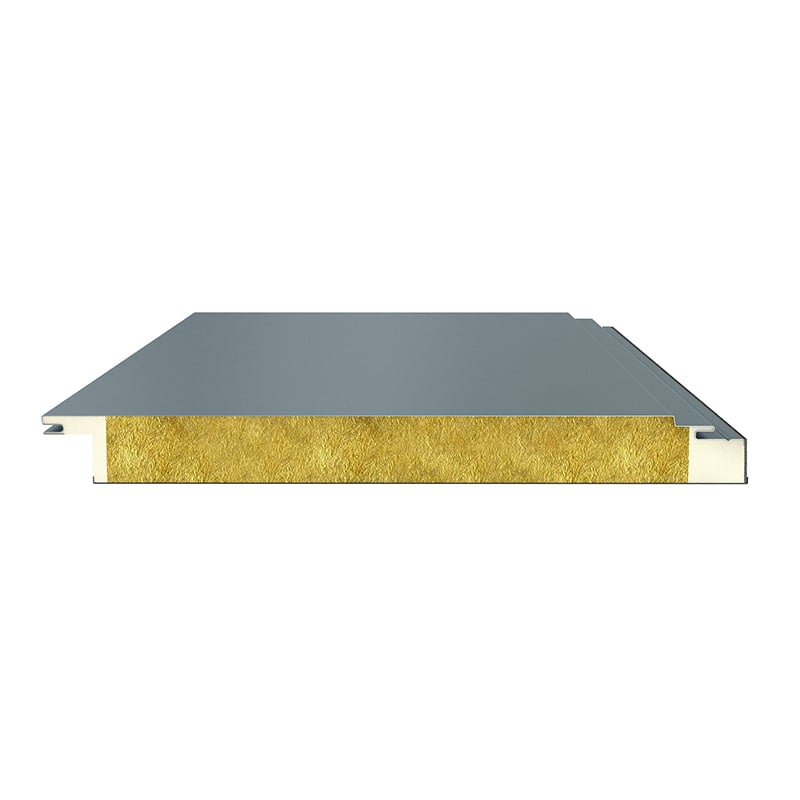
วัสดุแกนใยหิน (Rock wool) ผลิตจากหินธรรมชาติผ่านกระบวนการหลอมละลายที่อุณหภูมิสูง ซึ่งมีน้ำหนักค่อนข้างมากและมีความแข็งแกร่งในระดับหนึ่ง ดังนั้น ความสามารถในการรับน้ำหนักของโครงสร้างคีล (keel) ที่รองรับจึงมีความสำคัญอย่างยิ่งในการติดตั้ง โดยระยะห่างระหว่างคีลต้องออกแบบอย่างเป็นวิทยาศาสตร์และสมเหตุสมผลตามน้ำหนักของแผ่น เพื่อป้องกันไม่ให้แผ่นเกิดการบิดเบี้ยวเนื่องจากการรองรับน้ำหนักไม่เพียงพอ ตัวอย่างเช่น หาก แผงห้องสะอาดแบบขนแร่ภูเขา ถูกใช้เป็นวัสดุสำหรับผนังในโรงงานอุตสาหกรรมขนาดใหญ่ที่มีข้อกำหนดด้านความปลอดภัยจากอัคคีภัยอย่างเข้มงวด การตั้งระยะห่างระหว่างคีลให้กว้างเกินไป—โดยพิจาราน้ำหนักที่มากของแผ่นใยหิน—อาจส่งผลให้แผ่นเกิดการหย่อนหรือบิดเบี้ยวตามกาลเวลา ซึ่งจะกระทบต่อทั้งด้านความสวยงามและความปลอดภัยในการปฏิบัติงาน

นอกจากนี้ ขอบที่ถูกตัดของแผ่นหินแร่ใยแก้ว (Rock Wool) มีแนวโน้มก่อให้เกิดฝุ่น ดังนั้น จึงจำเป็นต้องดำเนินมาตรการป้องกันที่เหมาะสมระหว่างการติดตั้ง เช่น กำหนดให้บุคลากรก่อสร้างสวมหน้ากากกันฝุ่นแบบมืออาชีพ และติดตั้งอุปกรณ์ดูดฝุ่นเฉพาะจุดในบริเวณที่มีการตัดแผ่น เพื่อป้องกันไม่ให้ฝุ่นปนเปื้อนเข้าสู่สภาพแวดล้อมห้องสะอาด (Cleanroom) ขณะต่อแผ่นเข้าด้วยกัน จำเป็นต้องตรวจสอบให้แน่ใจว่ารอยต่อระหว่างแผ่นแนบสนิทกันอย่างมิดชิด เนื่องจากเป็นสิ่งสำคัญยิ่งต่อการรับประกันประสิทธิภาพในการฉนวนความร้อนและการกันเสียงอย่างมีประสิทธิผล ตัวอย่างเช่น ในการก่อสร้างห้องผ่าตัดทางการแพทย์ ซึ่งมีข้อกำหนดด้านการควบคุมเสียงที่เข้มงวดเป็นพิเศษ การต่อรอยแผ่นให้แนบสนิทจะช่วยลดการรบกวนจากเสียงภายนอกได้อย่างมีนัยสำคัญ ในขณะเดียวกันก็ป้องกันการแลกเปลี่ยนความร้อนระหว่างภายในและภายนอกอาคาร ทำให้อุณหภูมิภายในห้องคงที่อย่างมั่นคง
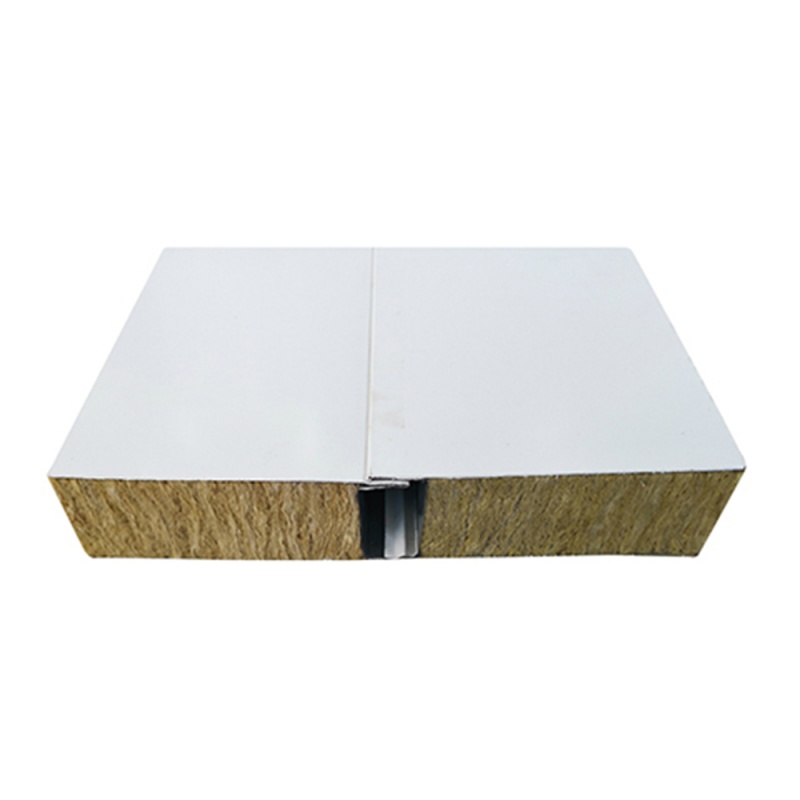
Installation of Rock Wool Core Cleanroom Panels

การติดตั้งแผ่นห้องสะอาดชนิดแกนกลางโพลีอูรีเทน

วัสดุแกนโพลีอูรีเทนประกอบด้วยโฟมโพลีอูรีเทนเป็นส่วนเติมเต็ม ซึ่งให้คุณสมบัติการฉนวนความร้อนและการปิดผนึกที่ยอดเยี่ยม พร้อมทั้งรวมความแข็งแรงเชิงโครงสร้างสูงเข้ากับน้ำหนักปานกลาง ระหว่างการติดตั้ง สามารถปรับการจัดวางโครงสร้างคีลรองรับให้เหมาะสมกับสถานการณ์การใช้งานเฉพาะได้ ตัวอย่างเช่น ในการก่อสร้างห้องเย็น—ซึ่งมีข้อกำหนดด้านการฉนวนความร้อนสูงเป็นพิเศษ—อุณหภูมิภายในที่ต่ำมากจำเป็นต้องใช้แผงห้องสะอาดที่มีความสามารถในการฉนวนสูงเพื่อลดการใช้พลังงานให้น้อยที่สุด ในกรณีดังกล่าว การจัดวางคีลสามารถปรับแต่งได้อย่างยืดหยุ่นตามปัจจัยจริงต่าง ๆ เช่น โครงสร้างพื้นที่ของห้องเย็นและตำแหน่งของอุปกรณ์ทำความเย็น

อย่างไรก็ตาม เนื่องจากวัสดุโพลียูรีเทนอาจปล่อยก๊าซที่เป็นอันตรายเมื่อสัมผัสกับอุณหภูมิสูง การใช้เปลวไฟเปิดจึงต้องห้ามอย่างเด็ดขาดในระหว่างกระบวนการติดตั้ง และต้องมั่นใจว่ามีการระบายอากาศที่เพียงพอ นอกจากนี้ แผ่นโพลียูรีเทนมักมีการออกแบบข้อต่อแบบลิ้นและร่อง (tongue-and-groove) ที่เชื่อมต่อกันอย่างแน่นหนา ในระหว่างการติดตั้ง จำเป็นต้องตรวจสอบให้แน่ใจว่าโครงสร้างลิ้นและร่องเข้าล็อกกันอย่างแน่นหนา เพื่อเพิ่มความแน่นสนิทของอากาศโดยรวมของโครงสร้าง ยกตัวอย่างเช่น ห้องเย็นสำหรับเก็บรักษาอาหาร: หากข้อต่อแบบลิ้นและร่องไม่เข้าล็อกกันอย่างแน่นหนา อากาศภายนอกอาจไหลซึมเข้ามาได้อย่างง่ายดาย ส่งผลให้อุณหภูมิภายในห้องเย็นเกิดการผันผวน ซึ่งจะลดประสิทธิภาพในการเก็บรักษาอาหาร
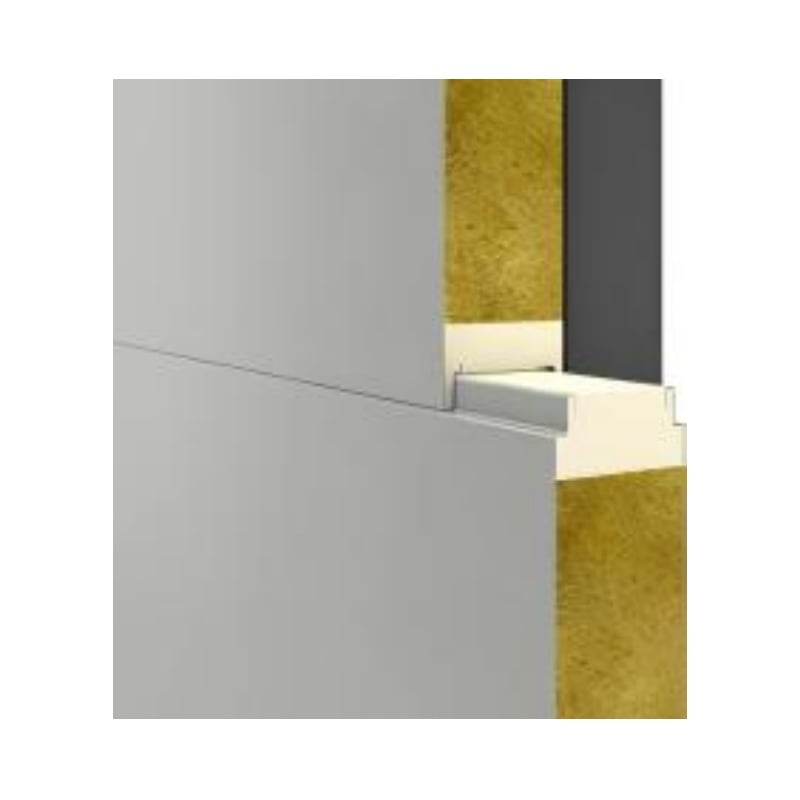
Installation of Polyurethane Core Cleanroom Panels

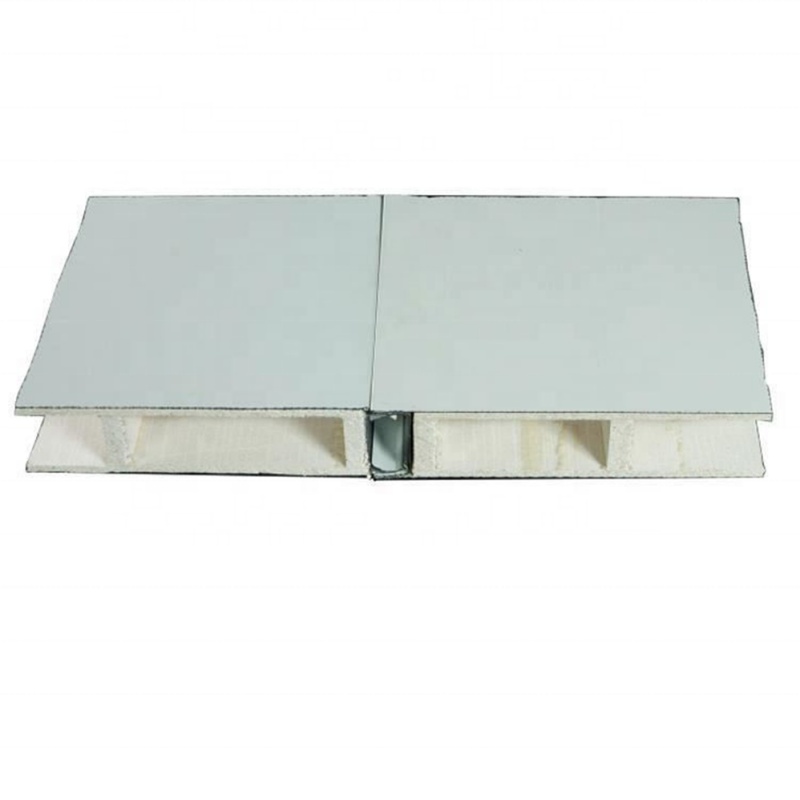
การติดตั้งแผ่นห้องสะอาดชนิดแกนกลางแมกนีเซียมออกไซด์กลวง

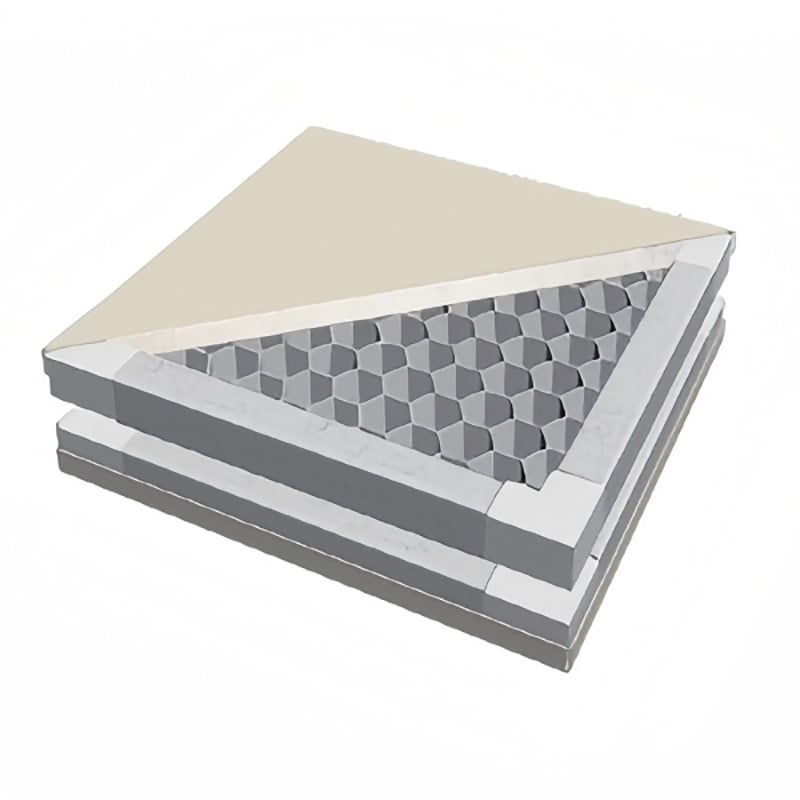
แผ่นห้องสะอาดชนิดแกนกลางแมกนีเซียมออกไซด์กลวง มักประกอบด้วยโครงสร้างภายในแบบรังผึ้งหรือลักษณะเป็นช่องว่างเรียงเป็นตาราง ซึ่งยึดติดกับแผ่นหน้า (faceboards) ที่ทำจากแมกนีเซียมออกไซด์ โดยมีน้ำหนักเบาจึงติดตั้งได้ค่อนข้างสะดวก อย่างไรก็ตาม การติดตั้งวัสดุชนิดนี้มีข้อกำหนดที่เข้มงวดมากต่อความเรียบของพื้นผิวฐาน (substrate หรือ base layer) พื้นผิวฐานต้องเรียบ แห้ง และสะอาด หากความเบี่ยงเบนของความเรียบเกินค่าความคลาดเคลื่อนที่กำหนดไว้ (โดยทั่วไป ความคลาดเคลื่อนของความเรียบต้องไม่เกิน 5 มิลลิเมตรในช่วงความยาว 2 เมตร) แผงห้องสะอาดจะไม่ยึดติดแน่นกับพื้นผิวฐานหลังการติดตั้ง ส่งผลให้รอยต่อระหว่างแผงกว้างเกินไป ในการก่อสร้างห้องสะอาดสำหรับอุตสาหกรรมอิเล็กทรอนิกส์ หากความกว้างของรอยต่อระหว่างแผงมากเกินไป ฝุ่นและสิ่งสกปรกอื่นๆ จะสามารถแทรกซึมเข้าไปได้อย่างง่ายดาย จนไม่สามารถบรรลุมาตรฐานความสะอาดของสิ่งแวดล้อมที่เข้มงวดซึ่งจำเป็นต่อการผลิตอุปกรณ์อิเล็กทรอนิกส์ได้

เมื่อติดตั้งแผ่นวัสดุ วิธีการที่มักใช้คือการยึดด้วยสกรูแบบเจาะเอง โดยข้อกำหนดเฉพาะจะควบคุมระยะห่างระหว่างสกรูเหล่านี้ ซึ่งโดยทั่วไปจะจัดวางอย่างสม่ำเสมอภายในช่วงที่เหมาะสม เพื่อให้มั่นใจว่าแผ่นวัสดุถูกยึดแน่นอย่างมั่นคง นอกจากนี้ การจัดการรอยต่อของแผ่นวัสดุก็มีความสำคัญไม่แพ้กัน โดยต้องอุดรอยต่อเหล่านั้นด้วยวัสดุสำหรับปิดผนึก เพื่อให้เกิดการปิดผนึกอย่างมีประสิทธิภาพและป้องกันการรั่วของอากาศ
cleanroom panels factory Installation of Rock Wool Core Cleanroom Panels Rock wool core material is manufactured from natural rock through a high-temperature melting process; it is relatively heavy and possesses a certain degree of rigidity. During installation, the load-bearing capacity of the supporting keel structure is of paramount importance. Based on the weight of the panels, the spacing between keels must be designed scientifically and rationally to prevent panel deformation caused by insufficient load-bearing support. For instance, if rock wool cleanroom panels are utilized as wall materials in a large-scale industrial facility with stringent fire safety requirements, setting the keel spacing too wide—given the substantial weight of the rock wool panels—could eventually lead to sagging or deformation of the panels over time, thereby compromising both aesthetic appeal and operational safety.  Furthermore, the cut edges of rock wool panels are prone to generating dust. Consequently, appropriate protective measures must be implemented during installation—such as requiring construction personnel to wear professional dust-proof masks and deploying localized dust extraction equipment in cutting zones—to prevent dust contamination within the cleanroom environment. When joining panels, it is imperative to ensure that the seams are tightly fitted; this is essential for effectively guaranteeing thermal insulation and soundproofing performance. For example, in the construction of medical operating rooms—where noise control standards are exceptionally strict—tightly fitted seams can significantly minimize the intrusion of external noise while simultaneously preventing thermal exchange between the indoor and outdoor environments, thereby maintaining stable indoor temperatures.  Installation of Rock Wool Core Cleanroom Panels  Installation of Polyurethane Core Cleanroom Panels Polyurethane core material consists of a polyurethane foam filling; it offers excellent thermal insulation and sealing properties, combining high structural strength with a moderate weight. During installation, the layout of the supporting keel structure can be adjusted to suit the specific application scenario. For instance, in the construction of a cold storage facility—where thermal insulation requirements are particularly high—the low internal temperatures necessitate cleanroom panels with superior insulating capabilities to minimize energy consumption. In such cases, the keel layout can be flexibly configured based on practical factors such as the spatial structure of the cold storage unit and the positioning of refrigeration equipment.  However, since polyurethane materials may release harmful gases when exposed to high temperatures, the use of open flames must be strictly prohibited during the installation process, and adequate ventilation must be ensured. Additionally, polyurethane panels typically feature a tongue-and-groove interlocking design at their joints; during installation, it is crucial to ensure that these interlocking profiles engage tightly to enhance the overall airtightness of the structure. Taking a food cold storage facility as an example: if the tongue-and-groove joints do not interlock tightly, outside air can easily infiltrate. This may lead to temperature fluctuations within the cold storage area, thereby compromising the effectiveness of food preservation.  Installation of Polyurethane Core Cleanroom Panels  Installation of Hollow Magnesium Oxide Core Cleanroom Panels

จุดสำคัญในการติดตั้งแผ่นวัสดุห้องสะอาดแบบอะลูมิเนียมฮันนีคอมบ์คอร์

แผงห้องสะอาดแบบฮันนีคอมบ์อะลูมิเนียม มีข้อได้เปรียบมากมาย เช่น ความแข็งแรงเชิงโครงสร้างสูงและผิวเรียบอย่างยอดเยี่ยม ในการติดตั้ง เนื่องจากน้ำหนักของแผ่นมีการกระจายตัวค่อนข้างสม่ำเสมอ ดังนั้นการออกแบบระบบโครงรับ (keel system) จึงสามารถกำหนดได้ตามข้อกำหนดเฉพาะของแผ่นแต่ละชนิดและสภาพแวดล้อมในการติดตั้งที่เกี่ยวข้อง โดยในห้างสรรพสินค้าเชิงพาณิชย์ขนาดใหญ่—โดยเฉพาะโครงการที่เกี่ยวข้องกับการหุ้มท่อระบายอากาศของระบบปรับอากาศกลาง—การใช้แผ่นห้องสะอาดแบบอลูมิเนียมฮันนีคอมบ์ (aluminum honeycomb cleanroom panels) จำเป็นต้องออกแบบโครงรับให้สอดคล้องกับรูปร่างและมิติของท่อระบายอากาศ รวมทั้งการจัดวางพื้นที่โดยรวมของห้างสรรพสินค้า

เมื่อต่อแผ่นห้องสะอาดแบบอลูมิเนียมฮันนีคอมบ์ จำเป็นต้องใช้ความแม่นยำสูงมาก โดยต้องมั่นใจว่ารอยต่อทั้งหมดเรียบสนิทและปิดผนึกแน่นหนา เพื่อให้ได้ลักษณะภายนอกที่สวยงามและรักษาประสิทธิภาพโดยรวมสูงสุด นอกจากนี้ ระหว่างกระบวนการติดตั้ง จำเป็นต้องระมัดระวังอย่างยิ่งเพื่อปกป้องพื้นผิวของแผ่น โดยควรดำเนินการป้องกันไม่ให้เกิดรอยขีดข่วนหรือการกระแทกซึ่งอาจทำให้พื้นผิวเสียหาย ส่งผลให้ทั้งคุณลักษณะด้านรูปลักษณ์และความสมบูรณ์เชิงฟังก์ชันของแผ่นลดลง
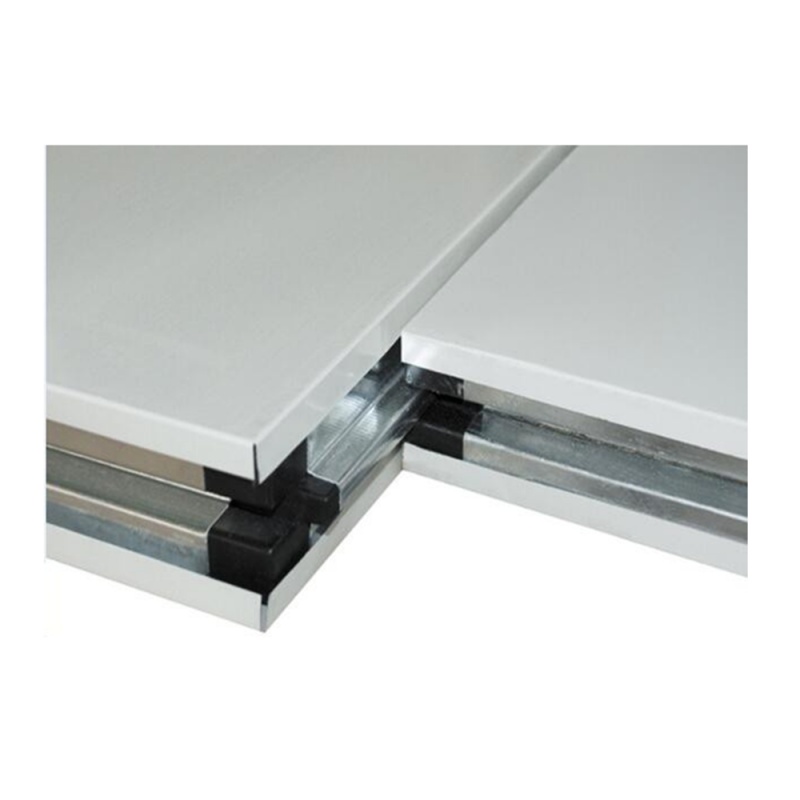
Key Installation Points for Aluminum Honeycomb Core Cleanroom Panels

ข้อพิจารณาในการติดตั้งแผ่นห้องสะอาดที่มีแกนกลางจากแมกนีเซียมออกไซด์และขนแร่ใยหิน

แผ่นที่มีแกนกลางประกอบด้วยแมกนีเซียมออกไซด์ (MgO) และขนแร่ใยหิน รวมคุณลักษณะที่โดดเด่นของวัสดุทั้งสองชนิดเข้าด้วยกัน ระหว่างการติดตั้ง จำเป็นต้องพิจารณาข้อกำหนดเฉพาะที่เกิดจากแกนใยหิน (rock wool) โดยเฉพาะอย่างยิ่งในด้านคุณสมบัติการทนไฟและการฉนวนความร้อน พร้อมกันนั้นก็ต้องคำนึงถึงคุณลักษณะเฉพาะของแผ่นแมกนีเซียมออกไซด์ (magnesium oxide) ที่ใช้เป็นผิวด้านนอกด้วย ในการยึดแผ่นให้มั่นคง จำเป็นอย่างยิ่งที่ต้องตรวจสอบให้แน่ใจว่าตัวยึด (fasteners) สามารถเจาะผ่านแผ่นแมกนีเซียมออกไซด์ได้อย่างมั่นคง เพื่อสร้างการเชื่อมต่อที่แข็งแรงกับโครงรับ (supporting keel) ซึ่งจะรับประกันความมั่นคงทางโครงสร้างของชุดประกอบทั้งหมด ในโครงการก่อสร้างห้องสะอาด (cleanroom) ภายในโรงงานผลิตยา การยึดแผ่นไม่เพียงพออาจส่งผลให้แผ่นหลุดคลายตัวในระหว่างการดำเนินงานขั้นต่อไป ซึ่งอาจเกิดขึ้นได้จากปัจจัยต่าง ๆ เช่น การสั่นสะเทือนของอุปกรณ์ภายในโรงงาน

เกี่ยวกับการจัดการรอยต่อของแผ่นผนัง ช่องว่างระหว่างแผ่นต้องถูกอุดด้วยวัสดุยาแนวที่เหมาะสมก่อน จากนั้นจึงดำเนินการตกแต่งพื้นผิวให้เรียบร้อยอย่างเหมาะสม เพื่อให้มั่นใจได้ทั้งความแน่นสนิทต่ออากาศและความต่อเนื่องเชิงสุนทรียภาพของรอยต่อ นอกจากนี้ เนื่องจากแผ่นแมกนีเซียมออกไซด์มีความไวต่อปัญหาที่เกี่ยวข้องกับความชื้น เช่น การเกิด "เหงื่อ" หรือการเคลื่อนย้ายของความชื้น ในสภาพแวดล้อมที่มีความชื้นสูง จึงจำเป็นต้องดำเนินมาตรการป้องกันความชื้นอย่างเข้มงวดในระหว่างการติดตั้ง ตัวอย่างเช่น การเคลือบวัสดุพื้นฐานด้วยสารเคลือบที่ทนต่อความชื้น
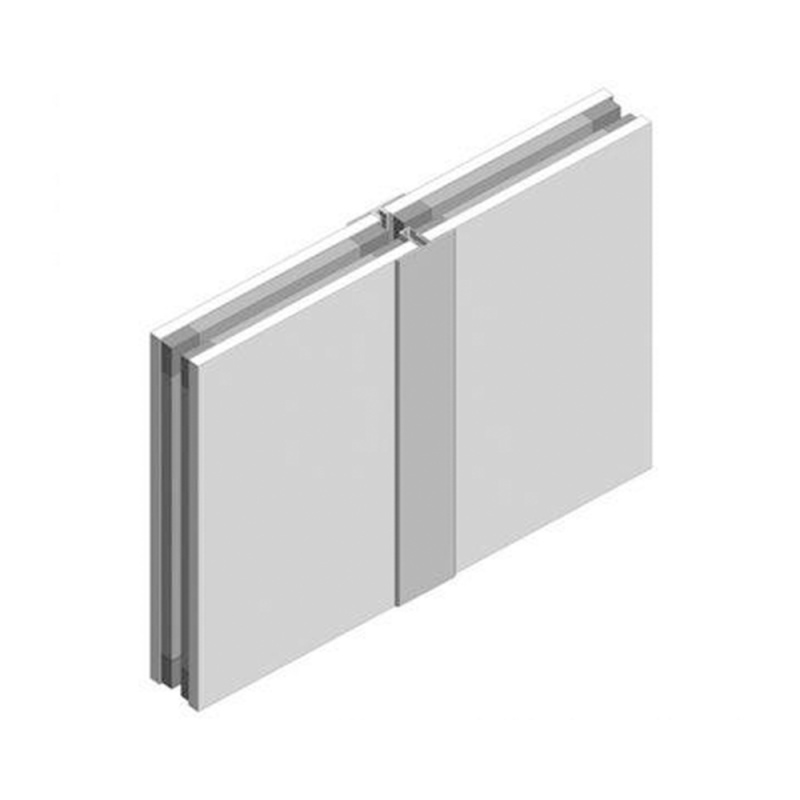
cleanroom panels factory Installation of Rock Wool Core Cleanroom Panels Rock wool core material is manufactured from natural rock through a high-temperature melting process; it is relatively heavy and possesses a certain degree of rigidity. During installation, the load-bearing capacity of the supporting keel structure is of paramount importance. Based on the weight of the panels, the spacing between keels must be designed scientifically and rationally to prevent panel deformation caused by insufficient load-bearing support. For instance, if rock wool cleanroom panels are utilized as wall materials in a large-scale industrial facility with stringent fire safety requirements, setting the keel spacing too wide—given the substantial weight of the rock wool panels—could eventually lead to sagging or deformation of the panels over time, thereby compromising both aesthetic appeal and operational safety.  Furthermore, the cut edges of rock wool panels are prone to generating dust. Consequently, appropriate protective measures must be implemented during installation—such as requiring construction personnel to wear professional dust-proof masks and deploying localized dust extraction equipment in cutting zones—to prevent dust contamination within the cleanroom environment. When joining panels, it is imperative to ensure that the seams are tightly fitted; this is essential for effectively guaranteeing thermal insulation and soundproofing performance. For example, in the construction of medical operating rooms—where noise control standards are exceptionally strict—tightly fitted seams can significantly minimize the intrusion of external noise while simultaneously preventing thermal exchange between the indoor and outdoor environments, thereby maintaining stable indoor temperatures.  Installation of Rock Wool Core Cleanroom Panels  Installation of Polyurethane Core Cleanroom Panels Polyurethane core material consists of a polyurethane foam filling; it offers excellent thermal insulation and sealing properties, combining high structural strength with a moderate weight. During installation, the layout of the supporting keel structure can be adjusted to suit the specific application scenario. For instance, in the construction of a cold storage facility—where thermal insulation requirements are particularly high—the low internal temperatures necessitate cleanroom panels with superior insulating capabilities to minimize energy consumption. In such cases, the keel layout can be flexibly configured based on practical factors such as the spatial structure of the cold storage unit and the positioning of refrigeration equipment.  However, since polyurethane materials may release harmful gases when exposed to high temperatures, the use of open flames must be strictly prohibited during the installation process, and adequate ventilation must be ensured. Additionally, polyurethane panels typically feature a tongue-and-groove interlocking design at their joints; during installation, it is crucial to ensure that these interlocking profiles engage tightly to enhance the overall airtightness of the structure. Taking a food cold storage facility as an example: if the tongue-and-groove joints do not interlock tightly, outside air can easily infiltrate. This may lead to temperature fluctuations within the cold storage area, thereby compromising the effectiveness of food preservation.  Installation of Polyurethane Core Cleanroom Panels  Installation of Hollow Magnesium Oxide Core Cleanroom Panels Hollow magnesium oxide core panels typically consist of a honeycomb or grid-like hollow internal structure bonded to magnesium oxide faceboards. Being lightweight, they offer relatively convenient installation. However, their installation places stringent demands on the flatness of the substrate (base layer). The substrate surface must be flat, dry, and clean; if the flatness deviation of the substrate exceeds the specified tolerance (generally, the flatness error must not exceed 5 mm within any 2-meter span), the cleanroom panels will fail to adhere tightly to the substrate after installation, resulting in excessively wide panel seams. In the construction of electronic cleanrooms, if panel seams are too wide, dust and other impurities can easily enter, making it impossible to meet the rigorous environmental cleanliness standards required for electronics manufacturing.  When securing the panels, methods such as self-tapping screws are typically employed. Specific requirements govern the spacing of these screws, which are generally distributed uniformly within a reasonable range to ensure the panels are firmly anchored. Furthermore, the treatment of panel seams is equally critical; they must be filled with sealing materials to ensure an effective seal and prevent air leakage.  cleanroom panels factory Installation of Rock Wool Core Cleanroom Panels Rock wool core material is manufactured from natural rock through a high-temperature melting process; it is relatively heavy and possesses a certain degree of rigidity. During installation, the load-bearing capacity of the supporting keel structure is of paramount importance. Based on the weight of the panels, the spacing between keels must be designed scientifically and rationally to prevent panel deformation caused by insufficient load-bearing support. For instance, if rock wool cleanroom panels are utilized as wall materials in a large-scale industrial facility with stringent fire safety requirements, setting the keel spacing too wide—given the substantial weight of the rock wool panels—could eventually lead to sagging or deformation of the panels over time, thereby compromising both aesthetic appeal and operational safety.  Furthermore, the cut edges of rock wool panels are prone to generating dust. Consequently, appropriate protective measures must be implemented during installation—such as requiring construction personnel to wear professional dust-proof masks and deploying localized dust extraction equipment in cutting zones—to prevent dust contamination within the cleanroom environment. When joining panels, it is imperative to ensure that the seams are tightly fitted; this is essential for effectively guaranteeing thermal insulation and soundproofing performance. For example, in the construction of medical operating rooms—where noise control standards are exceptionally strict—tightly fitted seams can significantly minimize the intrusion of external noise while simultaneously preventing thermal exchange between the indoor and outdoor environments, thereby maintaining stable indoor temperatures.  Installation of Rock Wool Core Cleanroom Panels  Installation of Polyurethane Core Cleanroom Panels Polyurethane core material consists of a polyurethane foam filling; it offers excellent thermal insulation and sealing properties, combining high structural strength with a moderate weight. During installation, the layout of the supporting keel structure can be adjusted to suit the specific application scenario. For instance, in the construction of a cold storage facility—where thermal insulation requirements are particularly high—the low internal temperatures necessitate cleanroom panels with superior insulating capabilities to minimize energy consumption. In such cases, the keel layout can be flexibly configured based on practical factors such as the spatial structure of the cold storage unit and the positioning of refrigeration equipment.  However, since polyurethane materials may release harmful gases when exposed to high temperatures, the use of open flames must be strictly prohibited during the installation process, and adequate ventilation must be ensured. Additionally, polyurethane panels typically feature a tongue-and-groove interlocking design at their joints; during installation, it is crucial to ensure that these interlocking profiles engage tightly to enhance the overall airtightness of the structure. Taking a food cold storage facility as an example: if the tongue-and-groove joints do not interlock tightly, outside air can easily infiltrate. This may lead to temperature fluctuations within the cold storage area, thereby compromising the effectiveness of food preservation.  Installation of Polyurethane Core Cleanroom Panels  Installation of Hollow Magnesium Oxide Core Cleanroom Panels  Key Installation Points for Aluminum Honeycomb Core Cleanroom Panels Aluminum honeycomb core cleanroom panels offer numerous advantages, such as high structural strength and excellent surface flatness. During installation, given the relatively uniform distribution of the panels' weight, the design of the supporting keel system can be determined based on the specific panel specifications and the ambient installation environment. In large-scale commercial shopping malls—specifically for projects involving the enclosure of central air conditioning ventilation ducts—the use of aluminum honeycomb cleanroom panels necessitates a keel design tailored to the shape and dimensions of the ventilation ducts, as well as the overall spatial layout of the mall.  When splicing aluminum honeycomb cleanroom panels, a high degree of precision is required. It is essential to ensure that all joints are flat and tightly sealed to achieve an aesthetically pleasing appearance and maintain optimal overall performance. Furthermore, during the installation process, great care must be taken to protect the panel surfaces; precautions should be implemented to prevent scratches or impacts that could cause surface damage, thereby compromising both the visual appeal and the functional integrity of the panels.  Key Installation Points for Aluminum Honeycomb Core Cleanroom Panels  Installation Considerations for Magnesium Oxide Rock Wool Core Cleanroom Panels

เมื่อติดตั้งแผ่นวัสดุกรองอากาศที่มีวัสดุแกนกลางต่างกัน จำเป็นต้องใช้มาตรการเฉพาะที่ปรับให้สอดคล้องกับลักษณะของวัสดุแกนกลาง โดยเฉพาะในด้านการออกแบบโครงรับ (keel) การป้องกันความชื้นและไฟไหม้ การต่อบนแผ่นวัสดุ และการป้องกันระหว่างการจัดการวัสดุ เพื่อให้มั่นใจในคุณภาพของการติดตั้ง และทำให้แผ่นวัสดุกรองอากาศสามารถทำงานได้อย่างเต็มประสิทธิภาพ ในโครงการวิศวกรรมจริง การเลือกใช้แผ่นวัสดุกรองอากาศที่มีวัสดุแกนกลางเหมาะสมควรพิจารณาอย่างรอบด้านจากปัจจัยต่าง ๆ เช่น สถานการณ์การใช้งานเฉพาะ ข้อกำหนดด้านสิ่งแวดล้อม และงบประมาณ นอกจากนี้ งานก่อสร้างต้องดำเนินการตามคำแนะนำในการติดตั้งที่เกี่ยวข้องอย่างเคร่งครัด
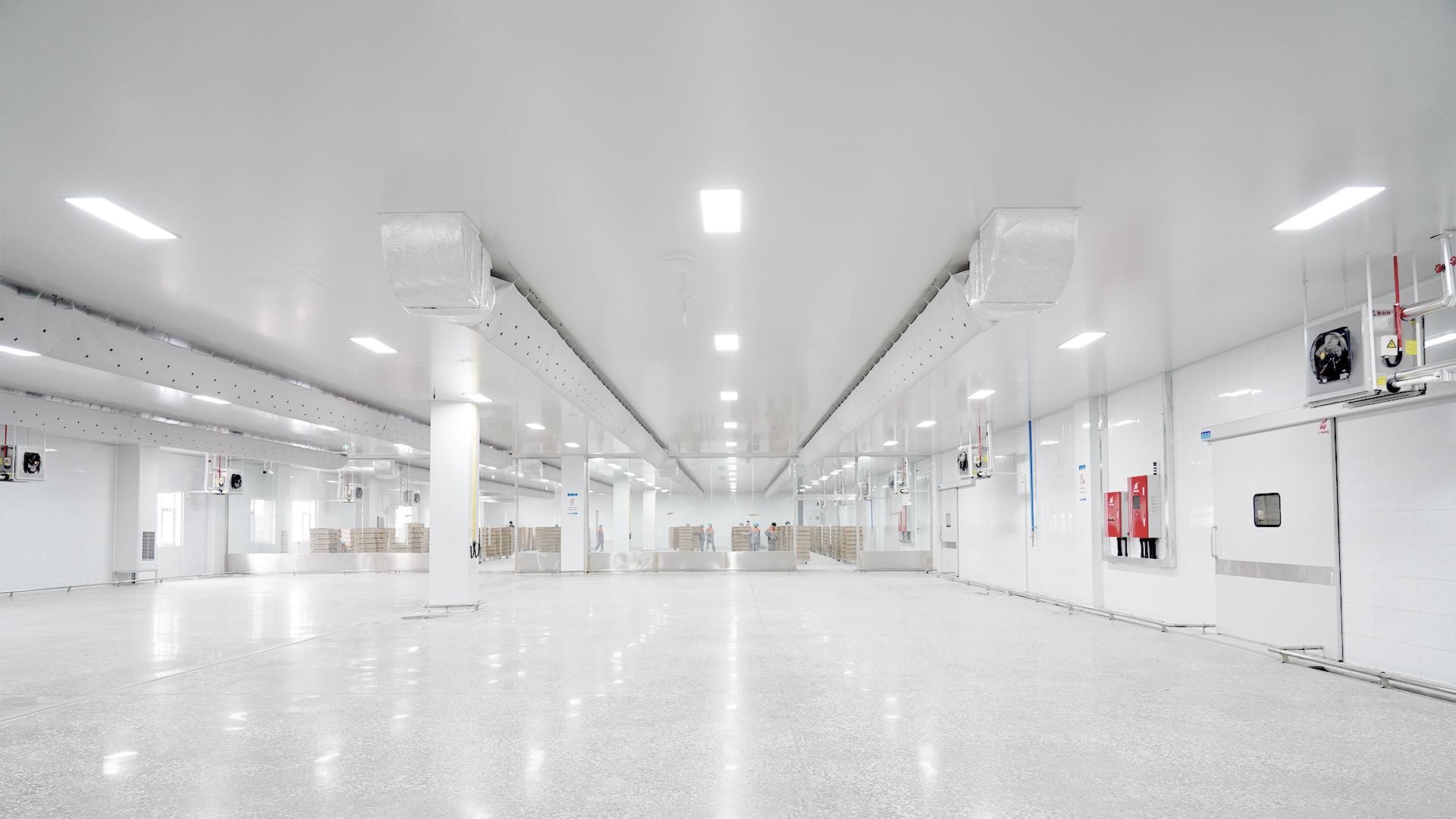
Cleanroom Enclosure System for Shandong Boda Food (1).jpg

รับใบเสนอราคาฟรีสำหรับโครงการของคุณ

ไม่ว่าจะเป็นโรงงานผลิตเหล็ก ห้องเย็น หรือระบบห้องปลอดเชื้อ เราให้ราคาจากโรงงานที่แข่งขันได้พร้อมการออกแบบโดยผู้เชี่ยวชาญ
อีเมล
ชื่อ
มือถือ/วอตส์แอป
ชื่อบริษัท
ข้อความ
0/1000