Dapatkan Penawaran Gratis untuk Proyek Anda

Baik itu bengkel baja, ruang pendingin, maupun sistem ruang bersih (cleanroom), kami menawarkan harga pabrik yang kompetitif serta desain profesional.
Email
Nama
Ponsel/WhatsApp
Nama Perusahaan
Pesan
0/1000

Berita Industri

Halaman Utama >  Sumber Daya >  Berita Industri

Apakah terdapat perbedaan dalam pemasangan panel ruang bersih dengan bahan inti yang berbeda

Apr 14, 2026

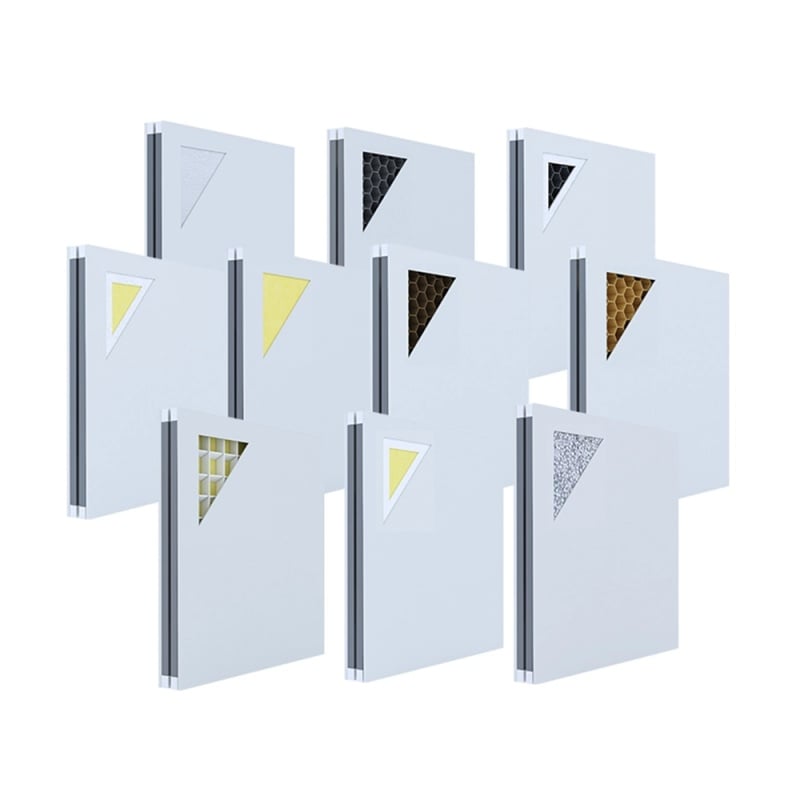
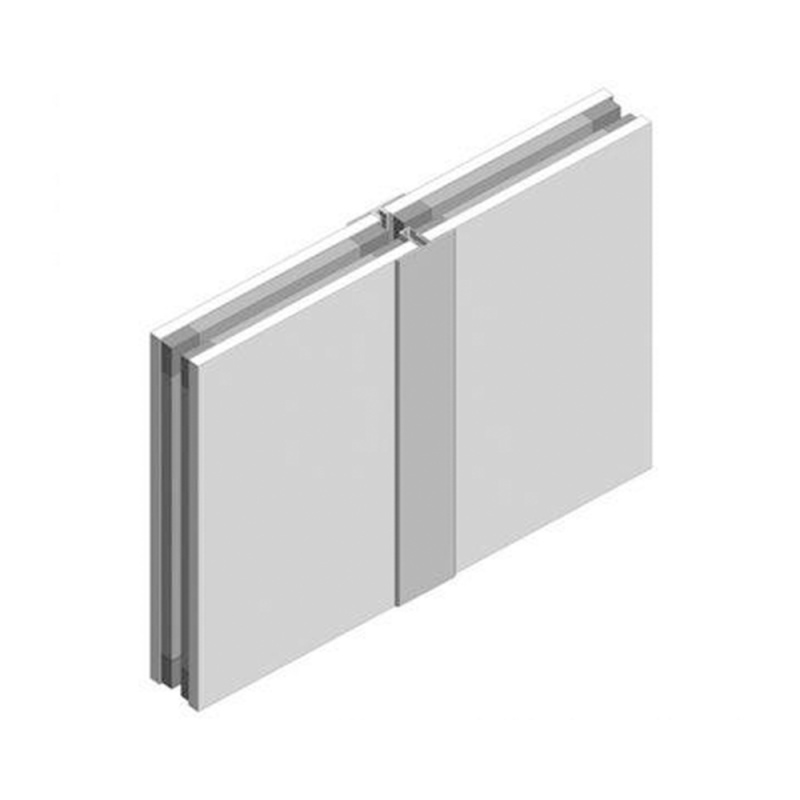
Panel ruang bersih secara luas digunakan di industri-industri dengan persyaratan lingkungan yang ketat—seperti elektronik, farmasi, dan pengolahan makanan—di mana panel-panel ini berfungsi menciptakan lingkungan spasial yang bersih dan higienis. Panel-panel ini memiliki beragam jenis bahan inti, dengan varian umum meliputi wol batu, magnesium oksida berongga, sarang lebah aluminium, serta komposit magnesium oksida–wol batu. Mengingat sifat-sifat khas yang melekat pada masing-masing jenis bahan inti, proses pemasangan berbagai panel ruang bersih tersebut memang menunjukkan banyak perbedaan.
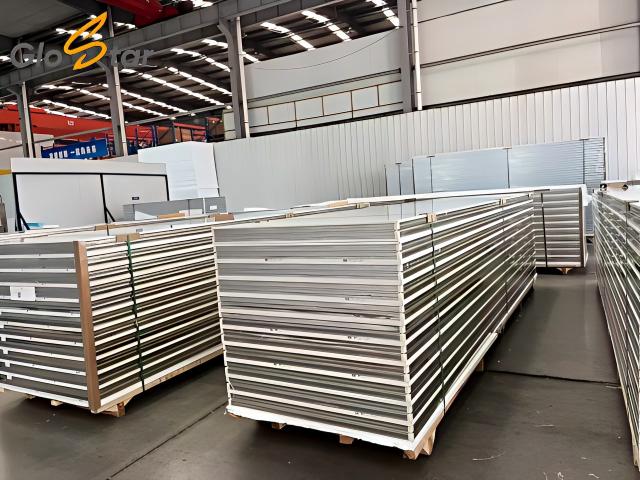
cleanroom panels factory

Pemasangan Panel Ruang Bersih dengan Inti Wol Batu

Bahan inti rock wool diproduksi dari batuan alami melalui proses peleburan suhu tinggi; bahan ini relatif berat dan memiliki tingkat kekakuan tertentu. Selama pemasangan, kapasitas daya dukung struktur rangka penyangga menjadi faktor yang sangat penting. Berdasarkan berat panel, jarak antar rangka harus dirancang secara ilmiah dan rasional guna mencegah deformasi panel akibat ketidakcukupan daya dukung. Sebagai contoh, jika panel ruang bersih berbahan wol batu digunakan sebagai bahan dinding di fasilitas industri berskala besar dengan persyaratan keselamatan kebakaran yang ketat, pengaturan jarak rangka yang terlalu lebar—mengingat berat signifikan panel rock wool—dapat menyebabkan panel mengalami kelengkungan atau deformasi seiring waktu, sehingga mengurangi baik nilai estetika maupun keselamatan operasional.

Selain itu, tepi potong panel wol batu cenderung menghasilkan debu. Oleh karena itu, langkah-langkah perlindungan yang tepat harus diterapkan selama pemasangan—misalnya, mewajibkan petugas konstruksi memakai masker anti-debu profesional dan memasang peralatan ekstraksi debu lokal di area pemotongan—guna mencegah kontaminasi debu dalam lingkungan ruang bersih. Saat menyambung panel, sangat penting untuk memastikan bahwa sambungan rapat sempurna; hal ini esensial guna menjamin kinerja insulasi termal dan peredaman suara secara efektif. Sebagai contoh, dalam pembangunan ruang operasi medis—yang memiliki standar pengendalian kebisingan yang sangat ketat—sambungan yang rapat sempurna dapat secara signifikan meminimalkan masuknya kebisingan dari luar sekaligus mencegah pertukaran panas antara lingkungan dalam ruangan dan luar ruangan, sehingga menjaga stabilitas suhu dalam ruangan.
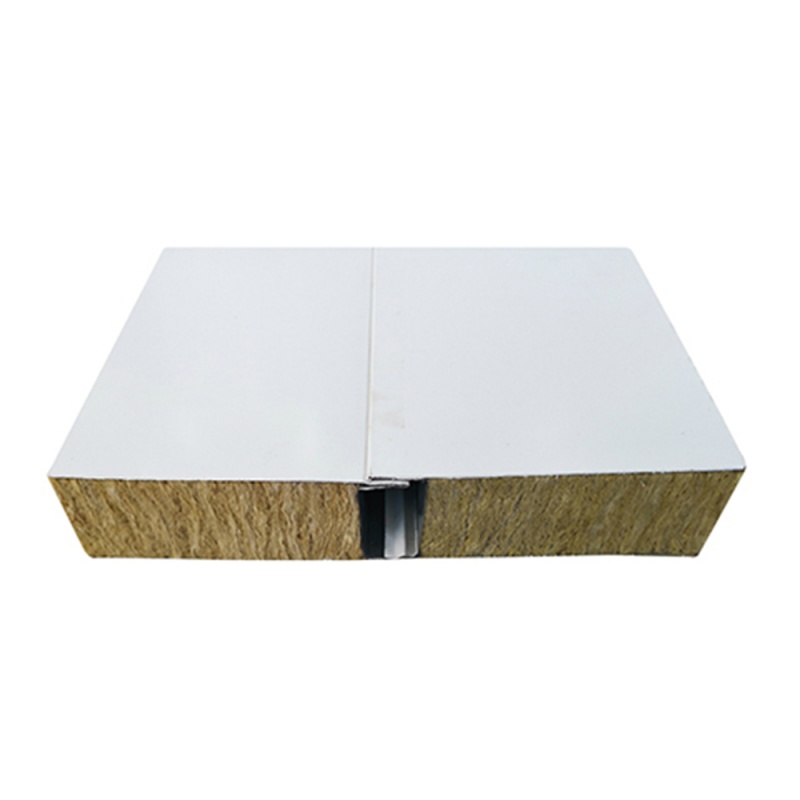
Installation of Rock Wool Core Cleanroom Panels

Pemasangan Panel Ruang Bersih Berinti Poliuretan

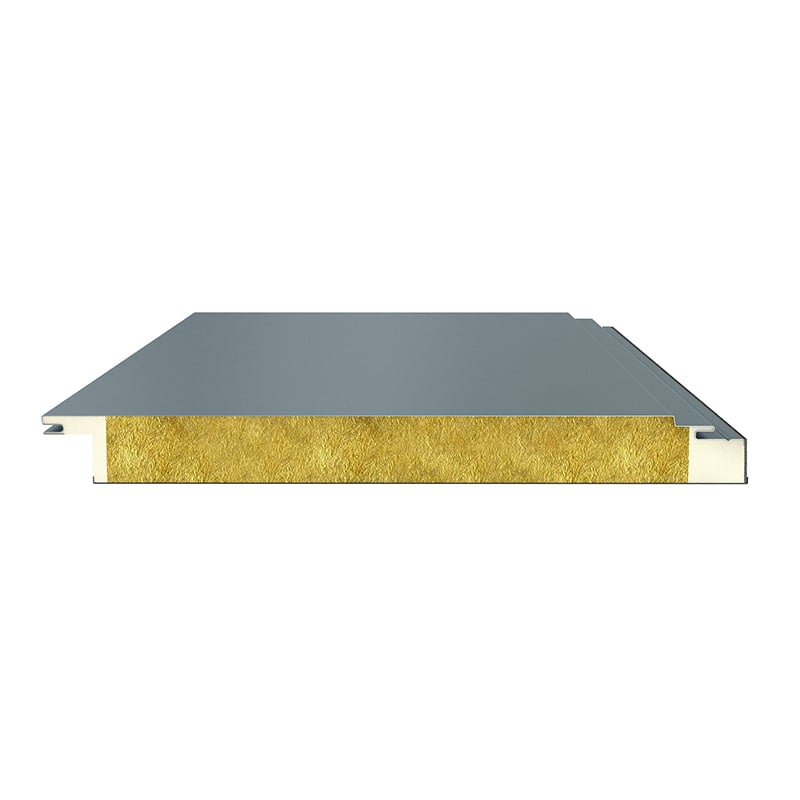
Bahan inti poliuretan terdiri dari pengisi busa poliuretan; bahan ini menawarkan sifat insulasi termal dan penyegelan yang sangat baik, menggabungkan kekuatan struktural tinggi dengan bobot yang moderat. Selama pemasangan, tata letak struktur rangka penyangga dapat disesuaikan agar sesuai dengan skenario aplikasi tertentu. Sebagai contoh, dalam pembangunan fasilitas cold storage—di mana persyaratan insulasi termal sangat tinggi—suhu internal yang rendah menuntut panel cleanroom dengan kemampuan insulasi unggul guna meminimalkan konsumsi energi. Dalam kasus semacam ini, tata letak rangka dapat dikonfigurasi secara fleksibel berdasarkan faktor-faktor praktis seperti struktur ruang fasilitas cold storage dan posisi peralatan pendingin.

Namun, karena bahan poliuretan dapat melepaskan gas berbahaya ketika terpapar suhu tinggi, penggunaan nyala api terbuka harus dilarang keras selama proses pemasangan, dan ventilasi yang memadai harus dipastikan. Selain itu, panel poliuretan umumnya memiliki desain saling kait (tongue-and-groove) di sambungan ujungnya; selama pemasangan, sangat penting untuk memastikan profil saling kait tersebut terpasang rapat guna meningkatkan kedap udara keseluruhan struktur. Sebagai contoh, pada fasilitas cold storage makanan: jika sambungan tongue-and-groove tidak terpasang rapat, udara luar dapat dengan mudah meresap masuk. Hal ini dapat menyebabkan fluktuasi suhu di dalam area cold storage, sehingga mengurangi efektivitas pengawetan makanan.
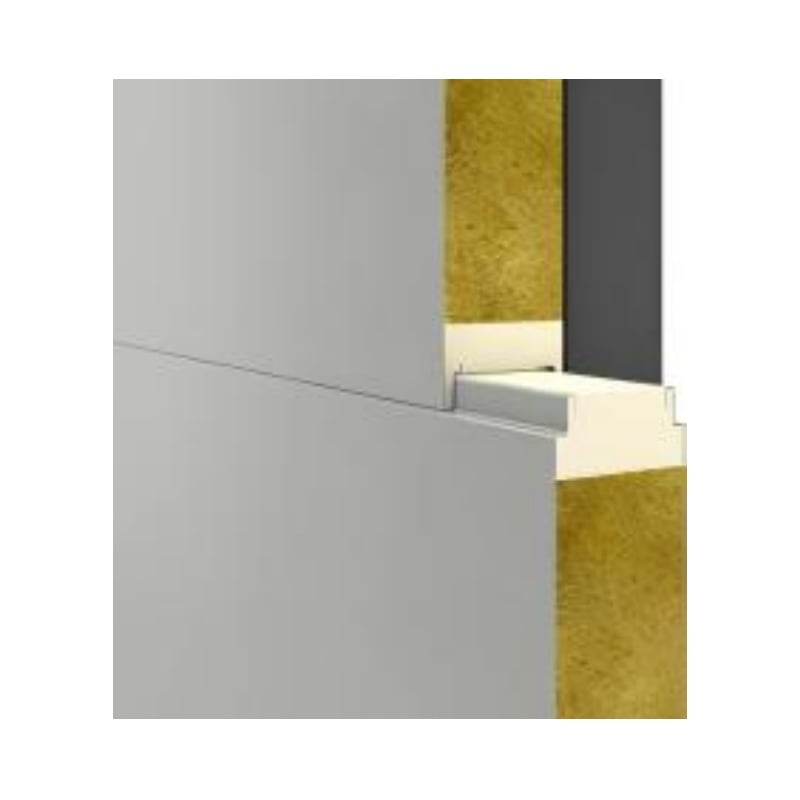
Installation of Polyurethane Core Cleanroom Panels

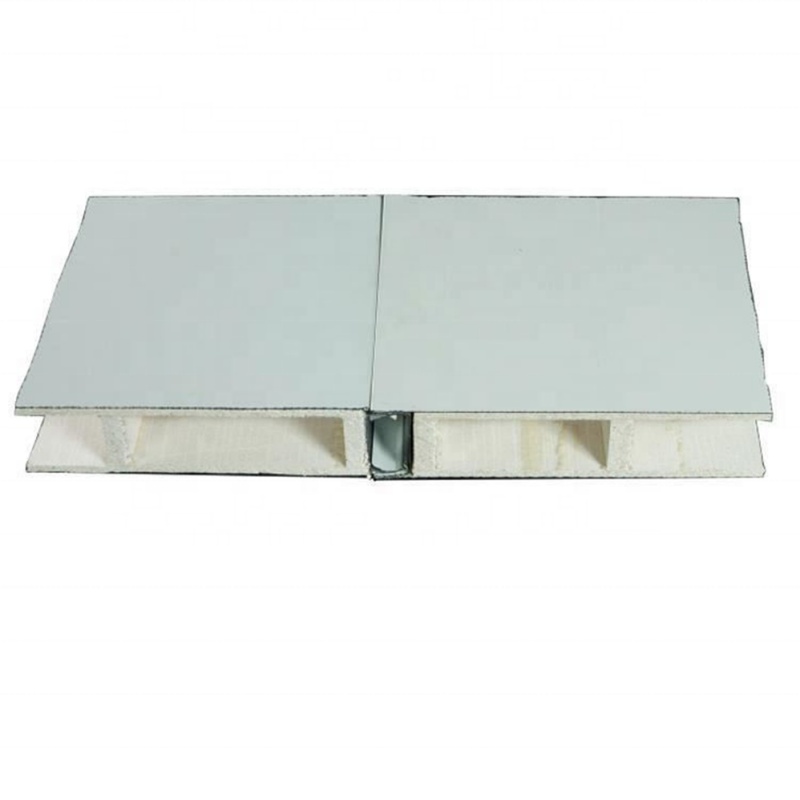
Pemasangan Panel Ruang Bersih Berinti Magnesium Oksida Berongga

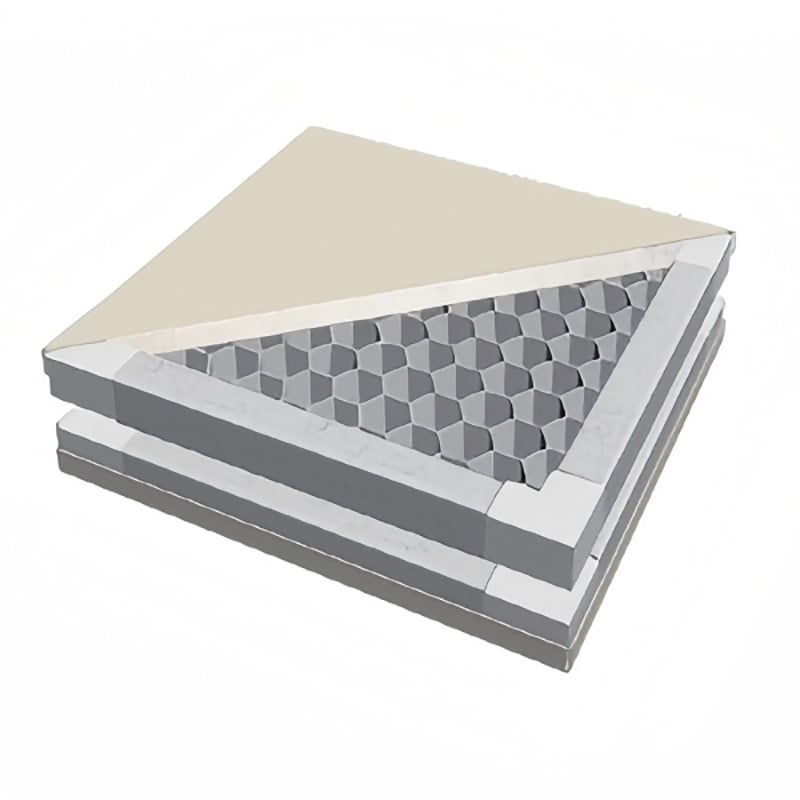
Panel berinti magnesium oksida berongga umumnya terdiri dari struktur internal berongga berbentuk sarang lebah atau kisi-kisi yang direkatkan ke papan pelapis magnesium oksida. Karena ringan, panel ini menawarkan pemasangan yang relatif mudah. Namun, pemasangannya menuntut keteguhan permukaan substrat (lapisan dasar) secara ketat. Permukaan substrat harus rata, kering, dan bersih; jika penyimpangan kerataan substrat melebihi toleransi yang ditentukan (secara umum, kesalahan kerataan tidak boleh melebihi 5 mm dalam rentang 2 meter), maka panel ruang bersih tidak akan menempel dengan rapat pada substrat setelah pemasangan, sehingga menghasilkan celah antar-panel yang terlalu lebar. Dalam pembangunan ruang bersih elektronik, jika celah antar-panel terlalu lebar, debu dan kotoran lainnya dapat dengan mudah masuk, sehingga tidak memungkinkan terpenuhinya standar kebersihan lingkungan yang ketat yang diperlukan dalam proses manufaktur elektronik.

Saat memasang panel, metode seperti sekrup self-tapping biasanya digunakan. Persyaratan spesifik mengatur jarak antar sekrup tersebut, yang umumnya didistribusikan secara merata dalam rentang yang wajar guna memastikan panel terpasang kokoh. Selain itu, perlakuan pada sambungan panel juga sama pentingnya; sambungan tersebut harus diisi dengan bahan penyegel untuk memastikan segel yang efektif serta mencegah kebocoran udara.
cleanroom panels factory Installation of Rock Wool Core Cleanroom Panels Rock wool core material is manufactured from natural rock through a high-temperature melting process; it is relatively heavy and possesses a certain degree of rigidity. During installation, the load-bearing capacity of the supporting keel structure is of paramount importance. Based on the weight of the panels, the spacing between keels must be designed scientifically and rationally to prevent panel deformation caused by insufficient load-bearing support. For instance, if rock wool cleanroom panels are utilized as wall materials in a large-scale industrial facility with stringent fire safety requirements, setting the keel spacing too wide—given the substantial weight of the rock wool panels—could eventually lead to sagging or deformation of the panels over time, thereby compromising both aesthetic appeal and operational safety.  Furthermore, the cut edges of rock wool panels are prone to generating dust. Consequently, appropriate protective measures must be implemented during installation—such as requiring construction personnel to wear professional dust-proof masks and deploying localized dust extraction equipment in cutting zones—to prevent dust contamination within the cleanroom environment. When joining panels, it is imperative to ensure that the seams are tightly fitted; this is essential for effectively guaranteeing thermal insulation and soundproofing performance. For example, in the construction of medical operating rooms—where noise control standards are exceptionally strict—tightly fitted seams can significantly minimize the intrusion of external noise while simultaneously preventing thermal exchange between the indoor and outdoor environments, thereby maintaining stable indoor temperatures.  Installation of Rock Wool Core Cleanroom Panels  Installation of Polyurethane Core Cleanroom Panels Polyurethane core material consists of a polyurethane foam filling; it offers excellent thermal insulation and sealing properties, combining high structural strength with a moderate weight. During installation, the layout of the supporting keel structure can be adjusted to suit the specific application scenario. For instance, in the construction of a cold storage facility—where thermal insulation requirements are particularly high—the low internal temperatures necessitate cleanroom panels with superior insulating capabilities to minimize energy consumption. In such cases, the keel layout can be flexibly configured based on practical factors such as the spatial structure of the cold storage unit and the positioning of refrigeration equipment.  However, since polyurethane materials may release harmful gases when exposed to high temperatures, the use of open flames must be strictly prohibited during the installation process, and adequate ventilation must be ensured. Additionally, polyurethane panels typically feature a tongue-and-groove interlocking design at their joints; during installation, it is crucial to ensure that these interlocking profiles engage tightly to enhance the overall airtightness of the structure. Taking a food cold storage facility as an example: if the tongue-and-groove joints do not interlock tightly, outside air can easily infiltrate. This may lead to temperature fluctuations within the cold storage area, thereby compromising the effectiveness of food preservation.  Installation of Polyurethane Core Cleanroom Panels  Installation of Hollow Magnesium Oxide Core Cleanroom Panels

Titik Penting Pemasangan Panel Ruang Bersih Berinti Aluminium Honeycomb

Panel Ruang Bersih Berinti Sarang Lebah Aluminium menawarkan banyak keunggulan, seperti kekuatan struktural tinggi dan kerataan permukaan yang sangat baik. Selama pemasangan, mengingat distribusi berat panel yang relatif merata, desain sistem rangka penyangga dapat ditentukan berdasarkan spesifikasi panel tertentu serta lingkungan pemasangan di sekitarnya. Pada pusat perbelanjaan komersial berskala besar—khususnya untuk proyek pembungkus saluran ventilasi udara dingin sentral—penggunaan panel ruang bersih berinti sarang lebah aluminium memerlukan desain rangka yang disesuaikan dengan bentuk dan dimensi saluran ventilasi tersebut, serta tata letak spasial keseluruhan pusat perbelanjaan.

Saat menyambung panel ruang bersih berinti sarang lebah aluminium, diperlukan tingkat presisi yang tinggi. Sangat penting untuk memastikan semua sambungan rata dan tertutup rapat guna mencapai tampilan yang estetis serta mempertahankan kinerja keseluruhan secara optimal. Selain itu, selama proses pemasangan, perlu dilakukan kehati-hatian ekstra dalam melindungi permukaan panel; langkah-langkah pencegahan harus diambil untuk menghindari goresan atau benturan yang dapat menyebabkan kerusakan permukaan, sehingga tidak mengurangi daya tarik visual maupun integritas fungsional panel.
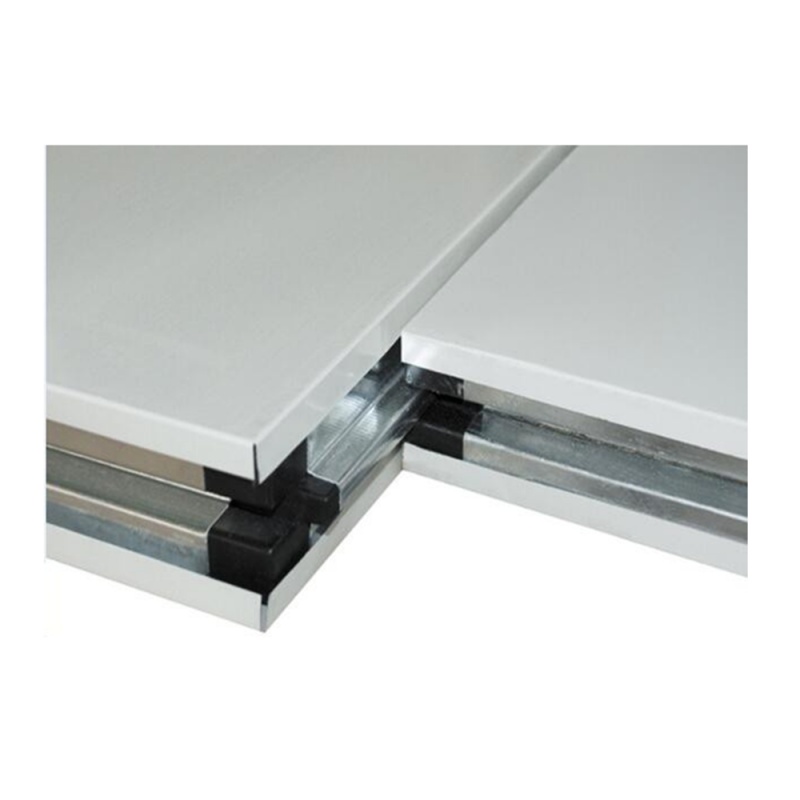
Key Installation Points for Aluminum Honeycomb Core Cleanroom Panels

Pertimbangan Pemasangan untuk Panel Ruang Bersih Berinti Magnesium Oksida dan Wol Batu

Panel dengan inti magnesium oksida (MgO) dan wol batu menggabungkan karakteristik khas masing-masing bahan. Selama pemasangan, perlu mempertimbangkan persyaratan khusus yang ditentukan oleh inti wol batu—khususnya terkait sifat tahan api dan insulasi termalnya—sekaligus menyesuaikan diri dengan atribut unik papan pelapis magnesium oksida. Saat memasang panel, sangat penting memastikan bahwa pengencang menembus secara kokoh melalui papan magnesium oksida guna membentuk sambungan yang aman dengan rangka penopang, sehingga menjamin stabilitas struktural seluruh susunan. Dalam proyek konstruksi ruang bersih di fasilitas manufaktur farmasi, pemasangan pengencang yang tidak memadai dapat menyebabkan longgarnya panel selama operasi berikutnya, yang berpotensi dipicu oleh faktor-faktor seperti getaran peralatan di dalam bengkel.

Mengenai perlakuan sambungan panel, celah-celah tersebut harus terlebih dahulu diisi dengan bahan sealant yang sesuai, diikuti oleh finishing permukaan yang tepat, guna memastikan kedap udara serta kesinambungan estetika pada sambungan. Selain itu, mengingat papan magnesium oksida rentan terhadap masalah terkait kelembapan—seperti 'berkeringat' atau migrasi kelembapan—di lingkungan berkelembapan tinggi, langkah-langkah pengendalian kelembapan yang kuat harus diterapkan selama pemasangan; contohnya adalah pemberian lapisan tahan lembap pada substrat dasar.
cleanroom panels factory Installation of Rock Wool Core Cleanroom Panels Rock wool core material is manufactured from natural rock through a high-temperature melting process; it is relatively heavy and possesses a certain degree of rigidity. During installation, the load-bearing capacity of the supporting keel structure is of paramount importance. Based on the weight of the panels, the spacing between keels must be designed scientifically and rationally to prevent panel deformation caused by insufficient load-bearing support. For instance, if rock wool cleanroom panels are utilized as wall materials in a large-scale industrial facility with stringent fire safety requirements, setting the keel spacing too wide—given the substantial weight of the rock wool panels—could eventually lead to sagging or deformation of the panels over time, thereby compromising both aesthetic appeal and operational safety.  Furthermore, the cut edges of rock wool panels are prone to generating dust. Consequently, appropriate protective measures must be implemented during installation—such as requiring construction personnel to wear professional dust-proof masks and deploying localized dust extraction equipment in cutting zones—to prevent dust contamination within the cleanroom environment. When joining panels, it is imperative to ensure that the seams are tightly fitted; this is essential for effectively guaranteeing thermal insulation and soundproofing performance. For example, in the construction of medical operating rooms—where noise control standards are exceptionally strict—tightly fitted seams can significantly minimize the intrusion of external noise while simultaneously preventing thermal exchange between the indoor and outdoor environments, thereby maintaining stable indoor temperatures.  Installation of Rock Wool Core Cleanroom Panels  Installation of Polyurethane Core Cleanroom Panels Polyurethane core material consists of a polyurethane foam filling; it offers excellent thermal insulation and sealing properties, combining high structural strength with a moderate weight. During installation, the layout of the supporting keel structure can be adjusted to suit the specific application scenario. For instance, in the construction of a cold storage facility—where thermal insulation requirements are particularly high—the low internal temperatures necessitate cleanroom panels with superior insulating capabilities to minimize energy consumption. In such cases, the keel layout can be flexibly configured based on practical factors such as the spatial structure of the cold storage unit and the positioning of refrigeration equipment.  However, since polyurethane materials may release harmful gases when exposed to high temperatures, the use of open flames must be strictly prohibited during the installation process, and adequate ventilation must be ensured. Additionally, polyurethane panels typically feature a tongue-and-groove interlocking design at their joints; during installation, it is crucial to ensure that these interlocking profiles engage tightly to enhance the overall airtightness of the structure. Taking a food cold storage facility as an example: if the tongue-and-groove joints do not interlock tightly, outside air can easily infiltrate. This may lead to temperature fluctuations within the cold storage area, thereby compromising the effectiveness of food preservation.  Installation of Polyurethane Core Cleanroom Panels  Installation of Hollow Magnesium Oxide Core Cleanroom Panels Hollow magnesium oxide core panels typically consist of a honeycomb or grid-like hollow internal structure bonded to magnesium oxide faceboards. Being lightweight, they offer relatively convenient installation. However, their installation places stringent demands on the flatness of the substrate (base layer). The substrate surface must be flat, dry, and clean; if the flatness deviation of the substrate exceeds the specified tolerance (generally, the flatness error must not exceed 5 mm within any 2-meter span), the cleanroom panels will fail to adhere tightly to the substrate after installation, resulting in excessively wide panel seams. In the construction of electronic cleanrooms, if panel seams are too wide, dust and other impurities can easily enter, making it impossible to meet the rigorous environmental cleanliness standards required for electronics manufacturing.  When securing the panels, methods such as self-tapping screws are typically employed. Specific requirements govern the spacing of these screws, which are generally distributed uniformly within a reasonable range to ensure the panels are firmly anchored. Furthermore, the treatment of panel seams is equally critical; they must be filled with sealing materials to ensure an effective seal and prevent air leakage.  cleanroom panels factory Installation of Rock Wool Core Cleanroom Panels Rock wool core material is manufactured from natural rock through a high-temperature melting process; it is relatively heavy and possesses a certain degree of rigidity. During installation, the load-bearing capacity of the supporting keel structure is of paramount importance. Based on the weight of the panels, the spacing between keels must be designed scientifically and rationally to prevent panel deformation caused by insufficient load-bearing support. For instance, if rock wool cleanroom panels are utilized as wall materials in a large-scale industrial facility with stringent fire safety requirements, setting the keel spacing too wide—given the substantial weight of the rock wool panels—could eventually lead to sagging or deformation of the panels over time, thereby compromising both aesthetic appeal and operational safety.  Furthermore, the cut edges of rock wool panels are prone to generating dust. Consequently, appropriate protective measures must be implemented during installation—such as requiring construction personnel to wear professional dust-proof masks and deploying localized dust extraction equipment in cutting zones—to prevent dust contamination within the cleanroom environment. When joining panels, it is imperative to ensure that the seams are tightly fitted; this is essential for effectively guaranteeing thermal insulation and soundproofing performance. For example, in the construction of medical operating rooms—where noise control standards are exceptionally strict—tightly fitted seams can significantly minimize the intrusion of external noise while simultaneously preventing thermal exchange between the indoor and outdoor environments, thereby maintaining stable indoor temperatures.  Installation of Rock Wool Core Cleanroom Panels  Installation of Polyurethane Core Cleanroom Panels Polyurethane core material consists of a polyurethane foam filling; it offers excellent thermal insulation and sealing properties, combining high structural strength with a moderate weight. During installation, the layout of the supporting keel structure can be adjusted to suit the specific application scenario. For instance, in the construction of a cold storage facility—where thermal insulation requirements are particularly high—the low internal temperatures necessitate cleanroom panels with superior insulating capabilities to minimize energy consumption. In such cases, the keel layout can be flexibly configured based on practical factors such as the spatial structure of the cold storage unit and the positioning of refrigeration equipment.  However, since polyurethane materials may release harmful gases when exposed to high temperatures, the use of open flames must be strictly prohibited during the installation process, and adequate ventilation must be ensured. Additionally, polyurethane panels typically feature a tongue-and-groove interlocking design at their joints; during installation, it is crucial to ensure that these interlocking profiles engage tightly to enhance the overall airtightness of the structure. Taking a food cold storage facility as an example: if the tongue-and-groove joints do not interlock tightly, outside air can easily infiltrate. This may lead to temperature fluctuations within the cold storage area, thereby compromising the effectiveness of food preservation.  Installation of Polyurethane Core Cleanroom Panels  Installation of Hollow Magnesium Oxide Core Cleanroom Panels  Key Installation Points for Aluminum Honeycomb Core Cleanroom Panels Aluminum honeycomb core cleanroom panels offer numerous advantages, such as high structural strength and excellent surface flatness. During installation, given the relatively uniform distribution of the panels' weight, the design of the supporting keel system can be determined based on the specific panel specifications and the ambient installation environment. In large-scale commercial shopping malls—specifically for projects involving the enclosure of central air conditioning ventilation ducts—the use of aluminum honeycomb cleanroom panels necessitates a keel design tailored to the shape and dimensions of the ventilation ducts, as well as the overall spatial layout of the mall.  When splicing aluminum honeycomb cleanroom panels, a high degree of precision is required. It is essential to ensure that all joints are flat and tightly sealed to achieve an aesthetically pleasing appearance and maintain optimal overall performance. Furthermore, during the installation process, great care must be taken to protect the panel surfaces; precautions should be implemented to prevent scratches or impacts that could cause surface damage, thereby compromising both the visual appeal and the functional integrity of the panels.  Key Installation Points for Aluminum Honeycomb Core Cleanroom Panels  Installation Considerations for Magnesium Oxide Rock Wool Core Cleanroom Panels

Saat memasang panel pemurnian dengan bahan inti yang berbeda, langkah-langkah khusus harus diadopsi—yang disesuaikan dengan karakteristik bahan inti—terkait desain rangka penyangga (keel), perlakuan pelindung terhadap kelembapan dan api, penyambungan panel, serta tindakan pengamanan selama penanganan. Hal ini menjamin kualitas pemasangan dan memungkinkan panel pemurnian berfungsi secara optimal. Dalam proyek teknis aktual, pemilihan panel pemurnian dengan bahan inti yang sesuai harus didasarkan pada penilaian komprehensif terhadap faktor-faktor seperti skenario aplikasi spesifik, persyaratan lingkungan, dan anggaran; selanjutnya, pelaksanaan konstruksi harus dilakukan secara ketat sesuai dengan pedoman pemasangan yang berlaku.
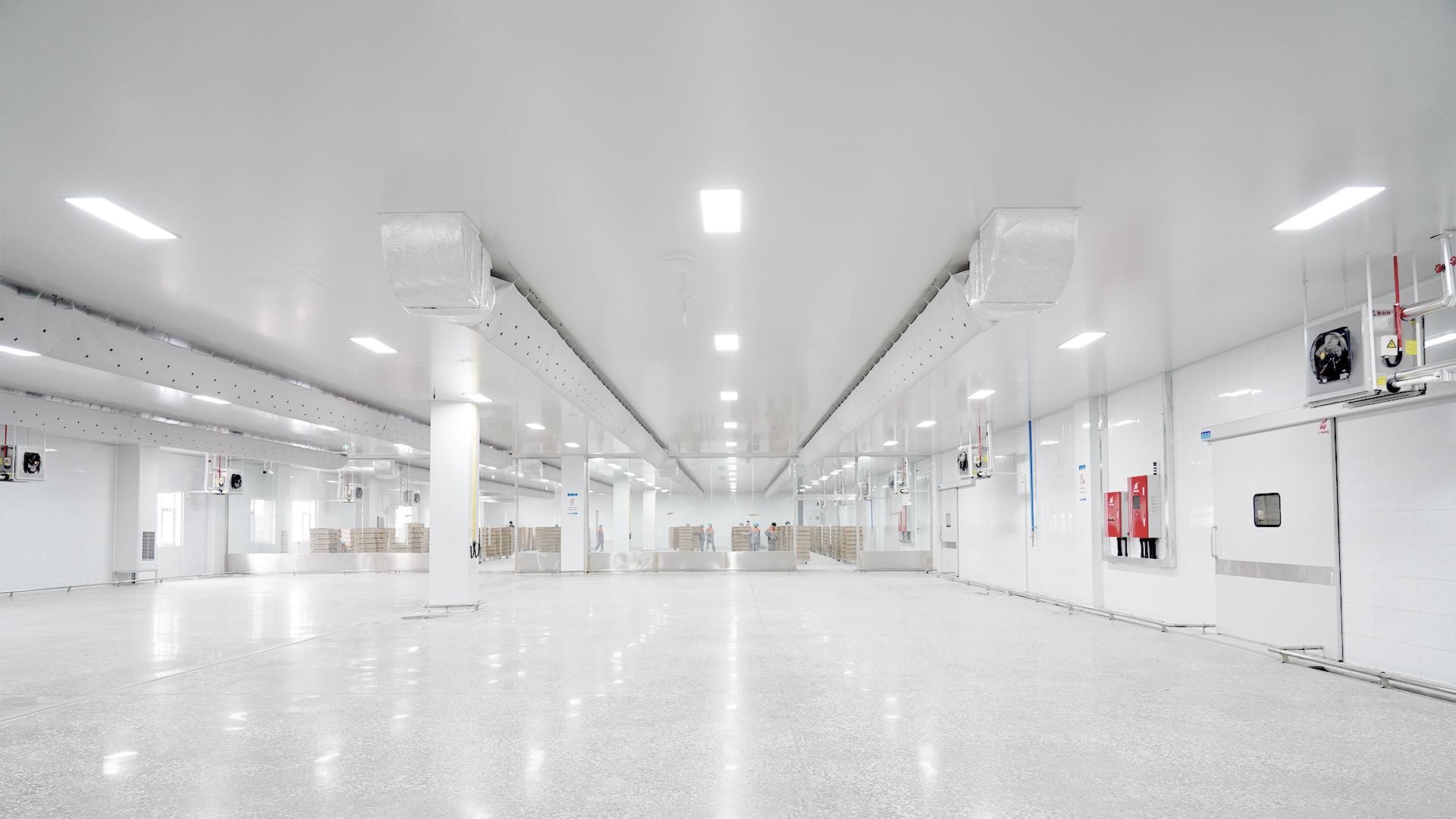
Cleanroom Enclosure System for Shandong Boda Food (1).jpg

Dapatkan Penawaran Gratis untuk Proyek Anda

Baik itu bengkel baja, ruang pendingin, maupun sistem ruang bersih (cleanroom), kami menawarkan harga pabrik yang kompetitif serta desain profesional.
Email
Nama
Ponsel/WhatsApp
Nama Perusahaan
Pesan
0/1000