Kérjen ingyenes árajánlatot projektje számára

Akár acélgyártócsarnokról, hűtőtárolóról vagy tisztasági szobáról van szó, versenyképes gyári árakat és professzionális tervezést kínálunk.
E-mail cím
Név
Mobil/WhatsApp
Cég neve
Üzenet
0/1000

Ipari hírek

Főoldal >  Források >  Ipari hírek

Vannak-e különbségek a tisztasági szobák paneleinek felszerelésében különböző maganyagok esetén

Apr 14, 2026

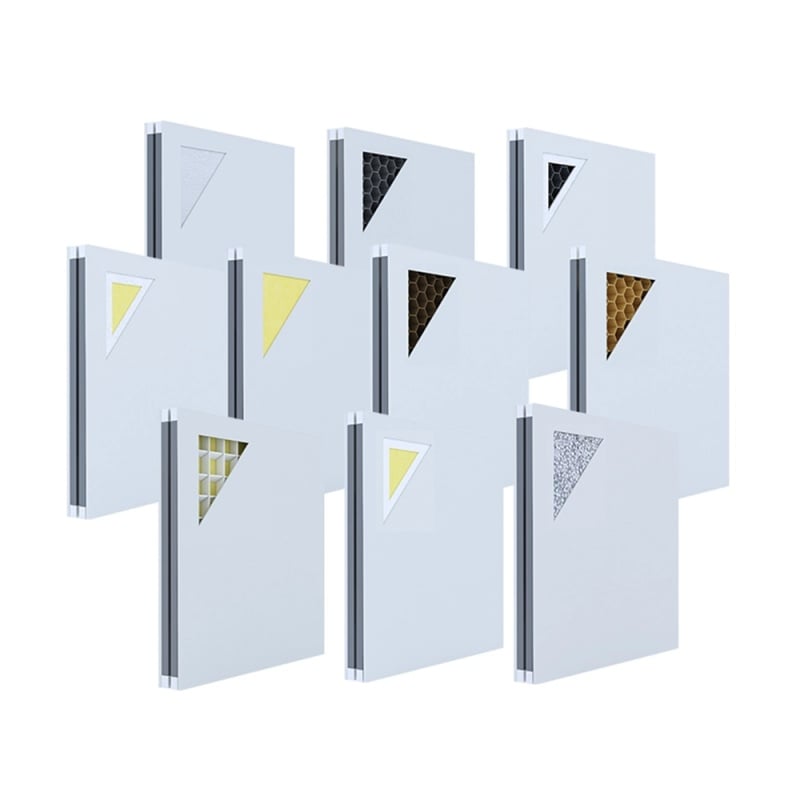
Tisztatermi panelek széles körben használják azokban az iparágakban, ahol szigorú környezeti követelmények vannak – például az elektronikai, gyógyszeripari és élelmiszer-feldolgozó iparágakban –, ahol tisztaságot és higiénikus környezetet biztosító térkialakításra szolgálnak. Ezeknek a paneloknak széles választéka áll rendelkezésre magtartalmukat illetően; gyakori típusok közé tartozik a kőzetgyapot, az üreges magnézium-oxid, az alumínium méhsejt szerkezet és a magnézium-oxid–kőzetgyapot kompozitok. Mivel mindegyik maganyag típusának sajátos tulajdonságai vannak, ezért ezek különböző tisztasági osztályú (cleanroom) paneljainak telepítési folyamata is számos eltérést mutat.
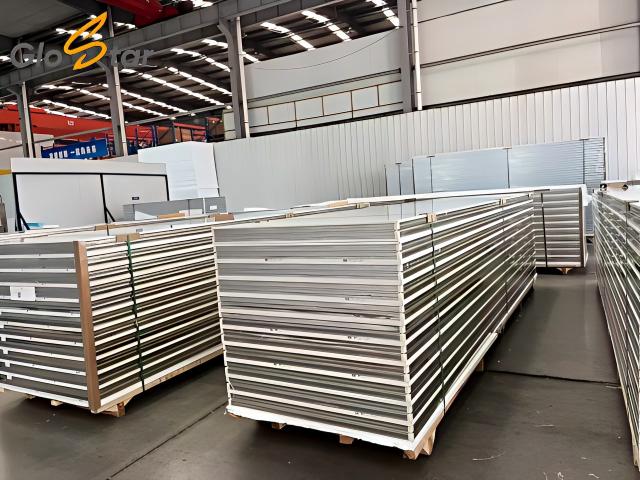
cleanroom panels factory

Kőzetgyapot-magot tartalmazó tisztasági osztályú (cleanroom) panelok telepítése

A kőzetgyapottöltet anyaga természetes kőből készül, amelyet magas hőmérsékleten olvasztanak; viszonylag nehéz, és bizonyos merevséggel rendelkezik. A felszerelés során a tartószerkezet teherbírása döntő fontosságú. A panelek súlya alapján a tartószerkezetek távolságát tudományosan és racionálisan kell megtervezni, hogy elkerüljük a panelek deformációját, amely a megfelelő teherbírás hiánya miatt következhet be. Például, ha kőzetgyapot tisztasági tér panelek falanyagként használják egy nagy méretű ipari létesítményben, ahol szigorú tűzbiztonsági követelmények vonatkoznak, a kőzetgyapott panelek jelentős súlya miatt a tartószerkezetek túlságosan nagy távolsága idővel a panelek lehajlásához vagy deformációjához vezethet, ami mind az esztétikai megjelenést, mind az üzemeltetési biztonságot veszélyezteti.

Ezenkívül a kőzetgyapot panelok vágott élei hajlamosak por képződésére. Ennek következtében a telepítés során megfelelő védőintézkedéseket kell tenni – például a építési személyzet számára szakmai porvédő maszk viselésének előírása és a vágózónákban helyhez kötött porelszívó berendezések üzembe helyezése – annak érdekében, hogy megakadályozzák a por szennyeződését a tisztasági szoba környezetében. A panelok összekapcsolásakor elengedhetetlen, hogy az illesztési varratok szorosan illeszkedjenek; ez alapvető fontosságú a hőszigetelés és a hangszigetelés hatékony biztosításához. Például az orvosi műtők építése során – ahol a zajszabályozási szabványok különösen szigorúak – a szorosan illeszkedő varratok jelentősen csökkenthetik a külső zaj behatolását, miközben egyidejűleg megakadályozzák a beltéri és kültéri környezet közötti hőcserét, így biztosítva a beltéri hőmérséklet stabil maradását.
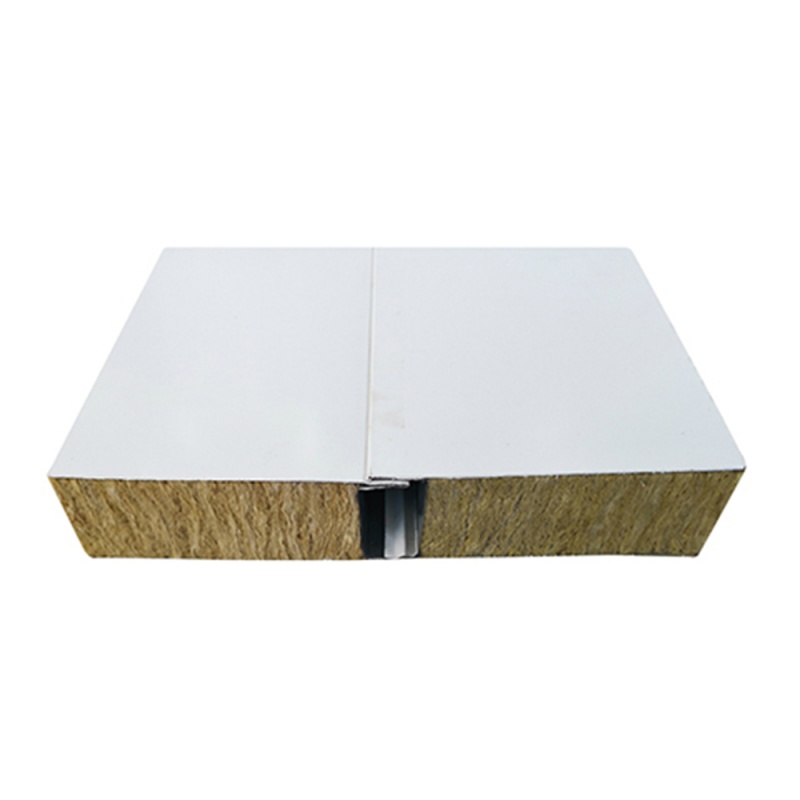
Installation of Rock Wool Core Cleanroom Panels

Poliuretán maggal rendelkező tisztasági szoba panelok telepítése

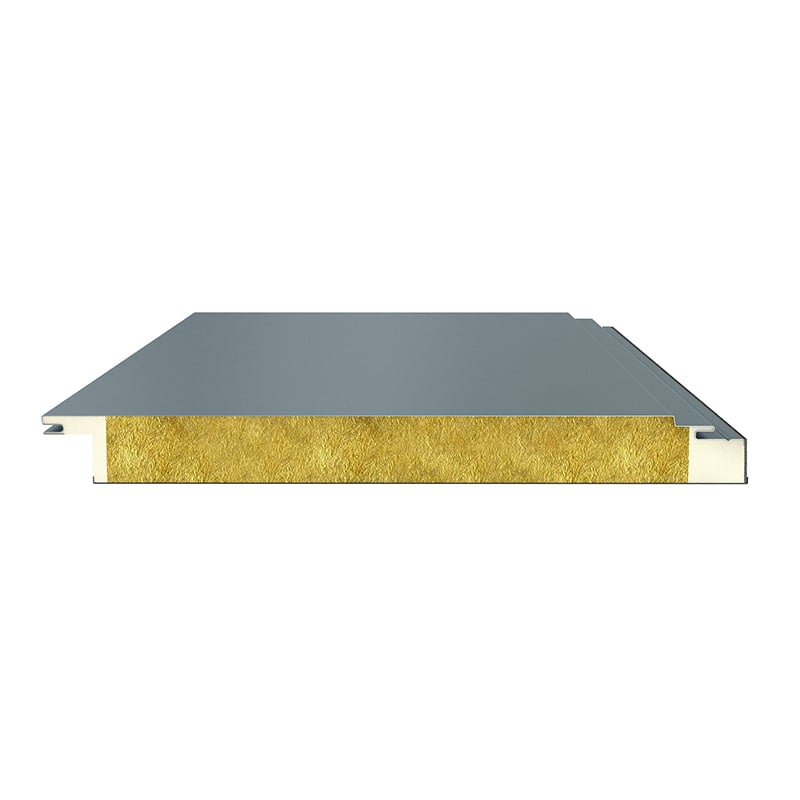
A poliuretán maganyag egy poliuretán hab töltőanyagból áll; kiváló hőszigetelési és tömítési tulajdonságokkal rendelkezik, ötvözve a magas szerkezeti szilárdságot a mérsékelt súllyal. A telepítés során a tartószerkezetet alkotó merevítő gerenda elrendezése igazítható a konkrét alkalmazási körülményekhez. Például egy hűtőtároló építése esetén – ahol a hőszigetelési követelmények különösen magasak – a belső alacsony hőmérséklet miatt kiváló hőszigetelő képességgel rendelkező tisztasági falfelületek szükségesek az energiafogyasztás minimalizálása érdekében. Ilyen esetekben a gerenda elrendezése rugalmasan konfigurálható a gyakorlati tényezők alapján, például a hűtőtároló térbeli szerkezete és a hűtőberendezések elhelyezése szerint.

Azonban mivel a poliuretán anyagok magas hőmérséklet hatására káros gázokat szabadíthatnak fel, a felszerelés során a nyitott láng használata szigorúan tilos, és megfelelő szellőzést kell biztosítani. Ezenkívül a poliuretán panelek általában fogazott (nyelv-és horpadás-) illesztési rendszert alkalmaznak csatlakozási felületeiken; a felszerelés során kiemelt fontosságú, hogy ezek a fogazott profilok szorosan egymásba kapcsolódjanak, hogy javítsák a szerkezet teljes levegőzártságát. Példaként vegyük egy élelmiszer-hűtőtároló létesítményt: ha a nyelv-és horpadás-csatlakozások nem zárnak szorosan, a külső levegő könnyen behatolhat. Ez hőmérséklet-ingadozásokhoz vezethet a hűtőtároló területén belül, így veszélyeztetve az élelmiszerek megőrzésének hatékonyságát.
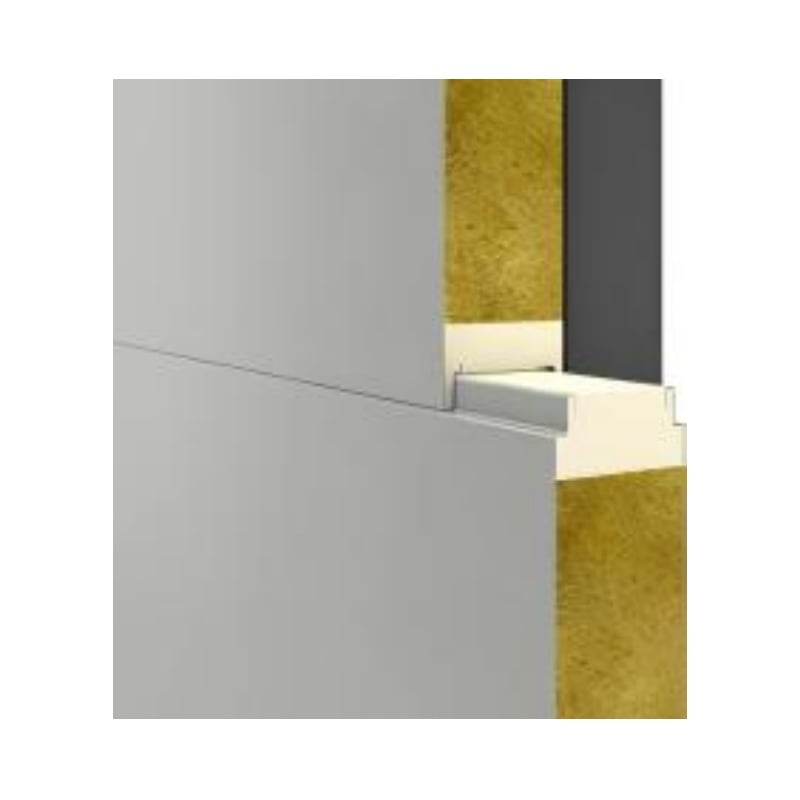
Installation of Polyurethane Core Cleanroom Panels

Üreges magnézium-oxid magú tisztasági szoba panelek felszerelése

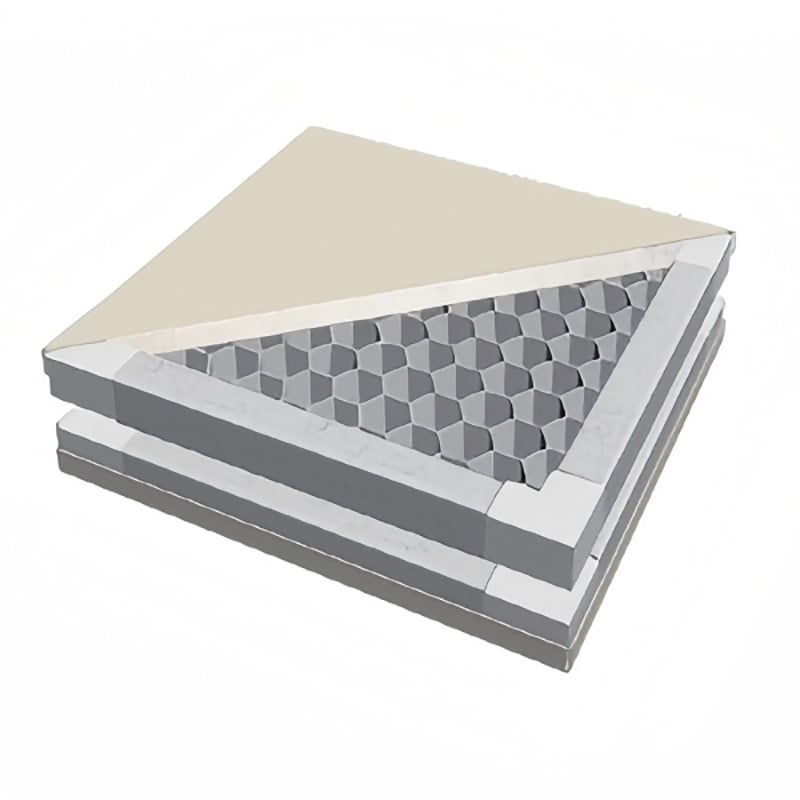
Üreges magnézium-oxid magú panelek általában egy méhsejt- vagy rácszerű, üreges belső szerkezetből állnak, amelyet magnézium-oxid felületlemezekhez ragasztanak. Könnyűségük miatt viszonylag kényelmes a telepítésük. A telepítésük azonban szigorú követelményeket támaszt a hordozófelület (alréteg) síkosságával szemben. A hordozófelület felszínének síknak, száraznak és tisztának kell lennie; ha a hordozófelület síkossági eltérése meghaladja a megadott tűrést (általában a síkossági hiba nem haladhatja meg az 5 mm-t bármely 2 méteres szakaszon), akkor a tisztasági folyosó panelek nem tapadnak meg megfelelően a hordozófelülethez a telepítés után, ami túlságosan széles panelvarratokhoz vezet. Az elektronikai tisztasági folyosók építése során, ha a panelvarratok túlságosan szélesek, por és egyéb szennyeződések könnyen behatolhatnak, így lehetetlenné válik az elektronikai gyártáshoz szükséges szigorú környezeti tisztasági szabványok teljesítése.

A panelek rögzítésekor általában öngyúró csavarokat használnak. A csavarok elhelyezésére vonatkozóan konkrét előírások érvényesek, amelyek általában egy ésszerű tartományon belül egyenletesen oszlanak el, hogy biztosítsák a panelek megbízható rögzítését. Ezenkívül a panelek illesztési varatainak kezelése is ugyanolyan fontos; a varatokat tömítőanyaggal kell kitölteni, hogy hatékony tömítést érjünk el és megakadályozzuk a levegő szivárgását.
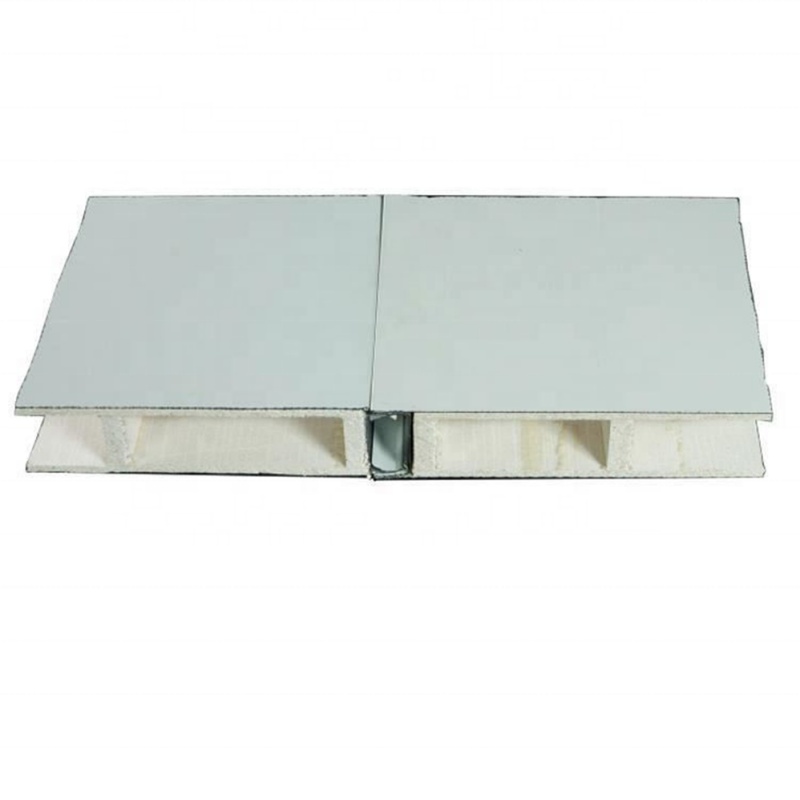
cleanroom panels factory Installation of Rock Wool Core Cleanroom Panels Rock wool core material is manufactured from natural rock through a high-temperature melting process; it is relatively heavy and possesses a certain degree of rigidity. During installation, the load-bearing capacity of the supporting keel structure is of paramount importance. Based on the weight of the panels, the spacing between keels must be designed scientifically and rationally to prevent panel deformation caused by insufficient load-bearing support. For instance, if rock wool cleanroom panels are utilized as wall materials in a large-scale industrial facility with stringent fire safety requirements, setting the keel spacing too wide—given the substantial weight of the rock wool panels—could eventually lead to sagging or deformation of the panels over time, thereby compromising both aesthetic appeal and operational safety.  Furthermore, the cut edges of rock wool panels are prone to generating dust. Consequently, appropriate protective measures must be implemented during installation—such as requiring construction personnel to wear professional dust-proof masks and deploying localized dust extraction equipment in cutting zones—to prevent dust contamination within the cleanroom environment. When joining panels, it is imperative to ensure that the seams are tightly fitted; this is essential for effectively guaranteeing thermal insulation and soundproofing performance. For example, in the construction of medical operating rooms—where noise control standards are exceptionally strict—tightly fitted seams can significantly minimize the intrusion of external noise while simultaneously preventing thermal exchange between the indoor and outdoor environments, thereby maintaining stable indoor temperatures.  Installation of Rock Wool Core Cleanroom Panels  Installation of Polyurethane Core Cleanroom Panels Polyurethane core material consists of a polyurethane foam filling; it offers excellent thermal insulation and sealing properties, combining high structural strength with a moderate weight. During installation, the layout of the supporting keel structure can be adjusted to suit the specific application scenario. For instance, in the construction of a cold storage facility—where thermal insulation requirements are particularly high—the low internal temperatures necessitate cleanroom panels with superior insulating capabilities to minimize energy consumption. In such cases, the keel layout can be flexibly configured based on practical factors such as the spatial structure of the cold storage unit and the positioning of refrigeration equipment.  However, since polyurethane materials may release harmful gases when exposed to high temperatures, the use of open flames must be strictly prohibited during the installation process, and adequate ventilation must be ensured. Additionally, polyurethane panels typically feature a tongue-and-groove interlocking design at their joints; during installation, it is crucial to ensure that these interlocking profiles engage tightly to enhance the overall airtightness of the structure. Taking a food cold storage facility as an example: if the tongue-and-groove joints do not interlock tightly, outside air can easily infiltrate. This may lead to temperature fluctuations within the cold storage area, thereby compromising the effectiveness of food preservation.  Installation of Polyurethane Core Cleanroom Panels  Installation of Hollow Magnesium Oxide Core Cleanroom Panels

Fontos telepítési pontok alumínium méhsejt-magból készült tisztasági folyosó panelekhez

Alumínium méhsejt tisztasági szoba panelek számos előnnyel bírnak, például magas szerkezeti szilárdsággal és kiváló felületi síksággal. A felszerelés során, mivel a panelek súlya viszonylag egyenletesen oszlik el, a tartószerkezet (főgerenda) rendszer tervezése meghatározható a konkrét panelméretek és a telepítési környezet alapján. Nagy méretű kereskedelmi bevásárlóközpontokban – különösen központi légkondicionáló szellőzőcsatornák burkolatát érintő projektek esetében – az alumínium mézzelhámos tisztasági panelek alkalmazása olyan főgerenda-tervet igényel, amely illeszkedik a szellőzőcsatornák alakjához és méreteihez, valamint a bevásárlóközpont teljes térbeli elrendezéséhez.

Az alumínium mézsejtes tisztasági szoba panelok összekapcsolásakor nagyon magas pontosságra van szükség. Fontos biztosítani, hogy minden illesztés sík legyen és szorosan zárjon, hogy esztétikusan vonzó megjelenést érjünk el, és fenntartsuk a teljes rendszer optimális működését. Továbbá a telepítés során különös gondot kell fordítani a panelfelületek védelmére; megelőző intézkedéseket kell tenni a karcolások vagy ütések elkerülése érdekében, amelyek felületi károsodást okozhatnak, és így mind az esztétikai megjelenést, mind a panelok funkcionális integritását veszélyeztethetik.
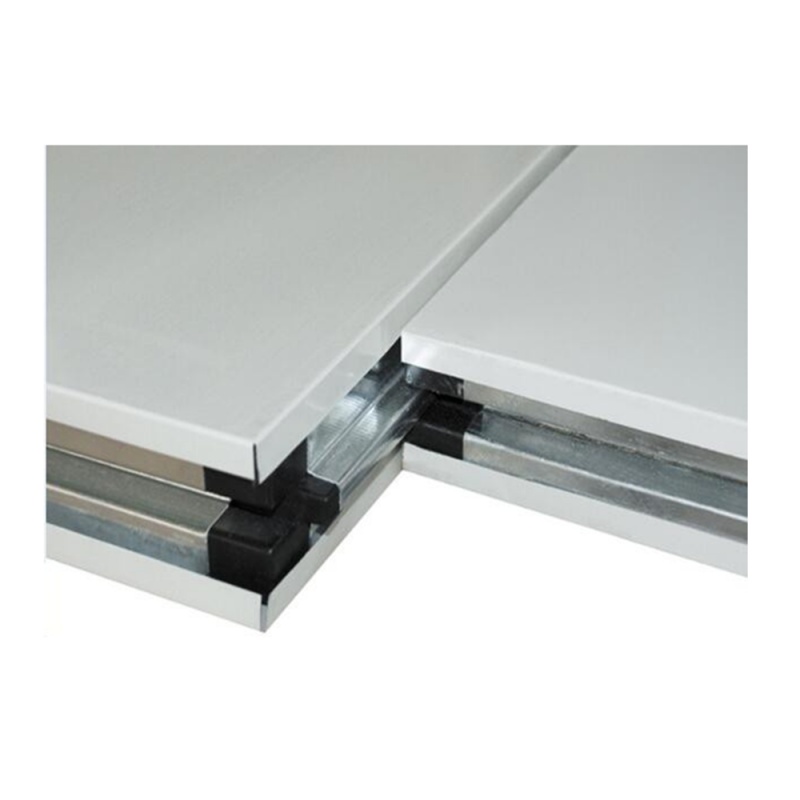
Key Installation Points for Aluminum Honeycomb Core Cleanroom Panels

A magnézium-oxid és kőzetgyapot maganyagú tisztasági szoba panelok telepítésének figyelembe veendő szempontjai

Magnézium-oxid (MgO) és kőzetgyapot maganyagot tartalmazó panelok kombinálja a két anyag egyedi jellemzőit. A felszerelés során figyelembe kell venni a kőzetgyapottal ellátott magra vonatkozó speciális követelményeket – különösen tűzállósági és hőszigetelési tulajdonságai tekintetében –, miközben egyidejűleg megfelelő helyet kell biztosítani a magnézium-oxid felületi lemezek egyedi tulajdonságainak is. A panelek rögzítésekor elengedhetetlen, hogy a rögzítőelemek megbízhatóan átmenjenek a magnézium-oxid lemezen, így biztosítva a tartószerkezeti sínhez való szilárd kapcsolatot, amely ezzel garantálja az egész szerkezet szerkezeti stabilitását. Gyógyszeripari gyártóüzemek tisztasági szobái építésénél a megfelelőtlen rögzítés a panelek lazasodásához vezethet a későbbi műveletek során, például a műhelyben lévő berendezések rezgése miatt.

A panelírások illesztésének kezelése kapcsán a rések először megfelelő tömítőanyaggal kell kitölteni, majd megfelelő felületkezelést kell alkalmazni, hogy biztosítsák az illesztések légzáróságát és esztétikai folytonosságát. Ezen felül, mivel a magnézium-oxid lapok érzékenyek a nedvességgel kapcsolatos problémákra – például a „izzadásra” vagy a nedvesség átjutására – a magas páratartalmú környezetben, a telepítés során erős nedvességálló intézkedéseket kell tenni; ilyen intézkedések például a nedvességálló alapréteg bevonása.
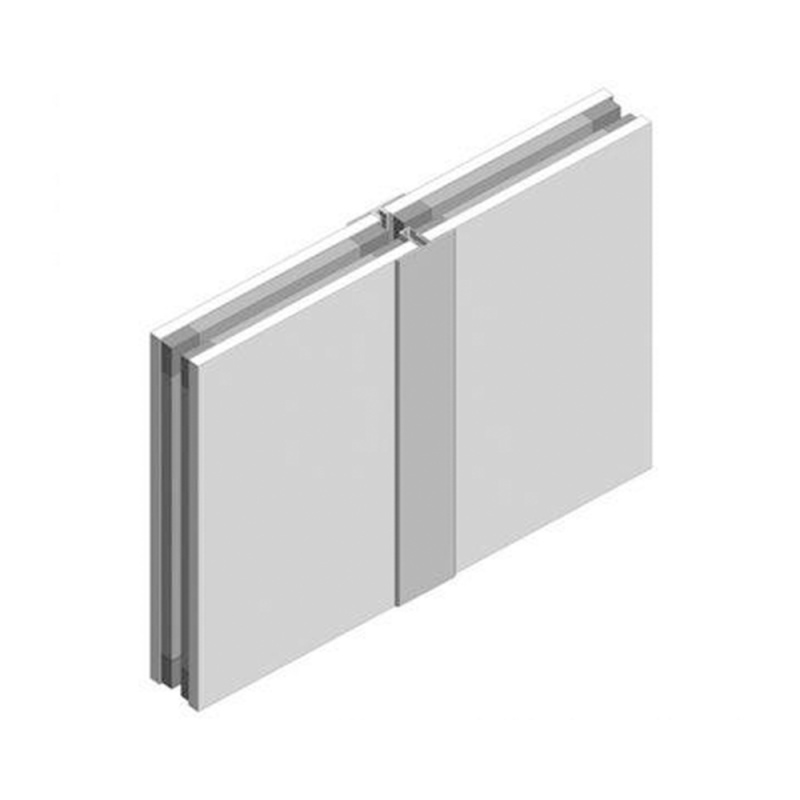
cleanroom panels factory Installation of Rock Wool Core Cleanroom Panels Rock wool core material is manufactured from natural rock through a high-temperature melting process; it is relatively heavy and possesses a certain degree of rigidity. During installation, the load-bearing capacity of the supporting keel structure is of paramount importance. Based on the weight of the panels, the spacing between keels must be designed scientifically and rationally to prevent panel deformation caused by insufficient load-bearing support. For instance, if rock wool cleanroom panels are utilized as wall materials in a large-scale industrial facility with stringent fire safety requirements, setting the keel spacing too wide—given the substantial weight of the rock wool panels—could eventually lead to sagging or deformation of the panels over time, thereby compromising both aesthetic appeal and operational safety.  Furthermore, the cut edges of rock wool panels are prone to generating dust. Consequently, appropriate protective measures must be implemented during installation—such as requiring construction personnel to wear professional dust-proof masks and deploying localized dust extraction equipment in cutting zones—to prevent dust contamination within the cleanroom environment. When joining panels, it is imperative to ensure that the seams are tightly fitted; this is essential for effectively guaranteeing thermal insulation and soundproofing performance. For example, in the construction of medical operating rooms—where noise control standards are exceptionally strict—tightly fitted seams can significantly minimize the intrusion of external noise while simultaneously preventing thermal exchange between the indoor and outdoor environments, thereby maintaining stable indoor temperatures.  Installation of Rock Wool Core Cleanroom Panels  Installation of Polyurethane Core Cleanroom Panels Polyurethane core material consists of a polyurethane foam filling; it offers excellent thermal insulation and sealing properties, combining high structural strength with a moderate weight. During installation, the layout of the supporting keel structure can be adjusted to suit the specific application scenario. For instance, in the construction of a cold storage facility—where thermal insulation requirements are particularly high—the low internal temperatures necessitate cleanroom panels with superior insulating capabilities to minimize energy consumption. In such cases, the keel layout can be flexibly configured based on practical factors such as the spatial structure of the cold storage unit and the positioning of refrigeration equipment.  However, since polyurethane materials may release harmful gases when exposed to high temperatures, the use of open flames must be strictly prohibited during the installation process, and adequate ventilation must be ensured. Additionally, polyurethane panels typically feature a tongue-and-groove interlocking design at their joints; during installation, it is crucial to ensure that these interlocking profiles engage tightly to enhance the overall airtightness of the structure. Taking a food cold storage facility as an example: if the tongue-and-groove joints do not interlock tightly, outside air can easily infiltrate. This may lead to temperature fluctuations within the cold storage area, thereby compromising the effectiveness of food preservation.  Installation of Polyurethane Core Cleanroom Panels  Installation of Hollow Magnesium Oxide Core Cleanroom Panels Hollow magnesium oxide core panels typically consist of a honeycomb or grid-like hollow internal structure bonded to magnesium oxide faceboards. Being lightweight, they offer relatively convenient installation. However, their installation places stringent demands on the flatness of the substrate (base layer). The substrate surface must be flat, dry, and clean; if the flatness deviation of the substrate exceeds the specified tolerance (generally, the flatness error must not exceed 5 mm within any 2-meter span), the cleanroom panels will fail to adhere tightly to the substrate after installation, resulting in excessively wide panel seams. In the construction of electronic cleanrooms, if panel seams are too wide, dust and other impurities can easily enter, making it impossible to meet the rigorous environmental cleanliness standards required for electronics manufacturing.  When securing the panels, methods such as self-tapping screws are typically employed. Specific requirements govern the spacing of these screws, which are generally distributed uniformly within a reasonable range to ensure the panels are firmly anchored. Furthermore, the treatment of panel seams is equally critical; they must be filled with sealing materials to ensure an effective seal and prevent air leakage.  cleanroom panels factory Installation of Rock Wool Core Cleanroom Panels Rock wool core material is manufactured from natural rock through a high-temperature melting process; it is relatively heavy and possesses a certain degree of rigidity. During installation, the load-bearing capacity of the supporting keel structure is of paramount importance. Based on the weight of the panels, the spacing between keels must be designed scientifically and rationally to prevent panel deformation caused by insufficient load-bearing support. For instance, if rock wool cleanroom panels are utilized as wall materials in a large-scale industrial facility with stringent fire safety requirements, setting the keel spacing too wide—given the substantial weight of the rock wool panels—could eventually lead to sagging or deformation of the panels over time, thereby compromising both aesthetic appeal and operational safety.  Furthermore, the cut edges of rock wool panels are prone to generating dust. Consequently, appropriate protective measures must be implemented during installation—such as requiring construction personnel to wear professional dust-proof masks and deploying localized dust extraction equipment in cutting zones—to prevent dust contamination within the cleanroom environment. When joining panels, it is imperative to ensure that the seams are tightly fitted; this is essential for effectively guaranteeing thermal insulation and soundproofing performance. For example, in the construction of medical operating rooms—where noise control standards are exceptionally strict—tightly fitted seams can significantly minimize the intrusion of external noise while simultaneously preventing thermal exchange between the indoor and outdoor environments, thereby maintaining stable indoor temperatures.  Installation of Rock Wool Core Cleanroom Panels  Installation of Polyurethane Core Cleanroom Panels Polyurethane core material consists of a polyurethane foam filling; it offers excellent thermal insulation and sealing properties, combining high structural strength with a moderate weight. During installation, the layout of the supporting keel structure can be adjusted to suit the specific application scenario. For instance, in the construction of a cold storage facility—where thermal insulation requirements are particularly high—the low internal temperatures necessitate cleanroom panels with superior insulating capabilities to minimize energy consumption. In such cases, the keel layout can be flexibly configured based on practical factors such as the spatial structure of the cold storage unit and the positioning of refrigeration equipment.  However, since polyurethane materials may release harmful gases when exposed to high temperatures, the use of open flames must be strictly prohibited during the installation process, and adequate ventilation must be ensured. Additionally, polyurethane panels typically feature a tongue-and-groove interlocking design at their joints; during installation, it is crucial to ensure that these interlocking profiles engage tightly to enhance the overall airtightness of the structure. Taking a food cold storage facility as an example: if the tongue-and-groove joints do not interlock tightly, outside air can easily infiltrate. This may lead to temperature fluctuations within the cold storage area, thereby compromising the effectiveness of food preservation.  Installation of Polyurethane Core Cleanroom Panels  Installation of Hollow Magnesium Oxide Core Cleanroom Panels  Key Installation Points for Aluminum Honeycomb Core Cleanroom Panels Aluminum honeycomb core cleanroom panels offer numerous advantages, such as high structural strength and excellent surface flatness. During installation, given the relatively uniform distribution of the panels' weight, the design of the supporting keel system can be determined based on the specific panel specifications and the ambient installation environment. In large-scale commercial shopping malls—specifically for projects involving the enclosure of central air conditioning ventilation ducts—the use of aluminum honeycomb cleanroom panels necessitates a keel design tailored to the shape and dimensions of the ventilation ducts, as well as the overall spatial layout of the mall.  When splicing aluminum honeycomb cleanroom panels, a high degree of precision is required. It is essential to ensure that all joints are flat and tightly sealed to achieve an aesthetically pleasing appearance and maintain optimal overall performance. Furthermore, during the installation process, great care must be taken to protect the panel surfaces; precautions should be implemented to prevent scratches or impacts that could cause surface damage, thereby compromising both the visual appeal and the functional integrity of the panels.  Key Installation Points for Aluminum Honeycomb Core Cleanroom Panels  Installation Considerations for Magnesium Oxide Rock Wool Core Cleanroom Panels

A különböző maganyagokból készült tisztító panelek telepítésekor a merevítő gerenda tervezésére, a nedvesség- és tűzvédelmi kezelésekre, a panelek illesztésére és a kezelési óvintézkedésekre speciális, a maganyag jellemzőihez igazított intézkedéseket kell alkalmazni. Ez biztosítja a telepítés minőségét, és lehetővé teszi, hogy a tisztító panelek teljes teljesítményüket nyújtsák. A gyakorlati mérnöki projektekben a megfelelő maganyagot tartalmazó tisztító panelek kiválasztását a konkrét alkalmazási környezet, az ökológiai követelmények és a költségvetés alapos értékelésén kell alapulni; emellett a kivitelezést szigorúan a vonatkozó telepítési útmutatók szerint kell elvégezni.
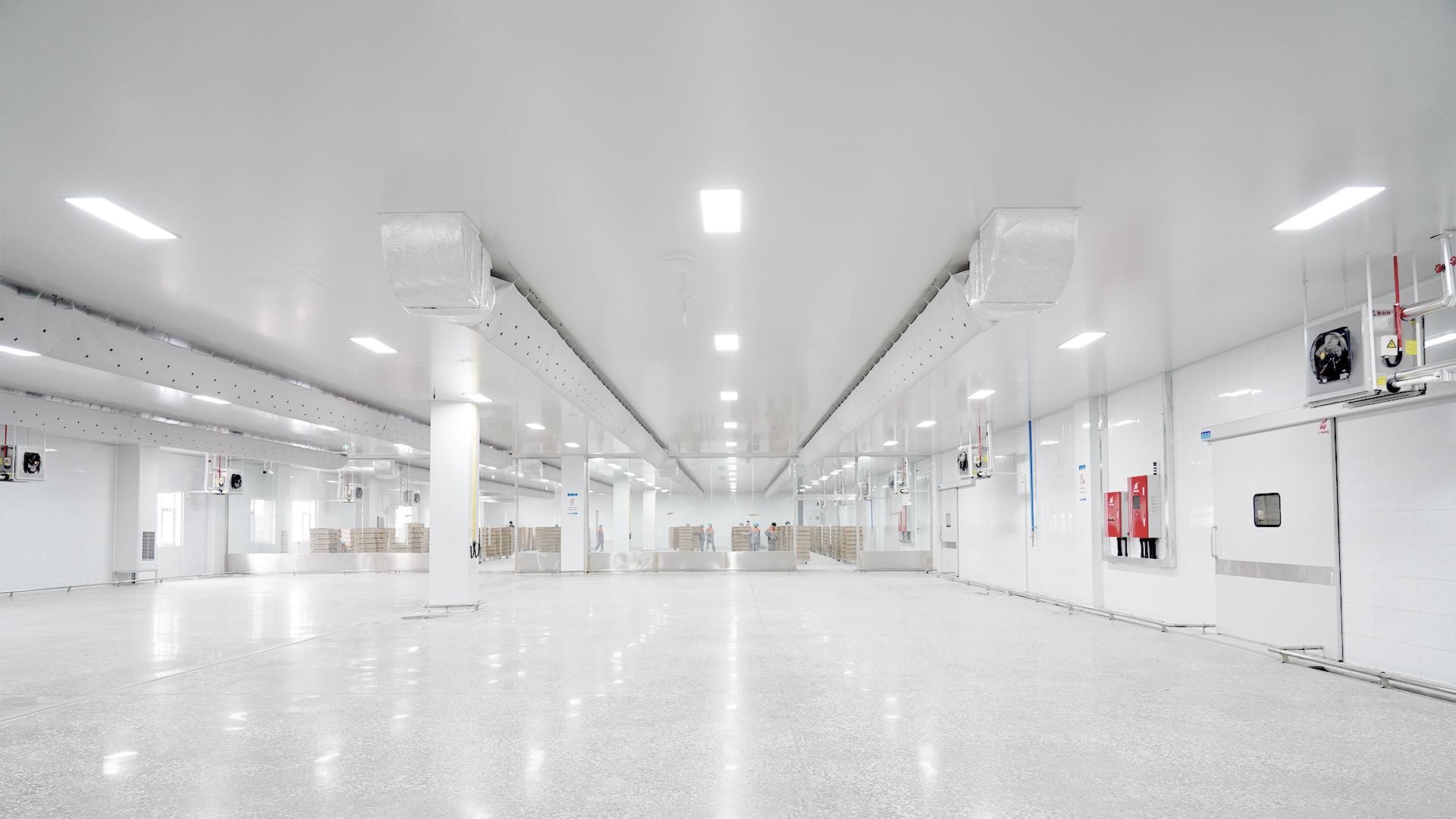
Cleanroom Enclosure System for Shandong Boda Food (1).jpg

Kérjen ingyenes árajánlatot projektje számára

Akár acélgyártócsarnokról, hűtőtárolóról vagy tisztasági szobáról van szó, versenyképes gyári árakat és professzionális tervezést kínálunk.
E-mail cím
Név
Mobil/WhatsApp
Cég neve
Üzenet
0/1000