Сиздин долбооруңуз үчүн тегин баа суроо алыңыз

Бул болсо челик цехи, суутактык сактоо жайы же таза бөлмө системасы болсун — биз сизге конкуренттүү заводдук бааларды жана профессионалдык долбоорду сунуштайбыз.
Электрондук почта
Аты-жөнү
Мобилдик/WhatsApp
Компаниянын аты
Эскертүү
0/1000

Саноаттын Жаңылыктары

Башкы бет >  Көмөкөчөлөр >  Саноаттын Жаңылыктары

Таза бөлмө панелдеринин орнотулушунда ар түрлүү негиздеги материалдардын ортосунда айырмачылыктар барбы?

Apr 14, 2026

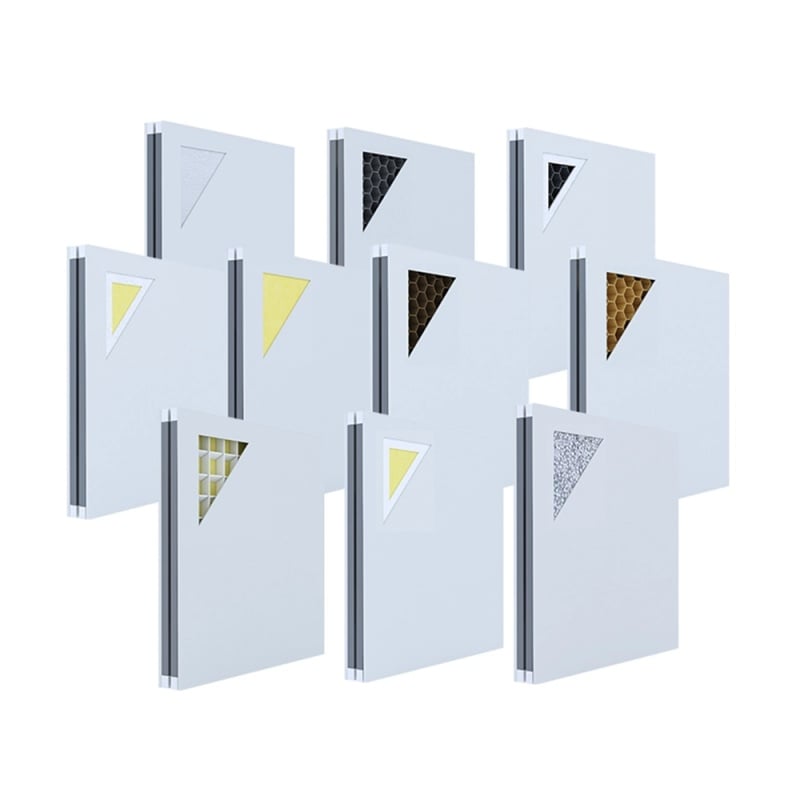
Таза бөлме панелдери алар электроника, фармацевтика жана тамак-аш өнөрлүгү кабыл алынган татаал экологиялык талаптарга ылайык чыгарылат—бул таза жана гигиеникалык мейкиндик түзүү үчүн колдонулат. Бул панелдердин негиздеги материалдары түрлүү болуп, кеңири колдонулган түрлөрүнө камыш ташы, ичке магний оксиди, алюминий шахматы жана магний оксиди–камыш ташы композиттери кирет. Ар бир негиздеги материалдын өзгөчөлүктөрүнө байланыштуу, таза бөлмө панелдеринин орнотулушу үчүн ар түрлүү ыкмалар колдонулат.
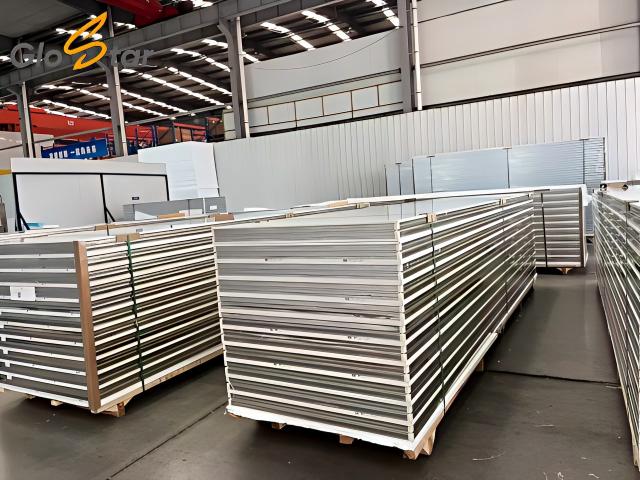
cleanroom panels factory

Камыш ташы негиздеги таза бөлмө панелдеринин орнотулушу

Таш жунунун негизги материалдары табигый таштардан жогорку температурада эрүү үчүн өндүрүлөт; ал салыштырмалуу оор жана белгилүү дээрээде катуулукка ээ. Орнотулганда, колдоо кылыч структурасынын жүктөрдү кабыл алуу кабилийти эң маанилүү. Панелдердин салмагына ылайык, панелдердин деформациялануусунун алдын алуу үчүн кылычтардын ортосундагы аралык илимий жана рационалдуу түрдө долбоорлонууга тиешелүү. Мисалы, эгер таш жүнүнөн жасалган таза бөлмө панелдери катуу өрт коопсуздугу талаптары бар чоң көлөмдүү өнөрөсөлдүк объектте стеналардын материалдары катары колдонулса, таш жуну панелдеринин салмагы чоң экендигин эске алып, кылычтардын ортосундагы аралыкты кең кылып орнотуу узак мөөнөттө панелдердин төмөндөшүнө же деформациялануусуна алып келет, анда ичке көрүнүш жана иштеп турган коопсуздук бузулуп калат.

Башкача айтканда, таш жүнүнүн плита-ларынын кесилген четтери тозолорду пайда кылууга эң көп учураган. Ошондуктан, таза бөлмөлөрдүн ичинде тозо лордун таралуусунун алдын алуу үчүн орнотуу мезгилинде туура коргоо чаралары колдонулушу керек — мисалы, куруучуларга профессионал тозо-го каршы маскаларды кийүү талап кылынуу жана кесүү зоналарында локалдуу тозо соргучтук жабдууларды орнотуу. Плиталарды бириктирүүдө тилектердин тыгыз жабылып турганын камсыз кылуу милдеттүү — бул жылуулук изоляциясы жана дыбыс изоляциясынын сапатын тээсиздөө үчүн маанилүү. Мисалы, медициналык операциялык бөлмөлөрдүн курулушунда — андагы дыбыс контролунун стандарттары өтө катуу — тыгыз жабылган тилектер сырткы дыбыстын кирүүсүн көп төмөндөтүп, бир убакта ичке жана сырткы орчондун ортосундагы жылуулук алмашуусун токтотуп, ичке температураны туруктуу сактап турат.
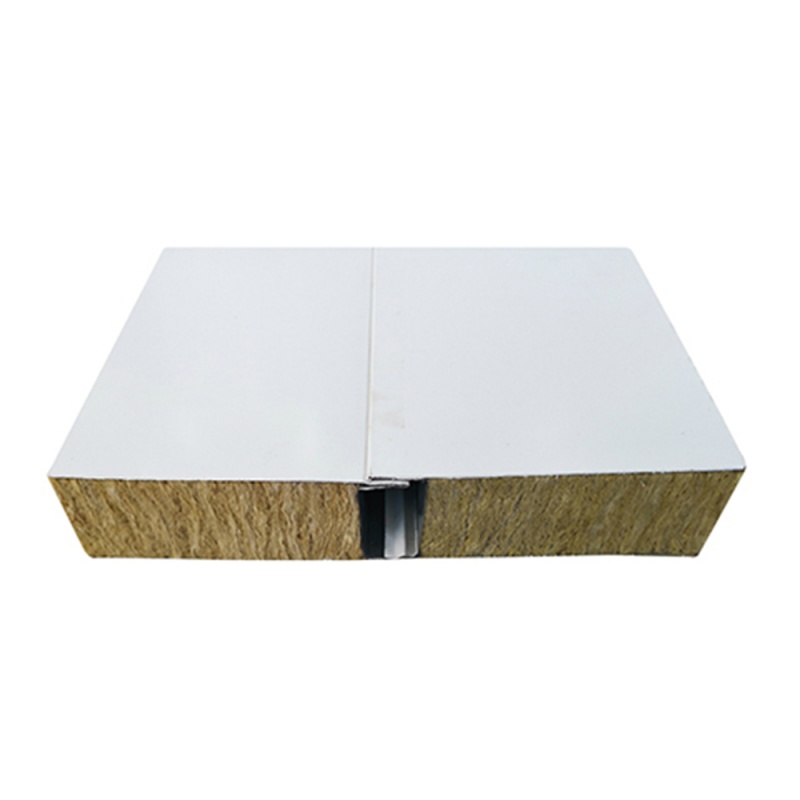
Installation of Rock Wool Core Cleanroom Panels

Полиуретан негиздүү таза бөлмө плита-ларынын орнотулушу

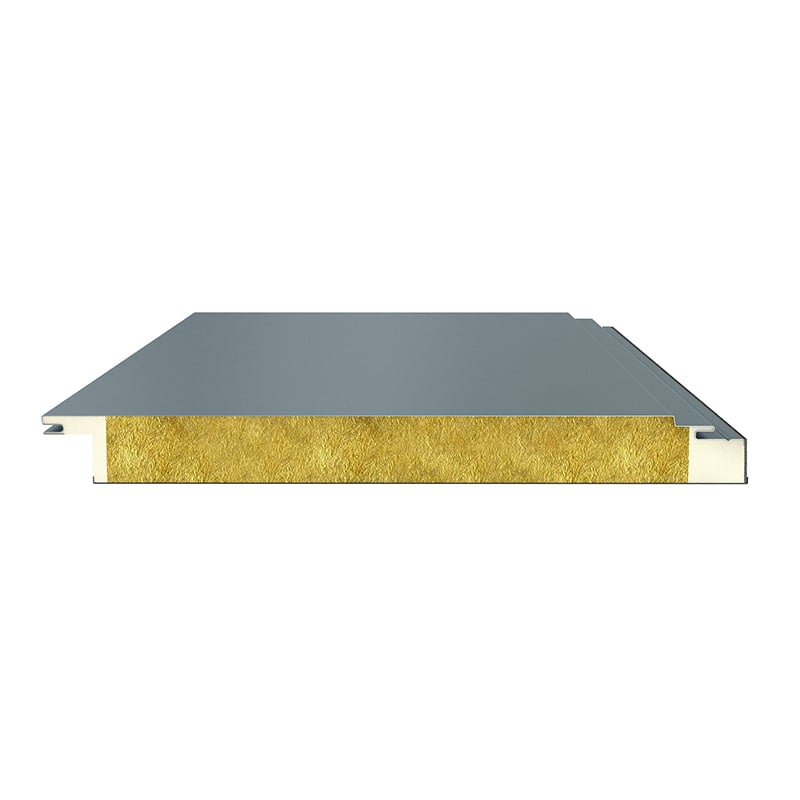
Полиуретан негиздүү материал полиуретан көпүрөсүнөн турат; ал жакшы жылуулук изоляциясын жана герметизациясын камсыз кылат, бирок жогорку конструкциялык күчтүүлүгүн орточо салмагы менен бириктирип берет. Орнотуу убактысында колдоочу кылган структурасынын жайгашуусун белгилүү колдонуу шарттарына ылайык түзөтүүгө болот. Мисалы, суутай ашыкта — андагы жылуулук изоляциясы талаптары өтө жогору болгондо — ичкисинде төмөн температура таза бөлмө панелдеринин энергиянын чыгымын минималдуу деңгээлде кармоо үчүн жогорку изоляциялык касиеттерге ээ болушу керек. Бул учурда кылган жайгашуусу суутай ашыктын мейкиндик структурасы жана суутай түзүлүштөрүнүн орну боюнча практикалык факторлорго ылайык гибриддүү түрдө түзөтүлөт.

Бирок, полиуретан материалдары жогорку температурага учурунда зыяндуу газдарды чыгара алат, ошондуктан орнотуу процесинде ачык оттун колдонулушу катуу тыюу салынат жана жетиштүү вентиляция камсыз кылынат. Ошондой эле, полиуретан плиталарынын туташуу жерлеринде тил-желіш (тунг-энд-гроув) бириктирилген дизайн көпчилүк учурда колдонулат; орнотуу убактысында бул бириктирилген профилдердин тыгыз бириккенин камсыз кылуу керек, анткени бул курулган структурасынын жалпы аба тыгыздыгын жогорулатат. Тамак-аштын суук сактоо жайын мисал катары алып карасак: эгер тил-желіш туташуу жерлери тыгыз бирикпесе, сырткы аба жеңил ичине кирип калат. Бул суук сактоо аймагындагы температуранын талааланышына алып келет, ошондуктан тамак-ашты сактоо тиришчилигинин тиришчилиги төмөндөйт.
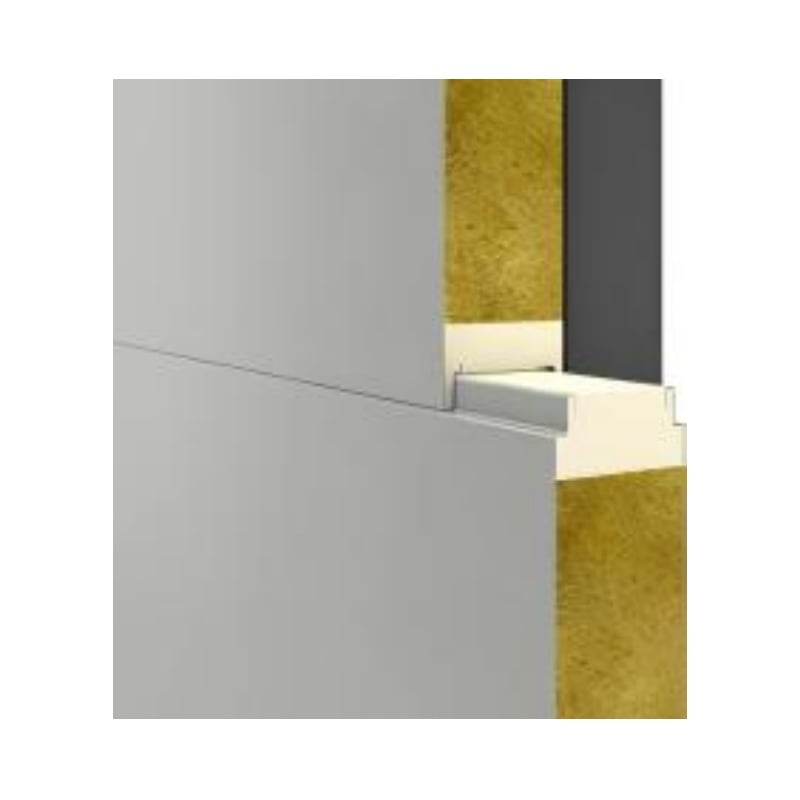
Installation of Polyurethane Core Cleanroom Panels

Куушик магний оксиддик негиздеги таза бөлмө плиталарынын орнотулушу

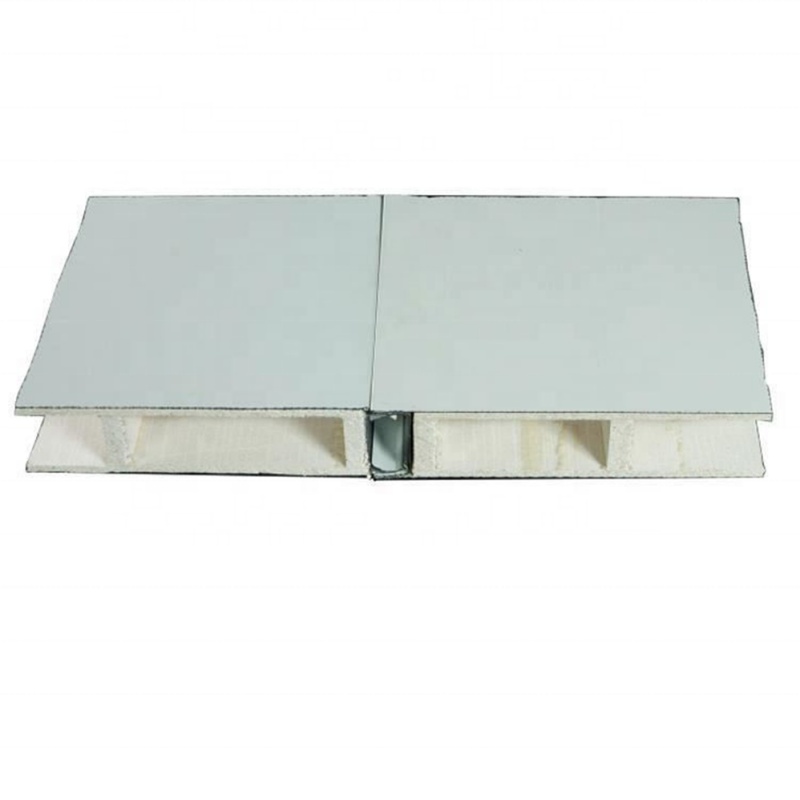
Куушик магний оксиддик негиздеги плиталар адатта магний оксидинен жасалган жактары (тегерек тақталары) менен бириктирилген көп бурулуу же тор түрүндөгү ичке курылымдан турат. Жеңил болгондуктан, аларды орнотуу салыштырмалуу ыңгайлуу. Бирок аларды орнотуу негиздин (таяныч катмарынын) тегиздигине катуу талаптар коёт. Негиздин бети тегиз, кургак жана таза болушу керек; эгерде негиздин тегиздиги белгиленген чегинен ашып кетсе (адатта, 2 метрлик аралыкта тегиздиктеги ката 5 ммден көп болбошу керек), анда таза борбордун панелдерин орноткондон кийин алар негизге тыгыз бирикпейт, натыйжада панелдердин ортосундагы щельдер өтө кеңейет. Электроникалык таза борборлорду куруу учурунда, егер панелдердин ортосундагы щельдер өтө кең болсо, тозолор жана башка ластык заттар оңой кирип калат, бул электроникалык өндүрүш үчүн койулган катуу чеврелүк тазалык стандарттарын толуктоого болбойт.

Панелдерди бекемдөөдө көбүнчө өзүн-өзү кескен винттар сыяктуу ыкмалар колдонулат. Бул винттардын орноштуруу аралыгына тийиштүү талаптар коюлат, алар жалпысынан панелдерди туруктуу бекемдөө үчүн разумдуу диапазондо бирдей таралган. Ошондой эле, панелдердин тилкелеринин иштетиши да ошончолук маанилүү; алар токтотуу материалдары менен толтурулуп, токтотуу толук иштеп, аба чыгып кетпесин камсыз кылуу керек.
cleanroom panels factory Installation of Rock Wool Core Cleanroom Panels Rock wool core material is manufactured from natural rock through a high-temperature melting process; it is relatively heavy and possesses a certain degree of rigidity. During installation, the load-bearing capacity of the supporting keel structure is of paramount importance. Based on the weight of the panels, the spacing between keels must be designed scientifically and rationally to prevent panel deformation caused by insufficient load-bearing support. For instance, if rock wool cleanroom panels are utilized as wall materials in a large-scale industrial facility with stringent fire safety requirements, setting the keel spacing too wide—given the substantial weight of the rock wool panels—could eventually lead to sagging or deformation of the panels over time, thereby compromising both aesthetic appeal and operational safety.  Furthermore, the cut edges of rock wool panels are prone to generating dust. Consequently, appropriate protective measures must be implemented during installation—such as requiring construction personnel to wear professional dust-proof masks and deploying localized dust extraction equipment in cutting zones—to prevent dust contamination within the cleanroom environment. When joining panels, it is imperative to ensure that the seams are tightly fitted; this is essential for effectively guaranteeing thermal insulation and soundproofing performance. For example, in the construction of medical operating rooms—where noise control standards are exceptionally strict—tightly fitted seams can significantly minimize the intrusion of external noise while simultaneously preventing thermal exchange between the indoor and outdoor environments, thereby maintaining stable indoor temperatures.  Installation of Rock Wool Core Cleanroom Panels  Installation of Polyurethane Core Cleanroom Panels Polyurethane core material consists of a polyurethane foam filling; it offers excellent thermal insulation and sealing properties, combining high structural strength with a moderate weight. During installation, the layout of the supporting keel structure can be adjusted to suit the specific application scenario. For instance, in the construction of a cold storage facility—where thermal insulation requirements are particularly high—the low internal temperatures necessitate cleanroom panels with superior insulating capabilities to minimize energy consumption. In such cases, the keel layout can be flexibly configured based on practical factors such as the spatial structure of the cold storage unit and the positioning of refrigeration equipment.  However, since polyurethane materials may release harmful gases when exposed to high temperatures, the use of open flames must be strictly prohibited during the installation process, and adequate ventilation must be ensured. Additionally, polyurethane panels typically feature a tongue-and-groove interlocking design at their joints; during installation, it is crucial to ensure that these interlocking profiles engage tightly to enhance the overall airtightness of the structure. Taking a food cold storage facility as an example: if the tongue-and-groove joints do not interlock tightly, outside air can easily infiltrate. This may lead to temperature fluctuations within the cold storage area, thereby compromising the effectiveness of food preservation.  Installation of Polyurethane Core Cleanroom Panels  Installation of Hollow Magnesium Oxide Core Cleanroom Panels

Алюминий шалбырдын негизинде жасалган таза бөлмөлөрдүн панелдерин орнотуудагы негизги пункттар

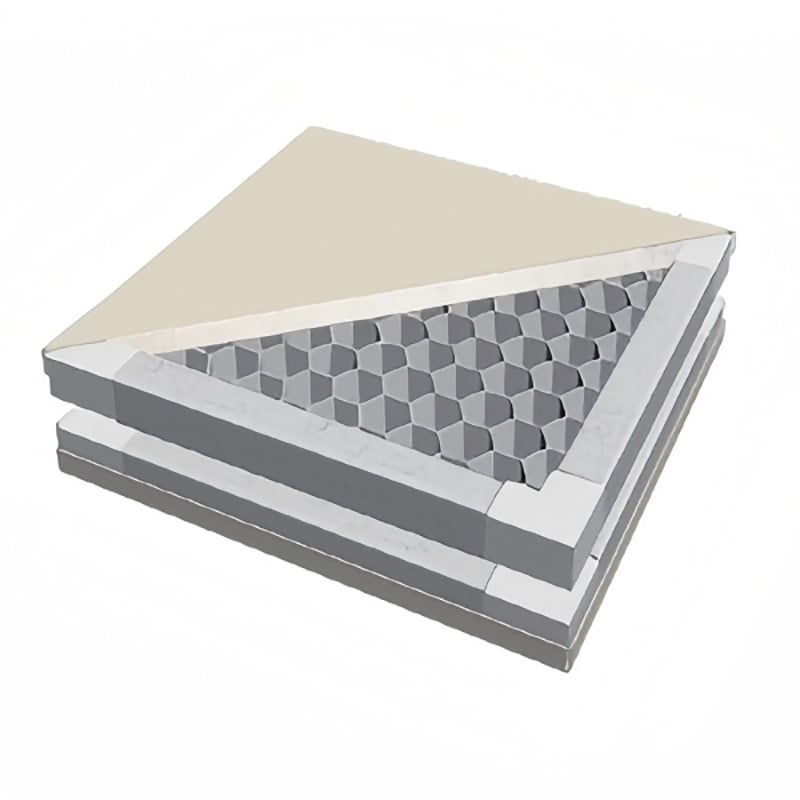
Алюминийлик сото чистая бөлмө панелдери жогорку конструкциялык күч жана жакшы беттеги тегиздик сыяктуу көп санда артыкчылыктарды сунуштайт. Орнотуу убактысында плита салмагынын салыштырмалуу бирдей таркалуусуна байланыштуу, колдоочу киль системасынын долбоору конкреттүү плита өлчөмдөрү жана орнотулган орто чөйрөнүн шарттарына ылайык белгилениши мүмкүн. Ири масштабдагы коммерциялык сатып алуу ортодорунда — атап айтканда, борбордук кондиционердин шамалдандыруу каналдарын камтып алуу иштеринде — алюминийлик оюк чистая борборлордун плиталарын колдонуу каналдардын формасы жана өлчөмдөрү, ошондой эле ортодордун жалпы кеңиштик жайгашуусуна ылайык киль долбоорун талап кылат.

Алюминийлик оргоштук чиста бөлмө панелдерин туташтырганда жогорку даражада тактык талап кылынат. Бардык туташуулардын тегиз жана тыгыз туташканын камсыз кылуу зарыл, анткени бул панелдердин көрүнүшүнүн эстетикалык тартымдуулугун камсыз кылат жана жалпы иштешүүсүнүн оптималдуу деңгээлин сактайт. Ошондой эле, орнотуу процессти түзүп жатканда панелдердин бетин коргоого өтө көңүл бургуу зарыл; бетке цараптар же соқкулар түшпөсүнчө, алардын көрүнүшүн жана функционалдык бүтүндүгүн бузбосунчө, каршы чаралар колдонуу керек.
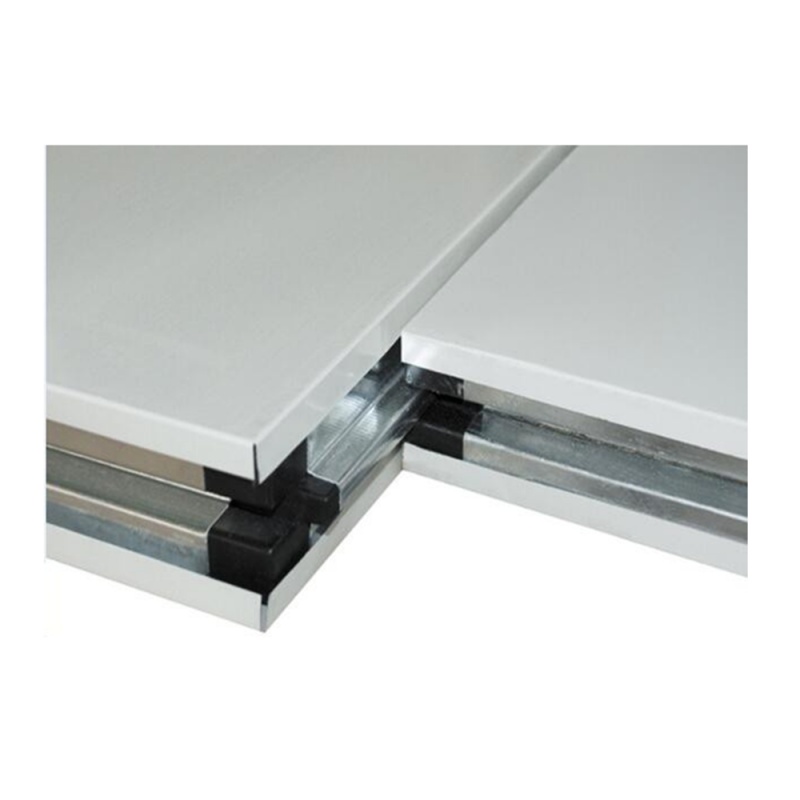
Key Installation Points for Aluminum Honeycomb Core Cleanroom Panels

Магний оксиди жана таш жүнүнүн негизинде жасалган чиста бөлмө панелдерин орнотуу боюнча нюанстар

Магний оксиди (MgO) жана таш жүнүнүн негизине ээ болгон панелдер эки материалдын айрым белгилерин бириктирүү. Орнотуу учурунда таш жүнүнүн ортосунун өзгөчөлүктөрүн — атап айтканда, ошонун отко төзүмдүлүгү жана жылуулук изоляциясынын касиеттери — эске алып, бир убакта магний оксидинен жасалган жүзгөлдөрдүн өзгөчөлүктөрүн да эске алуу зарыл. Панелдерди бекитүүдө бекитүү элементтери магний оксидинен жасалган плита аркылуу терең кирүүгө тийиш, анда ал каркас менен надеждуу байланыш түзүп, бүтүн конструкциянын туруктуулугун камсыз кылат. Дары-дармектерди өндүрүүчү ишканалардагы таза борборлордун курулушуна бекитүүлөрдүн жетишсиздиги кийинки иштөөлөрдө панелдердин чачырап кетүүсүнө алып келет, бул цехтеги жабдуулардын титрөшү сыяктуу факторлор аркылуу пайда болушу мүмкүн.

Панельдик түйүндөрдүн иштетилешине байланыштуу, башында тишкелерди ылайыктуу герметик материал менен толтуруу керек, андан кийин ылайыктуу беттүү иштетүү жүргүзүлөт, бул тишкелердин аба тыгыздуулугун жана эстетикалык үзгүлтүсүздүгүн камсыз кылат. Ошондой эле, магний оксиддик плиталар ылымжылган ортода «терлеп» же нымдын көчүшү сыяктуу нымга каршы көйгөйлөргө дуушар болгондуктан, орнотулганда нымга каршы чаралардын күчтүүлүгүн камсыз кылуу зарыл; мисалы, негизги негизге нымга каршы сырларды түшүрүү.
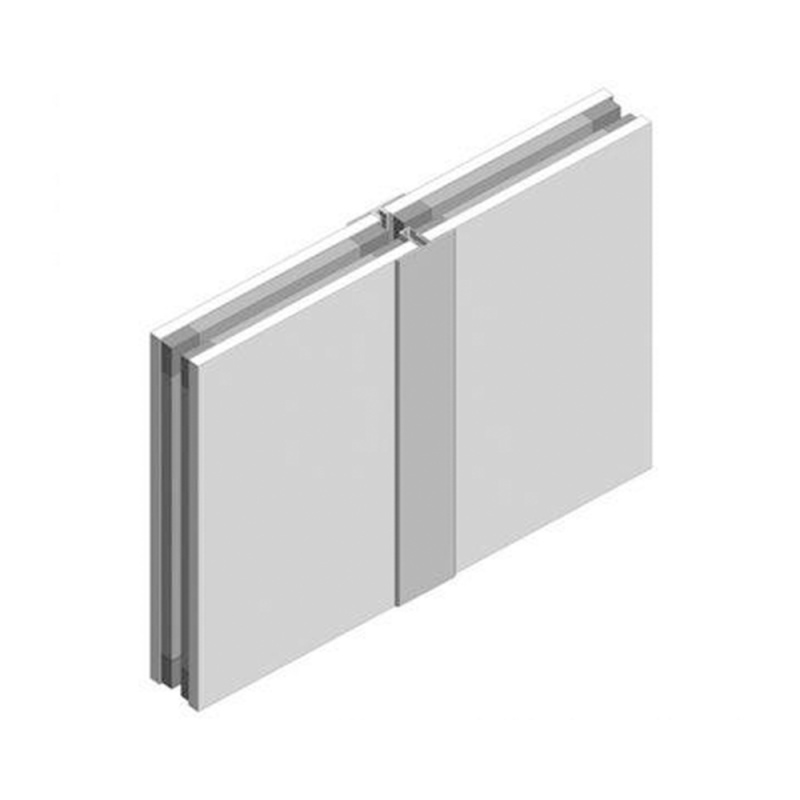
cleanroom panels factory Installation of Rock Wool Core Cleanroom Panels Rock wool core material is manufactured from natural rock through a high-temperature melting process; it is relatively heavy and possesses a certain degree of rigidity. During installation, the load-bearing capacity of the supporting keel structure is of paramount importance. Based on the weight of the panels, the spacing between keels must be designed scientifically and rationally to prevent panel deformation caused by insufficient load-bearing support. For instance, if rock wool cleanroom panels are utilized as wall materials in a large-scale industrial facility with stringent fire safety requirements, setting the keel spacing too wide—given the substantial weight of the rock wool panels—could eventually lead to sagging or deformation of the panels over time, thereby compromising both aesthetic appeal and operational safety.  Furthermore, the cut edges of rock wool panels are prone to generating dust. Consequently, appropriate protective measures must be implemented during installation—such as requiring construction personnel to wear professional dust-proof masks and deploying localized dust extraction equipment in cutting zones—to prevent dust contamination within the cleanroom environment. When joining panels, it is imperative to ensure that the seams are tightly fitted; this is essential for effectively guaranteeing thermal insulation and soundproofing performance. For example, in the construction of medical operating rooms—where noise control standards are exceptionally strict—tightly fitted seams can significantly minimize the intrusion of external noise while simultaneously preventing thermal exchange between the indoor and outdoor environments, thereby maintaining stable indoor temperatures.  Installation of Rock Wool Core Cleanroom Panels  Installation of Polyurethane Core Cleanroom Panels Polyurethane core material consists of a polyurethane foam filling; it offers excellent thermal insulation and sealing properties, combining high structural strength with a moderate weight. During installation, the layout of the supporting keel structure can be adjusted to suit the specific application scenario. For instance, in the construction of a cold storage facility—where thermal insulation requirements are particularly high—the low internal temperatures necessitate cleanroom panels with superior insulating capabilities to minimize energy consumption. In such cases, the keel layout can be flexibly configured based on practical factors such as the spatial structure of the cold storage unit and the positioning of refrigeration equipment.  However, since polyurethane materials may release harmful gases when exposed to high temperatures, the use of open flames must be strictly prohibited during the installation process, and adequate ventilation must be ensured. Additionally, polyurethane panels typically feature a tongue-and-groove interlocking design at their joints; during installation, it is crucial to ensure that these interlocking profiles engage tightly to enhance the overall airtightness of the structure. Taking a food cold storage facility as an example: if the tongue-and-groove joints do not interlock tightly, outside air can easily infiltrate. This may lead to temperature fluctuations within the cold storage area, thereby compromising the effectiveness of food preservation.  Installation of Polyurethane Core Cleanroom Panels  Installation of Hollow Magnesium Oxide Core Cleanroom Panels Hollow magnesium oxide core panels typically consist of a honeycomb or grid-like hollow internal structure bonded to magnesium oxide faceboards. Being lightweight, they offer relatively convenient installation. However, their installation places stringent demands on the flatness of the substrate (base layer). The substrate surface must be flat, dry, and clean; if the flatness deviation of the substrate exceeds the specified tolerance (generally, the flatness error must not exceed 5 mm within any 2-meter span), the cleanroom panels will fail to adhere tightly to the substrate after installation, resulting in excessively wide panel seams. In the construction of electronic cleanrooms, if panel seams are too wide, dust and other impurities can easily enter, making it impossible to meet the rigorous environmental cleanliness standards required for electronics manufacturing.  When securing the panels, methods such as self-tapping screws are typically employed. Specific requirements govern the spacing of these screws, which are generally distributed uniformly within a reasonable range to ensure the panels are firmly anchored. Furthermore, the treatment of panel seams is equally critical; they must be filled with sealing materials to ensure an effective seal and prevent air leakage.  cleanroom panels factory Installation of Rock Wool Core Cleanroom Panels Rock wool core material is manufactured from natural rock through a high-temperature melting process; it is relatively heavy and possesses a certain degree of rigidity. During installation, the load-bearing capacity of the supporting keel structure is of paramount importance. Based on the weight of the panels, the spacing between keels must be designed scientifically and rationally to prevent panel deformation caused by insufficient load-bearing support. For instance, if rock wool cleanroom panels are utilized as wall materials in a large-scale industrial facility with stringent fire safety requirements, setting the keel spacing too wide—given the substantial weight of the rock wool panels—could eventually lead to sagging or deformation of the panels over time, thereby compromising both aesthetic appeal and operational safety.  Furthermore, the cut edges of rock wool panels are prone to generating dust. Consequently, appropriate protective measures must be implemented during installation—such as requiring construction personnel to wear professional dust-proof masks and deploying localized dust extraction equipment in cutting zones—to prevent dust contamination within the cleanroom environment. When joining panels, it is imperative to ensure that the seams are tightly fitted; this is essential for effectively guaranteeing thermal insulation and soundproofing performance. For example, in the construction of medical operating rooms—where noise control standards are exceptionally strict—tightly fitted seams can significantly minimize the intrusion of external noise while simultaneously preventing thermal exchange between the indoor and outdoor environments, thereby maintaining stable indoor temperatures.  Installation of Rock Wool Core Cleanroom Panels  Installation of Polyurethane Core Cleanroom Panels Polyurethane core material consists of a polyurethane foam filling; it offers excellent thermal insulation and sealing properties, combining high structural strength with a moderate weight. During installation, the layout of the supporting keel structure can be adjusted to suit the specific application scenario. For instance, in the construction of a cold storage facility—where thermal insulation requirements are particularly high—the low internal temperatures necessitate cleanroom panels with superior insulating capabilities to minimize energy consumption. In such cases, the keel layout can be flexibly configured based on practical factors such as the spatial structure of the cold storage unit and the positioning of refrigeration equipment.  However, since polyurethane materials may release harmful gases when exposed to high temperatures, the use of open flames must be strictly prohibited during the installation process, and adequate ventilation must be ensured. Additionally, polyurethane panels typically feature a tongue-and-groove interlocking design at their joints; during installation, it is crucial to ensure that these interlocking profiles engage tightly to enhance the overall airtightness of the structure. Taking a food cold storage facility as an example: if the tongue-and-groove joints do not interlock tightly, outside air can easily infiltrate. This may lead to temperature fluctuations within the cold storage area, thereby compromising the effectiveness of food preservation.  Installation of Polyurethane Core Cleanroom Panels  Installation of Hollow Magnesium Oxide Core Cleanroom Panels  Key Installation Points for Aluminum Honeycomb Core Cleanroom Panels Aluminum honeycomb core cleanroom panels offer numerous advantages, such as high structural strength and excellent surface flatness. During installation, given the relatively uniform distribution of the panels' weight, the design of the supporting keel system can be determined based on the specific panel specifications and the ambient installation environment. In large-scale commercial shopping malls—specifically for projects involving the enclosure of central air conditioning ventilation ducts—the use of aluminum honeycomb cleanroom panels necessitates a keel design tailored to the shape and dimensions of the ventilation ducts, as well as the overall spatial layout of the mall.  When splicing aluminum honeycomb cleanroom panels, a high degree of precision is required. It is essential to ensure that all joints are flat and tightly sealed to achieve an aesthetically pleasing appearance and maintain optimal overall performance. Furthermore, during the installation process, great care must be taken to protect the panel surfaces; precautions should be implemented to prevent scratches or impacts that could cause surface damage, thereby compromising both the visual appeal and the functional integrity of the panels.  Key Installation Points for Aluminum Honeycomb Core Cleanroom Panels  Installation Considerations for Magnesium Oxide Rock Wool Core Cleanroom Panels

Тазартуу панелдерин орноткондо, алардын ичкиси үчүн колдонулган ар кандай материалдарга ылайык, таякча конструкциясы, нымдуулук жана отко каршы иштетүү, панелдердин бириктирилиши жана сактоо чаралары боюнча белгилүү чаралар колдонулушу керек. Бул орнотуу сапатын камсыз кылат жана тазартуу панелдеринин максималдуу эффективдүүлүгүн кепилдикке алат. Чыныгы инженердик долбоорлордо тазартуу панелдеринин ичкиси үчүн туура материалдын тандалышы конкреттүү колдонуу шарттарын, сырткы орчунун талаптарын жана бюджетти толук баалоого негизделүү керек; андан тышкары, курулуш иштери тиешелүү орнотуу нускамаларына катуу ылайык иштелип чыгышы керек.
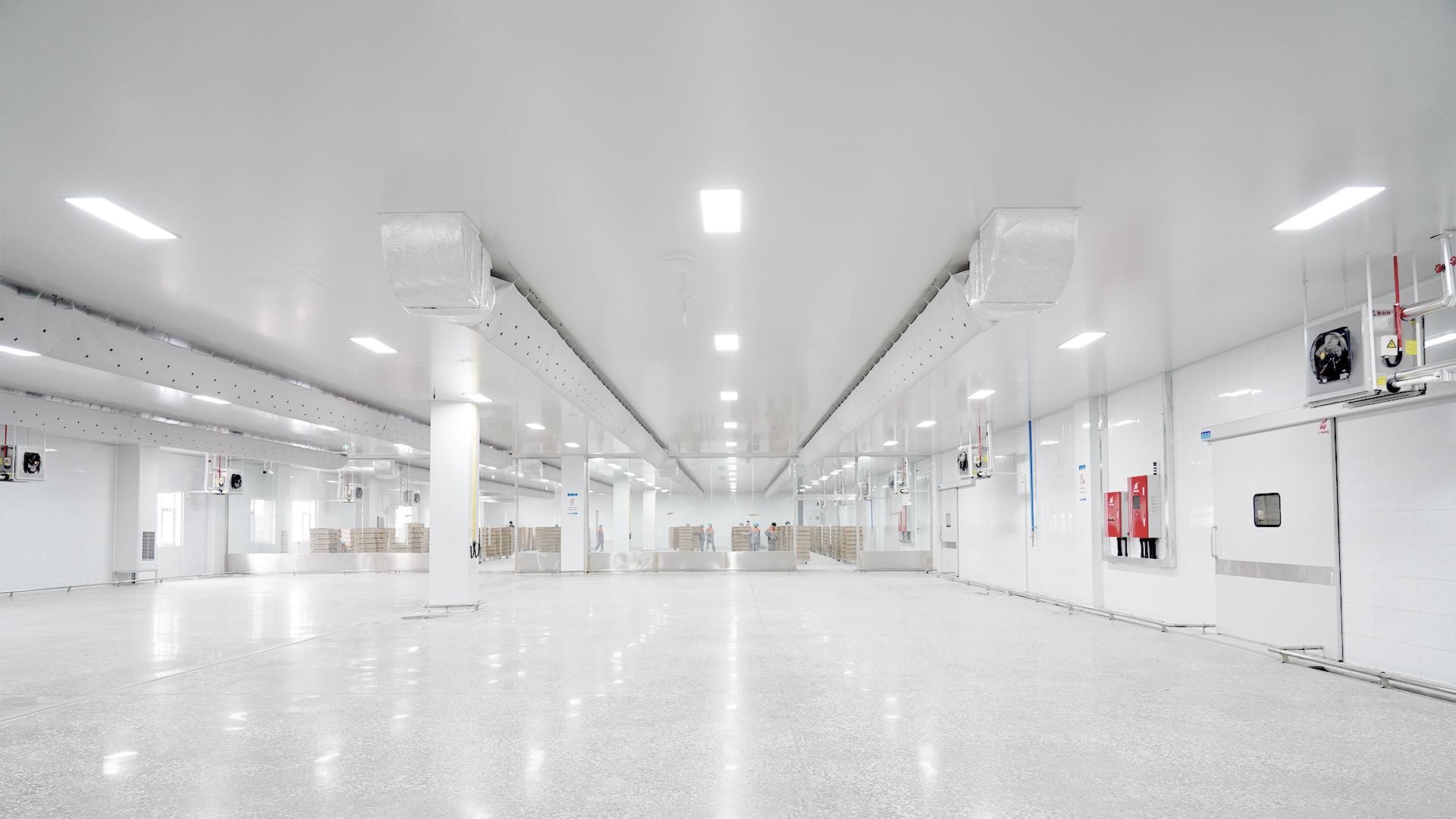
Cleanroom Enclosure System for Shandong Boda Food (1).jpg

Сиздин долбооруңуз үчүн тегин баа суроо алыңыз

Бул болсо челик цехи, суутактык сактоо жайы же таза бөлмө системасы болсун — биз сизге конкуренттүү заводдук бааларды жана профессионалдык долбоорду сунуштайбыз.
Электрондук почта
Аты-жөнү
Мобилдик/WhatsApp
Компаниянын аты
Эскертүү
0/1000