Получите бесплатное коммерческое предложение для вашего проекта

Будь то стальной цех, холодильное помещение или система чистых помещений — мы предлагаем конкурентоспособные заводские цены и профессиональное проектирование.
Электронная почта
Имя
Мобильный телефон / WhatsApp
Company Name
Сообщение
0/1000

Существуют ли различия в монтаже панелей для чистых помещений с различными материалами сердцевины

Apr 14, 2026

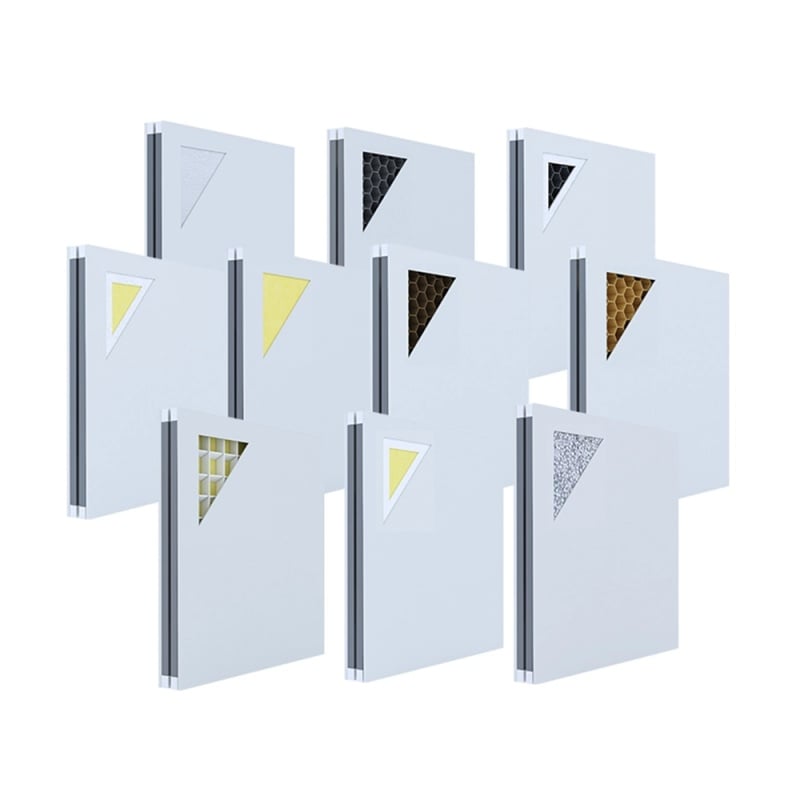
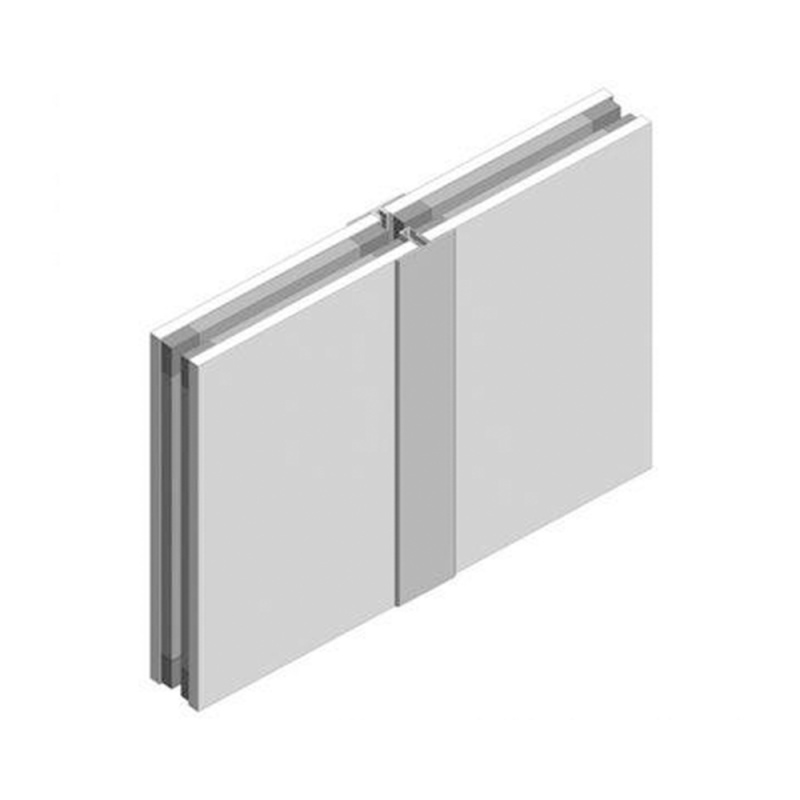
Панели для чистых помещений широко применяются в отраслях промышленности с жёсткими требованиями к окружающей среде — таких как электроника, фармацевтика и пищевая промышленность, — где они обеспечивают создание чистых и гигиеничных пространственных условий. Эти панели имеют разнообразные материалы сердцевины; наиболее распространёнными являются базальтовая вата, полая окись магния, алюминиевый сотоподобный заполнитель и композиты из окиси магния и базальтовой ваты. Учитывая различные свойства каждого типа материала сердцевины, процессы монтажа таких панелей для чистых помещений действительно существенно различаются.
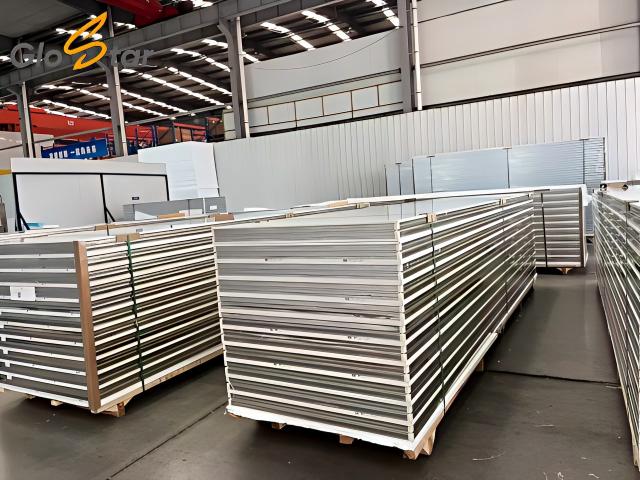
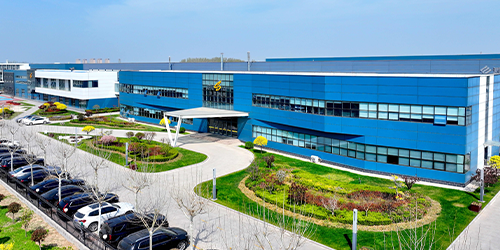
cleanroom panels factory

Монтаж панелей для чистых помещений с сердцевиной из базальтовой ваты

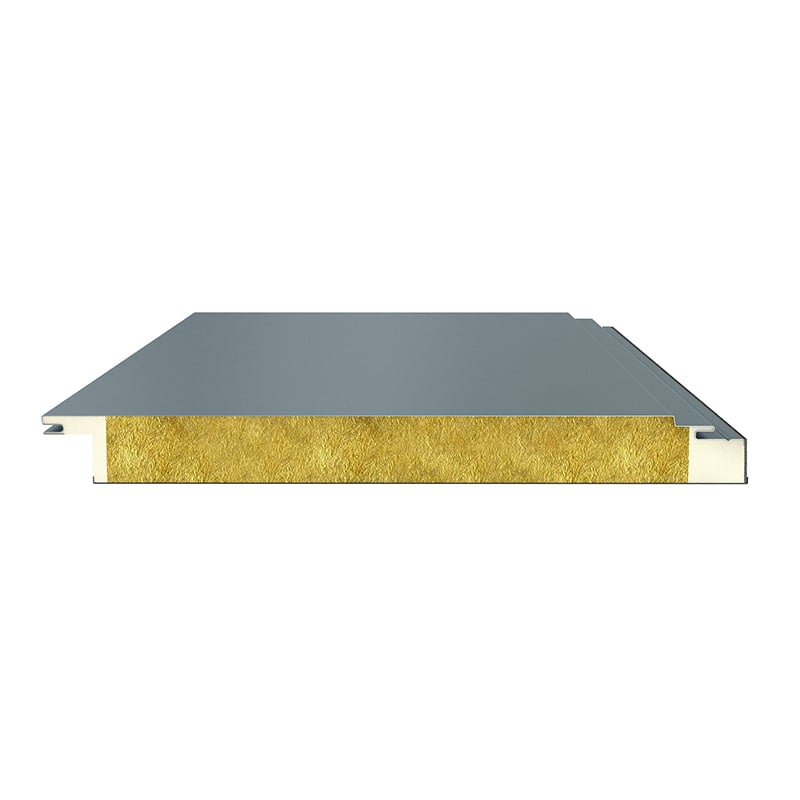
Основой из минеральной ваты является природный камень, который подвергается высокотемпературному плавлению; такой материал относительно тяжёлый и обладает определённой жёсткостью. При монтаже чрезвычайно важна несущая способность поддерживающей обрешётки. С учётом массы панелей расстояние между направляющими обрешётки должно быть рассчитано научно и рационально, чтобы предотвратить деформацию панелей из-за недостаточной несущей способности опоры. Например, если панели для чистых помещений из каменной ваты используются в качестве стенового материала на крупном промышленном объекте с повышенными требованиями к пожарной безопасности, чрезмерное увеличение шага обрешётки — с учётом значительной массы панелей из минеральной ваты — со временем может привести к провисанию или деформации панелей, что негативно скажется как на эстетическом виде, так и на эксплуатационной безопасности.

Кроме того, кромки панелей из каменной ваты при резке склонны образовывать пыль. Следовательно, при монтаже необходимо принять соответствующие защитные меры — например, требовать от строительного персонала использования профессиональных противопылевых масок и устанавливать локальное оборудование для удаления пыли в зонах резки — с целью предотвращения загрязнения чистого помещения пылью. При стыковке панелей необходимо обеспечить плотное прилегание швов; это критически важно для эффективной гарантии теплоизоляционных и звукоизоляционных характеристик. Например, при строительстве операционных медицинских учреждений — где требования к шумоподавлению чрезвычайно строги — плотно прилегающие швы значительно снижают проникновение внешнего шума, одновременно предотвращая тепловое взаимодействие между внутренней и наружной средой и тем самым поддерживая стабильную температуру внутри помещения.
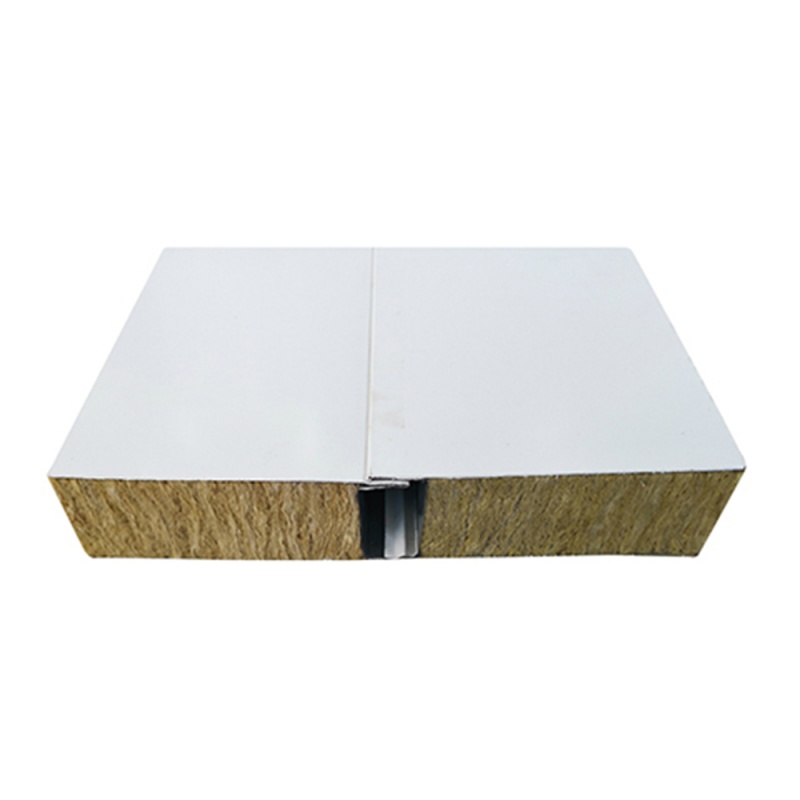
Installation of Rock Wool Core Cleanroom Panels

Монтаж чистых помещений с панелями, имеющими сердечник из полиуретана

Материал для сердцевины из полиуретана состоит из наполнителя из полиуретановой пены; он обеспечивает превосходные теплоизоляционные и герметизирующие свойства, сочетая высокую конструкционную прочность с умеренным весом. При монтаже расположение несущей обрешётки можно адаптировать под конкретный сценарий применения. Например, при строительстве холодильного склада — где требования к теплоизоляции особенно высоки — низкие внутренние температуры требуют использования панелей для чистых помещений с повышенными теплоизоляционными характеристиками для минимизации энергопотребления. В таких случаях конфигурация обрешётки может гибко настраиваться с учётом практических факторов, таких как пространственная структура холодильного склада и размещение холодильного оборудования.

Однако, поскольку полиуретановые материалы могут выделять вредные газы при воздействии высоких температур, использование открытого пламени строго запрещено в процессе монтажа, а также необходимо обеспечить достаточную вентиляцию. Кроме того, панели из полиуретана, как правило, имеют замковое соединение типа «шип-паз» по кромкам; при монтаже важно обеспечить плотное зацепление этих профилей, чтобы повысить общую герметичность конструкции. В качестве примера можно привести холодильное складское помещение для хранения пищевых продуктов: если соединения типа «шип-паз» не зафиксированы плотно, наружный воздух может легко проникать внутрь. Это может привести к колебаниям температуры в холодильной зоне и, как следствие, снизить эффективность сохранности пищевых продуктов.
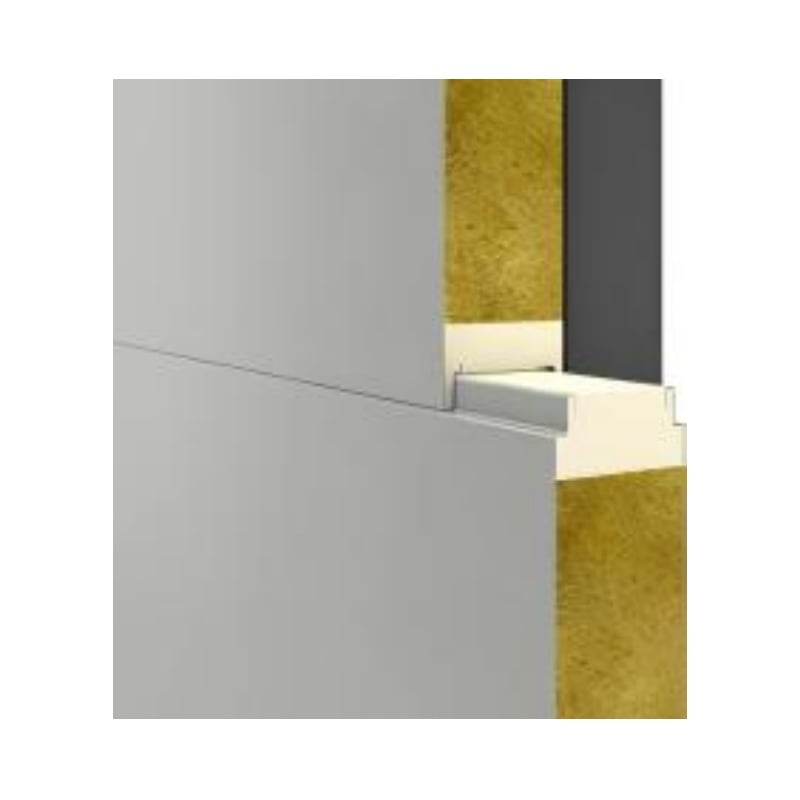
Installation of Polyurethane Core Cleanroom Panels

Монтаж чистых помещений с панелями, имеющими полый сердечник из оксида магния

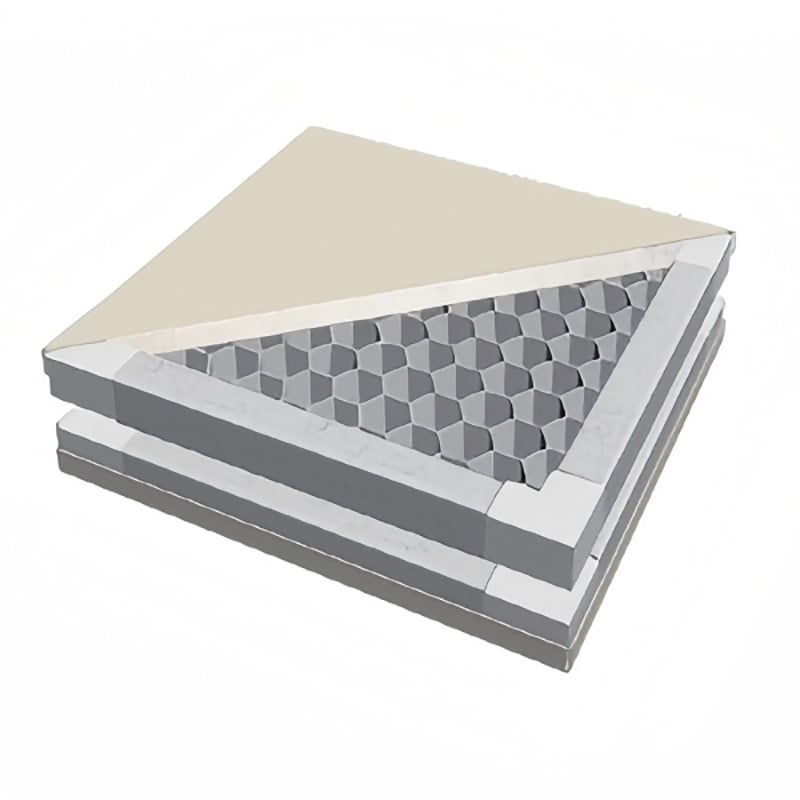
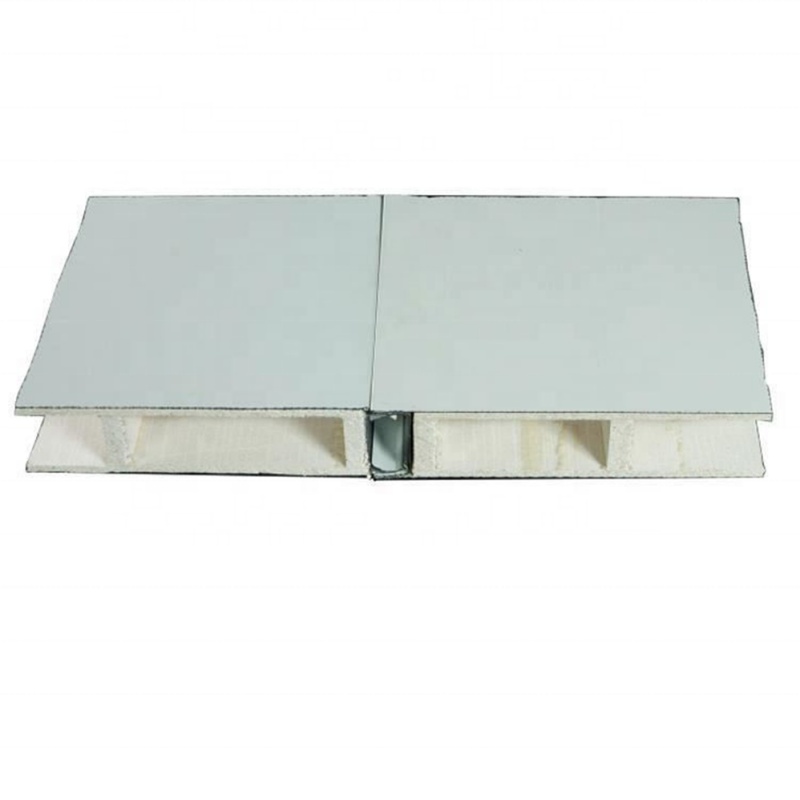
Панели с полым сердечником из оксида магния обычно состоят из внутренней полой структуры в виде сот или решётки, скреплённой с лицевыми панелями из оксида магния. Благодаря лёгкому весу они обеспечивают относительно удобный монтаж. Однако при их установке предъявляются строгие требования к плоскостности основания (базового слоя). Поверхность основания должна быть ровной, сухой и чистой; если отклонение от плоскостности основания превышает допустимый предел (в общем случае ошибка плоскостности не должна превышать 5 мм на любом участке длиной 2 метра), после монтажа панели чистого помещения не будут плотно прилегать к основанию, что приведёт к чрезмерно широким стыкам между панелями. При строительстве электронных чистых помещений слишком широкие стыки между панелями позволяют легко проникать пыли и другим загрязнениям, вследствие чего невозможно соблюсти строгие требования к чистоте окружающей среды, предъявляемые к производству электроники.

При креплении панелей обычно применяются такие методы, как самонарезающие винты. Существуют конкретные требования к шагу расположения этих винтов, которые, как правило, равномерно распределяются в разумных пределах, чтобы обеспечить надёжное крепление панелей. Кроме того, обработка стыков панелей также имеет принципиальное значение: их необходимо заполнить герметизирующими материалами для обеспечения эффективного уплотнения и предотвращения утечки воздуха.
cleanroom panels factory Installation of Rock Wool Core Cleanroom Panels Rock wool core material is manufactured from natural rock through a high-temperature melting process; it is relatively heavy and possesses a certain degree of rigidity. During installation, the load-bearing capacity of the supporting keel structure is of paramount importance. Based on the weight of the panels, the spacing between keels must be designed scientifically and rationally to prevent panel deformation caused by insufficient load-bearing support. For instance, if rock wool cleanroom panels are utilized as wall materials in a large-scale industrial facility with stringent fire safety requirements, setting the keel spacing too wide—given the substantial weight of the rock wool panels—could eventually lead to sagging or deformation of the panels over time, thereby compromising both aesthetic appeal and operational safety.  Furthermore, the cut edges of rock wool panels are prone to generating dust. Consequently, appropriate protective measures must be implemented during installation—such as requiring construction personnel to wear professional dust-proof masks and deploying localized dust extraction equipment in cutting zones—to prevent dust contamination within the cleanroom environment. When joining panels, it is imperative to ensure that the seams are tightly fitted; this is essential for effectively guaranteeing thermal insulation and soundproofing performance. For example, in the construction of medical operating rooms—where noise control standards are exceptionally strict—tightly fitted seams can significantly minimize the intrusion of external noise while simultaneously preventing thermal exchange between the indoor and outdoor environments, thereby maintaining stable indoor temperatures.  Installation of Rock Wool Core Cleanroom Panels  Installation of Polyurethane Core Cleanroom Panels Polyurethane core material consists of a polyurethane foam filling; it offers excellent thermal insulation and sealing properties, combining high structural strength with a moderate weight. During installation, the layout of the supporting keel structure can be adjusted to suit the specific application scenario. For instance, in the construction of a cold storage facility—where thermal insulation requirements are particularly high—the low internal temperatures necessitate cleanroom panels with superior insulating capabilities to minimize energy consumption. In such cases, the keel layout can be flexibly configured based on practical factors such as the spatial structure of the cold storage unit and the positioning of refrigeration equipment.  However, since polyurethane materials may release harmful gases when exposed to high temperatures, the use of open flames must be strictly prohibited during the installation process, and adequate ventilation must be ensured. Additionally, polyurethane panels typically feature a tongue-and-groove interlocking design at their joints; during installation, it is crucial to ensure that these interlocking profiles engage tightly to enhance the overall airtightness of the structure. Taking a food cold storage facility as an example: if the tongue-and-groove joints do not interlock tightly, outside air can easily infiltrate. This may lead to temperature fluctuations within the cold storage area, thereby compromising the effectiveness of food preservation.  Installation of Polyurethane Core Cleanroom Panels  Installation of Hollow Magnesium Oxide Core Cleanroom Panels

Ключевые моменты монтажа чистых помещений с панелями на алюминиевой сотоподобной основе

Алюминиевые сотовые панели для чистых помещений предоставляют множество преимуществ, таких как высокая конструкционная прочность и превосходная плоскостность поверхности. При монтаже, учитывая относительно равномерное распределение веса панелей, конструкция несущего каркаса может быть определена на основе конкретных технических характеристик панелей и условий окружающей среды в месте установки. В крупномасштабных коммерческих торговых центрах — в частности, при проектах облицовки центральных воздуховодов систем кондиционирования воздуха — применение алюминиевых сотовых панелей для чистых помещений требует разработки каркаса, адаптированного под форму и габариты воздуховодов, а также под общую пространственную планировку торгового центра.

При стыковке алюминиевых сотовых панелей для чистых помещений требуется высокая точность. Необходимо обеспечить, чтобы все стыки были ровными и плотно герметизированными, чтобы достичь эстетически привлекательного внешнего вида и сохранить оптимальные эксплуатационные характеристики в целом. Кроме того, в процессе монтажа необходимо особенно тщательно защищать поверхности панелей; следует принять меры предосторожности, предотвращающие царапины или удары, которые могут повредить поверхность и тем самым ухудшить как визуальную привлекательность, так и функциональную целостность панелей.
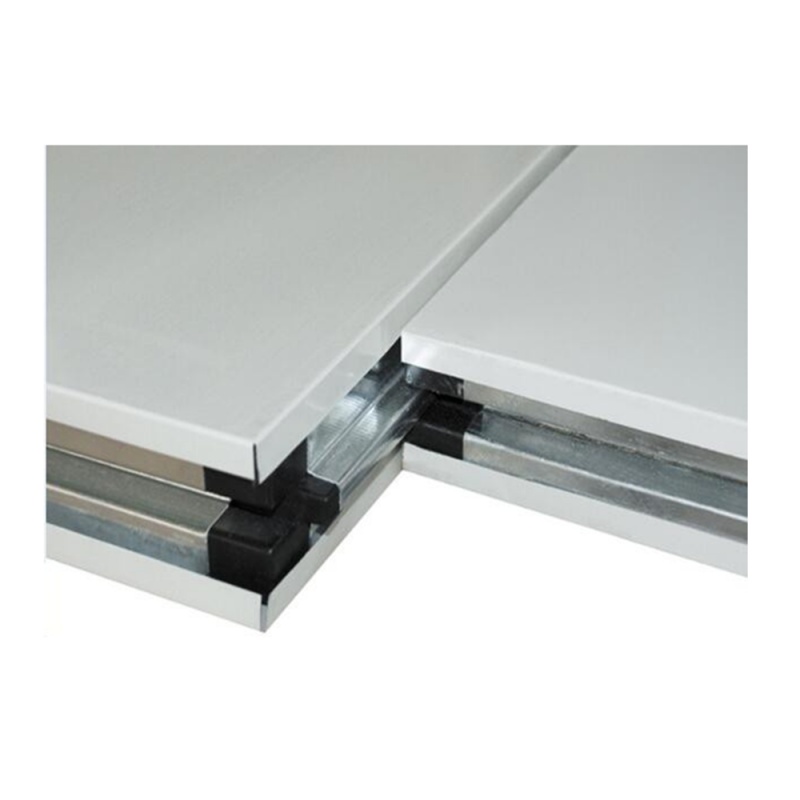
Key Installation Points for Aluminum Honeycomb Core Cleanroom Panels

Особенности монтажа панелей для чистых помещений с сердечником из оксида магния и каменной ваты

Панели с сердечником из оксида магния (MgO) и каменной ваты объединяют уникальные характеристики обоих материалов. При монтаже необходимо учитывать специфические требования, предъявляемые к сердечнику из каменной ваты — в частности, к его огнестойкости и теплоизоляционным свойствам — одновременно обеспечивая совместимость с особыми характеристиками облицовочных плит из оксида магния. При креплении панелей крайне важно, чтобы крепёжные элементы надёжно проходили сквозь плиту из оксида магния и создавали прочное соединение с несущим каркасом, тем самым гарантируя структурную устойчивость всей сборки. В проектах строительства чистых помещений на фармацевтических производственных предприятиях недостаточное крепление может привести к ослаблению панелей в ходе последующей эксплуатации, что потенциально вызывается такими факторами, как вибрация оборудования внутри цеха.

Что касается обработки стыков панелей, зазоры необходимо сначала заполнить подходящим герметизирующим материалом, а затем выполнить соответствующую отделку поверхности, чтобы обеспечить как герметичность, так и эстетическую непрерывность стыков. Кроме того, поскольку плиты из оксида магния подвержены проблемам, связанным с влагой — например, «потению» или миграции влаги — в условиях высокой влажности, при монтаже должны быть приняты надёжные меры по защите от влаги; к таким мерам относится, в частности, нанесение влагостойких покрытий на основание.
cleanroom panels factory Installation of Rock Wool Core Cleanroom Panels Rock wool core material is manufactured from natural rock through a high-temperature melting process; it is relatively heavy and possesses a certain degree of rigidity. During installation, the load-bearing capacity of the supporting keel structure is of paramount importance. Based on the weight of the panels, the spacing between keels must be designed scientifically and rationally to prevent panel deformation caused by insufficient load-bearing support. For instance, if rock wool cleanroom panels are utilized as wall materials in a large-scale industrial facility with stringent fire safety requirements, setting the keel spacing too wide—given the substantial weight of the rock wool panels—could eventually lead to sagging or deformation of the panels over time, thereby compromising both aesthetic appeal and operational safety.  Furthermore, the cut edges of rock wool panels are prone to generating dust. Consequently, appropriate protective measures must be implemented during installation—such as requiring construction personnel to wear professional dust-proof masks and deploying localized dust extraction equipment in cutting zones—to prevent dust contamination within the cleanroom environment. When joining panels, it is imperative to ensure that the seams are tightly fitted; this is essential for effectively guaranteeing thermal insulation and soundproofing performance. For example, in the construction of medical operating rooms—where noise control standards are exceptionally strict—tightly fitted seams can significantly minimize the intrusion of external noise while simultaneously preventing thermal exchange between the indoor and outdoor environments, thereby maintaining stable indoor temperatures.  Installation of Rock Wool Core Cleanroom Panels  Installation of Polyurethane Core Cleanroom Panels Polyurethane core material consists of a polyurethane foam filling; it offers excellent thermal insulation and sealing properties, combining high structural strength with a moderate weight. During installation, the layout of the supporting keel structure can be adjusted to suit the specific application scenario. For instance, in the construction of a cold storage facility—where thermal insulation requirements are particularly high—the low internal temperatures necessitate cleanroom panels with superior insulating capabilities to minimize energy consumption. In such cases, the keel layout can be flexibly configured based on practical factors such as the spatial structure of the cold storage unit and the positioning of refrigeration equipment.  However, since polyurethane materials may release harmful gases when exposed to high temperatures, the use of open flames must be strictly prohibited during the installation process, and adequate ventilation must be ensured. Additionally, polyurethane panels typically feature a tongue-and-groove interlocking design at their joints; during installation, it is crucial to ensure that these interlocking profiles engage tightly to enhance the overall airtightness of the structure. Taking a food cold storage facility as an example: if the tongue-and-groove joints do not interlock tightly, outside air can easily infiltrate. This may lead to temperature fluctuations within the cold storage area, thereby compromising the effectiveness of food preservation.  Installation of Polyurethane Core Cleanroom Panels  Installation of Hollow Magnesium Oxide Core Cleanroom Panels Hollow magnesium oxide core panels typically consist of a honeycomb or grid-like hollow internal structure bonded to magnesium oxide faceboards. Being lightweight, they offer relatively convenient installation. However, their installation places stringent demands on the flatness of the substrate (base layer). The substrate surface must be flat, dry, and clean; if the flatness deviation of the substrate exceeds the specified tolerance (generally, the flatness error must not exceed 5 mm within any 2-meter span), the cleanroom panels will fail to adhere tightly to the substrate after installation, resulting in excessively wide panel seams. In the construction of electronic cleanrooms, if panel seams are too wide, dust and other impurities can easily enter, making it impossible to meet the rigorous environmental cleanliness standards required for electronics manufacturing.  When securing the panels, methods such as self-tapping screws are typically employed. Specific requirements govern the spacing of these screws, which are generally distributed uniformly within a reasonable range to ensure the panels are firmly anchored. Furthermore, the treatment of panel seams is equally critical; they must be filled with sealing materials to ensure an effective seal and prevent air leakage.  cleanroom panels factory Installation of Rock Wool Core Cleanroom Panels Rock wool core material is manufactured from natural rock through a high-temperature melting process; it is relatively heavy and possesses a certain degree of rigidity. During installation, the load-bearing capacity of the supporting keel structure is of paramount importance. Based on the weight of the panels, the spacing between keels must be designed scientifically and rationally to prevent panel deformation caused by insufficient load-bearing support. For instance, if rock wool cleanroom panels are utilized as wall materials in a large-scale industrial facility with stringent fire safety requirements, setting the keel spacing too wide—given the substantial weight of the rock wool panels—could eventually lead to sagging or deformation of the panels over time, thereby compromising both aesthetic appeal and operational safety.  Furthermore, the cut edges of rock wool panels are prone to generating dust. Consequently, appropriate protective measures must be implemented during installation—such as requiring construction personnel to wear professional dust-proof masks and deploying localized dust extraction equipment in cutting zones—to prevent dust contamination within the cleanroom environment. When joining panels, it is imperative to ensure that the seams are tightly fitted; this is essential for effectively guaranteeing thermal insulation and soundproofing performance. For example, in the construction of medical operating rooms—where noise control standards are exceptionally strict—tightly fitted seams can significantly minimize the intrusion of external noise while simultaneously preventing thermal exchange between the indoor and outdoor environments, thereby maintaining stable indoor temperatures.  Installation of Rock Wool Core Cleanroom Panels  Installation of Polyurethane Core Cleanroom Panels Polyurethane core material consists of a polyurethane foam filling; it offers excellent thermal insulation and sealing properties, combining high structural strength with a moderate weight. During installation, the layout of the supporting keel structure can be adjusted to suit the specific application scenario. For instance, in the construction of a cold storage facility—where thermal insulation requirements are particularly high—the low internal temperatures necessitate cleanroom panels with superior insulating capabilities to minimize energy consumption. In such cases, the keel layout can be flexibly configured based on practical factors such as the spatial structure of the cold storage unit and the positioning of refrigeration equipment.  However, since polyurethane materials may release harmful gases when exposed to high temperatures, the use of open flames must be strictly prohibited during the installation process, and adequate ventilation must be ensured. Additionally, polyurethane panels typically feature a tongue-and-groove interlocking design at their joints; during installation, it is crucial to ensure that these interlocking profiles engage tightly to enhance the overall airtightness of the structure. Taking a food cold storage facility as an example: if the tongue-and-groove joints do not interlock tightly, outside air can easily infiltrate. This may lead to temperature fluctuations within the cold storage area, thereby compromising the effectiveness of food preservation.  Installation of Polyurethane Core Cleanroom Panels  Installation of Hollow Magnesium Oxide Core Cleanroom Panels  Key Installation Points for Aluminum Honeycomb Core Cleanroom Panels Aluminum honeycomb core cleanroom panels offer numerous advantages, such as high structural strength and excellent surface flatness. During installation, given the relatively uniform distribution of the panels' weight, the design of the supporting keel system can be determined based on the specific panel specifications and the ambient installation environment. In large-scale commercial shopping malls—specifically for projects involving the enclosure of central air conditioning ventilation ducts—the use of aluminum honeycomb cleanroom panels necessitates a keel design tailored to the shape and dimensions of the ventilation ducts, as well as the overall spatial layout of the mall.  When splicing aluminum honeycomb cleanroom panels, a high degree of precision is required. It is essential to ensure that all joints are flat and tightly sealed to achieve an aesthetically pleasing appearance and maintain optimal overall performance. Furthermore, during the installation process, great care must be taken to protect the panel surfaces; precautions should be implemented to prevent scratches or impacts that could cause surface damage, thereby compromising both the visual appeal and the functional integrity of the panels.  Key Installation Points for Aluminum Honeycomb Core Cleanroom Panels  Installation Considerations for Magnesium Oxide Rock Wool Core Cleanroom Panels

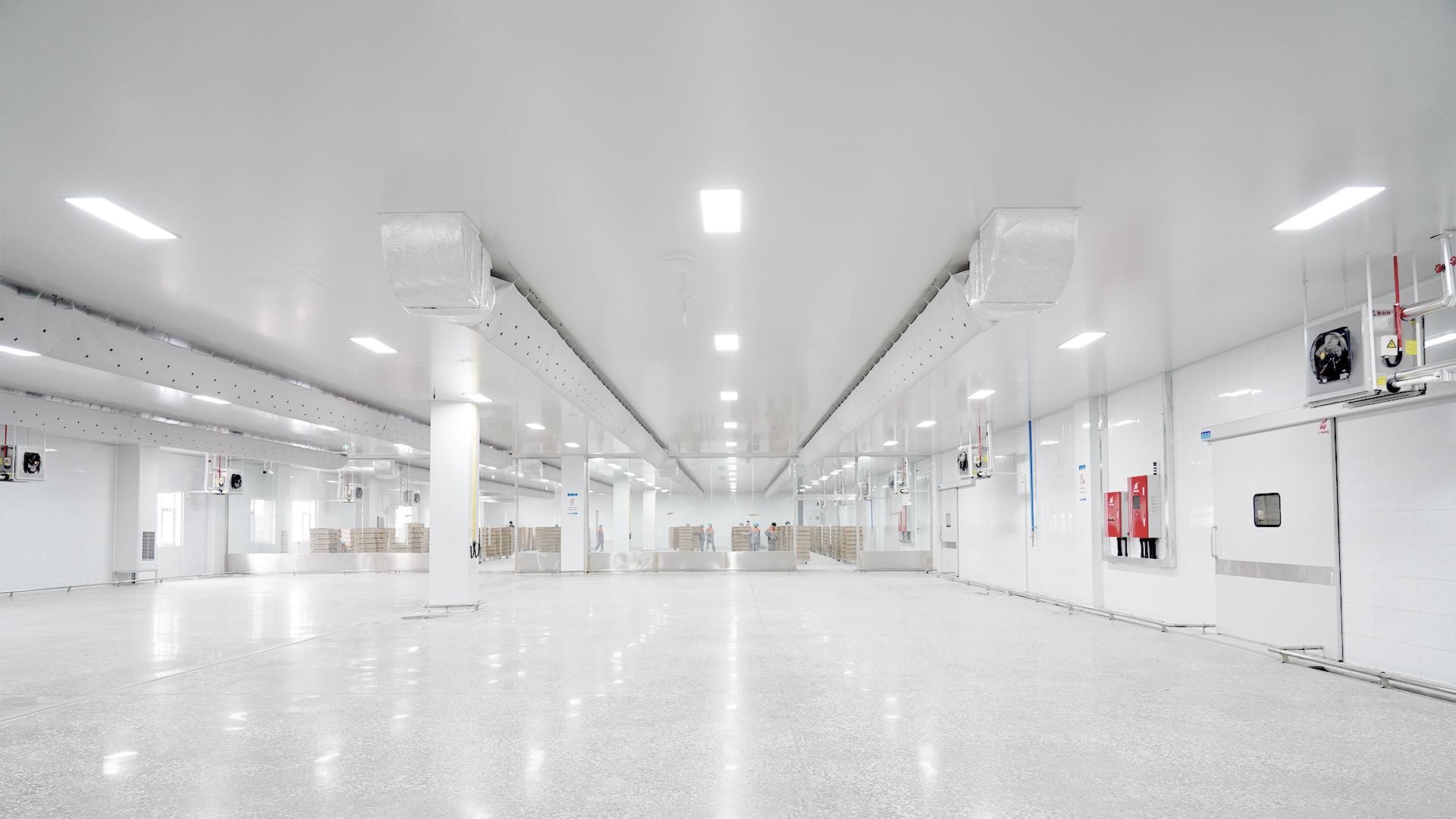
При монтаже панелей для очистки воздуха с различными материалами сердцевины необходимо применять специальные меры, адаптированные к особенностям материала сердцевины, в отношении конструкции каркаса, обработки от влаги и огня, стыковки панелей и мер предосторожности при их обращении. Это обеспечивает высокое качество монтажа и позволяет панелям для очистки воздуха функционировать на полную мощность. В реальных инженерных проектах выбор панелей для очистки воздуха с подходящим материалом сердцевины должен основываться на всесторонней оценке таких факторов, как конкретный сценарий применения, требования к окружающей среде и бюджет; кроме того, монтаж должен выполняться строго в соответствии с соответствующими руководствами по установке.
Cleanroom Enclosure System for Shandong Boda Food (1).jpg

Получите бесплатное коммерческое предложение для вашего проекта

Будь то стальной цех, холодильное помещение или система чистых помещений — мы предлагаем конкурентоспособные заводские цены и профессиональное проектирование.
Электронная почта
Имя
Мобильный телефон / WhatsApp
Company Name
Сообщение
0/1000