Få et gratis tilbud på dit projekt

Uanset om det drejer sig om en stålworkshop, kølerum eller renrumssystem, tilbyder vi konkurrencedygtige fabrikpriser og professionel design.
E-mail
Navn
Mobil/WhatsApp
Virksomhedsnavn
Besked
0/1000

Branchenyt

Forside >  Ressourcer >  Branchenyt

Er der forskelle i monteringen af rengøringsrumspaneler med forskellige kernematerialer

Apr 14, 2026

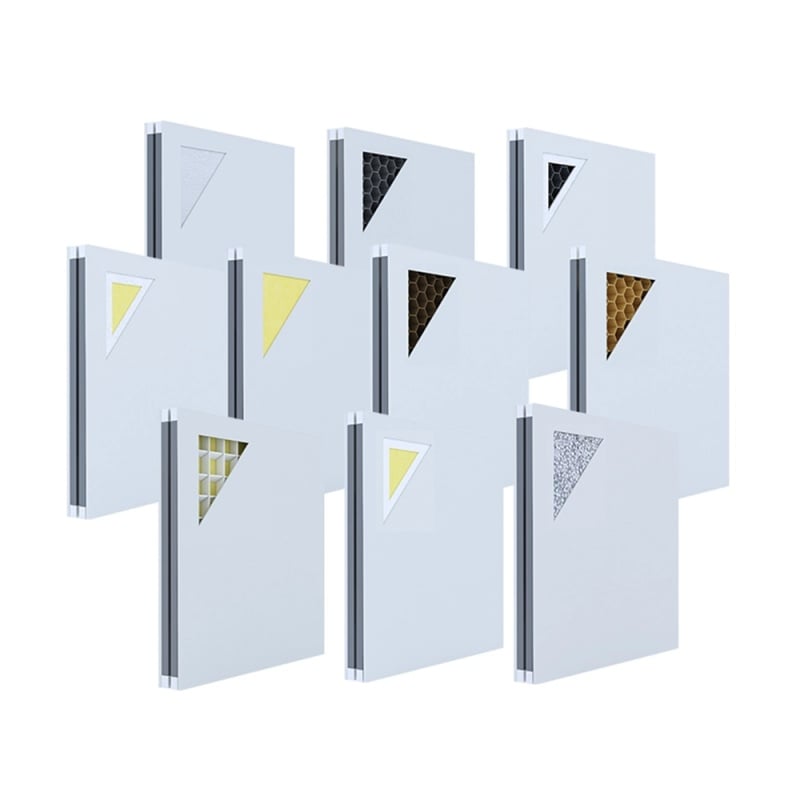
Rensalspaneler anvendes bredt inden for industrier med strenge miljøkrav – såsom elektronik, farmaceutiske virksomheder og fødevareproduktion – hvor de bruges til at skabe rene og hygiejnisk sikre rumlige miljøer. Disse paneler har en bred vifte af kernematerialer, herunder almindelige typer som stenuld, hul magnesiumoxid, aluminiumshonningcelle og magnesiumoxid-stenuld-kompositter. Da hver kerne­materialetype har sine egne karakteristiske egenskaber, er monteringsprocesserne for disse forskellige rengøringsrumspaneler faktisk meget forskellige.
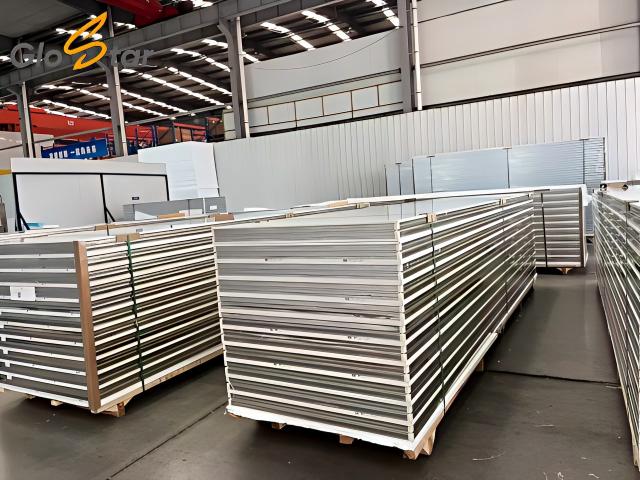
cleanroom panels factory

Montering af rengøringsrumspaneler med stenuldskerne

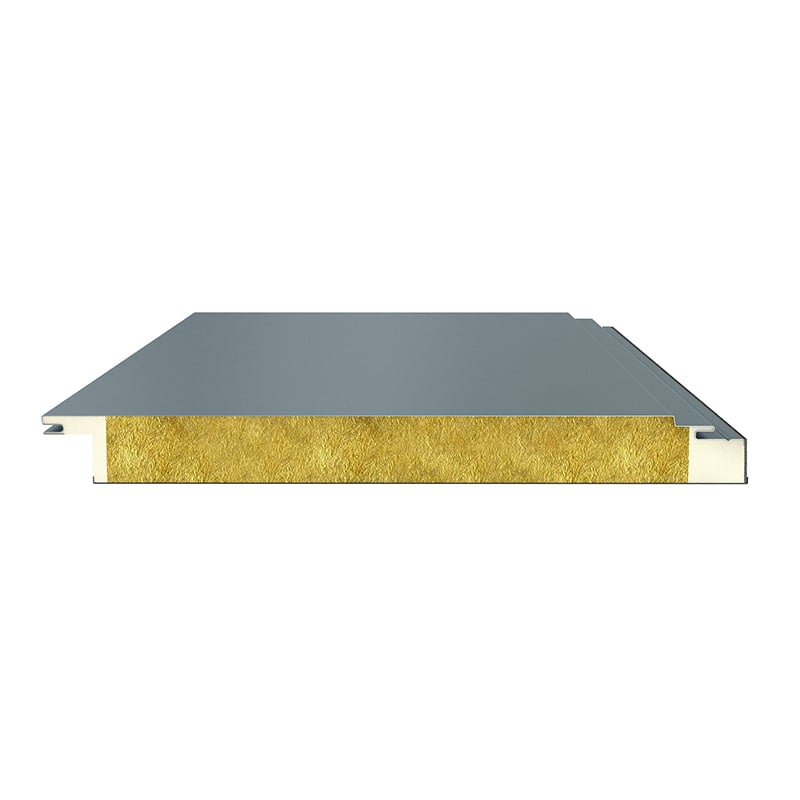
Kernematerialet stenuld fremstilles fra naturlig sten gennem en højtemperatur-smelteproces; det er relativt tungt og har en vis grad af stivhed. Under installation er bæreevnen for den understøttende karrusstruktur af afgørende betydning. Ud fra panelernes vægt skal afstanden mellem karrusserne dimensioneres videnskabeligt og rationelt for at forhindre paneldeformation som følge af utilstrækkelig bæreevne. For eksempel, hvis stenuld-paneler til rene rum anvendes som vægmateriale i en storindustriel facilitet med strenge krav til brandsikkerhed, kan en for bred karrusafstand – givet den betydelige vægt af stenuldspanelerne – med tiden føre til nedbøjning eller deformation af panelerne, hvilket dermed kompromitterer både det æstetiske udtryk og den operative sikkerhed.

Desuden er skårkantene på stenuldspaneler tilbøjelige til at generere støv. Derfor skal der træffes passende beskyttelsesforanstaltninger under installationen – for eksempel ved at kræve, at byggepersonale bærer professionelle støvbeskyttende maske og installerer lokal udsugningsudstyr i områderne, hvor der skæres – for at forhindre støvforurening i renrumsmiljøet. Når paneler samles, er det afgørende, at fugerne er stramt tilpasset; dette er nødvendigt for at sikre effektiv varmeisolering og lydisolering. For eksempel kan stramt tilpassede fuger i byggeriet af medicinske operationsstuer – hvor kravene til støjdæmpning er særlig strenge – betydeligt mindske indtrængen af eksternt støj samtidig med, at de forhindrer varmeudveksling mellem indendørs og udendørs miljøer, hvilket dermed sikrer en stabil indendørs temperatur.
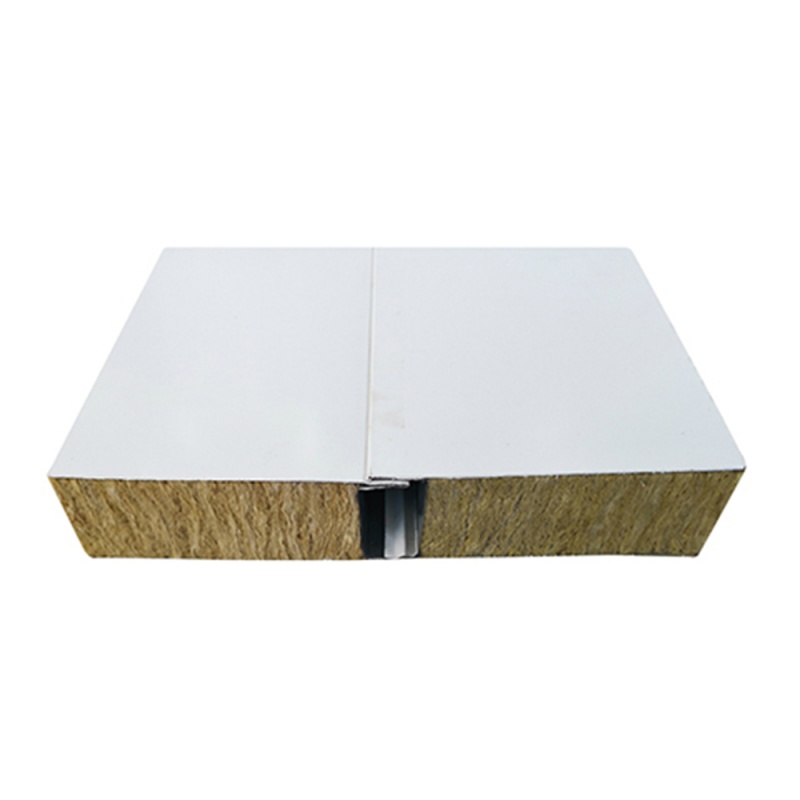
Installation of Rock Wool Core Cleanroom Panels

Installation af rensrumspaneler med polyuretankerne

Kernematerialet af polyurethan består af en polyurethanskumfyldning; det tilbyder fremragende termisk isolering og tætnings egenskaber samt kombinerer høj konstruktiv styrke med en moderat vægt. Under installationen kan layoutet af den bærende kielkonstruktion justeres for at tilpasse sig det specifikke anvendelsesscenarie. For eksempel kræver bygningen af et kølelager – hvor kravene til termisk isolering er særligt høje – lave indvendige temperaturer rengøringsrumspaneler med fremragende isolerende egenskaber for at minimere energiforbruget. I sådanne tilfælde kan kiel-layoutet fleksibelt konfigureres ud fra praktiske faktorer såsom kølelagrets rumlige struktur og placeringen af køleanlæg.

Dog da polyurethanmaterialer kan afgive skadelige gasser ved udsættelse for høje temperaturer, skal brugen af åben flamme strengt forbudes under installationsprocessen, og der skal sikres tilstrækkelig ventilation. Desuden er polyurethanplader typisk udstyret med en tandskårforseling (tand-og-nøgle-forseling) i deres samlinger; under installationen er det afgørende, at disse indgrebende profiler sidder stramt sammen for at forbedre bygningens samlede lufttæthed. Som eksempel kan nævnes en kølelagerfacilitet til fødevarer: hvis tand-og-nøgle-samlingerne ikke sidder stramt sammen, kan udendørs luft let trænge ind. Dette kan føre til temperatursvingninger inden for køleområdet og dermed underminere effektiviteten af fødevareopbevaring.
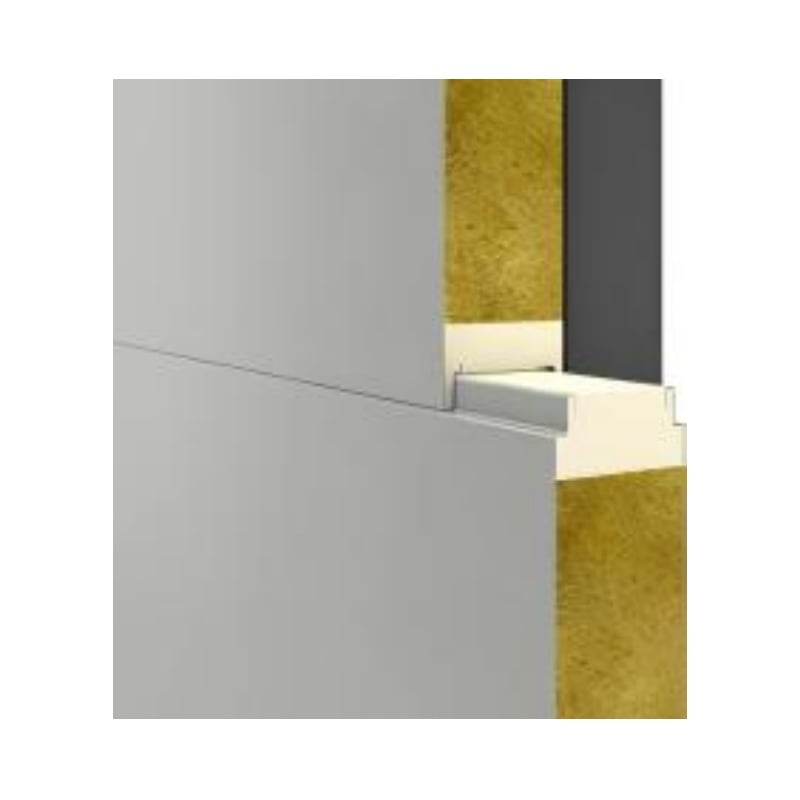
Installation of Polyurethane Core Cleanroom Panels

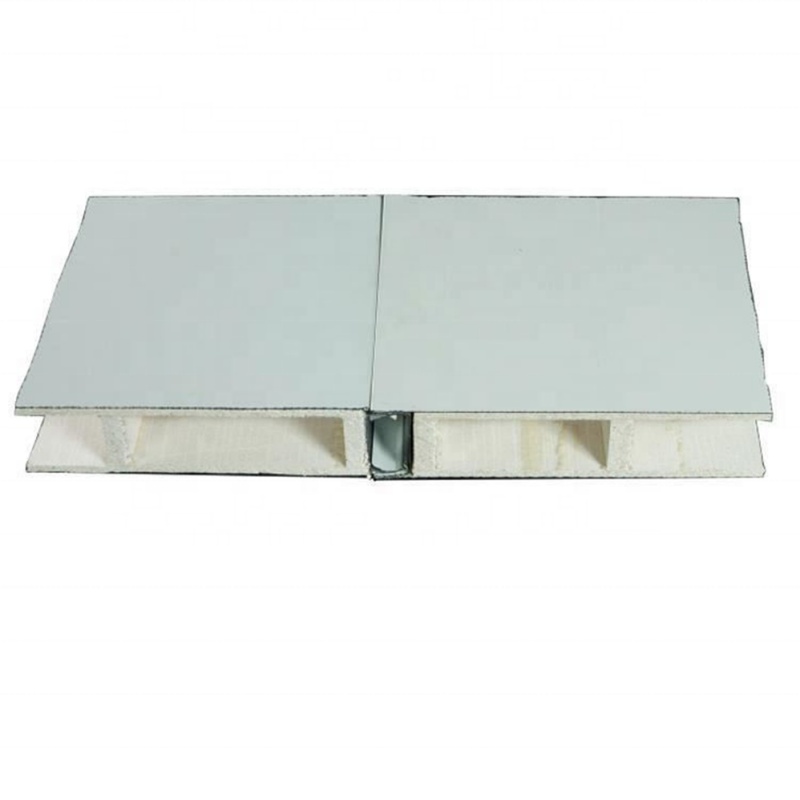
Installation af hule rene-rumspaneler med magnesiumoxidkerne

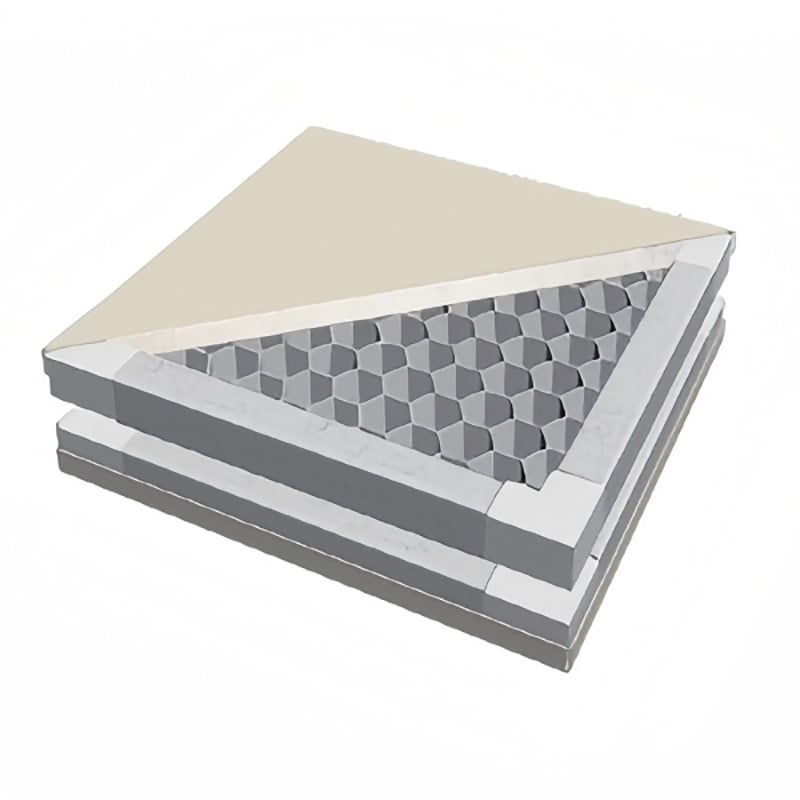
Hule paneler med magnesiumoxidkerne består typisk af en bikakemønster- eller gitterlignende, hul indre struktur, der er limet til magnesiumoxid-frontplader. Da de er lette, tilbyder de en relativt praktisk installation. Installationen stiller imidlertid strenge krav til underlagets (grundlagets) fladhed. Overfladen på underlaget skal være plan, tør og ren; hvis fladhedens afvigelse fra underlaget overstiger den specificerede tolerance (generelt må fladhedens fejl ikke overstige 5 mm inden for en spændvidde på 2 meter), vil rensrumspanelerne ikke kunne fastgøres tæt til underlaget efter installationen, hvilket resulterer i for brede panelfuger. Ved opførelsen af elektroniske rensrum kan støv og andre urenheder nemt trænge ind, hvis panelfugerne er for brede, hvilket gør det umuligt at opfylde de strenge krav til miljømæssig renhed, som kræves inden for elektronikfremstilling.

Ved fastgørelse af panelerne anvendes typisk metoder som selvgærende skruer. Specifikke krav styrer afstanden mellem disse skruer, som generelt er jævnt fordelt inden for et rimeligt område for at sikre, at panelerne er solidt forankret. Desuden er behandlingen af panelfuger lige så kritisk; de skal udfyldes med tætningsmaterialer for at sikre en effektiv tætning og forhindre luftlækage.
cleanroom panels factory Installation of Rock Wool Core Cleanroom Panels Rock wool core material is manufactured from natural rock through a high-temperature melting process; it is relatively heavy and possesses a certain degree of rigidity. During installation, the load-bearing capacity of the supporting keel structure is of paramount importance. Based on the weight of the panels, the spacing between keels must be designed scientifically and rationally to prevent panel deformation caused by insufficient load-bearing support. For instance, if rock wool cleanroom panels are utilized as wall materials in a large-scale industrial facility with stringent fire safety requirements, setting the keel spacing too wide—given the substantial weight of the rock wool panels—could eventually lead to sagging or deformation of the panels over time, thereby compromising both aesthetic appeal and operational safety.  Furthermore, the cut edges of rock wool panels are prone to generating dust. Consequently, appropriate protective measures must be implemented during installation—such as requiring construction personnel to wear professional dust-proof masks and deploying localized dust extraction equipment in cutting zones—to prevent dust contamination within the cleanroom environment. When joining panels, it is imperative to ensure that the seams are tightly fitted; this is essential for effectively guaranteeing thermal insulation and soundproofing performance. For example, in the construction of medical operating rooms—where noise control standards are exceptionally strict—tightly fitted seams can significantly minimize the intrusion of external noise while simultaneously preventing thermal exchange between the indoor and outdoor environments, thereby maintaining stable indoor temperatures.  Installation of Rock Wool Core Cleanroom Panels  Installation of Polyurethane Core Cleanroom Panels Polyurethane core material consists of a polyurethane foam filling; it offers excellent thermal insulation and sealing properties, combining high structural strength with a moderate weight. During installation, the layout of the supporting keel structure can be adjusted to suit the specific application scenario. For instance, in the construction of a cold storage facility—where thermal insulation requirements are particularly high—the low internal temperatures necessitate cleanroom panels with superior insulating capabilities to minimize energy consumption. In such cases, the keel layout can be flexibly configured based on practical factors such as the spatial structure of the cold storage unit and the positioning of refrigeration equipment.  However, since polyurethane materials may release harmful gases when exposed to high temperatures, the use of open flames must be strictly prohibited during the installation process, and adequate ventilation must be ensured. Additionally, polyurethane panels typically feature a tongue-and-groove interlocking design at their joints; during installation, it is crucial to ensure that these interlocking profiles engage tightly to enhance the overall airtightness of the structure. Taking a food cold storage facility as an example: if the tongue-and-groove joints do not interlock tightly, outside air can easily infiltrate. This may lead to temperature fluctuations within the cold storage area, thereby compromising the effectiveness of food preservation.  Installation of Polyurethane Core Cleanroom Panels  Installation of Hollow Magnesium Oxide Core Cleanroom Panels

Nøgleinstallationspunkter for rengøringsrumspaneler med aluminiumshonningcellekern

Aluminiumshonningcelle-renrumspaneler tilbyder mange fordele, såsom høj strukturel styrke og fremragende overfladeplanhed. Under installationen kan designet af det bærende skel-system bestemmes på baggrund af de specifikke panelspecifikationer og den omgivende installationsmiljø, idet vægten af panelerne er relativt jævnt fordelt. I store kommercielle shoppingcentre – især for projekter, der involverer omkapsling af centrale luftkonditionerings-ventilationskanaler – kræver anvendelsen af aluminiumshonningcelle-rengøringsrumspaneler et skel-design, der er tilpasset formen og dimensionerne af ventilationskanalerne samt den samlede rumlige layout af shoppingcentret.

Når der foretages sammenføjning af rene rum-paneler med aluminiumshonningcelle, kræves en høj grad af præcision. Det er afgørende at sikre, at alle samlinger er flade og tæt forseglet for at opnå et æstetisk tiltalende udseende og opretholde en optimal samlet ydelse. Desuden skal der under installationsprocessen udvises stor forsigtighed for at beskytte paneloverfladerne; der skal træffes forholdsregler for at forhindre ridser eller stød, som kan forårsage overfladeskader og dermed kompromittere både det visuelle udseende og den funktionelle integritet af panelerne.
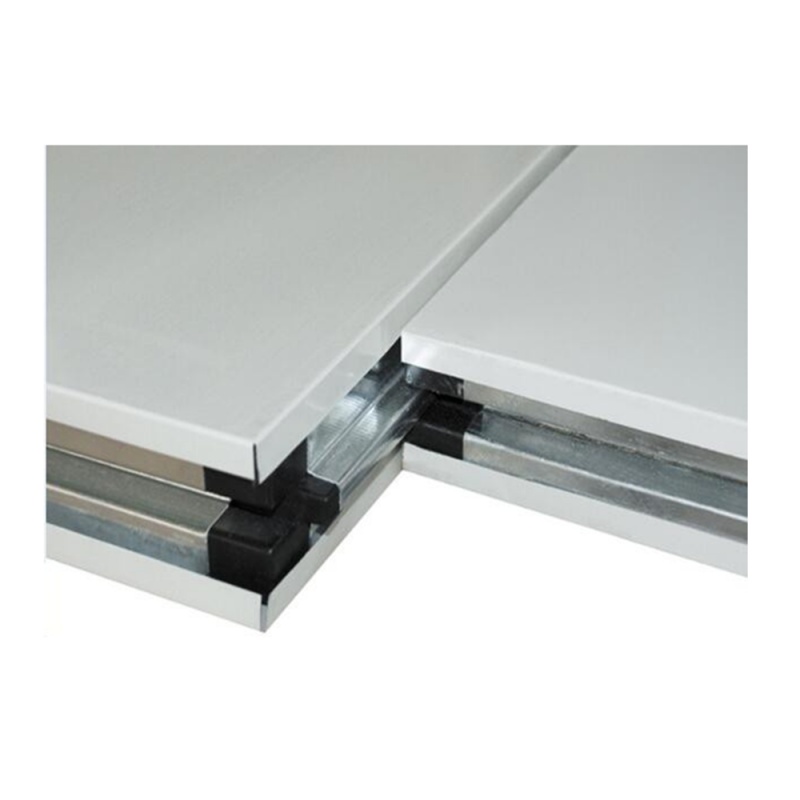
Key Installation Points for Aluminum Honeycomb Core Cleanroom Panels

Overvejelser ved installation af rene rum-paneler med kerne af magnesiumoxid og stenuld

Paneler med kerne af magnesiumoxid (MgO) og stenuld kombinere de forskellige egenskaber ved begge materialer. Under installationen er det nødvendigt at tage højde for de specifikke krav, som stenuldskernen stiller – især med hensyn til dens brandmodstand og termiske isoleringsegenskaber – samtidig med at man tager højde for de unikke egenskaber ved magnesiumoxidpladerne. Når panelerne fastgøres, er det afgørende, at beslagene trænger dybt nok igennem magnesiumoxidpladen for at opnå en sikker forbindelse til den bærende skinneramme og dermed sikre den samlede konstruktionss tabilitet. I renrumskonstruktionsprojekter inden for farmaceutisk fremstilling kan utilstrækkelig fastgørelse føre til løsning af paneler under efterfølgende drift, potentielt udløst af faktorer såsom udstyrs vibrationer i værkstedet.

Angående behandlingen af panelfuger skal spalterne først fyldes med et passende tætningsmateriale, efterfulgt af en passende overfladebehandling, for at sikre både lufttætheden og den æstetiske sammenhæng mellem fugerne. Desuden skal der, da magnesiumoxidplader er følsomme over for fugtrelaterede problemer – såsom "svette" eller fugtmigration – i miljøer med høj luftfugtighed, iværksættes robuste fugtbeskyttelsesforanstaltninger under installationen; eksempler herpå omfatter anvendelse af fugtbestandige belægninger på underlaget.
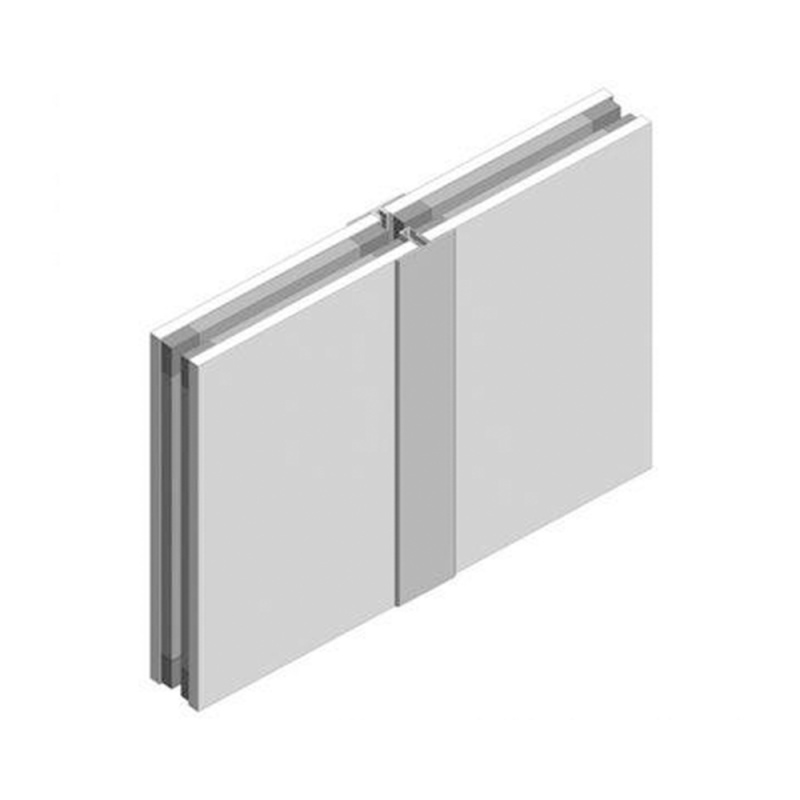
cleanroom panels factory Installation of Rock Wool Core Cleanroom Panels Rock wool core material is manufactured from natural rock through a high-temperature melting process; it is relatively heavy and possesses a certain degree of rigidity. During installation, the load-bearing capacity of the supporting keel structure is of paramount importance. Based on the weight of the panels, the spacing between keels must be designed scientifically and rationally to prevent panel deformation caused by insufficient load-bearing support. For instance, if rock wool cleanroom panels are utilized as wall materials in a large-scale industrial facility with stringent fire safety requirements, setting the keel spacing too wide—given the substantial weight of the rock wool panels—could eventually lead to sagging or deformation of the panels over time, thereby compromising both aesthetic appeal and operational safety.  Furthermore, the cut edges of rock wool panels are prone to generating dust. Consequently, appropriate protective measures must be implemented during installation—such as requiring construction personnel to wear professional dust-proof masks and deploying localized dust extraction equipment in cutting zones—to prevent dust contamination within the cleanroom environment. When joining panels, it is imperative to ensure that the seams are tightly fitted; this is essential for effectively guaranteeing thermal insulation and soundproofing performance. For example, in the construction of medical operating rooms—where noise control standards are exceptionally strict—tightly fitted seams can significantly minimize the intrusion of external noise while simultaneously preventing thermal exchange between the indoor and outdoor environments, thereby maintaining stable indoor temperatures.  Installation of Rock Wool Core Cleanroom Panels  Installation of Polyurethane Core Cleanroom Panels Polyurethane core material consists of a polyurethane foam filling; it offers excellent thermal insulation and sealing properties, combining high structural strength with a moderate weight. During installation, the layout of the supporting keel structure can be adjusted to suit the specific application scenario. For instance, in the construction of a cold storage facility—where thermal insulation requirements are particularly high—the low internal temperatures necessitate cleanroom panels with superior insulating capabilities to minimize energy consumption. In such cases, the keel layout can be flexibly configured based on practical factors such as the spatial structure of the cold storage unit and the positioning of refrigeration equipment.  However, since polyurethane materials may release harmful gases when exposed to high temperatures, the use of open flames must be strictly prohibited during the installation process, and adequate ventilation must be ensured. Additionally, polyurethane panels typically feature a tongue-and-groove interlocking design at their joints; during installation, it is crucial to ensure that these interlocking profiles engage tightly to enhance the overall airtightness of the structure. Taking a food cold storage facility as an example: if the tongue-and-groove joints do not interlock tightly, outside air can easily infiltrate. This may lead to temperature fluctuations within the cold storage area, thereby compromising the effectiveness of food preservation.  Installation of Polyurethane Core Cleanroom Panels  Installation of Hollow Magnesium Oxide Core Cleanroom Panels Hollow magnesium oxide core panels typically consist of a honeycomb or grid-like hollow internal structure bonded to magnesium oxide faceboards. Being lightweight, they offer relatively convenient installation. However, their installation places stringent demands on the flatness of the substrate (base layer). The substrate surface must be flat, dry, and clean; if the flatness deviation of the substrate exceeds the specified tolerance (generally, the flatness error must not exceed 5 mm within any 2-meter span), the cleanroom panels will fail to adhere tightly to the substrate after installation, resulting in excessively wide panel seams. In the construction of electronic cleanrooms, if panel seams are too wide, dust and other impurities can easily enter, making it impossible to meet the rigorous environmental cleanliness standards required for electronics manufacturing.  When securing the panels, methods such as self-tapping screws are typically employed. Specific requirements govern the spacing of these screws, which are generally distributed uniformly within a reasonable range to ensure the panels are firmly anchored. Furthermore, the treatment of panel seams is equally critical; they must be filled with sealing materials to ensure an effective seal and prevent air leakage.  cleanroom panels factory Installation of Rock Wool Core Cleanroom Panels Rock wool core material is manufactured from natural rock through a high-temperature melting process; it is relatively heavy and possesses a certain degree of rigidity. During installation, the load-bearing capacity of the supporting keel structure is of paramount importance. Based on the weight of the panels, the spacing between keels must be designed scientifically and rationally to prevent panel deformation caused by insufficient load-bearing support. For instance, if rock wool cleanroom panels are utilized as wall materials in a large-scale industrial facility with stringent fire safety requirements, setting the keel spacing too wide—given the substantial weight of the rock wool panels—could eventually lead to sagging or deformation of the panels over time, thereby compromising both aesthetic appeal and operational safety.  Furthermore, the cut edges of rock wool panels are prone to generating dust. Consequently, appropriate protective measures must be implemented during installation—such as requiring construction personnel to wear professional dust-proof masks and deploying localized dust extraction equipment in cutting zones—to prevent dust contamination within the cleanroom environment. When joining panels, it is imperative to ensure that the seams are tightly fitted; this is essential for effectively guaranteeing thermal insulation and soundproofing performance. For example, in the construction of medical operating rooms—where noise control standards are exceptionally strict—tightly fitted seams can significantly minimize the intrusion of external noise while simultaneously preventing thermal exchange between the indoor and outdoor environments, thereby maintaining stable indoor temperatures.  Installation of Rock Wool Core Cleanroom Panels  Installation of Polyurethane Core Cleanroom Panels Polyurethane core material consists of a polyurethane foam filling; it offers excellent thermal insulation and sealing properties, combining high structural strength with a moderate weight. During installation, the layout of the supporting keel structure can be adjusted to suit the specific application scenario. For instance, in the construction of a cold storage facility—where thermal insulation requirements are particularly high—the low internal temperatures necessitate cleanroom panels with superior insulating capabilities to minimize energy consumption. In such cases, the keel layout can be flexibly configured based on practical factors such as the spatial structure of the cold storage unit and the positioning of refrigeration equipment.  However, since polyurethane materials may release harmful gases when exposed to high temperatures, the use of open flames must be strictly prohibited during the installation process, and adequate ventilation must be ensured. Additionally, polyurethane panels typically feature a tongue-and-groove interlocking design at their joints; during installation, it is crucial to ensure that these interlocking profiles engage tightly to enhance the overall airtightness of the structure. Taking a food cold storage facility as an example: if the tongue-and-groove joints do not interlock tightly, outside air can easily infiltrate. This may lead to temperature fluctuations within the cold storage area, thereby compromising the effectiveness of food preservation.  Installation of Polyurethane Core Cleanroom Panels  Installation of Hollow Magnesium Oxide Core Cleanroom Panels  Key Installation Points for Aluminum Honeycomb Core Cleanroom Panels Aluminum honeycomb core cleanroom panels offer numerous advantages, such as high structural strength and excellent surface flatness. During installation, given the relatively uniform distribution of the panels' weight, the design of the supporting keel system can be determined based on the specific panel specifications and the ambient installation environment. In large-scale commercial shopping malls—specifically for projects involving the enclosure of central air conditioning ventilation ducts—the use of aluminum honeycomb cleanroom panels necessitates a keel design tailored to the shape and dimensions of the ventilation ducts, as well as the overall spatial layout of the mall.  When splicing aluminum honeycomb cleanroom panels, a high degree of precision is required. It is essential to ensure that all joints are flat and tightly sealed to achieve an aesthetically pleasing appearance and maintain optimal overall performance. Furthermore, during the installation process, great care must be taken to protect the panel surfaces; precautions should be implemented to prevent scratches or impacts that could cause surface damage, thereby compromising both the visual appeal and the functional integrity of the panels.  Key Installation Points for Aluminum Honeycomb Core Cleanroom Panels  Installation Considerations for Magnesium Oxide Rock Wool Core Cleanroom Panels

Ved installation af rensningspaneler med forskellige kerne materialer skal der anvendes specifikke foranstaltninger – tilpasset efter egenskaberne ved kerne materialet – med hensyn til skelkonstruktion, fugt- og brandbeskyttelsesbehandlinger, panelers samling samt håndteringsforanstaltninger. Dette sikrer installationskvaliteten og muliggør, at rensningspanelerne yder deres fulde potentiale. I faktiske ingeniørprojekter bør valget af rensningspaneler med passende kerne materialer baseres på en omfattende vurdering af faktorer såsom den konkrete anvendelsessituation, miljøkravene og budgettet; yderligere skal udførelsen af bygningen ske i streng overensstemmelse med de relevante installationsvejledninger.
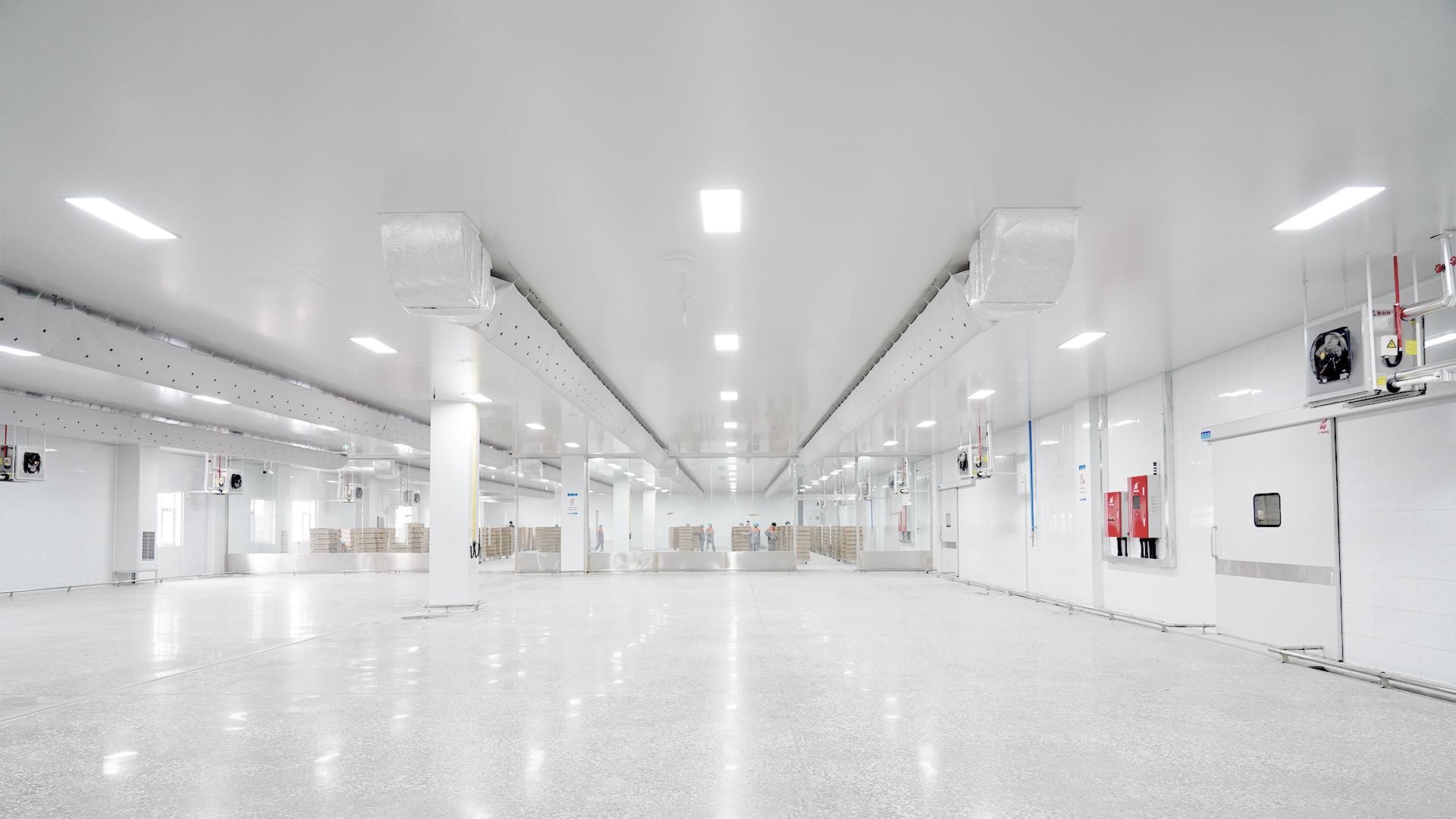
Cleanroom Enclosure System for Shandong Boda Food (1).jpg

Få et gratis tilbud på dit projekt

Uanset om det drejer sig om en stålworkshop, kølerum eller renrumssystem, tilbyder vi konkurrencedygtige fabrikpriser og professionel design.
E-mail
Navn
Mobil/WhatsApp
Virksomhedsnavn
Besked
0/1000