Iegūstiet bezmaksas piedāvājumu savam projektam

Vai nu tas ir tērauda darbnīcas ēka, aukstuma krātuve vai tīrās telpas sistēma — mēs piedāvājam konkurences spējīgas rūpnīcas cenas un profesionālu projektēšanu.
E-pasts
Vārds
Mobilais/WhatsApp
Uzņēmuma nosaukums
Ziņojums
0/1000

Noproduktvijas ziņas

Galvenā Lapa >  Resursi >  Noproduktvijas ziņas

Vai pastāv atšķirības tīrās telpas paneļu uzstādīšanā, izmantojot dažādas kodolmateriālu veidas?

Apr 14, 2026

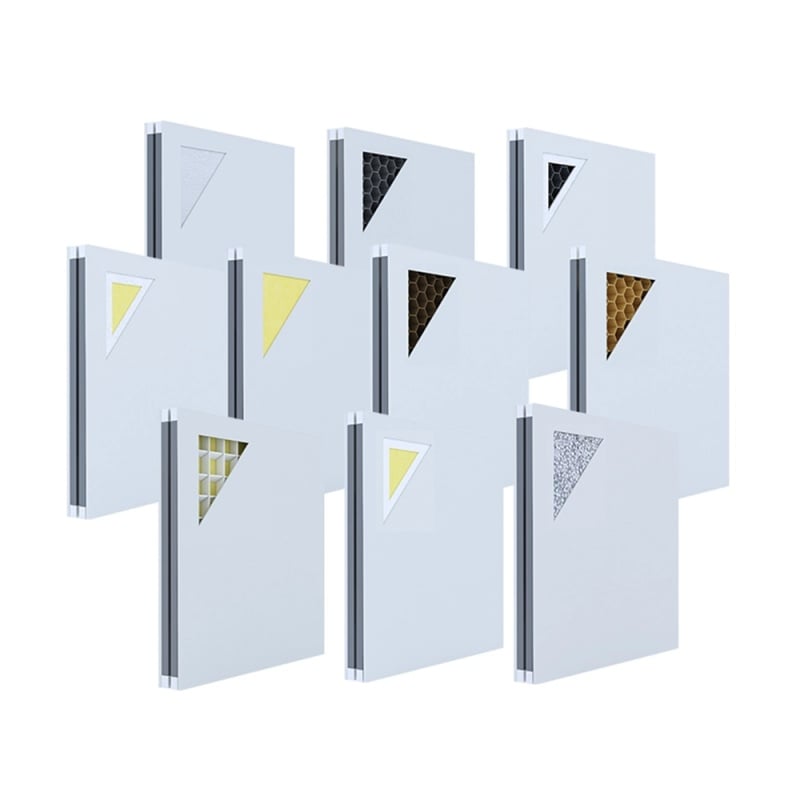
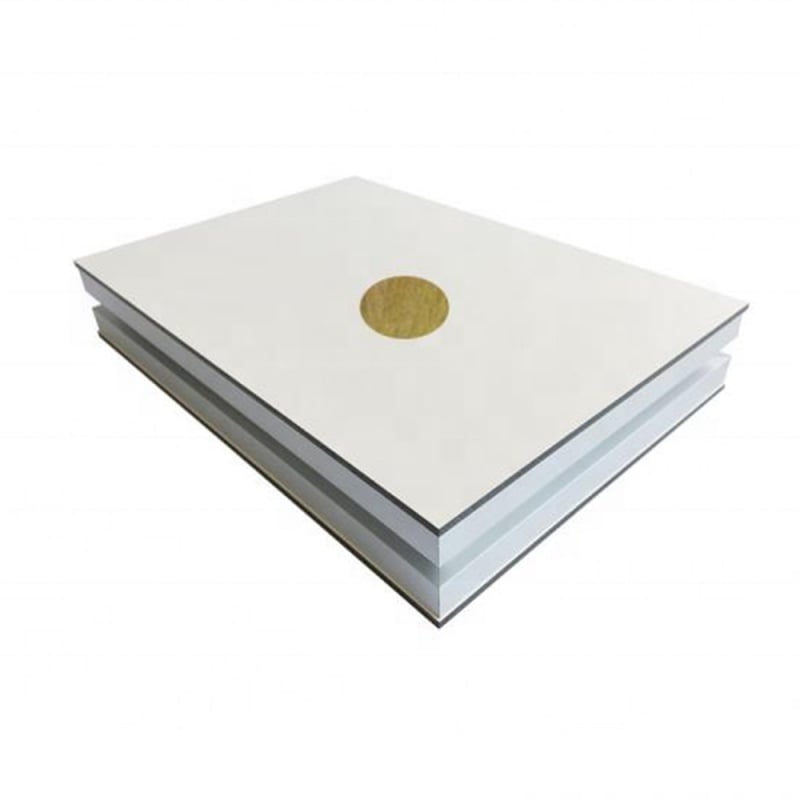
Tīrās telpas paneļi tie plaši tiek izmantoti nozarēs ar stingrām vides prasībām — piemēram, elektronikas, farmācijas un pārtikas apstrādes nozarēs — kur tos izmanto, lai izveidotu tīras un higiēniskas telpiskas vides. Šiem paneļiem ir dažādu kodolmateriālu klāsts, un biežāk sastopamie veidi ir akmena vilna, doba magnija oksīda plāksne, alumīnija šūnu struktūra un magnija oksīda–akmena vilnas kompozīti. Ņemot vērā katras kodolmateriāla veida raksturīgās īpašības, šo dažādo tīrās telpas paneļu uzstādīšanas procesi patiešām atšķiras.
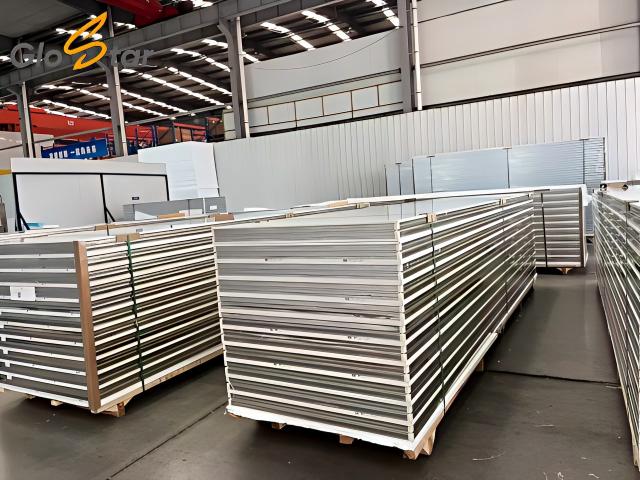
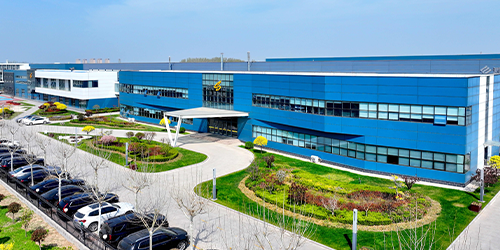
cleanroom panels factory

Akmena vilnas kodolu saturošu tīrās telpas paneļu uzstādīšana

Akmens vates kodola materiāls tiek ražots no dabiskā akmens, izmantojot augstas temperatūras kausēšanas procesu; tas ir salīdzinoši smags un tai piemīt noteikts stingrums. Uzstādīšanas laikā atbalsta režģa struktūras slodnes izturība ir ļoti svarīga. Pamatojoties uz panelu svaru, režģu attālumu jāprojektē zinātniski un racionāli, lai novērstu panelu deformāciju, ko izraisa nepietiekama slodnes izturība. Piemēram, ja akmenšķiedras tīrās telpas paneļi tiek izmantoti kā sienas materiāli lielā mērogā darbojošās rūpnieciskās iekārtas ar stingrām ugunsdrošības prasībām, režģu attāluma pārmērīga paplašināšana — ņemot vērā akmens vates panelu ievērojamo svaru — var ilgtermiņā izraisīt panelu sagšanos vai deformāciju, tādējādi apdraudot gan estētisko izskatu, gan ekspluatācijas drošību.

Turklāt akmens vates panelu griezuma malas ir pakļautas putekļu veidošanai. Tāpēc uzstādīšanas laikā jāveic atbilstošas aizsardzības pasākumi — piemēram, būvniecības personālam jāvalkā profesionāli putekļu necaurlaidīgi maisiņi un griešanas zonās jāuzstāda lokāla putekļu izvadīšanas iekārta — lai novērstu putekļu piesārņojumu tīrās telpas vidē. Panelus savienojot, ir obligāti jānodrošina cieši piegulošas šuves; tas ir būtiski, lai efektīvi nodrošinātu siltumizolācijas un trokšņa izolācijas veiktspēju. Piemēram, medicīniskajās operāciju zālēs — kurām piemīt ārkārtīgi stingri trokšņa kontroles standarti — cieši piegulošas šuves ievērojami samazina ārējā trokšņa iekļūšanu, vienlaikus novēršot siltuma apmaiņu starp iekšējo un ārējo vidi, tādējādi nodrošinot stabila iekšējā temperatūras režīma uzturēšanu.
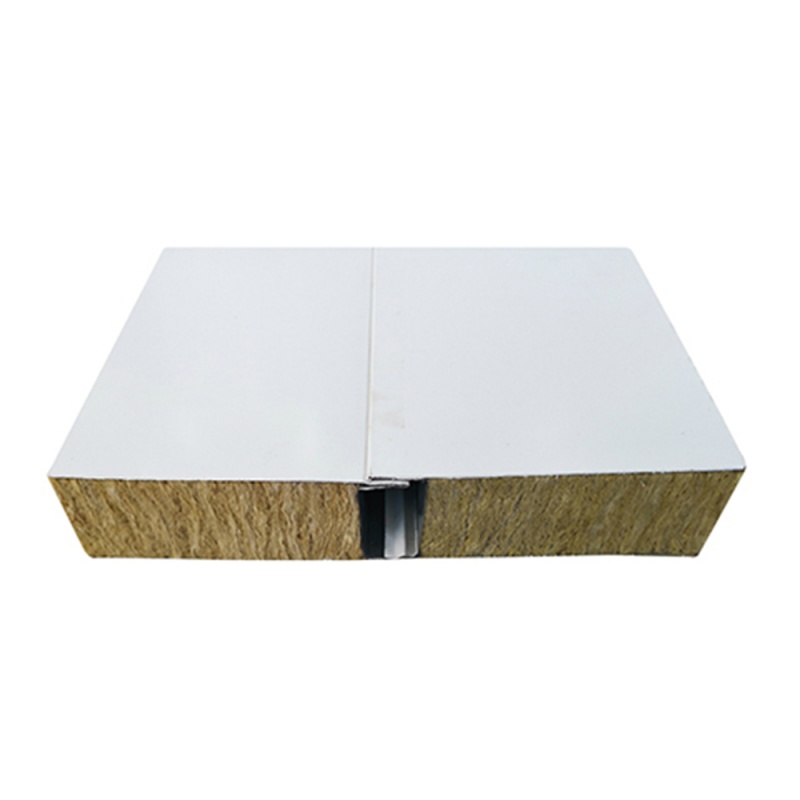
Installation of Rock Wool Core Cleanroom Panels

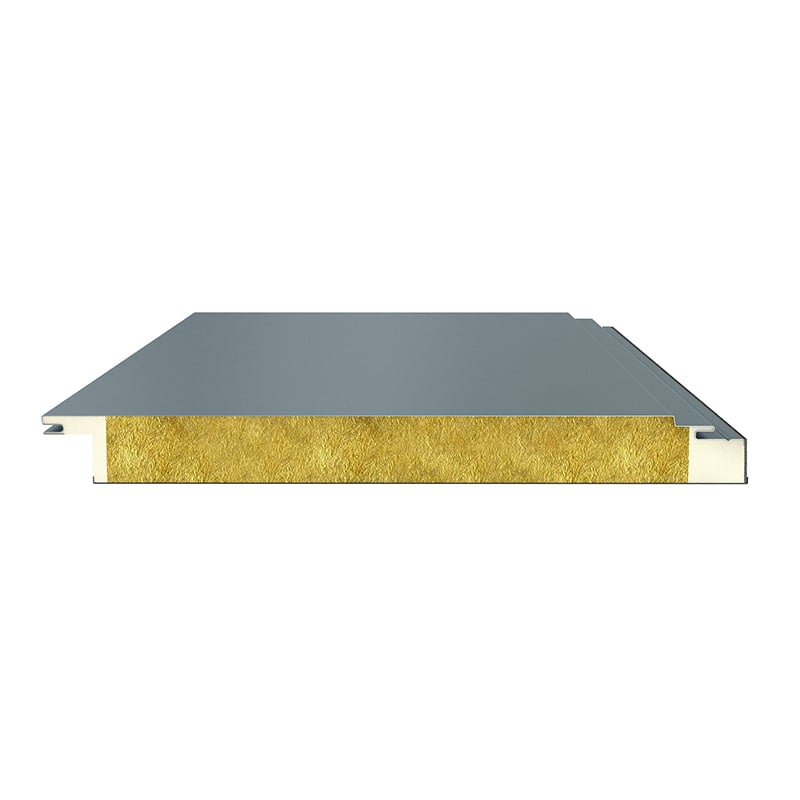
Poliuretāna serdes tīrās telpas panelu uzstādīšana

Poliuretāna kodola materiāls sastāv no poliuretāna putas piepildījuma; tas nodrošina lieliskas termoizolācijas un noslēgšanas īpašības, apvienojot augstu strukturālo izturību ar mērenu svaru. Uzstādīšanas laikā atbalsta kileļa struktūras izkārtojumu var pielāgot konkrētajai lietošanas situācijai. Piemēram, aukstumkrātuves būvniecībā — kur termoizolācijas prasības ir īpaši augstas — zemās iekšējās temperatūras prasa tīrām telpām paredzētus panelus ar augstākām izolācijas spējām, lai samazinātu enerģijas patēriņu. Šādos gadījumos kileļa izkārtojumu var elastīgi konfigurēt, pamatojoties uz praktiskiem faktoriem, piemēram, aukstumkrātuves telpiskās struktūras un aukstuma aprīkojuma novietojuma.

Tomēr, ņemot vērā to, ka poliuretāna materiāli augstās temperatūras ietekmē var izdalīt kaitīgas gāzes, uzstādīšanas laikā ir stingri jāaizliedz atklāta uguns lietošana un jānodrošina pietiekama ventilācija. Papildus tam poliuretāna paneļiem parasti ir savstarpēji savienojami profili ar "tēviņa un māteles" sistēmu savienojumos; uzstādīšanas laikā ir ļoti svarīgi nodrošināt, ka šie savstarpēji savienojamie profili cieši savienojas, lai uzlabotu vispārējo struktūras gaisnepārtrauktību. Piemēram, pārtikas aukstuma krātuves objektā: ja "tēviņa un māteles" savienojumi nav cieši savienoti, ārējais gaiss var viegli iekļūt iekšā. Tas var izraisīt temperatūras svārstības aukstuma krātuves telpā, tādējādi samazinot pārtikas saglabāšanas efektivitāti.
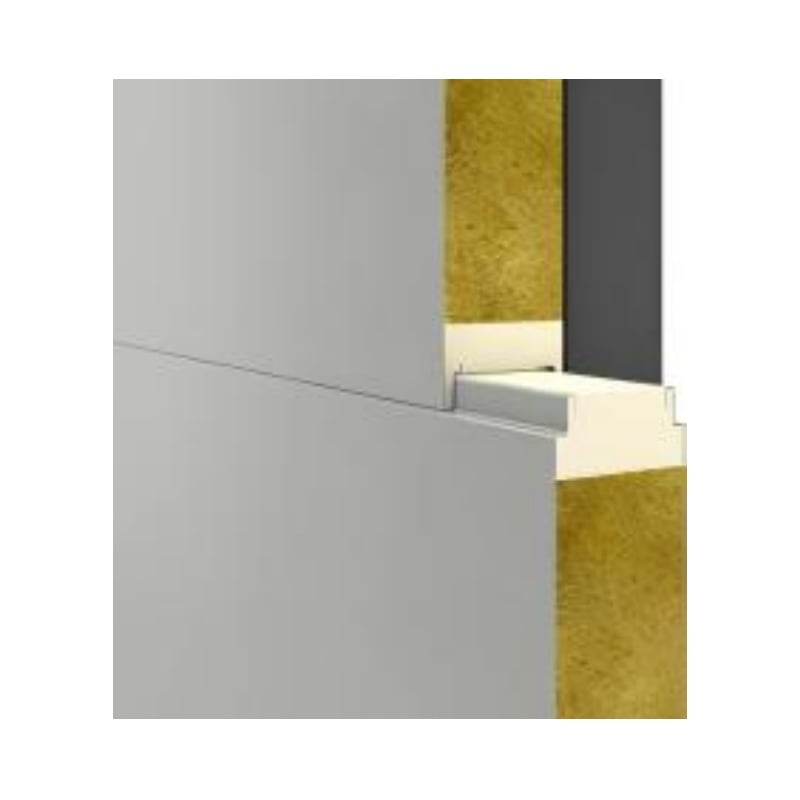
Installation of Polyurethane Core Cleanroom Panels

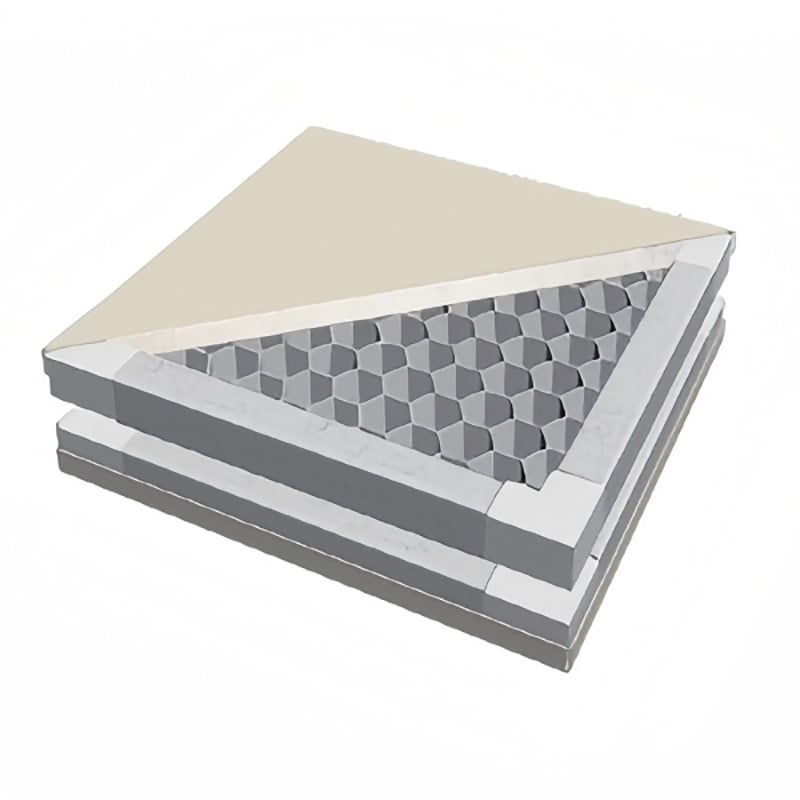
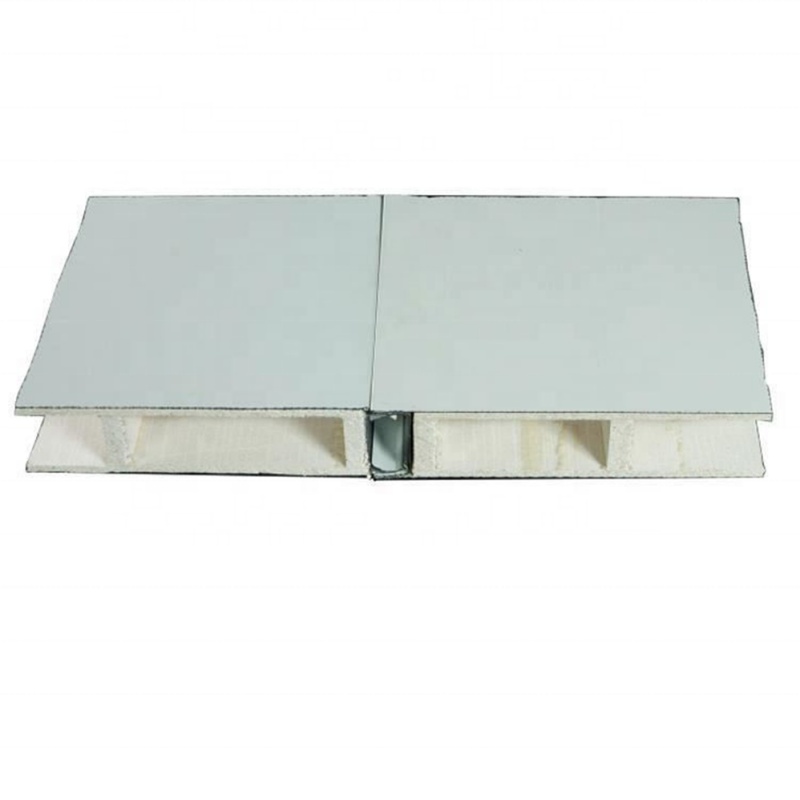
Doziju magnija oksīda kodola tīrības telpu paneļu uzstādīšana

Doziju magnija oksīda kodola paneļi parasti sastāv no medus šūnu vai režģveida dobas iekšējās struktūras, kas piestiprināta pie magnija oksīda virsmas plākšņām. Tā kā tās ir vieglas, tās nodrošina salīdzinoši ērtu uzstādīšanu. Tomēr to uzstādīšana izvirza stingrus prasības par pamatnes (apakšslāņa) glumumu. Pamatnes virsmai jābūt gludai, sausai un tīrai; ja pamatnes gluma novirze pārsniedz norādīto pieļaujamo novirzi (parasti gluma kļūda nedrīkst pārsniegt 5 mm jebkurā 2 metru garumā), tīrās telpas paneļi pēc uzstādīšanas nevarēs cieši pievienoties pamatnei, kas rezultātā radīs pārāk platus paneļu šuvju spraugas. Elektronikas tīrās telpas būvniecībā, ja paneļu šuvju spraugas ir pārāk platas, putekļi un citas netīrumu daļiņas var viegli iekļūt iekšā, tādējādi nav iespējams izpildīt elektronikas ražošanai nepieciešamos stingros vides tīrības standartus.

Paneļu nostiprināšanai parasti izmanto pašvītņojošus skrūves. Šo skrūvju novietojumu reglamentē konkrēti prasības, un tās parasti vienmērīgi izvieto noteiktā, pamatotā attālumā, lai nodrošinātu paneļu drošu nostiprināšanu. Turklāt arī paneļu šuvju apstrāde ir vienlīdz būtiska; tās jāaizpilda ar hermētizācijas materiāliem, lai nodrošinātu efektīvu blīvējumu un novērstu gaisa noplūdi.
cleanroom panels factory Installation of Rock Wool Core Cleanroom Panels Rock wool core material is manufactured from natural rock through a high-temperature melting process; it is relatively heavy and possesses a certain degree of rigidity. During installation, the load-bearing capacity of the supporting keel structure is of paramount importance. Based on the weight of the panels, the spacing between keels must be designed scientifically and rationally to prevent panel deformation caused by insufficient load-bearing support. For instance, if rock wool cleanroom panels are utilized as wall materials in a large-scale industrial facility with stringent fire safety requirements, setting the keel spacing too wide—given the substantial weight of the rock wool panels—could eventually lead to sagging or deformation of the panels over time, thereby compromising both aesthetic appeal and operational safety.  Furthermore, the cut edges of rock wool panels are prone to generating dust. Consequently, appropriate protective measures must be implemented during installation—such as requiring construction personnel to wear professional dust-proof masks and deploying localized dust extraction equipment in cutting zones—to prevent dust contamination within the cleanroom environment. When joining panels, it is imperative to ensure that the seams are tightly fitted; this is essential for effectively guaranteeing thermal insulation and soundproofing performance. For example, in the construction of medical operating rooms—where noise control standards are exceptionally strict—tightly fitted seams can significantly minimize the intrusion of external noise while simultaneously preventing thermal exchange between the indoor and outdoor environments, thereby maintaining stable indoor temperatures.  Installation of Rock Wool Core Cleanroom Panels  Installation of Polyurethane Core Cleanroom Panels Polyurethane core material consists of a polyurethane foam filling; it offers excellent thermal insulation and sealing properties, combining high structural strength with a moderate weight. During installation, the layout of the supporting keel structure can be adjusted to suit the specific application scenario. For instance, in the construction of a cold storage facility—where thermal insulation requirements are particularly high—the low internal temperatures necessitate cleanroom panels with superior insulating capabilities to minimize energy consumption. In such cases, the keel layout can be flexibly configured based on practical factors such as the spatial structure of the cold storage unit and the positioning of refrigeration equipment.  However, since polyurethane materials may release harmful gases when exposed to high temperatures, the use of open flames must be strictly prohibited during the installation process, and adequate ventilation must be ensured. Additionally, polyurethane panels typically feature a tongue-and-groove interlocking design at their joints; during installation, it is crucial to ensure that these interlocking profiles engage tightly to enhance the overall airtightness of the structure. Taking a food cold storage facility as an example: if the tongue-and-groove joints do not interlock tightly, outside air can easily infiltrate. This may lead to temperature fluctuations within the cold storage area, thereby compromising the effectiveness of food preservation.  Installation of Polyurethane Core Cleanroom Panels  Installation of Hollow Magnesium Oxide Core Cleanroom Panels

Alumīnija medusšūnu kodola tīrītavu paneļu uzstādīšanas galvenie punkti

Alumīnija šūnu tīrības telpu paneļi nodrošina daudzus priekšrocības, piemēram, augstu strukturālo izturību un lielisku virsmas plaknumu. Uzstādīšanas laikā, ņemot vērā panelu svaru salīdzinoši vienmērīgo sadalījumu, balstiekra sistēmas projektēšanu var noteikt, pamatojoties uz konkrētajiem paneļu specifikācijām un uzstādīšanas vietā esošajiem apstākļiem. Lielos komerciālos veikalu centros — īpaši projektiem, kas saistīti ar centrālās gaisa kondicionēšanas ventilācijas caurulēm — alumīnija medus šūnu tīrītavu panelu izmantošanai nepieciešama ekra projektēšana, kas pielāgota ventilācijas caurulēm pēc to formas un izmēriem, kā arī veikalu centra vispārējam telpiskajam izkārtojumam.

Alumīnija medusšūnu tīrās telpas panelu savienošanai nepieciešams augsts precizitātes līmenis. Ir būtiski nodrošināt, ka visi savienojumi ir līdzeni un cieši noslēgti, lai sasniegtu estētiski pievilcīgu izskatu un saglabātu optimālu kopējo veiktspēju. Turklāt uzstādīšanas procesā jāpievērš liela uzmanība panelu virsmu aizsardzībai; jāveic piesardzības pasākumi, lai novērstu rievas vai triecienus, kas var izraisīt virsmas bojājumus un tādējādi apdraudētu gan panelu vizuālo pievilcību, gan funkcionalitāti.
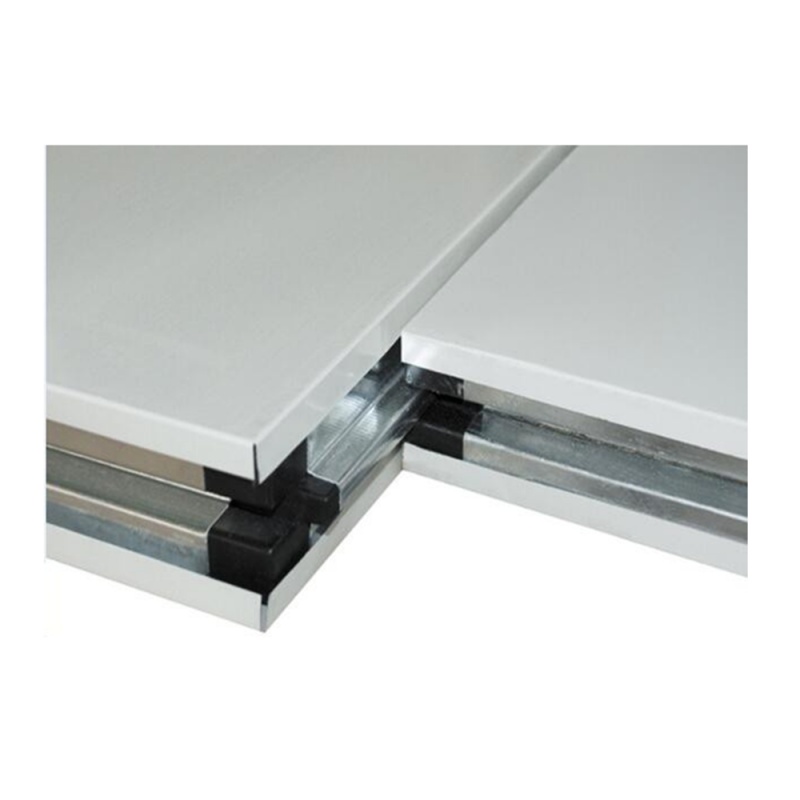
Key Installation Points for Aluminum Honeycomb Core Cleanroom Panels

Uzstādīšanas apsvērumi attiecībā uz magnija oksīda un akmeņvates kodolu tīrās telpas paneliem

Paneli ar magnija oksīda (MgO) un akmeņvates kodolu kombinē abu materiālu atšķirīgās īpašības. Uzstādīšanas laikā ir jāņem vērā īpašās prasības, ko uzliek akmens vates kodols — jo īpaši tā ugunsizturības un termoizolācijas īpašības — vienlaikus ņemot vērā magnija oksīda apšuvuma plākšņu unikālās īpašības. Piestiprinot panelus, ir būtiski nodrošināt, ka stiprinājumi droši ieduras cauri magnija oksīda plākšņai, lai izveidotu drošu savienojumu ar balstostu, tādējādi garantējot visu konstrukciju strukturālo stabilitāti. Tīrām telpām (cleanroom) būvniecības projektos farmaceitiskās ražošanas rūpnīcās nepietiekami stipri piestiprināti paneli var atslābt turpmākajās darbībās, iespējams, to izraisot rūpnīcas aprīkojuma vibrācijas dēļ.

Attiecībā uz paneļu savienojumu apstrādi spraugas vispirms jāaizpilda ar piemērotu hermētiķa materiālu, pēc tam jāveic atbilstoša virsmas apdare, lai nodrošinātu gan savienojumu gaisnepārtrauktību, gan estētisko nepārtrauktību. Turklāt, ņemot vērā to, ka magnija oksīda plāksnes ir uzņēmīgas pret mitruma izraisītām problēmām — piemēram, "svīšanu" vai mitruma migrāciju — augstas mitruma vides apstākļos, uzstādīšanas laikā jāveic efektīvas mitrumizolācijas pasākumi; piemēri ir mitrumizturīgu pārklājumu uzklāšana zemākajai pamatnei.
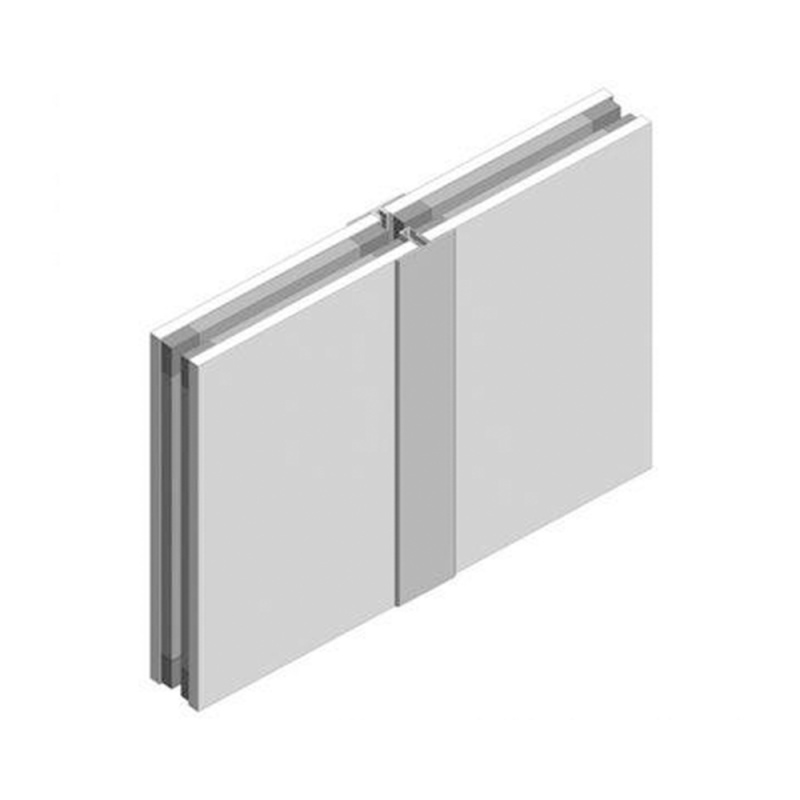
cleanroom panels factory Installation of Rock Wool Core Cleanroom Panels Rock wool core material is manufactured from natural rock through a high-temperature melting process; it is relatively heavy and possesses a certain degree of rigidity. During installation, the load-bearing capacity of the supporting keel structure is of paramount importance. Based on the weight of the panels, the spacing between keels must be designed scientifically and rationally to prevent panel deformation caused by insufficient load-bearing support. For instance, if rock wool cleanroom panels are utilized as wall materials in a large-scale industrial facility with stringent fire safety requirements, setting the keel spacing too wide—given the substantial weight of the rock wool panels—could eventually lead to sagging or deformation of the panels over time, thereby compromising both aesthetic appeal and operational safety.  Furthermore, the cut edges of rock wool panels are prone to generating dust. Consequently, appropriate protective measures must be implemented during installation—such as requiring construction personnel to wear professional dust-proof masks and deploying localized dust extraction equipment in cutting zones—to prevent dust contamination within the cleanroom environment. When joining panels, it is imperative to ensure that the seams are tightly fitted; this is essential for effectively guaranteeing thermal insulation and soundproofing performance. For example, in the construction of medical operating rooms—where noise control standards are exceptionally strict—tightly fitted seams can significantly minimize the intrusion of external noise while simultaneously preventing thermal exchange between the indoor and outdoor environments, thereby maintaining stable indoor temperatures.  Installation of Rock Wool Core Cleanroom Panels  Installation of Polyurethane Core Cleanroom Panels Polyurethane core material consists of a polyurethane foam filling; it offers excellent thermal insulation and sealing properties, combining high structural strength with a moderate weight. During installation, the layout of the supporting keel structure can be adjusted to suit the specific application scenario. For instance, in the construction of a cold storage facility—where thermal insulation requirements are particularly high—the low internal temperatures necessitate cleanroom panels with superior insulating capabilities to minimize energy consumption. In such cases, the keel layout can be flexibly configured based on practical factors such as the spatial structure of the cold storage unit and the positioning of refrigeration equipment.  However, since polyurethane materials may release harmful gases when exposed to high temperatures, the use of open flames must be strictly prohibited during the installation process, and adequate ventilation must be ensured. Additionally, polyurethane panels typically feature a tongue-and-groove interlocking design at their joints; during installation, it is crucial to ensure that these interlocking profiles engage tightly to enhance the overall airtightness of the structure. Taking a food cold storage facility as an example: if the tongue-and-groove joints do not interlock tightly, outside air can easily infiltrate. This may lead to temperature fluctuations within the cold storage area, thereby compromising the effectiveness of food preservation.  Installation of Polyurethane Core Cleanroom Panels  Installation of Hollow Magnesium Oxide Core Cleanroom Panels Hollow magnesium oxide core panels typically consist of a honeycomb or grid-like hollow internal structure bonded to magnesium oxide faceboards. Being lightweight, they offer relatively convenient installation. However, their installation places stringent demands on the flatness of the substrate (base layer). The substrate surface must be flat, dry, and clean; if the flatness deviation of the substrate exceeds the specified tolerance (generally, the flatness error must not exceed 5 mm within any 2-meter span), the cleanroom panels will fail to adhere tightly to the substrate after installation, resulting in excessively wide panel seams. In the construction of electronic cleanrooms, if panel seams are too wide, dust and other impurities can easily enter, making it impossible to meet the rigorous environmental cleanliness standards required for electronics manufacturing.  When securing the panels, methods such as self-tapping screws are typically employed. Specific requirements govern the spacing of these screws, which are generally distributed uniformly within a reasonable range to ensure the panels are firmly anchored. Furthermore, the treatment of panel seams is equally critical; they must be filled with sealing materials to ensure an effective seal and prevent air leakage.  cleanroom panels factory Installation of Rock Wool Core Cleanroom Panels Rock wool core material is manufactured from natural rock through a high-temperature melting process; it is relatively heavy and possesses a certain degree of rigidity. During installation, the load-bearing capacity of the supporting keel structure is of paramount importance. Based on the weight of the panels, the spacing between keels must be designed scientifically and rationally to prevent panel deformation caused by insufficient load-bearing support. For instance, if rock wool cleanroom panels are utilized as wall materials in a large-scale industrial facility with stringent fire safety requirements, setting the keel spacing too wide—given the substantial weight of the rock wool panels—could eventually lead to sagging or deformation of the panels over time, thereby compromising both aesthetic appeal and operational safety.  Furthermore, the cut edges of rock wool panels are prone to generating dust. Consequently, appropriate protective measures must be implemented during installation—such as requiring construction personnel to wear professional dust-proof masks and deploying localized dust extraction equipment in cutting zones—to prevent dust contamination within the cleanroom environment. When joining panels, it is imperative to ensure that the seams are tightly fitted; this is essential for effectively guaranteeing thermal insulation and soundproofing performance. For example, in the construction of medical operating rooms—where noise control standards are exceptionally strict—tightly fitted seams can significantly minimize the intrusion of external noise while simultaneously preventing thermal exchange between the indoor and outdoor environments, thereby maintaining stable indoor temperatures.  Installation of Rock Wool Core Cleanroom Panels  Installation of Polyurethane Core Cleanroom Panels Polyurethane core material consists of a polyurethane foam filling; it offers excellent thermal insulation and sealing properties, combining high structural strength with a moderate weight. During installation, the layout of the supporting keel structure can be adjusted to suit the specific application scenario. For instance, in the construction of a cold storage facility—where thermal insulation requirements are particularly high—the low internal temperatures necessitate cleanroom panels with superior insulating capabilities to minimize energy consumption. In such cases, the keel layout can be flexibly configured based on practical factors such as the spatial structure of the cold storage unit and the positioning of refrigeration equipment.  However, since polyurethane materials may release harmful gases when exposed to high temperatures, the use of open flames must be strictly prohibited during the installation process, and adequate ventilation must be ensured. Additionally, polyurethane panels typically feature a tongue-and-groove interlocking design at their joints; during installation, it is crucial to ensure that these interlocking profiles engage tightly to enhance the overall airtightness of the structure. Taking a food cold storage facility as an example: if the tongue-and-groove joints do not interlock tightly, outside air can easily infiltrate. This may lead to temperature fluctuations within the cold storage area, thereby compromising the effectiveness of food preservation.  Installation of Polyurethane Core Cleanroom Panels  Installation of Hollow Magnesium Oxide Core Cleanroom Panels  Key Installation Points for Aluminum Honeycomb Core Cleanroom Panels Aluminum honeycomb core cleanroom panels offer numerous advantages, such as high structural strength and excellent surface flatness. During installation, given the relatively uniform distribution of the panels' weight, the design of the supporting keel system can be determined based on the specific panel specifications and the ambient installation environment. In large-scale commercial shopping malls—specifically for projects involving the enclosure of central air conditioning ventilation ducts—the use of aluminum honeycomb cleanroom panels necessitates a keel design tailored to the shape and dimensions of the ventilation ducts, as well as the overall spatial layout of the mall.  When splicing aluminum honeycomb cleanroom panels, a high degree of precision is required. It is essential to ensure that all joints are flat and tightly sealed to achieve an aesthetically pleasing appearance and maintain optimal overall performance. Furthermore, during the installation process, great care must be taken to protect the panel surfaces; precautions should be implemented to prevent scratches or impacts that could cause surface damage, thereby compromising both the visual appeal and the functional integrity of the panels.  Key Installation Points for Aluminum Honeycomb Core Cleanroom Panels  Installation Considerations for Magnesium Oxide Rock Wool Core Cleanroom Panels

Uzstādot tīrīšanas paneļus ar dažādiem kodola materiāliem, jāpiemēro īpašas pasākumu kopas — kas pielāgotas kodola materiāla īpašībām — attiecībā uz karkasa konstrukciju, mitruma un uguns aizsardzības apstrādēm, paneļu savienošanu un apstrādes drošības pasākumiem. Tas nodrošina uzstādīšanas kvalitāti un ļauj tīrīšanas paneļiem darboties maksimālā efektivitātē. Patiesos inženierijas projektos tīrīšanas paneļu ar piemērotiem kodola materiāliem izvēle jāveic, pamatojoties uz visaptverošu novērtējumu par faktoriem, piemēram, konkrēto lietojuma scenāriju, vides prasībām un budžetu; turklāt būvniecībai jānotiek stingrā ievērošanā attiecīgo uzstādīšanas norādījumu.
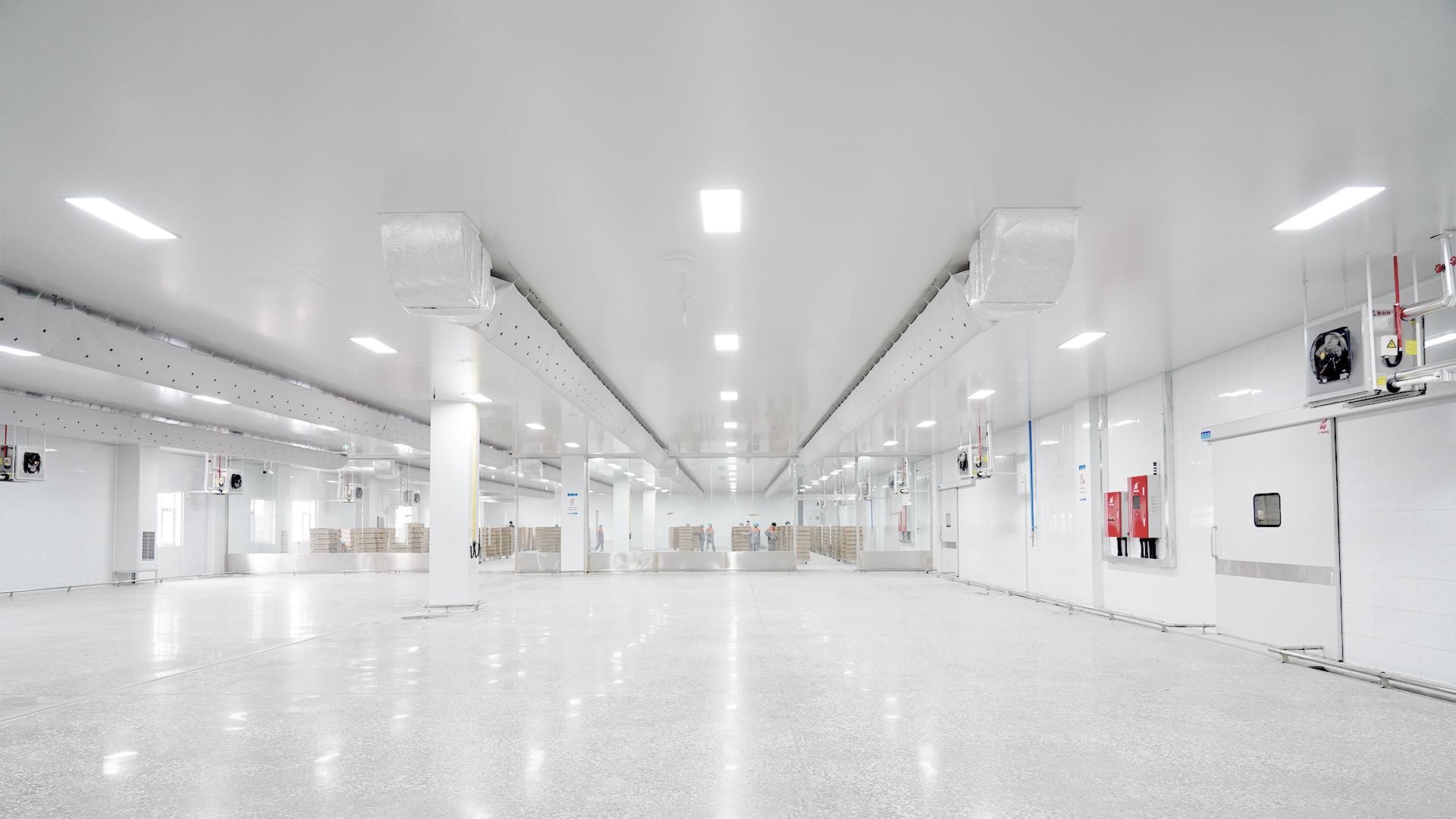
Cleanroom Enclosure System for Shandong Boda Food (1).jpg

Iegūstiet bezmaksas piedāvājumu savam projektam

Vai nu tas ir tērauda darbnīcas ēka, aukstuma krātuve vai tīrās telpas sistēma — mēs piedāvājam konkurences spējīgas rūpnīcas cenas un profesionālu projektēšanu.
E-pasts
Vārds
Mobilais/WhatsApp
Uzņēmuma nosaukums
Ziņojums
0/1000