Zatražite besplatnu ponudu za svoj projekt

Bilo da se radi o čeličnim radionicama, hladnjačama ili sustavima čistih soba, nudimo konkurentne tvorničke cijene i profesionalni dizajn.
E-mail
Ime
Mobilni/WhatsApp
Ime poduzeća
Poruka
0/1000

Vijesti industrije

Glavna stranica >  Resursi >  Vijesti industrije

Postoje li razlike u ugradnji ploča za čiste sobe s različitim materijalima

Apr 14, 2026

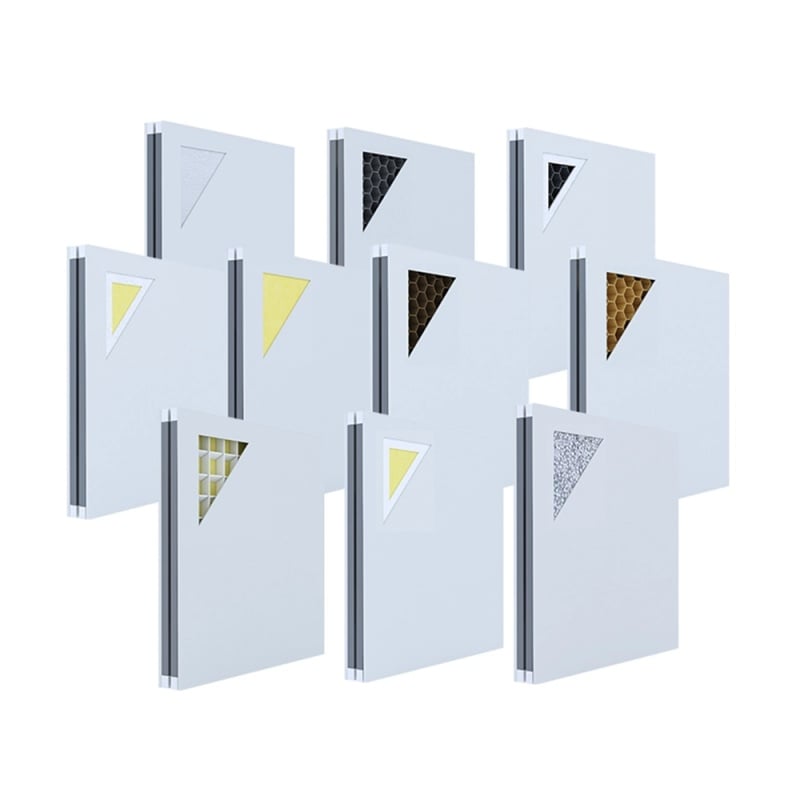
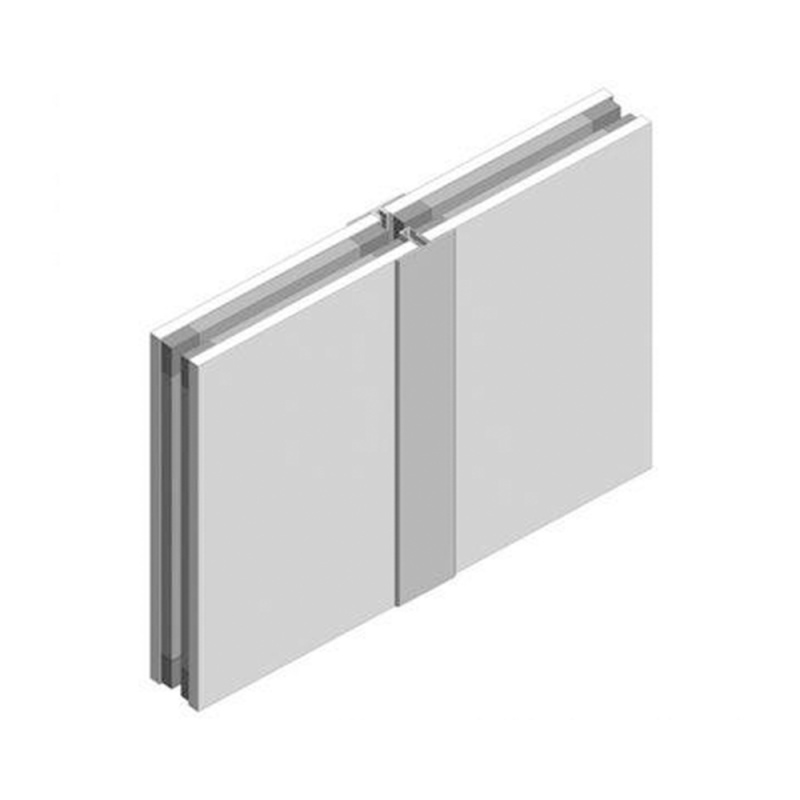
Paneli za čiste prostorije u skladu s člankom 3. stavkom 1. ovog članka, za potrebe utvrđivanja kvalitete i kvalitete proizvoda, primjenjuje se posebna metoda za određivanje kvalitete proizvoda. Ti paneli imaju raznolik raspon osnovnih materijala, a uobičajene vrste uključuju kamenu vunu, šuplji magnezijev oksid, aluminijsku medenicu i kompozitne tvari od magnezijeve oksida i kamene vune. U skladu s člankom 3. stavkom 1. točkom (a) Uredbe (EZ) br. 765/2008 i člankom 3. stavkom 2. točkom (b) Uredbe (EZ) br. 765/2008 i člankom 3. točkom (c) Uredbe (EZ) br. 765/2008 i člankom 3. točkom (c) Uredbe (EZ) br. 7
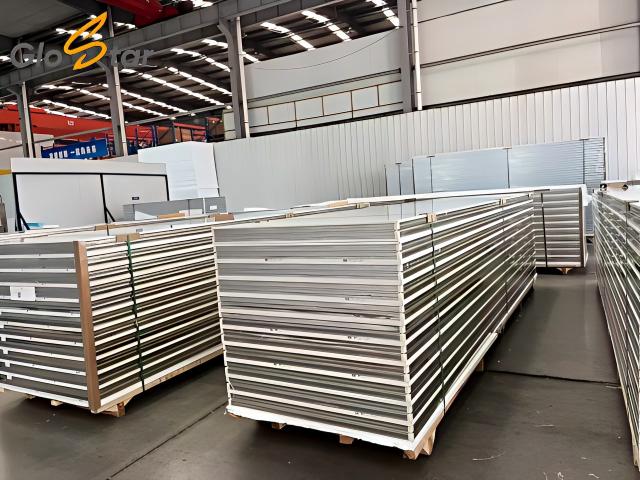
cleanroom panels factory

Uređivanje čistih prostorija od kamene vune

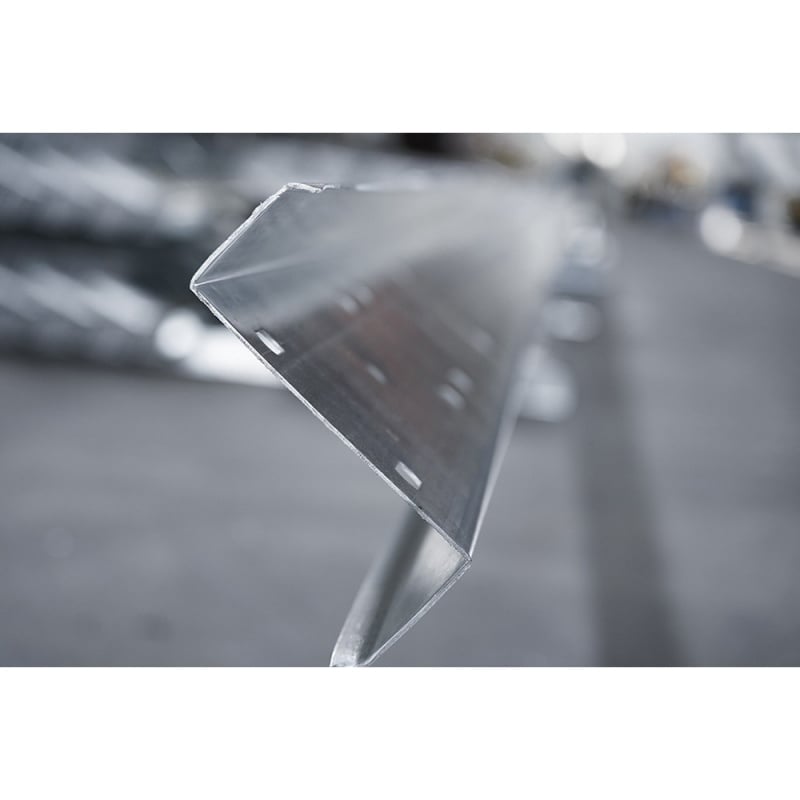
U skladu s člankom 3. stavkom 1. točkom (a) Uredbe (EZ) br. U slučaju da se ne može osigurati da je podložno, to je potrebno. U skladu s tim, u skladu s člankom 3. stavkom 1. stavkom 3. Na primjer, ako paneli od kamene vune za čiste sobe ako se u velikim industrijskim objektima s strogim zahtjevima za zaštitu od požara koriste zidni materijali, postavljanje prevelike udaljenosti između kil s obzirom na značajnu težinu ploča od kamene vune može s vremenom dovesti do opadanja ili deformacije ploča tijekom vremena, čime se ugro

U skladu s člankom 3. stavkom 1. Stoga se tijekom ugradnje moraju provesti odgovarajuće zaštitne mjere, kao što je zahtijevanje da građevinski radnici nose profesionalne maske protiv prašine i raspoređivanje lokalizirane opreme za odvajanje prašine u zonama rezanja kako bi se spriječilo zagađenje prašinom u okolini čiste sobe. Pri spajanju ploča neophodno je osigurati čvrsto spajanje šavova; to je od suštinskog značaja za učinkovito jamčenje toplinske izolacije i zvučne izolacije. Primjerice, u izgradnji medicinskih operacijskih soba, gdje su standardi kontrole buke iznimno strogi, čvrsto postavljeni šavovi mogu značajno smanjiti upad vanjske buke, istodobno sprečavajući toplinsku razmjenu između unutarnjeg i vanjskog okoliša, čime se održava stabilna temperatura unutar kuće.
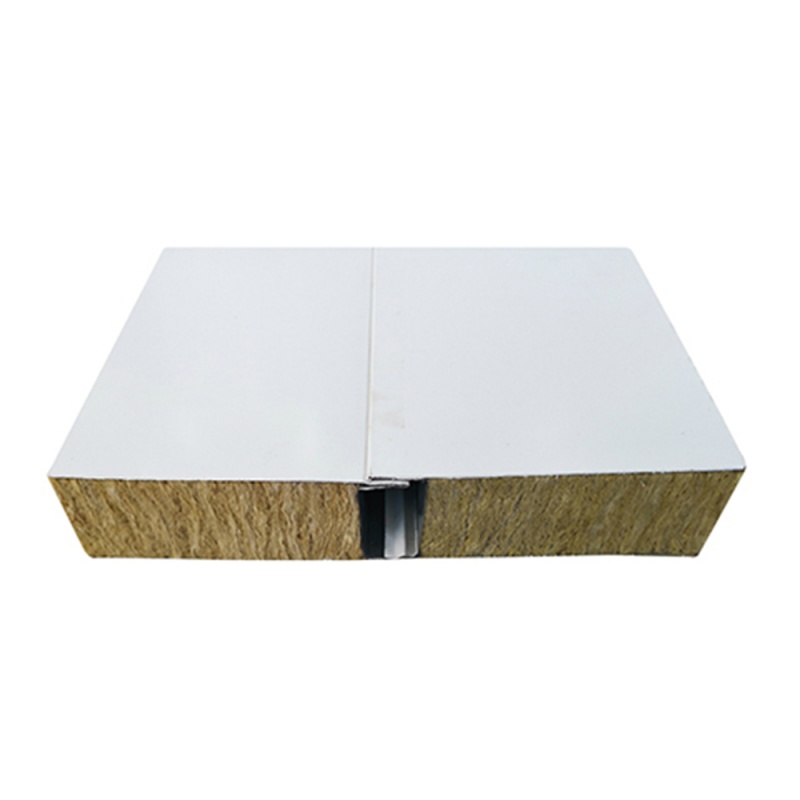
Installation of Rock Wool Core Cleanroom Panels

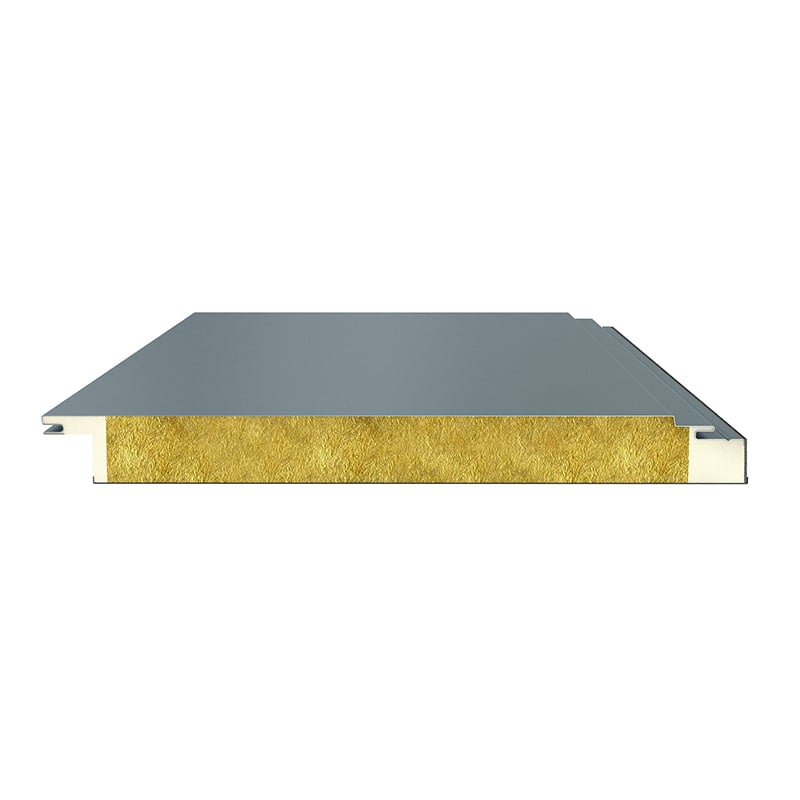
Uređivanje poliuretanskih čistih prostorija

U skladu s člankom 3. stavkom 1. stavkom 2. U slučaju da se ne primjenjuje primjena ovog članka, to se može učiniti na temelju primjene ovog članka. Primjerice, u izgradnji skladišta hladnjaka, gdje su zahtjevi za toplinsku izolaciju posebno visoki, niske unutarnje temperature zahtijevaju ploče čiste sobe s superiornim izolacijskim kapacitetima kako bi se smanjila potrošnja energije. U takvim slučajevima, raspored kil može se fleksibilno konfigurirati na temelju praktičnih čimbenika kao što su prostorna struktura hladnjaka i pozicioniranje rashladne opreme.

Međutim, budući da poliuretanski materijali mogu oslobađati štetne pline kada su izloženi visokim temperaturama, upotrebu otvorenog plamena tijekom procesa ugradnje strogo je zabranjeno, a mora se osigurati odgovarajuća ventilacija. Osim toga, poliuretanske ploče obično imaju oblik interlokacije jezika i žlijezda na svojim spojevima; tijekom instalacije ključno je osigurati da se ti interlokacijski profili čvrsto povežu kako bi se povećala ukupna hermetičnost strukture. Primjerice, ako se zglobovi jezika i žlijezda ne čvrsto zaključavaju, vanjski zrak može lako prodrijeti. U skladu s člankom 2. stavkom 2. točkom (a) Uredbe (EZ) br. 1831/2003, za proizvod koji se proizvodi u skladu s člankom 2. stavkom 2. točkom (a) Uredbe (EZ) br. 1831/2003, za proizvod koji se proizvodi u skladu s člankom 2. točkom (b) Uredbe (EZ) br. 1831/2003, za proizvod
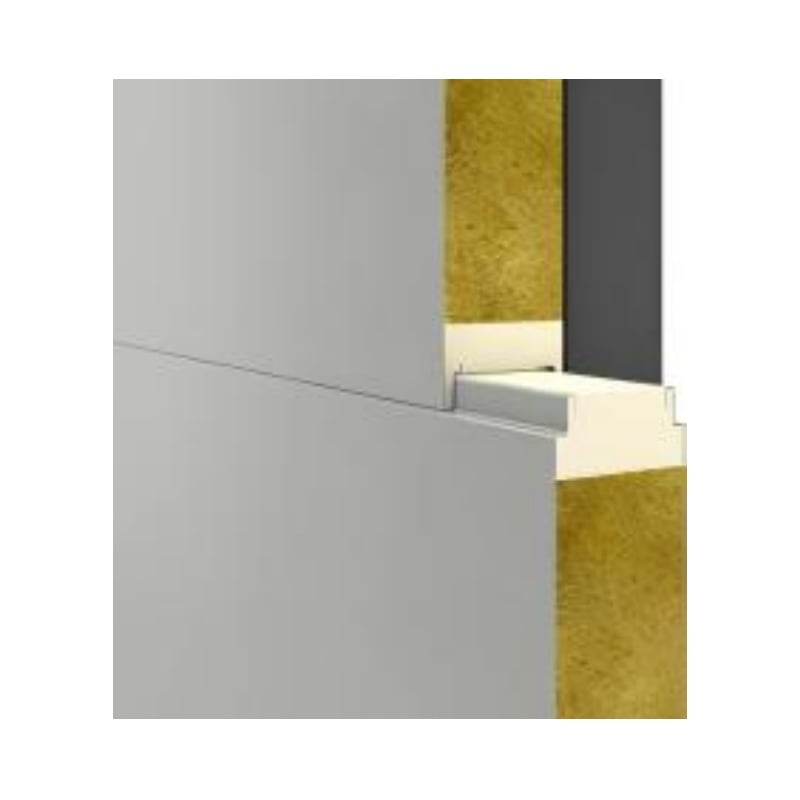
Installation of Polyurethane Core Cleanroom Panels

Uređivanje šupljih ploča za čiste sobe s magnezijum oksidnim jezgrom

S druge površine "Structura" se obično sastoji od pčelinje ili mrežaste šupljine unutarnje strukture vezane za prednje ploče magnezijum oksida. Budući da su lagane, relativno su pogodne za ugradnju. Međutim, njihova instalacija zahtijeva stroge zahtjeve za ravnoću supstrata (osnovni sloj). U slučaju da je podloga ravna, suha i čista, ako odstupanje ravnosti podloge premaši određenu toleranciju (općenito, pogreška ravnosti ne smije biti veća od 5 mm u rasponu od 2 m), paneli čiste sobe neće se čvrsto držati podloge nakon ugradnje, što će rezultirati pr U izgradnji elektroničkih čistila, ako su šavovi ploča preveliki, prašina i druge nečistoće lako mogu ući, što onemogućuje ispunjavanje strogih standarda ekološke čistoće potrebnih za proizvodnju elektroničkih proizvoda.

U slučaju da se ne primjenjuje primjena ovog članka, u skladu s člankom 6. stavkom 2. U skladu s člankom 3. stavkom 2. točkom (a) ovog članka, za sve vrste stakleničkih stakleničkih stakleničkih stakleničkih stakleničkih stakleničkih stakleničkih stakleničkih stakleničkih stakleničkih stakleničkih stakleničkih stakleničkih stakleničkih stakleničkih stakleničkih stakleničkih stakleničkih stakleničkih stak Osim toga, jednako je važno tretirati šavove ploča; moraju se ispuniti materijalima za zatvaranje kako bi se osigurao učinkovit zatvaranje i spriječilo curenje zraka.
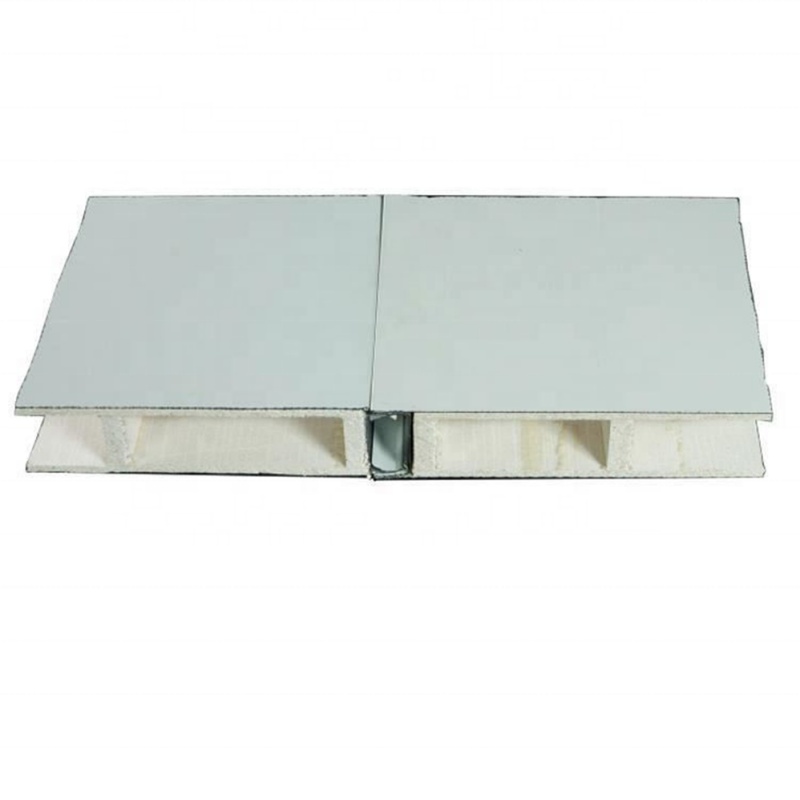
cleanroom panels factory Installation of Rock Wool Core Cleanroom Panels Rock wool core material is manufactured from natural rock through a high-temperature melting process; it is relatively heavy and possesses a certain degree of rigidity. During installation, the load-bearing capacity of the supporting keel structure is of paramount importance. Based on the weight of the panels, the spacing between keels must be designed scientifically and rationally to prevent panel deformation caused by insufficient load-bearing support. For instance, if rock wool cleanroom panels are utilized as wall materials in a large-scale industrial facility with stringent fire safety requirements, setting the keel spacing too wide—given the substantial weight of the rock wool panels—could eventually lead to sagging or deformation of the panels over time, thereby compromising both aesthetic appeal and operational safety.  Furthermore, the cut edges of rock wool panels are prone to generating dust. Consequently, appropriate protective measures must be implemented during installation—such as requiring construction personnel to wear professional dust-proof masks and deploying localized dust extraction equipment in cutting zones—to prevent dust contamination within the cleanroom environment. When joining panels, it is imperative to ensure that the seams are tightly fitted; this is essential for effectively guaranteeing thermal insulation and soundproofing performance. For example, in the construction of medical operating rooms—where noise control standards are exceptionally strict—tightly fitted seams can significantly minimize the intrusion of external noise while simultaneously preventing thermal exchange between the indoor and outdoor environments, thereby maintaining stable indoor temperatures.  Installation of Rock Wool Core Cleanroom Panels  Installation of Polyurethane Core Cleanroom Panels Polyurethane core material consists of a polyurethane foam filling; it offers excellent thermal insulation and sealing properties, combining high structural strength with a moderate weight. During installation, the layout of the supporting keel structure can be adjusted to suit the specific application scenario. For instance, in the construction of a cold storage facility—where thermal insulation requirements are particularly high—the low internal temperatures necessitate cleanroom panels with superior insulating capabilities to minimize energy consumption. In such cases, the keel layout can be flexibly configured based on practical factors such as the spatial structure of the cold storage unit and the positioning of refrigeration equipment.  However, since polyurethane materials may release harmful gases when exposed to high temperatures, the use of open flames must be strictly prohibited during the installation process, and adequate ventilation must be ensured. Additionally, polyurethane panels typically feature a tongue-and-groove interlocking design at their joints; during installation, it is crucial to ensure that these interlocking profiles engage tightly to enhance the overall airtightness of the structure. Taking a food cold storage facility as an example: if the tongue-and-groove joints do not interlock tightly, outside air can easily infiltrate. This may lead to temperature fluctuations within the cold storage area, thereby compromising the effectiveness of food preservation.  Installation of Polyurethane Core Cleanroom Panels  Installation of Hollow Magnesium Oxide Core Cleanroom Panels

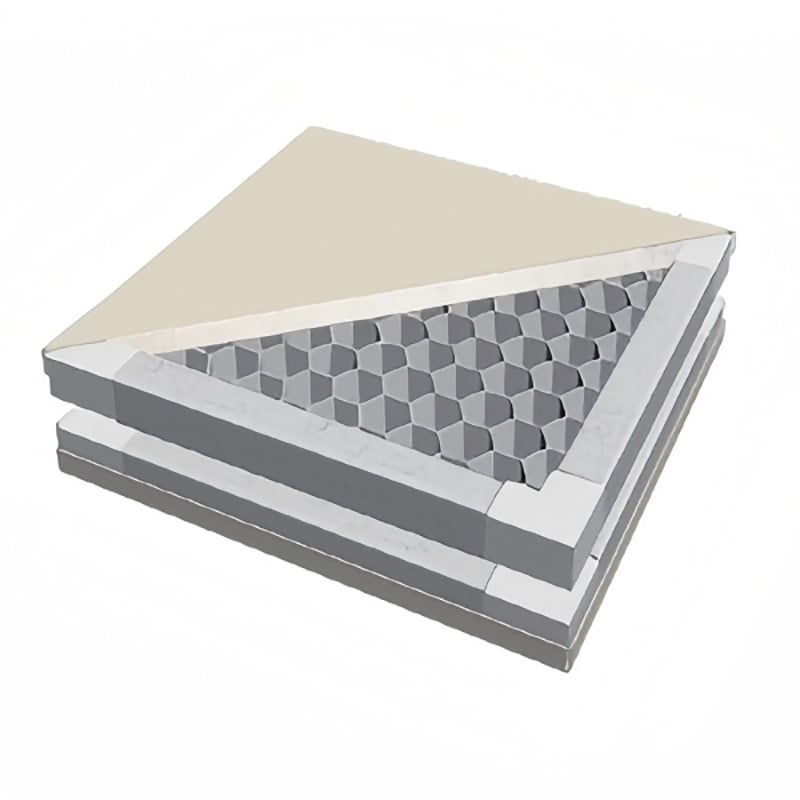
Osnovni ugradni točki za aluminijumske čiste sobe

Sljedeći članak: u skladu s člankom 3. stavkom 2. U slučaju da se u skladu s člankom 6. stavkom 1. točkom (a) ovog članka ne primjenjuje na proizvod, proizvođač mora se odlučiti o tome da li će se proizvod upotrebljavati za proizvodnju električne energije. U velikim trgovačkim centrimaposebno za projekte koji uključuju zatvorenje ventilacijskih kanala za centralnu klimatizacijuupotreba aluminijumskih panela za čiste sobe od medenih košara zahtijeva dizajn kila prilagođen obliku i dimenzijama ventilacijskih kanala, kao i ukupnom prostornom rasporedu trgova

Pri spajanju aluminijumskih ploča za čiste sobe, potrebno je visokoj stopnji preciznosti. Za potrebe ostvarivanja estetski ugodnog izgleda i održavanja optimalnih ukupnih performansi, neophodno je osigurati da su svi zglobovi ravni i čvrsto zapečaćeni. Osim toga, tijekom instalacije, potrebno je paziti na zaštitu površina ploča; potrebno je poduzeti mjere opreza kako bi se spriječile ogrebotine ili udari koji bi mogli uzrokovati oštećenje površine, čime bi se ugrozila vizualna privlačnost i funkcionalni integritet ploča.
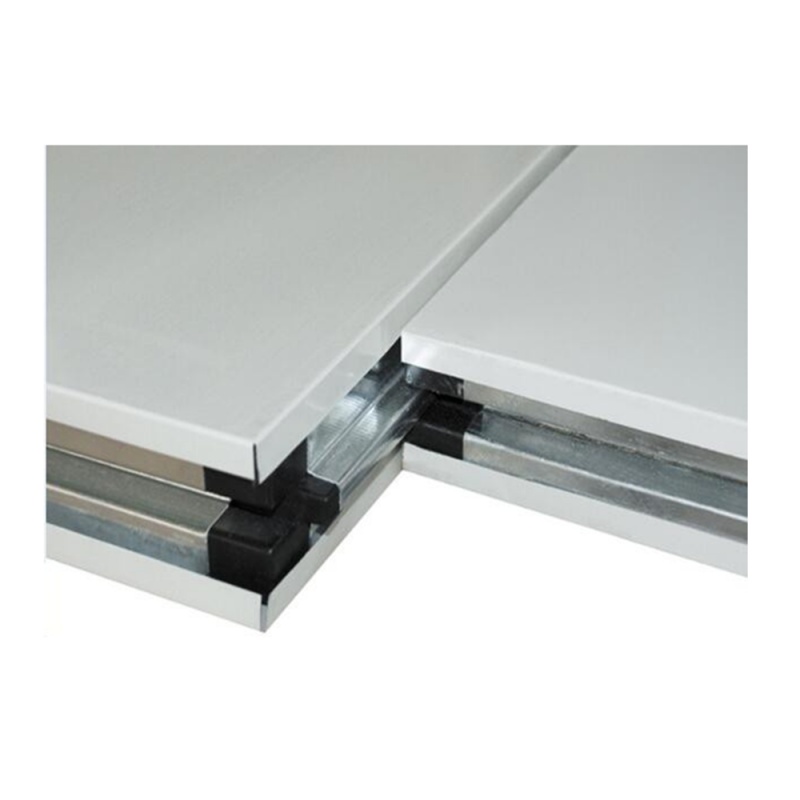
Key Installation Points for Aluminum Honeycomb Core Cleanroom Panels

U skladu s člankom 3. stavkom 2. točkom (a) ovog Pravilnika, za sve proizvode koji se upotrebljavaju u proizvodnji materijala za proizvodnju materijala za proizvodnju materijala za proizvodnju materijala za proizvodnju materijala za proizvodnju materijala za proizvodnju materijala za proizvodnju materijala za proizvodnju materijala za proizvodnju materijala

S druge površine, od plastičnih vlakana kombinirati posebne karakteristike oba materijala. Tijekom ugradnje potrebno je uzeti u obzir posebne zahtjeve koje nameće jezgra od kamene vune, posebno u pogledu otpornosti na vatru i toplinske izolacije, istodobno prihvaćajući jedinstvene osobine ploča za obloge magnezijum oksida. Prilikom pripevljanja ploča od ključne je važnosti osigurati da se čvrsto probiju kroz ploču magnezijevog oksida kako bi se uspostavila sigurna veza s nosnim kilom, čime se jamči strukturna stabilnost cijelog sastava. U projektima izgradnje čistih prostorija u proizvodnim pogonima za farmaceutske proizvode, neadekvatno pričvršćivanje može dovesti do otpuštanja ploče tijekom naknadnih radova, što je potencijalno izazvano čimbenicima kao što su vibracije opreme unutar radionice.

U slučaju da se ne provede liječenje spojeva ploča, praznine se najprije moraju popuniti odgovarajućim materijalom za zatvaranje, a zatim odgovarajućim površnim obradom kako bi se osigurala nepropusnost zraka i estetska kontinuiteta spojeva. Osim toga, s obzirom na to da su ploče magnezijeve oksida osjetljive na probleme povezane s vlažnošćukao što su "pojenje" ili migracija vlageu okruženjima s visokom vlažnošću, tijekom ugradnje moraju se provesti robusne mjere otpornosti na vlagu; primjeri uključuju primjenu
cleanroom panels factory Installation of Rock Wool Core Cleanroom Panels Rock wool core material is manufactured from natural rock through a high-temperature melting process; it is relatively heavy and possesses a certain degree of rigidity. During installation, the load-bearing capacity of the supporting keel structure is of paramount importance. Based on the weight of the panels, the spacing between keels must be designed scientifically and rationally to prevent panel deformation caused by insufficient load-bearing support. For instance, if rock wool cleanroom panels are utilized as wall materials in a large-scale industrial facility with stringent fire safety requirements, setting the keel spacing too wide—given the substantial weight of the rock wool panels—could eventually lead to sagging or deformation of the panels over time, thereby compromising both aesthetic appeal and operational safety.  Furthermore, the cut edges of rock wool panels are prone to generating dust. Consequently, appropriate protective measures must be implemented during installation—such as requiring construction personnel to wear professional dust-proof masks and deploying localized dust extraction equipment in cutting zones—to prevent dust contamination within the cleanroom environment. When joining panels, it is imperative to ensure that the seams are tightly fitted; this is essential for effectively guaranteeing thermal insulation and soundproofing performance. For example, in the construction of medical operating rooms—where noise control standards are exceptionally strict—tightly fitted seams can significantly minimize the intrusion of external noise while simultaneously preventing thermal exchange between the indoor and outdoor environments, thereby maintaining stable indoor temperatures.  Installation of Rock Wool Core Cleanroom Panels  Installation of Polyurethane Core Cleanroom Panels Polyurethane core material consists of a polyurethane foam filling; it offers excellent thermal insulation and sealing properties, combining high structural strength with a moderate weight. During installation, the layout of the supporting keel structure can be adjusted to suit the specific application scenario. For instance, in the construction of a cold storage facility—where thermal insulation requirements are particularly high—the low internal temperatures necessitate cleanroom panels with superior insulating capabilities to minimize energy consumption. In such cases, the keel layout can be flexibly configured based on practical factors such as the spatial structure of the cold storage unit and the positioning of refrigeration equipment.  However, since polyurethane materials may release harmful gases when exposed to high temperatures, the use of open flames must be strictly prohibited during the installation process, and adequate ventilation must be ensured. Additionally, polyurethane panels typically feature a tongue-and-groove interlocking design at their joints; during installation, it is crucial to ensure that these interlocking profiles engage tightly to enhance the overall airtightness of the structure. Taking a food cold storage facility as an example: if the tongue-and-groove joints do not interlock tightly, outside air can easily infiltrate. This may lead to temperature fluctuations within the cold storage area, thereby compromising the effectiveness of food preservation.  Installation of Polyurethane Core Cleanroom Panels  Installation of Hollow Magnesium Oxide Core Cleanroom Panels Hollow magnesium oxide core panels typically consist of a honeycomb or grid-like hollow internal structure bonded to magnesium oxide faceboards. Being lightweight, they offer relatively convenient installation. However, their installation places stringent demands on the flatness of the substrate (base layer). The substrate surface must be flat, dry, and clean; if the flatness deviation of the substrate exceeds the specified tolerance (generally, the flatness error must not exceed 5 mm within any 2-meter span), the cleanroom panels will fail to adhere tightly to the substrate after installation, resulting in excessively wide panel seams. In the construction of electronic cleanrooms, if panel seams are too wide, dust and other impurities can easily enter, making it impossible to meet the rigorous environmental cleanliness standards required for electronics manufacturing.  When securing the panels, methods such as self-tapping screws are typically employed. Specific requirements govern the spacing of these screws, which are generally distributed uniformly within a reasonable range to ensure the panels are firmly anchored. Furthermore, the treatment of panel seams is equally critical; they must be filled with sealing materials to ensure an effective seal and prevent air leakage.  cleanroom panels factory Installation of Rock Wool Core Cleanroom Panels Rock wool core material is manufactured from natural rock through a high-temperature melting process; it is relatively heavy and possesses a certain degree of rigidity. During installation, the load-bearing capacity of the supporting keel structure is of paramount importance. Based on the weight of the panels, the spacing between keels must be designed scientifically and rationally to prevent panel deformation caused by insufficient load-bearing support. For instance, if rock wool cleanroom panels are utilized as wall materials in a large-scale industrial facility with stringent fire safety requirements, setting the keel spacing too wide—given the substantial weight of the rock wool panels—could eventually lead to sagging or deformation of the panels over time, thereby compromising both aesthetic appeal and operational safety.  Furthermore, the cut edges of rock wool panels are prone to generating dust. Consequently, appropriate protective measures must be implemented during installation—such as requiring construction personnel to wear professional dust-proof masks and deploying localized dust extraction equipment in cutting zones—to prevent dust contamination within the cleanroom environment. When joining panels, it is imperative to ensure that the seams are tightly fitted; this is essential for effectively guaranteeing thermal insulation and soundproofing performance. For example, in the construction of medical operating rooms—where noise control standards are exceptionally strict—tightly fitted seams can significantly minimize the intrusion of external noise while simultaneously preventing thermal exchange between the indoor and outdoor environments, thereby maintaining stable indoor temperatures.  Installation of Rock Wool Core Cleanroom Panels  Installation of Polyurethane Core Cleanroom Panels Polyurethane core material consists of a polyurethane foam filling; it offers excellent thermal insulation and sealing properties, combining high structural strength with a moderate weight. During installation, the layout of the supporting keel structure can be adjusted to suit the specific application scenario. For instance, in the construction of a cold storage facility—where thermal insulation requirements are particularly high—the low internal temperatures necessitate cleanroom panels with superior insulating capabilities to minimize energy consumption. In such cases, the keel layout can be flexibly configured based on practical factors such as the spatial structure of the cold storage unit and the positioning of refrigeration equipment.  However, since polyurethane materials may release harmful gases when exposed to high temperatures, the use of open flames must be strictly prohibited during the installation process, and adequate ventilation must be ensured. Additionally, polyurethane panels typically feature a tongue-and-groove interlocking design at their joints; during installation, it is crucial to ensure that these interlocking profiles engage tightly to enhance the overall airtightness of the structure. Taking a food cold storage facility as an example: if the tongue-and-groove joints do not interlock tightly, outside air can easily infiltrate. This may lead to temperature fluctuations within the cold storage area, thereby compromising the effectiveness of food preservation.  Installation of Polyurethane Core Cleanroom Panels  Installation of Hollow Magnesium Oxide Core Cleanroom Panels  Key Installation Points for Aluminum Honeycomb Core Cleanroom Panels Aluminum honeycomb core cleanroom panels offer numerous advantages, such as high structural strength and excellent surface flatness. During installation, given the relatively uniform distribution of the panels' weight, the design of the supporting keel system can be determined based on the specific panel specifications and the ambient installation environment. In large-scale commercial shopping malls—specifically for projects involving the enclosure of central air conditioning ventilation ducts—the use of aluminum honeycomb cleanroom panels necessitates a keel design tailored to the shape and dimensions of the ventilation ducts, as well as the overall spatial layout of the mall.  When splicing aluminum honeycomb cleanroom panels, a high degree of precision is required. It is essential to ensure that all joints are flat and tightly sealed to achieve an aesthetically pleasing appearance and maintain optimal overall performance. Furthermore, during the installation process, great care must be taken to protect the panel surfaces; precautions should be implemented to prevent scratches or impacts that could cause surface damage, thereby compromising both the visual appeal and the functional integrity of the panels.  Key Installation Points for Aluminum Honeycomb Core Cleanroom Panels  Installation Considerations for Magnesium Oxide Rock Wool Core Cleanroom Panels

U slučaju instalacije čistila s različitim materijalima, potrebno je donijeti posebne mjere prilagođene osobinama materijala u pogledu konstrukcije kila, obrade zaštite od vlage i požara, spajanja ploča i zaštite prilikom rukovanja. To osigurava kvalitetu instalacije i omogućuje čistilima da rade u potpunosti. U stvarnim inženjerskim projektima odabir čistila s odgovarajućim osnovnim materijalima trebao bi se temeljiti na sveobuhvatnoj procjeni čimbenika kao što su specifični scenarij primjene, zahtjevi okoliša i proračun; osim toga, izgradnja mora biti izvršena strogo pridržavajući se relevantnih smjernica za
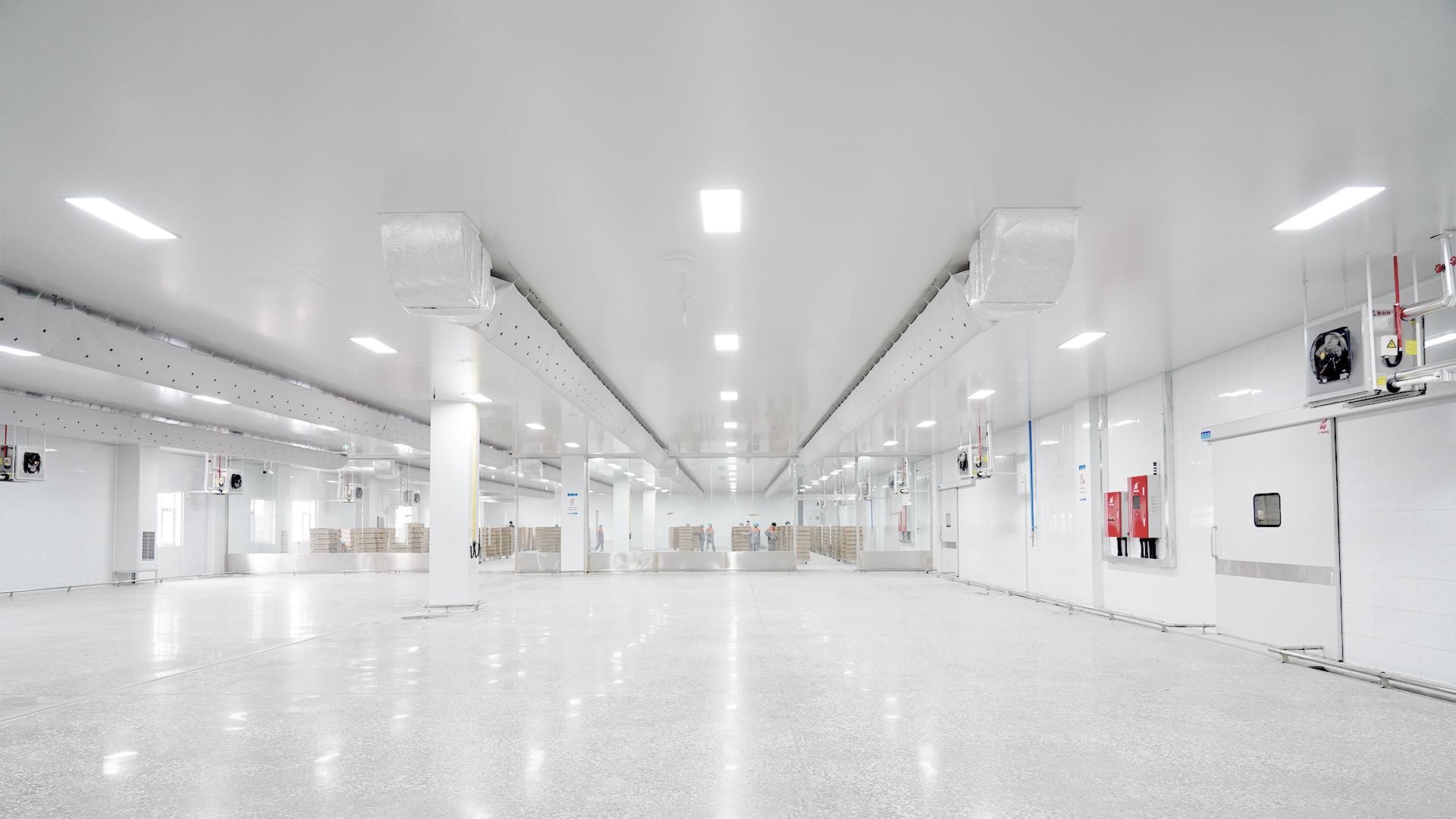
Cleanroom Enclosure System for Shandong Boda Food (1).jpg

Zatražite besplatnu ponudu za svoj projekt

Bilo da se radi o čeličnim radionicama, hladnjačama ili sustavima čistih soba, nudimo konkurentne tvorničke cijene i profesionalni dizajn.
E-mail
Ime
Mobilni/WhatsApp
Ime poduzeća
Poruka
0/1000