Fordern Sie jetzt ein kostenloses Angebot für Ihr Projekt an

Ob es sich um eine Stahlhalle, eine Kühlhalle oder ein Reinraumsystem handelt – wir bieten wettbewerbsfähige Fabrikpreise und professionelle Planung.
E-Mail
Name
Mobiltelefon/WhatsApp
Unternehmensname
Nachricht
0/1000

Branchennews

Startseite >  Ressourcen >  Branchennews

Gibt es Unterschiede bei der Montage von Reinraumplatten mit unterschiedlichen Kernmaterialien?

Apr 14, 2026

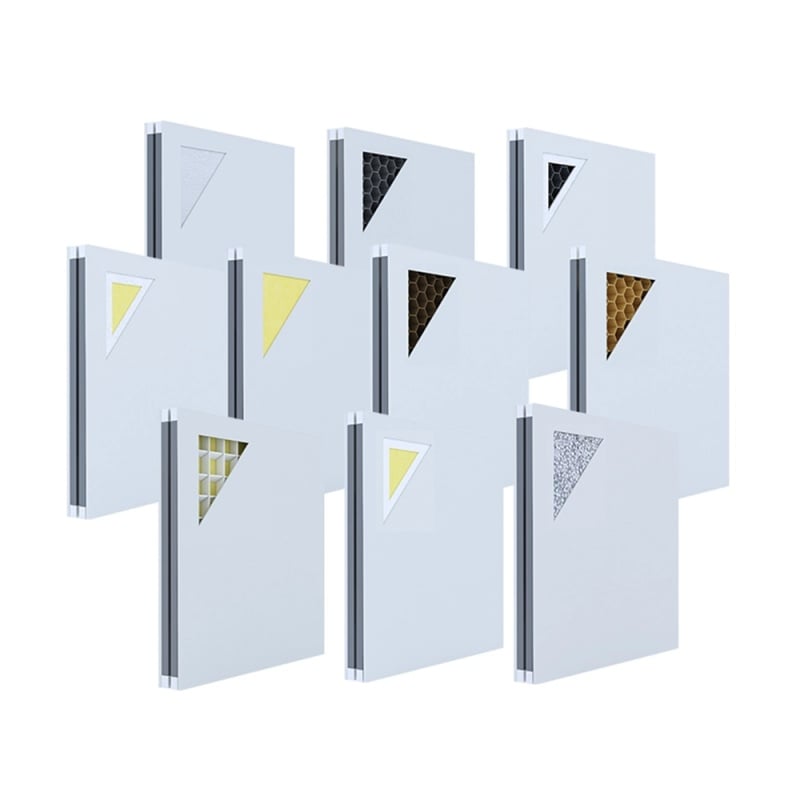
Reinraumtafeln werden in Branchen mit strengen Umgebungsanforderungen – wie Elektronik, Pharmazie und Lebensmittelverarbeitung – breit eingesetzt, wo sie zur Schaffung sauberer und hygienischer Raumumgebungen dienen. Diese Platten weisen eine breite Palette an Kernmaterialien auf; gängige Varianten sind Steinwolle, hohles Magnesiumoxid, Aluminium-Wabenstruktur sowie Magnesiumoxid-Steinwolle-Verbundstoffe. Aufgrund der jeweils charakteristischen Eigenschaften der einzelnen Kernmaterialien ergeben sich bei der Montage dieser verschiedenen Reinraumplatten tatsächlich zahlreiche Unterschiede.
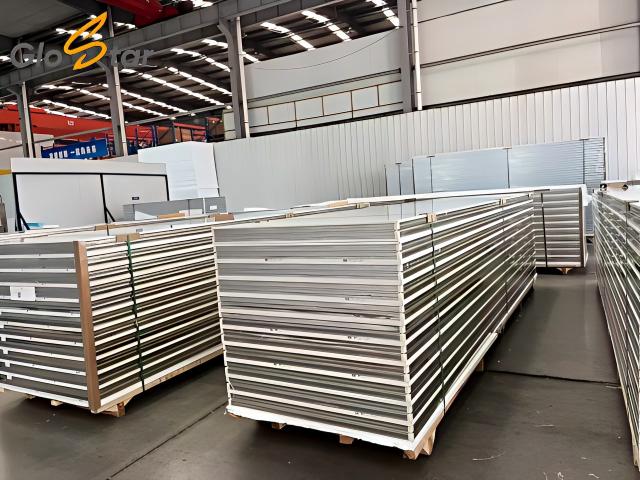
cleanroom panels factory

Montage von Reinraumplatten mit Steinwollikern

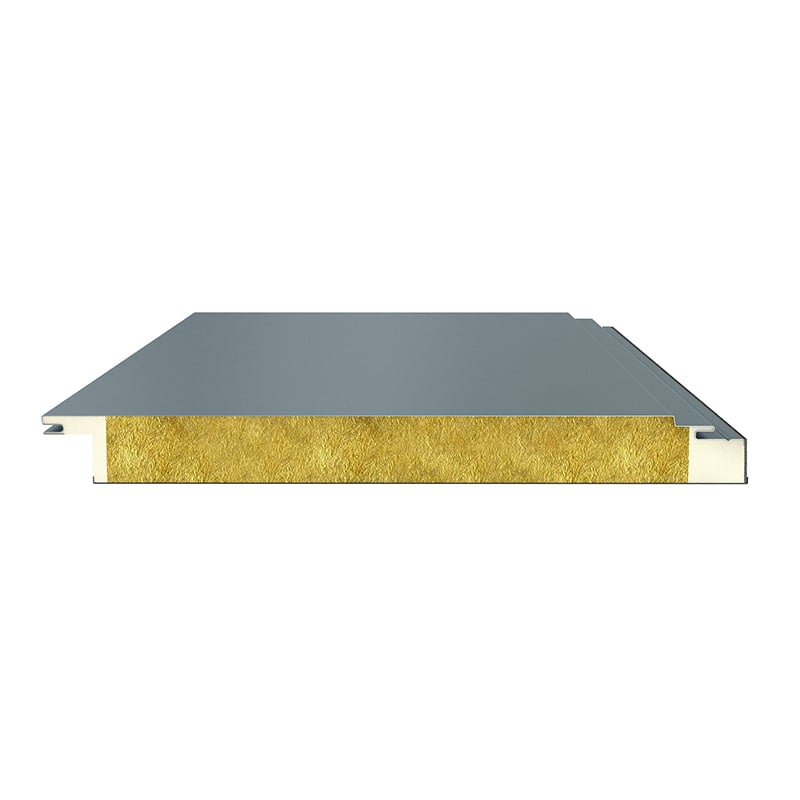
Das Kernmaterial aus Steinwolle wird aus natürlichem Gestein durch einen Hochtemperatur-Schmelzprozess hergestellt; es ist vergleichsweise schwer und weist ein gewisses Maß an Steifigkeit auf. Bei der Montage ist die Tragfähigkeit der tragenden Konstruktion aus Unterkonstruktionsschienen von entscheidender Bedeutung. Basierend auf dem Gewicht der Platten muss der Abstand zwischen den Schienen wissenschaftlich und sachgerecht ausgelegt werden, um eine Verformung der Platten infolge unzureichender Traglastaufnahme zu verhindern. Zum Beispiel, wenn steinwoll-Reinraumplatten als Wandbaustoffe in einer großflächigen Industrieanlage mit strengen Anforderungen an den Brandschutz eingesetzt werden, könnte eine zu große Schienenabstandseinstellung – angesichts des erheblichen Gewichts der Steinwolleplatten – im Laufe der Zeit zu Durchhängen oder Verformungen der Platten führen und damit sowohl die optische Wirkung als auch die Betriebssicherheit beeinträchtigen.

Darüber hinaus neigen die geschnittenen Kanten von Steinwollplatten dazu, Staub zu erzeugen. Daher müssen während der Installation geeignete Schutzmaßnahmen getroffen werden – beispielsweise durch die Verpflichtung des Bau- und Montagepersonals, professionelle staubdichte Masken zu tragen, sowie durch den Einsatz ortsspezifischer Absauganlagen in den Schneidezonen – um eine Staubkontamination innerhalb der Reinraumumgebung zu verhindern. Bei der Verbindung der Platten ist zwingend sicherzustellen, dass die Fugen dicht geschlossen sind; dies ist entscheidend, um die Wärmedämm- und Schallschutzwirkung wirksam zu gewährleisten. So können beispielsweise bei der Errichtung medizinischer Operationssäle – wo die Anforderungen an die Geräuschkontrolle außerordentlich streng sind – dicht geschlossene Fugen den Eintrag von Außengeräuschen deutlich reduzieren und gleichzeitig einen Wärmeaustausch zwischen Innen- und Außenbereich verhindern, wodurch stabile Raumtemperaturen aufrechterhalten werden.
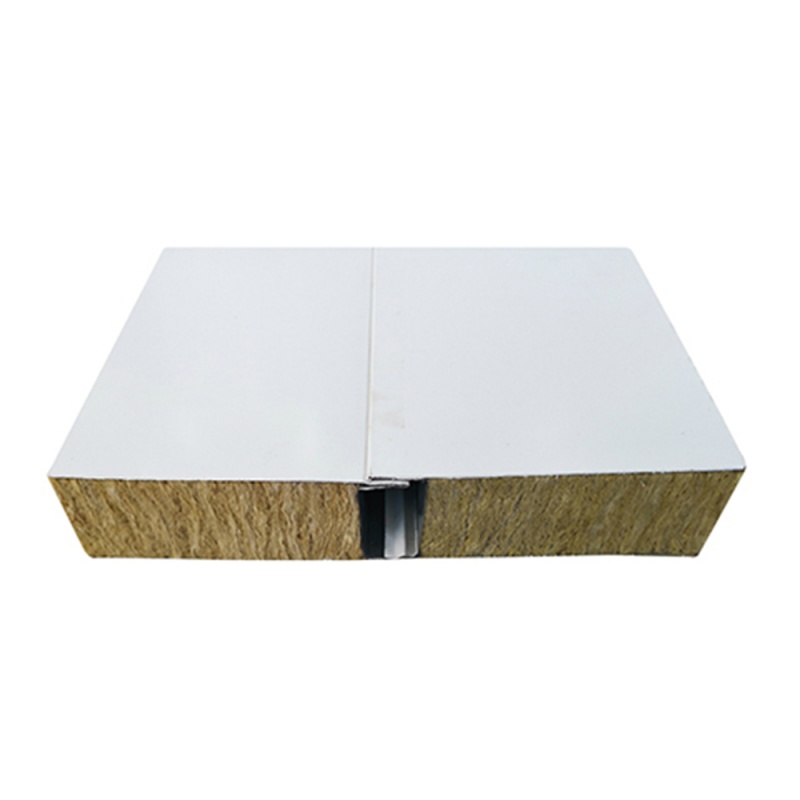
Installation of Rock Wool Core Cleanroom Panels

Installation von Reinraumplatten mit Polyurethan-Kern

Das Kernmaterial aus Polyurethan besteht aus einer Polyurethanschaum-Füllung; es bietet hervorragende Wärmedämm- und Dichtungseigenschaften und vereint hohe strukturelle Festigkeit mit einem moderaten Gewicht. Während der Montage kann die Anordnung der tragenden Kielstruktur an das jeweilige Anwendungsszenario angepasst werden. Beispielsweise erfordert der Bau einer Kühlraumanlage – bei der die Anforderungen an die Wärmedämmung besonders hoch sind – Reinraumplatten mit überlegenen Dämmeigenschaften, um den Energieverbrauch zu minimieren. In solchen Fällen lässt sich die Kielanordnung flexibel an praktische Faktoren wie die räumliche Struktur der Kühlraumanlage und die Positionierung der Kälteanlagen anpassen.

Da Polyurethan-Materialien bei hohen Temperaturen schädliche Gase freisetzen können, ist die Verwendung offener Flammen während des Installationsprozesses strikt untersagt, und es muss für eine ausreichende Lüftung gesorgt werden. Darüber hinaus weisen Polyurethan-Platten in der Regel an ihren Fugen ein Nut-Feder-Verbindungssystem auf; bei der Installation ist es entscheidend, dass diese ineinandergreifenden Profile fest miteinander verriegelt werden, um die gesamte Luftdichtheit der Konstruktion zu verbessern. Als Beispiel dient eine Kühl-Lagereinrichtung für Lebensmittel: Wenn die Nut-Feder-Verbindungen nicht fest ineinandergreifen, kann Außenluft leicht eindringen. Dies kann zu Temperaturschwankungen im Kühlbereich führen und dadurch die Wirksamkeit der Lebensmittelkonservierung beeinträchtigen.
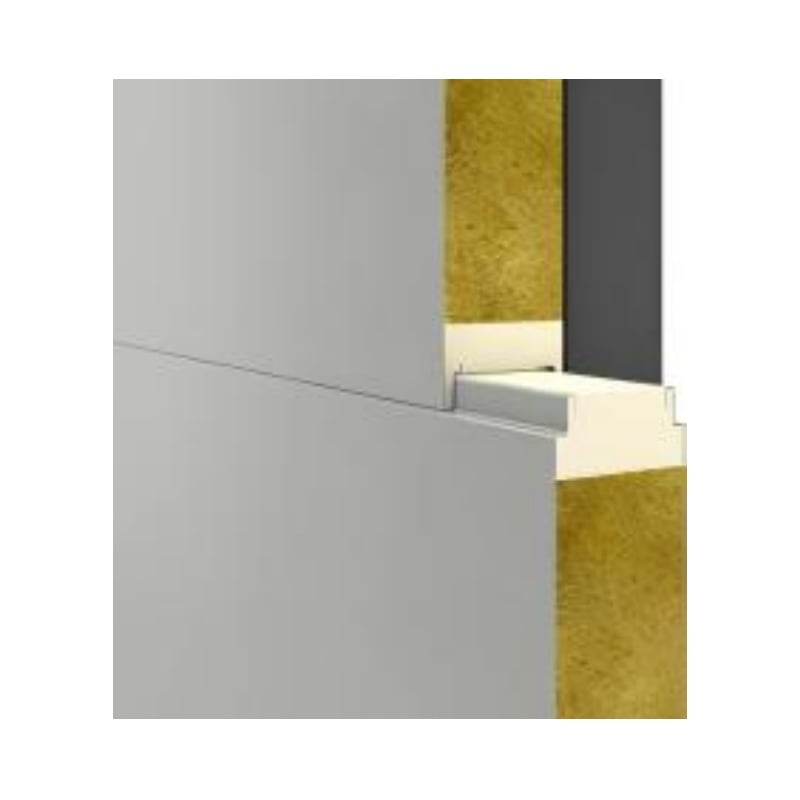
Installation of Polyurethane Core Cleanroom Panels

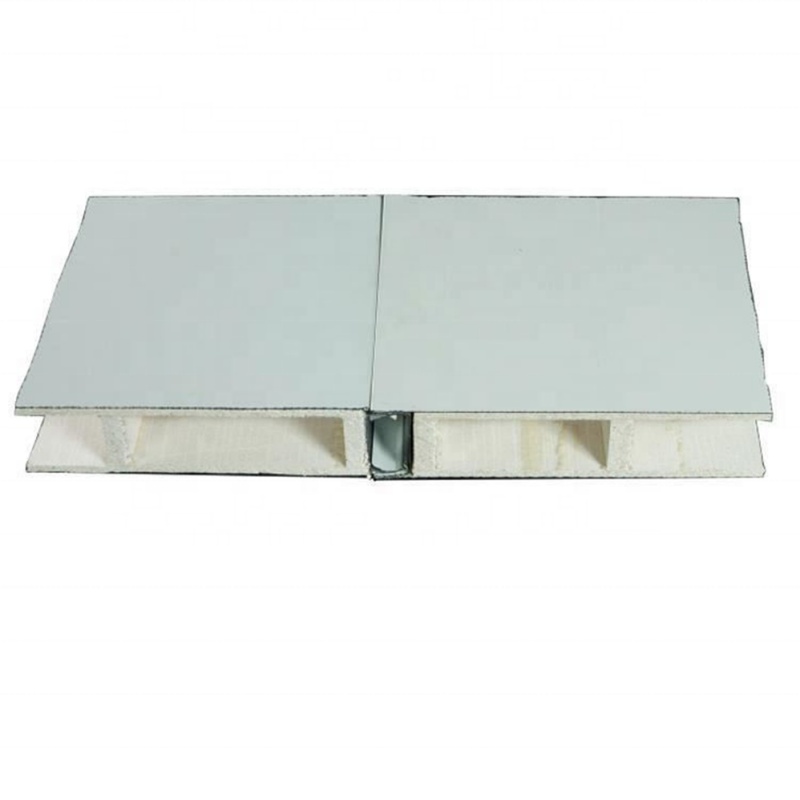
Installation von Hohlplatten mit Magnesiumoxid-Kern für Reinräume

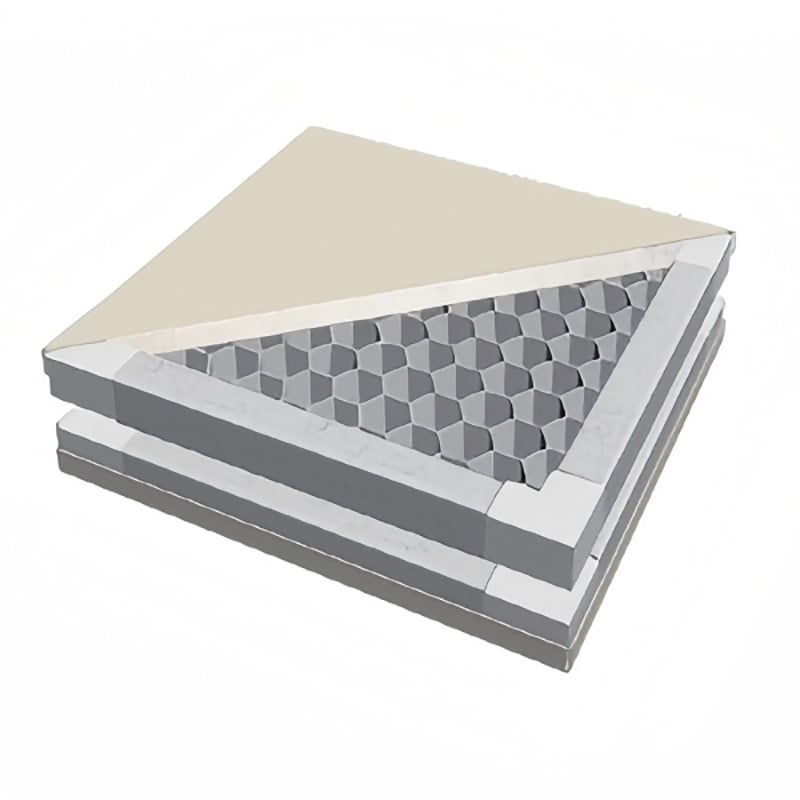
Hohlplatten mit Magnesiumoxid-Kern bestehen typischerweise aus einer waben- oder gitterförmigen, hohlen Innensstruktur, die mit Magnesiumoxid-Platten (Faceboards) verbunden ist. Aufgrund ihres geringen Gewichts ermöglichen sie eine relativ bequeme Montage. Allerdings stellt ihre Installation hohe Anforderungen an die Ebenheit des Untergrunds (Basisschicht). Die Oberfläche des Untergrunds muss eben, trocken und sauber sein; überschreitet die Ebenheitsabweichung des Untergrunds die zulässige Toleranz (im Allgemeinen darf der Ebenheitsfehler innerhalb einer Spannweite von 2 Metern 5 mm nicht überschreiten), haften die Reinraumplatten nach der Montage nicht dicht am Untergrund an, was zu übermäßig breiten Fugen zwischen den Platten führt. Bei der Errichtung von Reinräumen für die Elektronikindustrie können bei zu breiten Fugen Staub und andere Verunreinigungen leicht eindringen, wodurch die strengen Anforderungen an die Umgebungsreinheit, die für die Elektronikfertigung erforderlich sind, nicht erfüllt werden können.

Bei der Befestigung der Paneele werden üblicherweise Verfahren wie selbstschneidende Schrauben eingesetzt. Spezifische Anforderungen regeln den Abstand dieser Schrauben, die im Allgemeinen innerhalb eines angemessenen Bereichs gleichmäßig verteilt sind, um eine feste Verankerung der Paneele zu gewährleisten. Darüber hinaus ist die Behandlung der Fugen zwischen den Paneelen ebenfalls von entscheidender Bedeutung; sie müssen mit Dichtungsmaterialien ausgefüllt werden, um eine wirksame Abdichtung zu gewährleisten und Luftverluste zu verhindern.
cleanroom panels factory Installation of Rock Wool Core Cleanroom Panels Rock wool core material is manufactured from natural rock through a high-temperature melting process; it is relatively heavy and possesses a certain degree of rigidity. During installation, the load-bearing capacity of the supporting keel structure is of paramount importance. Based on the weight of the panels, the spacing between keels must be designed scientifically and rationally to prevent panel deformation caused by insufficient load-bearing support. For instance, if rock wool cleanroom panels are utilized as wall materials in a large-scale industrial facility with stringent fire safety requirements, setting the keel spacing too wide—given the substantial weight of the rock wool panels—could eventually lead to sagging or deformation of the panels over time, thereby compromising both aesthetic appeal and operational safety.  Furthermore, the cut edges of rock wool panels are prone to generating dust. Consequently, appropriate protective measures must be implemented during installation—such as requiring construction personnel to wear professional dust-proof masks and deploying localized dust extraction equipment in cutting zones—to prevent dust contamination within the cleanroom environment. When joining panels, it is imperative to ensure that the seams are tightly fitted; this is essential for effectively guaranteeing thermal insulation and soundproofing performance. For example, in the construction of medical operating rooms—where noise control standards are exceptionally strict—tightly fitted seams can significantly minimize the intrusion of external noise while simultaneously preventing thermal exchange between the indoor and outdoor environments, thereby maintaining stable indoor temperatures.  Installation of Rock Wool Core Cleanroom Panels  Installation of Polyurethane Core Cleanroom Panels Polyurethane core material consists of a polyurethane foam filling; it offers excellent thermal insulation and sealing properties, combining high structural strength with a moderate weight. During installation, the layout of the supporting keel structure can be adjusted to suit the specific application scenario. For instance, in the construction of a cold storage facility—where thermal insulation requirements are particularly high—the low internal temperatures necessitate cleanroom panels with superior insulating capabilities to minimize energy consumption. In such cases, the keel layout can be flexibly configured based on practical factors such as the spatial structure of the cold storage unit and the positioning of refrigeration equipment.  However, since polyurethane materials may release harmful gases when exposed to high temperatures, the use of open flames must be strictly prohibited during the installation process, and adequate ventilation must be ensured. Additionally, polyurethane panels typically feature a tongue-and-groove interlocking design at their joints; during installation, it is crucial to ensure that these interlocking profiles engage tightly to enhance the overall airtightness of the structure. Taking a food cold storage facility as an example: if the tongue-and-groove joints do not interlock tightly, outside air can easily infiltrate. This may lead to temperature fluctuations within the cold storage area, thereby compromising the effectiveness of food preservation.  Installation of Polyurethane Core Cleanroom Panels  Installation of Hollow Magnesium Oxide Core Cleanroom Panels

Wichtige Montagehinweise für Reinraumpaneele mit Aluminium-Wabenkern

Reinraumpaneele mit Aluminium-Wabenkern bieten zahlreiche Vorteile, wie beispielsweise eine hohe strukturelle Festigkeit und eine ausgezeichnete Oberflächenebenheit. Bei der Montage lässt sich aufgrund der relativ gleichmäßigen Gewichtsverteilung der Platten das Konzept des tragenden Unterkonstruktionssystems anhand der spezifischen Plattenabmessungen sowie der jeweiligen Umgebungsbedingungen vor Ort bestimmen. Bei Großprojekten in kommerziellen Einkaufszentren – insbesondere bei der Verkleidung zentraler Klimaanlagen-Lüftungskanäle – erfordert der Einsatz von Aluminium-Waben-Reinraumplatten eine auf die Form und Abmessungen der Lüftungskanäle sowie die gesamte räumliche Anordnung im Einkaufszentrum abgestimmte Unterkonstruktionsplanung.

Bei der Verbindung von Reinraumplatten mit Aluminium-Wabenkern ist ein hohes Maß an Präzision erforderlich. Es ist unbedingt sicherzustellen, dass alle Fugen eben und dicht verschlossen sind, um ein ansprechendes Erscheinungsbild zu erzielen und die optimale Gesamtleistung aufrechtzuerhalten. Darüber hinaus ist während des Installationsprozesses besondere Sorgfalt beim Schutz der Plattenoberflächen geboten; es sind Vorkehrungen zu treffen, um Kratzer oder Stöße zu vermeiden, die Oberflächenschäden verursachen und damit sowohl die optische Attraktivität als auch die funktionale Integrität der Platten beeinträchtigen könnten.
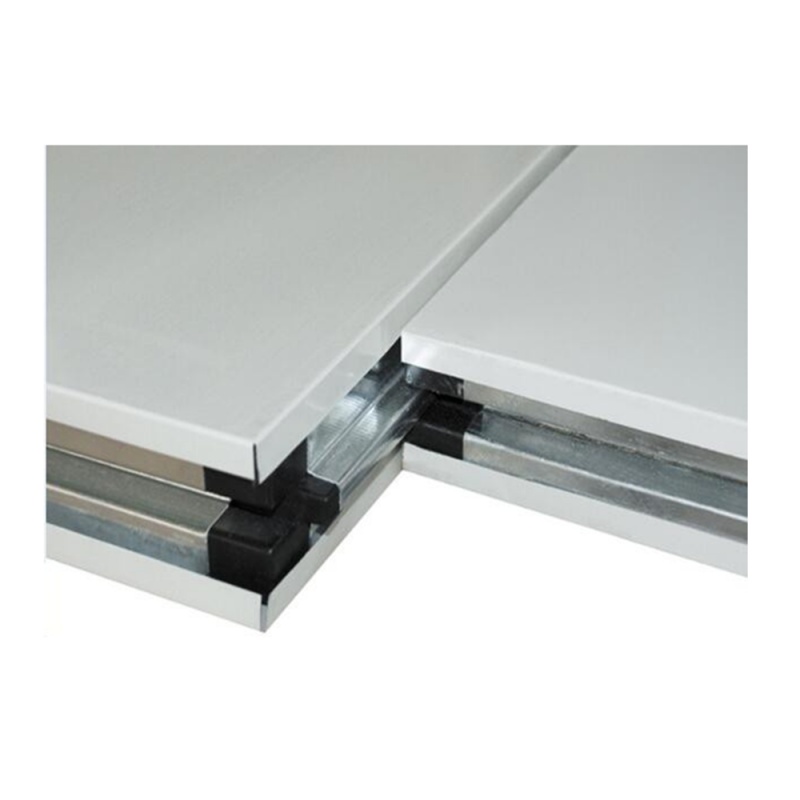
Key Installation Points for Aluminum Honeycomb Core Cleanroom Panels

Installationsaspekte für Reinraumplatten mit Magnesiumoxid-Steinwollkern

Platten mit Magnesiumoxid-(MgO-) und Steinwollkern kombinieren die unterschiedlichen Eigenschaften beider Materialien. Bei der Montage ist es erforderlich, die spezifischen Anforderungen zu berücksichtigen, die durch den Steinwollkern gestellt werden – insbesondere hinsichtlich seiner Feuerbeständigkeit und seiner Wärmedämmungseigenschaften – und gleichzeitig die besonderen Merkmale der Magnesiumoxid-Verkleidungsplatten zu berücksichtigen. Bei der Befestigung der Platten ist es entscheidend, sicherzustellen, dass die Befestigungselemente fest durch die Magnesiumoxidplatte hindurchgreifen, um eine sichere Verbindung mit der tragenden Unterkonstruktion herzustellen und damit die strukturelle Stabilität der gesamten Montage zu gewährleisten. Bei Reinraumbauprojekten in pharmazeutischen Produktionsanlagen kann eine unzureichende Befestigung zu einer Lockerung der Platten während nachfolgender Betriebsphasen führen, etwa ausgelöst durch Faktoren wie Maschinenvibrationen innerhalb der Werkstatt.

Bei der Behandlung von Fugen zwischen Platten müssen die Spalte zunächst mit einem geeigneten Dichtungsmaterial gefüllt und anschließend entsprechend oberflächenbearbeitet werden, um sowohl die Luftdichtheit als auch die ästhetische Kontinuität der Fugen sicherzustellen. Darüber hinaus sind Magnesiumoxidplatten in feuchteempfindlichen Umgebungen anfällig für feuchtebedingte Probleme – beispielsweise das sogenannte „Schwitzen“ oder Feuchtigkeitswanderung –; daher sind während der Montage wirksame feuchtigkeitsabdichtende Maßnahmen zu ergreifen; Beispiele hierfür sind das Aufbringen feuchtigkeitsbeständiger Beschichtungen auf den Untergrund.
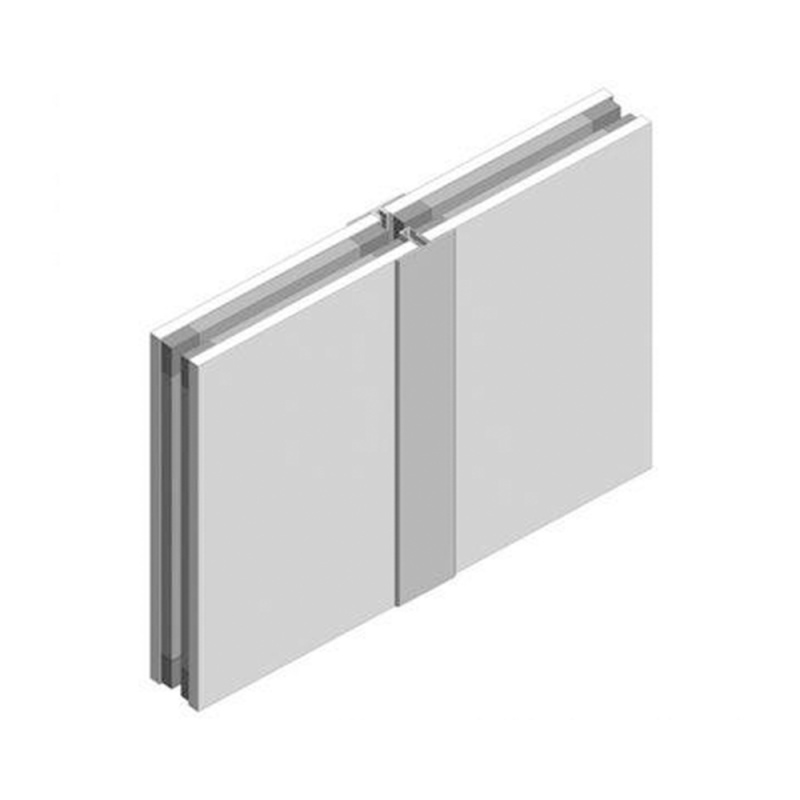
cleanroom panels factory Installation of Rock Wool Core Cleanroom Panels Rock wool core material is manufactured from natural rock through a high-temperature melting process; it is relatively heavy and possesses a certain degree of rigidity. During installation, the load-bearing capacity of the supporting keel structure is of paramount importance. Based on the weight of the panels, the spacing between keels must be designed scientifically and rationally to prevent panel deformation caused by insufficient load-bearing support. For instance, if rock wool cleanroom panels are utilized as wall materials in a large-scale industrial facility with stringent fire safety requirements, setting the keel spacing too wide—given the substantial weight of the rock wool panels—could eventually lead to sagging or deformation of the panels over time, thereby compromising both aesthetic appeal and operational safety.  Furthermore, the cut edges of rock wool panels are prone to generating dust. Consequently, appropriate protective measures must be implemented during installation—such as requiring construction personnel to wear professional dust-proof masks and deploying localized dust extraction equipment in cutting zones—to prevent dust contamination within the cleanroom environment. When joining panels, it is imperative to ensure that the seams are tightly fitted; this is essential for effectively guaranteeing thermal insulation and soundproofing performance. For example, in the construction of medical operating rooms—where noise control standards are exceptionally strict—tightly fitted seams can significantly minimize the intrusion of external noise while simultaneously preventing thermal exchange between the indoor and outdoor environments, thereby maintaining stable indoor temperatures.  Installation of Rock Wool Core Cleanroom Panels  Installation of Polyurethane Core Cleanroom Panels Polyurethane core material consists of a polyurethane foam filling; it offers excellent thermal insulation and sealing properties, combining high structural strength with a moderate weight. During installation, the layout of the supporting keel structure can be adjusted to suit the specific application scenario. For instance, in the construction of a cold storage facility—where thermal insulation requirements are particularly high—the low internal temperatures necessitate cleanroom panels with superior insulating capabilities to minimize energy consumption. In such cases, the keel layout can be flexibly configured based on practical factors such as the spatial structure of the cold storage unit and the positioning of refrigeration equipment.  However, since polyurethane materials may release harmful gases when exposed to high temperatures, the use of open flames must be strictly prohibited during the installation process, and adequate ventilation must be ensured. Additionally, polyurethane panels typically feature a tongue-and-groove interlocking design at their joints; during installation, it is crucial to ensure that these interlocking profiles engage tightly to enhance the overall airtightness of the structure. Taking a food cold storage facility as an example: if the tongue-and-groove joints do not interlock tightly, outside air can easily infiltrate. This may lead to temperature fluctuations within the cold storage area, thereby compromising the effectiveness of food preservation.  Installation of Polyurethane Core Cleanroom Panels  Installation of Hollow Magnesium Oxide Core Cleanroom Panels Hollow magnesium oxide core panels typically consist of a honeycomb or grid-like hollow internal structure bonded to magnesium oxide faceboards. Being lightweight, they offer relatively convenient installation. However, their installation places stringent demands on the flatness of the substrate (base layer). The substrate surface must be flat, dry, and clean; if the flatness deviation of the substrate exceeds the specified tolerance (generally, the flatness error must not exceed 5 mm within any 2-meter span), the cleanroom panels will fail to adhere tightly to the substrate after installation, resulting in excessively wide panel seams. In the construction of electronic cleanrooms, if panel seams are too wide, dust and other impurities can easily enter, making it impossible to meet the rigorous environmental cleanliness standards required for electronics manufacturing.  When securing the panels, methods such as self-tapping screws are typically employed. Specific requirements govern the spacing of these screws, which are generally distributed uniformly within a reasonable range to ensure the panels are firmly anchored. Furthermore, the treatment of panel seams is equally critical; they must be filled with sealing materials to ensure an effective seal and prevent air leakage.  cleanroom panels factory Installation of Rock Wool Core Cleanroom Panels Rock wool core material is manufactured from natural rock through a high-temperature melting process; it is relatively heavy and possesses a certain degree of rigidity. During installation, the load-bearing capacity of the supporting keel structure is of paramount importance. Based on the weight of the panels, the spacing between keels must be designed scientifically and rationally to prevent panel deformation caused by insufficient load-bearing support. For instance, if rock wool cleanroom panels are utilized as wall materials in a large-scale industrial facility with stringent fire safety requirements, setting the keel spacing too wide—given the substantial weight of the rock wool panels—could eventually lead to sagging or deformation of the panels over time, thereby compromising both aesthetic appeal and operational safety.  Furthermore, the cut edges of rock wool panels are prone to generating dust. Consequently, appropriate protective measures must be implemented during installation—such as requiring construction personnel to wear professional dust-proof masks and deploying localized dust extraction equipment in cutting zones—to prevent dust contamination within the cleanroom environment. When joining panels, it is imperative to ensure that the seams are tightly fitted; this is essential for effectively guaranteeing thermal insulation and soundproofing performance. For example, in the construction of medical operating rooms—where noise control standards are exceptionally strict—tightly fitted seams can significantly minimize the intrusion of external noise while simultaneously preventing thermal exchange between the indoor and outdoor environments, thereby maintaining stable indoor temperatures.  Installation of Rock Wool Core Cleanroom Panels  Installation of Polyurethane Core Cleanroom Panels Polyurethane core material consists of a polyurethane foam filling; it offers excellent thermal insulation and sealing properties, combining high structural strength with a moderate weight. During installation, the layout of the supporting keel structure can be adjusted to suit the specific application scenario. For instance, in the construction of a cold storage facility—where thermal insulation requirements are particularly high—the low internal temperatures necessitate cleanroom panels with superior insulating capabilities to minimize energy consumption. In such cases, the keel layout can be flexibly configured based on practical factors such as the spatial structure of the cold storage unit and the positioning of refrigeration equipment.  However, since polyurethane materials may release harmful gases when exposed to high temperatures, the use of open flames must be strictly prohibited during the installation process, and adequate ventilation must be ensured. Additionally, polyurethane panels typically feature a tongue-and-groove interlocking design at their joints; during installation, it is crucial to ensure that these interlocking profiles engage tightly to enhance the overall airtightness of the structure. Taking a food cold storage facility as an example: if the tongue-and-groove joints do not interlock tightly, outside air can easily infiltrate. This may lead to temperature fluctuations within the cold storage area, thereby compromising the effectiveness of food preservation.  Installation of Polyurethane Core Cleanroom Panels  Installation of Hollow Magnesium Oxide Core Cleanroom Panels  Key Installation Points for Aluminum Honeycomb Core Cleanroom Panels Aluminum honeycomb core cleanroom panels offer numerous advantages, such as high structural strength and excellent surface flatness. During installation, given the relatively uniform distribution of the panels' weight, the design of the supporting keel system can be determined based on the specific panel specifications and the ambient installation environment. In large-scale commercial shopping malls—specifically for projects involving the enclosure of central air conditioning ventilation ducts—the use of aluminum honeycomb cleanroom panels necessitates a keel design tailored to the shape and dimensions of the ventilation ducts, as well as the overall spatial layout of the mall.  When splicing aluminum honeycomb cleanroom panels, a high degree of precision is required. It is essential to ensure that all joints are flat and tightly sealed to achieve an aesthetically pleasing appearance and maintain optimal overall performance. Furthermore, during the installation process, great care must be taken to protect the panel surfaces; precautions should be implemented to prevent scratches or impacts that could cause surface damage, thereby compromising both the visual appeal and the functional integrity of the panels.  Key Installation Points for Aluminum Honeycomb Core Cleanroom Panels  Installation Considerations for Magnesium Oxide Rock Wool Core Cleanroom Panels

Bei der Montage von Reinigungsplatten mit unterschiedlichen Kernmaterialien müssen spezifische Maßnahmen ergriffen werden – angepasst an die Eigenschaften des Kernmaterials – hinsichtlich Konstruktion der Unterkonstruktion, Feuchtigkeits- und Brandschutzbehandlungen, Fugenbildung der Platten sowie Schutzmaßnahmen während der Handhabung. Dadurch wird die Montagequalität sichergestellt und die Reinigungsplatten können ihre volle Leistungsfähigkeit entfalten. In konkreten technischen Projekten sollte die Auswahl von Reinigungsplatten mit geeigneten Kernmaterialien auf einer umfassenden Bewertung verschiedener Faktoren beruhen, wie beispielsweise dem konkreten Anwendungsszenario, den Umgebungsanforderungen und dem verfügbaren Budget; darüber hinaus ist die Ausführung der Arbeiten strikt gemäß den jeweiligen Montageanleitungen vorzunehmen.
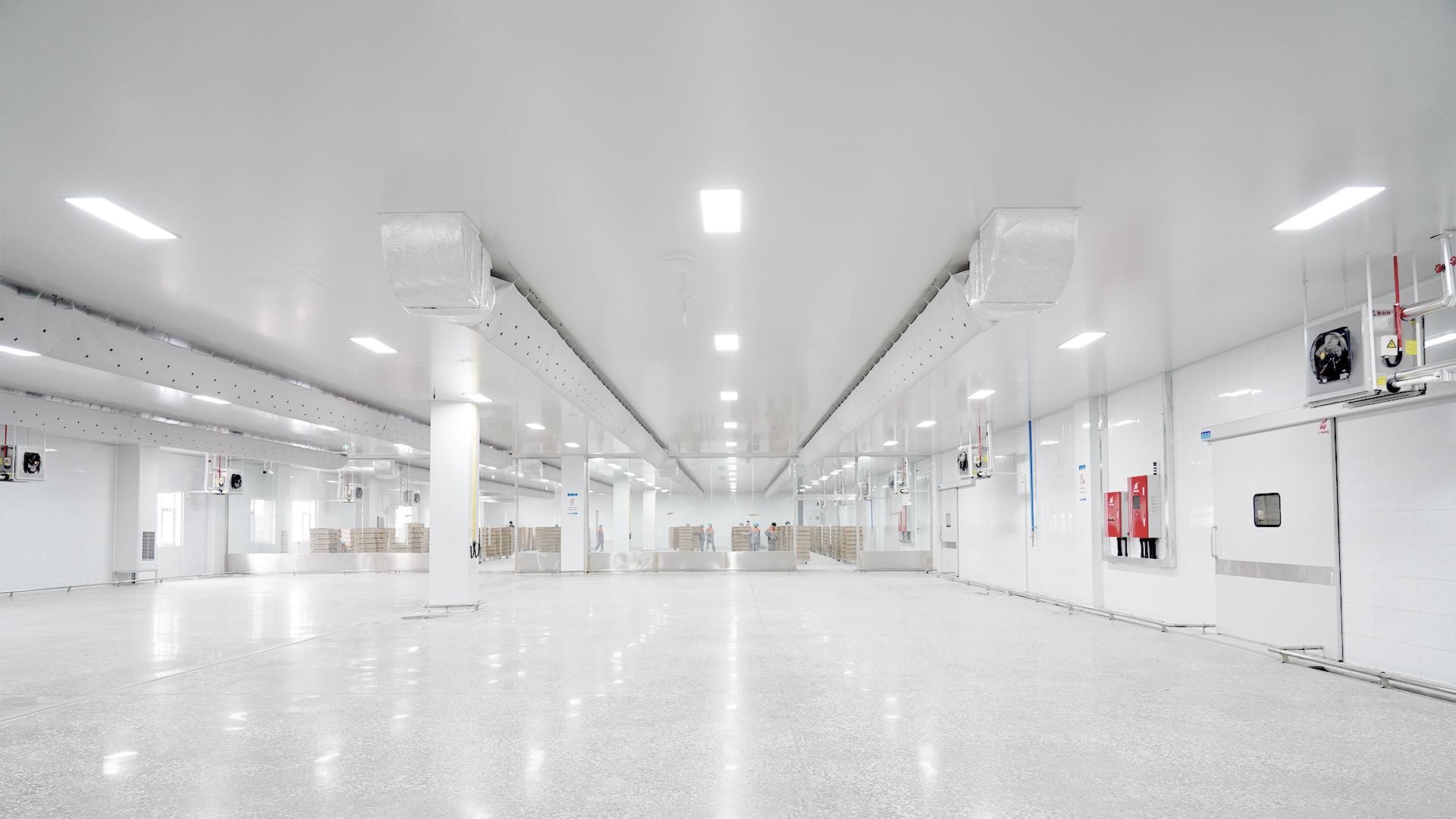
Cleanroom Enclosure System for Shandong Boda Food (1).jpg

Fordern Sie jetzt ein kostenloses Angebot für Ihr Projekt an

Ob es sich um eine Stahlhalle, eine Kühlhalle oder ein Reinraumsystem handelt – wir bieten wettbewerbsfähige Fabrikpreise und professionelle Planung.
E-Mail
Name
Mobiltelefon/WhatsApp
Unternehmensname
Nachricht
0/1000