프로젝트 무료 견적 받기

철골 공장, 냉장 창고 또는 클린룸 시스템이든 간에, 당사는 경쟁력 있는 공장 가격과 전문적인 설계 서비스를 제공합니다.
이메일
이름
휴대전화/WhatsApp
회사명
문의 내용
0/1000

산업 뉴스

홈페이지 >  자원 >  산업 뉴스

다른 코어 재료를 사용하는 클린룸 패널의 설치 방식에는 차이가 있습니까?

Apr 14, 2026

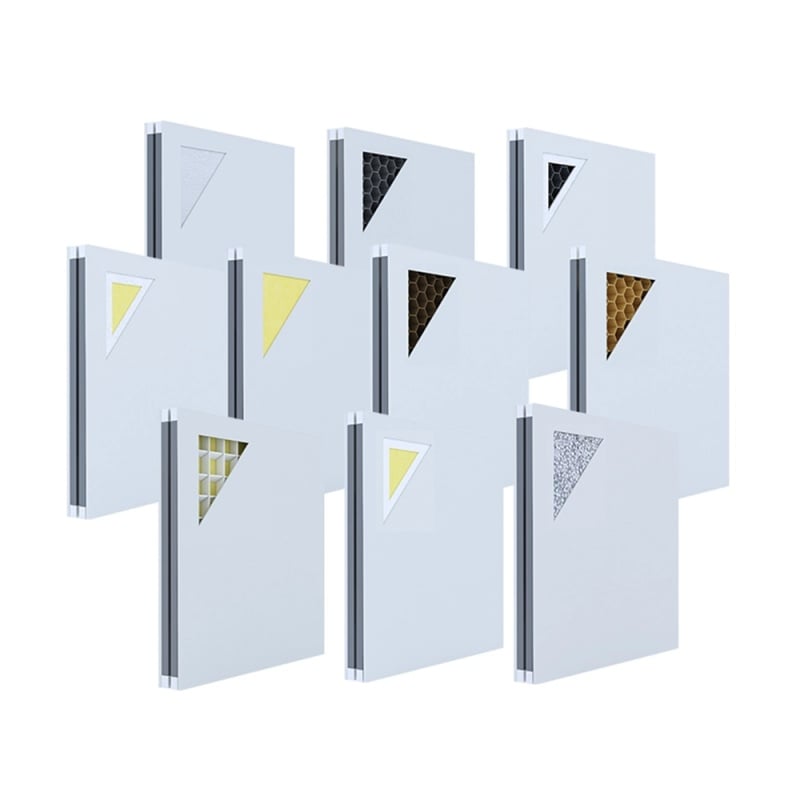
클린룸 패널 이러한 패널은 전자제품, 제약, 식품 가공 등 엄격한 환경 요구 조건이 적용되는 산업 분야에서 널리 사용되며, 청결하고 위생적인 공간 환경을 조성하는 데 사용됩니다. 이 패널은 암면, 중공 마그네슘 옥사이드, 알루미늄 하니콤, 마그네슘 옥사이드-암면 복합재 등 다양한 코어 재료로 제조됩니다. 각 코어 재료는 고유한 물리적 특성을 지니고 있으므로, 이에 따라 클린룸 패널의 설치 공정 역시 여러 가지 차이점을 보입니다.
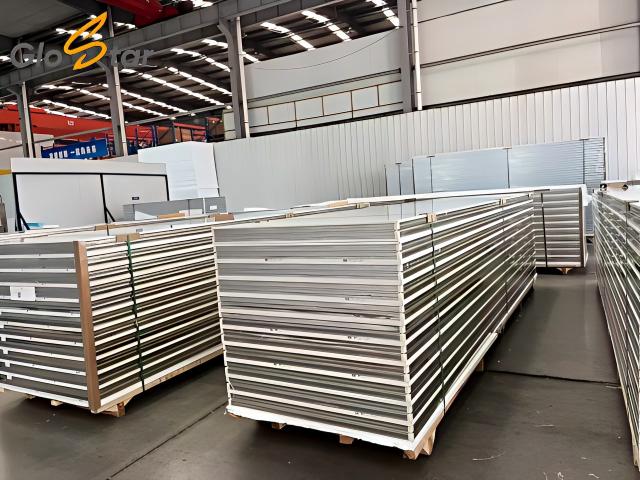
cleanroom panels factory

암면 코어 클린룸 패널 설치

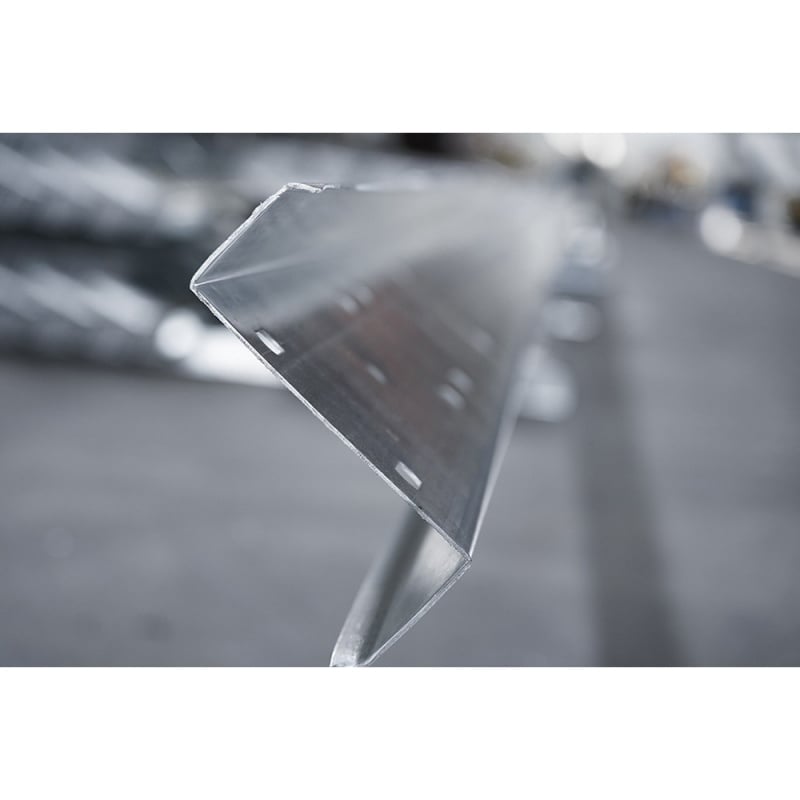
암면 코어 소재는 천연 암석을 고온 용융 공정을 통해 제조되며, 상대적으로 무겁고 일정 수준의 강성을 갖습니다. 설치 시 지지 케일 구조물의 하중 지지 능력이 매우 중요합니다. 패널의 중량에 따라 케일 간격을 과학적이고 합리적으로 설계해야 하며, 하중 지지 부족으로 인한 패널 변형을 방지해야 합니다. 예를 들어, 록울 청정실 패널 화재 안전 요구 사항이 엄격한 대규모 산업 시설의 벽재로 사용될 경우, 암면 패널의 상당한 중량을 고려하지 않고 케일 간격을 지나치게 넓게 설정하면 시간이 지남에 따라 패널이 처짐 또는 변형될 수 있어, 외관상 미관은 물론 운영 안전성까지 저해될 수 있습니다.

더욱이 암면 패널의 절단면은 먼지를 발생시키기 쉬우므로, 설치 시 적절한 보호 조치를 반드시 시행해야 한다. 예를 들어, 시공 인원에게 전문 방진 마스크 착용을 의무화하고, 절단 구역에 국소적 먼지 흡입 장비를 배치하여 클린룸 내부 환경으로의 먼지 오염을 방지해야 한다. 패널을 접합할 때는 이음새가 밀착되도록 정확히 맞추는 것이 필수적이며, 이는 열 절연 성능과 차음 성능을 효과적으로 확보하기 위해 매우 중요하다. 예컨대, 소음 제어 기준이 특히 엄격한 의료 수술실 건설 시에는 밀착된 이음새를 통해 외부 소음의 유입을 크게 줄일 수 있을 뿐만 아니라 실내외 간 열 교환도 방지함으로써 실내 온도를 안정적으로 유지할 수 있다.
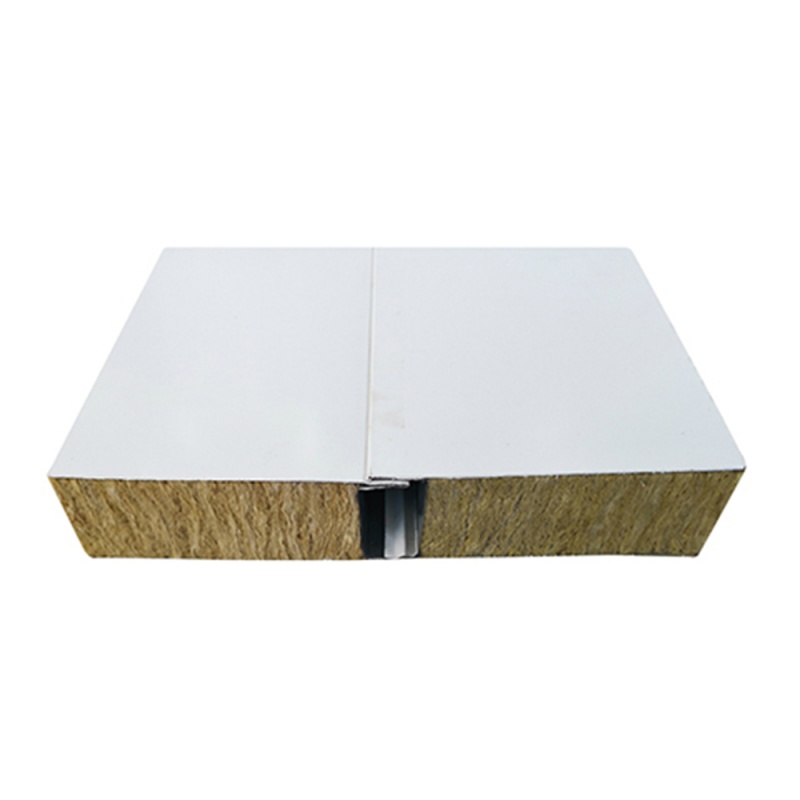
Installation of Rock Wool Core Cleanroom Panels

폴리우레탄 코어 클린룸 패널 설치

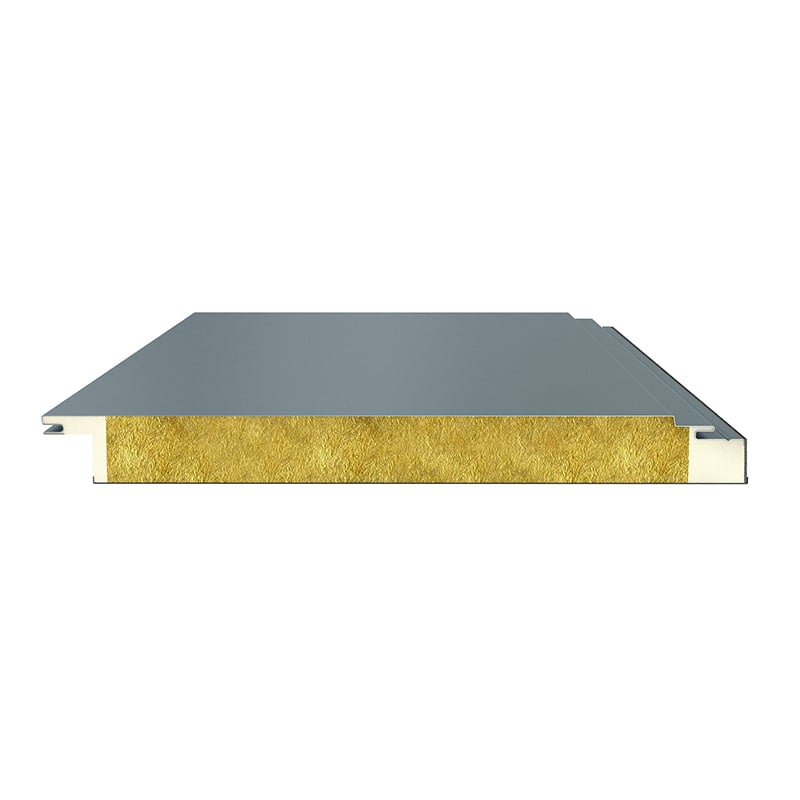
폴리우레탄 코어 소재는 폴리우레탄 폼 충진재로 구성되어 있으며, 뛰어난 단열성과 밀봉 성능을 제공하면서도 높은 구조 강도와 적정 중량을 동시에 실현합니다. 설치 시 지지 켈 구조의 배치를 특정 적용 상황에 맞게 조정할 수 있습니다. 예를 들어, 냉장 창고 건설과 같이 단열 요구 사양이 특히 높은 경우, 내부 저온 환경으로 인해 에너지 소비를 최소화하기 위해 우수한 단열 성능을 갖춘 클린룸 패널이 필요합니다. 이와 같은 경우, 냉장 창고의 공간 구조 및 냉동 설비의 배치 등 실무적 요인에 따라 켈 배치를 유연하게 구성할 수 있습니다.

그러나 폴리우레탄 소재는 고온에 노출될 경우 유해 가스를 방출할 수 있으므로, 설치 과정에서 개방 화염 사용은 엄격히 금지되어야 하며, 충분한 환기가 확보되어야 합니다. 또한 폴리우레탄 패널은 일반적으로 접합부에 홈과 돌기(톱니형)가 맞물리는 인터록 구조를 채택하고 있으며, 설치 시 이러한 인터록 프로파일이 단단히 맞물리도록 해야 구조 전체의 기밀성을 향상시킬 수 있습니다. 예를 들어 식품 냉장 저장 시설의 경우, 홈과 돌기 접합부가 단단히 맞물리지 않으면 외부 공기가 쉽게 유입될 수 있습니다. 이로 인해 냉장 저장 공간 내 온도 변동이 발생할 수 있으며, 결과적으로 식품 보존 효과가 저하될 수 있습니다.
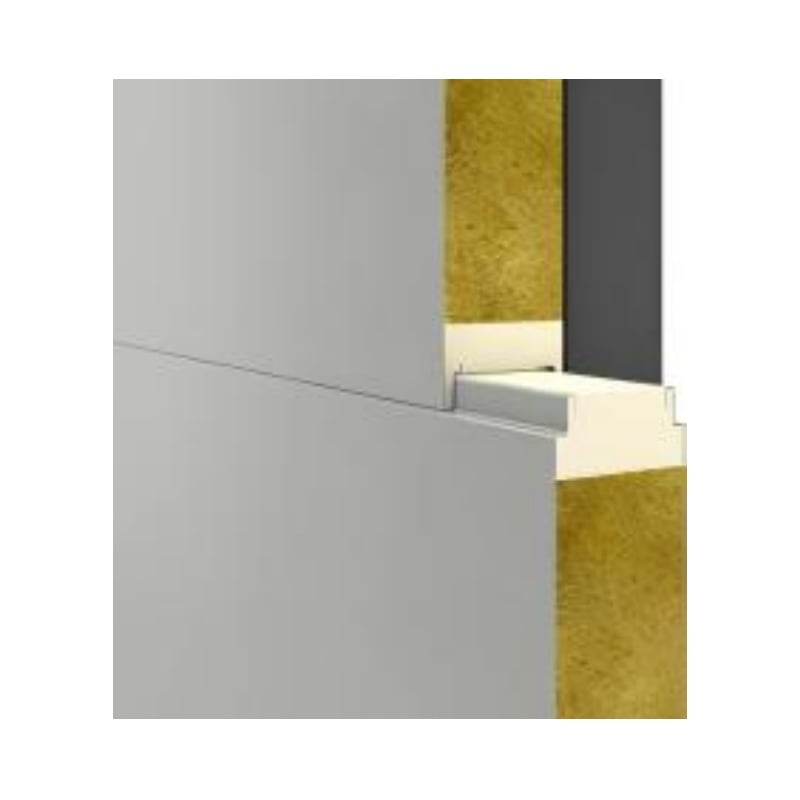
Installation of Polyurethane Core Cleanroom Panels

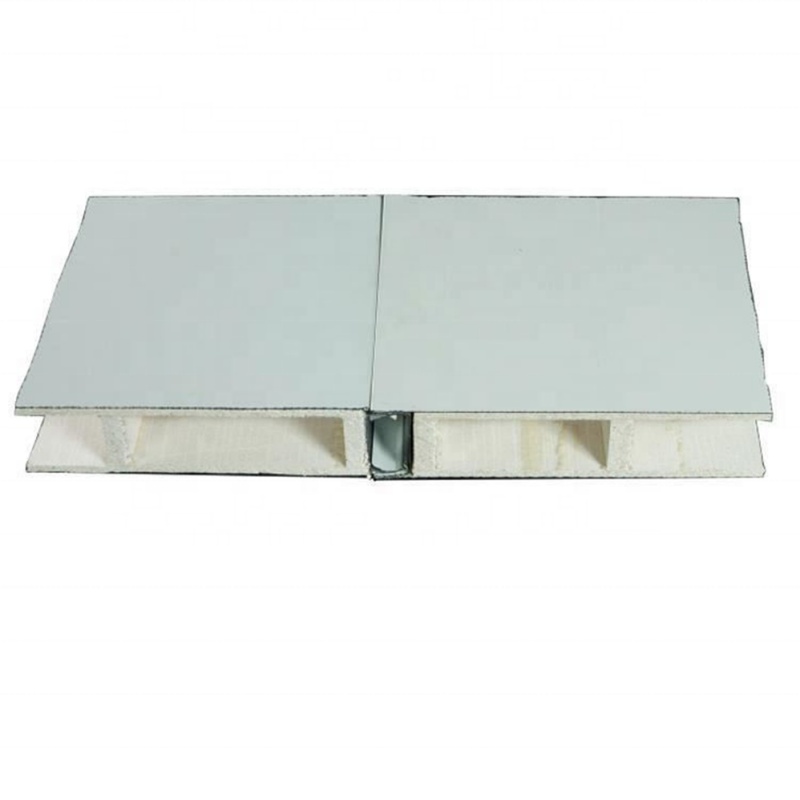
중공 산화마그네슘 코어 클린룸 패널 설치

중공 산화마그네슘 코어 패널 일반적으로 내부에 벌집 모양 또는 격자 형태의 중공 구조를 가지며, 이 구조가 산화마그네슘 표면판과 접합된 형태로 구성된다. 경량이기 때문에 비교적 편리한 시공이 가능하지만, 시공 시 기초층(베이스 레이어)의 평탄도에 대한 엄격한 요구 조건이 따른다. 기초층 표면은 평탄하고 건조하며 청결해야 하며, 기초층의 평탄도 편차가 규정된 허용 범위를 초과할 경우(일반적으로 2미터 구간 내에서 평탄도 오차는 5mm를 초과해서는 안 됨) 클린룸 패널이 시공 후 기초층에 밀착되지 않아 패널 이음새가 과도하게 벌어질 수 있다. 전자 클린룸 공사 시 패널 이음새가 지나치게 넓으면 먼지 및 기타 불순물이 쉽게 유입되어 전자제품 제조에 필요한 엄격한 환경 청정도 기준을 충족할 수 없게 된다.

패널을 고정할 때는 일반적으로 셀프타핑 나사와 같은 방법을 사용합니다. 이러한 나사의 간격은 특정 요구사항에 따라 정해지며, 일반적으로 패널이 단단히 고정될 수 있도록 합리적인 범위 내에서 균일하게 배치됩니다. 또한 패널 이음부 처리 역시 매우 중요하며, 이음부는 밀봉재로 충진하여 효과적인 밀봉을 확보하고 공기 누출을 방지해야 합니다.
cleanroom panels factory Installation of Rock Wool Core Cleanroom Panels Rock wool core material is manufactured from natural rock through a high-temperature melting process; it is relatively heavy and possesses a certain degree of rigidity. During installation, the load-bearing capacity of the supporting keel structure is of paramount importance. Based on the weight of the panels, the spacing between keels must be designed scientifically and rationally to prevent panel deformation caused by insufficient load-bearing support. For instance, if rock wool cleanroom panels are utilized as wall materials in a large-scale industrial facility with stringent fire safety requirements, setting the keel spacing too wide—given the substantial weight of the rock wool panels—could eventually lead to sagging or deformation of the panels over time, thereby compromising both aesthetic appeal and operational safety.  Furthermore, the cut edges of rock wool panels are prone to generating dust. Consequently, appropriate protective measures must be implemented during installation—such as requiring construction personnel to wear professional dust-proof masks and deploying localized dust extraction equipment in cutting zones—to prevent dust contamination within the cleanroom environment. When joining panels, it is imperative to ensure that the seams are tightly fitted; this is essential for effectively guaranteeing thermal insulation and soundproofing performance. For example, in the construction of medical operating rooms—where noise control standards are exceptionally strict—tightly fitted seams can significantly minimize the intrusion of external noise while simultaneously preventing thermal exchange between the indoor and outdoor environments, thereby maintaining stable indoor temperatures.  Installation of Rock Wool Core Cleanroom Panels  Installation of Polyurethane Core Cleanroom Panels Polyurethane core material consists of a polyurethane foam filling; it offers excellent thermal insulation and sealing properties, combining high structural strength with a moderate weight. During installation, the layout of the supporting keel structure can be adjusted to suit the specific application scenario. For instance, in the construction of a cold storage facility—where thermal insulation requirements are particularly high—the low internal temperatures necessitate cleanroom panels with superior insulating capabilities to minimize energy consumption. In such cases, the keel layout can be flexibly configured based on practical factors such as the spatial structure of the cold storage unit and the positioning of refrigeration equipment.  However, since polyurethane materials may release harmful gases when exposed to high temperatures, the use of open flames must be strictly prohibited during the installation process, and adequate ventilation must be ensured. Additionally, polyurethane panels typically feature a tongue-and-groove interlocking design at their joints; during installation, it is crucial to ensure that these interlocking profiles engage tightly to enhance the overall airtightness of the structure. Taking a food cold storage facility as an example: if the tongue-and-groove joints do not interlock tightly, outside air can easily infiltrate. This may lead to temperature fluctuations within the cold storage area, thereby compromising the effectiveness of food preservation.  Installation of Polyurethane Core Cleanroom Panels  Installation of Hollow Magnesium Oxide Core Cleanroom Panels

알루미늄 하니콤 코어 클린룸 패널의 주요 설치 요점

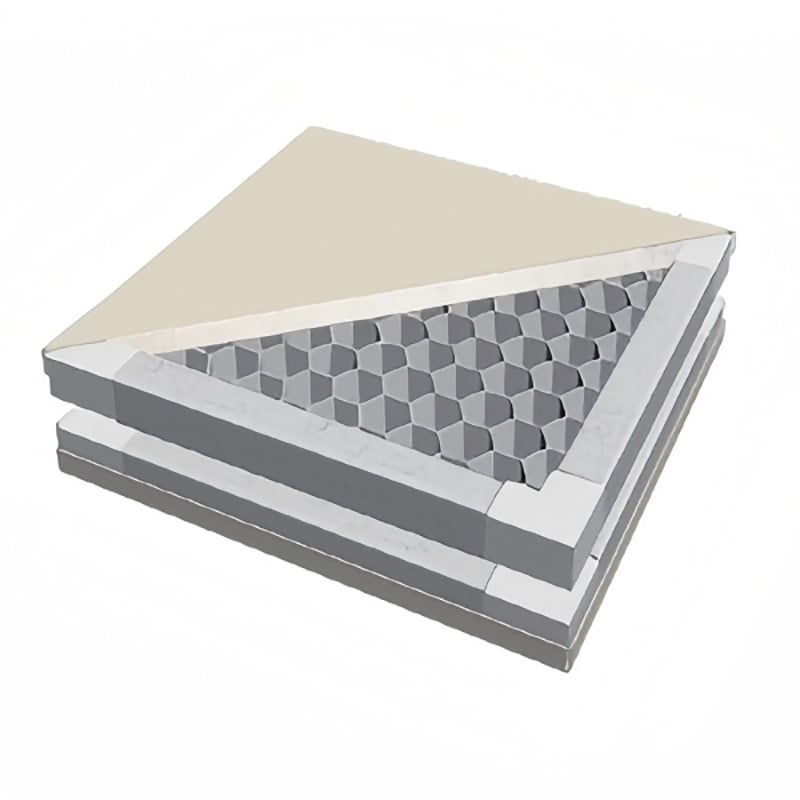
알루미늄 하니콤 클린룸 패널 높은 구조 강도와 뛰어난 표면 평탄도 등 다양한 장점을 제공합니다. 설치 시 패널의 중량이 비교적 균일하게 분포되기 때문에, 지지 케일 시스템의 설계는 특정 패널 사양 및 현장 설치 환경에 따라 결정할 수 있습니다. 대규모 상업용 쇼핑몰, 특히 중앙식 공기조화 환기 덕트를 외부에서 감싸는 프로젝트의 경우, 알루미늄 하니콤 클린룸 패널을 사용할 때는 환기 덕트의 형상과 치수뿐 아니라 쇼핑몰 전체의 공간 배치에 맞춘 케일 설계가 필요합니다.

알루미늄 하니콤 클린룸 패널을 이음매 처리할 때는 높은 정밀도가 요구됩니다. 모든 이음새가 평탄하고 밀착되도록 보장해야 하며, 이는 시각적으로 매력적인 외관을 확보하고 전반적인 성능을 최적화하기 위해 필수적입니다. 또한 설치 과정에서 패널 표면을 보호하기 위한 각별한 주의가 필요하며, 긁힘 또는 충격으로 인한 표면 손상을 방지하기 위한 예방 조치를 반드시 시행해야 합니다. 이러한 손상은 패널의 미적 외관뿐 아니라 기능적 완전성에도 악영향을 미칠 수 있습니다.
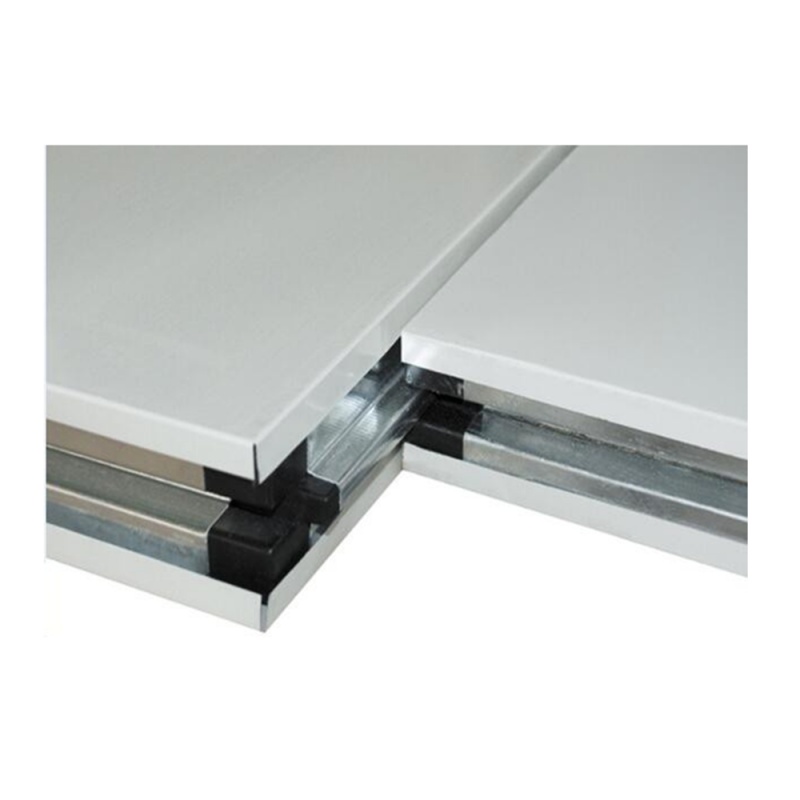
Key Installation Points for Aluminum Honeycomb Core Cleanroom Panels

마그네슘 옥사이드(MgO) 및 암면 코어 클린룸 패널 설치 고려 사항

마그네슘 옥사이드(MgO) 및 암면 코어를 적용한 패널 두 재료의 고유한 특성을 결합합니다. 설치 시 암면 코어가 요구하는 특정 조건—특히 내화성 및 단열 성능을 고려해야 하며, 동시에 산화마그네슘 표면 보드의 독특한 특성도 충족시켜야 합니다. 패널을 고정할 때는 고정 부재가 산화마그네슘 보드를 확실하게 관통하여 지지 케일과 견고하게 연결되도록 해야 하며, 이를 통해 전체 조립체의 구조적 안정성을 확보해야 합니다. 제약 공장 내 클린룸 건설 프로젝트의 경우, 부적절한 고정으로 인해 후속 작업 중 패널이 헐거워질 수 있으며, 이는 작업장 내 장비 진동 등 다양한 요인에 의해 유발될 수 있습니다.

패널 이음부 처리와 관련하여, 먼저 적절한 실란트 재료로 틈새를 채운 후, 이음부의 기밀성과 미적 연속성을 확보하기 위해 적절한 표면 마감 작업을 수행해야 한다. 또한, 산화마그네슘 보드는 고습도 환경에서 '땀 맺힘' 또는 습기 이동과 같은 습기 관련 문제에 취약하므로, 시공 시 강력한 방습 조치를 반드시 시행해야 한다. 예를 들어, 하부 기재에 습기 저항성 코팅을 적용하는 방법이 있다.
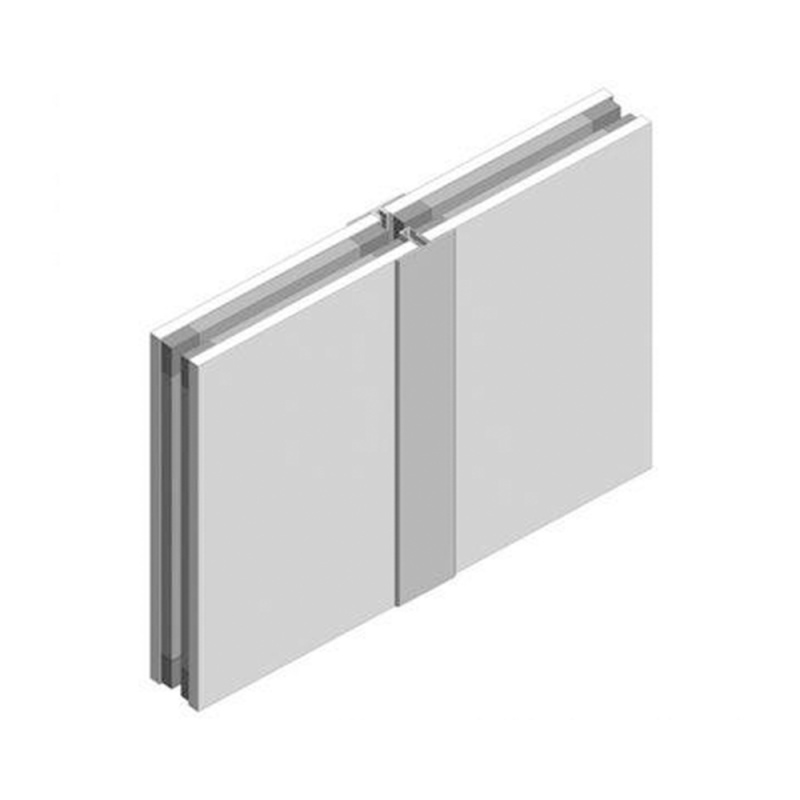
cleanroom panels factory Installation of Rock Wool Core Cleanroom Panels Rock wool core material is manufactured from natural rock through a high-temperature melting process; it is relatively heavy and possesses a certain degree of rigidity. During installation, the load-bearing capacity of the supporting keel structure is of paramount importance. Based on the weight of the panels, the spacing between keels must be designed scientifically and rationally to prevent panel deformation caused by insufficient load-bearing support. For instance, if rock wool cleanroom panels are utilized as wall materials in a large-scale industrial facility with stringent fire safety requirements, setting the keel spacing too wide—given the substantial weight of the rock wool panels—could eventually lead to sagging or deformation of the panels over time, thereby compromising both aesthetic appeal and operational safety.  Furthermore, the cut edges of rock wool panels are prone to generating dust. Consequently, appropriate protective measures must be implemented during installation—such as requiring construction personnel to wear professional dust-proof masks and deploying localized dust extraction equipment in cutting zones—to prevent dust contamination within the cleanroom environment. When joining panels, it is imperative to ensure that the seams are tightly fitted; this is essential for effectively guaranteeing thermal insulation and soundproofing performance. For example, in the construction of medical operating rooms—where noise control standards are exceptionally strict—tightly fitted seams can significantly minimize the intrusion of external noise while simultaneously preventing thermal exchange between the indoor and outdoor environments, thereby maintaining stable indoor temperatures.  Installation of Rock Wool Core Cleanroom Panels  Installation of Polyurethane Core Cleanroom Panels Polyurethane core material consists of a polyurethane foam filling; it offers excellent thermal insulation and sealing properties, combining high structural strength with a moderate weight. During installation, the layout of the supporting keel structure can be adjusted to suit the specific application scenario. For instance, in the construction of a cold storage facility—where thermal insulation requirements are particularly high—the low internal temperatures necessitate cleanroom panels with superior insulating capabilities to minimize energy consumption. In such cases, the keel layout can be flexibly configured based on practical factors such as the spatial structure of the cold storage unit and the positioning of refrigeration equipment.  However, since polyurethane materials may release harmful gases when exposed to high temperatures, the use of open flames must be strictly prohibited during the installation process, and adequate ventilation must be ensured. Additionally, polyurethane panels typically feature a tongue-and-groove interlocking design at their joints; during installation, it is crucial to ensure that these interlocking profiles engage tightly to enhance the overall airtightness of the structure. Taking a food cold storage facility as an example: if the tongue-and-groove joints do not interlock tightly, outside air can easily infiltrate. This may lead to temperature fluctuations within the cold storage area, thereby compromising the effectiveness of food preservation.  Installation of Polyurethane Core Cleanroom Panels  Installation of Hollow Magnesium Oxide Core Cleanroom Panels Hollow magnesium oxide core panels typically consist of a honeycomb or grid-like hollow internal structure bonded to magnesium oxide faceboards. Being lightweight, they offer relatively convenient installation. However, their installation places stringent demands on the flatness of the substrate (base layer). The substrate surface must be flat, dry, and clean; if the flatness deviation of the substrate exceeds the specified tolerance (generally, the flatness error must not exceed 5 mm within any 2-meter span), the cleanroom panels will fail to adhere tightly to the substrate after installation, resulting in excessively wide panel seams. In the construction of electronic cleanrooms, if panel seams are too wide, dust and other impurities can easily enter, making it impossible to meet the rigorous environmental cleanliness standards required for electronics manufacturing.  When securing the panels, methods such as self-tapping screws are typically employed. Specific requirements govern the spacing of these screws, which are generally distributed uniformly within a reasonable range to ensure the panels are firmly anchored. Furthermore, the treatment of panel seams is equally critical; they must be filled with sealing materials to ensure an effective seal and prevent air leakage.  cleanroom panels factory Installation of Rock Wool Core Cleanroom Panels Rock wool core material is manufactured from natural rock through a high-temperature melting process; it is relatively heavy and possesses a certain degree of rigidity. During installation, the load-bearing capacity of the supporting keel structure is of paramount importance. Based on the weight of the panels, the spacing between keels must be designed scientifically and rationally to prevent panel deformation caused by insufficient load-bearing support. For instance, if rock wool cleanroom panels are utilized as wall materials in a large-scale industrial facility with stringent fire safety requirements, setting the keel spacing too wide—given the substantial weight of the rock wool panels—could eventually lead to sagging or deformation of the panels over time, thereby compromising both aesthetic appeal and operational safety.  Furthermore, the cut edges of rock wool panels are prone to generating dust. Consequently, appropriate protective measures must be implemented during installation—such as requiring construction personnel to wear professional dust-proof masks and deploying localized dust extraction equipment in cutting zones—to prevent dust contamination within the cleanroom environment. When joining panels, it is imperative to ensure that the seams are tightly fitted; this is essential for effectively guaranteeing thermal insulation and soundproofing performance. For example, in the construction of medical operating rooms—where noise control standards are exceptionally strict—tightly fitted seams can significantly minimize the intrusion of external noise while simultaneously preventing thermal exchange between the indoor and outdoor environments, thereby maintaining stable indoor temperatures.  Installation of Rock Wool Core Cleanroom Panels  Installation of Polyurethane Core Cleanroom Panels Polyurethane core material consists of a polyurethane foam filling; it offers excellent thermal insulation and sealing properties, combining high structural strength with a moderate weight. During installation, the layout of the supporting keel structure can be adjusted to suit the specific application scenario. For instance, in the construction of a cold storage facility—where thermal insulation requirements are particularly high—the low internal temperatures necessitate cleanroom panels with superior insulating capabilities to minimize energy consumption. In such cases, the keel layout can be flexibly configured based on practical factors such as the spatial structure of the cold storage unit and the positioning of refrigeration equipment.  However, since polyurethane materials may release harmful gases when exposed to high temperatures, the use of open flames must be strictly prohibited during the installation process, and adequate ventilation must be ensured. Additionally, polyurethane panels typically feature a tongue-and-groove interlocking design at their joints; during installation, it is crucial to ensure that these interlocking profiles engage tightly to enhance the overall airtightness of the structure. Taking a food cold storage facility as an example: if the tongue-and-groove joints do not interlock tightly, outside air can easily infiltrate. This may lead to temperature fluctuations within the cold storage area, thereby compromising the effectiveness of food preservation.  Installation of Polyurethane Core Cleanroom Panels  Installation of Hollow Magnesium Oxide Core Cleanroom Panels  Key Installation Points for Aluminum Honeycomb Core Cleanroom Panels Aluminum honeycomb core cleanroom panels offer numerous advantages, such as high structural strength and excellent surface flatness. During installation, given the relatively uniform distribution of the panels' weight, the design of the supporting keel system can be determined based on the specific panel specifications and the ambient installation environment. In large-scale commercial shopping malls—specifically for projects involving the enclosure of central air conditioning ventilation ducts—the use of aluminum honeycomb cleanroom panels necessitates a keel design tailored to the shape and dimensions of the ventilation ducts, as well as the overall spatial layout of the mall.  When splicing aluminum honeycomb cleanroom panels, a high degree of precision is required. It is essential to ensure that all joints are flat and tightly sealed to achieve an aesthetically pleasing appearance and maintain optimal overall performance. Furthermore, during the installation process, great care must be taken to protect the panel surfaces; precautions should be implemented to prevent scratches or impacts that could cause surface damage, thereby compromising both the visual appeal and the functional integrity of the panels.  Key Installation Points for Aluminum Honeycomb Core Cleanroom Panels  Installation Considerations for Magnesium Oxide Rock Wool Core Cleanroom Panels

다양한 코어 소재를 사용하는 정화 패널을 설치할 때는 케일 설계, 습기 및 화재 방지 처리, 패널 이음부 처리, 취급 보호 조치 등에 대해 각 코어 소재의 특성에 맞춘 구체적인 대책을 수립해야 한다. 이를 통해 설치 품질을 확보하고, 정화 패널이 최적의 성능을 발휘할 수 있도록 해야 한다. 실제 공사 프로젝트에서는 구체적인 적용 환경, 환경 요구 사항, 예산 등을 종합적으로 평가하여 적절한 코어 소재를 갖춘 정화 패널을 선정해야 하며, 또한 관련 설치 지침을 엄격히 준수하여 시공해야 한다.
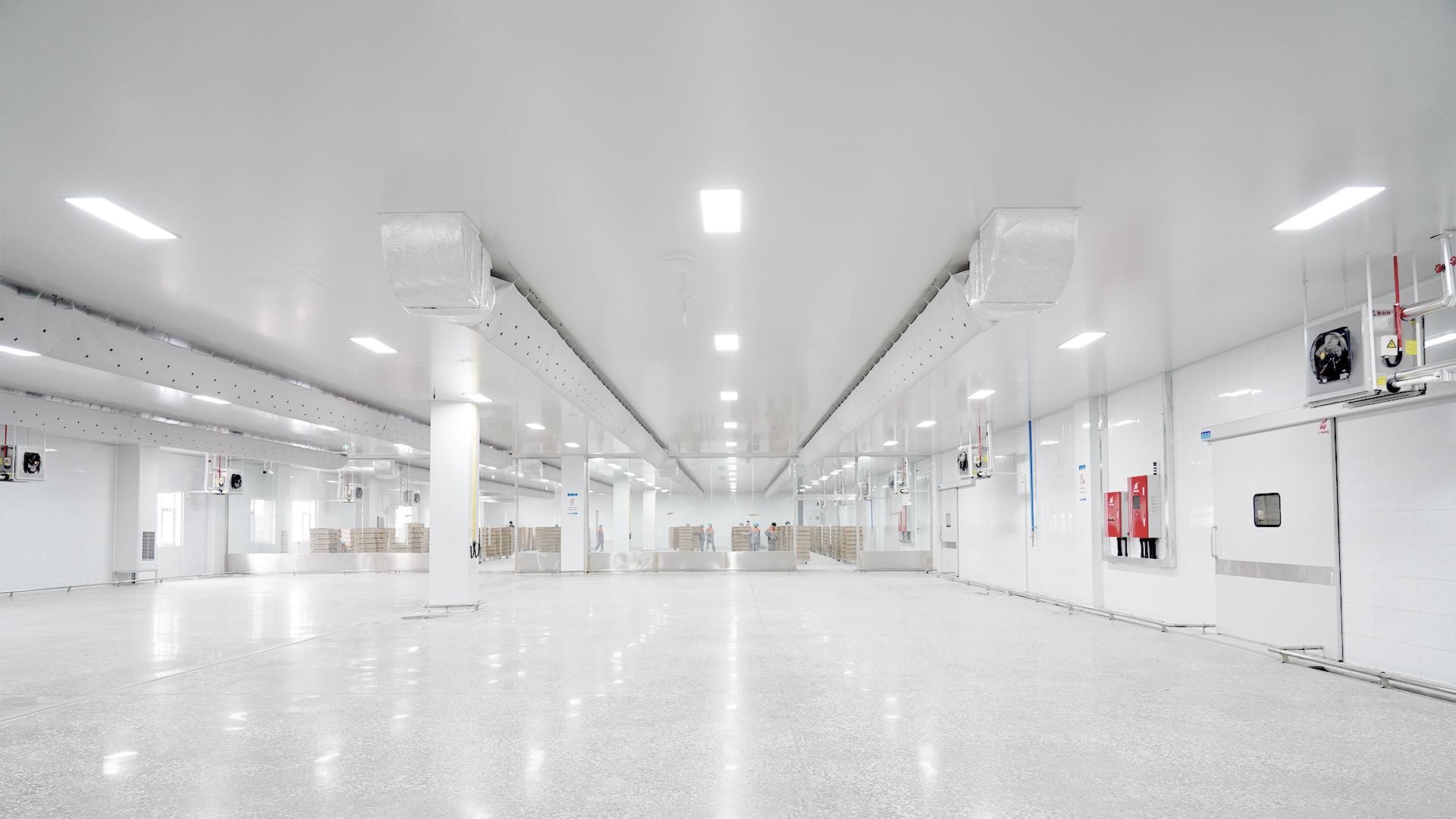
Cleanroom Enclosure System for Shandong Boda Food (1).jpg

프로젝트 무료 견적 받기

철골 공장, 냉장 창고 또는 클린룸 시스템이든 간에, 당사는 경쟁력 있는 공장 가격과 전문적인 설계 서비스를 제공합니다.
이메일
이름
휴대전화/WhatsApp
회사명
문의 내용
0/1000