Kry 'n Gratis Offerte vir U Projek

Of dit nou 'n staalwerkswinkel, koelstoor of skoonkamerstelsel is, bied ons mededingende fabriekpryse en professionele ontwerp aan.
E-pos
Naam
Selfoon/WhatsApp
Maatskappy-naam
Boodskap
0/1000

Nywerheidsnuus

Tuisblad >  Hulpbronne >  Nywerheidsnuus

Is daar verskille in die installasie van skoonkamerpaneel met verskillende kernmateriale?

Apr 14, 2026

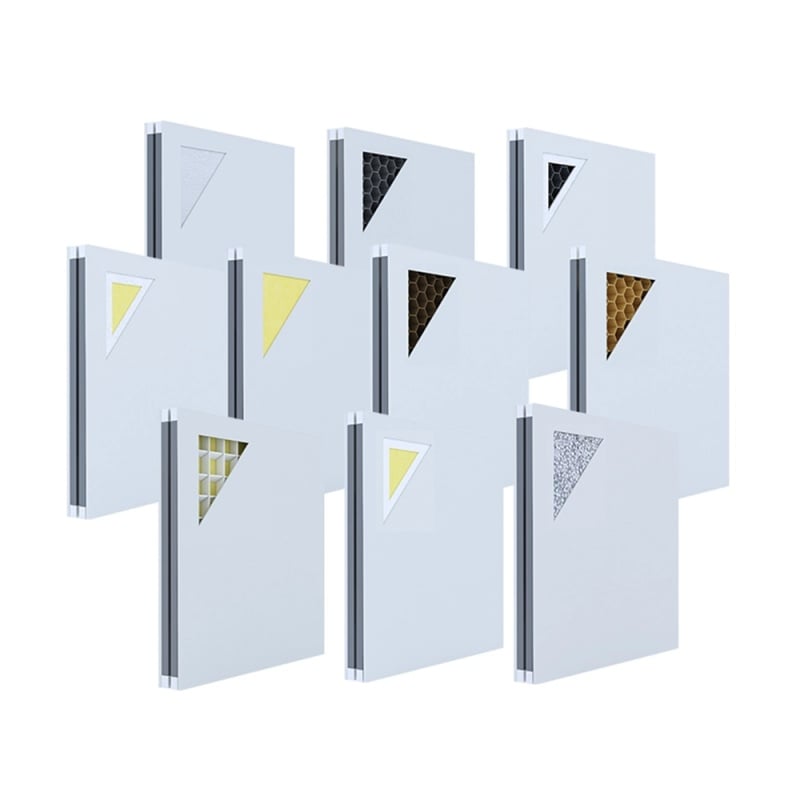
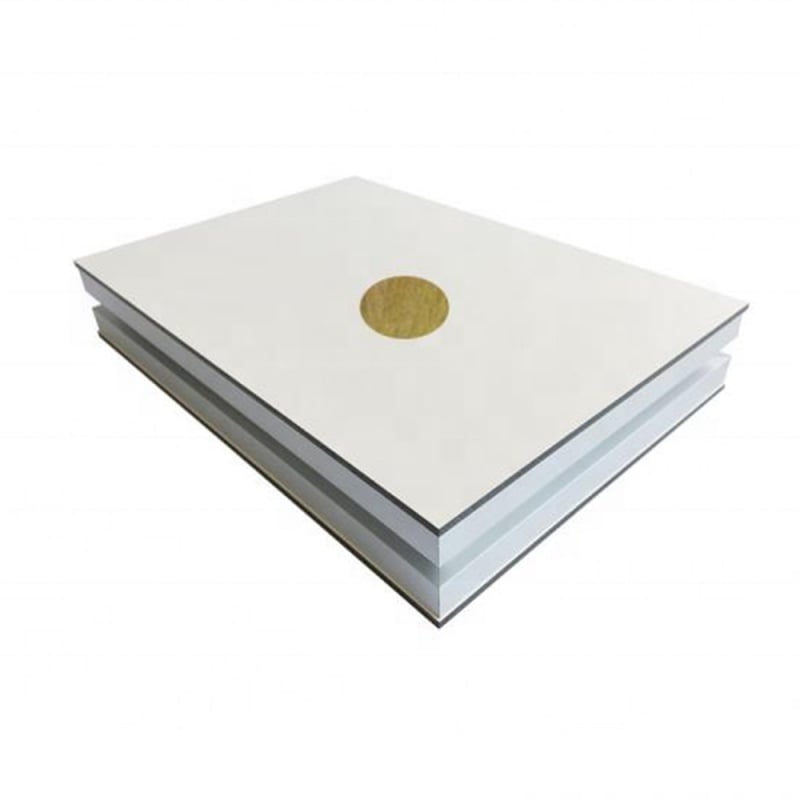
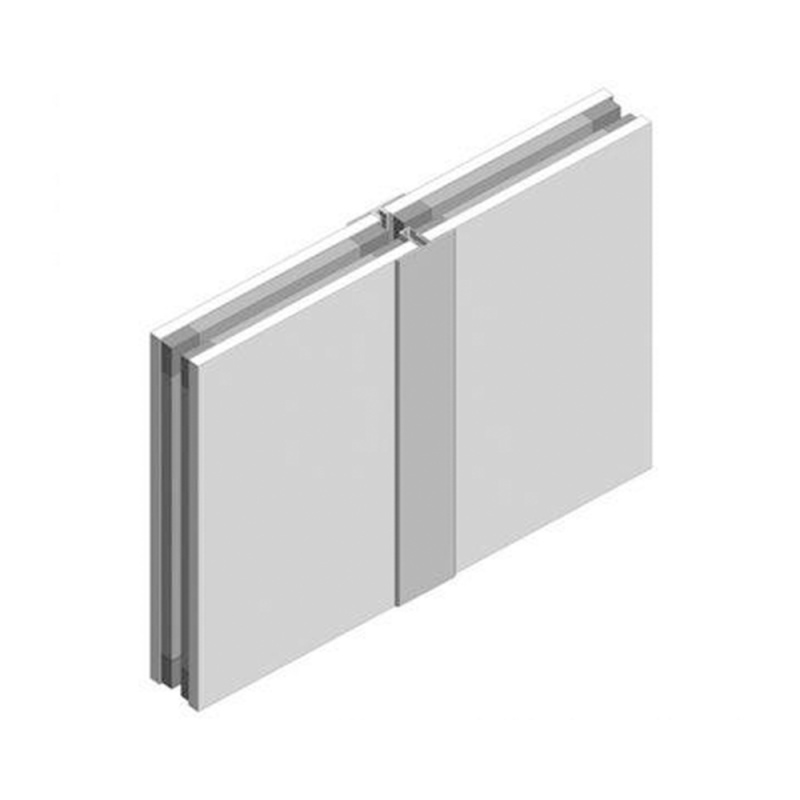
Skoonruimtepanele word wydverspreid gebruik in nywe met streng omgewingsvereistes—soos elektronika, farmaseutiese produksie en voedselverwerking—waar hulle dien om skoon en hidroërgiese ruimtelike omgewings te skep. Hierdie paneel het ’n wye verskeidenheid kerne, met algemene tipes wat sluit insluit klipwol, hol magnesiumoksied, aluminiumheuningkoekstrukture en magnesiumoksied-klipwolkomposiete. Aangesien elke tipe kern sy eie unieke eienskappe het, vertoon die installasieprosesse vir hierdie verskillende skoonkamerpaneel werklik baie verskille.
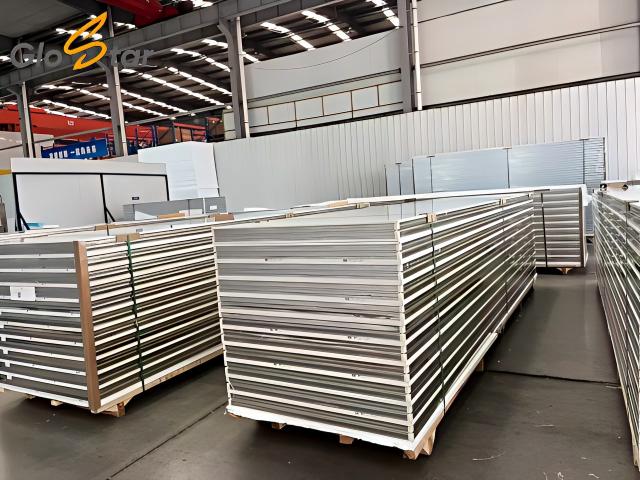
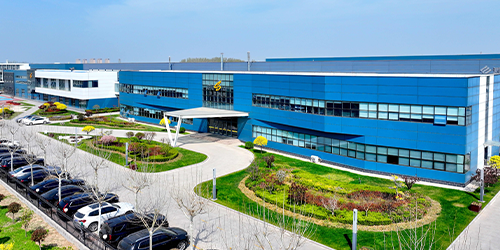
cleanroom panels factory

Installasie van Skoonkamerpaneel met Klipwolkern

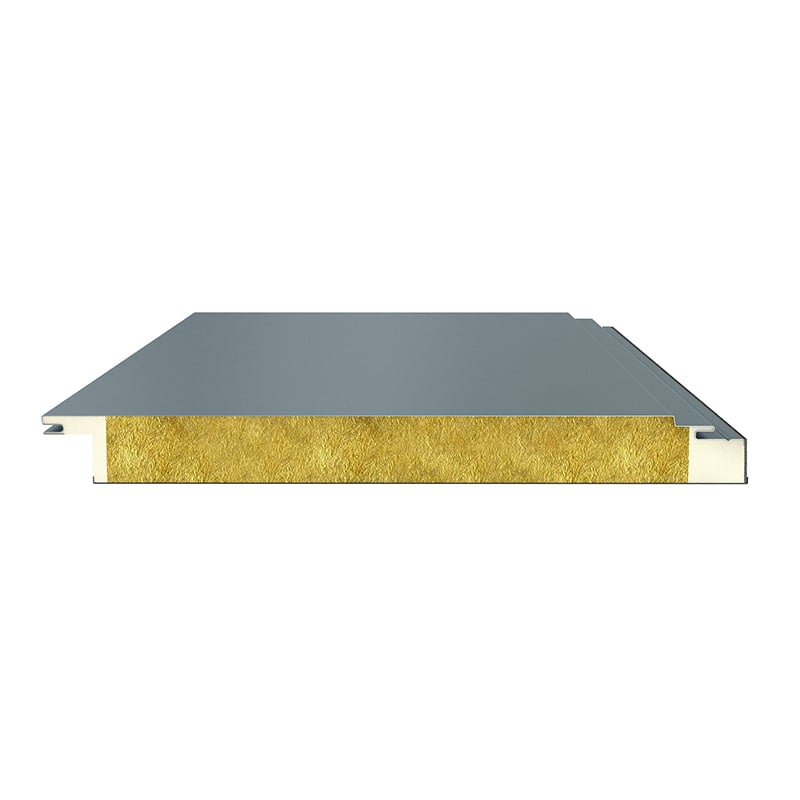
Die kernmateriaal van rotswol word vervaardig uit natuurlike rots deur 'n hoë-temperatuur smeltproses; dit is relatief swaar en besit 'n sekere mate van styfheid. Tydens installasie is die draagvermoë van die ondersteunende lystelstruktuur van uiterste belang. Op grond van die gewig van die panele moet die spasie tussen die lystels wetenskaplik en redelik ontwerp word om paneelvervorming as gevolg van ontoereikende draagondersteuning te voorkom. Byvoorbeeld, indien rotswool-skoonruimtepanele as muurmateriaal in 'n groot industriële fasiliteit met streng vuurveiligheidsvereistes gebruik word, kan 'n te wyd gestelde lystelspasie—gesien die aansienlike gewig van die rotswolpaneel—met tyd lei tot afhang of vervorming van die panele, wat beide die estetiese voorkoms en bedryfsveiligheid kompromitteer.

Verder is die gesnyde rande van rotswolpaneel geneig om stof te genereer. Gevolglik moet toepaslike beskermende maatreëls tydens installasie toegepas word—soos die vereiste dat boupersoneel professionele stofbestande maskers dra en dat plaaslike stofafsuigtoerusting in snyareas gebruik word—om stofbesoedeling binne die skoonkameromgewing te voorkom. Wanneer paneel aan mekaar gevoeg word, is dit noodsaaklik om seker te maak dat die voegsels stewig vasgepas word; hierdie stap is noodsaaklik om termiese isolasie- en klankdempingsprestasie effektief te waarborg. Byvoorbeeld, tydens die bou van mediese operasiekamers—waar klankbeheerstandaarde uiters streng is—kan stewig vasgepaste voegsels die indringing van buitelandse geraas aansienlik verminder terwyl dit terselfdertyd termiese uitruil tussen die binne- en buitemilieu voorkom, wat dus stabiele binnetemperatuure handhaaf.
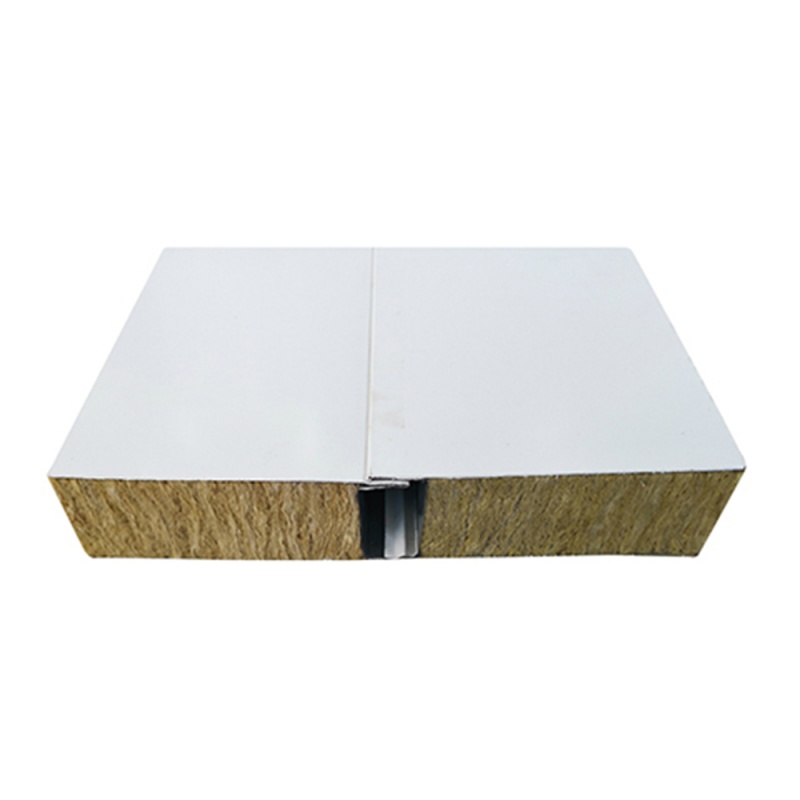
Installation of Rock Wool Core Cleanroom Panels

Installasie van Poliuretaan-Kern Skoonkamerpaneel

Polietureaan kernmateriaal bestaan uit 'n polietureaan skuimvulling; dit bied uitstekende termiese isolasie- en sealings eienskappe, wat hoë strukturele sterkte met 'n matige gewig kombineer. Tydens installasie kan die uitleg van die ondersteunende keelstruktuur aangepas word om aan die spesifieke toepassingssituasie te voldoen. Byvoorbeeld, by die bou van 'n koelberging—waar termiese isolasievereistes veral hoog is—vereis die lae binnetemperatuur skoonkamerpaneel met uitstekende isolasievermoë om energieverbruik te minimeer. In sulke gevalle kan die keeluitleg volgens praktiese faktore soos die ruimtelike struktuur van die koelbergingseenheid en die posisie van die verkoelingsuitrusting buigsam geconfigureer word.

Egter, aangesien poliuretaanmateriale skadelike gasse kan vrystel wanneer dit aan hoë temperature blootgestel word, moet die gebruik van oop vlamme tydens die installasieproses streng verbied word, en moet daar vir voldoende ventilasie gesorg word. Daarbenewens het poliuretaanpaneel gewoonlik 'n tong-en-groef-inklinkontwerp by hul voegings; tydens installasie is dit noodsaaklik om te verseker dat hierdie inklinkprofiel styf in mekaar pas om die algehele lugdigtheid van die struktuur te verbeter. As voorbeeld neem 'n koskoelberging: as die tong-en-groefvoegings nie styf in mekaar pas nie, kan buitelug maklik binnekom. Dit kan lei tot temperatuurswankings binne die koelberging, wat gevolglik die doeltreffendheid van kosbewaring sal benadeel.
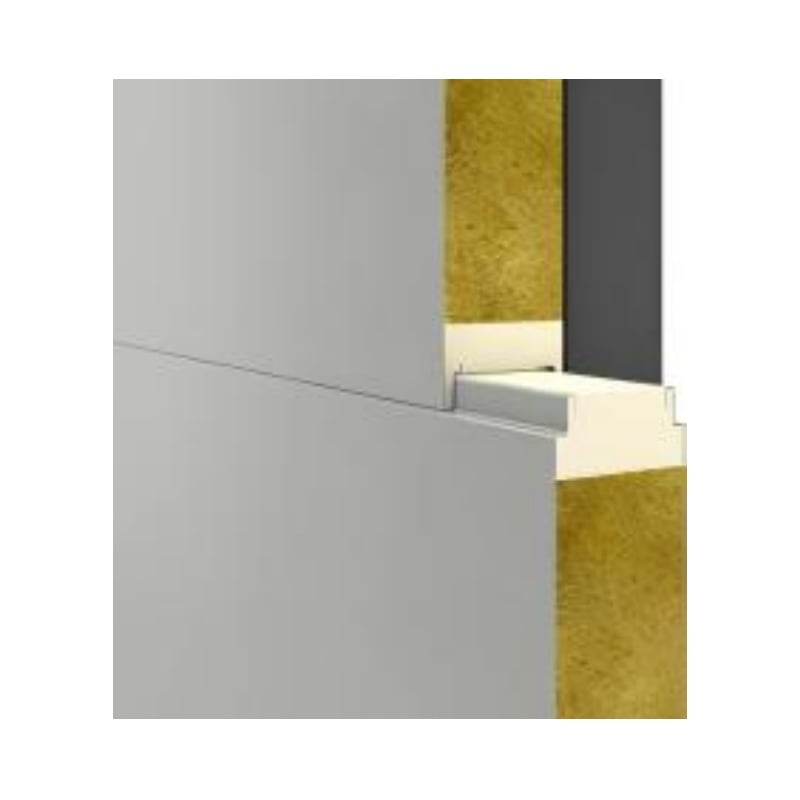
Installation of Polyurethane Core Cleanroom Panels

Installasie van hol magnesiumoksiedkern skoonkamerpaneel

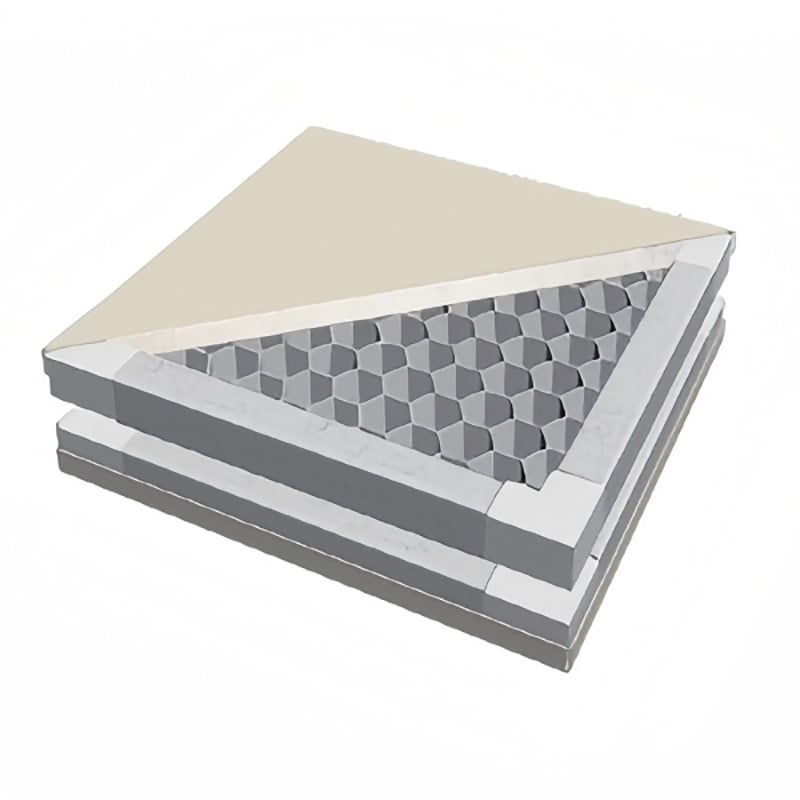
Hol magnesiumoksiedkernpaneel bestaan gewoonlik uit 'n heuningkoek- of roosteragtige hol binnestruktuur wat aan magnesiumoksied-voorbordjies verbind is. Aangesien hulle lig van gewig is, bied hulle 'n relatief gerieflike installasie. Die installasie stel egter streng vereistes aan die vlakheid van die substraat (basislaag). Die substraatoppervlak moet vlak, droog en skoon wees; indien die vlakheidsafwyking van die substraat die gespesifiseerde toleransie oorskry (gewoonlik mag die vlakheidsfout nie meer as 5 mm binne enige 2-meter-span wees nie), sal die skoonkamerpaneel nie stewig aan die substraat vasgeheg word na installasie nie, wat baie wyd paneelvoege tot gevolg het. By die bou van elektroniese skoonkamers kan stof en ander onreinhede maklik deur te wyd paneelvoege binnedring, wat dit onmoontlik maak om aan die streng omgewingsreinheidstandaarde wat vir elektroniekvervaardiging vereis word, te voldoen.

Wanneer die panele vasgemaak word, word metodes soos selftappende skroewe gewoonlik gebruik. Spesifieke vereistes bepaal die spasie tussen hierdie skroewe, wat gewoonlik gelykmatig binne ’n redelike reeks versprei is om te verseker dat die panele stewig veranker is. Verder is die behandelings van paneelvoege ewe belangrik; hulle moet met sealingsmateriaal gevul word om ’n doeltreffende verbinding te verseker en luglekking te voorkom.
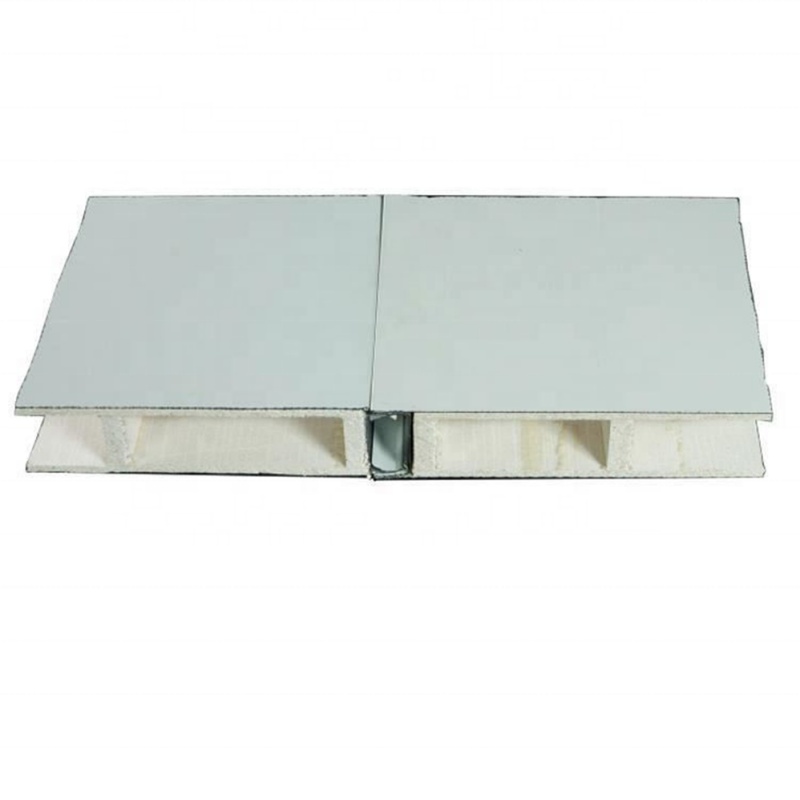
cleanroom panels factory Installation of Rock Wool Core Cleanroom Panels Rock wool core material is manufactured from natural rock through a high-temperature melting process; it is relatively heavy and possesses a certain degree of rigidity. During installation, the load-bearing capacity of the supporting keel structure is of paramount importance. Based on the weight of the panels, the spacing between keels must be designed scientifically and rationally to prevent panel deformation caused by insufficient load-bearing support. For instance, if rock wool cleanroom panels are utilized as wall materials in a large-scale industrial facility with stringent fire safety requirements, setting the keel spacing too wide—given the substantial weight of the rock wool panels—could eventually lead to sagging or deformation of the panels over time, thereby compromising both aesthetic appeal and operational safety.  Furthermore, the cut edges of rock wool panels are prone to generating dust. Consequently, appropriate protective measures must be implemented during installation—such as requiring construction personnel to wear professional dust-proof masks and deploying localized dust extraction equipment in cutting zones—to prevent dust contamination within the cleanroom environment. When joining panels, it is imperative to ensure that the seams are tightly fitted; this is essential for effectively guaranteeing thermal insulation and soundproofing performance. For example, in the construction of medical operating rooms—where noise control standards are exceptionally strict—tightly fitted seams can significantly minimize the intrusion of external noise while simultaneously preventing thermal exchange between the indoor and outdoor environments, thereby maintaining stable indoor temperatures.  Installation of Rock Wool Core Cleanroom Panels  Installation of Polyurethane Core Cleanroom Panels Polyurethane core material consists of a polyurethane foam filling; it offers excellent thermal insulation and sealing properties, combining high structural strength with a moderate weight. During installation, the layout of the supporting keel structure can be adjusted to suit the specific application scenario. For instance, in the construction of a cold storage facility—where thermal insulation requirements are particularly high—the low internal temperatures necessitate cleanroom panels with superior insulating capabilities to minimize energy consumption. In such cases, the keel layout can be flexibly configured based on practical factors such as the spatial structure of the cold storage unit and the positioning of refrigeration equipment.  However, since polyurethane materials may release harmful gases when exposed to high temperatures, the use of open flames must be strictly prohibited during the installation process, and adequate ventilation must be ensured. Additionally, polyurethane panels typically feature a tongue-and-groove interlocking design at their joints; during installation, it is crucial to ensure that these interlocking profiles engage tightly to enhance the overall airtightness of the structure. Taking a food cold storage facility as an example: if the tongue-and-groove joints do not interlock tightly, outside air can easily infiltrate. This may lead to temperature fluctuations within the cold storage area, thereby compromising the effectiveness of food preservation.  Installation of Polyurethane Core Cleanroom Panels  Installation of Hollow Magnesium Oxide Core Cleanroom Panels

Belangrike Installasiepunte vir Aluminiumhoningraatkern Skoonkamerpaneel

Aluminium-seskhoeke Skoonkamerpaneel bied talle voordele, soos hoë strukturele sterkte en uitstekende oppervlakvlakheid. Tydens installasie kan die ontwerp van die ondersteunende kielstelsel vasgestel word op grond van die spesifieke paneelspesifikasies en die omgewingsinstallasie-omgewing, aangesien die gewig van die paneele relatief eenvormig versprei is. In groot-skaal kommersiële winkelkomplekse—spesifiek vir projekte wat die insluiting van sentrale lugversorgings-ontluggingsbuise behels—is die gebruik van aluminium heuningkoek skoonkamerpanele afhanklik van 'n kielontwerp wat aangepas is aan die vorm en afmetings van die ontluggingsbuise, sowel as die algehele ruimtelike uitleg van die winkelkompleks.

Wanneer aluminium-selraam skoonkamerpaneel verbind word, word 'n hoë graad van presisie vereis. Dit is noodsaaklik om te verseker dat alle voegsels vlak en stewig versegel is om 'n aantreklike voorkoms te bereik en optimale algehele prestasie te handhaaf. Verder moet groot sorg gedurende die installasieproses geneem word om die paneeloppervlaktes te beskerm; voorsegte moet toegepas word om krassers of impak te voorkom wat oppervlakskade kan veroorsaak, wat beide die visuele aantreklikheid en die funksionele integriteit van die panele sal kompromitteer.
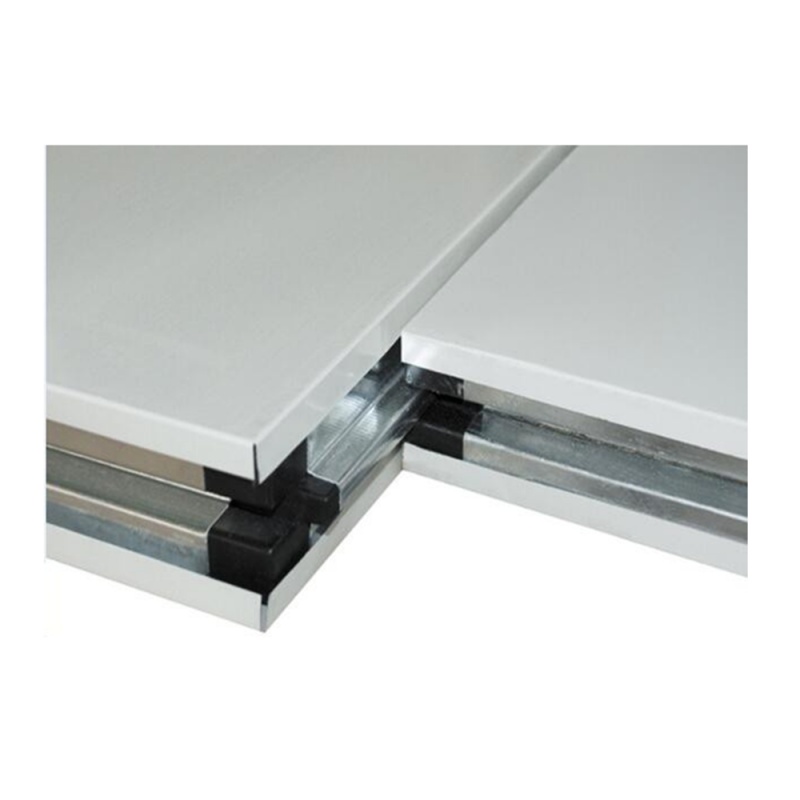
Key Installation Points for Aluminum Honeycomb Core Cleanroom Panels

Installasie-oorwegings vir magnesiumoksied-rotswol kern skoonkamerpaneel

Paneel met 'n magnesiumoksied (MgO)- en rotswol kern kombineer die verskillende eienskappe van beide materiale. Tydens installasie is dit noodsaaklik om die spesifieke vereistes wat deur die rotswol kern gestel word—in besonder met betrekking tot sy vuurbestandigheid en termiese isolasie-eienskappe—te oorweeg, terwyl die unieke eienskappe van die magnesiumoksied-aanvanklike borde terselfdertyd in ag geneem word. Wanneer die panele vasgemaak word, is dit krities dat die bevestigingsmiddels stewig deur die magnesiumoksied-bord penetreer om 'n veilige verbinding met die ondersteunende keel te vorm, wat sodoende die strukturele stabiliteit van die hele samestelling waarborg. In skoonkamer-konstruksieprojekte binne farmaseutiese vervaardigingsfasiliteite kan onvoldoende bevestiging tot losmaking van die panele tydens daaropvolgende operasies lei, wat moontlik deur faktore soos toestelvibrasie binne die werkswinkel veroorsaak word.

Wat die behandeling van paneelvoege betref, moet die openinge eers met 'n geskikte seëlmasjie-afwerkmateriaal gevul word, gevolg deur 'n toepaslike oppervlakafwerking, om sowel lugdigtheid as estetiese kontinuïteit van die voege te verseker. Daarbenewens, aangesien magnesiumoksiedborde aan vogverwante probleme—soos 'n 'swetende' effek of vogmigrasie—onder blootstelling aan hoë voggehaltes geneig is, moet stewige vogbestandheidsmaatreëls tydens installasie toegepas word; voorbeelde sluit in die aanbring van vogbestanddekkings op die onderliggende substraat.
cleanroom panels factory Installation of Rock Wool Core Cleanroom Panels Rock wool core material is manufactured from natural rock through a high-temperature melting process; it is relatively heavy and possesses a certain degree of rigidity. During installation, the load-bearing capacity of the supporting keel structure is of paramount importance. Based on the weight of the panels, the spacing between keels must be designed scientifically and rationally to prevent panel deformation caused by insufficient load-bearing support. For instance, if rock wool cleanroom panels are utilized as wall materials in a large-scale industrial facility with stringent fire safety requirements, setting the keel spacing too wide—given the substantial weight of the rock wool panels—could eventually lead to sagging or deformation of the panels over time, thereby compromising both aesthetic appeal and operational safety.  Furthermore, the cut edges of rock wool panels are prone to generating dust. Consequently, appropriate protective measures must be implemented during installation—such as requiring construction personnel to wear professional dust-proof masks and deploying localized dust extraction equipment in cutting zones—to prevent dust contamination within the cleanroom environment. When joining panels, it is imperative to ensure that the seams are tightly fitted; this is essential for effectively guaranteeing thermal insulation and soundproofing performance. For example, in the construction of medical operating rooms—where noise control standards are exceptionally strict—tightly fitted seams can significantly minimize the intrusion of external noise while simultaneously preventing thermal exchange between the indoor and outdoor environments, thereby maintaining stable indoor temperatures.  Installation of Rock Wool Core Cleanroom Panels  Installation of Polyurethane Core Cleanroom Panels Polyurethane core material consists of a polyurethane foam filling; it offers excellent thermal insulation and sealing properties, combining high structural strength with a moderate weight. During installation, the layout of the supporting keel structure can be adjusted to suit the specific application scenario. For instance, in the construction of a cold storage facility—where thermal insulation requirements are particularly high—the low internal temperatures necessitate cleanroom panels with superior insulating capabilities to minimize energy consumption. In such cases, the keel layout can be flexibly configured based on practical factors such as the spatial structure of the cold storage unit and the positioning of refrigeration equipment.  However, since polyurethane materials may release harmful gases when exposed to high temperatures, the use of open flames must be strictly prohibited during the installation process, and adequate ventilation must be ensured. Additionally, polyurethane panels typically feature a tongue-and-groove interlocking design at their joints; during installation, it is crucial to ensure that these interlocking profiles engage tightly to enhance the overall airtightness of the structure. Taking a food cold storage facility as an example: if the tongue-and-groove joints do not interlock tightly, outside air can easily infiltrate. This may lead to temperature fluctuations within the cold storage area, thereby compromising the effectiveness of food preservation.  Installation of Polyurethane Core Cleanroom Panels  Installation of Hollow Magnesium Oxide Core Cleanroom Panels Hollow magnesium oxide core panels typically consist of a honeycomb or grid-like hollow internal structure bonded to magnesium oxide faceboards. Being lightweight, they offer relatively convenient installation. However, their installation places stringent demands on the flatness of the substrate (base layer). The substrate surface must be flat, dry, and clean; if the flatness deviation of the substrate exceeds the specified tolerance (generally, the flatness error must not exceed 5 mm within any 2-meter span), the cleanroom panels will fail to adhere tightly to the substrate after installation, resulting in excessively wide panel seams. In the construction of electronic cleanrooms, if panel seams are too wide, dust and other impurities can easily enter, making it impossible to meet the rigorous environmental cleanliness standards required for electronics manufacturing.  When securing the panels, methods such as self-tapping screws are typically employed. Specific requirements govern the spacing of these screws, which are generally distributed uniformly within a reasonable range to ensure the panels are firmly anchored. Furthermore, the treatment of panel seams is equally critical; they must be filled with sealing materials to ensure an effective seal and prevent air leakage.  cleanroom panels factory Installation of Rock Wool Core Cleanroom Panels Rock wool core material is manufactured from natural rock through a high-temperature melting process; it is relatively heavy and possesses a certain degree of rigidity. During installation, the load-bearing capacity of the supporting keel structure is of paramount importance. Based on the weight of the panels, the spacing between keels must be designed scientifically and rationally to prevent panel deformation caused by insufficient load-bearing support. For instance, if rock wool cleanroom panels are utilized as wall materials in a large-scale industrial facility with stringent fire safety requirements, setting the keel spacing too wide—given the substantial weight of the rock wool panels—could eventually lead to sagging or deformation of the panels over time, thereby compromising both aesthetic appeal and operational safety.  Furthermore, the cut edges of rock wool panels are prone to generating dust. Consequently, appropriate protective measures must be implemented during installation—such as requiring construction personnel to wear professional dust-proof masks and deploying localized dust extraction equipment in cutting zones—to prevent dust contamination within the cleanroom environment. When joining panels, it is imperative to ensure that the seams are tightly fitted; this is essential for effectively guaranteeing thermal insulation and soundproofing performance. For example, in the construction of medical operating rooms—where noise control standards are exceptionally strict—tightly fitted seams can significantly minimize the intrusion of external noise while simultaneously preventing thermal exchange between the indoor and outdoor environments, thereby maintaining stable indoor temperatures.  Installation of Rock Wool Core Cleanroom Panels  Installation of Polyurethane Core Cleanroom Panels Polyurethane core material consists of a polyurethane foam filling; it offers excellent thermal insulation and sealing properties, combining high structural strength with a moderate weight. During installation, the layout of the supporting keel structure can be adjusted to suit the specific application scenario. For instance, in the construction of a cold storage facility—where thermal insulation requirements are particularly high—the low internal temperatures necessitate cleanroom panels with superior insulating capabilities to minimize energy consumption. In such cases, the keel layout can be flexibly configured based on practical factors such as the spatial structure of the cold storage unit and the positioning of refrigeration equipment.  However, since polyurethane materials may release harmful gases when exposed to high temperatures, the use of open flames must be strictly prohibited during the installation process, and adequate ventilation must be ensured. Additionally, polyurethane panels typically feature a tongue-and-groove interlocking design at their joints; during installation, it is crucial to ensure that these interlocking profiles engage tightly to enhance the overall airtightness of the structure. Taking a food cold storage facility as an example: if the tongue-and-groove joints do not interlock tightly, outside air can easily infiltrate. This may lead to temperature fluctuations within the cold storage area, thereby compromising the effectiveness of food preservation.  Installation of Polyurethane Core Cleanroom Panels  Installation of Hollow Magnesium Oxide Core Cleanroom Panels  Key Installation Points for Aluminum Honeycomb Core Cleanroom Panels Aluminum honeycomb core cleanroom panels offer numerous advantages, such as high structural strength and excellent surface flatness. During installation, given the relatively uniform distribution of the panels' weight, the design of the supporting keel system can be determined based on the specific panel specifications and the ambient installation environment. In large-scale commercial shopping malls—specifically for projects involving the enclosure of central air conditioning ventilation ducts—the use of aluminum honeycomb cleanroom panels necessitates a keel design tailored to the shape and dimensions of the ventilation ducts, as well as the overall spatial layout of the mall.  When splicing aluminum honeycomb cleanroom panels, a high degree of precision is required. It is essential to ensure that all joints are flat and tightly sealed to achieve an aesthetically pleasing appearance and maintain optimal overall performance. Furthermore, during the installation process, great care must be taken to protect the panel surfaces; precautions should be implemented to prevent scratches or impacts that could cause surface damage, thereby compromising both the visual appeal and the functional integrity of the panels.  Key Installation Points for Aluminum Honeycomb Core Cleanroom Panels  Installation Considerations for Magnesium Oxide Rock Wool Core Cleanroom Panels

Wanneer suiweringspanele met verskillende kernmateriale geïnstalleer word, moet spesifieke maatreëls toegepas word—wat afgestem is op die eienskappe van die kernmateriaal—met betrekking tot die ontwerp van die keel, vog- en vuurbeskermingsbehandelings, paneelvoeging en hanteringsbeskermingsmaatreëls. Dit verseker die gehalte van die installasie en laat die suiweringspanele toe om hul volle potensiaal te bereik. In werklike ingenieursprojekte moet die keuse van suiweringspanele met toepaslike kernmateriale gebaseer wees op ’n omvattende beoordeling van faktore soos die spesifieke toepassingsskema, omgewingsvereistes en begroting; verder moet die konstruksie streng volgens die relevante installasie riglyne uitgevoer word.
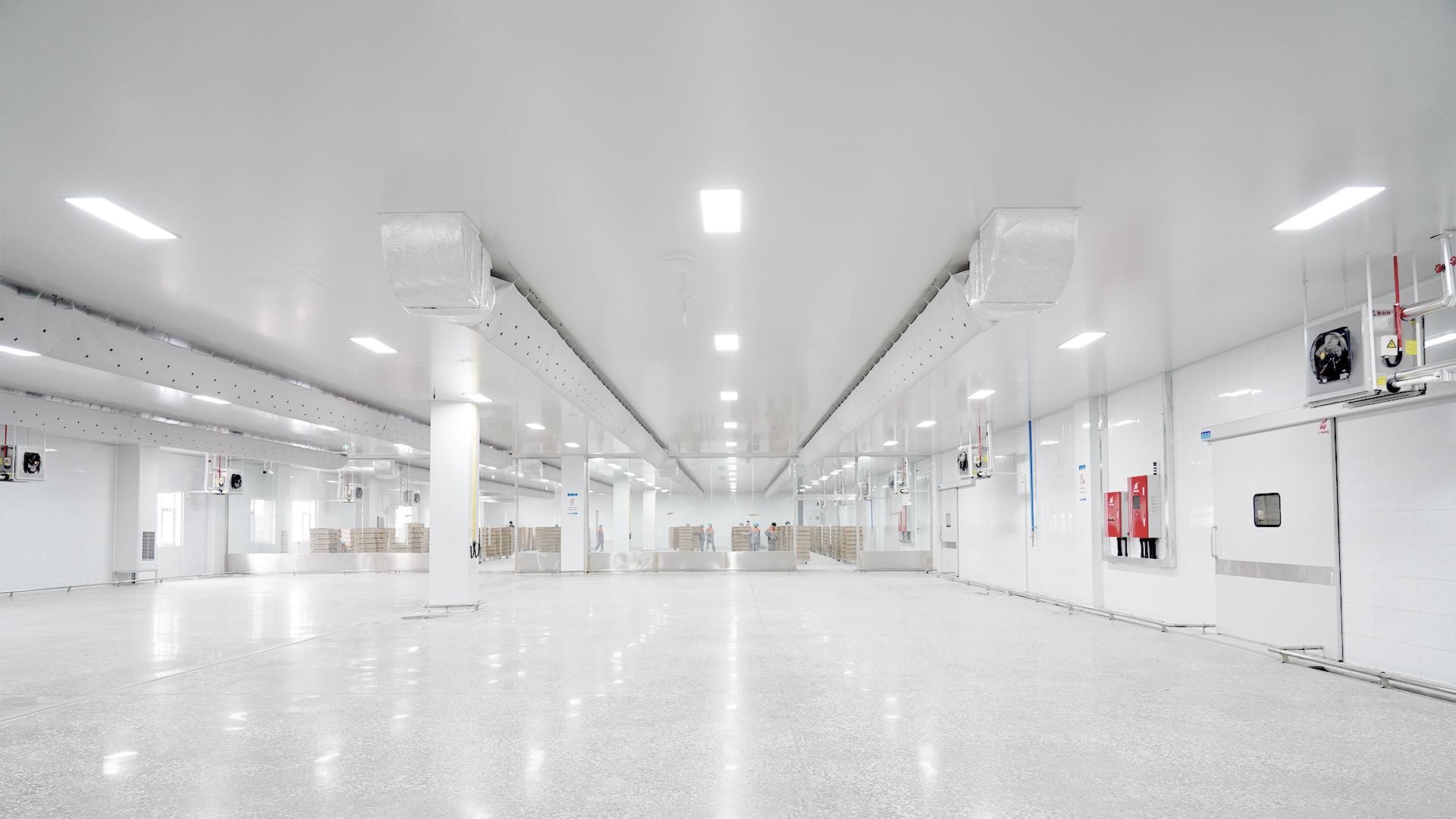
Cleanroom Enclosure System for Shandong Boda Food (1).jpg

Kry 'n Gratis Offerte vir U Projek

Of dit nou 'n staalwerkswinkel, koelstoor of skoonkamerstelsel is, bied ons mededingende fabriekpryse en professionele ontwerp aan.
E-pos
Naam
Selfoon/WhatsApp
Maatskappy-naam
Boodskap
0/1000