Ontvang een gratis offerte voor uw project

Of het nu een stalen werkplaats, een koelruimte of een cleanroom-systeem betreft: wij bieden concurrerende fabrieksprijzen en professioneel ontwerp.
E-mail
Naam
Mobiel/WhatsApp
Bedrijfsnaam
Bericht
0/1000

Nieuws uit de branche

Startpagina >  Bronnen >  Nieuws uit de branche

Zijn er verschillen in de installatie van cleanroompanelen met verschillende kernmaterialen

Apr 14, 2026

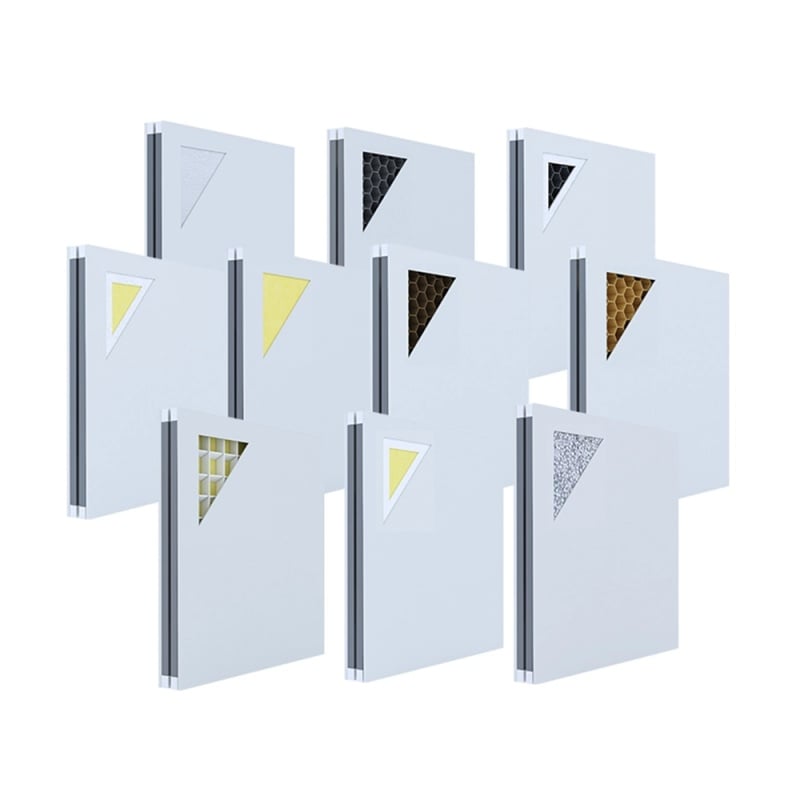
Schonkamerwanden worden veel gebruikt in industrieën met strenge milieu-eisen—zoals elektronica, farmacie en voedingsverwerking—waar zij dienen om schone en hygiënische ruimtelijke omgevingen te creëren. Deze panelen hebben een divers scala aan kernmaterialen, waarbij veelvoorkomende varianten rotswool, holle magnesiumoxide, aluminiumhoningraat en magnesiumoxide-rotswoolcomposieten zijn. Gezien de verschillende eigenschappen die inherent zijn aan elk type kernmateriaal, vertonen de installatieprocessen voor deze diverse cleanroompanelen inderdaad talloze verschillen.
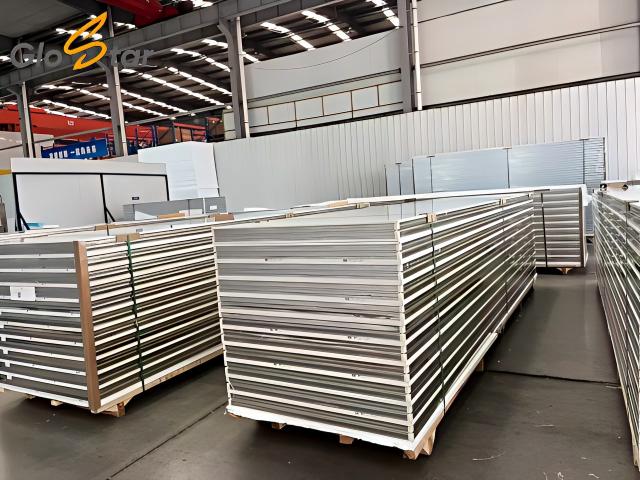
cleanroom panels factory

Installatie van cleanroompanelen met rotswoolkern

De kernmateriaal van steenwol wordt vervaardigd uit natuurlijke steen via een hoogtemperatuursmelproces; het is relatief zwaar en bezit een zekere mate van stijfheid. Tijdens de installatie is de draagcapaciteit van de dragende latstructuur van doorslaggevend belang. Op basis van het gewicht van de panelen moet de afstand tussen de latten wetenschappelijk en rationeel worden ontworpen om vervorming van de panelen te voorkomen als gevolg van onvoldoende draagvermogen. Bijvoorbeeld, als steenwol cleanroompanelen worden gebruikt als wandmateriaal in een grote industriële faciliteit met strenge brandveiligeisen, kan het instellen van een te grote afstand tussen de latten—gezien het aanzienlijke gewicht van de steenwolpanelen—op termijn leiden tot doorhangen of vervorming van de panelen, waardoor zowel de esthetische waarde als de operationele veiligheid in gevaar komen.

Bovendien zijn de gesneden randen van steenwolpanelen gevoelig voor stofvorming. Daarom moeten tijdens de installatie passende beschermende maatregelen worden genomen—zoals het verplichten van bouwpersoneel om professionele stofdichte mondkapjes te dragen en het plaatsen van lokaal stofafzuigingsapparatuur in de snijzones—om stofverontreiniging binnen de cleanroomomgeving te voorkomen. Bij het aansluiten van panelen is het essentieel dat de naden strak op elkaar aansluiten; dit is cruciaal om de thermische isolatie- en geluidsisolatieprestaties effectief te garanderen. Bijvoorbeeld bij de bouw van medische operatiekamers—waar de geluidscontrole-normen uitzonderlijk streng zijn—kunnen strak aansluitende naden het binnendringen van extern geluid aanzienlijk verminderen en tegelijkertijd warmtewisseling tussen de binnen- en buitenomgeving voorkomen, waardoor een stabiele binnentemperatuur wordt gehandhaafd.
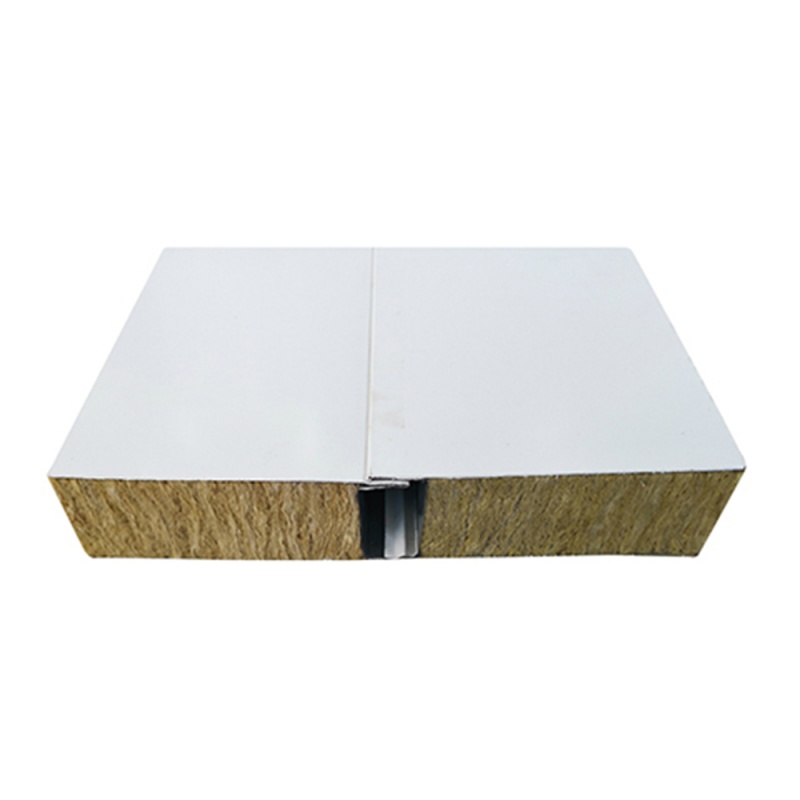
Installation of Rock Wool Core Cleanroom Panels

Installatie van cleanroompanelen met polyurethaankern

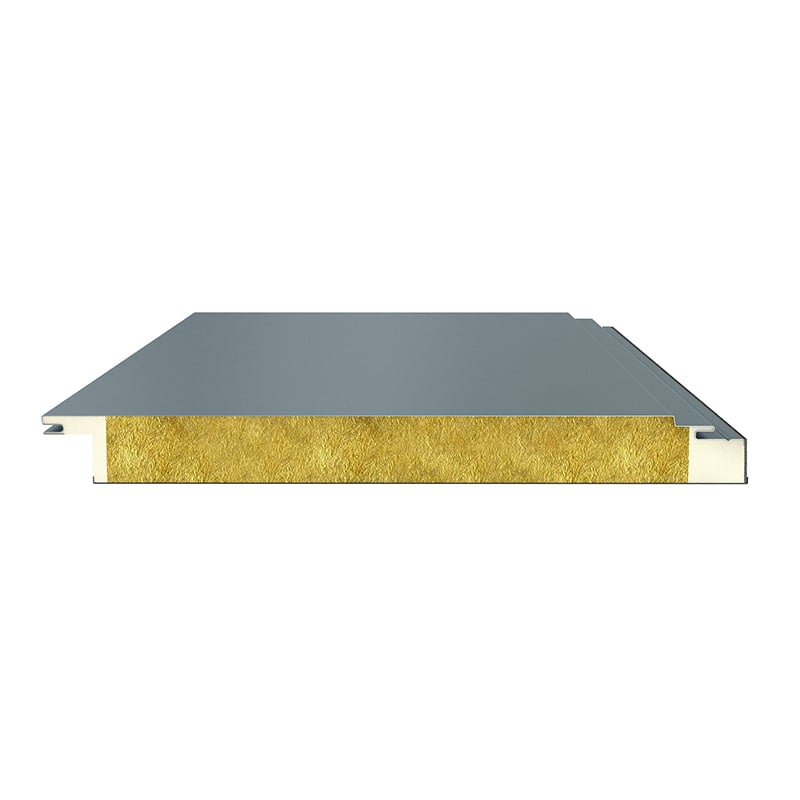
Het kernmateriaal van polyurethaan bestaat uit een vulsel van polyurethaanschuim; het biedt uitstekende thermische isolatie- en afdichtingseigenschappen, waarbij hoge structurele sterkte wordt gecombineerd met een matig gewicht. Tijdens de installatie kan de opstelling van de dragende spantconstructie worden aangepast aan het specifieke toepassingscenario. Bijvoorbeeld bij de bouw van een koelopslagfaciliteit—waar de eisen aan thermische isolatie bijzonder hoog zijn—vereisen de lage interne temperaturen cleanroompanelen met superieure isolerende eigenschappen om het energieverbruik te minimaliseren. In dergelijke gevallen kan de spantopstelling flexibel worden geconfigureerd op basis van praktische factoren zoals de ruimtelijke structuur van de koelopslageenheid en de positie van de koelinstallaties.

Echter, aangezien polyurethaanmaterialen schadelijke gassen kunnen vrijgeven bij blootstelling aan hoge temperaturen, moet het gebruik van open vuur tijdens het installatieproces strikt worden verboden en moet voldoende ventilatie worden gewaarborgd. Bovendien zijn polyurethaanpanelen doorgaans voorzien van een tong- en groefverbinding aan de aansluitranden; tijdens de installatie is het cruciaal dat deze in elkaar grijpende profielen strak op elkaar aansluiten om de algehele luchtdichtheid van de constructie te verbeteren. Als voorbeeld nemen we een koelopslagfaciliteit voor levensmiddelen: wanneer de tong- en groefverbindingen niet strak op elkaar aansluiten, kan buitenlucht gemakkelijk binnendringen. Dit kan leiden tot temperatuurschommelingen binnen de koelruimte, waardoor de effectiviteit van de bewaring van levensmiddelen wordt aangetast.
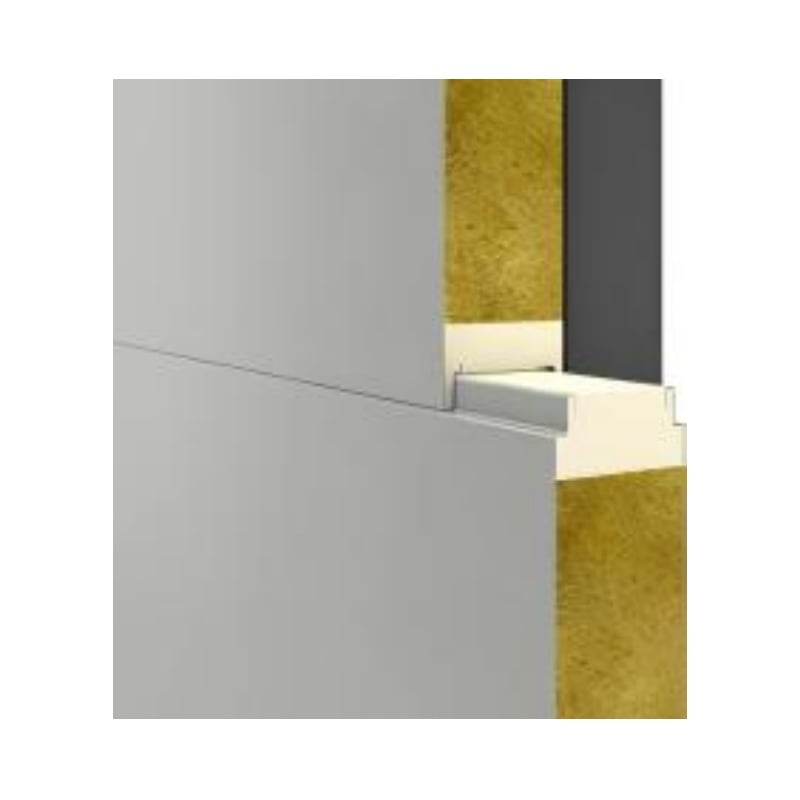
Installation of Polyurethane Core Cleanroom Panels

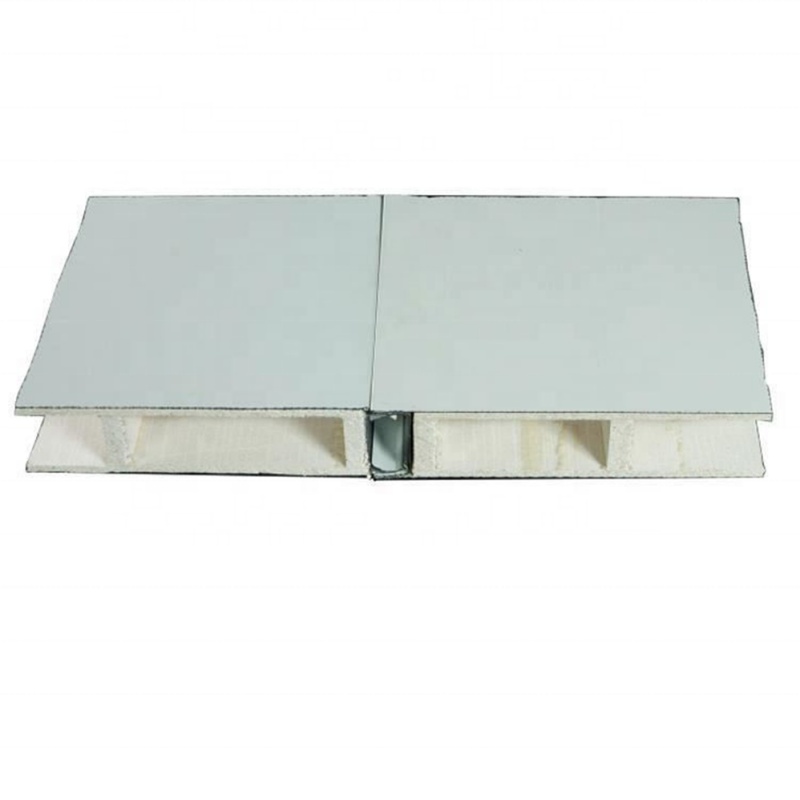
Installatie van holle cleanroompanelen met magnesiumoxidekern

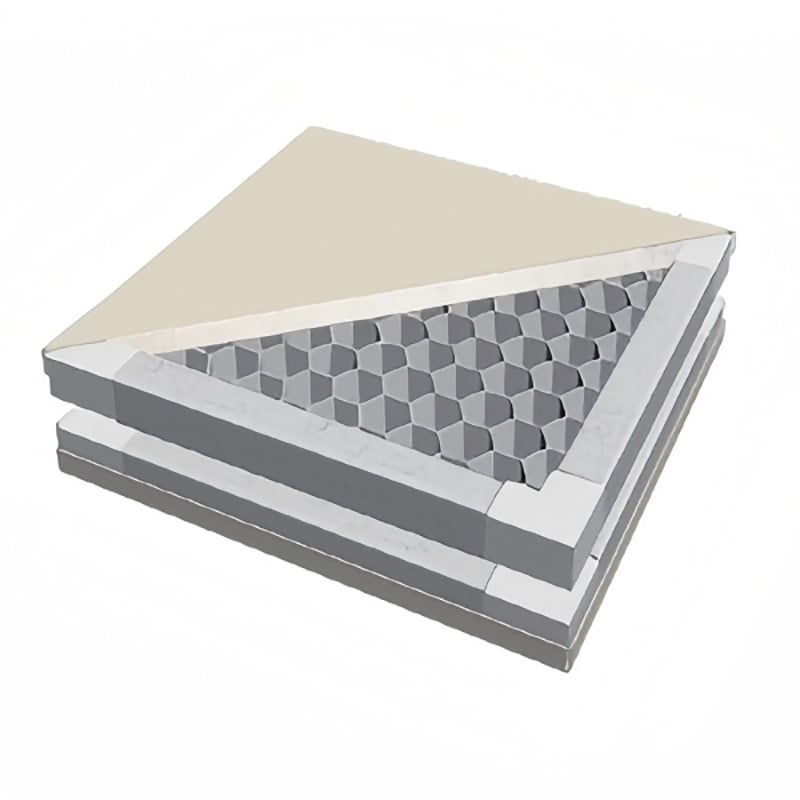
Holle panelen met magnesiumoxidekern bestaan doorgaans uit een honingraat- of rasterachtige holle interne structuur die is verbonden met magnesiumoxide-gezichtsplaten. Omdat ze licht van gewicht zijn, bieden ze een relatief gemakkelijke installatie. De installatie stelt echter strenge eisen aan de vlakheid van de ondergrond (basellaag). Het oppervlak van de ondergrond moet vlak, droog en schoon zijn; indien de afwijking van de vlakheid van de ondergrond de gespecificeerde tolerantie overschrijdt (over het algemeen mag de vlakheidsfout niet meer dan 5 mm bedragen binnen elke willekeurige spanwijdte van 2 meter), zullen de cleanroompanelen na installatie niet stevig op de ondergrond blijven zitten, wat leidt tot te brede panelnaden. Bij de bouw van elektronische cleanrooms kunnen stof en andere verontreinigingen bij te brede panelnaden gemakkelijk binnendringen, waardoor niet kan worden voldaan aan de strenge eisen voor milieuhygiëne die van toepassing zijn op de productie van elektronica.

Bij het bevestigen van de panelen worden doorgaans methoden zoals zelftappende schroeven gebruikt. Specifieke eisen regelen de onderlinge afstand van deze schroeven, die over het algemeen uniform worden verdeeld binnen een redelijk bereik om te garanderen dat de panelen stevig zijn verankerd. Bovendien is de behandeling van de naad tussen de panelen even belangrijk; deze moeten worden gevuld met afdichtingsmaterialen om een effectieve afdichting te waarborgen en luchtlekkage te voorkomen.
cleanroom panels factory Installation of Rock Wool Core Cleanroom Panels Rock wool core material is manufactured from natural rock through a high-temperature melting process; it is relatively heavy and possesses a certain degree of rigidity. During installation, the load-bearing capacity of the supporting keel structure is of paramount importance. Based on the weight of the panels, the spacing between keels must be designed scientifically and rationally to prevent panel deformation caused by insufficient load-bearing support. For instance, if rock wool cleanroom panels are utilized as wall materials in a large-scale industrial facility with stringent fire safety requirements, setting the keel spacing too wide—given the substantial weight of the rock wool panels—could eventually lead to sagging or deformation of the panels over time, thereby compromising both aesthetic appeal and operational safety.  Furthermore, the cut edges of rock wool panels are prone to generating dust. Consequently, appropriate protective measures must be implemented during installation—such as requiring construction personnel to wear professional dust-proof masks and deploying localized dust extraction equipment in cutting zones—to prevent dust contamination within the cleanroom environment. When joining panels, it is imperative to ensure that the seams are tightly fitted; this is essential for effectively guaranteeing thermal insulation and soundproofing performance. For example, in the construction of medical operating rooms—where noise control standards are exceptionally strict—tightly fitted seams can significantly minimize the intrusion of external noise while simultaneously preventing thermal exchange between the indoor and outdoor environments, thereby maintaining stable indoor temperatures.  Installation of Rock Wool Core Cleanroom Panels  Installation of Polyurethane Core Cleanroom Panels Polyurethane core material consists of a polyurethane foam filling; it offers excellent thermal insulation and sealing properties, combining high structural strength with a moderate weight. During installation, the layout of the supporting keel structure can be adjusted to suit the specific application scenario. For instance, in the construction of a cold storage facility—where thermal insulation requirements are particularly high—the low internal temperatures necessitate cleanroom panels with superior insulating capabilities to minimize energy consumption. In such cases, the keel layout can be flexibly configured based on practical factors such as the spatial structure of the cold storage unit and the positioning of refrigeration equipment.  However, since polyurethane materials may release harmful gases when exposed to high temperatures, the use of open flames must be strictly prohibited during the installation process, and adequate ventilation must be ensured. Additionally, polyurethane panels typically feature a tongue-and-groove interlocking design at their joints; during installation, it is crucial to ensure that these interlocking profiles engage tightly to enhance the overall airtightness of the structure. Taking a food cold storage facility as an example: if the tongue-and-groove joints do not interlock tightly, outside air can easily infiltrate. This may lead to temperature fluctuations within the cold storage area, thereby compromising the effectiveness of food preservation.  Installation of Polyurethane Core Cleanroom Panels  Installation of Hollow Magnesium Oxide Core Cleanroom Panels

Belangrijke installatiepunten voor aluminiumhoningraatkern cleanroompanelen

Aluminiumhoningraat cleanroompanelen bieden talloze voordelen, zoals een hoge constructiesterkte en uitstekende oppervlaktevlakheid. Tijdens de installatie kan, gezien de relatief uniforme verdeling van het gewicht van de panelen, het ontwerp van het dragende spantensysteem worden bepaald op basis van de specifieke paneelspecificaties en de omgeving waarin wordt geïnstalleerd. Bij grootschalige commerciële winkelcentra—specifiek voor projecten waarbij centrale airco-ventilatiekanalen worden ingekleed—vereist het gebruik van aluminiumhoningraat cleanroompanelen een spantontwerp dat is afgestemd op de vorm en afmetingen van de ventilatiekanalen, evenals op de algehele ruimtelijke indeling van het winkelcentrum.

Bij het verbinden van aluminiumhoningraat cleanroompanelen is een hoge mate van precisie vereist. Het is essentieel om ervoor te zorgen dat alle voegen vlak en strak afgedicht zijn, om zowel een esthetisch aantrekkelijk uiterlijk te bereiken als de optimale algehele prestaties te behouden. Bovendien moet tijdens het installatieproces zeer zorgvuldig worden omgegaan met de oppervlakken van de panelen; er moeten voorzorgsmaatregelen worden genomen om krassen of stoten te voorkomen die oppervlakteschade kunnen veroorzaken en daarmee zowel de visuele aantrekkelijkheid als de functionele integriteit van de panelen in gevaar brengen.
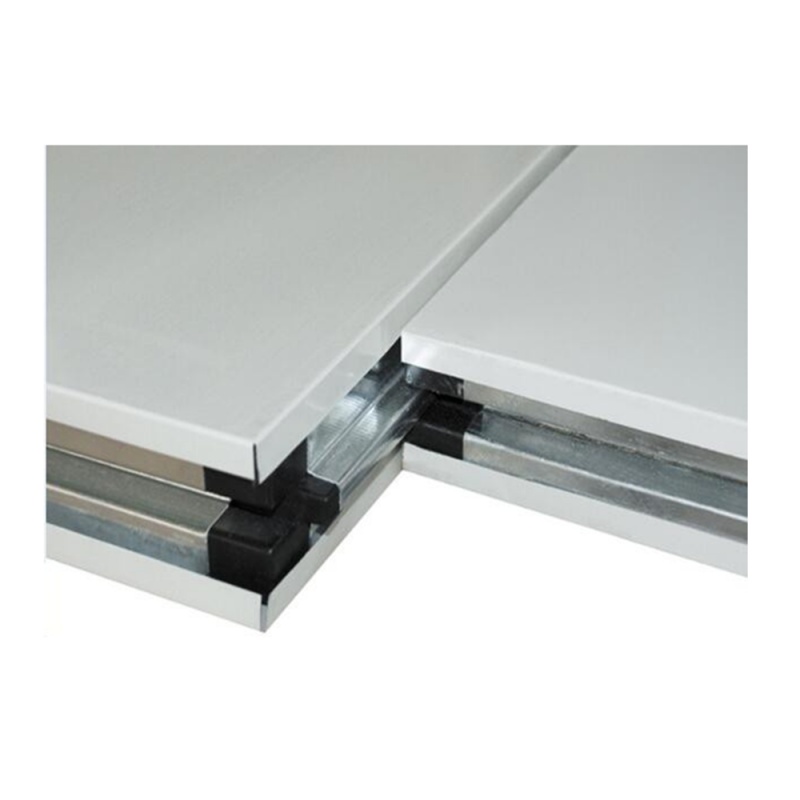
Key Installation Points for Aluminum Honeycomb Core Cleanroom Panels

Installatieoverwegingen voor cleanroompanelen met een kern van magnesiumoxide (MgO) en steenwol

Panelen met een kern van magnesiumoxide (MgO) en steenwol combineer de onderscheidende kenmerken van beide materialen. Tijdens de installatie moet rekening worden gehouden met de specifieke eisen die worden gesteld aan de steenwolcore — met name met betrekking tot zijn brandwerendheid en thermische isolatie-eigenschappen — terwijl tegelijkertijd rekening wordt gehouden met de unieke eigenschappen van de magnesiumoxide-afwerkplaten. Bij het bevestigen van de panelen is het essentieel om ervoor te zorgen dat de bevestigingsmiddelen stevig doordringen in de magnesiumoxideplaat, zodat een veilige verbinding met de dragende rail wordt gerealiseerd en de structurele stabiliteit van de gehele constructie wordt gewaarborgd. Bij cleanroomconstructieprojecten binnen farmaceutische productiefaciliteiten kan onvoldoende bevestiging leiden tot losraken van panelen tijdens latere werkzaamheden, mogelijk veroorzaakt door factoren zoals trillingen van apparatuur binnen de werkplaats.

Wat de behandeling van paneelvoegen betreft, moeten de openingen eerst worden gevuld met een geschikt afdichtingsmateriaal, gevolgd door een passende oppervlakteafwerking, om zowel de luchtdichtheid als de esthetische continuïteit van de voegen te waarborgen. Bovendien zijn magnesiumoxideplaten gevoelig voor vochtgerelateerde problemen – zoals 'transpiratie' of vochtmigratie – in omgevingen met een hoge luchtvochtigheid; daarom moeten tijdens de installatie degelijke vochtdichte maatregelen worden genomen, bijvoorbeeld het aanbrengen van vochtbestendige coatings op de ondergrond.
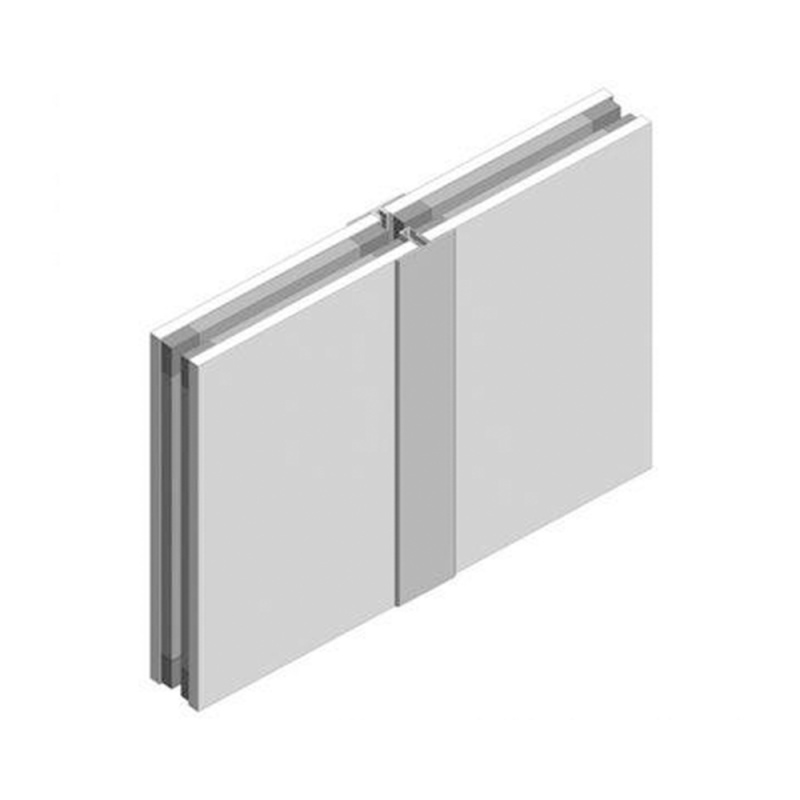
cleanroom panels factory Installation of Rock Wool Core Cleanroom Panels Rock wool core material is manufactured from natural rock through a high-temperature melting process; it is relatively heavy and possesses a certain degree of rigidity. During installation, the load-bearing capacity of the supporting keel structure is of paramount importance. Based on the weight of the panels, the spacing between keels must be designed scientifically and rationally to prevent panel deformation caused by insufficient load-bearing support. For instance, if rock wool cleanroom panels are utilized as wall materials in a large-scale industrial facility with stringent fire safety requirements, setting the keel spacing too wide—given the substantial weight of the rock wool panels—could eventually lead to sagging or deformation of the panels over time, thereby compromising both aesthetic appeal and operational safety.  Furthermore, the cut edges of rock wool panels are prone to generating dust. Consequently, appropriate protective measures must be implemented during installation—such as requiring construction personnel to wear professional dust-proof masks and deploying localized dust extraction equipment in cutting zones—to prevent dust contamination within the cleanroom environment. When joining panels, it is imperative to ensure that the seams are tightly fitted; this is essential for effectively guaranteeing thermal insulation and soundproofing performance. For example, in the construction of medical operating rooms—where noise control standards are exceptionally strict—tightly fitted seams can significantly minimize the intrusion of external noise while simultaneously preventing thermal exchange between the indoor and outdoor environments, thereby maintaining stable indoor temperatures.  Installation of Rock Wool Core Cleanroom Panels  Installation of Polyurethane Core Cleanroom Panels Polyurethane core material consists of a polyurethane foam filling; it offers excellent thermal insulation and sealing properties, combining high structural strength with a moderate weight. During installation, the layout of the supporting keel structure can be adjusted to suit the specific application scenario. For instance, in the construction of a cold storage facility—where thermal insulation requirements are particularly high—the low internal temperatures necessitate cleanroom panels with superior insulating capabilities to minimize energy consumption. In such cases, the keel layout can be flexibly configured based on practical factors such as the spatial structure of the cold storage unit and the positioning of refrigeration equipment.  However, since polyurethane materials may release harmful gases when exposed to high temperatures, the use of open flames must be strictly prohibited during the installation process, and adequate ventilation must be ensured. Additionally, polyurethane panels typically feature a tongue-and-groove interlocking design at their joints; during installation, it is crucial to ensure that these interlocking profiles engage tightly to enhance the overall airtightness of the structure. Taking a food cold storage facility as an example: if the tongue-and-groove joints do not interlock tightly, outside air can easily infiltrate. This may lead to temperature fluctuations within the cold storage area, thereby compromising the effectiveness of food preservation.  Installation of Polyurethane Core Cleanroom Panels  Installation of Hollow Magnesium Oxide Core Cleanroom Panels Hollow magnesium oxide core panels typically consist of a honeycomb or grid-like hollow internal structure bonded to magnesium oxide faceboards. Being lightweight, they offer relatively convenient installation. However, their installation places stringent demands on the flatness of the substrate (base layer). The substrate surface must be flat, dry, and clean; if the flatness deviation of the substrate exceeds the specified tolerance (generally, the flatness error must not exceed 5 mm within any 2-meter span), the cleanroom panels will fail to adhere tightly to the substrate after installation, resulting in excessively wide panel seams. In the construction of electronic cleanrooms, if panel seams are too wide, dust and other impurities can easily enter, making it impossible to meet the rigorous environmental cleanliness standards required for electronics manufacturing.  When securing the panels, methods such as self-tapping screws are typically employed. Specific requirements govern the spacing of these screws, which are generally distributed uniformly within a reasonable range to ensure the panels are firmly anchored. Furthermore, the treatment of panel seams is equally critical; they must be filled with sealing materials to ensure an effective seal and prevent air leakage.  cleanroom panels factory Installation of Rock Wool Core Cleanroom Panels Rock wool core material is manufactured from natural rock through a high-temperature melting process; it is relatively heavy and possesses a certain degree of rigidity. During installation, the load-bearing capacity of the supporting keel structure is of paramount importance. Based on the weight of the panels, the spacing between keels must be designed scientifically and rationally to prevent panel deformation caused by insufficient load-bearing support. For instance, if rock wool cleanroom panels are utilized as wall materials in a large-scale industrial facility with stringent fire safety requirements, setting the keel spacing too wide—given the substantial weight of the rock wool panels—could eventually lead to sagging or deformation of the panels over time, thereby compromising both aesthetic appeal and operational safety.  Furthermore, the cut edges of rock wool panels are prone to generating dust. Consequently, appropriate protective measures must be implemented during installation—such as requiring construction personnel to wear professional dust-proof masks and deploying localized dust extraction equipment in cutting zones—to prevent dust contamination within the cleanroom environment. When joining panels, it is imperative to ensure that the seams are tightly fitted; this is essential for effectively guaranteeing thermal insulation and soundproofing performance. For example, in the construction of medical operating rooms—where noise control standards are exceptionally strict—tightly fitted seams can significantly minimize the intrusion of external noise while simultaneously preventing thermal exchange between the indoor and outdoor environments, thereby maintaining stable indoor temperatures.  Installation of Rock Wool Core Cleanroom Panels  Installation of Polyurethane Core Cleanroom Panels Polyurethane core material consists of a polyurethane foam filling; it offers excellent thermal insulation and sealing properties, combining high structural strength with a moderate weight. During installation, the layout of the supporting keel structure can be adjusted to suit the specific application scenario. For instance, in the construction of a cold storage facility—where thermal insulation requirements are particularly high—the low internal temperatures necessitate cleanroom panels with superior insulating capabilities to minimize energy consumption. In such cases, the keel layout can be flexibly configured based on practical factors such as the spatial structure of the cold storage unit and the positioning of refrigeration equipment.  However, since polyurethane materials may release harmful gases when exposed to high temperatures, the use of open flames must be strictly prohibited during the installation process, and adequate ventilation must be ensured. Additionally, polyurethane panels typically feature a tongue-and-groove interlocking design at their joints; during installation, it is crucial to ensure that these interlocking profiles engage tightly to enhance the overall airtightness of the structure. Taking a food cold storage facility as an example: if the tongue-and-groove joints do not interlock tightly, outside air can easily infiltrate. This may lead to temperature fluctuations within the cold storage area, thereby compromising the effectiveness of food preservation.  Installation of Polyurethane Core Cleanroom Panels  Installation of Hollow Magnesium Oxide Core Cleanroom Panels  Key Installation Points for Aluminum Honeycomb Core Cleanroom Panels Aluminum honeycomb core cleanroom panels offer numerous advantages, such as high structural strength and excellent surface flatness. During installation, given the relatively uniform distribution of the panels' weight, the design of the supporting keel system can be determined based on the specific panel specifications and the ambient installation environment. In large-scale commercial shopping malls—specifically for projects involving the enclosure of central air conditioning ventilation ducts—the use of aluminum honeycomb cleanroom panels necessitates a keel design tailored to the shape and dimensions of the ventilation ducts, as well as the overall spatial layout of the mall.  When splicing aluminum honeycomb cleanroom panels, a high degree of precision is required. It is essential to ensure that all joints are flat and tightly sealed to achieve an aesthetically pleasing appearance and maintain optimal overall performance. Furthermore, during the installation process, great care must be taken to protect the panel surfaces; precautions should be implemented to prevent scratches or impacts that could cause surface damage, thereby compromising both the visual appeal and the functional integrity of the panels.  Key Installation Points for Aluminum Honeycomb Core Cleanroom Panels  Installation Considerations for Magnesium Oxide Rock Wool Core Cleanroom Panels

Bij het installeren van zuiveringspanelen met verschillende kernmaterialen moeten specifieke maatregelen worden genomen—afgestemd op de kenmerken van het kernmateriaal—met betrekking tot de constructie van de onderconstructie, vocht- en brandbeschermingsbehandelingen, het aansluiten van panelen en veiligheidsmaatregelen tijdens verwerking. Dit waarborgt de kwaliteit van de installatie en zorgt ervoor dat de zuiveringspanelen optimaal functioneren. In praktijkprojecten dient de keuze van zuiveringspanelen met geschikte kernmaterialen te zijn gebaseerd op een grondige beoordeling van factoren zoals het specifieke toepassingsgebied, de milieu-eisen en het budget; bovendien moet de uitvoering strikt volgens de desbetreffende installatiehandleidingen plaatsvinden.
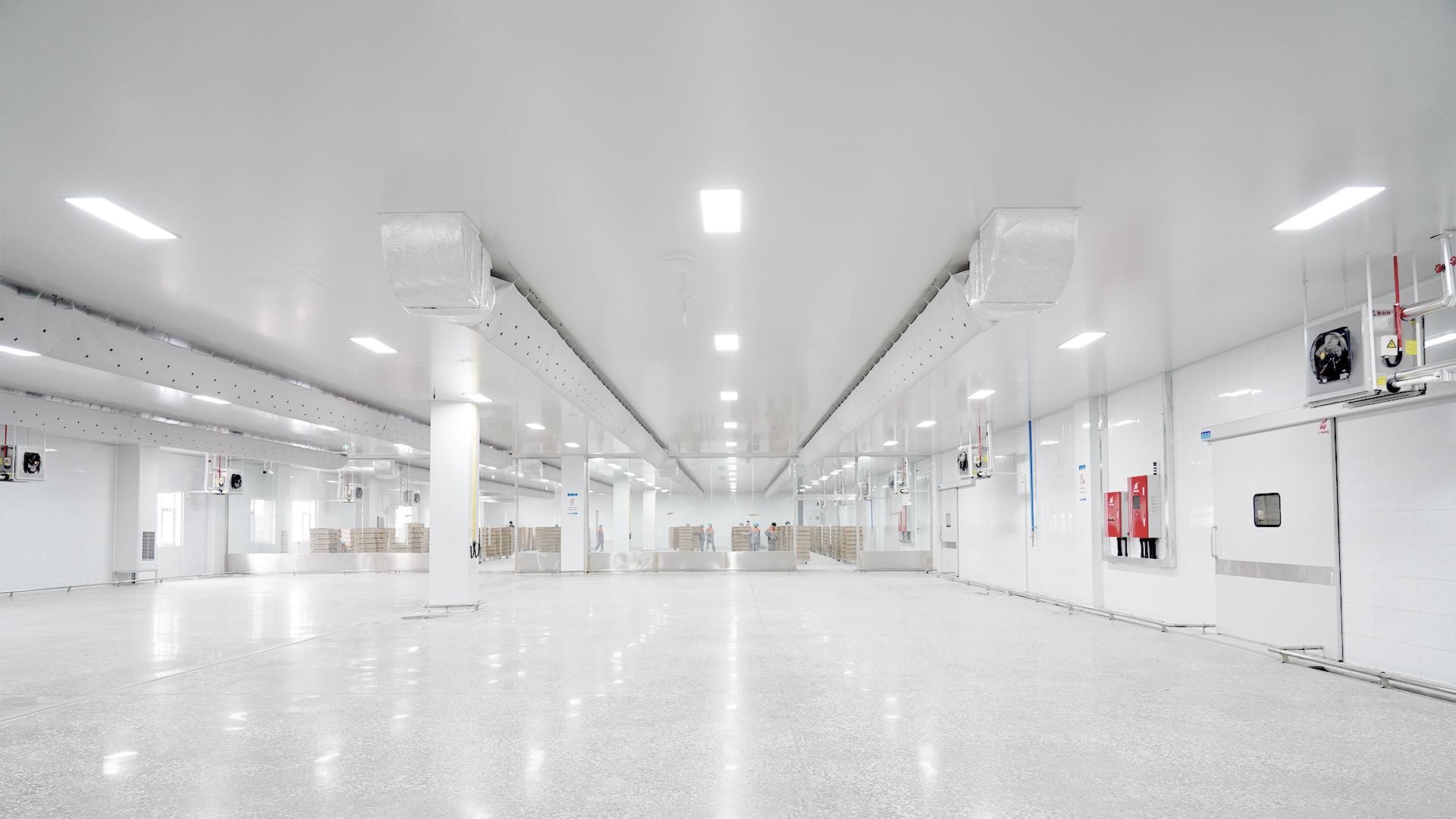
Cleanroom Enclosure System for Shandong Boda Food (1).jpg

Ontvang een gratis offerte voor uw project

Of het nu een stalen werkplaats, een koelruimte of een cleanroom-systeem betreft: wij bieden concurrerende fabrieksprijzen en professioneel ontwerp.
E-mail
Naam
Mobiel/WhatsApp
Bedrijfsnaam
Bericht
0/1000