احصل على عرض سعر مجاني لمشروعك

سواء كان الأمر يتعلق بورشة عمل للصلب، أو مخزن تبريد، أو نظام غرفة نظيفة، فإننا نقدم أسعارًا تنافسية من المصنع وتصميمًا احترافيًا.
البريد الإلكتروني
الاسم
الهاتف المحمول / واتساب
اسم الشركة
رسالة
0/1000

هل توجد فروق في تركيب ألواح غرف النظافة التي تختلف مواد قلبها؟

Apr 14, 2026

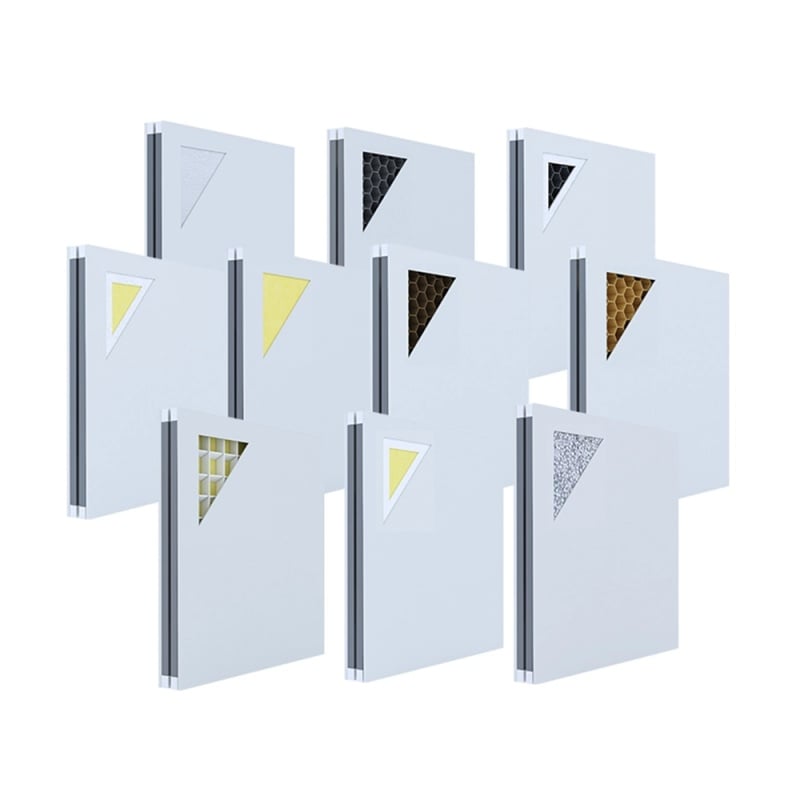
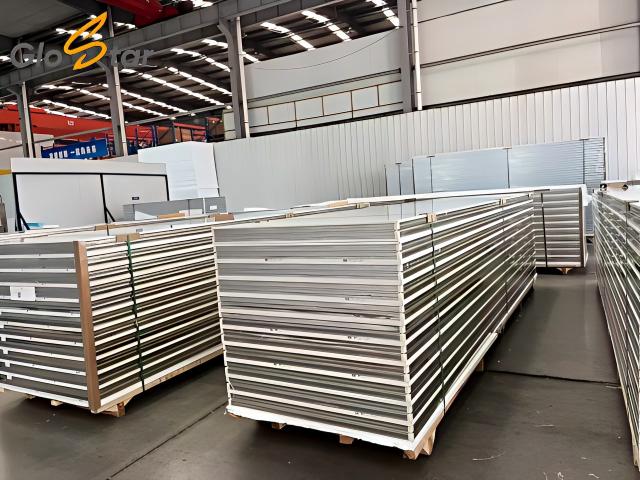
ألواح الغرف النظيفة تُستخدم هذه الألواح على نطاق واسع في الصناعات التي تتطلب شروطًا بيئية صارمة—مثل إنتاج الإلكترونيات والصناعات الدوائية وتجهيز الأغذية—حيث تُوظَّف لإنشاء بيئات مكانية نظيفة وصحية. وتتميَّز هذه الألواح بمجموعة متنوعة من مواد القلب، وأشهر أنواعها: الصوف الصخري، وأكسيد المغنيسيوم المجوف، والألمنيوم ذا البنية السداسية (النحلية)، ومزيج أكسيد المغنيسيوم مع الصوف الصخري. وبما أن كل نوع من مواد القلب يتمتّع بخصائصٍ مميَّزةٍ خاصةٍ به، فإن عمليات تركيب ألواح غرف النظافة المختلفة هذه تختلف بالفعل اختلافًا كبيرًا.
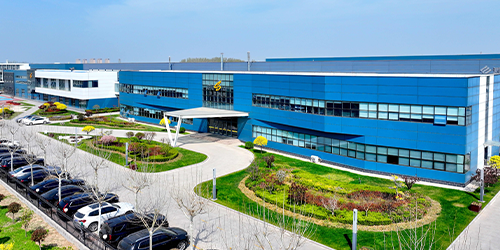
cleanroom panels factory

تركيب ألواح غرف النظافة ذات القلب المصنوع من الصوف الصخري

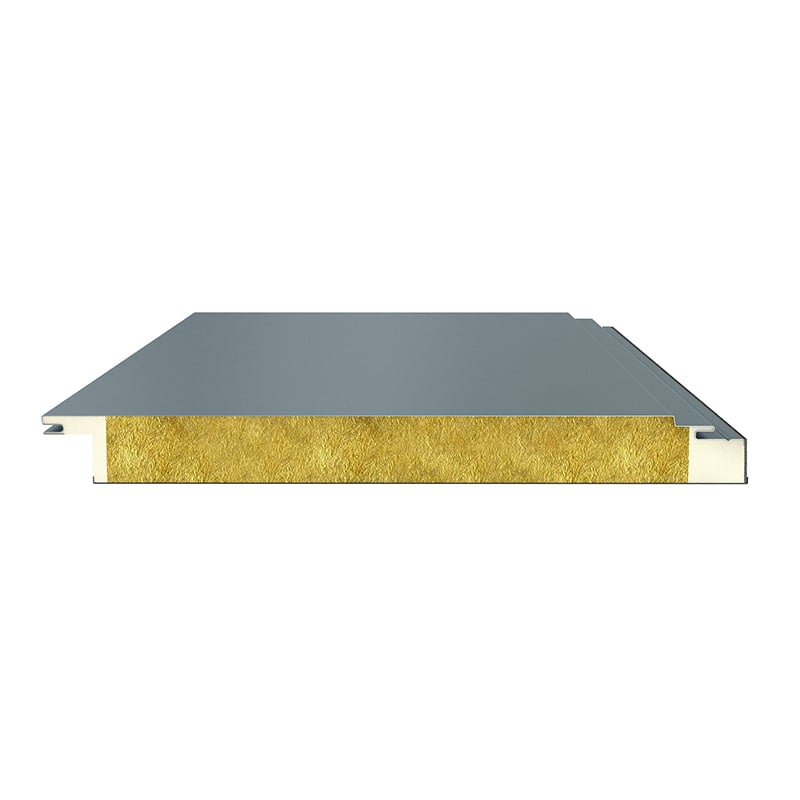
يُصنَع قلب مادة صوف الصخور من الصخور الطبيعية عبر عملية انصهار عند درجات حرارة عالية؛ وهي ذات كثافة نسبيّة وتمتاز بدرجة معينة من الصلابة. وعند التركيب، تكتسب قدرة الهيكل الداعم (العوارض) على التحمُّل أهميةً بالغة. ويجب أن يُصمَّم تباعد العوارض علميًّا ومنطقيًّا استنادًا إلى وزن الألواح لمنع تشوه الألواح الناجم عن ضعف الدعم الحامل. فعلى سبيل المثال، إذا ألواح غرف نظيفة من الصوف الصخري استُخدمت هذه الألواح كمواد جدارية في منشأة صناعية كبيرة تتطلّب متطلبات صارمة في مجال السلامة من الحرائق، فإن جعل تباعد العوارض واسعًا جدًّا—مع الأخذ في الاعتبار الوزن الكبير لألوان صوف الصخور—قد يؤدي تدريجيًّا مع مرور الوقت إلى هبوط الألواح أو تشوهها، مما يُضعف بذلك الجاذبية البصرية والسلامة التشغيلية معًا.

وعلاوةً على ذلك، فإن حواف ألواح الصوف الصخري المقطوعة تكون عرضةً لتوليد الغبار. ونتيجةً لذلك، يجب اتخاذ تدابير وقائية مناسبة أثناء التركيب—مثل اشتراط ارتداء العاملين في الموقع أقنعةً احترافيةً مضادة للغبار، وتركيب معدات محلية لاستخراج الغبار في مناطق القطع—لمنع تلوث بيئة غرفة النظافة بالغبار. وعند تركيب الألواح، يتعيّن التأكُّد من أن المفاصل بينها تكون محكمة الإغلاق تمامًا؛ إذ يُعد ذلك أمرًا جوهريًّا لكفالة الأداء الفعّال للعزل الحراري والعزل الصوتي. فعلى سبيل المثال، في إنشاء غرف العمليات الطبية—التي تطبَّق فيها معايير التحكم في الضوضاء بدقةٍ استثنائية—تسهم المفاصل المحكمة الإغلاق في الحدِّ بشكلٍ كبيرٍ من دخول الضوضاء الخارجية، وفي الوقت نفسه تمنع تبادل الحرارة بين البيئة الداخلية والخارجية، مما يضمن الحفاظ على درجات حرارة داخلية مستقرة.
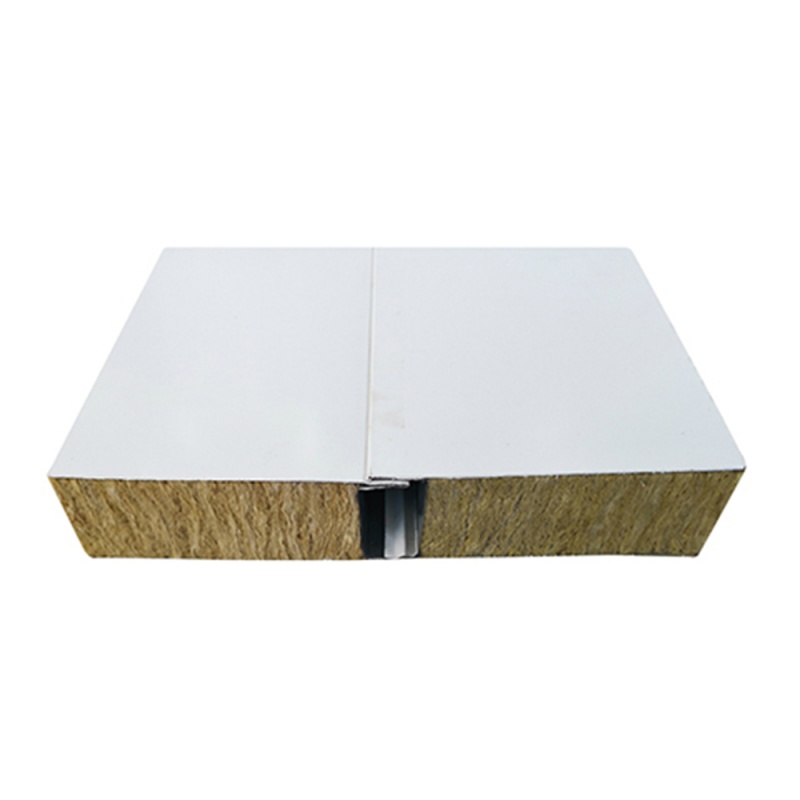
Installation of Rock Wool Core Cleanroom Panels

تركيب ألواح غرف النظافة ذات القلب البولي يوريثان

تتكوّن مادة القلب البولي يوريثان من حشوة رغوية من البولي يوريثان؛ وهي توفر عزلًا حراريًّا وخصائص إحكام ممتازة، مع الجمع بين قوة هيكلية عالية ووزن معتدل. وخلال التركيب، يمكن تعديل ترتيب هيكل العارضة الداعمة لتناسب سيناريو التطبيق المحدَّد. فعلى سبيل المثال، في إنشاء مرافق التخزين البارد—حيث تكون متطلبات العزل الحراري مرتفعة جدًّا—تتطلب درجات الحرارة المنخفضة الداخلية استخدام ألواح غرف نظيفة ذات قدرات عزل متفوِّقة لتقليل استهلاك الطاقة. وفي هذه الحالات، يمكن تكوين ترتيب العارضة بشكلٍ مرن استنادًا إلى عوامل عملية مثل البنية المكانية لوحدة التخزين البارد وموقع معدات التبريد.

ومع ذلك، وبما أن مواد البولي يوريثان قد تطلق غازات ضارة عند التعرض لدرجات حرارة مرتفعة، فيجب حظر استخدام اللهب المكشوف تمامًا أثناء عملية التركيب، ويجب التأكد من توفر تهوية كافية. علاوةً على ذلك، فإن ألواح البولي يوريثان عادةً ما تتضمن تصميمًا متشابكًا من نوع اللسان والأخدود عند مفاصلها؛ ولذلك، فمن الضروري جدًّا أثناء التركيب التأكد من أن هذه الملامسات المتشابكة تُحكَم إغلاقها بإحكامٍ تامٍّ لتعزيز العزل الهوائي الكلي للهيكل. وعلى سبيل المثال، في منشأة تخزين الأغذية الباردة: إذا لم تُحكَم مفاصل اللسان والأخدود بشكلٍ كافٍ، فقد يتسلل الهواء الخارجي بسهولة. وقد يؤدي ذلك إلى تقلبات في درجة الحرارة داخل منطقة التبريد، مما يُضعف فعالية حفظ الأغذية.
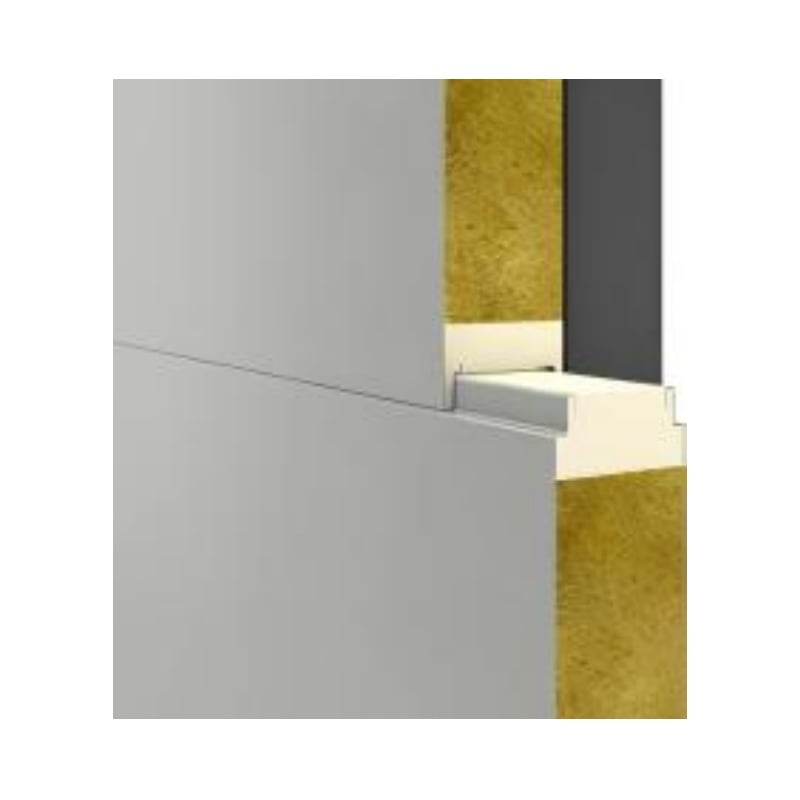
Installation of Polyurethane Core Cleanroom Panels

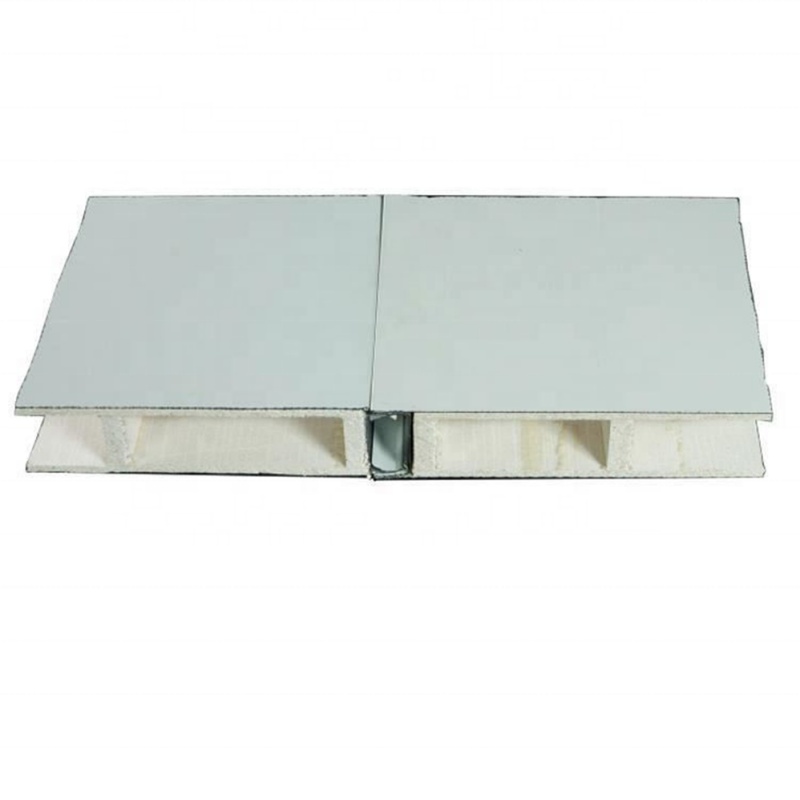
تركيب ألواح غرف النظافة ذات القلب المجوف من أكسيد المغنيسيوم

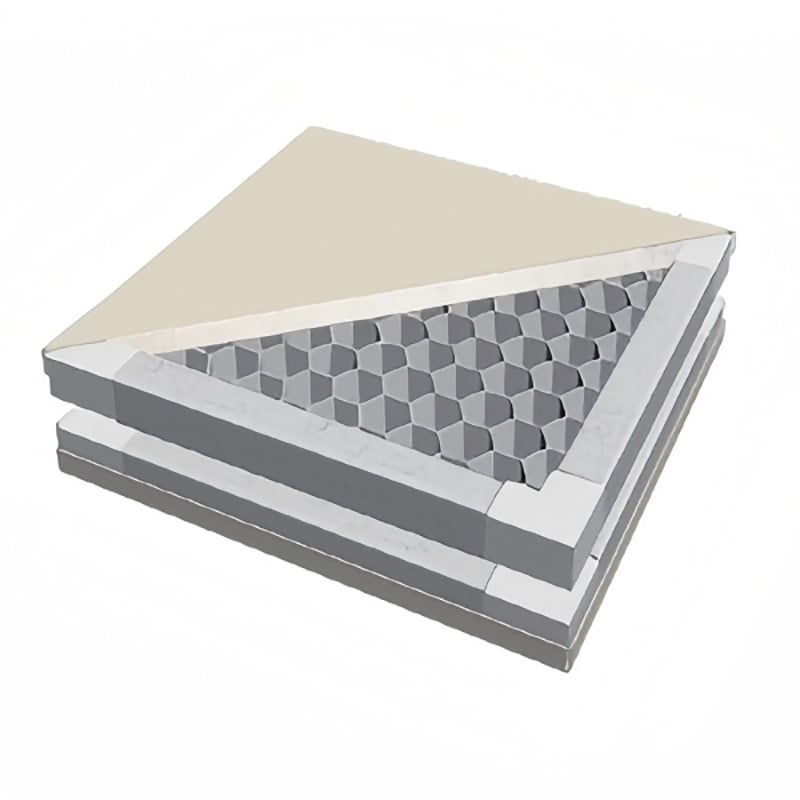
ألواح غرف النظافة ذات القلب المجوف من أكسيد المغنيسيوم تتكوّن عادةً من هيكل داخلي مجوف على شكل خلية نحل أو شبكة، مُلصَقٍ بلوحَيْ واجهة من أكسيد المغنيسيوم. وبفضل خفّة وزنها، فإنها تتيح تركيبًا نسبيًّا سهلًا. ومع ذلك، يفرض تركيبها متطلباتٍ صارمةً جدًّا بالنسبة لمستوى استواء الطبقة الأساسية (الطبقة السفلية). ويجب أن تكون سطح الطبقة الأساسية مستويًّا وجافًّا ونظيفًا؛ فإذا تجاوز انحراف الاستواء في هذه الطبقة التسامح المحدَّد (وبشكل عام، لا يجوز أن يتجاوز خطأ الاستواء ٥ مم ضمن أي مدى يبلغ طوله مترين)، فلن تلتصق ألواح غرفة النظافة بإحكامٍ كافٍ بالطبقة الأساسية بعد التركيب، مما يؤدي إلى توسُّع شقوق الألواح بشكلٍ مفرط. وفي إنشاء غرف النظافة الإلكترونية، إذا كانت شقوق الألواح واسعةً جدًّا، فقد تتسلل الغبار والشوائب الأخرى بسهولةٍ إلى الداخل، ما يجعل من المستحيل الوفاء بالمعايير البيئية الصارمة المطلوبة للنظافة في عمليات تصنيع الإلكترونيات.

عند تثبيت الألواح، تُستخدم عادةً طرق مثل البراغي ذاتية التنصيب. وتخضع هذه البراغي لمتطلبات محددة تتعلق بالتباعد بينها، حيث توزَّع عمومًا بشكل متجانس ضمن نطاق معقول لضمان تثبيت الألواح بإحكام. علاوةً على ذلك، فإن معالجة مفاصل الألواح تكتسي أهميةً بالغة أيضًا؛ إذ يجب سدها بمواد حاجزة لضمان إغلاق فعّال ومنع تسرب الهواء.
cleanroom panels factory Installation of Rock Wool Core Cleanroom Panels Rock wool core material is manufactured from natural rock through a high-temperature melting process; it is relatively heavy and possesses a certain degree of rigidity. During installation, the load-bearing capacity of the supporting keel structure is of paramount importance. Based on the weight of the panels, the spacing between keels must be designed scientifically and rationally to prevent panel deformation caused by insufficient load-bearing support. For instance, if rock wool cleanroom panels are utilized as wall materials in a large-scale industrial facility with stringent fire safety requirements, setting the keel spacing too wide—given the substantial weight of the rock wool panels—could eventually lead to sagging or deformation of the panels over time, thereby compromising both aesthetic appeal and operational safety.  Furthermore, the cut edges of rock wool panels are prone to generating dust. Consequently, appropriate protective measures must be implemented during installation—such as requiring construction personnel to wear professional dust-proof masks and deploying localized dust extraction equipment in cutting zones—to prevent dust contamination within the cleanroom environment. When joining panels, it is imperative to ensure that the seams are tightly fitted; this is essential for effectively guaranteeing thermal insulation and soundproofing performance. For example, in the construction of medical operating rooms—where noise control standards are exceptionally strict—tightly fitted seams can significantly minimize the intrusion of external noise while simultaneously preventing thermal exchange between the indoor and outdoor environments, thereby maintaining stable indoor temperatures.  Installation of Rock Wool Core Cleanroom Panels  Installation of Polyurethane Core Cleanroom Panels Polyurethane core material consists of a polyurethane foam filling; it offers excellent thermal insulation and sealing properties, combining high structural strength with a moderate weight. During installation, the layout of the supporting keel structure can be adjusted to suit the specific application scenario. For instance, in the construction of a cold storage facility—where thermal insulation requirements are particularly high—the low internal temperatures necessitate cleanroom panels with superior insulating capabilities to minimize energy consumption. In such cases, the keel layout can be flexibly configured based on practical factors such as the spatial structure of the cold storage unit and the positioning of refrigeration equipment.  However, since polyurethane materials may release harmful gases when exposed to high temperatures, the use of open flames must be strictly prohibited during the installation process, and adequate ventilation must be ensured. Additionally, polyurethane panels typically feature a tongue-and-groove interlocking design at their joints; during installation, it is crucial to ensure that these interlocking profiles engage tightly to enhance the overall airtightness of the structure. Taking a food cold storage facility as an example: if the tongue-and-groove joints do not interlock tightly, outside air can easily infiltrate. This may lead to temperature fluctuations within the cold storage area, thereby compromising the effectiveness of food preservation.  Installation of Polyurethane Core Cleanroom Panels  Installation of Hollow Magnesium Oxide Core Cleanroom Panels

النقاط الرئيسية لتثبيت ألواح غرف النظافة ذات القلب النحلِي المصنوع من الألومنيوم

ألواح غرف النظافة ذات القلب النحلّي الألومنيومي توفر العديد من المزايا، مثل القوة الهيكلية العالية والمسطحية الممتازة للسطح. وخلال عملية التركيب، وبما أن وزن الألواح موزَّعٌ بشكلٍ نسبيٍّ متجانس، فيمكن تحديد تصميم نظام العارضات الداعمة استنادًا إلى مواصفات الألواح المحددة والبيئة المحيطة المخصصة للتركيب. وفي مراكز التسوق التجارية الكبيرة — وعلى وجه التحديد في المشاريع التي تتضمَّن إغلاق قنوات تهوية أنظمة التكييف المركزي — يتطلَّب استخدام ألواح غرف النظافة ذات قلب النحل الألومنيوم تصميم عارضات يتناسب مع شكل وأبعاد قنوات التهوية، وكذلك مع التخطيط المكاني العام لمول التسوُّق.

عند توصيل ألواح غرف النظافة المصنوعة من عسل الألمنيوم، يتطلب الأمر درجة عالية من الدقة. ومن الضروري التأكد من أن جميع الوصلات تكون مسطحة ومغلقة بإحكام لتحقيق مظهر جمالي جذّاب والحفاظ على الأداء الكلي الأمثل. علاوةً على ذلك، يجب اتخاذ عناية فائقة أثناء عملية التركيب لحماية أسطح الألواح؛ ويجب اتخاذ إجراءات وقائية لمنع الخدوش أو التصادمات التي قد تتسبب في تلف السطح، مما يُضعف الجاذبية البصرية والسلامة الوظيفية للألواح.
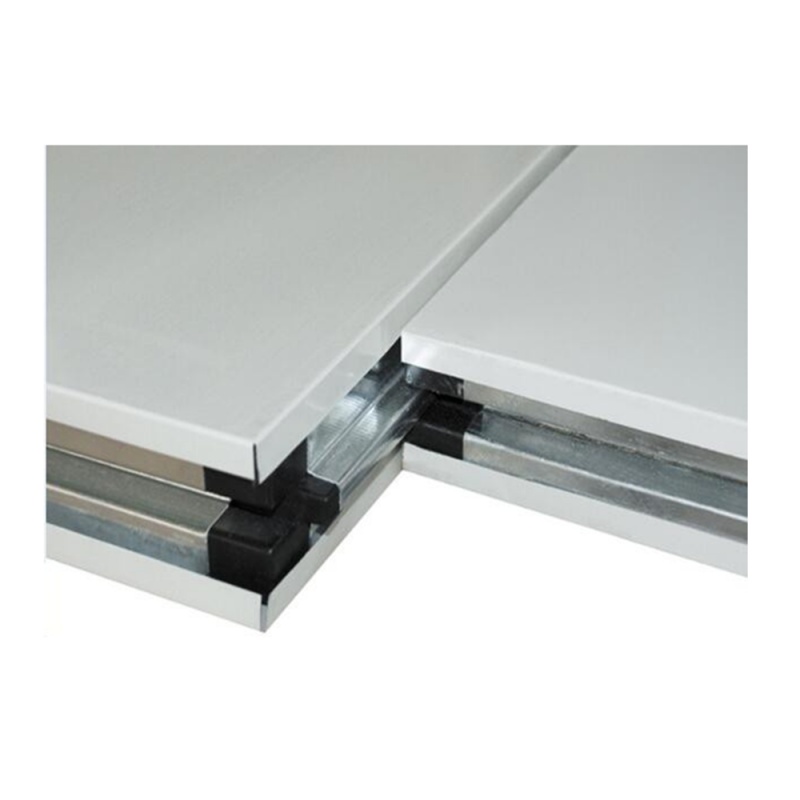
Key Installation Points for Aluminum Honeycomb Core Cleanroom Panels

اعتبارات التركيب الخاصة بألواح غرف النظافة ذات القلب المكوَّن من أكسيد المغنيسيوم والصوف الصخري

ألواح تتميز بقلب مكوَّن من أكسيد المغنيسيوم (MgO) والصوف الصخري دمج الخصائص المميزة لكلا المادتين. وعند تركيب الألواح، يجب أخذ المتطلبات الخاصة المفروضة من قِبل قلب الصوف الصخري بعين الاعتبار—وخاصةً فيما يتعلق بخصائصه المقاومة للحريق والعازلة حراريًّا—مع مراعاة الخصائص الفريدة لألواح أكسيد المغنيسيوم السطحية في الوقت نفسه. وعند تثبيت الألواح، من الضروري جدًّا التأكُّد من أنَّ وسائل التثبيت تخترق لوحة أكسيد المغنيسيوم بشكلٍ محكمٍ لتؤسِّس اتصالًا آمنًا مع الهيكل الداعم (العوارض)، مما يضمن استقرار التجميع الكلي هيكليًّا. وفي مشاريع إنشاء غرف نظيفة ضمن مرافق تصنيع الأدوية، قد يؤدي التثبيت غير الكافي إلى فكِّ الألواح أثناء العمليات اللاحقة، وقد يُحفَّز ذلك عوامل مثل اهتزاز المعدات داخل ورشة العمل.

وبخصوص معالجة مفاصل الألواح، يجب أولاً سد الفجوات باستخدام مادة سدّاد مناسبة، ثم إجراء التشطيب السطحي الملائم لضمان كلٍّ من الإحكام الهوائي واستمرارية المظهر الجمالي للمفاصل. علاوةً على ذلك، وبما أن ألواح أكسيد المغنيسيوم عُرضةً لمشاكل تتعلق بالرطوبة—مثل ظاهرة "التعرق" أو انتقال الرطوبة—في البيئات عالية الرطوبة، فيجب اتخاذ تدابير قوية لمنع اختراق الرطوبة أثناء التركيب؛ ومن أمثلة ذلك تطبيق طلاءات مقاومة للرطوبة على الطبقة الأساسية الداعمة.
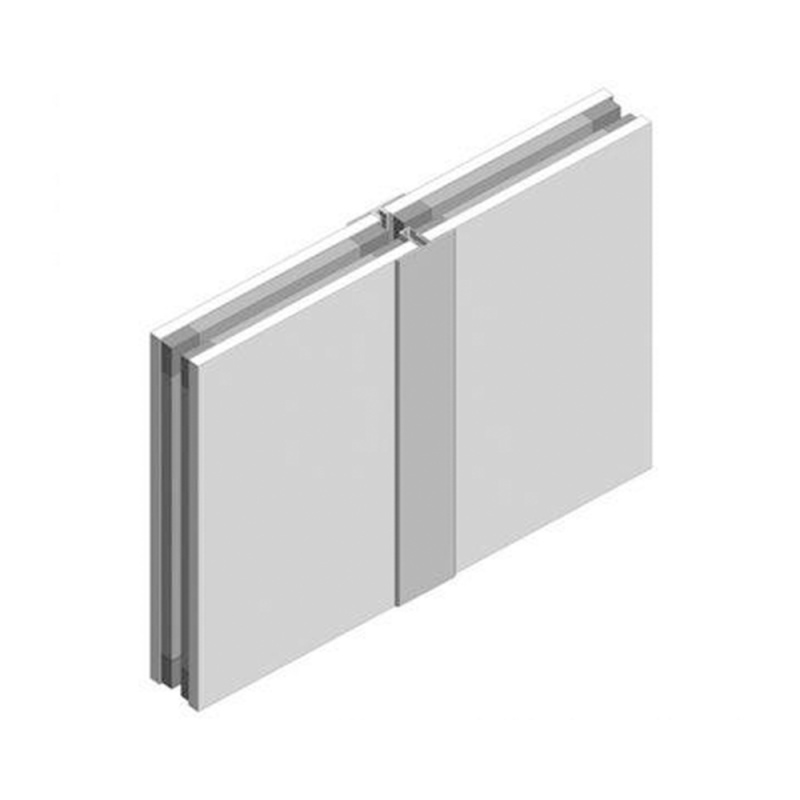
cleanroom panels factory Installation of Rock Wool Core Cleanroom Panels Rock wool core material is manufactured from natural rock through a high-temperature melting process; it is relatively heavy and possesses a certain degree of rigidity. During installation, the load-bearing capacity of the supporting keel structure is of paramount importance. Based on the weight of the panels, the spacing between keels must be designed scientifically and rationally to prevent panel deformation caused by insufficient load-bearing support. For instance, if rock wool cleanroom panels are utilized as wall materials in a large-scale industrial facility with stringent fire safety requirements, setting the keel spacing too wide—given the substantial weight of the rock wool panels—could eventually lead to sagging or deformation of the panels over time, thereby compromising both aesthetic appeal and operational safety.  Furthermore, the cut edges of rock wool panels are prone to generating dust. Consequently, appropriate protective measures must be implemented during installation—such as requiring construction personnel to wear professional dust-proof masks and deploying localized dust extraction equipment in cutting zones—to prevent dust contamination within the cleanroom environment. When joining panels, it is imperative to ensure that the seams are tightly fitted; this is essential for effectively guaranteeing thermal insulation and soundproofing performance. For example, in the construction of medical operating rooms—where noise control standards are exceptionally strict—tightly fitted seams can significantly minimize the intrusion of external noise while simultaneously preventing thermal exchange between the indoor and outdoor environments, thereby maintaining stable indoor temperatures.  Installation of Rock Wool Core Cleanroom Panels  Installation of Polyurethane Core Cleanroom Panels Polyurethane core material consists of a polyurethane foam filling; it offers excellent thermal insulation and sealing properties, combining high structural strength with a moderate weight. During installation, the layout of the supporting keel structure can be adjusted to suit the specific application scenario. For instance, in the construction of a cold storage facility—where thermal insulation requirements are particularly high—the low internal temperatures necessitate cleanroom panels with superior insulating capabilities to minimize energy consumption. In such cases, the keel layout can be flexibly configured based on practical factors such as the spatial structure of the cold storage unit and the positioning of refrigeration equipment.  However, since polyurethane materials may release harmful gases when exposed to high temperatures, the use of open flames must be strictly prohibited during the installation process, and adequate ventilation must be ensured. Additionally, polyurethane panels typically feature a tongue-and-groove interlocking design at their joints; during installation, it is crucial to ensure that these interlocking profiles engage tightly to enhance the overall airtightness of the structure. Taking a food cold storage facility as an example: if the tongue-and-groove joints do not interlock tightly, outside air can easily infiltrate. This may lead to temperature fluctuations within the cold storage area, thereby compromising the effectiveness of food preservation.  Installation of Polyurethane Core Cleanroom Panels  Installation of Hollow Magnesium Oxide Core Cleanroom Panels Hollow magnesium oxide core panels typically consist of a honeycomb or grid-like hollow internal structure bonded to magnesium oxide faceboards. Being lightweight, they offer relatively convenient installation. However, their installation places stringent demands on the flatness of the substrate (base layer). The substrate surface must be flat, dry, and clean; if the flatness deviation of the substrate exceeds the specified tolerance (generally, the flatness error must not exceed 5 mm within any 2-meter span), the cleanroom panels will fail to adhere tightly to the substrate after installation, resulting in excessively wide panel seams. In the construction of electronic cleanrooms, if panel seams are too wide, dust and other impurities can easily enter, making it impossible to meet the rigorous environmental cleanliness standards required for electronics manufacturing.  When securing the panels, methods such as self-tapping screws are typically employed. Specific requirements govern the spacing of these screws, which are generally distributed uniformly within a reasonable range to ensure the panels are firmly anchored. Furthermore, the treatment of panel seams is equally critical; they must be filled with sealing materials to ensure an effective seal and prevent air leakage.  cleanroom panels factory Installation of Rock Wool Core Cleanroom Panels Rock wool core material is manufactured from natural rock through a high-temperature melting process; it is relatively heavy and possesses a certain degree of rigidity. During installation, the load-bearing capacity of the supporting keel structure is of paramount importance. Based on the weight of the panels, the spacing between keels must be designed scientifically and rationally to prevent panel deformation caused by insufficient load-bearing support. For instance, if rock wool cleanroom panels are utilized as wall materials in a large-scale industrial facility with stringent fire safety requirements, setting the keel spacing too wide—given the substantial weight of the rock wool panels—could eventually lead to sagging or deformation of the panels over time, thereby compromising both aesthetic appeal and operational safety.  Furthermore, the cut edges of rock wool panels are prone to generating dust. Consequently, appropriate protective measures must be implemented during installation—such as requiring construction personnel to wear professional dust-proof masks and deploying localized dust extraction equipment in cutting zones—to prevent dust contamination within the cleanroom environment. When joining panels, it is imperative to ensure that the seams are tightly fitted; this is essential for effectively guaranteeing thermal insulation and soundproofing performance. For example, in the construction of medical operating rooms—where noise control standards are exceptionally strict—tightly fitted seams can significantly minimize the intrusion of external noise while simultaneously preventing thermal exchange between the indoor and outdoor environments, thereby maintaining stable indoor temperatures.  Installation of Rock Wool Core Cleanroom Panels  Installation of Polyurethane Core Cleanroom Panels Polyurethane core material consists of a polyurethane foam filling; it offers excellent thermal insulation and sealing properties, combining high structural strength with a moderate weight. During installation, the layout of the supporting keel structure can be adjusted to suit the specific application scenario. For instance, in the construction of a cold storage facility—where thermal insulation requirements are particularly high—the low internal temperatures necessitate cleanroom panels with superior insulating capabilities to minimize energy consumption. In such cases, the keel layout can be flexibly configured based on practical factors such as the spatial structure of the cold storage unit and the positioning of refrigeration equipment.  However, since polyurethane materials may release harmful gases when exposed to high temperatures, the use of open flames must be strictly prohibited during the installation process, and adequate ventilation must be ensured. Additionally, polyurethane panels typically feature a tongue-and-groove interlocking design at their joints; during installation, it is crucial to ensure that these interlocking profiles engage tightly to enhance the overall airtightness of the structure. Taking a food cold storage facility as an example: if the tongue-and-groove joints do not interlock tightly, outside air can easily infiltrate. This may lead to temperature fluctuations within the cold storage area, thereby compromising the effectiveness of food preservation.  Installation of Polyurethane Core Cleanroom Panels  Installation of Hollow Magnesium Oxide Core Cleanroom Panels  Key Installation Points for Aluminum Honeycomb Core Cleanroom Panels Aluminum honeycomb core cleanroom panels offer numerous advantages, such as high structural strength and excellent surface flatness. During installation, given the relatively uniform distribution of the panels' weight, the design of the supporting keel system can be determined based on the specific panel specifications and the ambient installation environment. In large-scale commercial shopping malls—specifically for projects involving the enclosure of central air conditioning ventilation ducts—the use of aluminum honeycomb cleanroom panels necessitates a keel design tailored to the shape and dimensions of the ventilation ducts, as well as the overall spatial layout of the mall.  When splicing aluminum honeycomb cleanroom panels, a high degree of precision is required. It is essential to ensure that all joints are flat and tightly sealed to achieve an aesthetically pleasing appearance and maintain optimal overall performance. Furthermore, during the installation process, great care must be taken to protect the panel surfaces; precautions should be implemented to prevent scratches or impacts that could cause surface damage, thereby compromising both the visual appeal and the functional integrity of the panels.  Key Installation Points for Aluminum Honeycomb Core Cleanroom Panels  Installation Considerations for Magnesium Oxide Rock Wool Core Cleanroom Panels

عند تركيب ألواح التنقية ذات مواد القلب المختلفة، يجب اعتماد تدابير محددة—مُصمَّمة خصيصًا وفقًا لخصائص مادة القلب—فيما يتعلَّق بتصميم الهيكل المعدني (الكيل)، ومعالجات مقاومة الرطوبة والحرائق، وتوصيل الألواح مع بعضها البعض، وتدابير الحماية أثناء التعامل معها. ويضمن ذلك جودة التركيب ويسمح لألوان التنقية بأداء وظائفها بكفاءةٍ قصوى. وفي مشاريع الهندسة الفعلية، ينبغي اختيار ألواح التنقية ذات مواد القلب المناسبة استنادًا إلى تقييم شامل لعوامل مثل سيناريو التطبيق المحدد، والمتطلبات البيئية، والميزانية؛ علاوةً على ضرورة تنفيذ أعمال الإنشاء بدقةٍ عالية وفقًا للإرشادات الخاصة بالتركيب.
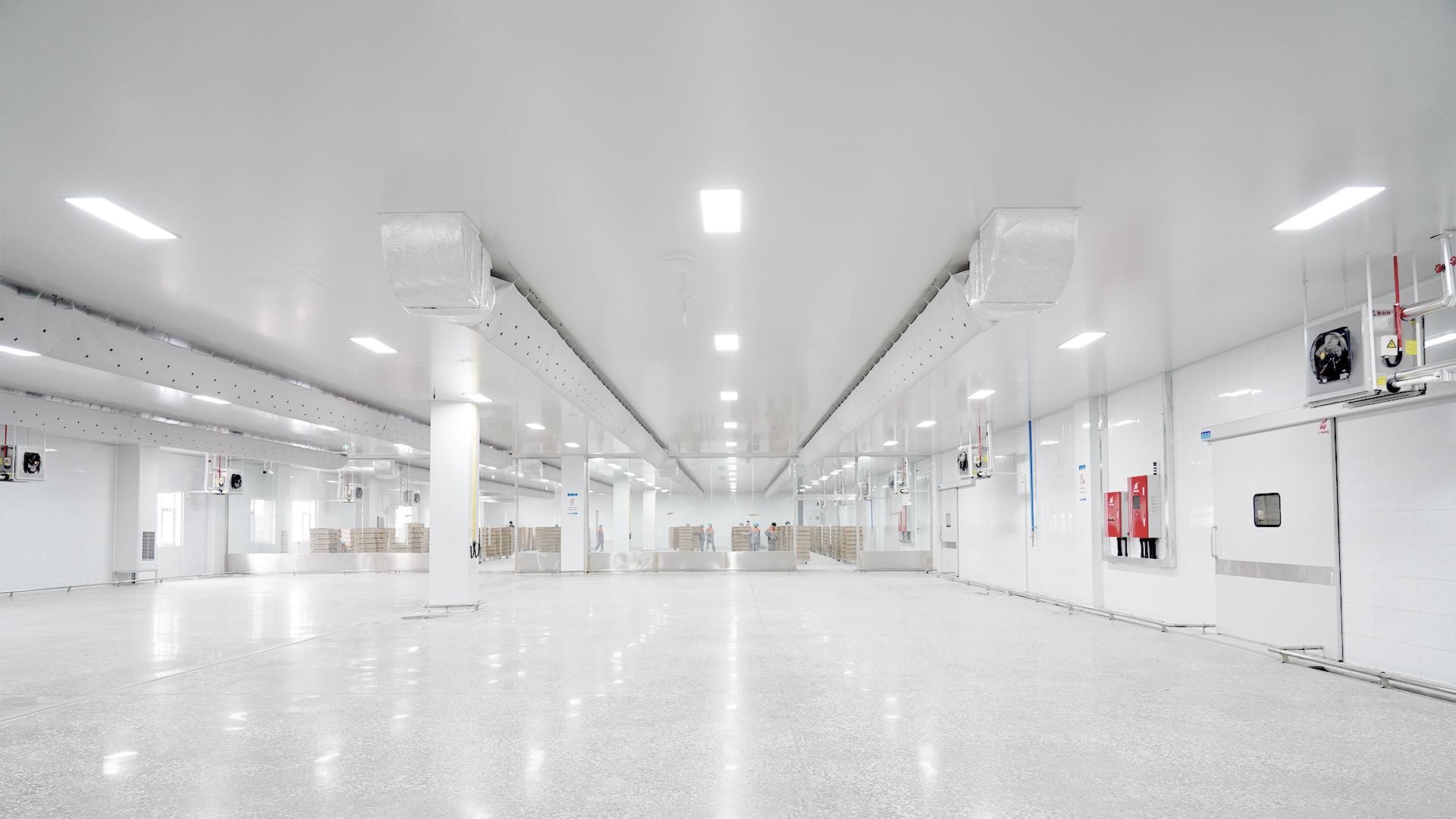
Cleanroom Enclosure System for Shandong Boda Food (1).jpg

احصل على عرض سعر مجاني لمشروعك

سواء كان الأمر يتعلق بورشة عمل للصلب، أو مخزن تبريد، أو نظام غرفة نظيفة، فإننا نقدم أسعارًا تنافسية من المصنع وتصميمًا احترافيًا.
البريد الإلكتروني
الاسم
الهاتف المحمول / واتساب
اسم الشركة
رسالة
0/1000