Získejte nezávaznou cenovou nabídku pro váš projekt

Ať už se jedná o ocelářskou dílnu, chladírenský sklad nebo systém čistých prostor, nabízíme konkurenceschopné tovární ceny a profesionální design.
E-mail
Jméno
Mobilní telefon / WhatsApp
Název společnosti
Zpráva
0/1000

Odvětvové zprávy

Domovská stránka >  Zdroje >  Odvětvové zprávy

Existují rozdíly v montáži panelů čistých prostor s různými jádrovými materiály

Apr 14, 2026

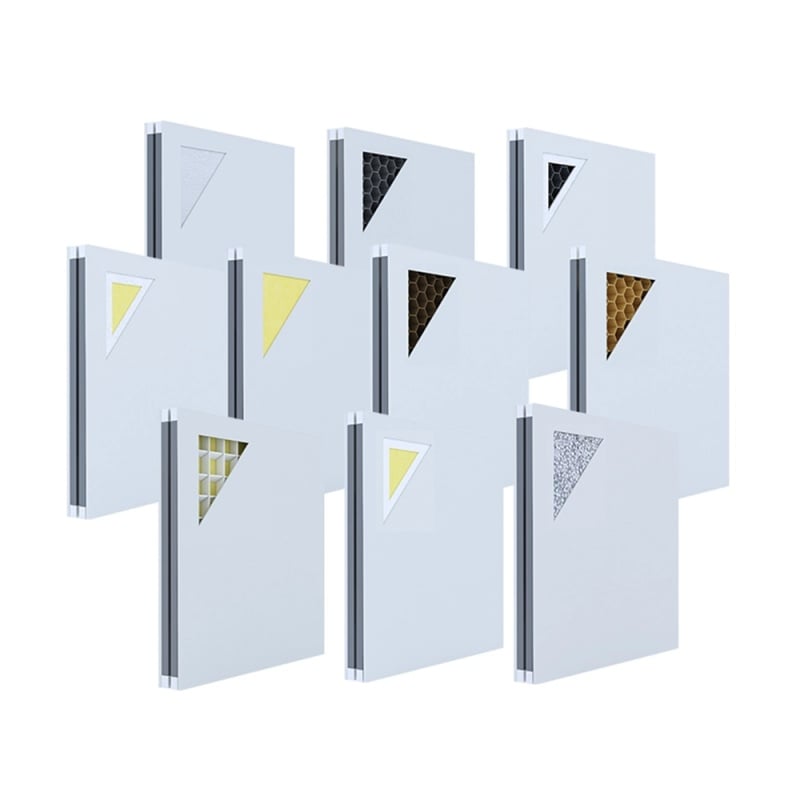
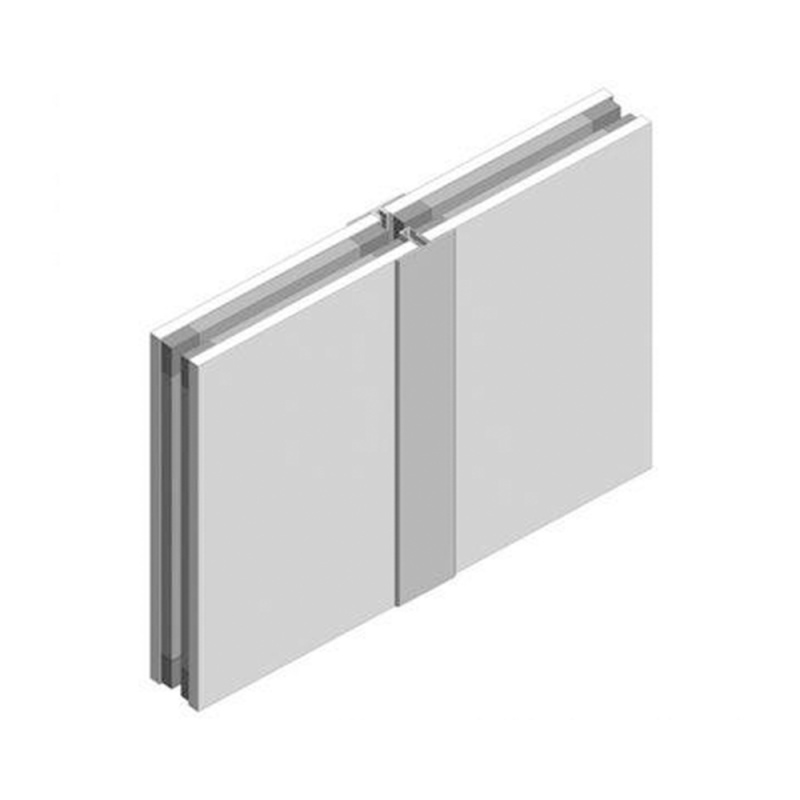
Panely pro čisté prostory jsou široce využívány v odvětvích s přísnými požadavky na životní prostředí – například v elektronice, farmacii a potravinářství – kde slouží k vytváření čistých a hygienických prostorových prostředí. Tyto panely mají rozmanitou škálu jádrových materiálů, mezi běžné patří například minerální vlna, dutý oxid hořečnatý, hliníková plástev a kompozity z oxidu hořečnatého a minerální vlny. Vzhledem k odlišným vlastnostem každého typu jádrového materiálu se skutečně liší i montážní postupy pro jednotlivé typy panelů čistých prostor.
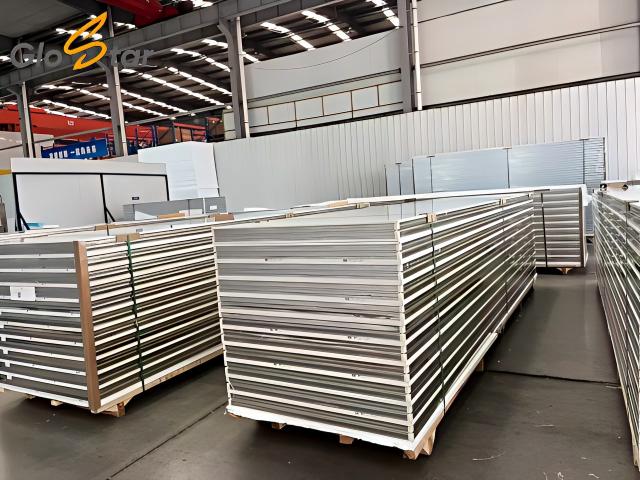
cleanroom panels factory

Montáž panelů čistých prostor s jádrem z minerální vlny

Jádrové materiály z kamenné vlny se vyrábějí z přírodního kamene prostřednictvím procesu tavení za vysokých teplot; jsou relativně těžké a mají určitý stupeň tuhosti. Při montáži je rozhodující nosná kapacita podpůrné kovové konstrukce (kejlů). Na základě hmotnosti panelů musí být vzdálenost mezi kejly navržena vědecky a racionálně, aby nedošlo k deformaci panelů způsobené nedostatečnou nosnou schopností podpory. Například pokud panely z minerální vlny pro čisté prostory jsou použity jako stěnové materiály v rozsáhlém průmyslovém zařízení s přísnými požadavky na požární bezpečnost, může příliš velká vzdálenost mezi kejly – s ohledem na významnou hmotnost panelů z kamenné vlny – postupně vést k prohnutí nebo deformaci panelů, čímž se naruší jak estetický dojem, tak provozní bezpečnost.

Navíc jsou řezané okraje desek z kamenné vlny náchylná ke vzniku prachu. Proto je během montáže nutné uplatnit příslušná ochranná opatření – například vyžadovat, aby montážní personál používal profesionální protiprachové masky, a v místech řezání nasadit lokální zařízení pro odsávání prachu – aby se zabránilo kontaminaci čistého prostředí prachem. Při spojování desek je nezbytné zajistit, aby spáry byly těsně přiléhající; to je zásadní pro účinné zajištění tepelné izolace i zvukové izolace. Například při stavbě operačních sálů v zdravotnických zařízeních – kde jsou normy pro potlačení hluku zvláště přísné – těsně přiléhající spáry výrazně snižují pronikání vnějšího hluku a zároveň brání tepelné výměně mezi vnitřním a vnějším prostředím, čímž se udržuje stabilní vnitřní teplota.
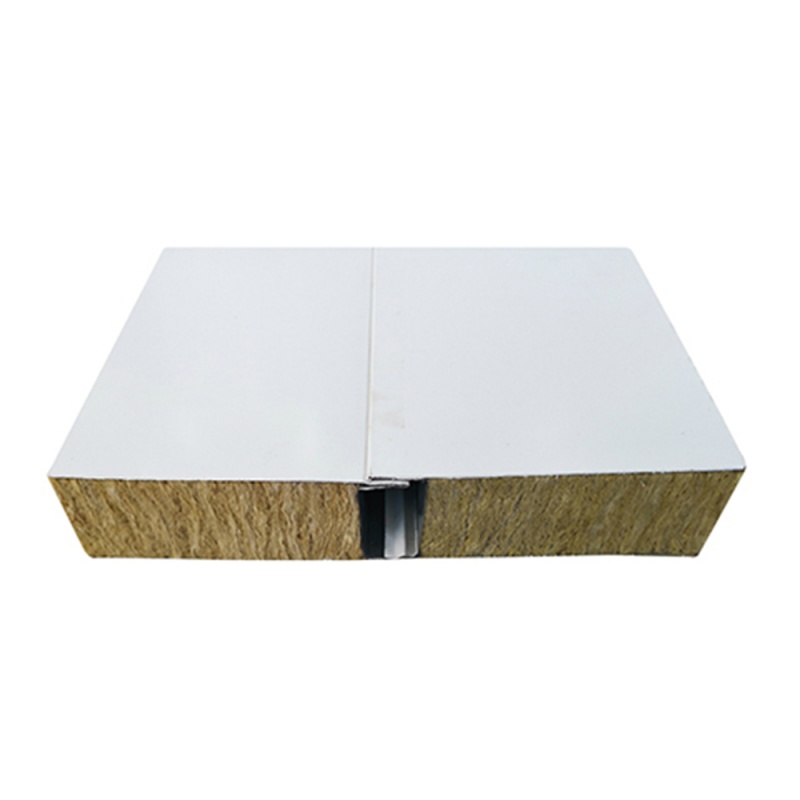
Installation of Rock Wool Core Cleanroom Panels

Montáž čistých panelů s jádrem z polyuretanu

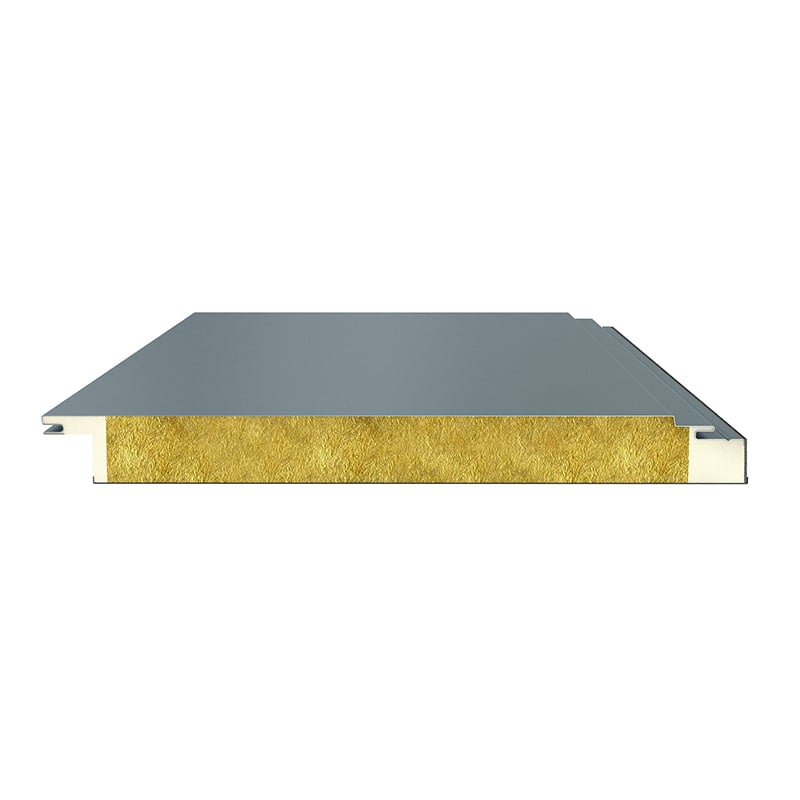
Jádrový materiál z polyuretanu se skládá z polyuretanové pěny; nabízí vynikající tepelnou izolaci a těsnicí vlastnosti a kombinuje vysokou konstrukční pevnost s mírnou hmotností. Během instalace lze uspořádání nosného kovového roštového systému upravit tak, aby vyhovovalo konkrétnímu aplikačnímu scénáři. Například při stavbě chladírenského skladu – kde jsou požadavky na tepelnou izolaci zvláště vysoké – vyžadují nízké vnitřní teploty čistých místností s výjimečnými izolačními schopnostmi, aby se minimalizovala spotřeba energie. V takových případech lze uspořádání roštového systému flexibilně nakonfigurovat na základě praktických faktorů, jako je prostorová struktura chladírenského skladu a umístění chladicího zařízení.

Avšak protože polyuretanové materiály mohou při vystavení vysokým teplotám uvolňovat škodlivé plyny, je během montáže přísně zakázáno používat otevřené plameny a je nutné zajistit dostatečné větrání. Kromě toho mají polyuretanové panely obvykle na spojích zámkový („jazyk-drážka“) systém pro vzájemné zapadání; při montáži je nezbytné zajistit, aby se tyto zámkové profily těsně zapadly do sebe, čímž se zlepší celková vzduchotěsnost konstrukce. Jako příklad lze uvést chladírenské zařízení pro potraviny: pokud se zámkové spoje nezapadnou těsně, může do chladicího prostoru snadno proniknout okolní vzduch. To může vést ke kolísání teploty v chladicí komoře a tím ohrozit účinnost uchovávání potravin.
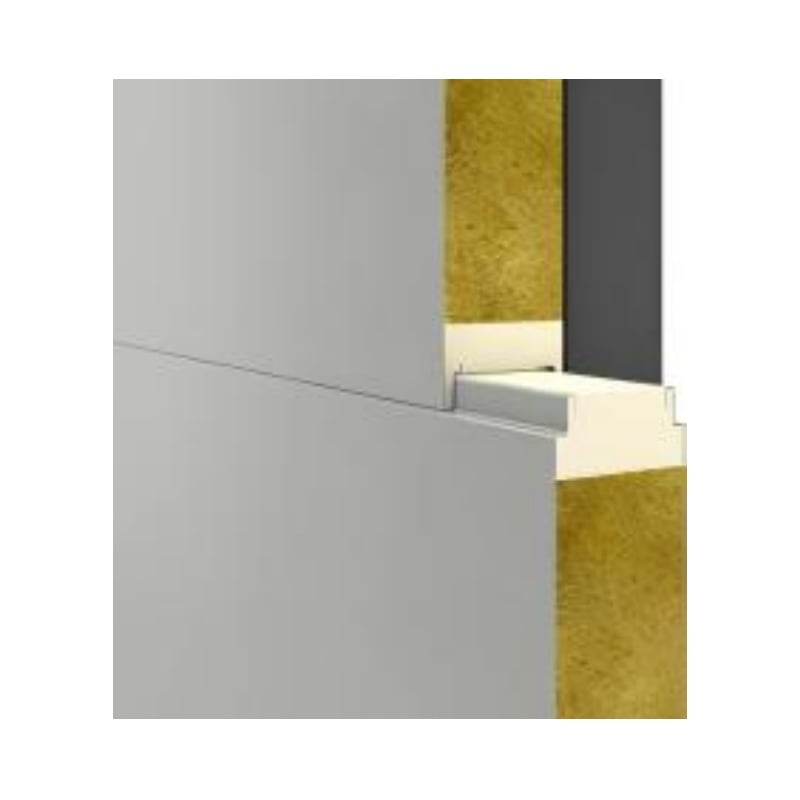
Installation of Polyurethane Core Cleanroom Panels

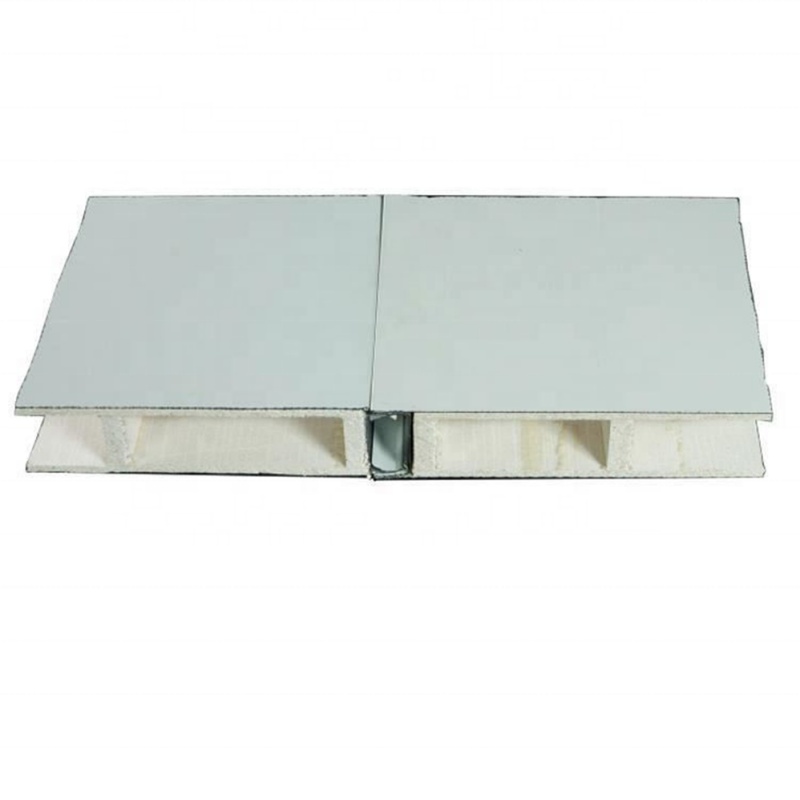
Montáž čistých místností s dutým jádrem z oxidu hořečnatého

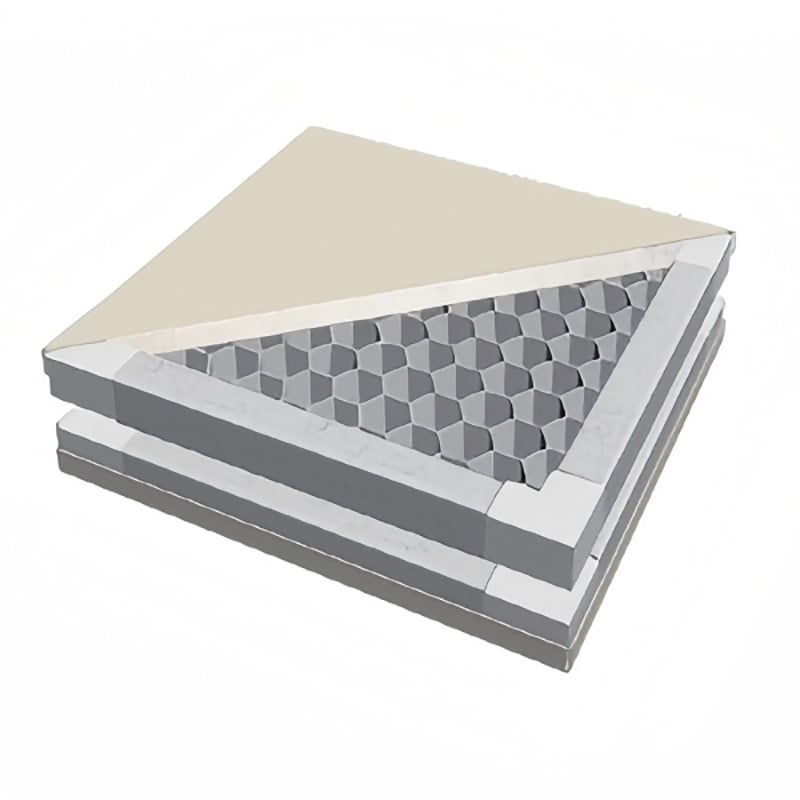
Panely s dutým jádrem z oxidu hořečnatého obvykle sestávají z vnitřní duté struktury ve tvaru plástev nebo mřížky, která je lepena na hořčíkovookysličné obkladové desky. Díky nízké hmotnosti umožňují relativně pohodlnou instalaci. Instalace však klade přísné požadavky na rovnost podkladu (základní vrstvy). Povrch podkladu musí být rovný, suchý a čistý; pokud odchylka rovnosti podkladu překročí stanovenou toleranci (obvykle nesmí chyba rovnosti přesáhnout 5 mm na libovolném úseku délky 2 metry), po instalaci se čistých místností nepřilepí k podkladu těsně, což vede k nadměrně širokým spáram mezi deskami. Při stavbě elektronických čistých místností mohou příliš široké spáry mezi deskami způsobit snadné pronikání prachu a jiných nečistot, čímž nelze splnit přísné požadavky na čistotu prostředí vyžadované pro výrobu elektronických zařízení.

Při upevňování panelů se obvykle používají metody, jako jsou samovrtné šrouby. Konkrétní požadavky upravují vzdálenost mezi těmito šrouby, které jsou obecně rovnoměrně rozprostřeny v rámci rozumného rozsahu, aby byly panely pevně ukotveny. Dále je stejně důležitá úprava stehů panelů; ty je nutné vyplnit utěsňovacími materiály, aby bylo zajištěno účinné utěsnění a zabráněno úniku vzduchu.
cleanroom panels factory Installation of Rock Wool Core Cleanroom Panels Rock wool core material is manufactured from natural rock through a high-temperature melting process; it is relatively heavy and possesses a certain degree of rigidity. During installation, the load-bearing capacity of the supporting keel structure is of paramount importance. Based on the weight of the panels, the spacing between keels must be designed scientifically and rationally to prevent panel deformation caused by insufficient load-bearing support. For instance, if rock wool cleanroom panels are utilized as wall materials in a large-scale industrial facility with stringent fire safety requirements, setting the keel spacing too wide—given the substantial weight of the rock wool panels—could eventually lead to sagging or deformation of the panels over time, thereby compromising both aesthetic appeal and operational safety.  Furthermore, the cut edges of rock wool panels are prone to generating dust. Consequently, appropriate protective measures must be implemented during installation—such as requiring construction personnel to wear professional dust-proof masks and deploying localized dust extraction equipment in cutting zones—to prevent dust contamination within the cleanroom environment. When joining panels, it is imperative to ensure that the seams are tightly fitted; this is essential for effectively guaranteeing thermal insulation and soundproofing performance. For example, in the construction of medical operating rooms—where noise control standards are exceptionally strict—tightly fitted seams can significantly minimize the intrusion of external noise while simultaneously preventing thermal exchange between the indoor and outdoor environments, thereby maintaining stable indoor temperatures.  Installation of Rock Wool Core Cleanroom Panels  Installation of Polyurethane Core Cleanroom Panels Polyurethane core material consists of a polyurethane foam filling; it offers excellent thermal insulation and sealing properties, combining high structural strength with a moderate weight. During installation, the layout of the supporting keel structure can be adjusted to suit the specific application scenario. For instance, in the construction of a cold storage facility—where thermal insulation requirements are particularly high—the low internal temperatures necessitate cleanroom panels with superior insulating capabilities to minimize energy consumption. In such cases, the keel layout can be flexibly configured based on practical factors such as the spatial structure of the cold storage unit and the positioning of refrigeration equipment.  However, since polyurethane materials may release harmful gases when exposed to high temperatures, the use of open flames must be strictly prohibited during the installation process, and adequate ventilation must be ensured. Additionally, polyurethane panels typically feature a tongue-and-groove interlocking design at their joints; during installation, it is crucial to ensure that these interlocking profiles engage tightly to enhance the overall airtightness of the structure. Taking a food cold storage facility as an example: if the tongue-and-groove joints do not interlock tightly, outside air can easily infiltrate. This may lead to temperature fluctuations within the cold storage area, thereby compromising the effectiveness of food preservation.  Installation of Polyurethane Core Cleanroom Panels  Installation of Hollow Magnesium Oxide Core Cleanroom Panels

Klíčové body instalace čistých místností s panely z hliníkového pískového jádra

Hliníkové panely pro čisté místnosti s pláštěm z medového úlu nabízejí řadu výhod, jako je vysoká konstrukční pevnost a vynikající rovnost povrchu. Při montáži lze, s ohledem na relativně rovnoměrné rozložení hmotnosti panelů, navrhnout nosný kovový skelet na základě konkrétních specifikací panelů a prostředí, ve kterém probíhá montáž. U velkých komerčních nákupních center – konkrétně u projektů uzavírání ventilace centrálního klimatizačního systému – vyžaduje použití hliníkových panely typu medový plást s čistým prostředím speciální návrh nosného skeletu přizpůsobený tvaru a rozměrům ventilací kanálů, stejně jako celkovému prostorovému uspořádání nákupního centra.

Při spojování hliníkových panely s plněním z medového článku pro čisté místnosti je vyžadována vysoká přesnost. Je nezbytné zajistit, aby všechny spoje byly rovné a těsně uzavřené, aby byl dosažen esteticky přitažlivý vzhled a udržena optimální celková funkčnost. Dále je během procesu instalace nutné velmi pečlivě chránit povrch panelů; je třeba uplatnit opatření proti poškrábání nebo nárazům, které by mohly způsobit poškození povrchu a tím ohrozit jak vizuální atraktivitu, tak funkční integritu panelů.
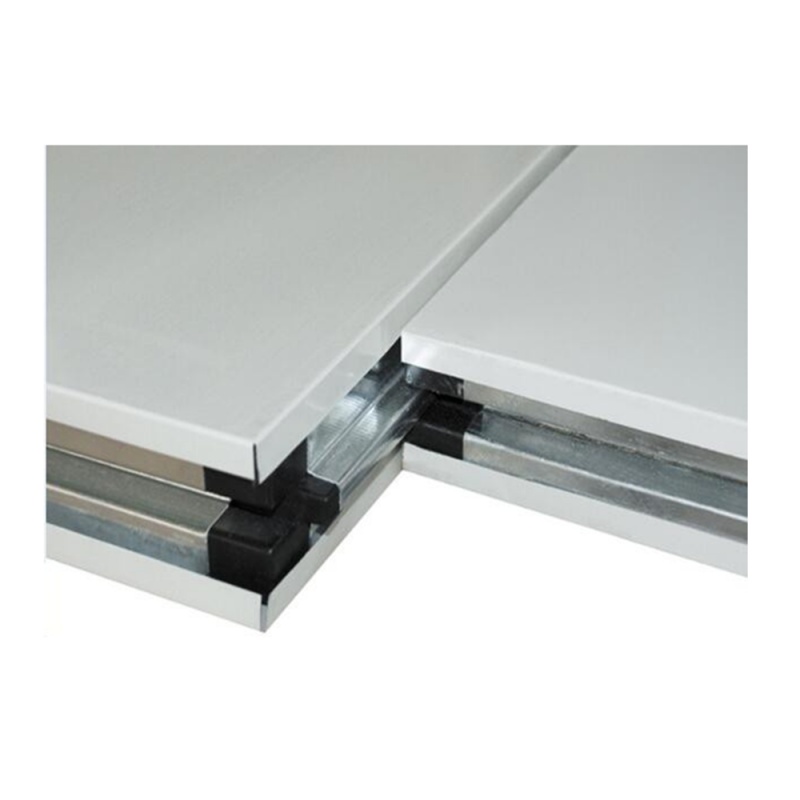
Key Installation Points for Aluminum Honeycomb Core Cleanroom Panels

Zvažování aspektů instalace panelů pro čisté místnosti se srdcem z oxidu hořečnatého a kamenné vlny

Panely se srdcem z oxidu hořečnatého (MgO) a kamenné vlny kombinují odlišné vlastnosti obou materiálů. Při montáži je nutné vzít v úvahu specifické požadavky vyplývající z jádra z čedičové vlny – zejména její ohnivzdornost a tepelně izolační vlastnosti – a současně přizpůsobit se jedinečným vlastnostem obkladových desek z oxidu hořečnatého. Při upevňování panelů je rozhodující, aby upevňovací prvky pevně pronikly skrz desku z oxidu hořečnatého, čímž vytvoří bezpečné spojení s nosným roštem a zajistí tak strukturální stabilitu celého sestavení. V projektech výstavby čistých prostor v zařízeních pro výrobu léčiv může nedostatečné upevnění vést k uvolnění panelů během následných provozních činností, což může být například způsobeno vibracemi zařízení v dílně.

Pokud jde o zpracování spojů desek, musí být mezery nejprve vyplněny vhodným těsnicím materiálem a následně provedeno odpovídající povrchové dokončení, aby byla zajištěna jak těsnost vůči průniku vzduchu, tak estetická spojitost spojů. Navíc, protože desky z oxidu hořečnatého jsou v prostředích s vysokou vlhkostí náchylné k problémům souvisejícím s vlhkostí – například k „potení“ nebo migraci vlhkosti – je nutné při montáži uplatnit důkladná opatření proti pronikání vlhkosti; mezi příklady patří nanášení vlhko odolných nátěrů na podklad.
cleanroom panels factory Installation of Rock Wool Core Cleanroom Panels Rock wool core material is manufactured from natural rock through a high-temperature melting process; it is relatively heavy and possesses a certain degree of rigidity. During installation, the load-bearing capacity of the supporting keel structure is of paramount importance. Based on the weight of the panels, the spacing between keels must be designed scientifically and rationally to prevent panel deformation caused by insufficient load-bearing support. For instance, if rock wool cleanroom panels are utilized as wall materials in a large-scale industrial facility with stringent fire safety requirements, setting the keel spacing too wide—given the substantial weight of the rock wool panels—could eventually lead to sagging or deformation of the panels over time, thereby compromising both aesthetic appeal and operational safety.  Furthermore, the cut edges of rock wool panels are prone to generating dust. Consequently, appropriate protective measures must be implemented during installation—such as requiring construction personnel to wear professional dust-proof masks and deploying localized dust extraction equipment in cutting zones—to prevent dust contamination within the cleanroom environment. When joining panels, it is imperative to ensure that the seams are tightly fitted; this is essential for effectively guaranteeing thermal insulation and soundproofing performance. For example, in the construction of medical operating rooms—where noise control standards are exceptionally strict—tightly fitted seams can significantly minimize the intrusion of external noise while simultaneously preventing thermal exchange between the indoor and outdoor environments, thereby maintaining stable indoor temperatures.  Installation of Rock Wool Core Cleanroom Panels  Installation of Polyurethane Core Cleanroom Panels Polyurethane core material consists of a polyurethane foam filling; it offers excellent thermal insulation and sealing properties, combining high structural strength with a moderate weight. During installation, the layout of the supporting keel structure can be adjusted to suit the specific application scenario. For instance, in the construction of a cold storage facility—where thermal insulation requirements are particularly high—the low internal temperatures necessitate cleanroom panels with superior insulating capabilities to minimize energy consumption. In such cases, the keel layout can be flexibly configured based on practical factors such as the spatial structure of the cold storage unit and the positioning of refrigeration equipment.  However, since polyurethane materials may release harmful gases when exposed to high temperatures, the use of open flames must be strictly prohibited during the installation process, and adequate ventilation must be ensured. Additionally, polyurethane panels typically feature a tongue-and-groove interlocking design at their joints; during installation, it is crucial to ensure that these interlocking profiles engage tightly to enhance the overall airtightness of the structure. Taking a food cold storage facility as an example: if the tongue-and-groove joints do not interlock tightly, outside air can easily infiltrate. This may lead to temperature fluctuations within the cold storage area, thereby compromising the effectiveness of food preservation.  Installation of Polyurethane Core Cleanroom Panels  Installation of Hollow Magnesium Oxide Core Cleanroom Panels Hollow magnesium oxide core panels typically consist of a honeycomb or grid-like hollow internal structure bonded to magnesium oxide faceboards. Being lightweight, they offer relatively convenient installation. However, their installation places stringent demands on the flatness of the substrate (base layer). The substrate surface must be flat, dry, and clean; if the flatness deviation of the substrate exceeds the specified tolerance (generally, the flatness error must not exceed 5 mm within any 2-meter span), the cleanroom panels will fail to adhere tightly to the substrate after installation, resulting in excessively wide panel seams. In the construction of electronic cleanrooms, if panel seams are too wide, dust and other impurities can easily enter, making it impossible to meet the rigorous environmental cleanliness standards required for electronics manufacturing.  When securing the panels, methods such as self-tapping screws are typically employed. Specific requirements govern the spacing of these screws, which are generally distributed uniformly within a reasonable range to ensure the panels are firmly anchored. Furthermore, the treatment of panel seams is equally critical; they must be filled with sealing materials to ensure an effective seal and prevent air leakage.  cleanroom panels factory Installation of Rock Wool Core Cleanroom Panels Rock wool core material is manufactured from natural rock through a high-temperature melting process; it is relatively heavy and possesses a certain degree of rigidity. During installation, the load-bearing capacity of the supporting keel structure is of paramount importance. Based on the weight of the panels, the spacing between keels must be designed scientifically and rationally to prevent panel deformation caused by insufficient load-bearing support. For instance, if rock wool cleanroom panels are utilized as wall materials in a large-scale industrial facility with stringent fire safety requirements, setting the keel spacing too wide—given the substantial weight of the rock wool panels—could eventually lead to sagging or deformation of the panels over time, thereby compromising both aesthetic appeal and operational safety.  Furthermore, the cut edges of rock wool panels are prone to generating dust. Consequently, appropriate protective measures must be implemented during installation—such as requiring construction personnel to wear professional dust-proof masks and deploying localized dust extraction equipment in cutting zones—to prevent dust contamination within the cleanroom environment. When joining panels, it is imperative to ensure that the seams are tightly fitted; this is essential for effectively guaranteeing thermal insulation and soundproofing performance. For example, in the construction of medical operating rooms—where noise control standards are exceptionally strict—tightly fitted seams can significantly minimize the intrusion of external noise while simultaneously preventing thermal exchange between the indoor and outdoor environments, thereby maintaining stable indoor temperatures.  Installation of Rock Wool Core Cleanroom Panels  Installation of Polyurethane Core Cleanroom Panels Polyurethane core material consists of a polyurethane foam filling; it offers excellent thermal insulation and sealing properties, combining high structural strength with a moderate weight. During installation, the layout of the supporting keel structure can be adjusted to suit the specific application scenario. For instance, in the construction of a cold storage facility—where thermal insulation requirements are particularly high—the low internal temperatures necessitate cleanroom panels with superior insulating capabilities to minimize energy consumption. In such cases, the keel layout can be flexibly configured based on practical factors such as the spatial structure of the cold storage unit and the positioning of refrigeration equipment.  However, since polyurethane materials may release harmful gases when exposed to high temperatures, the use of open flames must be strictly prohibited during the installation process, and adequate ventilation must be ensured. Additionally, polyurethane panels typically feature a tongue-and-groove interlocking design at their joints; during installation, it is crucial to ensure that these interlocking profiles engage tightly to enhance the overall airtightness of the structure. Taking a food cold storage facility as an example: if the tongue-and-groove joints do not interlock tightly, outside air can easily infiltrate. This may lead to temperature fluctuations within the cold storage area, thereby compromising the effectiveness of food preservation.  Installation of Polyurethane Core Cleanroom Panels  Installation of Hollow Magnesium Oxide Core Cleanroom Panels  Key Installation Points for Aluminum Honeycomb Core Cleanroom Panels Aluminum honeycomb core cleanroom panels offer numerous advantages, such as high structural strength and excellent surface flatness. During installation, given the relatively uniform distribution of the panels' weight, the design of the supporting keel system can be determined based on the specific panel specifications and the ambient installation environment. In large-scale commercial shopping malls—specifically for projects involving the enclosure of central air conditioning ventilation ducts—the use of aluminum honeycomb cleanroom panels necessitates a keel design tailored to the shape and dimensions of the ventilation ducts, as well as the overall spatial layout of the mall.  When splicing aluminum honeycomb cleanroom panels, a high degree of precision is required. It is essential to ensure that all joints are flat and tightly sealed to achieve an aesthetically pleasing appearance and maintain optimal overall performance. Furthermore, during the installation process, great care must be taken to protect the panel surfaces; precautions should be implemented to prevent scratches or impacts that could cause surface damage, thereby compromising both the visual appeal and the functional integrity of the panels.  Key Installation Points for Aluminum Honeycomb Core Cleanroom Panels  Installation Considerations for Magnesium Oxide Rock Wool Core Cleanroom Panels

Při instalaci čistících panelů s různými jádrovými materiály je nutné přijmout specifická opatření – přizpůsobená vlastnostem jádrového materiálu – týkající se návrhu nosných profilů, ochrany proti vlhkosti a požáru, spojování panelů a opatření pro bezpečné zacházení. Tím se zajišťuje kvalita instalace a umožňuje se čistícím panelům plnit svou funkci v plném rozsahu. V reálných stavebních projektech by měla volba čistících panelů s vhodnými jádrovými materiály vycházet z komplexního posouzení faktorů, jako je konkrétní aplikační scénář, požadavky na prostředí a rozpočet; navíc musí být stavba prováděna přísným dodržováním příslušných pokynů pro instalaci.
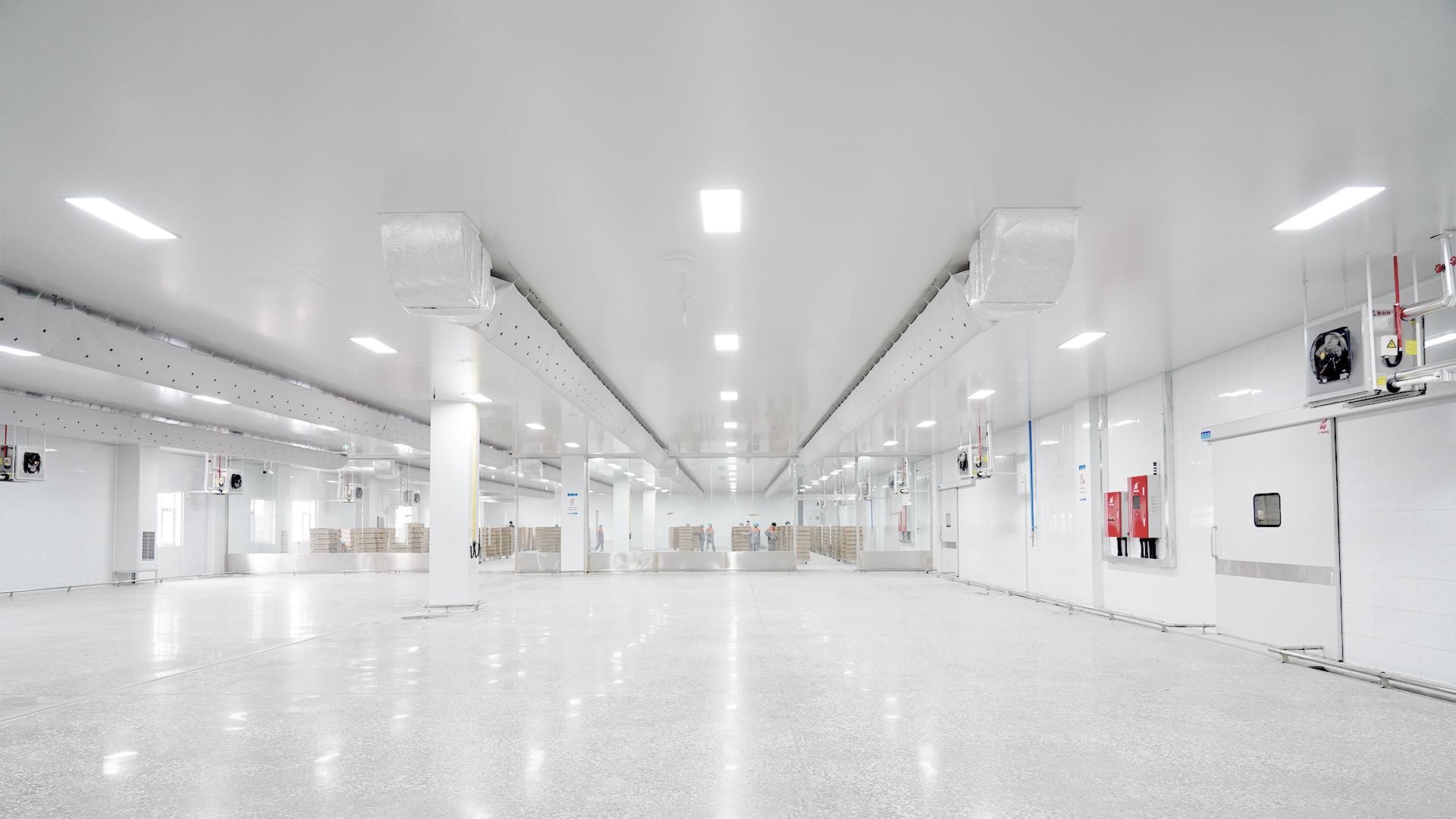
Cleanroom Enclosure System for Shandong Boda Food (1).jpg

Získejte nezávaznou cenovou nabídku pro váš projekt

Ať už se jedná o ocelářskou dílnu, chladírenský sklad nebo systém čistých prostor, nabízíme konkurenceschopné tovární ceny a profesionální design.
E-mail
Jméno
Mobilní telefon / WhatsApp
Název společnosti
Zpráva
0/1000