Obțineți o ofertă gratuită pentru proiectul dumneavoastră

Indiferent dacă este vorba de un atelier din oțel, o cameră frigorifică sau un sistem de sală curată, oferim prețuri competitive direct de la fabrică și proiectare profesională.
Adresă de e-mail
Nume
Telefon mobil / WhatsApp
Numele companiei
Mesaj
0/1000

Noutăți din industrie

Pagina Principală >  Resurse >  Noutăți din industrie

Există diferențe în instalarea panourilor pentru camere curate cu materiale de nucleu diferite

Apr 14, 2026

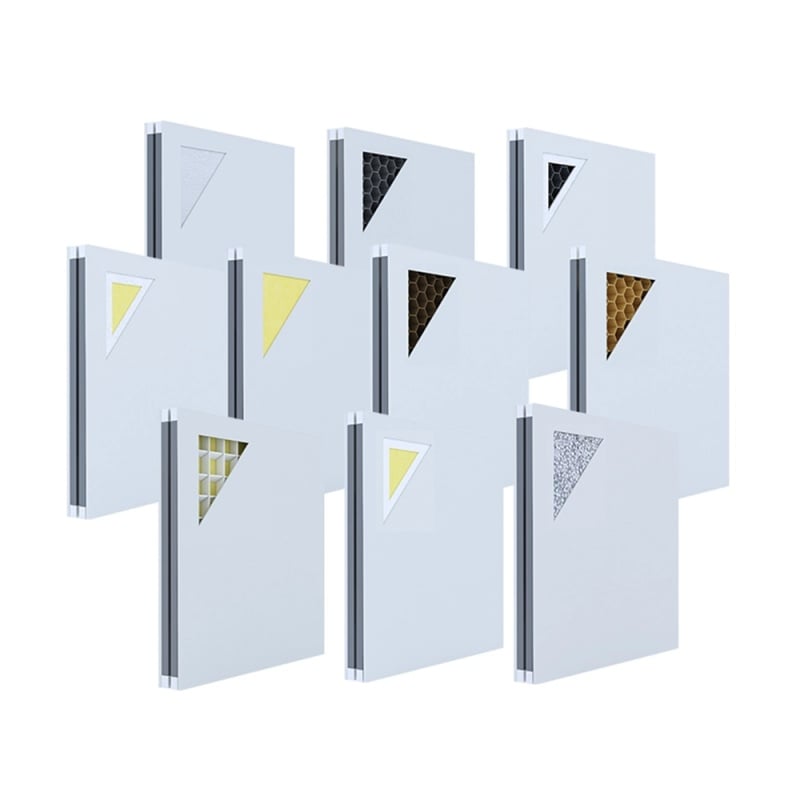
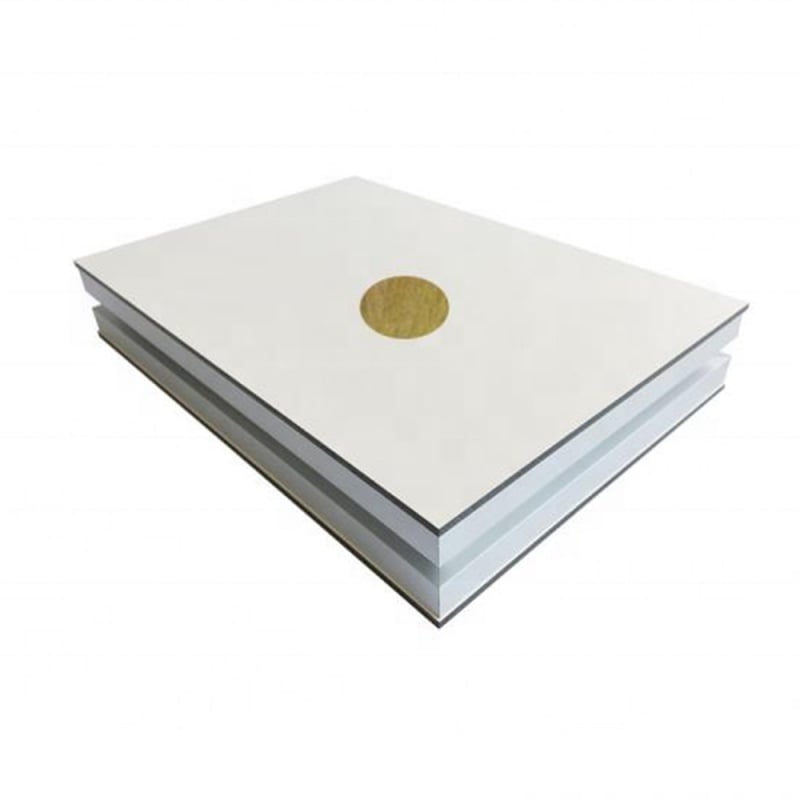
Panouri pentru sală curată sunt utilizate pe scară largă în industrii cu cerințe stricte privind mediul—cum ar fi electronica, industria farmaceutică și cea de prelucrare a alimentelor—unde servesc la crearea unor medii spațiale curate și igienice. Aceste panouri prezintă o gamă diversă de materiale de nucleu, cele mai comune fiind vata minerală, oxidul de magneziu gol, aliajul de aluminiu tip fagure și compozitele din oxid de magneziu și vată minerală. Având în vedere proprietățile distincte specifice fiecărui tip de material de nucleu, procesele de instalare ale acestor diverse panouri pentru camere curate prezintă, într-adevăr, numeroase diferențe.
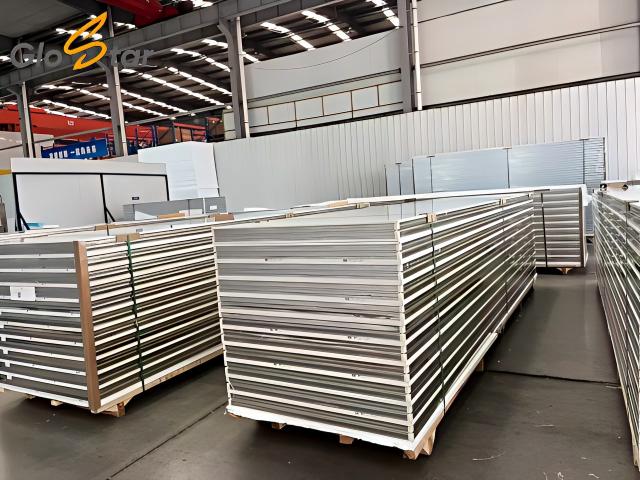
cleanroom panels factory

Instalarea panourilor pentru camere curate cu nucleu din vată minerală

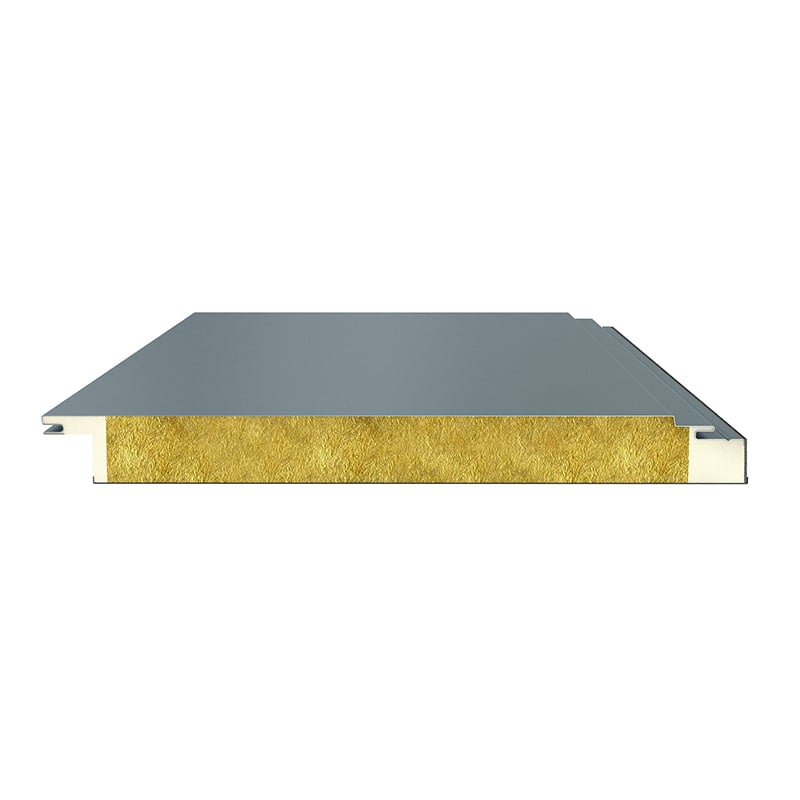
Materialul de nucleu din vată de sticlă este fabricat din rocă naturală printr-un proces de topire la temperatură înaltă; este relativ greu și posedă un anumit grad de rigiditate. În timpul instalării, capacitatea de rezistență a structurii de grinzi de susținere este de o importanță capitală. În funcție de greutatea panourilor, distanța dintre grinzi trebuie proiectată în mod științific și rațional pentru a preveni deformarea panourilor cauzată de o susținere insuficientă. De exemplu, dacă panouri pentru camere curate din vată minerală sunt utilizate ca materiale pentru pereți într-o instalație industrială de mare amploare cu cerințe stricte de siguranță la incendiu, stabilirea unei distanțe prea mari între grinzi — având în vedere greutatea semnificativă a panourilor din vată de sticlă — ar putea duce, în timp, la îndoirea sau deformarea panourilor, compromițând astfel atât aspectul estetic, cât și siguranța operațională.

În plus, marginile tăiate ale panourilor din vată minerală sunt predispuse la generarea de praf. În consecință, în timpul instalării trebuie luate măsuri adecvate de protecție — cum ar fi obligarea personalului de construcții să poarte masti profesionale antipraf și instalarea unor echipamente locale de extracție a prafului în zonele de tăiere — pentru a preveni contaminarea cu praf a mediului din sala curată. La asamblarea panourilor, este esențial ca rosturile să fie perfect etanșe; acest lucru este fundamental pentru a asigura eficient performanța de izolare termică și fonică. De exemplu, în construcția salilor de operații medicale — unde standardele de control al zgomotului sunt excepțional riguroase — rosturile perfect etanșe pot reduce semnificativ pătrunderea zgomotului exterior, în același timp împiedicând schimbul termic între mediile interior și exterior, astfel menținând o temperatură stabilă în interior.
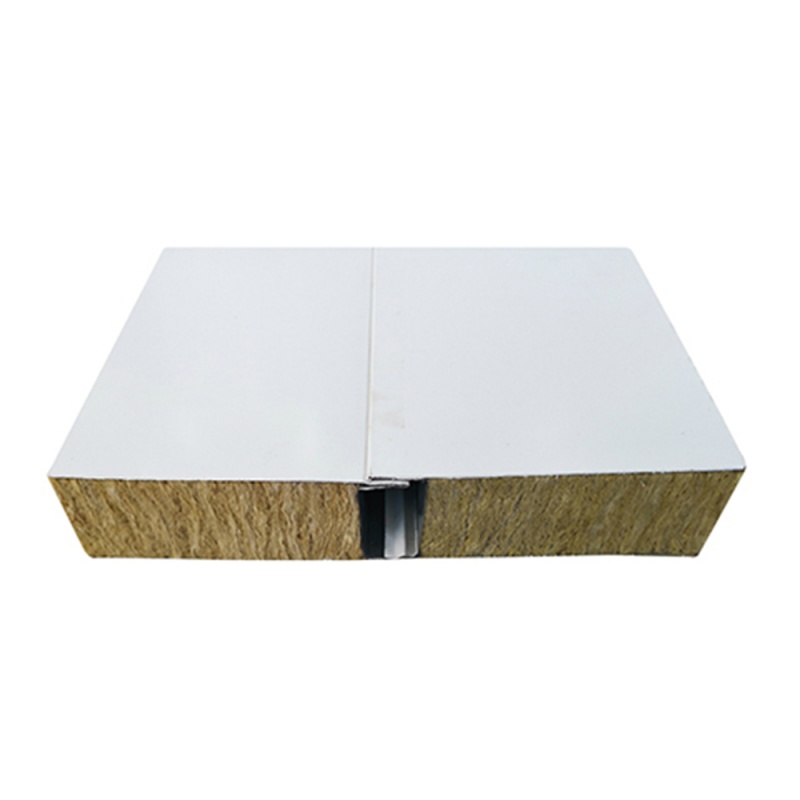
Installation of Rock Wool Core Cleanroom Panels

Instalarea panourilor pentru săli curate cu miez din poliuretan

Materialul de bază din poliuretan constă într-o umplutură din spumă de poliuretan; oferă proprietăți excelente de izolare termică și etanșare, combinând o rezistență structurală ridicată cu o greutate moderată. În timpul instalării, dispunerea structurii de grinzii de susținere poate fi ajustată pentru a se potrivi scenariului specific de aplicație. De exemplu, în construcția unei instalații frigorifice — unde cerințele de izolare termică sunt deosebit de ridicate — temperaturile scăzute din interior necesită panouri pentru camere curate cu capacități superioare de izolare, pentru a minimiza consumul de energie. În astfel de cazuri, dispunerea grinzilor poate fi configurată flexibil, în funcție de factori practici, cum ar fi structura spațială a instalației frigorifice și poziționarea echipamentelor de refrigerare.

Cu toate acestea, deoarece materialele pe bază de poliuretan pot elibera gaze nocive atunci când sunt expuse la temperaturi ridicate, utilizarea flăcărilor deschise trebuie interzisă în mod strict în timpul procesului de instalare, iar ventilația adecvată trebuie asigurată. În plus, panourile din poliuretan prezintă, de obicei, o concepție de îmbinare tip limbă-canal la rosturile lor; în timpul instalării, este esențial să se asigure o îmbinare strânsă a acestor profile pentru a îmbunătăți etanșeitatea generală a structurii. Ca exemplu, luând în considerare o instalație frigorifică pentru stocarea alimentelor: dacă îmbinările tip limbă-canal nu sunt strânse corespunzător, aerul exterior poate pătrunde ușor în interior. Acest lucru poate duce la fluctuații de temperatură în zona frigorifică, compromițând astfel eficacitatea conservării alimentelor.
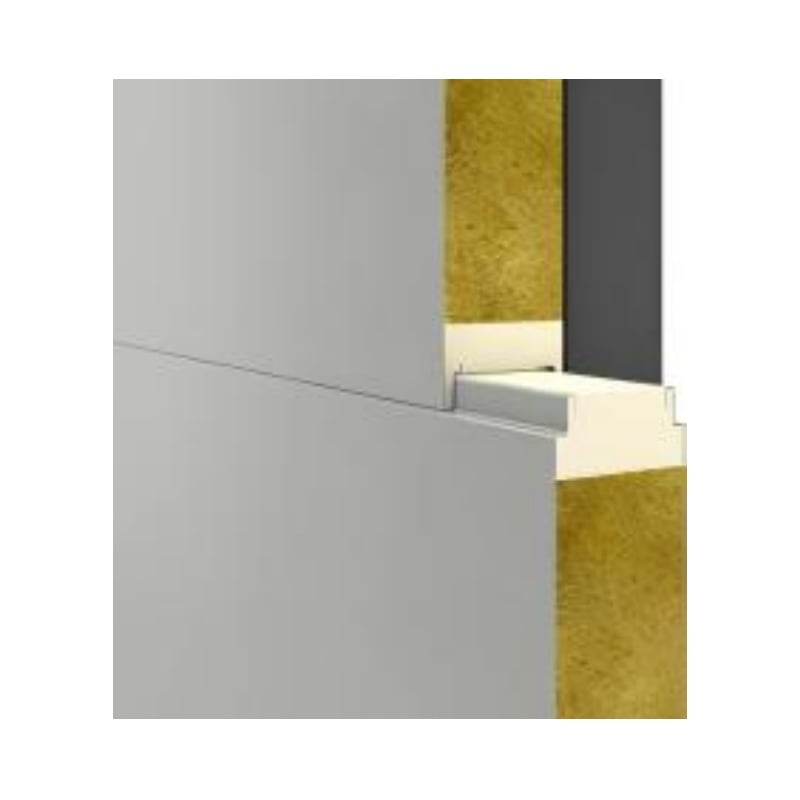
Installation of Polyurethane Core Cleanroom Panels

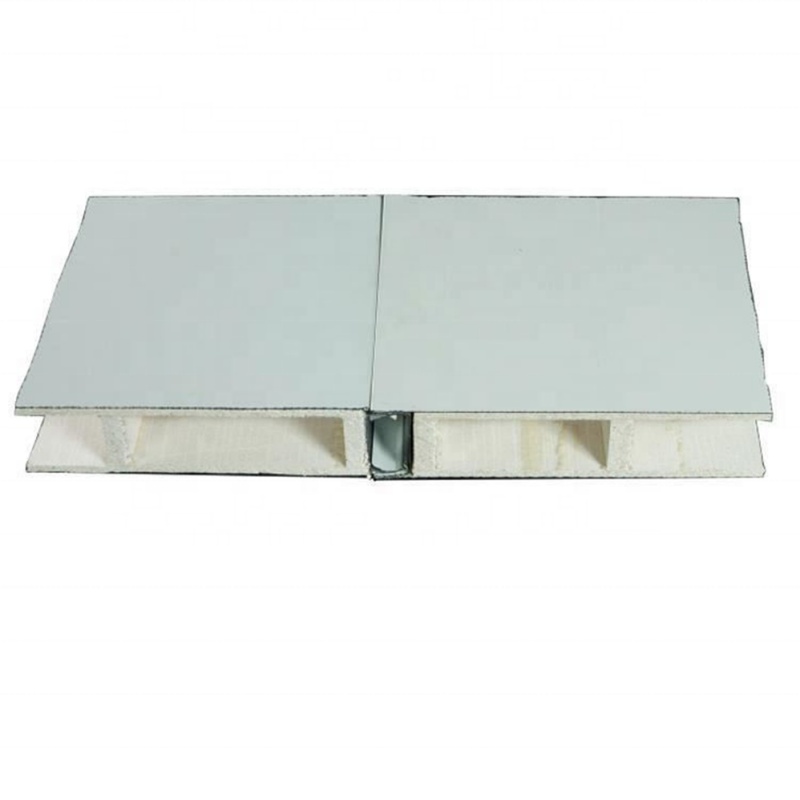
Instalarea panourilor pentru camere curate cu miez gol din oxid de magneziu

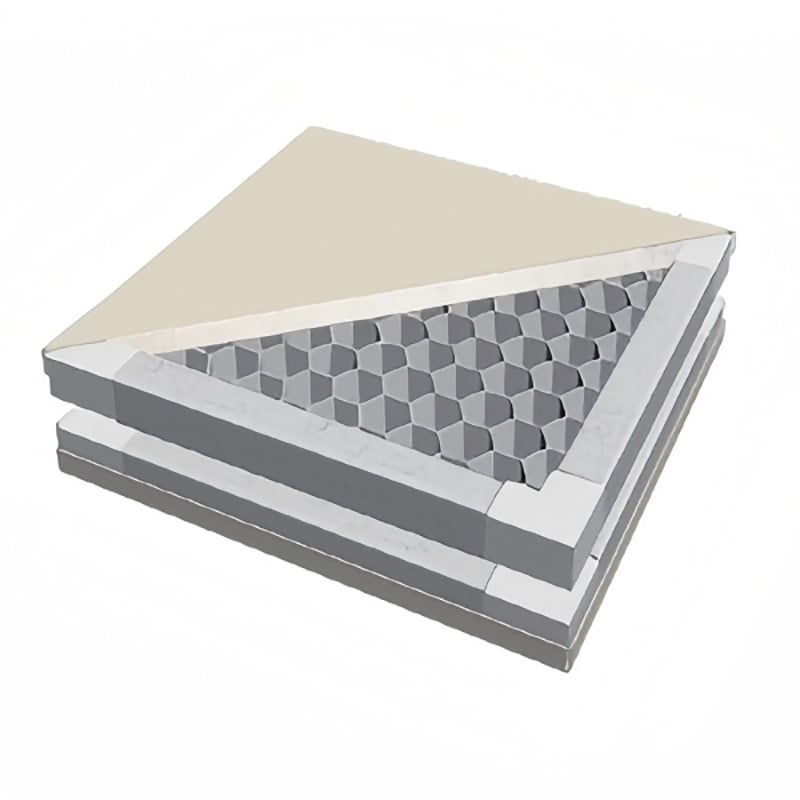
Panouri cu miez gol din oxid de magneziu de obicei constau dintr-o structură internă goală, de tip fagure sau rețea, lipită de plăci frontale din oxid de magneziu. Datorită greutății reduse, acestea oferă o instalare relativ convenabilă. Totuși, instalarea lor impune cerințe riguroase privind planitatea suportului (stratul de bază). Suprafața suportului trebuie să fie plană, uscată și curată; dacă abaterea de planitate a suportului depășește toleranța specificată (în general, eroarea de planitate nu trebuie să depășească 5 mm pe orice distanță de 2 metri), panourile pentru camere curate nu se vor fixa strâns de suport după instalare, ceea ce va duce la rosturi excesiv de largi între panouri. În construcția camerelor curate electronice, dacă rosturile dintre panouri sunt prea largi, praful și alte impurități pot pătrunde ușor, făcând imposibilă îndeplinirea standardelor riguroase de curățenie ambientală necesare în producția electronică.

La fixarea panourilor, se folosesc în mod obișnuit metode precum șuruburile autofiletante. Cerințe specifice reglementează distanța dintre acești șuruburi, care sunt, în general, distribuiți uniform într-un domeniu rezonabil pentru a asigura ancorarea solidă a panourilor. În plus, tratarea rosturilor dintre panouri este la fel de importantă; acestea trebuie umplute cu materiale etanșe pentru a asigura o etanșare eficientă și a preveni scurgerea aerului.
cleanroom panels factory Installation of Rock Wool Core Cleanroom Panels Rock wool core material is manufactured from natural rock through a high-temperature melting process; it is relatively heavy and possesses a certain degree of rigidity. During installation, the load-bearing capacity of the supporting keel structure is of paramount importance. Based on the weight of the panels, the spacing between keels must be designed scientifically and rationally to prevent panel deformation caused by insufficient load-bearing support. For instance, if rock wool cleanroom panels are utilized as wall materials in a large-scale industrial facility with stringent fire safety requirements, setting the keel spacing too wide—given the substantial weight of the rock wool panels—could eventually lead to sagging or deformation of the panels over time, thereby compromising both aesthetic appeal and operational safety.  Furthermore, the cut edges of rock wool panels are prone to generating dust. Consequently, appropriate protective measures must be implemented during installation—such as requiring construction personnel to wear professional dust-proof masks and deploying localized dust extraction equipment in cutting zones—to prevent dust contamination within the cleanroom environment. When joining panels, it is imperative to ensure that the seams are tightly fitted; this is essential for effectively guaranteeing thermal insulation and soundproofing performance. For example, in the construction of medical operating rooms—where noise control standards are exceptionally strict—tightly fitted seams can significantly minimize the intrusion of external noise while simultaneously preventing thermal exchange between the indoor and outdoor environments, thereby maintaining stable indoor temperatures.  Installation of Rock Wool Core Cleanroom Panels  Installation of Polyurethane Core Cleanroom Panels Polyurethane core material consists of a polyurethane foam filling; it offers excellent thermal insulation and sealing properties, combining high structural strength with a moderate weight. During installation, the layout of the supporting keel structure can be adjusted to suit the specific application scenario. For instance, in the construction of a cold storage facility—where thermal insulation requirements are particularly high—the low internal temperatures necessitate cleanroom panels with superior insulating capabilities to minimize energy consumption. In such cases, the keel layout can be flexibly configured based on practical factors such as the spatial structure of the cold storage unit and the positioning of refrigeration equipment.  However, since polyurethane materials may release harmful gases when exposed to high temperatures, the use of open flames must be strictly prohibited during the installation process, and adequate ventilation must be ensured. Additionally, polyurethane panels typically feature a tongue-and-groove interlocking design at their joints; during installation, it is crucial to ensure that these interlocking profiles engage tightly to enhance the overall airtightness of the structure. Taking a food cold storage facility as an example: if the tongue-and-groove joints do not interlock tightly, outside air can easily infiltrate. This may lead to temperature fluctuations within the cold storage area, thereby compromising the effectiveness of food preservation.  Installation of Polyurethane Core Cleanroom Panels  Installation of Hollow Magnesium Oxide Core Cleanroom Panels

Puncte cheie de instalare pentru panourile de cameră curată cu nucleu din aluminiu tip fagure

Panouri pentru camere curate cu nucleu din fagure de aluminiu ofereau numeroase avantaje, cum ar fi rezistența structurală ridicată și planitatea excelentă a suprafeței. În timpul instalării, având în vedere distribuția relativ uniformă a greutății panourilor, proiectarea sistemului de traversă de susținere poate fi determinată pe baza specificațiilor concrete ale panourilor și a mediului ambiental de instalare. În centrele comerciale de mare amploare — în special pentru proiectele care implică învelirea conductelor de ventilație ale centralelor de aer condiționat — utilizarea panourilor din aluminiu tip fagure pentru camere curate necesită o proiectare a traverselor adaptată formei și dimensiunilor conductelor de ventilație, precum și configurației spațiale generale a centrului comercial.

La îmbinarea panourilor pentru camere curate cu miez din aliaj de aluminiu tip fagure, este necesară o mare precizie. Este esențial să se asigure faptul că toate îmbinările sunt plane și etanșe pentru a obține un aspect estetic plăcut și pentru a menține performanța optimă generală. În plus, în timpul procesului de instalare, trebuie acordată o atenție deosebită protejării suprafețelor panourilor; trebuie luate măsuri preventive pentru a evita zgârieturile sau loviturile care ar putea provoca deteriorarea suprafeței, compromițând astfel atât aspectul estetic, cât și integritatea funcțională a panourilor.
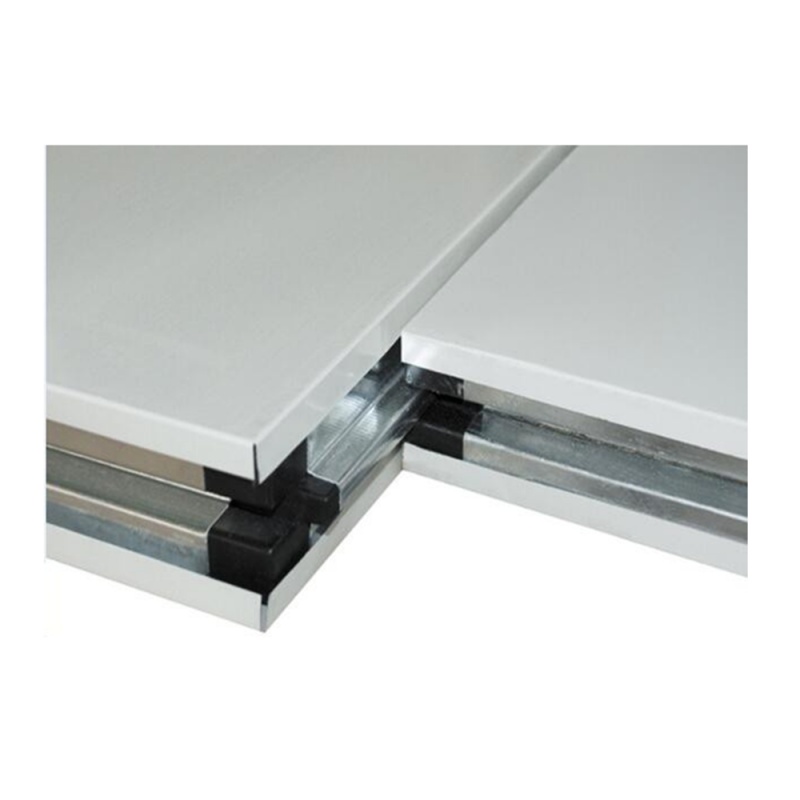
Key Installation Points for Aluminum Honeycomb Core Cleanroom Panels

Considerații privind instalarea panourilor pentru camere curate cu miez din oxid de magneziu și vată minerală

Panouri cu miez din oxid de magneziu (MgO) și vată minerală combină caracteristicile distincte ale ambelor materiale. În timpul instalării, este necesar să se țină cont de cerințele specifice impuse de miezul din vată minerală—în special în ceea ce privește rezistența la foc și proprietățile de izolare termică—în același timp adaptându-se și atributelor unice ale plăcilor de oxid de magneziu. La fixarea panourilor, este esențial să se asigure o pătrundere fermă a elementelor de fixare prin placa de oxid de magneziu, pentru a stabili o conexiune sigură cu grinda de susținere, garantând astfel stabilitatea structurală a întregii ansambluri. În proiectele de construcție a camerelor curate din instalațiile de fabricare farmaceutică, o fixare necorespunzătoare poate duce la afânarea panourilor în timpul operațiunilor ulterioare, posibil declanșată de factori precum vibrația echipamentelor din atelier.

În ceea ce privește tratarea îmbinărilor panourilor, golurile trebuie umplute mai întâi cu un material etanșant adecvat, urmat de o finisare corespunzătoare a suprafeței, pentru a asigura atât etanșeitatea la aer, cât și continuitatea estetică a îmbinărilor. În plus, având în vedere că plăcile din oxid de magneziu sunt sensibile la probleme legate de umiditate — cum ar fi „transpirația” sau migrarea umidității — în medii cu umiditate ridicată, trebuie implementate măsuri robuste de protecție împotriva umidității în timpul montării; exemple includ aplicarea unor straturi rezistente la umiditate pe suportul de bază.
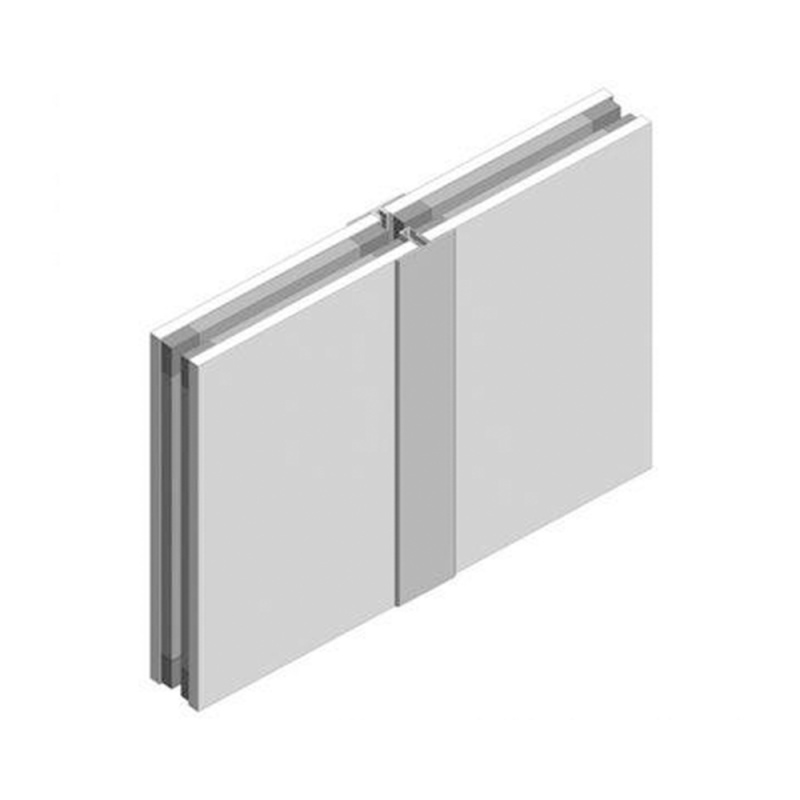
cleanroom panels factory Installation of Rock Wool Core Cleanroom Panels Rock wool core material is manufactured from natural rock through a high-temperature melting process; it is relatively heavy and possesses a certain degree of rigidity. During installation, the load-bearing capacity of the supporting keel structure is of paramount importance. Based on the weight of the panels, the spacing between keels must be designed scientifically and rationally to prevent panel deformation caused by insufficient load-bearing support. For instance, if rock wool cleanroom panels are utilized as wall materials in a large-scale industrial facility with stringent fire safety requirements, setting the keel spacing too wide—given the substantial weight of the rock wool panels—could eventually lead to sagging or deformation of the panels over time, thereby compromising both aesthetic appeal and operational safety.  Furthermore, the cut edges of rock wool panels are prone to generating dust. Consequently, appropriate protective measures must be implemented during installation—such as requiring construction personnel to wear professional dust-proof masks and deploying localized dust extraction equipment in cutting zones—to prevent dust contamination within the cleanroom environment. When joining panels, it is imperative to ensure that the seams are tightly fitted; this is essential for effectively guaranteeing thermal insulation and soundproofing performance. For example, in the construction of medical operating rooms—where noise control standards are exceptionally strict—tightly fitted seams can significantly minimize the intrusion of external noise while simultaneously preventing thermal exchange between the indoor and outdoor environments, thereby maintaining stable indoor temperatures.  Installation of Rock Wool Core Cleanroom Panels  Installation of Polyurethane Core Cleanroom Panels Polyurethane core material consists of a polyurethane foam filling; it offers excellent thermal insulation and sealing properties, combining high structural strength with a moderate weight. During installation, the layout of the supporting keel structure can be adjusted to suit the specific application scenario. For instance, in the construction of a cold storage facility—where thermal insulation requirements are particularly high—the low internal temperatures necessitate cleanroom panels with superior insulating capabilities to minimize energy consumption. In such cases, the keel layout can be flexibly configured based on practical factors such as the spatial structure of the cold storage unit and the positioning of refrigeration equipment.  However, since polyurethane materials may release harmful gases when exposed to high temperatures, the use of open flames must be strictly prohibited during the installation process, and adequate ventilation must be ensured. Additionally, polyurethane panels typically feature a tongue-and-groove interlocking design at their joints; during installation, it is crucial to ensure that these interlocking profiles engage tightly to enhance the overall airtightness of the structure. Taking a food cold storage facility as an example: if the tongue-and-groove joints do not interlock tightly, outside air can easily infiltrate. This may lead to temperature fluctuations within the cold storage area, thereby compromising the effectiveness of food preservation.  Installation of Polyurethane Core Cleanroom Panels  Installation of Hollow Magnesium Oxide Core Cleanroom Panels Hollow magnesium oxide core panels typically consist of a honeycomb or grid-like hollow internal structure bonded to magnesium oxide faceboards. Being lightweight, they offer relatively convenient installation. However, their installation places stringent demands on the flatness of the substrate (base layer). The substrate surface must be flat, dry, and clean; if the flatness deviation of the substrate exceeds the specified tolerance (generally, the flatness error must not exceed 5 mm within any 2-meter span), the cleanroom panels will fail to adhere tightly to the substrate after installation, resulting in excessively wide panel seams. In the construction of electronic cleanrooms, if panel seams are too wide, dust and other impurities can easily enter, making it impossible to meet the rigorous environmental cleanliness standards required for electronics manufacturing.  When securing the panels, methods such as self-tapping screws are typically employed. Specific requirements govern the spacing of these screws, which are generally distributed uniformly within a reasonable range to ensure the panels are firmly anchored. Furthermore, the treatment of panel seams is equally critical; they must be filled with sealing materials to ensure an effective seal and prevent air leakage.  cleanroom panels factory Installation of Rock Wool Core Cleanroom Panels Rock wool core material is manufactured from natural rock through a high-temperature melting process; it is relatively heavy and possesses a certain degree of rigidity. During installation, the load-bearing capacity of the supporting keel structure is of paramount importance. Based on the weight of the panels, the spacing between keels must be designed scientifically and rationally to prevent panel deformation caused by insufficient load-bearing support. For instance, if rock wool cleanroom panels are utilized as wall materials in a large-scale industrial facility with stringent fire safety requirements, setting the keel spacing too wide—given the substantial weight of the rock wool panels—could eventually lead to sagging or deformation of the panels over time, thereby compromising both aesthetic appeal and operational safety.  Furthermore, the cut edges of rock wool panels are prone to generating dust. Consequently, appropriate protective measures must be implemented during installation—such as requiring construction personnel to wear professional dust-proof masks and deploying localized dust extraction equipment in cutting zones—to prevent dust contamination within the cleanroom environment. When joining panels, it is imperative to ensure that the seams are tightly fitted; this is essential for effectively guaranteeing thermal insulation and soundproofing performance. For example, in the construction of medical operating rooms—where noise control standards are exceptionally strict—tightly fitted seams can significantly minimize the intrusion of external noise while simultaneously preventing thermal exchange between the indoor and outdoor environments, thereby maintaining stable indoor temperatures.  Installation of Rock Wool Core Cleanroom Panels  Installation of Polyurethane Core Cleanroom Panels Polyurethane core material consists of a polyurethane foam filling; it offers excellent thermal insulation and sealing properties, combining high structural strength with a moderate weight. During installation, the layout of the supporting keel structure can be adjusted to suit the specific application scenario. For instance, in the construction of a cold storage facility—where thermal insulation requirements are particularly high—the low internal temperatures necessitate cleanroom panels with superior insulating capabilities to minimize energy consumption. In such cases, the keel layout can be flexibly configured based on practical factors such as the spatial structure of the cold storage unit and the positioning of refrigeration equipment.  However, since polyurethane materials may release harmful gases when exposed to high temperatures, the use of open flames must be strictly prohibited during the installation process, and adequate ventilation must be ensured. Additionally, polyurethane panels typically feature a tongue-and-groove interlocking design at their joints; during installation, it is crucial to ensure that these interlocking profiles engage tightly to enhance the overall airtightness of the structure. Taking a food cold storage facility as an example: if the tongue-and-groove joints do not interlock tightly, outside air can easily infiltrate. This may lead to temperature fluctuations within the cold storage area, thereby compromising the effectiveness of food preservation.  Installation of Polyurethane Core Cleanroom Panels  Installation of Hollow Magnesium Oxide Core Cleanroom Panels  Key Installation Points for Aluminum Honeycomb Core Cleanroom Panels Aluminum honeycomb core cleanroom panels offer numerous advantages, such as high structural strength and excellent surface flatness. During installation, given the relatively uniform distribution of the panels' weight, the design of the supporting keel system can be determined based on the specific panel specifications and the ambient installation environment. In large-scale commercial shopping malls—specifically for projects involving the enclosure of central air conditioning ventilation ducts—the use of aluminum honeycomb cleanroom panels necessitates a keel design tailored to the shape and dimensions of the ventilation ducts, as well as the overall spatial layout of the mall.  When splicing aluminum honeycomb cleanroom panels, a high degree of precision is required. It is essential to ensure that all joints are flat and tightly sealed to achieve an aesthetically pleasing appearance and maintain optimal overall performance. Furthermore, during the installation process, great care must be taken to protect the panel surfaces; precautions should be implemented to prevent scratches or impacts that could cause surface damage, thereby compromising both the visual appeal and the functional integrity of the panels.  Key Installation Points for Aluminum Honeycomb Core Cleanroom Panels  Installation Considerations for Magnesium Oxide Rock Wool Core Cleanroom Panels

La instalarea panourilor de purificare cu materiale de nucleu diferite, trebuie adoptate măsuri specifice — adaptate caracteristicilor materialului de nucleu — în ceea ce privește proiectarea grinzilor, tratamentele de protecție împotriva umidității și a focului, îmbinarea panourilor și măsurile de siguranță la manipulare. Aceasta asigură calitatea instalării și permite panourilor de purificare să funcționeze la capacitatea lor maximă. În proiectele de inginerie reale, selecția panourilor de purificare cu materiale de nucleu adecvate trebuie să se bazeze pe o evaluare completă a unor factori precum scenariul specific de utilizare, cerințele de mediu și bugetul; în plus, execuția lucrărilor trebuie să se realizeze în strânsă conformitate cu instrucțiunile relevante de instalare.
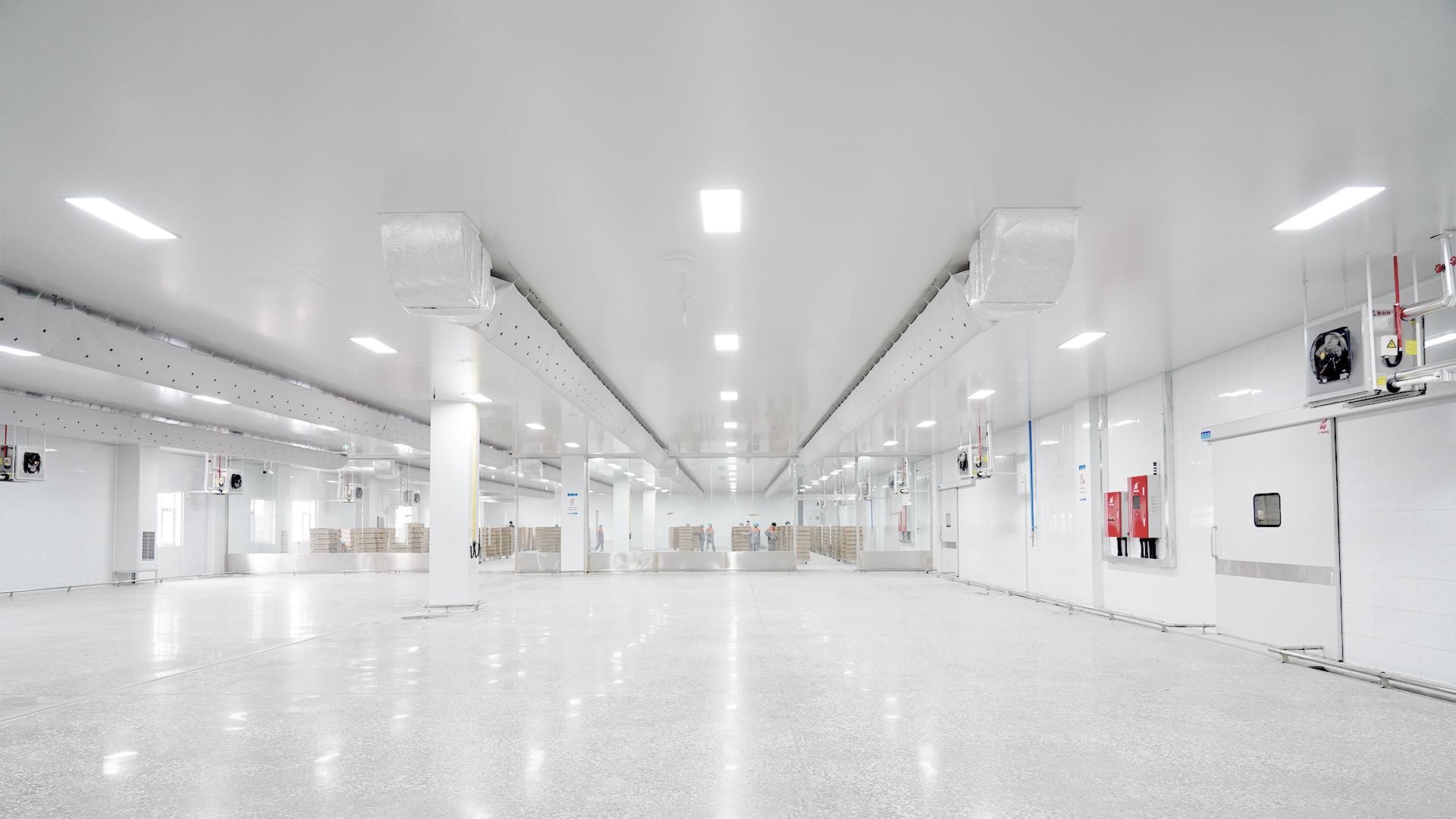
Cleanroom Enclosure System for Shandong Boda Food (1).jpg

Obțineți o ofertă gratuită pentru proiectul dumneavoastră

Indiferent dacă este vorba de un atelier din oțel, o cameră frigorifică sau un sistem de sală curată, oferim prețuri competitive direct de la fabrică și proiectare profesională.
Adresă de e-mail
Nume
Telefon mobil / WhatsApp
Numele companiei
Mesaj
0/1000