Pridobite brezplačno ponudbo za vaš projekt

Ali gre za jekleno delavnico, hladilno shrambo ali sistem čistih prostorov – ponujamo konkurenčne tovarniške cene in profesionalno oblikovanje.
E-poštni naslov
Ime in priimek
Mobilni telefon/WhatsApp
Ime podjetja
Sporočilo
0/1000

Novice v industriji

Domača stran >  Viri >  Novice v industriji

Ali obstajajo razlike pri namestitvi plošč za čistilne sobe z različnimi jedri

Apr 14, 2026

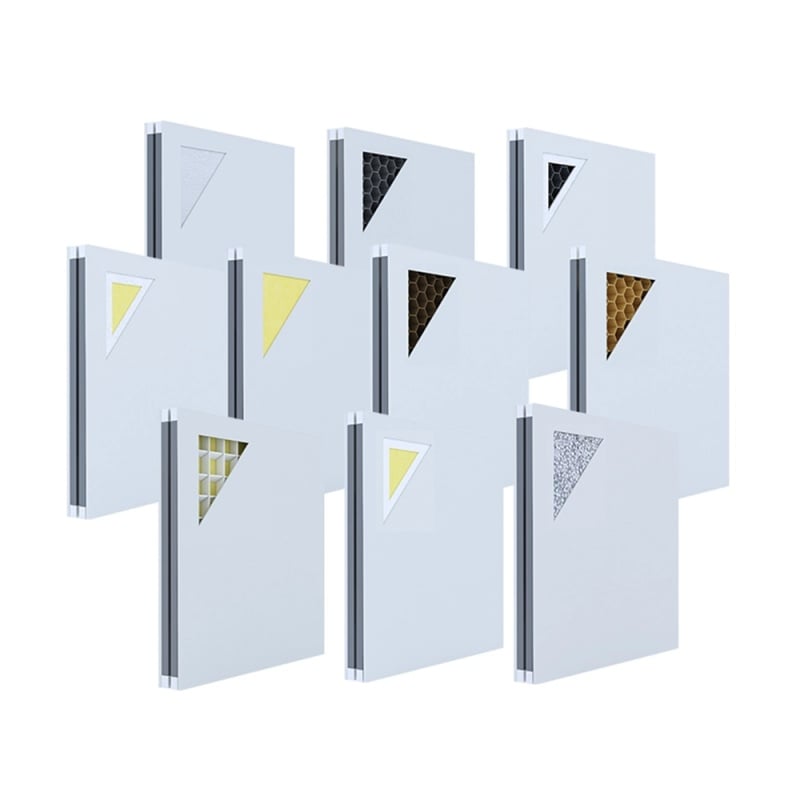
Plošče za čistilne sobe so široko uporabljene v industrijskih panogah z izjemno zahtevnimi okoljskimi zahtevami—kot so elektronika, farmacevtska industrija in predelava hrane—kjer služijo ustvarjanju čistih in higienskih prostorskih okolij. Ti plošči imajo raznoliko paleto jedrnih materialov, med katerimi so najpogostejši kamena volna, votla magnezijevega oksida plošča, aluminijasta satenska konstrukcija ter kompoziti iz magnezijevega oksida in kamene volne. Ker ima vsaka vrsta jedrnega materiala lastne posebne lastnosti, se postopki namestitve teh različnih čistih sobnih plošč resnično razlikujejo.
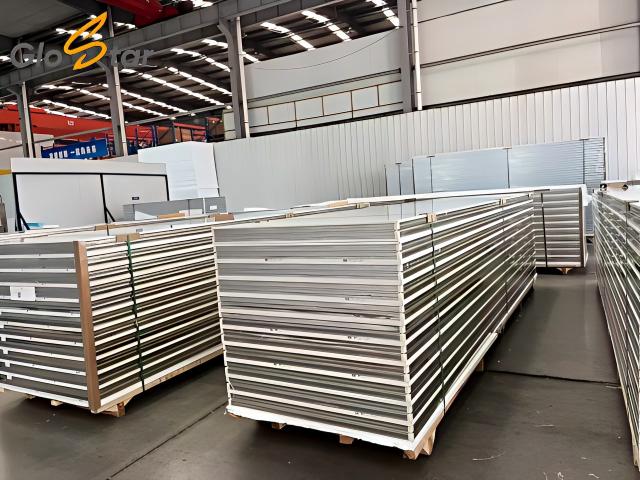
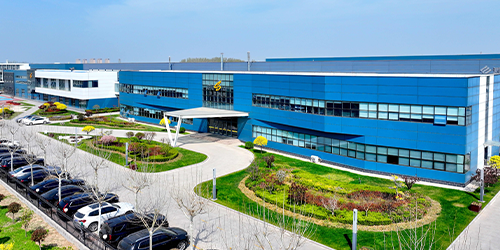
cleanroom panels factory

Namestitev čistih sobnih plošč z jedrom iz kamene volne

Jedro iz kamene volne je izdelano iz naravnega kamna s procesom taljenja pri visoki temperaturi; relativno je težko in ima določeno stopnjo togosti. Med namestitvijo je nosilna zmogljivost podpirajoče kletke izjemno pomembna. Na podlagi mase plošč mora biti razdalja med kletkami znanstveno in racionalno zasnovana, da se prepreči deformacija plošč zaradi nedostatne nosilne podpore. Na primer, če plošče za čistilne sobe iz kamene volne uporabljamo kot stenski material v veliki industrijski napravi z izjemno strognimi zahtevami po požarni varnosti, bi prevelika razdalja med kletkami – ob upoštevanju znatne mase plošč iz kamene volne – s časom lahko povzročila proženje ali deformacijo plošč, kar bi ogrozilo tako estetski videz kot tudi obratovalno varnost.

Poleg tega so rezani robovi plošč iz kamene volne nagnjeni k nastajanju prašnega onesnaženja. Zato je med namestitvijo nujno sprejeti ustrezne zaščitne ukrepe – na primer zahtevati, da gradbeno osebje nosi profesionalne protiprašne maske, ter namestiti lokalne sisteme za odvajanje prašnega onesnaženja v območjih rezanja – da se prepreči onesnaženje čistega prostora z prašnim delci. Pri spojevanju plošč je nujno zagotoviti tesne šive; to je ključno za učinkovito zagotavljanje toplotne izolacije in zvočne izolacije. Na primer pri gradnji medicinskih operacijskih sob – kjer so standardi nadzora hrupa izjemno strogi – tesni šivi znatno zmanjšajo vdor zunanjega hrupa ter hkrati preprečijo toplotno izmenjavo med notranjim in zunanjim okoljem, s čimer ohranjajo stabilno notranjo temperaturo.
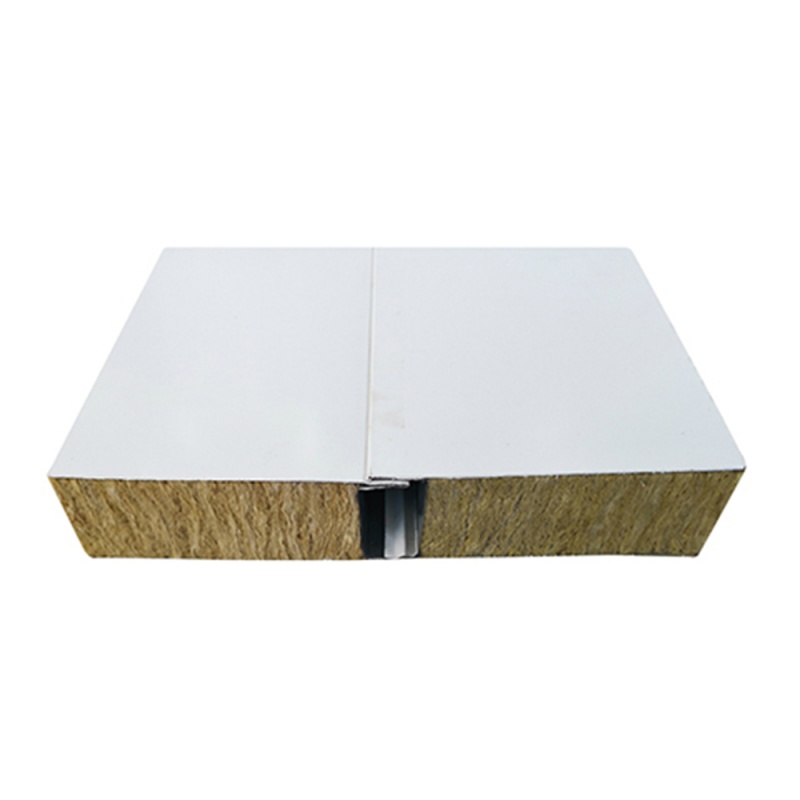
Installation of Rock Wool Core Cleanroom Panels

Namestitev čistih plošč z jedrom iz poliuretana

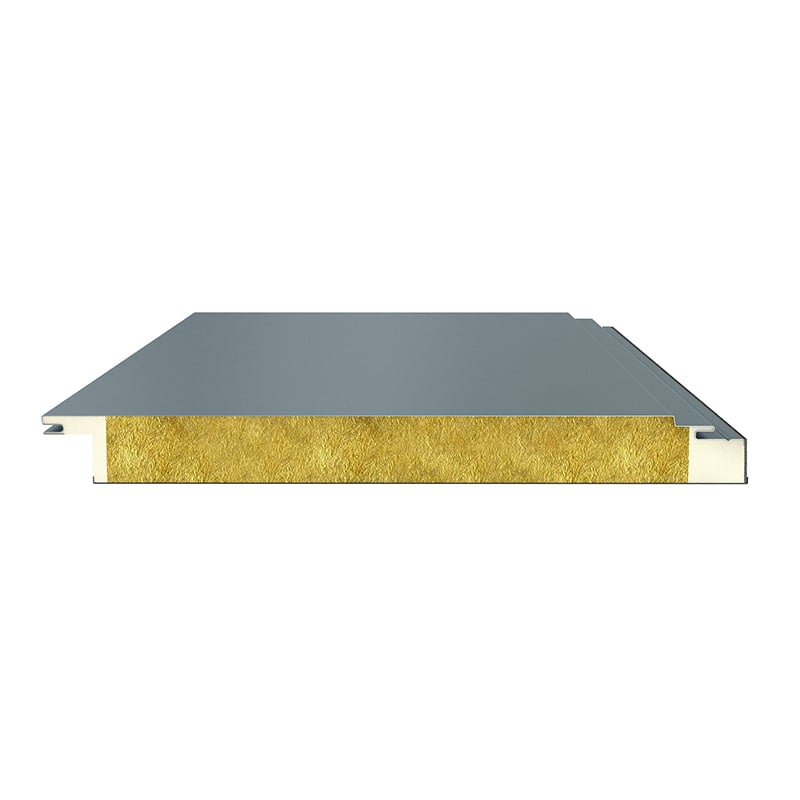
Material jedra iz poliuretana sestavlja poliuretanska penasta izpolnitev; ponuja odlične toplotnoizolacijske in tesnilne lastnosti ter združuje visoko strukturno trdnost z zmerno težo. Med namestitvijo se lahko razpored nosilne rešetkaste konstrukcije prilagodi specifičnemu primernemu scenariju uporabe. Na primer pri gradnji hladilnih prostorov – kjer so zahteve glede toplotne izolacije še posebej visoke – nizke notranje temperature zahtevajo plošče za čistilne sobe z izjemnimi izolacijskimi lastnostmi, da se zmanjša poraba energije. V takih primerih se razpored rešetkaste konstrukcije lahko fleksibilno prilagodi na podlagi praktičnih dejavnikov, kot so prostorska struktura hladilnega prostora in razpored opreme za hlajenje.

Vendar saj lahko poliuretanski materiali pri visokih temperaturah sproščajo škodljive pline, med namestitvijo strogo prepovedujemo uporabo odprtih plamenov in zagotovimo ustrezno prezračevanje. Poleg tega imajo poliuretanski paneli običajno na stičnih površinah zazubljeno (jezično-žlebno) zaklepnico; med namestitvijo je ključnega pomena, da se ti zaklepni profili tesno zaprejo, kar izboljša skupno zrakotesnost konstrukcije. Kot primer naj navedemo hladilno shrambo za hrano: če se zazubljene stične površine ne zaprejo tesno, se zunanj zrak lahko preprosto infiltrira noter. To lahko povzroči nihanja temperature v hladilni shrambi in s tem ogrozi učinkovitost ohranjanja hrane.
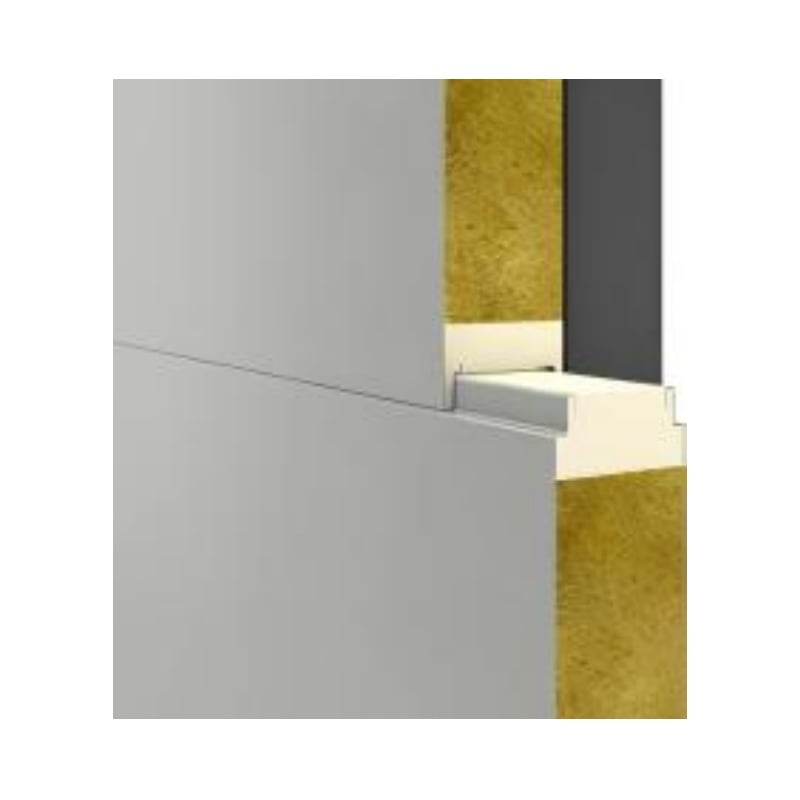
Installation of Polyurethane Core Cleanroom Panels

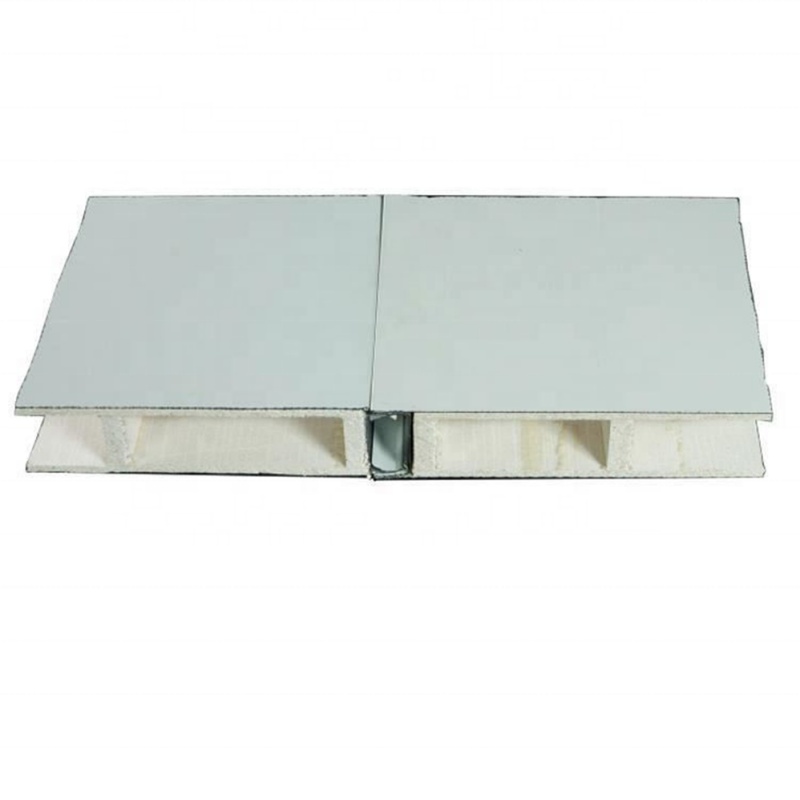
Namestitev čistih prostorov z votlimi ploščami z jedrom iz magnezijevega oksida

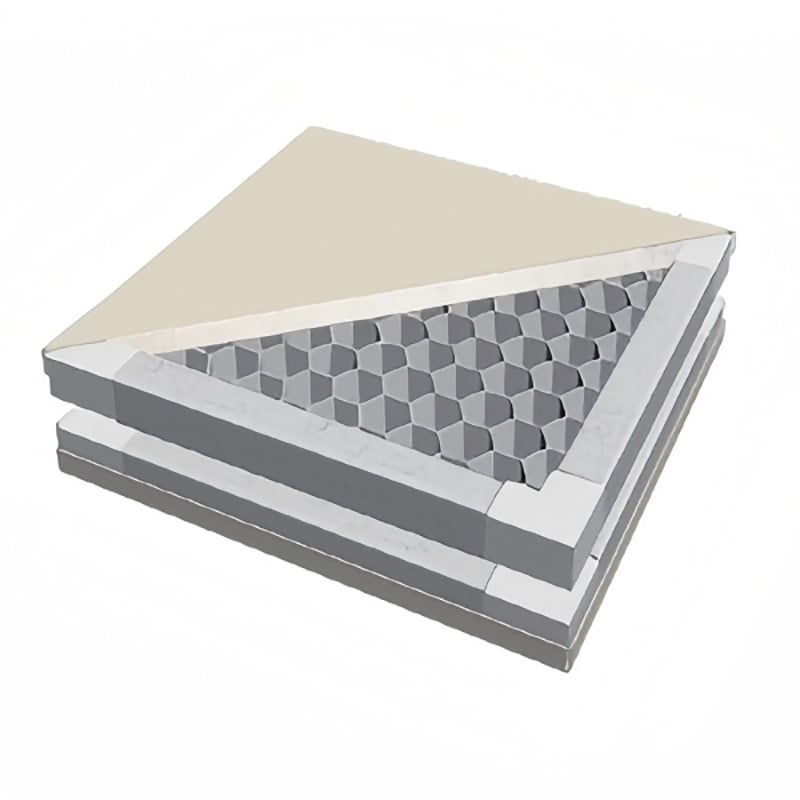
Votle plošče z jedrom iz magnezijevega oksida običajno sestavljajo votla notranja struktura v obliki panjskega gnezda ali mreže, ki je lepljena na plošče iz magnezijevega oksida. Ker so lahki, omogočajo relativno udobno namestitev. Vendar namestitev postavlja stroge zahteve glede ravni podlage (osnovnega sloja). Površina podlage mora biti ravna, suha in čista; če odstopanje od ravnosti podlage presega določeno dopustno tolerance (splošno velja, da napaka ravnosti ne sme presegati 5 mm na katerem koli 2-metrskem razponu), se čistilne sobe plošče po namestitvi ne bodo tesno prilepile na podlago, kar bo povzročilo preširoke šive med ploščami. Pri gradnji elektronskih čistilnih sob se pri preširokih šivih med ploščami prah in druge nečistoče lahko preprosto vneseta noter, kar naredi nemogoče izpolnjevanje strogih standardov okoljske čistoče, zahtevanih za proizvodnjo elektronskih naprav.

Pri pritrditvi plošč se običajno uporabljajo metode, kot so samorezni vijaki. Posebne zahteve določajo razmik teh vijakov, ki so na splošno enakomerno razporejeni znotraj razumnega obsega, da se zagotovi trdna sidranost plošč. Poleg tega je ravno tako pomembna obdelava šivov plošč; ti se morajo napolniti tesnilnimi materiali, da se zagotovi učinkovito tesnjenje in prepreči uhajanje zraka.
cleanroom panels factory Installation of Rock Wool Core Cleanroom Panels Rock wool core material is manufactured from natural rock through a high-temperature melting process; it is relatively heavy and possesses a certain degree of rigidity. During installation, the load-bearing capacity of the supporting keel structure is of paramount importance. Based on the weight of the panels, the spacing between keels must be designed scientifically and rationally to prevent panel deformation caused by insufficient load-bearing support. For instance, if rock wool cleanroom panels are utilized as wall materials in a large-scale industrial facility with stringent fire safety requirements, setting the keel spacing too wide—given the substantial weight of the rock wool panels—could eventually lead to sagging or deformation of the panels over time, thereby compromising both aesthetic appeal and operational safety.  Furthermore, the cut edges of rock wool panels are prone to generating dust. Consequently, appropriate protective measures must be implemented during installation—such as requiring construction personnel to wear professional dust-proof masks and deploying localized dust extraction equipment in cutting zones—to prevent dust contamination within the cleanroom environment. When joining panels, it is imperative to ensure that the seams are tightly fitted; this is essential for effectively guaranteeing thermal insulation and soundproofing performance. For example, in the construction of medical operating rooms—where noise control standards are exceptionally strict—tightly fitted seams can significantly minimize the intrusion of external noise while simultaneously preventing thermal exchange between the indoor and outdoor environments, thereby maintaining stable indoor temperatures.  Installation of Rock Wool Core Cleanroom Panels  Installation of Polyurethane Core Cleanroom Panels Polyurethane core material consists of a polyurethane foam filling; it offers excellent thermal insulation and sealing properties, combining high structural strength with a moderate weight. During installation, the layout of the supporting keel structure can be adjusted to suit the specific application scenario. For instance, in the construction of a cold storage facility—where thermal insulation requirements are particularly high—the low internal temperatures necessitate cleanroom panels with superior insulating capabilities to minimize energy consumption. In such cases, the keel layout can be flexibly configured based on practical factors such as the spatial structure of the cold storage unit and the positioning of refrigeration equipment.  However, since polyurethane materials may release harmful gases when exposed to high temperatures, the use of open flames must be strictly prohibited during the installation process, and adequate ventilation must be ensured. Additionally, polyurethane panels typically feature a tongue-and-groove interlocking design at their joints; during installation, it is crucial to ensure that these interlocking profiles engage tightly to enhance the overall airtightness of the structure. Taking a food cold storage facility as an example: if the tongue-and-groove joints do not interlock tightly, outside air can easily infiltrate. This may lead to temperature fluctuations within the cold storage area, thereby compromising the effectiveness of food preservation.  Installation of Polyurethane Core Cleanroom Panels  Installation of Hollow Magnesium Oxide Core Cleanroom Panels

Ključne točke namestitve čistilnih plošč z aluminijastim panjskim jedrom

Aluminijaste panelne čistilne sobe s čebeljim panjcem ponujajo številne prednosti, kot so visoka konstrukcijska trdnost in odlična površinska ravnanost. Med namestitvijo, ob upoštevanju relativno enakomernega razporeda teže plošč, se lahko zasnova nosilnega kiletnega sistema določi na podlagi specifičnih tehničnih lastnosti plošč in okolja, v katerem poteka namestitev. Pri velikih komercialnih nakupovalnih centrih – posebej pri projektih ovoja cevi centralnega klimatskega prezračevalnega sistema – zahteva uporaba aluminijastih panelov s čebeljim panjem za čistilne sobe zasnovo kiletnega sistema, prilagojenega obliki in dimenzijam prezračevalnih cevi ter celotni prostorski razporeditvi nakupovalnega centra.

Pri spojevanju aluminijastih panelnih plošč za čistilne sobe z medsebojno povezanimi celicami je potrebna visoka natančnost. Nujno je zagotoviti, da so vsi stiki ravni in tesni, da se doseže estetsko privlačen videz ter ohrani optimalna skupna učinkovitost. Poleg tega je med namestitvijo treba zelo skrbno varovati površino plošč; izvesti je treba ustrezne ukrepe za preprečevanje riscev ali udarov, ki bi lahko poškodovali površino in s tem poslabšali tako vizualni učinek kot funkcionalno celovitost plošč.
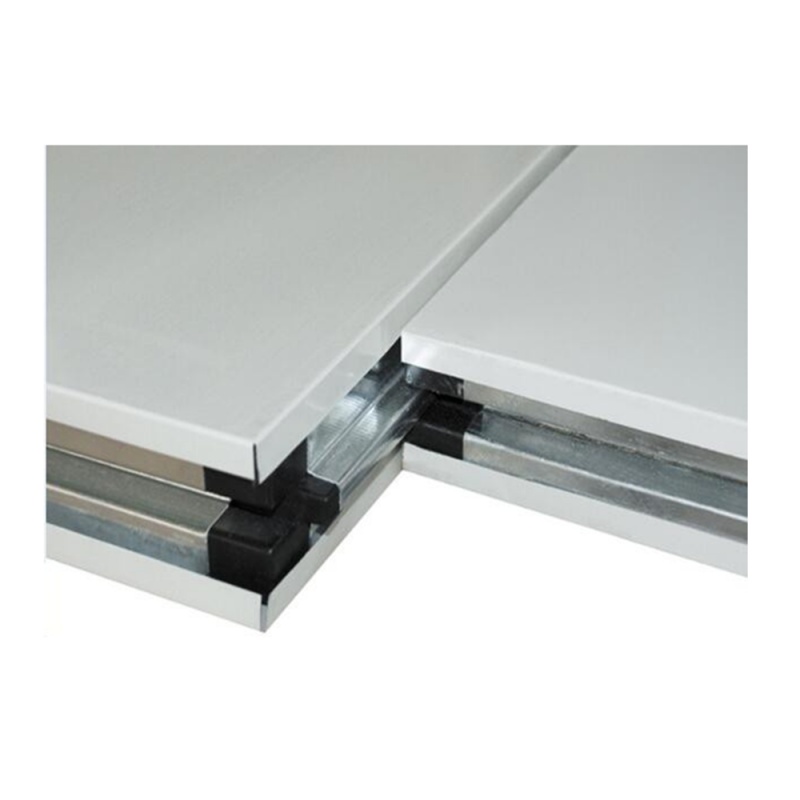
Key Installation Points for Aluminum Honeycomb Core Cleanroom Panels

Razmislitve pri namestitvi plošč za čistilne sobe z jedrom iz magnezijevega oksida in kamene volne

Plošče z jedrom iz magnezijevega oksida (MgO) in kamene volne združi različne značilnosti obeh materialov. Med namestitvijo je treba upoštevati posebne zahteve, ki jih določa jedro iz kamene volne – zlasti glede njene požarnosti in toplotne izolacije – hkrati pa je treba prilagoditi tudi posebne lastnosti plošč iz magnezijevega oksida. Pri pritrditvi plošč je ključno, da se sponke trdno zasidrajo skozi plošče iz magnezijevega oksida, da se zagotovi varna povezava z nosilnim karkasom in s tem tudi strukturna stabilnost celotne sestave. V projektih gradnje čistih prostorov v farmacevtskih proizvodnih objektih lahko neustrezna pritrditev povzroči razrahljanje plošč med nadaljnjimi operacijami, kar se lahko zgodi zaradi dejavnikov, kot je na primer vibracija opreme v delavnici.

Kar zadeva obdelavo stičnih površin plošč, morajo biti razpoke najprej zapolnjene z ustrezno tesnilno maso, nato pa sledi primerna površinska obdelava, da se zagotovita zračna neprepustnost in estetska kontinuiteta stikov. Poleg tega, saj so plošče iz magnezijevega oksida občutljive na vlažnost – na primer na »potenje« ali migracijo vlage – v okoljih z visoko vlažnostjo, je treba med namestitvijo izvesti učinkovite ukrepe za zaščito pred vlago; med primeri spadajo nanos vlago odpornih premazov na podlago.
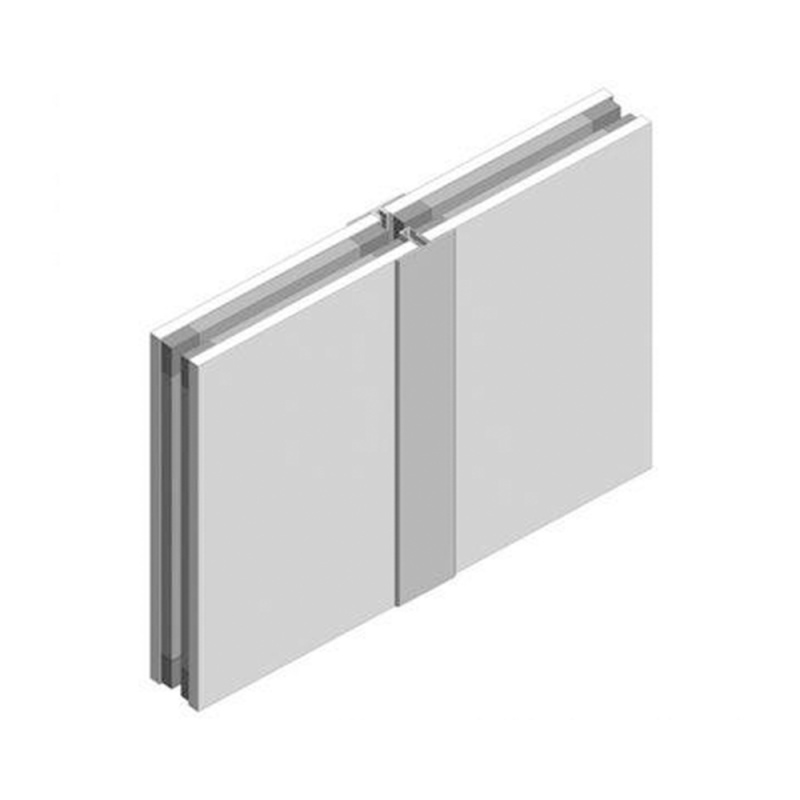
cleanroom panels factory Installation of Rock Wool Core Cleanroom Panels Rock wool core material is manufactured from natural rock through a high-temperature melting process; it is relatively heavy and possesses a certain degree of rigidity. During installation, the load-bearing capacity of the supporting keel structure is of paramount importance. Based on the weight of the panels, the spacing between keels must be designed scientifically and rationally to prevent panel deformation caused by insufficient load-bearing support. For instance, if rock wool cleanroom panels are utilized as wall materials in a large-scale industrial facility with stringent fire safety requirements, setting the keel spacing too wide—given the substantial weight of the rock wool panels—could eventually lead to sagging or deformation of the panels over time, thereby compromising both aesthetic appeal and operational safety.  Furthermore, the cut edges of rock wool panels are prone to generating dust. Consequently, appropriate protective measures must be implemented during installation—such as requiring construction personnel to wear professional dust-proof masks and deploying localized dust extraction equipment in cutting zones—to prevent dust contamination within the cleanroom environment. When joining panels, it is imperative to ensure that the seams are tightly fitted; this is essential for effectively guaranteeing thermal insulation and soundproofing performance. For example, in the construction of medical operating rooms—where noise control standards are exceptionally strict—tightly fitted seams can significantly minimize the intrusion of external noise while simultaneously preventing thermal exchange between the indoor and outdoor environments, thereby maintaining stable indoor temperatures.  Installation of Rock Wool Core Cleanroom Panels  Installation of Polyurethane Core Cleanroom Panels Polyurethane core material consists of a polyurethane foam filling; it offers excellent thermal insulation and sealing properties, combining high structural strength with a moderate weight. During installation, the layout of the supporting keel structure can be adjusted to suit the specific application scenario. For instance, in the construction of a cold storage facility—where thermal insulation requirements are particularly high—the low internal temperatures necessitate cleanroom panels with superior insulating capabilities to minimize energy consumption. In such cases, the keel layout can be flexibly configured based on practical factors such as the spatial structure of the cold storage unit and the positioning of refrigeration equipment.  However, since polyurethane materials may release harmful gases when exposed to high temperatures, the use of open flames must be strictly prohibited during the installation process, and adequate ventilation must be ensured. Additionally, polyurethane panels typically feature a tongue-and-groove interlocking design at their joints; during installation, it is crucial to ensure that these interlocking profiles engage tightly to enhance the overall airtightness of the structure. Taking a food cold storage facility as an example: if the tongue-and-groove joints do not interlock tightly, outside air can easily infiltrate. This may lead to temperature fluctuations within the cold storage area, thereby compromising the effectiveness of food preservation.  Installation of Polyurethane Core Cleanroom Panels  Installation of Hollow Magnesium Oxide Core Cleanroom Panels Hollow magnesium oxide core panels typically consist of a honeycomb or grid-like hollow internal structure bonded to magnesium oxide faceboards. Being lightweight, they offer relatively convenient installation. However, their installation places stringent demands on the flatness of the substrate (base layer). The substrate surface must be flat, dry, and clean; if the flatness deviation of the substrate exceeds the specified tolerance (generally, the flatness error must not exceed 5 mm within any 2-meter span), the cleanroom panels will fail to adhere tightly to the substrate after installation, resulting in excessively wide panel seams. In the construction of electronic cleanrooms, if panel seams are too wide, dust and other impurities can easily enter, making it impossible to meet the rigorous environmental cleanliness standards required for electronics manufacturing.  When securing the panels, methods such as self-tapping screws are typically employed. Specific requirements govern the spacing of these screws, which are generally distributed uniformly within a reasonable range to ensure the panels are firmly anchored. Furthermore, the treatment of panel seams is equally critical; they must be filled with sealing materials to ensure an effective seal and prevent air leakage.  cleanroom panels factory Installation of Rock Wool Core Cleanroom Panels Rock wool core material is manufactured from natural rock through a high-temperature melting process; it is relatively heavy and possesses a certain degree of rigidity. During installation, the load-bearing capacity of the supporting keel structure is of paramount importance. Based on the weight of the panels, the spacing between keels must be designed scientifically and rationally to prevent panel deformation caused by insufficient load-bearing support. For instance, if rock wool cleanroom panels are utilized as wall materials in a large-scale industrial facility with stringent fire safety requirements, setting the keel spacing too wide—given the substantial weight of the rock wool panels—could eventually lead to sagging or deformation of the panels over time, thereby compromising both aesthetic appeal and operational safety.  Furthermore, the cut edges of rock wool panels are prone to generating dust. Consequently, appropriate protective measures must be implemented during installation—such as requiring construction personnel to wear professional dust-proof masks and deploying localized dust extraction equipment in cutting zones—to prevent dust contamination within the cleanroom environment. When joining panels, it is imperative to ensure that the seams are tightly fitted; this is essential for effectively guaranteeing thermal insulation and soundproofing performance. For example, in the construction of medical operating rooms—where noise control standards are exceptionally strict—tightly fitted seams can significantly minimize the intrusion of external noise while simultaneously preventing thermal exchange between the indoor and outdoor environments, thereby maintaining stable indoor temperatures.  Installation of Rock Wool Core Cleanroom Panels  Installation of Polyurethane Core Cleanroom Panels Polyurethane core material consists of a polyurethane foam filling; it offers excellent thermal insulation and sealing properties, combining high structural strength with a moderate weight. During installation, the layout of the supporting keel structure can be adjusted to suit the specific application scenario. For instance, in the construction of a cold storage facility—where thermal insulation requirements are particularly high—the low internal temperatures necessitate cleanroom panels with superior insulating capabilities to minimize energy consumption. In such cases, the keel layout can be flexibly configured based on practical factors such as the spatial structure of the cold storage unit and the positioning of refrigeration equipment.  However, since polyurethane materials may release harmful gases when exposed to high temperatures, the use of open flames must be strictly prohibited during the installation process, and adequate ventilation must be ensured. Additionally, polyurethane panels typically feature a tongue-and-groove interlocking design at their joints; during installation, it is crucial to ensure that these interlocking profiles engage tightly to enhance the overall airtightness of the structure. Taking a food cold storage facility as an example: if the tongue-and-groove joints do not interlock tightly, outside air can easily infiltrate. This may lead to temperature fluctuations within the cold storage area, thereby compromising the effectiveness of food preservation.  Installation of Polyurethane Core Cleanroom Panels  Installation of Hollow Magnesium Oxide Core Cleanroom Panels  Key Installation Points for Aluminum Honeycomb Core Cleanroom Panels Aluminum honeycomb core cleanroom panels offer numerous advantages, such as high structural strength and excellent surface flatness. During installation, given the relatively uniform distribution of the panels' weight, the design of the supporting keel system can be determined based on the specific panel specifications and the ambient installation environment. In large-scale commercial shopping malls—specifically for projects involving the enclosure of central air conditioning ventilation ducts—the use of aluminum honeycomb cleanroom panels necessitates a keel design tailored to the shape and dimensions of the ventilation ducts, as well as the overall spatial layout of the mall.  When splicing aluminum honeycomb cleanroom panels, a high degree of precision is required. It is essential to ensure that all joints are flat and tightly sealed to achieve an aesthetically pleasing appearance and maintain optimal overall performance. Furthermore, during the installation process, great care must be taken to protect the panel surfaces; precautions should be implemented to prevent scratches or impacts that could cause surface damage, thereby compromising both the visual appeal and the functional integrity of the panels.  Key Installation Points for Aluminum Honeycomb Core Cleanroom Panels  Installation Considerations for Magnesium Oxide Rock Wool Core Cleanroom Panels

Pri namestitvi čistilnih plošč z različnimi jedri je treba sprejeti posebne ukrepe – prilagojene značilnostim jedra – glede oblikovanja nosilcev, zaščite pred vlago in ognjem, spojev plošč ter varnostnih ukrepov pri ravnanju. To zagotavlja kakovost namestitve in omogoča, da čistilne plošče delujejo v najvišji možni učinkovitosti. V dejanskih inženirskih projektih izbor čistilnih plošč z ustrezno jedrom temelji na celoviti oceni dejavnikov, kot so specifična uporabna scena, zahteve okolja in proračun; poleg tega mora biti gradnja izvedena v strogi skladu z ustreznimi navodili za namestitev.
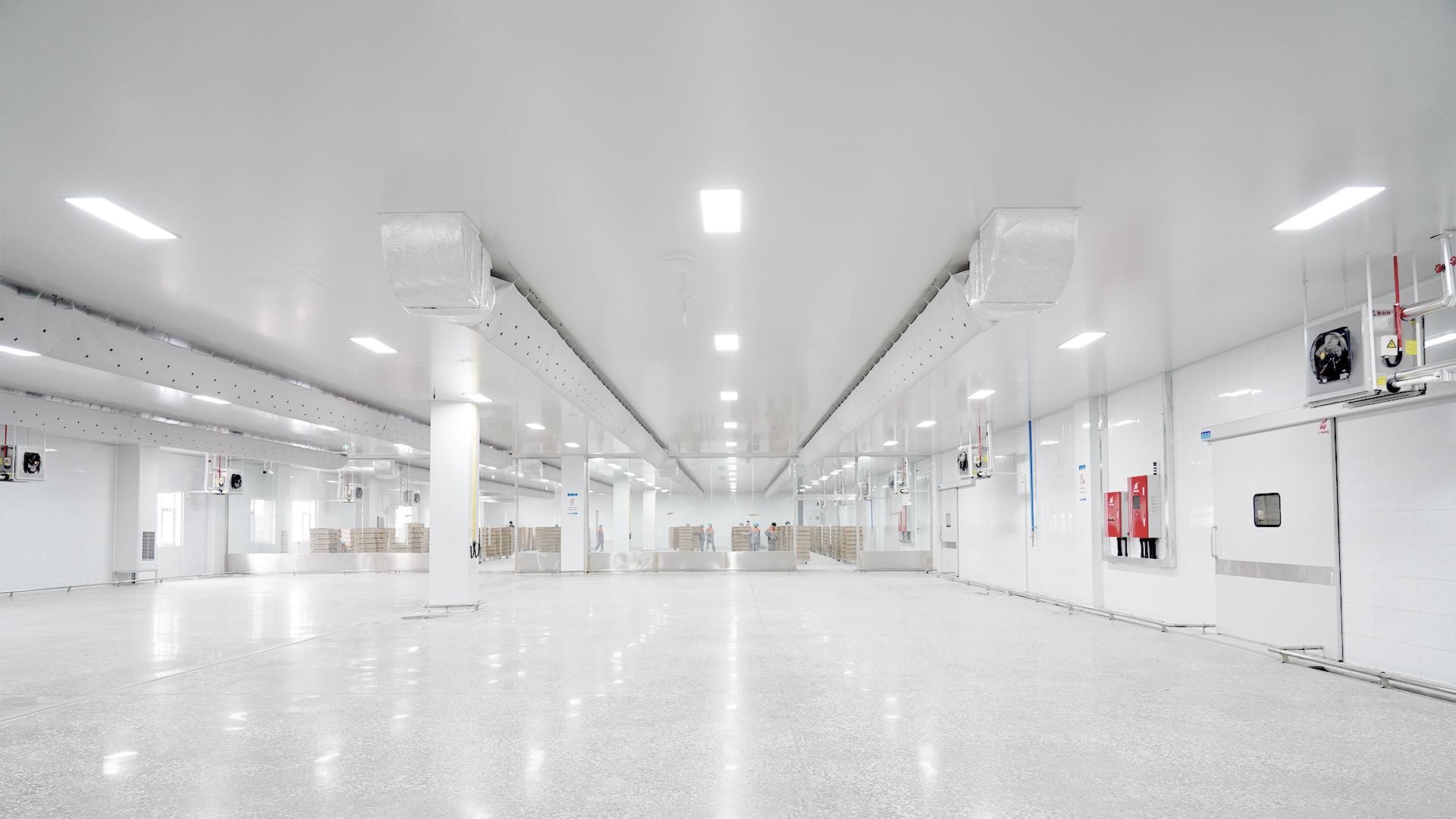
Cleanroom Enclosure System for Shandong Boda Food (1).jpg

Pridobite brezplačno ponudbo za vaš projekt

Ali gre za jekleno delavnico, hladilno shrambo ali sistem čistih prostorov – ponujamo konkurenčne tovarniške cene in profesionalno oblikovanje.
E-poštni naslov
Ime in priimek
Mobilni telefon/WhatsApp
Ime podjetja
Sporočilo
0/1000