Добијте бесплатну цитату за ваш пројекат

Било да је то челична радионица, хладно складиштење, или систем чисте собе, нудимо конкурентне фабричке цене и професионални дизајн.
Е-маил
Име
Мобилни/Ватсап
Име компаније
Порука
0/1000

Да ли постоје разлике у инсталирању панела чисте собе са различитим материјалима

Apr 14, 2026

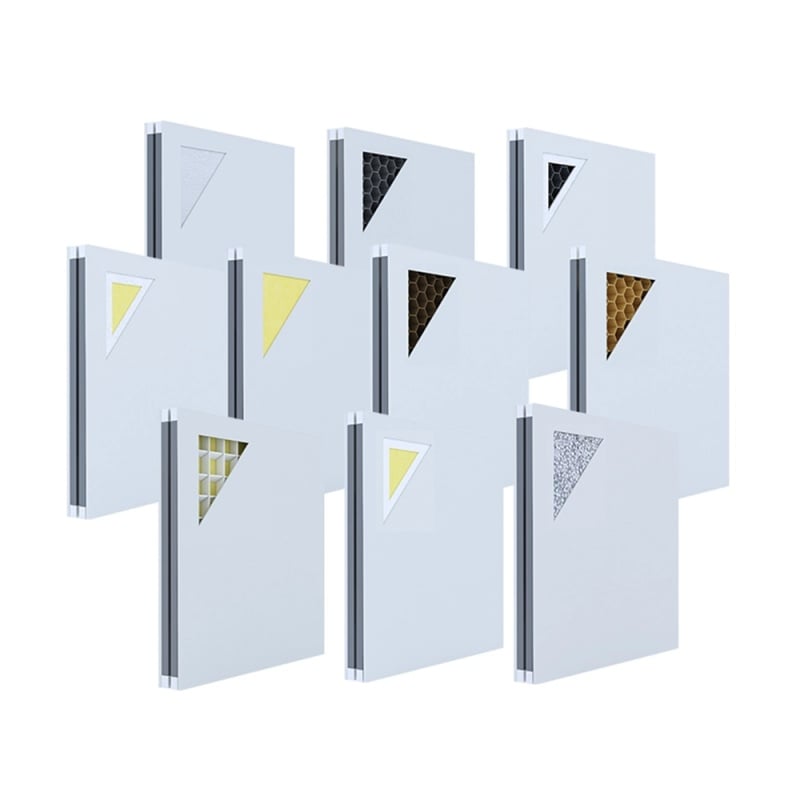
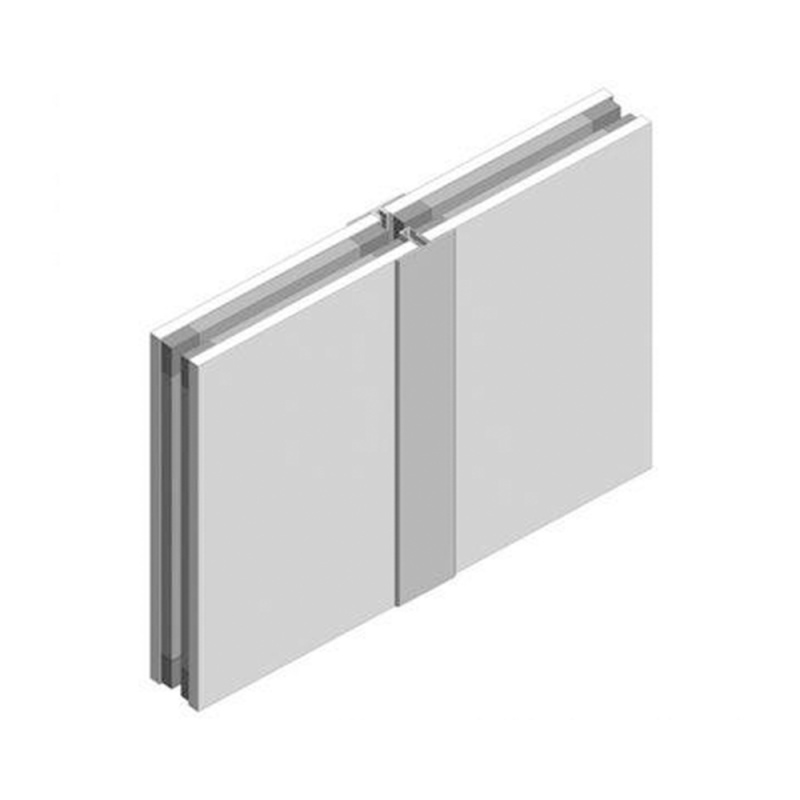
Паноре за чисте собе широко се користе у индустријама са строгим еколошким захтевимакао што су електроника, фармацеутика и преработка хранегде служе за стварање чисте и хигијенске просторног окружења. Ови панели имају разноврстан спектар основних материјала, са уобичајеним сортима укључујући каменову вуну, шупљи магнезијум оксид, алуминијум пчелину и магнезијум оксид-каменову вуну композите. С обзиром на различите особине које су присутне свакој врсти основних материјала, процеси монтаже за ове различите панеле чисте собе заиста имају бројне разлике.
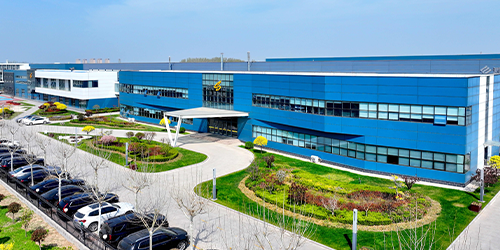
cleanroom panels factory

Уградња панела за чисте собе од карпене вуне

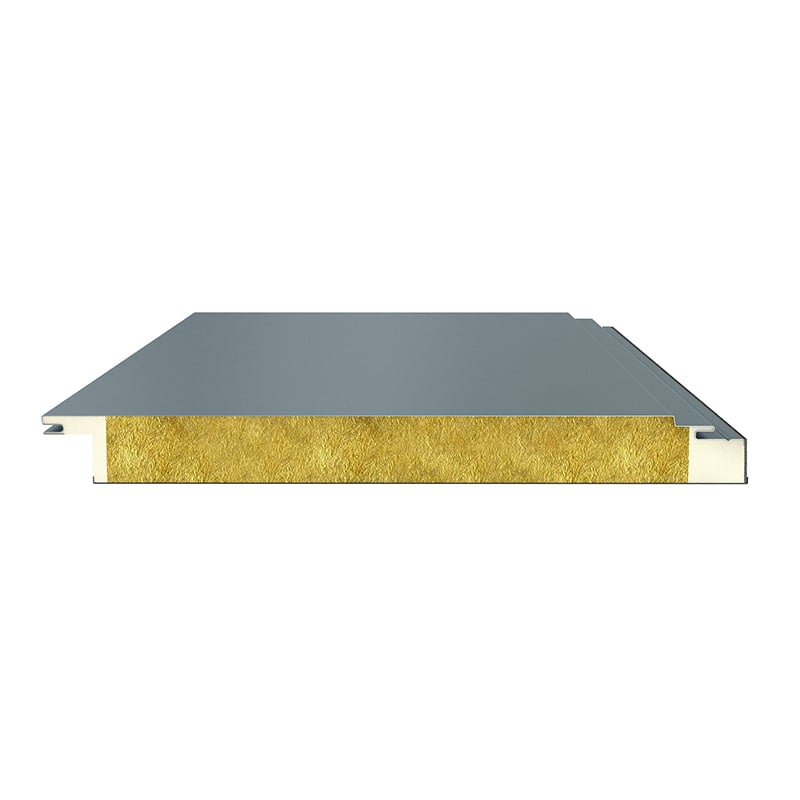
Материјал једра камених вуна се производи из природних стенова кроз процес топљења на високој температури; релативно је тежак и има одређен степен крутости. Током монтаже, носилачка способност конструкције који подржава кил је од изузетне важности. На основу тежине панела, растојање између килова мора бити научно и рационално дизајнирано како би се спречило деформацију панела узроковано недовољном носачком подршком. На пример, ако планке за чисте собе од камених вуна у великом индустријском објекту са строгим захтевима за заштиту од пожара, постављање преширока размака између килаузимајући у обзир значајну тежину панела од камених вунамогло би на крају довести до опустивања или деформације панела током времена, чиме се угрожава и естет

Осим тога, резене ивице плоча од камених вуна подлоге су стварању прашине. Због тога се током инсталације морају спроводити одговарајуће заштитне мерекао што је захтевање да грађевински персонал носи професионалне маске против прашине и распоређивање локалне опреме за извлачење прашине у зони резањада би се спречила контаминација прашине у окружењу чисте собе. Приликом спајања панела, неопходно је осигурати чврсто прикључење шваба; ово је од суштинског значаја за ефикасно гаранцију топлотне изолације и звукоизолације. На пример, у изградњи медицинских операционих собагде су стандарди за контролу буке изузетно строгитисно постављени шви могу значајно минимизирати улазак спољне буке, а истовремено спречити топлотну размену између унутрашњег и спољног окружења, чиме се одржава стабилна
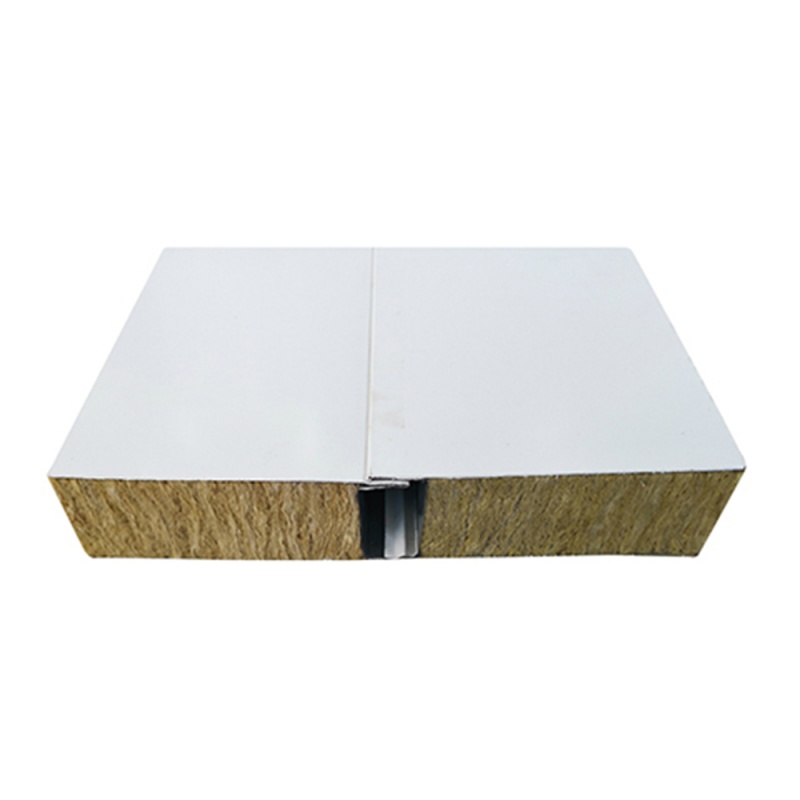
Installation of Rock Wool Core Cleanroom Panels

Уградња панела за чисте собе од полиуретаног језгра

Полиуретанови основни материјал састоји се од полиуретанове пене; нуди одличну топлотну изолацију и запечатања својства, комбинујући високу структурну чврстоћу са умереном тежином. Током инсталације, распоред конструкције носача кила може се прилагодити специфичном сценарију примене. На пример, у изградњи објекта за хладно складиштењегде су захтеви за топлотну изолацију посебно високинизе унутрашње температуре захтевају панеле чисте собе са супериорним изолационим капацитетима како би се смањила потрошња енергије. У таквим случајевима, распоред кила може бити флексибилно конфигурисан на основу практичних фактора као што су просторна структура хладно складиштења и позиционирање хладноће.

Међутим, пошто полиуретанови материјали могу ослобађати штетне гасове када су изложени високим температурама, употреба отворених пламена мора бити строго забрањена током процеса инсталације, а мора се осигурати адекватна вентилација. Поред тога, полиуретанови панели обично имају дизајн за затварање језика и жлебова на њиховим зглобовима; током инсталације, од кључне је важности да се осигура да се ови профили затварања чврсто повежу како би се повећала укупна ваздушнотичност структуре. Узмимо као пример хладно складиште хране: ако се зглобови језика и жлебова не чврсто затварају, извански ваздух може лако проникнути. То може довести до флуктуација температуре у хладно складиштењу, чиме се угрожава ефикасност конзервације хране.
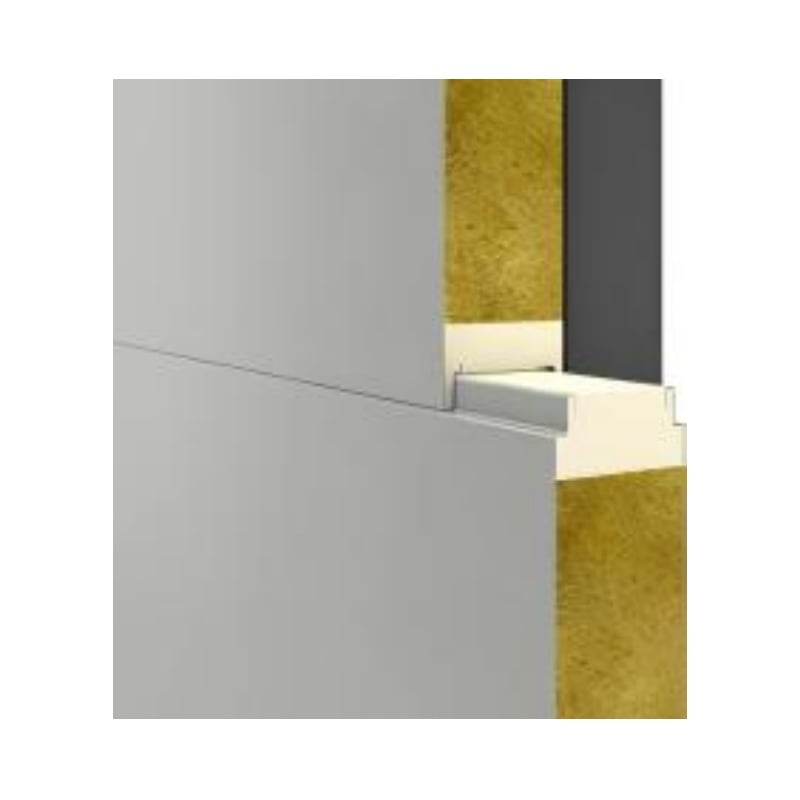
Installation of Polyurethane Core Cleanroom Panels

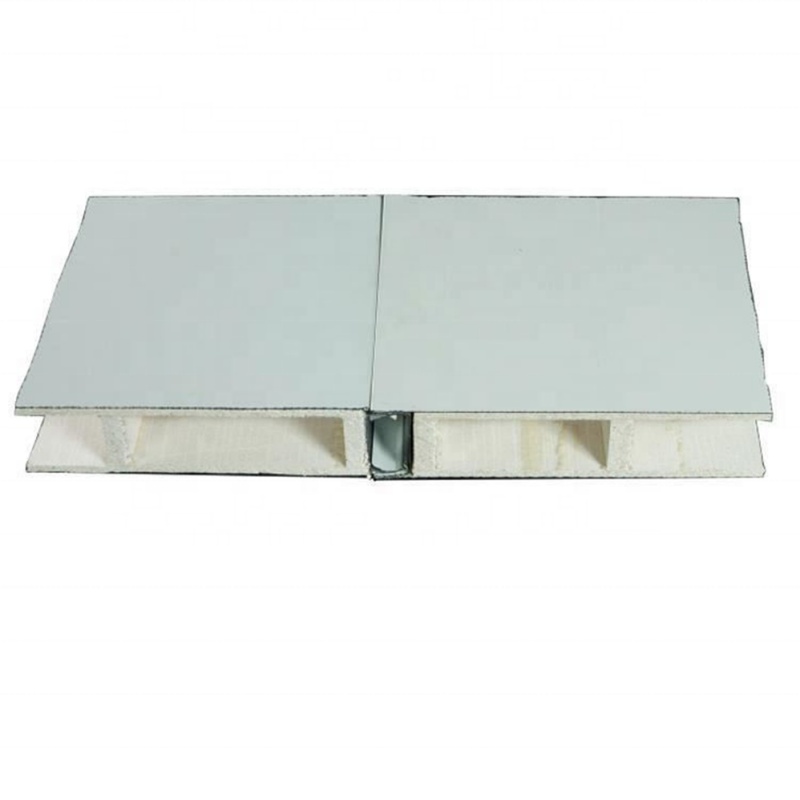
Уградња шупљих панела за чисте собе са јадрама магнезијума

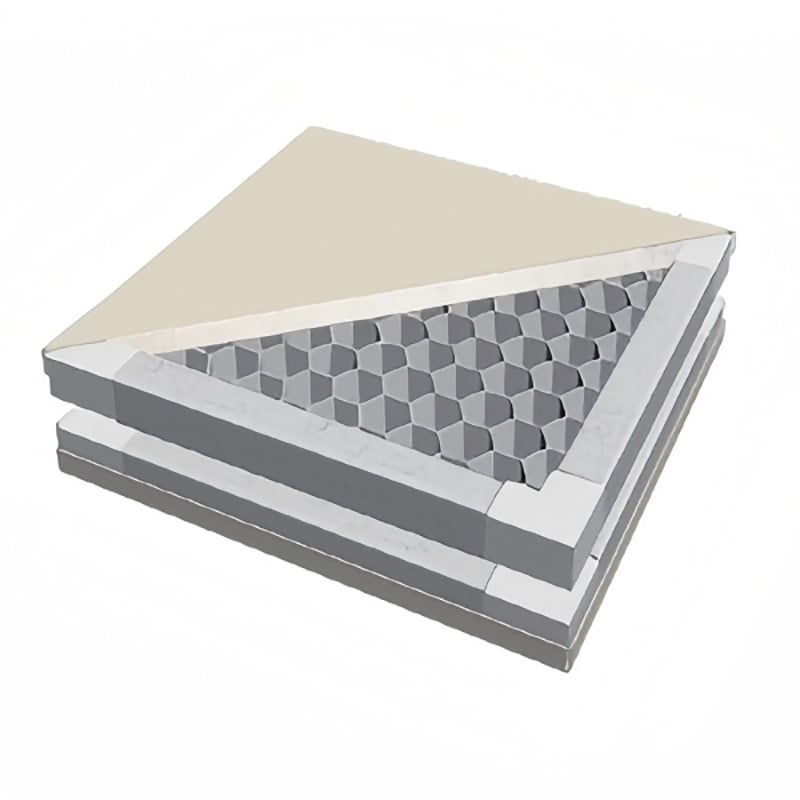
Полни панели од магнијевог оксида обично се састоје од кошничке или мрежњачке шупље унутрашње структуре причвршћене на магнезијум оксидне преграде. Будући да су лагане, оне пружају релативно згодну инсталација. Међутим, њихова инсталација поставља строге захтеве за равнаност подлога (базни слој). Површина подлога мора бити равна, сува и чиста; ако одступање равне површине подлога прелази наведене толерансе (општено, грешка равне површине не сме бити већа од 5 мм у оквиру било којег размера од 2 метра), панели чисте просторије неће чврсто причврстити У изградњи електронских чистих соба, ако су шавови панела сувише широки, прашина и друге нечистоће могу лако ући, што чини немогућим испуњавање ригорозних стандарда за чистоћу животне средине који се захтевају за производњу електронике.

Приликом засигурања панела, обично се користе методе као што су само-засигурање вијака. Специфични захтеви регулишу расподело ових завртки, које су углавном равномерно распоређене у разумном распону како би се осигурало чврсто закотвљење панела. Поред тога, третман шавова панела је једнако критичан; они морају бити испуњени запљујним материјалима како би се осигурало ефикасно запљуј и спречио цурење ваздуха.
cleanroom panels factory Installation of Rock Wool Core Cleanroom Panels Rock wool core material is manufactured from natural rock through a high-temperature melting process; it is relatively heavy and possesses a certain degree of rigidity. During installation, the load-bearing capacity of the supporting keel structure is of paramount importance. Based on the weight of the panels, the spacing between keels must be designed scientifically and rationally to prevent panel deformation caused by insufficient load-bearing support. For instance, if rock wool cleanroom panels are utilized as wall materials in a large-scale industrial facility with stringent fire safety requirements, setting the keel spacing too wide—given the substantial weight of the rock wool panels—could eventually lead to sagging or deformation of the panels over time, thereby compromising both aesthetic appeal and operational safety.  Furthermore, the cut edges of rock wool panels are prone to generating dust. Consequently, appropriate protective measures must be implemented during installation—such as requiring construction personnel to wear professional dust-proof masks and deploying localized dust extraction equipment in cutting zones—to prevent dust contamination within the cleanroom environment. When joining panels, it is imperative to ensure that the seams are tightly fitted; this is essential for effectively guaranteeing thermal insulation and soundproofing performance. For example, in the construction of medical operating rooms—where noise control standards are exceptionally strict—tightly fitted seams can significantly minimize the intrusion of external noise while simultaneously preventing thermal exchange between the indoor and outdoor environments, thereby maintaining stable indoor temperatures.  Installation of Rock Wool Core Cleanroom Panels  Installation of Polyurethane Core Cleanroom Panels Polyurethane core material consists of a polyurethane foam filling; it offers excellent thermal insulation and sealing properties, combining high structural strength with a moderate weight. During installation, the layout of the supporting keel structure can be adjusted to suit the specific application scenario. For instance, in the construction of a cold storage facility—where thermal insulation requirements are particularly high—the low internal temperatures necessitate cleanroom panels with superior insulating capabilities to minimize energy consumption. In such cases, the keel layout can be flexibly configured based on practical factors such as the spatial structure of the cold storage unit and the positioning of refrigeration equipment.  However, since polyurethane materials may release harmful gases when exposed to high temperatures, the use of open flames must be strictly prohibited during the installation process, and adequate ventilation must be ensured. Additionally, polyurethane panels typically feature a tongue-and-groove interlocking design at their joints; during installation, it is crucial to ensure that these interlocking profiles engage tightly to enhance the overall airtightness of the structure. Taking a food cold storage facility as an example: if the tongue-and-groove joints do not interlock tightly, outside air can easily infiltrate. This may lead to temperature fluctuations within the cold storage area, thereby compromising the effectiveness of food preservation.  Installation of Polyurethane Core Cleanroom Panels  Installation of Hollow Magnesium Oxide Core Cleanroom Panels

Кључне тачке инсталације алуминијумских панела за чисту собу

Алуминијумски пчелићни панел за чисте собе пружају бројне предности, као што су висока структурна чврстоћа и одлична равна површина. Током инсталације, с обзиром на релативно равномерну расподелу тежине панела, дизајн система подршке може се одредити на основу специфичних спецификација панела и окружења инсталације. У великим комерцијалним трговачким центрима, посебно за пројекте који укључују затварање централних вентилационих канала за климатизацију, употреба алуминијумских панела за чисту собу из пчела захтева дизајн кила прилагођен облику и димензијама вентилационих канала, као и укупном просторно

Када се преплећу алуминијумске пчеличасте панеле за чисте собе, потребан је висок степен прецизности. Од суштинског значаја је да се осигура да су сви зглобови равни и чврсто запечаћени како би се постигао естетички пријатан изглед и одржала оптимална укупна перформанса. Осим тога, током процеса инсталације, мора се пружити велика пажња за заштиту површина панела; треба применити мере предострожности како би се спречиле гребење или удари који би могли изазвати оштећење површине, чиме се угрожава и визуелна привлачност и функционални интегритет панела.
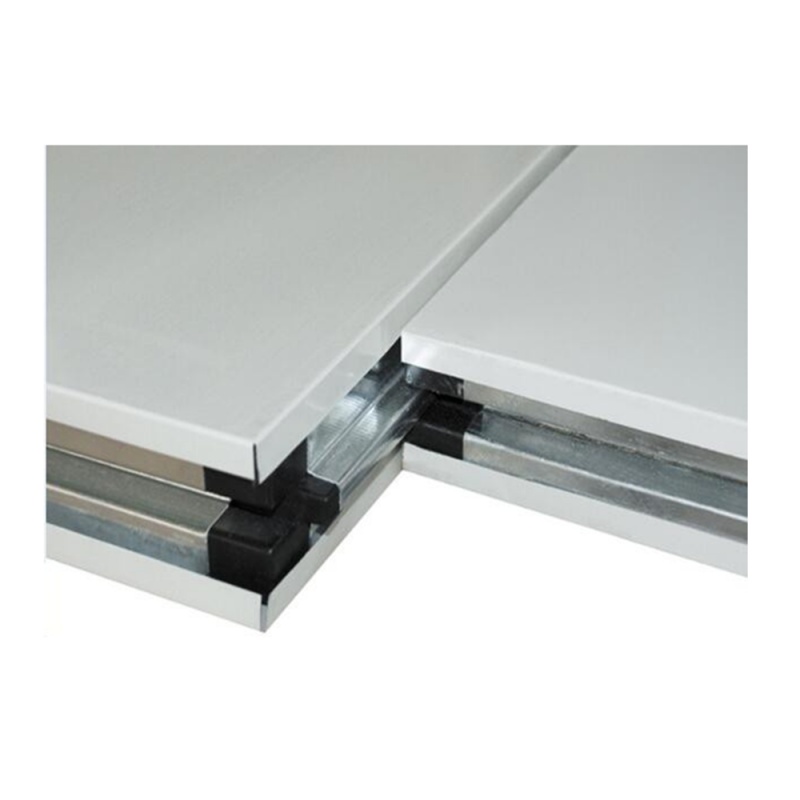
Key Installation Points for Aluminum Honeycomb Core Cleanroom Panels

Узимање у обзир инсталације за магнезијумски оксид и карпану вољу

Планке са магнезијумским оксидом (MgO) и сржом од камених вуна комбинују различите карактеристике оба материјала. Током инсталације, неопходно је узети у обзир специфичне захтеве које наметну језгро од камених вуна, посебно у погледу његових отпорности на ватру и топлотних изолационих својстава, а истовремено прихватање јединствених атрибута плоча са магнезијским оксидом. Приликом закрепњавања панела, од кључне је важности да се осигура да чврсто прође кроз плочу магнезијумског оксида како би се успоставила сигурна веза са носачким килом, чиме се гарантује структурна стабилност целог скупа. У пројектима изградње чисте собе у фармацеутским производњима, неадекватна запртња може довести до олабања панела током наредних операција, што је потенцијално изазвано факторима као што су вибрације опреме у радионици.

Што се тиче третмана зглобова плоча, празнине морају прво бити попуњене одговарајућим тежећим материјалом, а затим одговарајућим завршним облогом површине, како би се осигурала и ваздушно-тјечност и естетска континуитета зглобова. Поред тога, с обзиром на то да су плоче магнезијум оксида подложне проблемима повезаним са влагомкао што су "потоње" или миграција влагеу окружењима са високом влажношћу, током инсталације морају бити спроведене чврсте мере за отпорност на влагу; примери
cleanroom panels factory Installation of Rock Wool Core Cleanroom Panels Rock wool core material is manufactured from natural rock through a high-temperature melting process; it is relatively heavy and possesses a certain degree of rigidity. During installation, the load-bearing capacity of the supporting keel structure is of paramount importance. Based on the weight of the panels, the spacing between keels must be designed scientifically and rationally to prevent panel deformation caused by insufficient load-bearing support. For instance, if rock wool cleanroom panels are utilized as wall materials in a large-scale industrial facility with stringent fire safety requirements, setting the keel spacing too wide—given the substantial weight of the rock wool panels—could eventually lead to sagging or deformation of the panels over time, thereby compromising both aesthetic appeal and operational safety.  Furthermore, the cut edges of rock wool panels are prone to generating dust. Consequently, appropriate protective measures must be implemented during installation—such as requiring construction personnel to wear professional dust-proof masks and deploying localized dust extraction equipment in cutting zones—to prevent dust contamination within the cleanroom environment. When joining panels, it is imperative to ensure that the seams are tightly fitted; this is essential for effectively guaranteeing thermal insulation and soundproofing performance. For example, in the construction of medical operating rooms—where noise control standards are exceptionally strict—tightly fitted seams can significantly minimize the intrusion of external noise while simultaneously preventing thermal exchange between the indoor and outdoor environments, thereby maintaining stable indoor temperatures.  Installation of Rock Wool Core Cleanroom Panels  Installation of Polyurethane Core Cleanroom Panels Polyurethane core material consists of a polyurethane foam filling; it offers excellent thermal insulation and sealing properties, combining high structural strength with a moderate weight. During installation, the layout of the supporting keel structure can be adjusted to suit the specific application scenario. For instance, in the construction of a cold storage facility—where thermal insulation requirements are particularly high—the low internal temperatures necessitate cleanroom panels with superior insulating capabilities to minimize energy consumption. In such cases, the keel layout can be flexibly configured based on practical factors such as the spatial structure of the cold storage unit and the positioning of refrigeration equipment.  However, since polyurethane materials may release harmful gases when exposed to high temperatures, the use of open flames must be strictly prohibited during the installation process, and adequate ventilation must be ensured. Additionally, polyurethane panels typically feature a tongue-and-groove interlocking design at their joints; during installation, it is crucial to ensure that these interlocking profiles engage tightly to enhance the overall airtightness of the structure. Taking a food cold storage facility as an example: if the tongue-and-groove joints do not interlock tightly, outside air can easily infiltrate. This may lead to temperature fluctuations within the cold storage area, thereby compromising the effectiveness of food preservation.  Installation of Polyurethane Core Cleanroom Panels  Installation of Hollow Magnesium Oxide Core Cleanroom Panels Hollow magnesium oxide core panels typically consist of a honeycomb or grid-like hollow internal structure bonded to magnesium oxide faceboards. Being lightweight, they offer relatively convenient installation. However, their installation places stringent demands on the flatness of the substrate (base layer). The substrate surface must be flat, dry, and clean; if the flatness deviation of the substrate exceeds the specified tolerance (generally, the flatness error must not exceed 5 mm within any 2-meter span), the cleanroom panels will fail to adhere tightly to the substrate after installation, resulting in excessively wide panel seams. In the construction of electronic cleanrooms, if panel seams are too wide, dust and other impurities can easily enter, making it impossible to meet the rigorous environmental cleanliness standards required for electronics manufacturing.  When securing the panels, methods such as self-tapping screws are typically employed. Specific requirements govern the spacing of these screws, which are generally distributed uniformly within a reasonable range to ensure the panels are firmly anchored. Furthermore, the treatment of panel seams is equally critical; they must be filled with sealing materials to ensure an effective seal and prevent air leakage.  cleanroom panels factory Installation of Rock Wool Core Cleanroom Panels Rock wool core material is manufactured from natural rock through a high-temperature melting process; it is relatively heavy and possesses a certain degree of rigidity. During installation, the load-bearing capacity of the supporting keel structure is of paramount importance. Based on the weight of the panels, the spacing between keels must be designed scientifically and rationally to prevent panel deformation caused by insufficient load-bearing support. For instance, if rock wool cleanroom panels are utilized as wall materials in a large-scale industrial facility with stringent fire safety requirements, setting the keel spacing too wide—given the substantial weight of the rock wool panels—could eventually lead to sagging or deformation of the panels over time, thereby compromising both aesthetic appeal and operational safety.  Furthermore, the cut edges of rock wool panels are prone to generating dust. Consequently, appropriate protective measures must be implemented during installation—such as requiring construction personnel to wear professional dust-proof masks and deploying localized dust extraction equipment in cutting zones—to prevent dust contamination within the cleanroom environment. When joining panels, it is imperative to ensure that the seams are tightly fitted; this is essential for effectively guaranteeing thermal insulation and soundproofing performance. For example, in the construction of medical operating rooms—where noise control standards are exceptionally strict—tightly fitted seams can significantly minimize the intrusion of external noise while simultaneously preventing thermal exchange between the indoor and outdoor environments, thereby maintaining stable indoor temperatures.  Installation of Rock Wool Core Cleanroom Panels  Installation of Polyurethane Core Cleanroom Panels Polyurethane core material consists of a polyurethane foam filling; it offers excellent thermal insulation and sealing properties, combining high structural strength with a moderate weight. During installation, the layout of the supporting keel structure can be adjusted to suit the specific application scenario. For instance, in the construction of a cold storage facility—where thermal insulation requirements are particularly high—the low internal temperatures necessitate cleanroom panels with superior insulating capabilities to minimize energy consumption. In such cases, the keel layout can be flexibly configured based on practical factors such as the spatial structure of the cold storage unit and the positioning of refrigeration equipment.  However, since polyurethane materials may release harmful gases when exposed to high temperatures, the use of open flames must be strictly prohibited during the installation process, and adequate ventilation must be ensured. Additionally, polyurethane panels typically feature a tongue-and-groove interlocking design at their joints; during installation, it is crucial to ensure that these interlocking profiles engage tightly to enhance the overall airtightness of the structure. Taking a food cold storage facility as an example: if the tongue-and-groove joints do not interlock tightly, outside air can easily infiltrate. This may lead to temperature fluctuations within the cold storage area, thereby compromising the effectiveness of food preservation.  Installation of Polyurethane Core Cleanroom Panels  Installation of Hollow Magnesium Oxide Core Cleanroom Panels  Key Installation Points for Aluminum Honeycomb Core Cleanroom Panels Aluminum honeycomb core cleanroom panels offer numerous advantages, such as high structural strength and excellent surface flatness. During installation, given the relatively uniform distribution of the panels' weight, the design of the supporting keel system can be determined based on the specific panel specifications and the ambient installation environment. In large-scale commercial shopping malls—specifically for projects involving the enclosure of central air conditioning ventilation ducts—the use of aluminum honeycomb cleanroom panels necessitates a keel design tailored to the shape and dimensions of the ventilation ducts, as well as the overall spatial layout of the mall.  When splicing aluminum honeycomb cleanroom panels, a high degree of precision is required. It is essential to ensure that all joints are flat and tightly sealed to achieve an aesthetically pleasing appearance and maintain optimal overall performance. Furthermore, during the installation process, great care must be taken to protect the panel surfaces; precautions should be implemented to prevent scratches or impacts that could cause surface damage, thereby compromising both the visual appeal and the functional integrity of the panels.  Key Installation Points for Aluminum Honeycomb Core Cleanroom Panels  Installation Considerations for Magnesium Oxide Rock Wool Core Cleanroom Panels

Када се инсталирају панове за пречишћавање са различитим материјалима за срж, морају се усвојiti специфичне мереприлагођене карактеристикама материјала за сржу погледу конструкције кила, обраде за заштиту од влаге и пожара, споја панора и мера заштите од руковања. То осигурава квалитет инсталације и омогућава панелним пречишћавачима да раде у свом пуном потенцијалу. У стварним инжењерским пројектима, избор плита за пречишћавање са одговарајућим основним материјалима треба да се заснива на свеобухватној процјени фактора као што су специфични сценарио примене, захтеви за животну средину и буџет; додатно, изградња мора бити извршена у строгом
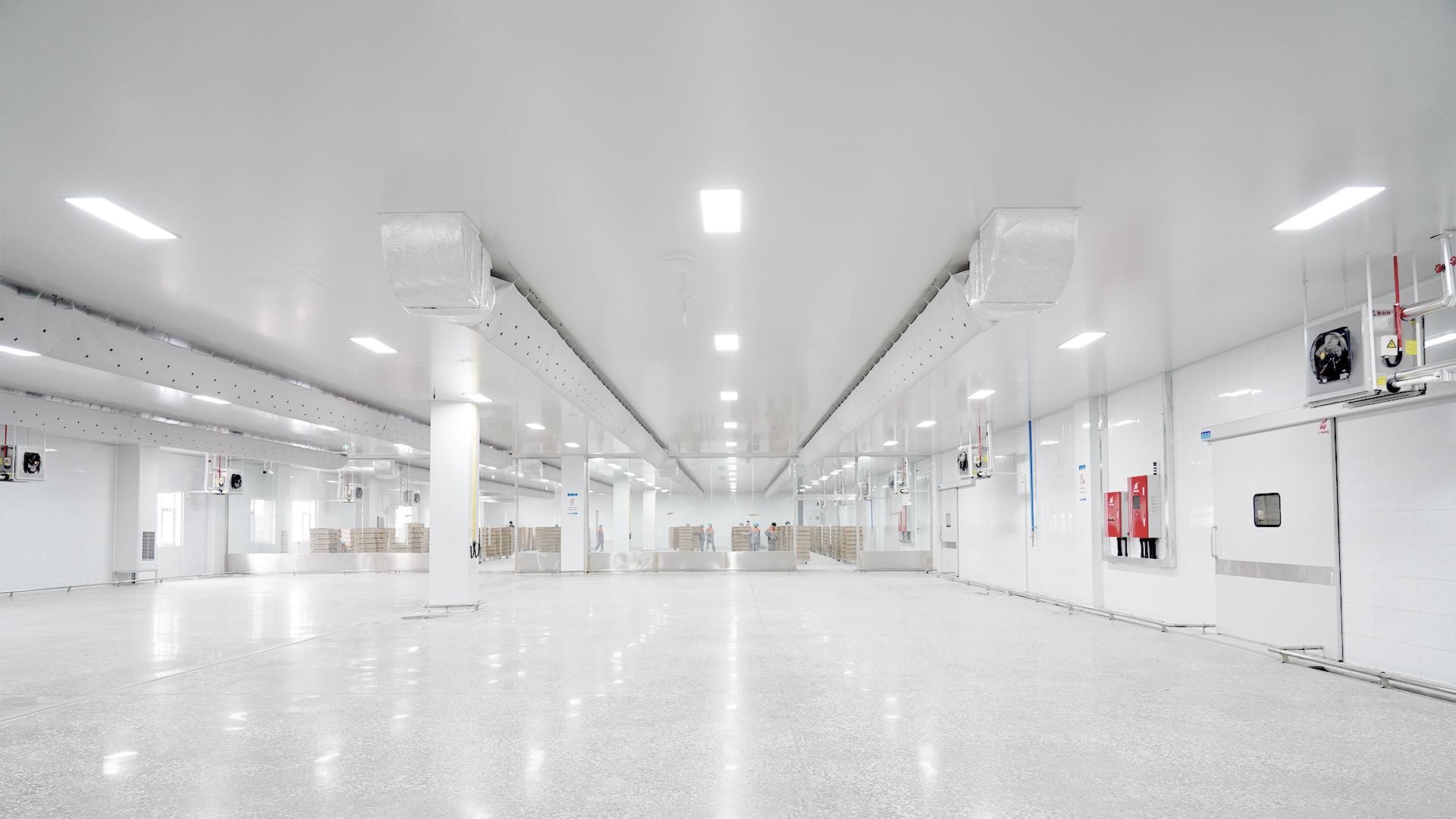
Cleanroom Enclosure System for Shandong Boda Food (1).jpg

Добијте бесплатну цитату за ваш пројекат

Било да је то челична радионица, хладно складиштење, или систем чисте собе, нудимо конкурентне фабричке цене и професионални дизајн.
Е-маил
Име
Мобилни/Ватсап
Име компаније
Порука
0/1000