Få ett kostnadsfritt offertförslag för ditt projekt

Oavsett om det gäller en stålverkstad, kylutrymme eller renrumssystem erbjuder vi konkurrenskraftiga fabrikspriser och professionell design.
E-post
Namn
Mobil/WhatsApp
Företagsnamn
Meddelande
0/1000

Industriinformation

Hemsida >  Resurser >  Industriinformation

Finns det skillnader i installationen av renrumspaneler med olika kärnmaterial

Apr 14, 2026

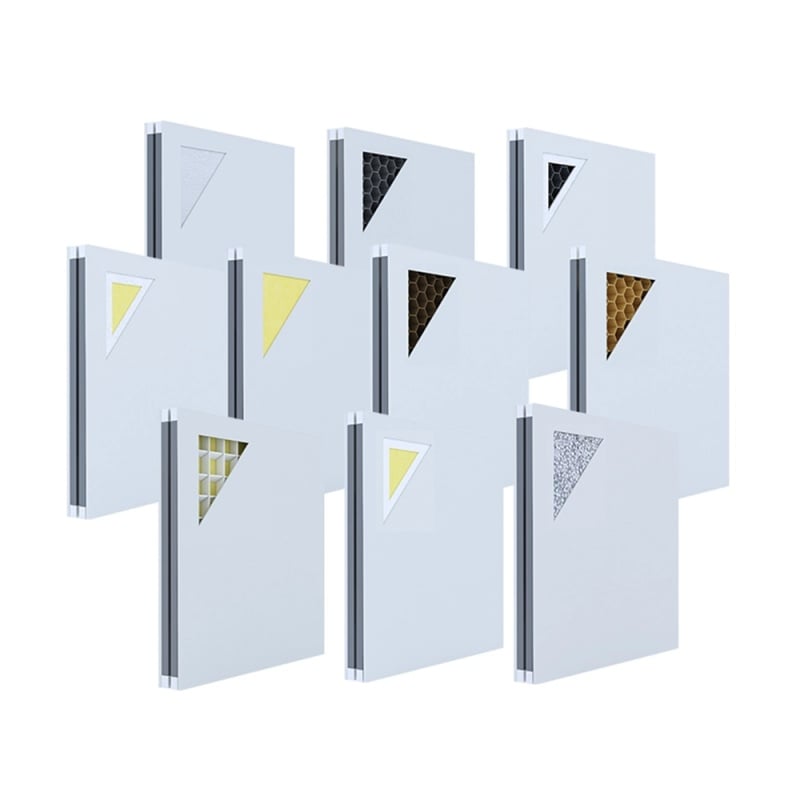
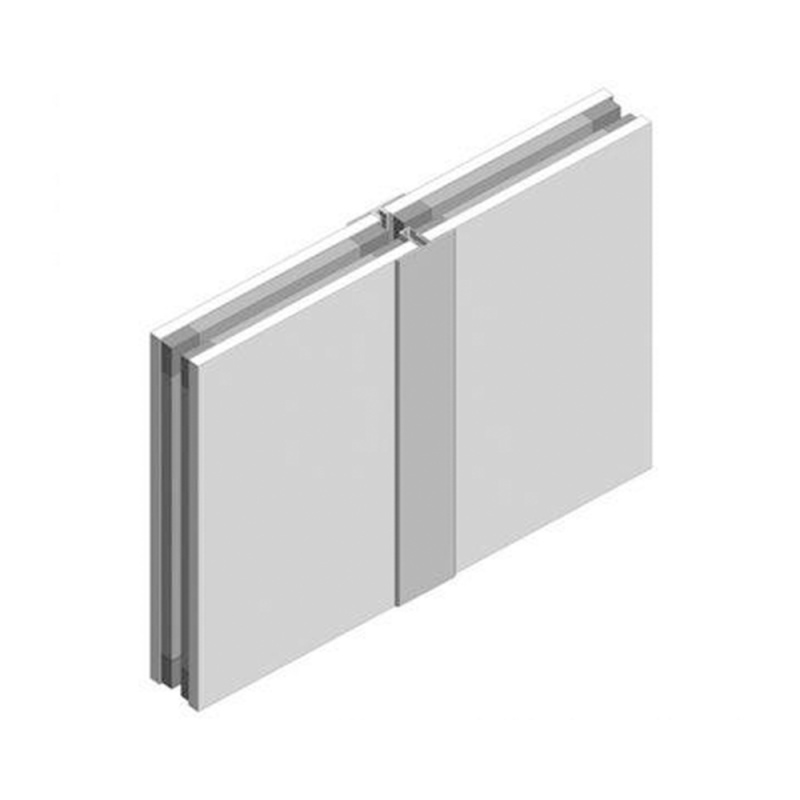
Renrumspaneler används omfattande inom branscher med strikta miljökrav – till exempel elektronik, läkemedelsindustrin och livsmedelsförädling – där de används för att skapa rena och hygieniska utrymmesmiljöer. Dessa paneler har en mångfald av kärnmaterial, där vanliga varianter inkluderar stenull, hållogt magnesiumoxid, aluminium bikakemönster och magnesiumoxid-stenull-kompositer. Eftersom varje typ av kärnmaterial har egna unika egenskaper skiljer sig installationsprocesserna för dessa olika renrumspaneler åt på flera sätt.
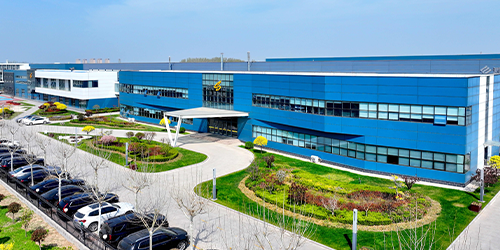
cleanroom panels factory

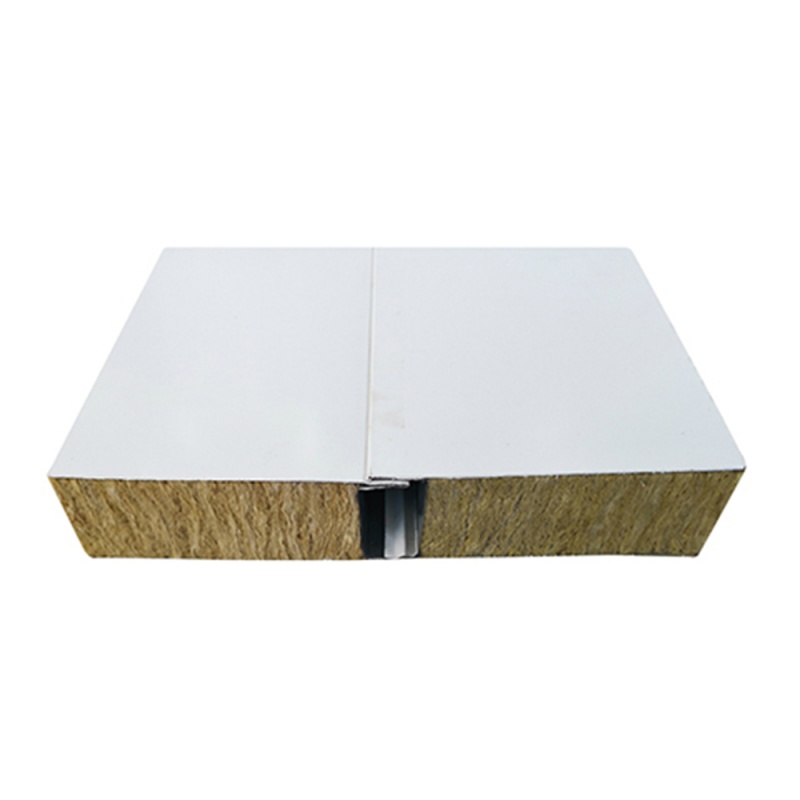
Installation av renrumspaneler med stenullskärna

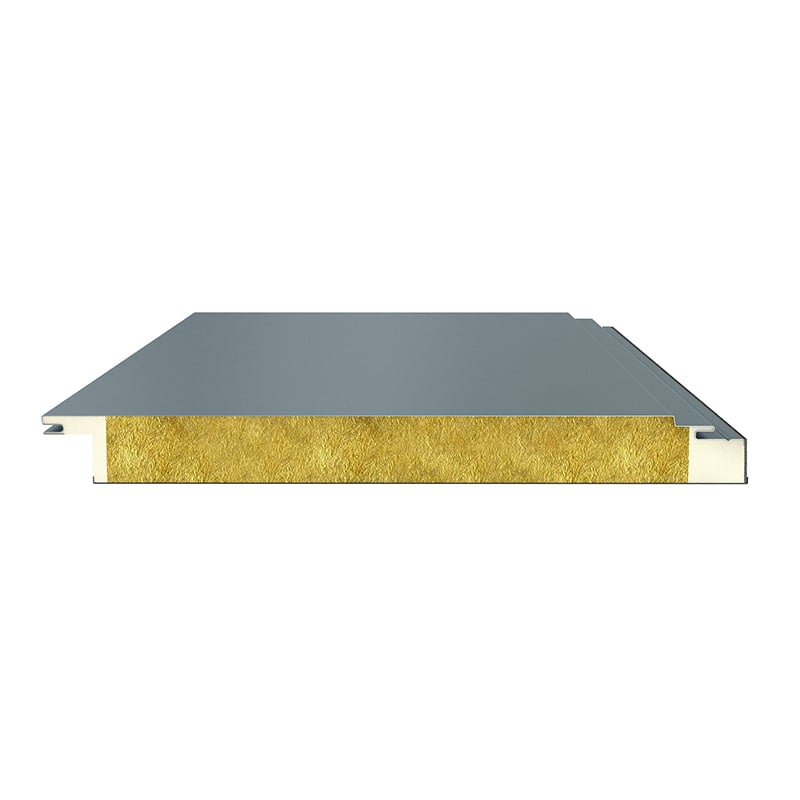
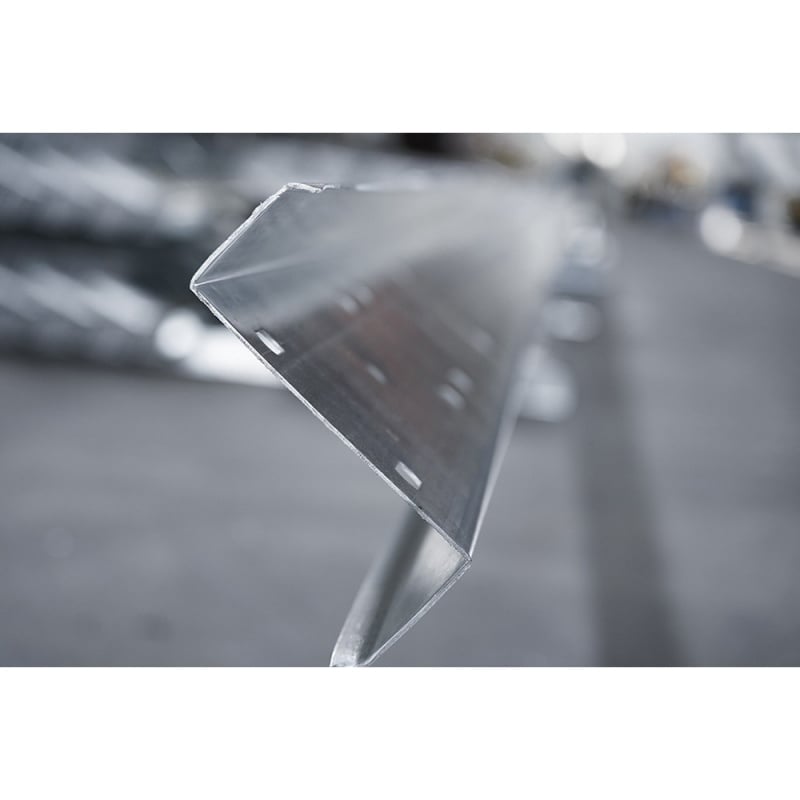
Kärnmaterial av stenull tillverkas från naturlig bergart genom en högtemperatur-smältprocess; det är relativt tungt och har en viss grad av styvhet. Vid installation är bärförmågan hos den underliggande regelkonstruktionen av avgörande betydelse. Baserat på panelernas vikt måste avståndet mellan reglarna dimensioneras vetenskapligt och rationellt för att förhindra deformation av panelerna på grund av otillräcklig bärförmåga. Till exempel, om stenullpaneler för renrum används som väggmaterial i en storindustriell anläggning med strikta krav på brandsäkerhet kan ett för stort avstånd mellan reglarna – med tanke på den betydande vikten hos stenullspanelerna – med tiden leda till nedböjning eller deformation av panelerna, vilket därmed försämrar både estetiskt utseende och driftssäkerhet.

Dessutom är snittkanterna på stenullspaneler benägna att generera damm. Därför måste lämpliga skyddsåtgärder vidtas under installationen – till exempel kräva att byggarbetare bär professionella dammskyddsmasker och installera lokal dammutsugningsutrustning i områden där paneler skärs – för att förhindra dammkontaminering i renrumsmiljön. Vid sammanfogning av paneler är det nödvändigt att säkerställa att fogarna är tätt anslutna; detta är avgörande för att effektivt garantera både värmeisolerings- och ljudisolationsprestanda. Till exempel kan tätt anslutna fogar i konstruktionen av medicinska operationsrum – där kraven på bullerstyrning är särskilt strikta – avsevärt minska intrång av yttre buller samtidigt som de förhindrar värmeutbyte mellan inomhus- och utomhusmiljön, vilket därmed säkerställer stabila inomhus temperaturer.
Installation of Rock Wool Core Cleanroom Panels

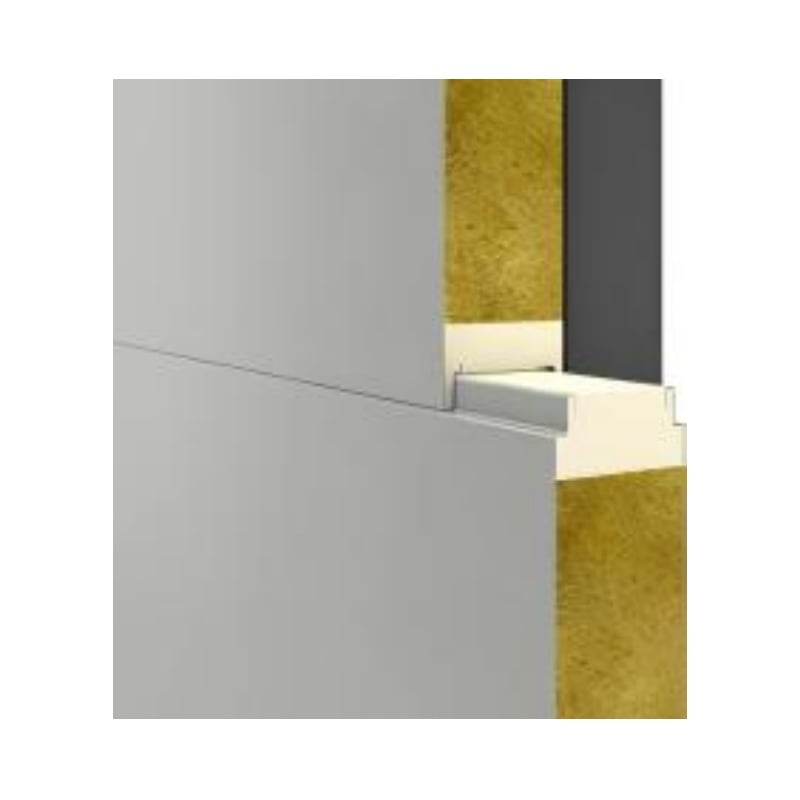
Installation av renrumspaneler med polyuretankärna

Kärnmaterial av polyuretan består av en polyuretanskumfyllning; det erbjuder utmärkta termiska isolerings- och tätnings egenskaper och kombinerar hög strukturell hållfasthet med en måttlig vikt. Vid installation kan layouten av den bärande skenkonstruktionen justeras för att anpassas till det aktuella användningsfallet. Till exempel kräver byggnationen av ett kylutrymme – där kraven på termisk isolering är särskilt höga – låga inre temperaturer renrumspaneler med överlägsna isolerande egenskaper för att minimera energiförbrukningen. I sådana fall kan skenkonstruktionens layout konfigureras flexibelt utifrån praktiska faktorer såsom kylutrymmets rumsliga struktur och placeringen av kylutrustning.

Dock eftersom polyuretanmaterial kan frigöra skadliga gaser vid höga temperaturer måste användning av öppen långa strikt förbjudas under installationsprocessen, och tillräcklig ventilation måste säkerställas. Dessutom har polyuretanpaneler vanligtvis en tandskiv- och spårprofils interlock-design vid fogarna; vid installation är det avgörande att säkerställa att dessa interlock-profiler sätts ihop ordentligt för att förbättra byggnadens totala lufttäthet. Som exempel kan nämnas en kylförvaringsanläggning för livsmedel: om tandskiv- och spårprofilsfogarna inte sätts ihop ordentligt kan utomluft lätt tränga in. Detta kan leda till temperatursvängningar inom kylzonen, vilket i sin tur påverkar livsmedelsbevaringens effektivitet.
Installation of Polyurethane Core Cleanroom Panels

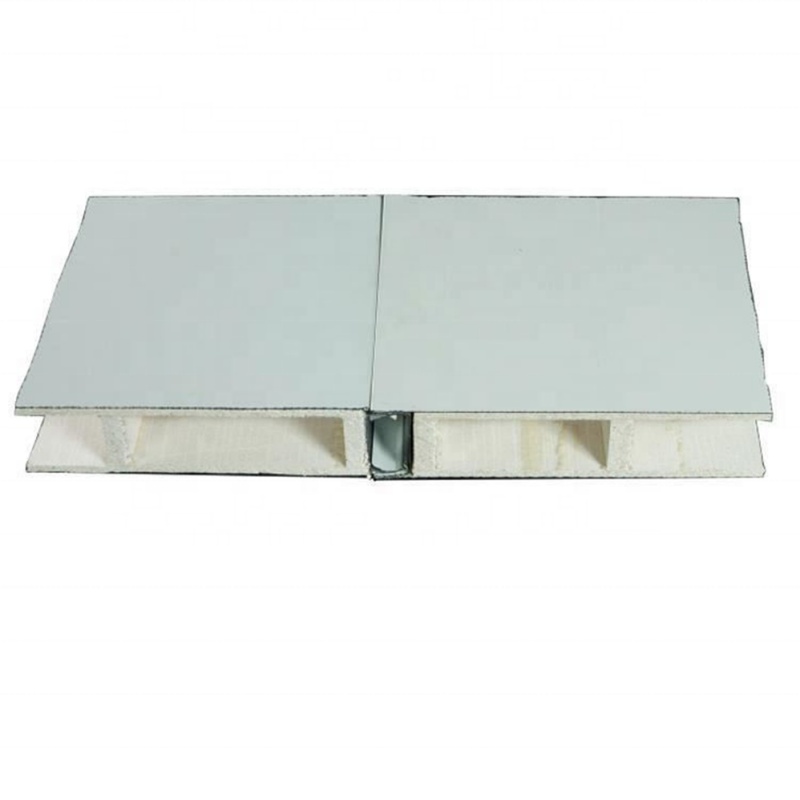
Installation av tomma rengöringsrumspaneler med magnesiumoxidkärna

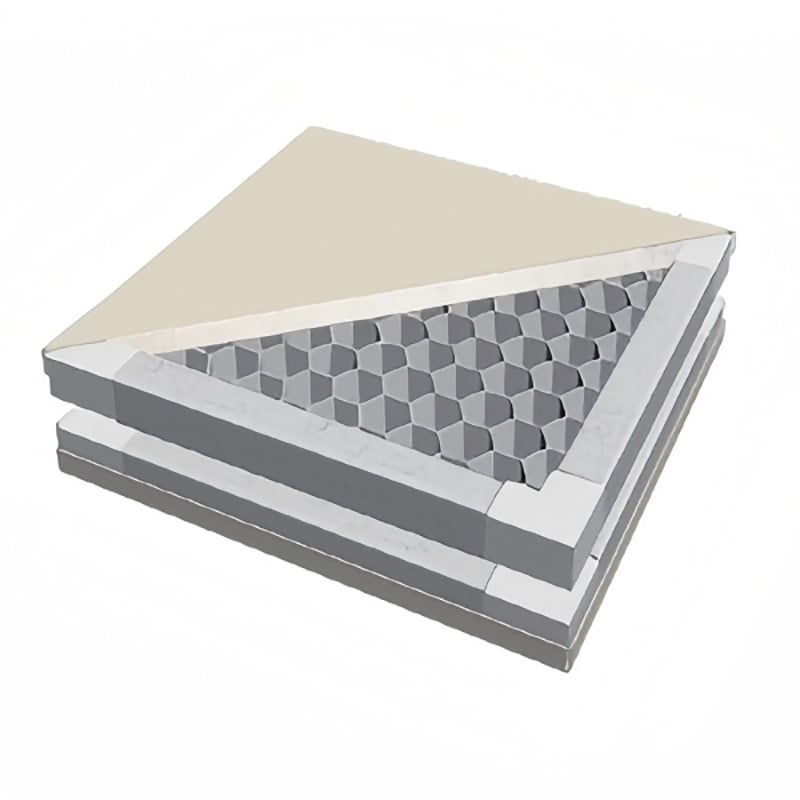
Tomma rengöringsrumspaneler med magnesiumoxidkärna består vanligtvis av en bikakeliknande eller rutnätliknande ihålig inre struktur som är limmad till magnesiumoxidplattor. Eftersom de är lättviktiga erbjuder de en relativt bekväm installation. Installationen ställer dock strikta krav på underlagets (basytans) planhet. Underlagets yta måste vara plan, torr och ren; om planhetsavvikelsen för underlaget överskrider den angivna toleransen (i allmänhet får planhetsfelet inte överstiga 5 mm inom någon 2-meterlängd), kommer rensrumspanelerna inte att fästas ordentligt till underlaget efter installation, vilket leder till för breda panelfogar. Vid byggnation av elektroniska rensrum kan damm och andra föroreningar lätt tränga in om panelfogarna är för breda, vilket gör det omöjligt att uppfylla de strikta kraven på miljörenlighet som krävs för elektroniktillverkning.

Vid montering av panelerna används vanligtvis metoder som sjävvgängande skruvar. Specifika krav styr avståndet mellan dessa skruvar, som i allmänhet är jämnt fördelade inom ett rimligt intervall för att säkerställa att panelerna är stadigt förankrade. Dessutom är behandlingen av panelfogar lika viktig; de måste fyllas med tätningsmaterial för att säkerställa en effektiv tätning och förhindra luftläckage.
cleanroom panels factory Installation of Rock Wool Core Cleanroom Panels Rock wool core material is manufactured from natural rock through a high-temperature melting process; it is relatively heavy and possesses a certain degree of rigidity. During installation, the load-bearing capacity of the supporting keel structure is of paramount importance. Based on the weight of the panels, the spacing between keels must be designed scientifically and rationally to prevent panel deformation caused by insufficient load-bearing support. For instance, if rock wool cleanroom panels are utilized as wall materials in a large-scale industrial facility with stringent fire safety requirements, setting the keel spacing too wide—given the substantial weight of the rock wool panels—could eventually lead to sagging or deformation of the panels over time, thereby compromising both aesthetic appeal and operational safety.  Furthermore, the cut edges of rock wool panels are prone to generating dust. Consequently, appropriate protective measures must be implemented during installation—such as requiring construction personnel to wear professional dust-proof masks and deploying localized dust extraction equipment in cutting zones—to prevent dust contamination within the cleanroom environment. When joining panels, it is imperative to ensure that the seams are tightly fitted; this is essential for effectively guaranteeing thermal insulation and soundproofing performance. For example, in the construction of medical operating rooms—where noise control standards are exceptionally strict—tightly fitted seams can significantly minimize the intrusion of external noise while simultaneously preventing thermal exchange between the indoor and outdoor environments, thereby maintaining stable indoor temperatures.  Installation of Rock Wool Core Cleanroom Panels  Installation of Polyurethane Core Cleanroom Panels Polyurethane core material consists of a polyurethane foam filling; it offers excellent thermal insulation and sealing properties, combining high structural strength with a moderate weight. During installation, the layout of the supporting keel structure can be adjusted to suit the specific application scenario. For instance, in the construction of a cold storage facility—where thermal insulation requirements are particularly high—the low internal temperatures necessitate cleanroom panels with superior insulating capabilities to minimize energy consumption. In such cases, the keel layout can be flexibly configured based on practical factors such as the spatial structure of the cold storage unit and the positioning of refrigeration equipment.  However, since polyurethane materials may release harmful gases when exposed to high temperatures, the use of open flames must be strictly prohibited during the installation process, and adequate ventilation must be ensured. Additionally, polyurethane panels typically feature a tongue-and-groove interlocking design at their joints; during installation, it is crucial to ensure that these interlocking profiles engage tightly to enhance the overall airtightness of the structure. Taking a food cold storage facility as an example: if the tongue-and-groove joints do not interlock tightly, outside air can easily infiltrate. This may lead to temperature fluctuations within the cold storage area, thereby compromising the effectiveness of food preservation.  Installation of Polyurethane Core Cleanroom Panels  Installation of Hollow Magnesium Oxide Core Cleanroom Panels

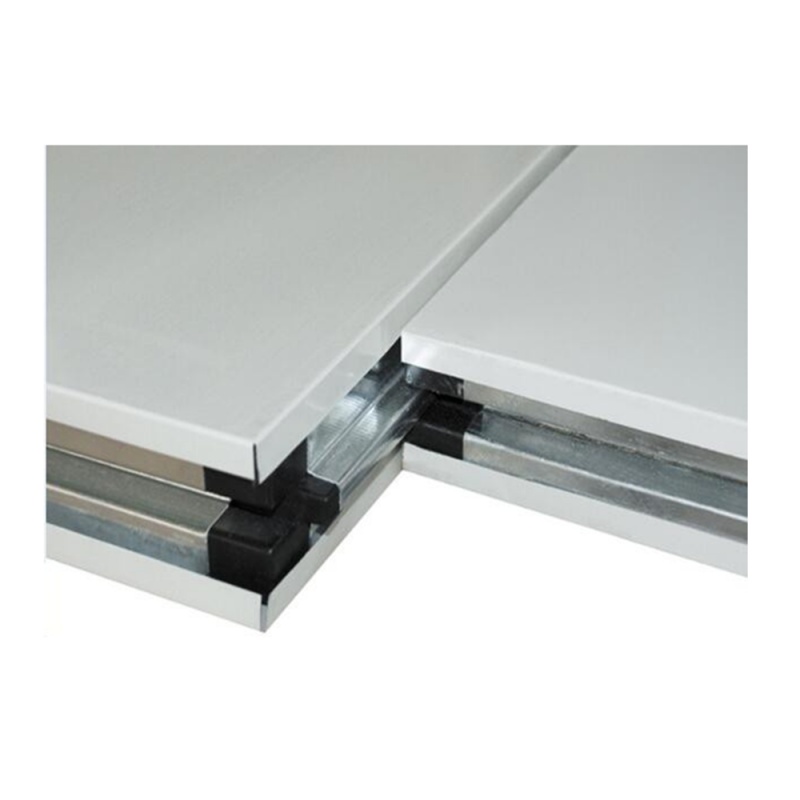
Viktiga installationspunkter för rensrumspaneler med aluminiumhonetkärna

Renrumspaneler med aluminiumvåghonungskärna erbjuder många fördelar, såsom hög strukturell hållfasthet och utmärkt ytytjämnhet. Vid installation kan konstruktionen av det bärande skenorsystemet bestämmas utifrån de specifika panelspecifikationerna och den omgivande installationsmiljön, eftersom panelernas vikt är relativt jämnt fördelad. I storskaliga kommersiella shoppingcenter – särskilt för projekt som innefattar omslutning av centrala luftkonditionerings- och ventilationskanaler – kräver användningen av aluminiumhonetvågsrenrumspaneler en skenorkonstruktion som är anpassad till formen och dimensionerna på ventilationskanalerna samt till den övergripande rumsliga layouten i shoppingcentret.

När man fogar aluminiumhönkakor för rena rum krävs en hög grad av precision. Det är avgörande att säkerställa att alla fogar är jämna och tätt förslutna för att uppnå ett estetiskt tilltalande utseende och bibehålla optimal helhetsprestanda. Vidare måste man under installationsprocessen ta stora försiktighetsåtgärder för att skydda panelernas ytor; åtgärder bör vidtas för att förhindra repor eller slag som kan orsaka ytskador, vilket annars skulle försämra både panelernas visuella utseende och funktionella integritet.
Key Installation Points for Aluminum Honeycomb Core Cleanroom Panels

Installationsöverväganden för renrumspaneler med magnesiumoxid- och stenullkärna

Paneler med kärna av magnesiumoxid (MgO) och stenull kombinera de distinkta egenskaperna hos båda materialen. Vid installationen måste de specifika kraven på skivans stenullskärna beaktas—särskilt vad gäller dess brandmotstånd och termiska isoleringsegenskaper—samtidigt som man tar hänsyn till de unika egenskaperna hos magnesiumoxidplattorna. När panelerna fästs är det avgörande att säkerställa att fästdelarna tränger igenom magnesiumoxidplattan på ett stadigt sätt för att uppnå en säker förbindelse med underliggande regeln, vilket därmed garanterar den fullständiga konstruktionens strukturella stabilitet. I renrumskonstruktionsprojekt inom läkemedelsproduktionsanläggningar kan otillräcklig fästning leda till att panelerna lossnar under efterföljande drift, vilket potentiellt kan utlöses av faktorer såsom utrustningsvibrationer i verkstaden.

När det gäller behandlingen av panelfogar måste luckorna först fyllas med ett lämpligt tätningsmaterial, följt av en lämplig ytbearbetning, för att säkerställa både lufttäthet och estetisk kontinuitet i fogarna. Dessutom måste kraftfulla fuktskyddsanordningar implementeras under installationen, eftersom magnesiumoxidplattor är känsliga för fuktrelaterade problem – såsom "svettning" eller fuktmigration – i miljöer med hög luftfuktighet; exempel inkluderar applicering av fuktbeständiga beläggningar på underlaget.
cleanroom panels factory Installation of Rock Wool Core Cleanroom Panels Rock wool core material is manufactured from natural rock through a high-temperature melting process; it is relatively heavy and possesses a certain degree of rigidity. During installation, the load-bearing capacity of the supporting keel structure is of paramount importance. Based on the weight of the panels, the spacing between keels must be designed scientifically and rationally to prevent panel deformation caused by insufficient load-bearing support. For instance, if rock wool cleanroom panels are utilized as wall materials in a large-scale industrial facility with stringent fire safety requirements, setting the keel spacing too wide—given the substantial weight of the rock wool panels—could eventually lead to sagging or deformation of the panels over time, thereby compromising both aesthetic appeal and operational safety.  Furthermore, the cut edges of rock wool panels are prone to generating dust. Consequently, appropriate protective measures must be implemented during installation—such as requiring construction personnel to wear professional dust-proof masks and deploying localized dust extraction equipment in cutting zones—to prevent dust contamination within the cleanroom environment. When joining panels, it is imperative to ensure that the seams are tightly fitted; this is essential for effectively guaranteeing thermal insulation and soundproofing performance. For example, in the construction of medical operating rooms—where noise control standards are exceptionally strict—tightly fitted seams can significantly minimize the intrusion of external noise while simultaneously preventing thermal exchange between the indoor and outdoor environments, thereby maintaining stable indoor temperatures.  Installation of Rock Wool Core Cleanroom Panels  Installation of Polyurethane Core Cleanroom Panels Polyurethane core material consists of a polyurethane foam filling; it offers excellent thermal insulation and sealing properties, combining high structural strength with a moderate weight. During installation, the layout of the supporting keel structure can be adjusted to suit the specific application scenario. For instance, in the construction of a cold storage facility—where thermal insulation requirements are particularly high—the low internal temperatures necessitate cleanroom panels with superior insulating capabilities to minimize energy consumption. In such cases, the keel layout can be flexibly configured based on practical factors such as the spatial structure of the cold storage unit and the positioning of refrigeration equipment.  However, since polyurethane materials may release harmful gases when exposed to high temperatures, the use of open flames must be strictly prohibited during the installation process, and adequate ventilation must be ensured. Additionally, polyurethane panels typically feature a tongue-and-groove interlocking design at their joints; during installation, it is crucial to ensure that these interlocking profiles engage tightly to enhance the overall airtightness of the structure. Taking a food cold storage facility as an example: if the tongue-and-groove joints do not interlock tightly, outside air can easily infiltrate. This may lead to temperature fluctuations within the cold storage area, thereby compromising the effectiveness of food preservation.  Installation of Polyurethane Core Cleanroom Panels  Installation of Hollow Magnesium Oxide Core Cleanroom Panels Hollow magnesium oxide core panels typically consist of a honeycomb or grid-like hollow internal structure bonded to magnesium oxide faceboards. Being lightweight, they offer relatively convenient installation. However, their installation places stringent demands on the flatness of the substrate (base layer). The substrate surface must be flat, dry, and clean; if the flatness deviation of the substrate exceeds the specified tolerance (generally, the flatness error must not exceed 5 mm within any 2-meter span), the cleanroom panels will fail to adhere tightly to the substrate after installation, resulting in excessively wide panel seams. In the construction of electronic cleanrooms, if panel seams are too wide, dust and other impurities can easily enter, making it impossible to meet the rigorous environmental cleanliness standards required for electronics manufacturing.  When securing the panels, methods such as self-tapping screws are typically employed. Specific requirements govern the spacing of these screws, which are generally distributed uniformly within a reasonable range to ensure the panels are firmly anchored. Furthermore, the treatment of panel seams is equally critical; they must be filled with sealing materials to ensure an effective seal and prevent air leakage.  cleanroom panels factory Installation of Rock Wool Core Cleanroom Panels Rock wool core material is manufactured from natural rock through a high-temperature melting process; it is relatively heavy and possesses a certain degree of rigidity. During installation, the load-bearing capacity of the supporting keel structure is of paramount importance. Based on the weight of the panels, the spacing between keels must be designed scientifically and rationally to prevent panel deformation caused by insufficient load-bearing support. For instance, if rock wool cleanroom panels are utilized as wall materials in a large-scale industrial facility with stringent fire safety requirements, setting the keel spacing too wide—given the substantial weight of the rock wool panels—could eventually lead to sagging or deformation of the panels over time, thereby compromising both aesthetic appeal and operational safety.  Furthermore, the cut edges of rock wool panels are prone to generating dust. Consequently, appropriate protective measures must be implemented during installation—such as requiring construction personnel to wear professional dust-proof masks and deploying localized dust extraction equipment in cutting zones—to prevent dust contamination within the cleanroom environment. When joining panels, it is imperative to ensure that the seams are tightly fitted; this is essential for effectively guaranteeing thermal insulation and soundproofing performance. For example, in the construction of medical operating rooms—where noise control standards are exceptionally strict—tightly fitted seams can significantly minimize the intrusion of external noise while simultaneously preventing thermal exchange between the indoor and outdoor environments, thereby maintaining stable indoor temperatures.  Installation of Rock Wool Core Cleanroom Panels  Installation of Polyurethane Core Cleanroom Panels Polyurethane core material consists of a polyurethane foam filling; it offers excellent thermal insulation and sealing properties, combining high structural strength with a moderate weight. During installation, the layout of the supporting keel structure can be adjusted to suit the specific application scenario. For instance, in the construction of a cold storage facility—where thermal insulation requirements are particularly high—the low internal temperatures necessitate cleanroom panels with superior insulating capabilities to minimize energy consumption. In such cases, the keel layout can be flexibly configured based on practical factors such as the spatial structure of the cold storage unit and the positioning of refrigeration equipment.  However, since polyurethane materials may release harmful gases when exposed to high temperatures, the use of open flames must be strictly prohibited during the installation process, and adequate ventilation must be ensured. Additionally, polyurethane panels typically feature a tongue-and-groove interlocking design at their joints; during installation, it is crucial to ensure that these interlocking profiles engage tightly to enhance the overall airtightness of the structure. Taking a food cold storage facility as an example: if the tongue-and-groove joints do not interlock tightly, outside air can easily infiltrate. This may lead to temperature fluctuations within the cold storage area, thereby compromising the effectiveness of food preservation.  Installation of Polyurethane Core Cleanroom Panels  Installation of Hollow Magnesium Oxide Core Cleanroom Panels  Key Installation Points for Aluminum Honeycomb Core Cleanroom Panels Aluminum honeycomb core cleanroom panels offer numerous advantages, such as high structural strength and excellent surface flatness. During installation, given the relatively uniform distribution of the panels' weight, the design of the supporting keel system can be determined based on the specific panel specifications and the ambient installation environment. In large-scale commercial shopping malls—specifically for projects involving the enclosure of central air conditioning ventilation ducts—the use of aluminum honeycomb cleanroom panels necessitates a keel design tailored to the shape and dimensions of the ventilation ducts, as well as the overall spatial layout of the mall.  When splicing aluminum honeycomb cleanroom panels, a high degree of precision is required. It is essential to ensure that all joints are flat and tightly sealed to achieve an aesthetically pleasing appearance and maintain optimal overall performance. Furthermore, during the installation process, great care must be taken to protect the panel surfaces; precautions should be implemented to prevent scratches or impacts that could cause surface damage, thereby compromising both the visual appeal and the functional integrity of the panels.  Key Installation Points for Aluminum Honeycomb Core Cleanroom Panels  Installation Considerations for Magnesium Oxide Rock Wool Core Cleanroom Panels

Vid installation av reningsskivor med olika kärnmaterial måste specifika åtgärder vidtas – anpassade till egenskaperna hos kärnmaterialen – beträffande skenkonstruktion, fukt- och brandskyddsbearbetning, fogning av skivor samt hanteringsåtgärder. Detta säkerställer installationskvaliteten och gör att reningsskivorna kan prestera på bästa sätt. I verkliga ingenjörsprojekt bör valet av reningsskivor med lämpliga kärnmaterial baseras på en omfattande bedömning av faktorer såsom den specifika användningsmiljön, miljökraven och budgeten; dessutom måste byggnadsarbetet utföras i strikt överensstämmelse med de relevanta installationsanvisningarna.
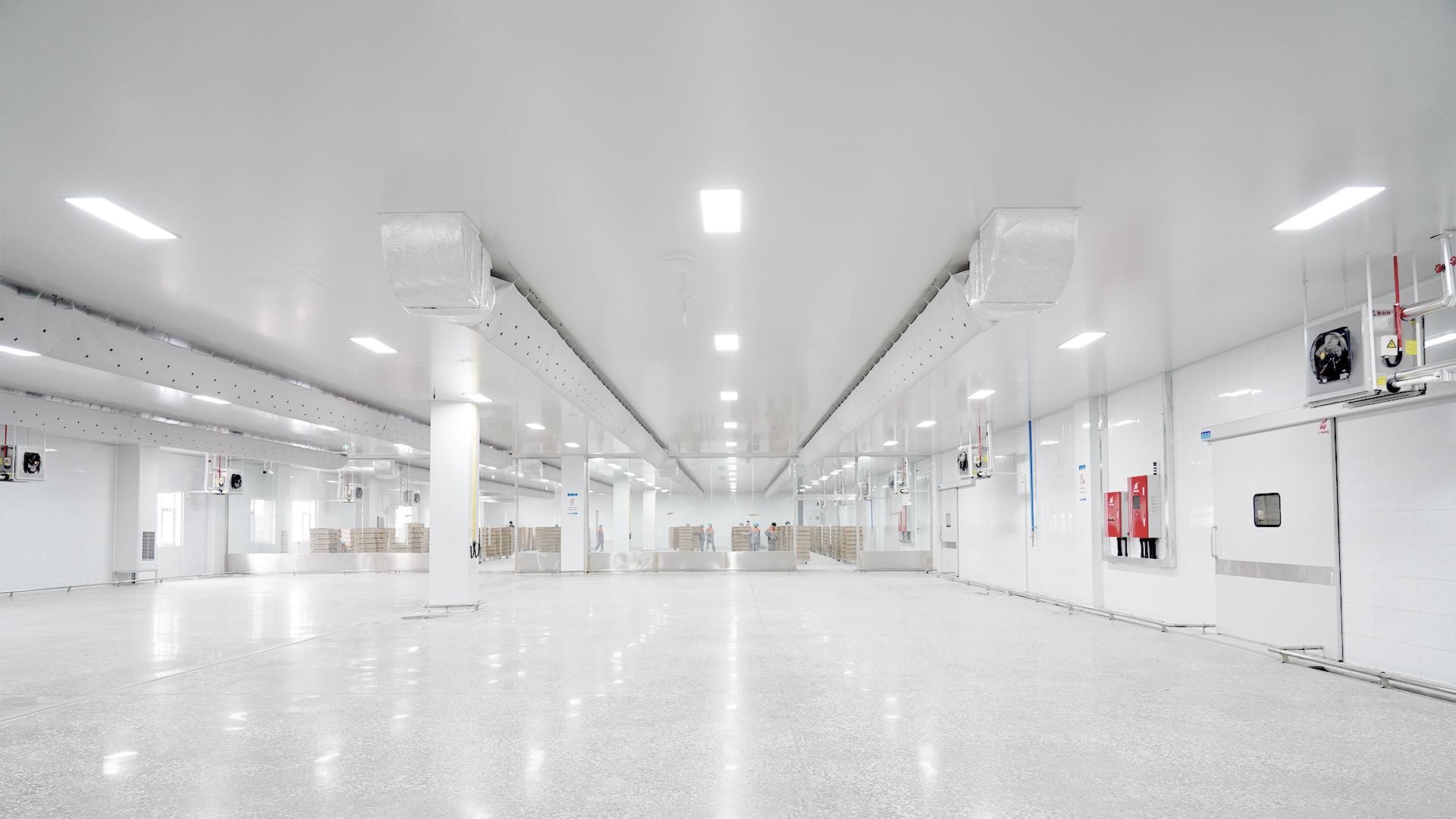
Cleanroom Enclosure System for Shandong Boda Food (1).jpg

Få ett kostnadsfritt offertförslag för ditt projekt

Oavsett om det gäller en stålverkstad, kylutrymme eller renrumssystem erbjuder vi konkurrenskraftiga fabrikspriser och professionell design.
E-post
Namn
Mobil/WhatsApp
Företagsnamn
Meddelande
0/1000