Отримайте безкоштовну цитату для вашого проекту

Чи це сталева майстерня, холодильне приміщення чи система чистої кімнати — ми пропонуємо конкурентні ціни від виробника та професійне проектування.
Електронна пошта
Ім'я
Мобільний телефон / WhatsApp
Назва компанії
Повідомлення
0/1000

Чи існують відмінності у монтажі панелей для чистих приміщень з різними матеріалами серцевини

Apr 14, 2026

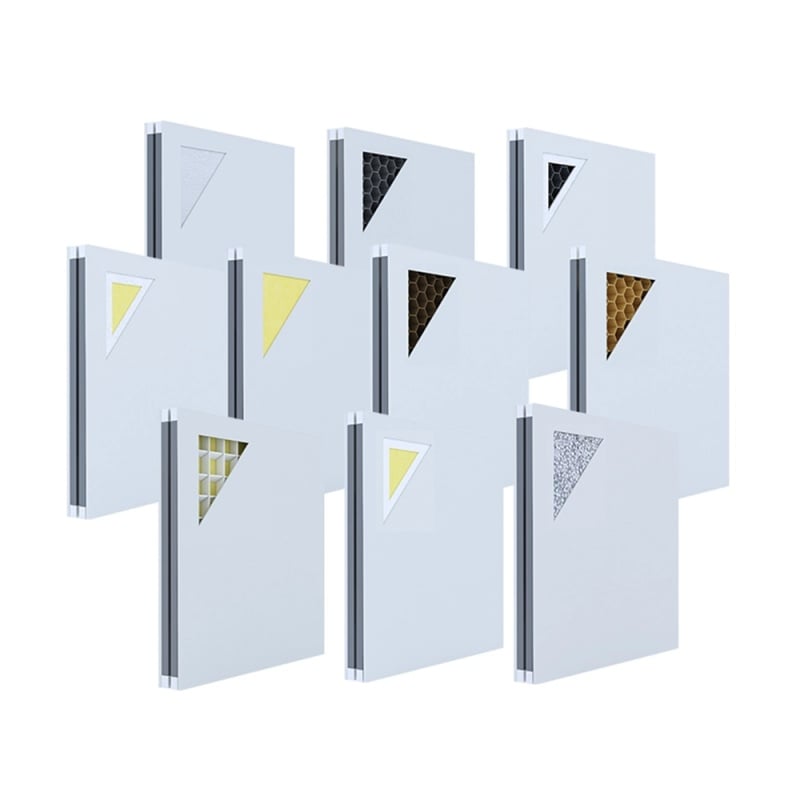
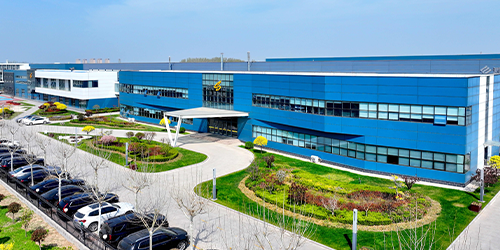
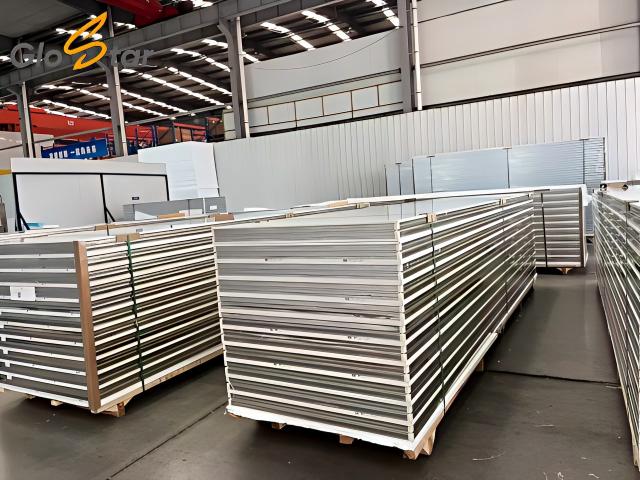
Панелі для чистих приміщень широко використовуються в галузях із жорсткими вимогами до навколишнього середовища — таких як електроніка, фармацевтика та переробка харчових продуктів — де вони забезпечують створення чистих і гігієнічних просторових середовищ. Ці панелі мають різноманітні матеріали серцевини, до поширених видів належать мінеральна вата, порожниста магнієво-оксидна плита, алюмінієва сотоподібна конструкція та композити з магнієво-оксидної плити й мінеральної вати. Оскільки кожен тип матеріалу серцевини має власні специфічні властивості, процеси монтажу різних панелей для чистих приміщень дійсно мають багато відмінностей.
cleanroom panels factory

Монтаж панелей для чистих приміщень із серцевиною з мінеральної вати

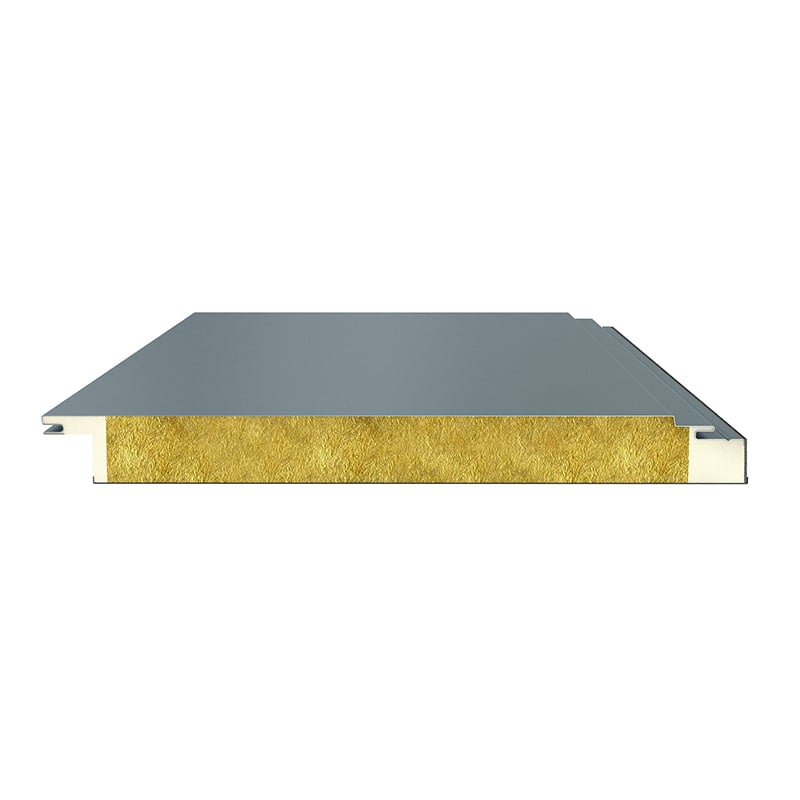
Основний матеріал із кам’яної вати виготовляється з природного каменю за допомогою процесу плавлення при високій температурі; він є відносно важким і має певний ступінь жорсткості. Під час монтажу особливо важливо враховувати несучу здатність підтримуючої кріпильної обрешітки. Враховуючи вагу панелей, відстань між рейками обрешітки має бути розрахована науково та обґрунтовано, щоб запобігти деформації панелей через недостатню несучу здатність опорної конструкції. Наприклад, якщо панелі для чистих приміщень з мінеральною ватою використовуються як матеріал для стін у великому промисловому приміщенні зі суворими вимогами пожежної безпеки, надто велика відстань між рейками обрешітки — з урахуванням значної ваги панелей із кам’яної вати — з часом може призвести до провисання або деформації панелей, що пошкодить як естетичний вигляд, так і експлуатаційну безпеку.

Крім того, зрізані краї панелей з мінеральної вати схильні до утворення пилу. Отже, під час монтажу необхідно застосовувати відповідні захисні заходи — наприклад, вимагати від будівельників використання професійних пилозахисних масок та встановлювати локальне обладнання для відсмоктування пилу в зонах різання — задля запобігання забрудненню чистої кімнати пилом. Під час з’єднання панелей критично важливо забезпечити щільне прилягання швів; це є обов’язковою умовою для ефективного забезпечення теплоізоляційних та шумозахисних характеристик. Наприклад, під час будівництва медичних операційних зал — де стандарти контролю шуму є надзвичайно жорсткими — щільне прилягання швів значно зменшує проникнення зовнішнього шуму, а також запобігає тепловому обміну між внутрішнім та зовнішнім середовищами, забезпечуючи таким чином стабільну температуру в приміщенні.
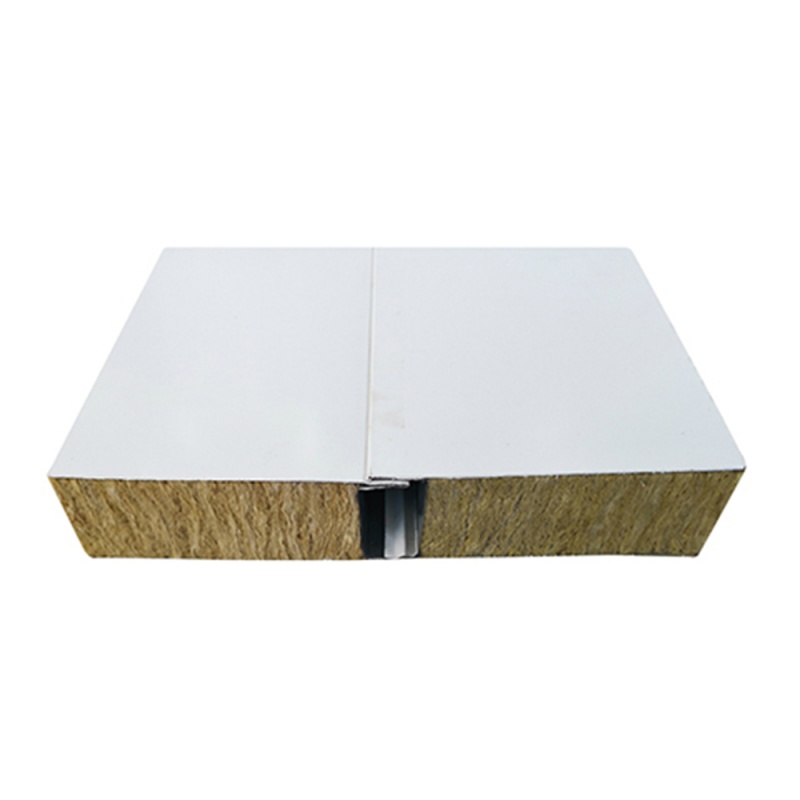
Installation of Rock Wool Core Cleanroom Panels

Монтаж панелей для чистих кімнат із поліуретановим наповнювачем

Матеріал для серцевини з поліуретану складається з наповнювача у вигляді поліуретанової піни; він забезпечує відмінні теплозахисні та герметизуючі властивості, поєднуючи високу структурну міцність із помірною вагою. Під час монтажу розташування несучої кільової конструкції можна регулювати залежно від конкретного сценарію застосування. Наприклад, при будівництві холодильного складу — де вимоги до теплозахисту є особливо високими — низькі внутрішні температури вимагають використання панелей для чистих приміщень із підвищеними теплоізоляційними характеристиками, щоб мінімізувати енергоспоживання. У таких випадках розташування кільової конструкції може бути гнучко налаштовано з урахуванням практичних факторів, таких як просторова структура холодильного складу та розташування холодильного обладнання.

Однак, оскільки матеріали на основі поліуретану можуть виділяти шкідливі гази при впливі високих температур, використання відкритого полум’я під час монтажу суворо заборонено, а також необхідно забезпечити достатню вентиляцію. Крім того, панелі з поліуретану, як правило, мають замкове з’єднання «шип-паз» у місцях стиків; під час монтажу критично важливо забезпечити щільне зачеплення цих замкових профілів, щоб підвищити загальну повітронепроникність конструкції. Наприклад, у холодильному складі для зберігання харчових продуктів: якщо стики «шип-паз» не зачеплені щільно, зовнішнє повітря може легко проникати всередину. Це може призвести до коливань температури в холодильному приміщенні, що, у свою чергу, погіршить ефективність зберігання харчових продуктів.
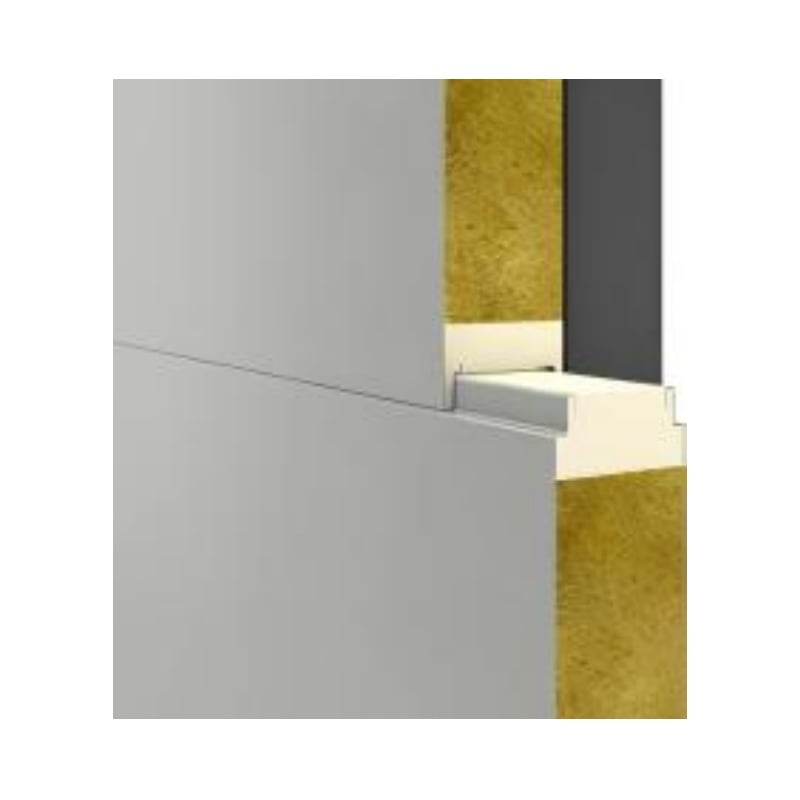
Installation of Polyurethane Core Cleanroom Panels

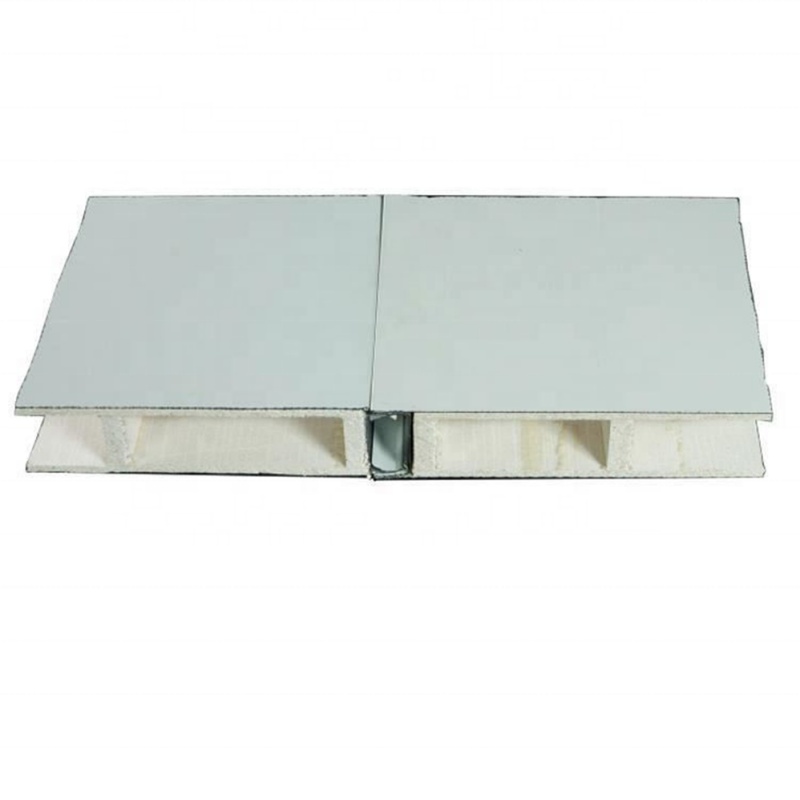
Монтаж чистих приміщень із порожнистих панелей з ядром із оксиду магнію

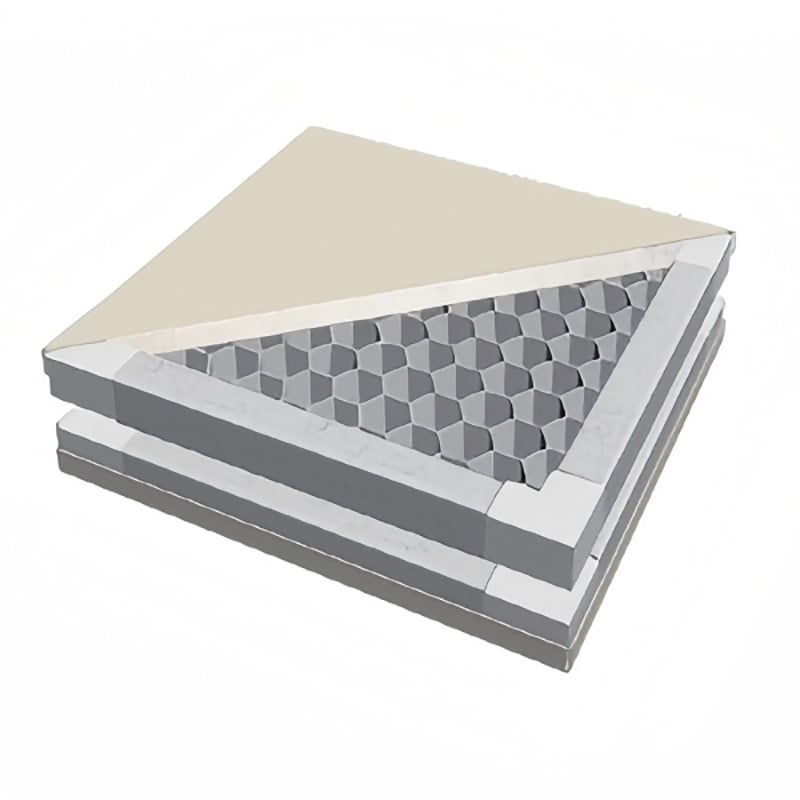
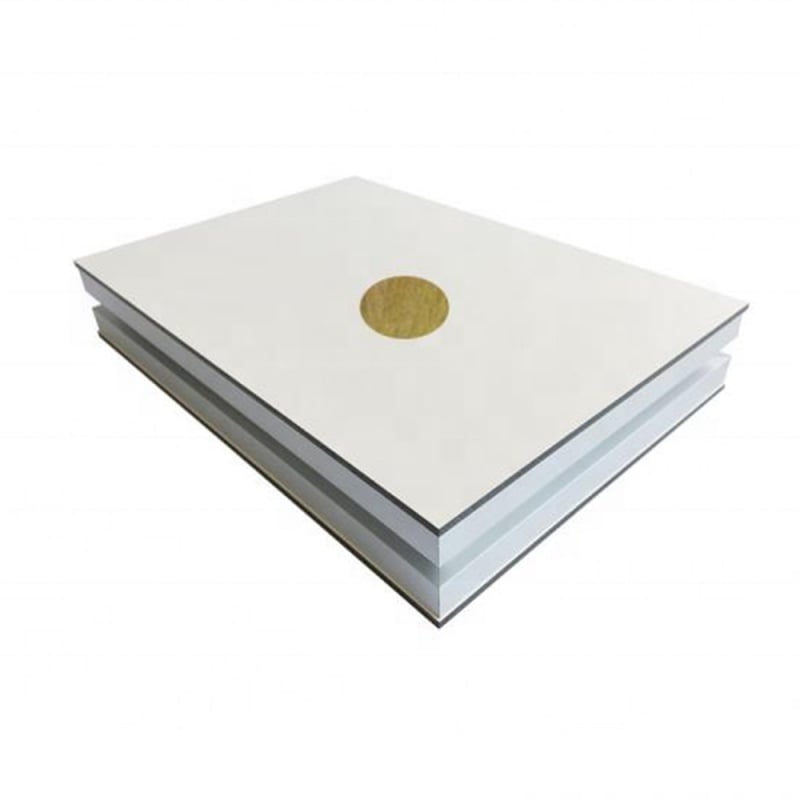
Порожнисті панелі з ядром із оксиду магнію зазвичай складаються з порожнистої внутрішньої структури у вигляді сот або сітки, приклеєної до магнієво-оксидних облицювальних плит. Будучи легкими, вони забезпечують порівняно зручну установку. Однак їх монтаж висуває жорсткі вимоги до рівності основи (базового шару). Поверхня основи має бути рівною, сухою та чистою; якщо відхилення від рівності основи перевищує встановлену допустиму межу (зазвичай похибка рівності не повинна перевищувати 5 мм на будь-якому відрізку довжиною 2 метри), панелі чистих приміщень після монтажу не будуть щільно прилягати до основи, що призведе до надмірно широких швів між панелями. Під час будівництва електронних чистих приміщень надто широкі шви між панелями дозволяють легко проникати пилу та іншим домішкам, через що неможливо забезпечити суворі вимоги до чистоти навколишнього середовища, необхідні для виробництва електроніки.

Під час кріплення панелей зазвичай використовують такі методи, як самонарізні гвинти. До конкретних вимог належить відстань між цими гвинтами, які, як правило, розташовуються рівномірно в межах прийнятного діапазону, щоб забезпечити надійне кріплення панелей. Крім того, обробка швів між панелями є не менш важливою: їх необхідно заповнювати герметиками для забезпечення ефективного ущільнення та запобігання витоку повітря.
cleanroom panels factory Installation of Rock Wool Core Cleanroom Panels Rock wool core material is manufactured from natural rock through a high-temperature melting process; it is relatively heavy and possesses a certain degree of rigidity. During installation, the load-bearing capacity of the supporting keel structure is of paramount importance. Based on the weight of the panels, the spacing between keels must be designed scientifically and rationally to prevent panel deformation caused by insufficient load-bearing support. For instance, if rock wool cleanroom panels are utilized as wall materials in a large-scale industrial facility with stringent fire safety requirements, setting the keel spacing too wide—given the substantial weight of the rock wool panels—could eventually lead to sagging or deformation of the panels over time, thereby compromising both aesthetic appeal and operational safety.  Furthermore, the cut edges of rock wool panels are prone to generating dust. Consequently, appropriate protective measures must be implemented during installation—such as requiring construction personnel to wear professional dust-proof masks and deploying localized dust extraction equipment in cutting zones—to prevent dust contamination within the cleanroom environment. When joining panels, it is imperative to ensure that the seams are tightly fitted; this is essential for effectively guaranteeing thermal insulation and soundproofing performance. For example, in the construction of medical operating rooms—where noise control standards are exceptionally strict—tightly fitted seams can significantly minimize the intrusion of external noise while simultaneously preventing thermal exchange between the indoor and outdoor environments, thereby maintaining stable indoor temperatures.  Installation of Rock Wool Core Cleanroom Panels  Installation of Polyurethane Core Cleanroom Panels Polyurethane core material consists of a polyurethane foam filling; it offers excellent thermal insulation and sealing properties, combining high structural strength with a moderate weight. During installation, the layout of the supporting keel structure can be adjusted to suit the specific application scenario. For instance, in the construction of a cold storage facility—where thermal insulation requirements are particularly high—the low internal temperatures necessitate cleanroom panels with superior insulating capabilities to minimize energy consumption. In such cases, the keel layout can be flexibly configured based on practical factors such as the spatial structure of the cold storage unit and the positioning of refrigeration equipment.  However, since polyurethane materials may release harmful gases when exposed to high temperatures, the use of open flames must be strictly prohibited during the installation process, and adequate ventilation must be ensured. Additionally, polyurethane panels typically feature a tongue-and-groove interlocking design at their joints; during installation, it is crucial to ensure that these interlocking profiles engage tightly to enhance the overall airtightness of the structure. Taking a food cold storage facility as an example: if the tongue-and-groove joints do not interlock tightly, outside air can easily infiltrate. This may lead to temperature fluctuations within the cold storage area, thereby compromising the effectiveness of food preservation.  Installation of Polyurethane Core Cleanroom Panels  Installation of Hollow Magnesium Oxide Core Cleanroom Panels

Ключові моменти монтажу чистих приміщень із панелями з алюмінієвим соткоподібним наповнювачем

Алюмінієві сотоподібні панелі для чистих приміщень пропонують численні переваги, такі як висока структурна міцність та чудова рівність поверхні. Під час монтажу, з урахуванням порівняно рівномірного розподілу ваги панелей, конструкцію несучої кільової системи можна визначити на основі конкретних характеристик панелей та умов навколишнього середовища монтажу. У великомасштабних комерційних торгових центрах — зокрема для проектів облицювання центральних повітряних каналів систем кондиціювання повітря — використання алюмінієвих соткоподібних панелей для чистих приміщень вимагає розробки кільової системи, адаптованої до форми й розмірів повітряних каналів, а також до загального просторового планування торгового центру.

Під час з'єднання алюмінієвих сотових панелей для чистих приміщень потрібна висока точність. Необхідно забезпечити, щоб усі стики були рівними та щільно герметизованими, щоб досягти естетично привабливого вигляду й зберегти оптимальну загальну продуктивність. Крім того, під час монтажу слід особливо обережно ставитися до поверхонь панелей; необхідно вжити заходів для запобігання подряпинам або ударам, які можуть пошкодити поверхню й таким чином погіршити як візуальну привабливість, так і функціональну цілісність панелей.
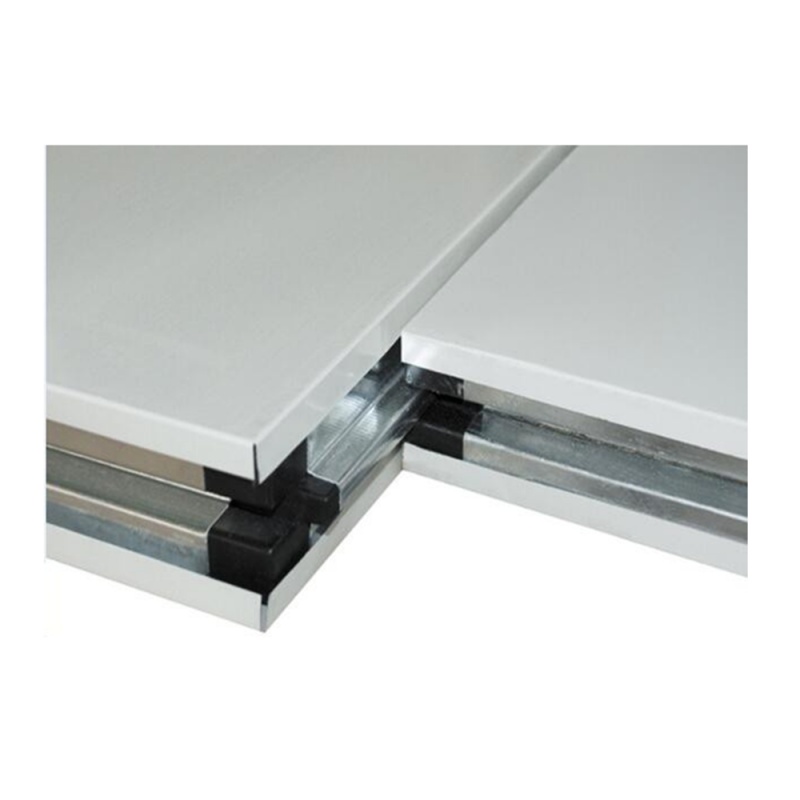
Key Installation Points for Aluminum Honeycomb Core Cleanroom Panels

Рекомендації щодо монтажу панелей для чистих приміщень із серцевиною з оксиду магнію та кам’яної вати

Панелі з серцевиною з оксиду магнію (MgO) та кам’яної вати поєднувати відмінні характеристики обох матеріалів. Під час монтажу необхідно враховувати спеціальні вимоги, що пред'являються до серцевини з кам’яної вати — зокрема щодо її вогнестійкості та теплозахисних властивостей — одночасно враховуючи унікальні характеристики облицювальних плит з оксиду магнію. При кріпленні панелей критично важливо забезпечити, щоб кріпильні елементи надійно проникали крізь плиту з оксиду магнію, щоб створити міцне з’єднання з несучим каркасом, забезпечуючи таким чином структурну стійкість всього вузла. У проектах будівництва чистих приміщень на фармацевтичних виробництвах недостатнє кріплення може призвести до ослаблення панелей під час подальшої експлуатації, що потенційно спричиняється такими факторами, як вібрація обладнання всередині цеху.

Щодо обробки стиків панелей, спочатку зазори необхідно заповнити відповідним герметиком, а потім виконати відповідну оздоблювальну обробку поверхні, щоб забезпечити як повітряну герметичність, так і естетичну безперервність стиків. Крім того, оскільки плити з оксиду магнію схильні до проблем, пов’язаних з вологістю — наприклад, «потінню» або міграції вологи — у середовищах з високою вологістю під час монтажу необхідно застосовувати надійні заходи проти вологи; до прикладів належить нанесення вологостійких покриттів на основу.
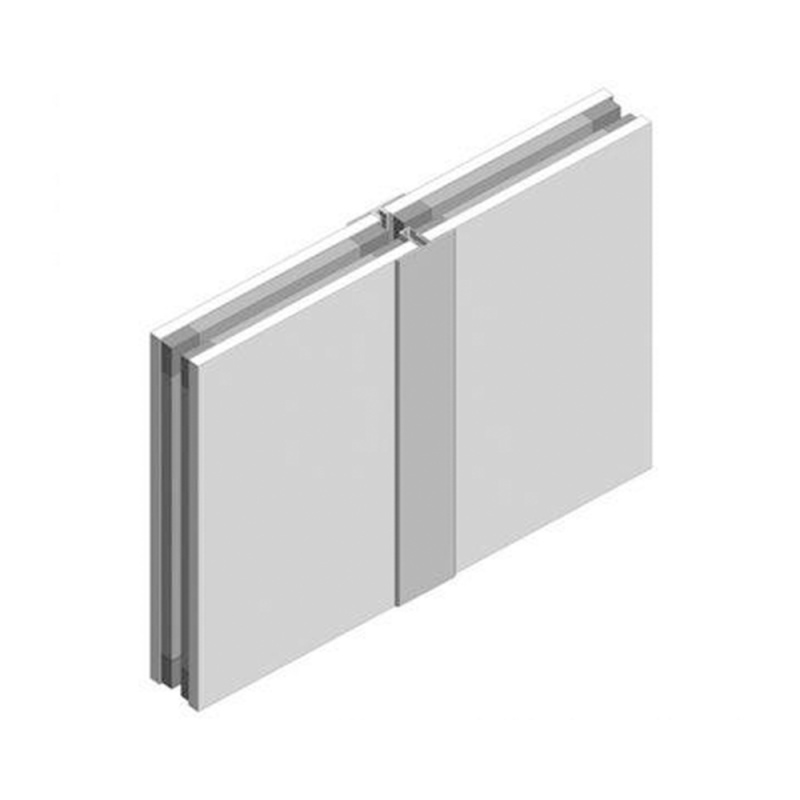
cleanroom panels factory Installation of Rock Wool Core Cleanroom Panels Rock wool core material is manufactured from natural rock through a high-temperature melting process; it is relatively heavy and possesses a certain degree of rigidity. During installation, the load-bearing capacity of the supporting keel structure is of paramount importance. Based on the weight of the panels, the spacing between keels must be designed scientifically and rationally to prevent panel deformation caused by insufficient load-bearing support. For instance, if rock wool cleanroom panels are utilized as wall materials in a large-scale industrial facility with stringent fire safety requirements, setting the keel spacing too wide—given the substantial weight of the rock wool panels—could eventually lead to sagging or deformation of the panels over time, thereby compromising both aesthetic appeal and operational safety.  Furthermore, the cut edges of rock wool panels are prone to generating dust. Consequently, appropriate protective measures must be implemented during installation—such as requiring construction personnel to wear professional dust-proof masks and deploying localized dust extraction equipment in cutting zones—to prevent dust contamination within the cleanroom environment. When joining panels, it is imperative to ensure that the seams are tightly fitted; this is essential for effectively guaranteeing thermal insulation and soundproofing performance. For example, in the construction of medical operating rooms—where noise control standards are exceptionally strict—tightly fitted seams can significantly minimize the intrusion of external noise while simultaneously preventing thermal exchange between the indoor and outdoor environments, thereby maintaining stable indoor temperatures.  Installation of Rock Wool Core Cleanroom Panels  Installation of Polyurethane Core Cleanroom Panels Polyurethane core material consists of a polyurethane foam filling; it offers excellent thermal insulation and sealing properties, combining high structural strength with a moderate weight. During installation, the layout of the supporting keel structure can be adjusted to suit the specific application scenario. For instance, in the construction of a cold storage facility—where thermal insulation requirements are particularly high—the low internal temperatures necessitate cleanroom panels with superior insulating capabilities to minimize energy consumption. In such cases, the keel layout can be flexibly configured based on practical factors such as the spatial structure of the cold storage unit and the positioning of refrigeration equipment.  However, since polyurethane materials may release harmful gases when exposed to high temperatures, the use of open flames must be strictly prohibited during the installation process, and adequate ventilation must be ensured. Additionally, polyurethane panels typically feature a tongue-and-groove interlocking design at their joints; during installation, it is crucial to ensure that these interlocking profiles engage tightly to enhance the overall airtightness of the structure. Taking a food cold storage facility as an example: if the tongue-and-groove joints do not interlock tightly, outside air can easily infiltrate. This may lead to temperature fluctuations within the cold storage area, thereby compromising the effectiveness of food preservation.  Installation of Polyurethane Core Cleanroom Panels  Installation of Hollow Magnesium Oxide Core Cleanroom Panels Hollow magnesium oxide core panels typically consist of a honeycomb or grid-like hollow internal structure bonded to magnesium oxide faceboards. Being lightweight, they offer relatively convenient installation. However, their installation places stringent demands on the flatness of the substrate (base layer). The substrate surface must be flat, dry, and clean; if the flatness deviation of the substrate exceeds the specified tolerance (generally, the flatness error must not exceed 5 mm within any 2-meter span), the cleanroom panels will fail to adhere tightly to the substrate after installation, resulting in excessively wide panel seams. In the construction of electronic cleanrooms, if panel seams are too wide, dust and other impurities can easily enter, making it impossible to meet the rigorous environmental cleanliness standards required for electronics manufacturing.  When securing the panels, methods such as self-tapping screws are typically employed. Specific requirements govern the spacing of these screws, which are generally distributed uniformly within a reasonable range to ensure the panels are firmly anchored. Furthermore, the treatment of panel seams is equally critical; they must be filled with sealing materials to ensure an effective seal and prevent air leakage.  cleanroom panels factory Installation of Rock Wool Core Cleanroom Panels Rock wool core material is manufactured from natural rock through a high-temperature melting process; it is relatively heavy and possesses a certain degree of rigidity. During installation, the load-bearing capacity of the supporting keel structure is of paramount importance. Based on the weight of the panels, the spacing between keels must be designed scientifically and rationally to prevent panel deformation caused by insufficient load-bearing support. For instance, if rock wool cleanroom panels are utilized as wall materials in a large-scale industrial facility with stringent fire safety requirements, setting the keel spacing too wide—given the substantial weight of the rock wool panels—could eventually lead to sagging or deformation of the panels over time, thereby compromising both aesthetic appeal and operational safety.  Furthermore, the cut edges of rock wool panels are prone to generating dust. Consequently, appropriate protective measures must be implemented during installation—such as requiring construction personnel to wear professional dust-proof masks and deploying localized dust extraction equipment in cutting zones—to prevent dust contamination within the cleanroom environment. When joining panels, it is imperative to ensure that the seams are tightly fitted; this is essential for effectively guaranteeing thermal insulation and soundproofing performance. For example, in the construction of medical operating rooms—where noise control standards are exceptionally strict—tightly fitted seams can significantly minimize the intrusion of external noise while simultaneously preventing thermal exchange between the indoor and outdoor environments, thereby maintaining stable indoor temperatures.  Installation of Rock Wool Core Cleanroom Panels  Installation of Polyurethane Core Cleanroom Panels Polyurethane core material consists of a polyurethane foam filling; it offers excellent thermal insulation and sealing properties, combining high structural strength with a moderate weight. During installation, the layout of the supporting keel structure can be adjusted to suit the specific application scenario. For instance, in the construction of a cold storage facility—where thermal insulation requirements are particularly high—the low internal temperatures necessitate cleanroom panels with superior insulating capabilities to minimize energy consumption. In such cases, the keel layout can be flexibly configured based on practical factors such as the spatial structure of the cold storage unit and the positioning of refrigeration equipment.  However, since polyurethane materials may release harmful gases when exposed to high temperatures, the use of open flames must be strictly prohibited during the installation process, and adequate ventilation must be ensured. Additionally, polyurethane panels typically feature a tongue-and-groove interlocking design at their joints; during installation, it is crucial to ensure that these interlocking profiles engage tightly to enhance the overall airtightness of the structure. Taking a food cold storage facility as an example: if the tongue-and-groove joints do not interlock tightly, outside air can easily infiltrate. This may lead to temperature fluctuations within the cold storage area, thereby compromising the effectiveness of food preservation.  Installation of Polyurethane Core Cleanroom Panels  Installation of Hollow Magnesium Oxide Core Cleanroom Panels  Key Installation Points for Aluminum Honeycomb Core Cleanroom Panels Aluminum honeycomb core cleanroom panels offer numerous advantages, such as high structural strength and excellent surface flatness. During installation, given the relatively uniform distribution of the panels' weight, the design of the supporting keel system can be determined based on the specific panel specifications and the ambient installation environment. In large-scale commercial shopping malls—specifically for projects involving the enclosure of central air conditioning ventilation ducts—the use of aluminum honeycomb cleanroom panels necessitates a keel design tailored to the shape and dimensions of the ventilation ducts, as well as the overall spatial layout of the mall.  When splicing aluminum honeycomb cleanroom panels, a high degree of precision is required. It is essential to ensure that all joints are flat and tightly sealed to achieve an aesthetically pleasing appearance and maintain optimal overall performance. Furthermore, during the installation process, great care must be taken to protect the panel surfaces; precautions should be implemented to prevent scratches or impacts that could cause surface damage, thereby compromising both the visual appeal and the functional integrity of the panels.  Key Installation Points for Aluminum Honeycomb Core Cleanroom Panels  Installation Considerations for Magnesium Oxide Rock Wool Core Cleanroom Panels

Під час монтажу панелей для очищення з різними матеріалами серцевини необхідно застосовувати спеціальні заходи, адаптовані до характеристик матеріалу серцевини, щодо проектування каркасу, обробки вологозахисту та вогнезахисту, стикування панелей та заходів безпеки під час їх обробки. Це забезпечує якість монтажу й дозволяє панелям для очищення працювати на повну потужність. У реальних інженерних проектах вибір панелей для очищення з відповідними матеріалами серцевини має ґрунтуватися на комплексній оцінці таких факторів, як конкретний сценарій застосування, вимоги до навколишнього середовища та бюджет; крім того, монтаж має виконуватися строго відповідно до відповідних інструкцій з установки.
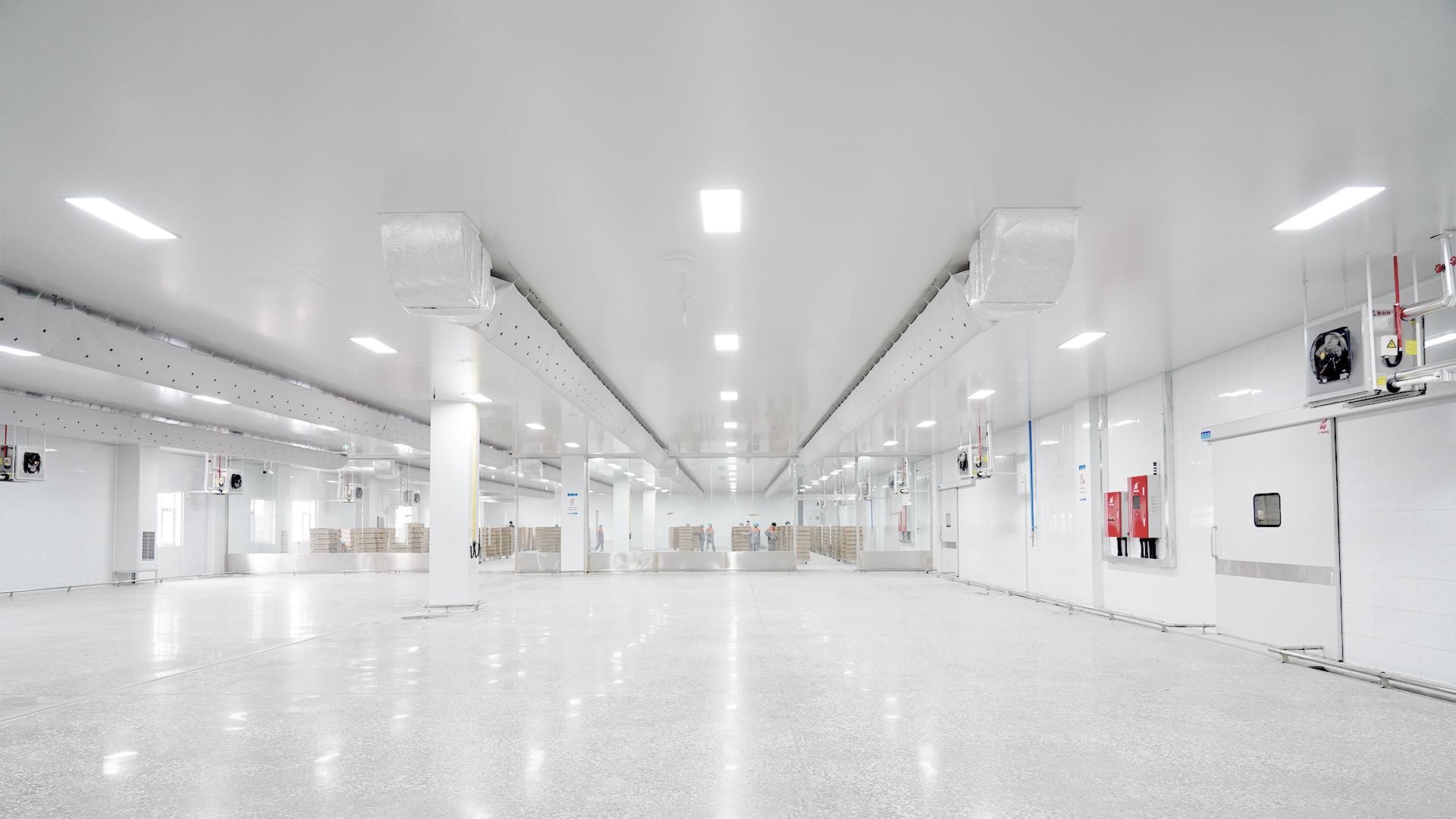
Cleanroom Enclosure System for Shandong Boda Food (1).jpg

Отримайте безкоштовну цитату для вашого проекту

Чи це сталева майстерня, холодильне приміщення чи система чистої кімнати — ми пропонуємо конкурентні ціни від виробника та професійне проектування.
Електронна пошта
Ім'я
Мобільний телефон / WhatsApp
Назва компанії
Повідомлення
0/1000