Obtenez un devis gratuit pour votre projet

Que ce soit un atelier en acier, une chambre froide ou un système de salle blanche, nous proposons des prix usine compétitifs et une conception professionnelle.
Adresse e-mail
Nom
Téléphone mobile / WhatsApp
Nom de l'entreprise
Message
0/1000

Actualités de l'industrie

Page D’Accueil >  Ressources >  Actualités de l'industrie

Existe-t-il des différences dans l’installation de panneaux pour salles propres comportant des matériaux d’âme différents

Apr 14, 2026

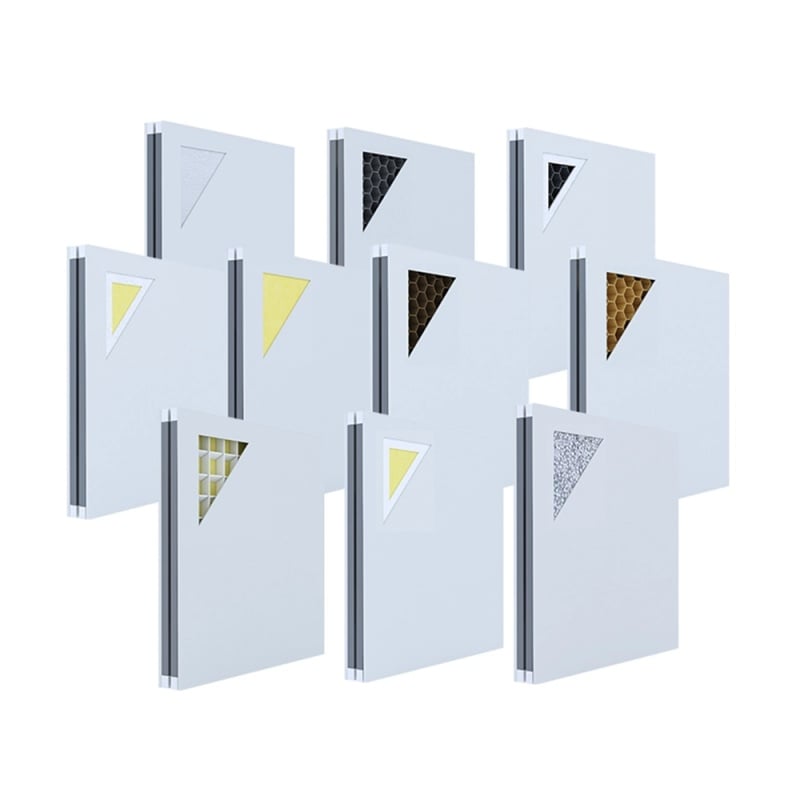
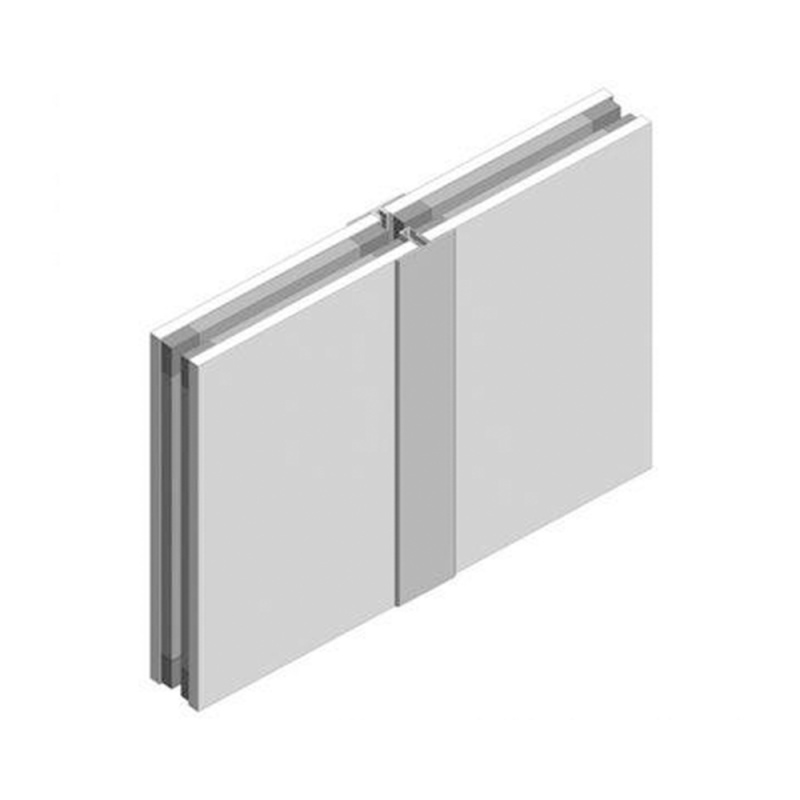
Panneaux pour salles propres sont largement utilisés dans des secteurs aux exigences environnementales strictes — tels que l’électronique, la pharmacie et l’industrie agroalimentaire — où ils permettent de créer des environnements spatiaux propres et hygiéniques. Ces panneaux présentent une grande variété de matériaux d’âme, dont les types courants comprennent la laine de roche, l’oxyde de magnésium creux, la structure alvéolaire en aluminium et les composites oxyde de magnésium–laine de roche. Compte tenu des propriétés spécifiques propres à chaque type de matériau d’âme, les procédés d’installation de ces divers panneaux pour salles propres présentent effectivement de nombreuses différences.
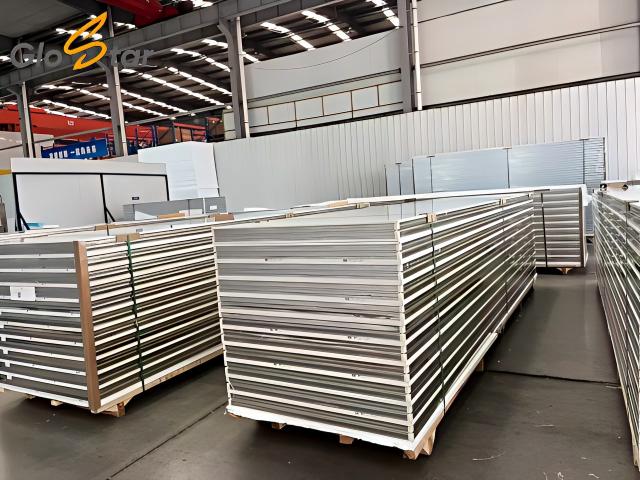
cleanroom panels factory

Installation de panneaux pour salles propres à âme en laine de roche

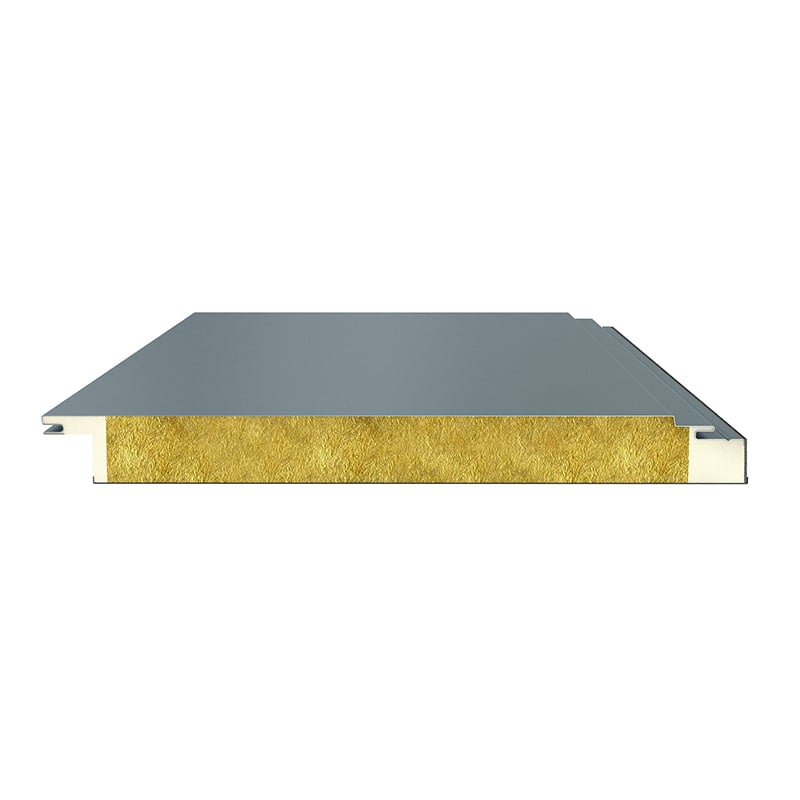
Le matériau de cœur en laine de roche est fabriqué à partir de roche naturelle par un procédé de fusion à haute température ; il est relativement lourd et possède un certain degré de rigidité. Lors de l’installation, la capacité portante de la structure de rails de support revêt une importance capitale. En fonction du poids des panneaux, l’espacement entre les rails doit être conçu de façon scientifique et rationnelle afin d’éviter toute déformation des panneaux due à un soutien porteur insuffisant. Par exemple, si panneaux pour salles propres en laine de roche sont utilisés comme matériaux de mur dans une installation industrielle de grande ampleur présentant des exigences strictes en matière de sécurité incendie, un espacement excessif des rails — compte tenu du poids important des panneaux en laine de roche — pourrait, à terme, entraîner un affaissement ou une déformation des panneaux, compromettant ainsi aussi bien l’aspect esthétique que la sécurité opérationnelle.

En outre, les bords découpés des panneaux en laine de roche ont tendance à générer de la poussière. Par conséquent, des mesures de protection appropriées doivent être mises en œuvre pendant l’installation — par exemple, exiger que le personnel de chantier porte des masques professionnels anti-poussières et installer des équipements locaux d’extraction de poussières dans les zones de découpe — afin d’éviter toute contamination par la poussière dans l’environnement de la salle blanche. Lors de l’assemblage des panneaux, il est impératif de veiller à ce que les joints soient parfaitement étanches ; cela est essentiel pour garantir efficacement les performances d’isolation thermique et phonique. Par exemple, lors de la construction de salles d’opération médicales — où les normes de maîtrise du bruit sont particulièrement strictes — des joints parfaitement étanches permettent de réduire considérablement l’intrusion de bruits extérieurs tout en empêchant les échanges thermiques entre l’intérieur et l’extérieur, assurant ainsi une température intérieure stable.
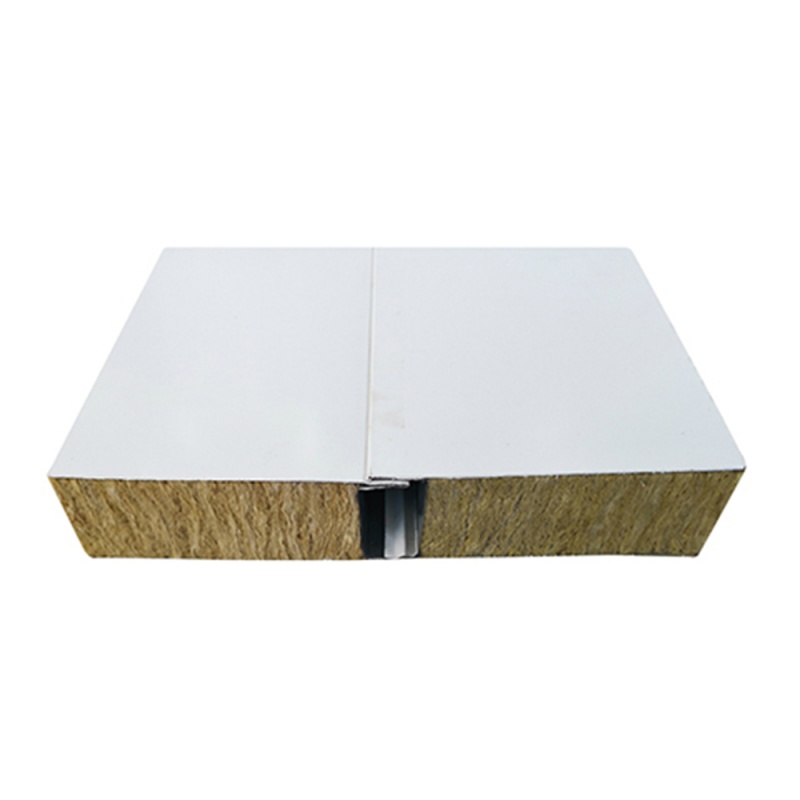
Installation of Rock Wool Core Cleanroom Panels

Installation de panneaux pour salles blanches à âme en polyuréthane

Le matériau de cœur en polyuréthane est constitué d'une mousse de polyuréthane ; il offre d'excellentes propriétés d'isolation thermique et d'étanchéité, alliant une résistance structurelle élevée à un poids modéré. Lors de l'installation, la disposition de la structure portante en ossature peut être ajustée pour s'adapter au scénario d'application spécifique. Par exemple, dans la construction d'une installation frigorifique — où les exigences en matière d'isolation thermique sont particulièrement élevées — les basses températures internes nécessitent des panneaux pour salle blanche dotés de capacités isolantes supérieures afin de minimiser la consommation d'énergie. Dans de tels cas, la disposition de l'ossature peut être configurée de manière flexible en fonction de facteurs pratiques tels que la structure spatiale de l'unité frigorifique et le positionnement des équipements de réfrigération.

Toutefois, comme les matériaux en polyuréthane peuvent dégager des gaz nocifs lorsqu’ils sont exposés à des températures élevées, l’utilisation de flammes nues doit être strictement interdite pendant le processus d’installation, et une ventilation adéquate doit être assurée. En outre, les panneaux en polyuréthane présentent généralement, au niveau de leurs joints, une conception d’emboîtement rainure-languette ; lors de l’installation, il est essentiel de veiller à ce que ces profils emboîtés s’engagent étroitement afin d’améliorer l’étanchéité à l’air globale de la structure. Prenons l’exemple d’une installation frigorifique destinée au stockage des denrées alimentaires : si les joints rainure-languette ne s’emboîtent pas étroitement, l’air extérieur peut facilement y pénétrer. Cela peut entraîner des fluctuations de température dans la zone frigorifique, compromettant ainsi l’efficacité de la conservation des aliments.
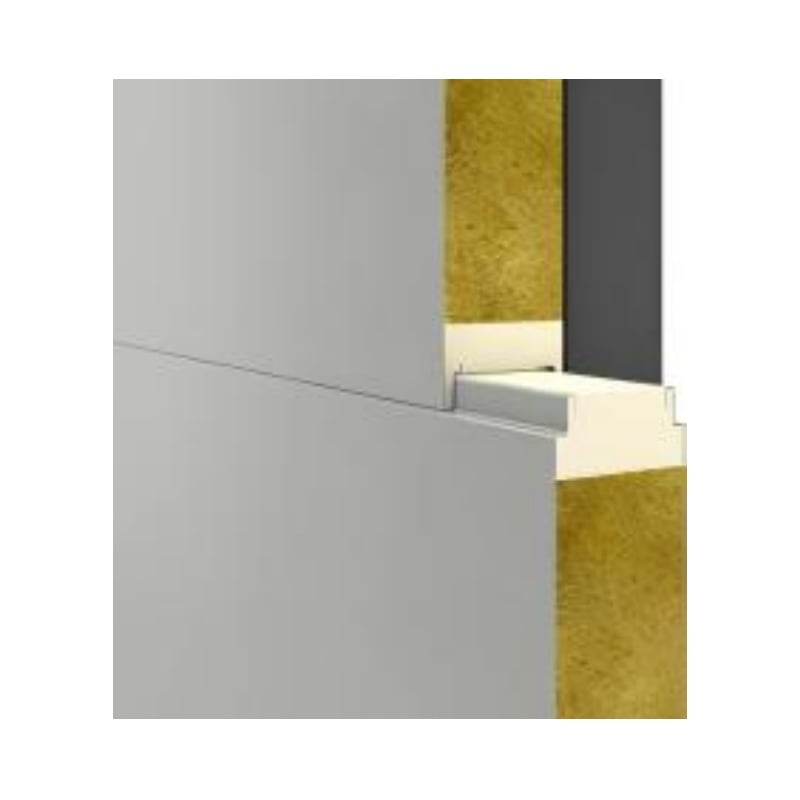
Installation of Polyurethane Core Cleanroom Panels

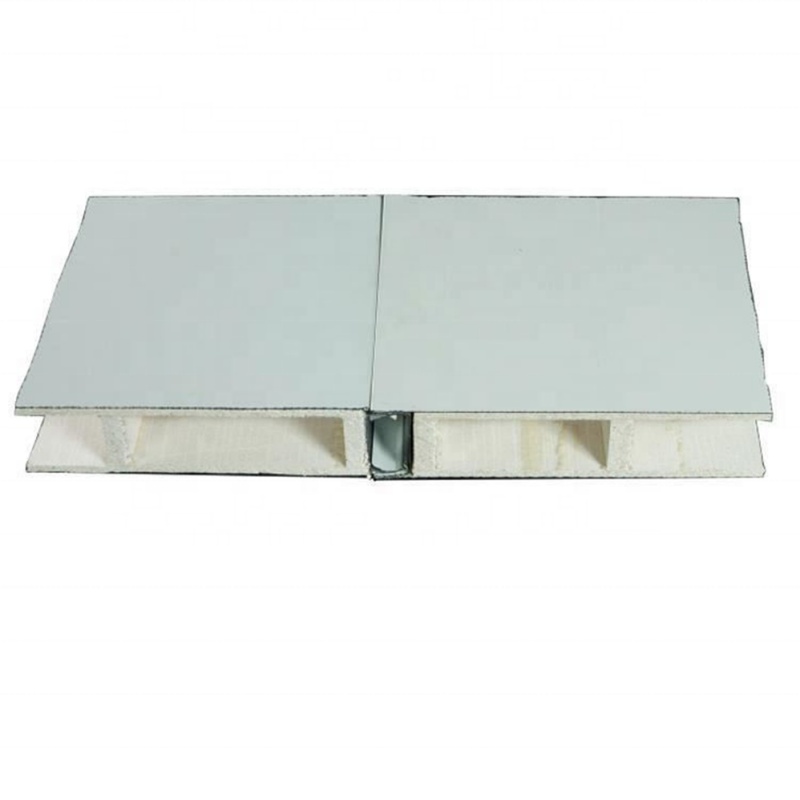
Installation de panneaux pour salles propres à âme creuse en oxyde de magnésium

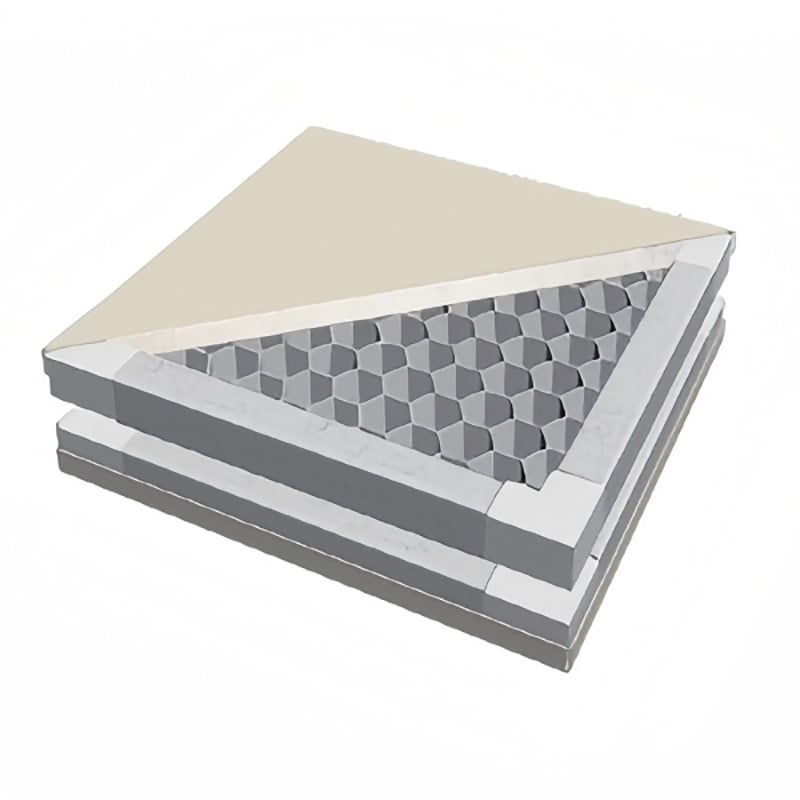
Panneaux à âme creuse en oxyde de magnésium se composent généralement d’une structure interne creuse en nid-d’abeille ou en treillis, collée sur des panneaux de face en oxyde de magnésium. Légères, elles offrent une installation relativement pratique. Toutefois, leur pose impose des exigences strictes quant à la planéité du support (couche de base). La surface du support doit être plane, sèche et propre ; si l’écart de planéité du support dépasse la tolérance spécifiée (en général, l’erreur de planéité ne doit pas excéder 5 mm sur une portée de 2 mètres), les panneaux pour salle blanche ne pourront pas adhérer correctement au support après installation, ce qui entraînera des joints entre panneaux excessivement larges. Dans la construction de salles blanches électroniques, des joints trop larges permettent facilement l’intrusion de poussières et d’autres impuretés, rendant ainsi impossible le respect des normes rigoureuses de propreté environnementale requises pour la fabrication électronique.

Lors de la fixation des panneaux, des méthodes telles que l’utilisation de vis autoforeuses sont généralement employées. Des exigences spécifiques régissent l’espacement de ces vis, qui sont généralement réparties de manière uniforme dans une plage raisonnable afin d’assurer un ancrage ferme des panneaux. En outre, le traitement des joints entre panneaux est tout aussi critique : ils doivent être remplis de matériaux d’étanchéité pour garantir une étanchéité efficace et prévenir les fuites d’air.
cleanroom panels factory Installation of Rock Wool Core Cleanroom Panels Rock wool core material is manufactured from natural rock through a high-temperature melting process; it is relatively heavy and possesses a certain degree of rigidity. During installation, the load-bearing capacity of the supporting keel structure is of paramount importance. Based on the weight of the panels, the spacing between keels must be designed scientifically and rationally to prevent panel deformation caused by insufficient load-bearing support. For instance, if rock wool cleanroom panels are utilized as wall materials in a large-scale industrial facility with stringent fire safety requirements, setting the keel spacing too wide—given the substantial weight of the rock wool panels—could eventually lead to sagging or deformation of the panels over time, thereby compromising both aesthetic appeal and operational safety.  Furthermore, the cut edges of rock wool panels are prone to generating dust. Consequently, appropriate protective measures must be implemented during installation—such as requiring construction personnel to wear professional dust-proof masks and deploying localized dust extraction equipment in cutting zones—to prevent dust contamination within the cleanroom environment. When joining panels, it is imperative to ensure that the seams are tightly fitted; this is essential for effectively guaranteeing thermal insulation and soundproofing performance. For example, in the construction of medical operating rooms—where noise control standards are exceptionally strict—tightly fitted seams can significantly minimize the intrusion of external noise while simultaneously preventing thermal exchange between the indoor and outdoor environments, thereby maintaining stable indoor temperatures.  Installation of Rock Wool Core Cleanroom Panels  Installation of Polyurethane Core Cleanroom Panels Polyurethane core material consists of a polyurethane foam filling; it offers excellent thermal insulation and sealing properties, combining high structural strength with a moderate weight. During installation, the layout of the supporting keel structure can be adjusted to suit the specific application scenario. For instance, in the construction of a cold storage facility—where thermal insulation requirements are particularly high—the low internal temperatures necessitate cleanroom panels with superior insulating capabilities to minimize energy consumption. In such cases, the keel layout can be flexibly configured based on practical factors such as the spatial structure of the cold storage unit and the positioning of refrigeration equipment.  However, since polyurethane materials may release harmful gases when exposed to high temperatures, the use of open flames must be strictly prohibited during the installation process, and adequate ventilation must be ensured. Additionally, polyurethane panels typically feature a tongue-and-groove interlocking design at their joints; during installation, it is crucial to ensure that these interlocking profiles engage tightly to enhance the overall airtightness of the structure. Taking a food cold storage facility as an example: if the tongue-and-groove joints do not interlock tightly, outside air can easily infiltrate. This may lead to temperature fluctuations within the cold storage area, thereby compromising the effectiveness of food preservation.  Installation of Polyurethane Core Cleanroom Panels  Installation of Hollow Magnesium Oxide Core Cleanroom Panels

Points clés d’installation des panneaux de salle blanche à âme en nid d’abeille en aluminium

Panneaux pour salles propres en nid d’abeille d’aluminium offrent de nombreux avantages, tels qu'une résistance structurelle élevée et une excellente planéité de surface. Lors de l'installation, compte tenu de la répartition relativement uniforme du poids des panneaux, la conception du système de rails porteurs peut être déterminée en fonction des spécifications précises des panneaux et de l'environnement d'installation ambiant. Dans les grands centres commerciaux — plus précisément pour les projets impliquant l'habillage des conduits de ventilation de la climatisation centrale — l'utilisation de panneaux aluminium nid d'abeille pour salles propres exige une conception de rails adaptée à la forme et aux dimensions des conduits de ventilation, ainsi qu'à l'aménagement spatial global du centre commercial.

Lors de la jonction des panneaux de salle blanche en nid d’abeille en aluminium, une grande précision est requise. Il est essentiel de veiller à ce que toutes les joints soient plats et parfaitement étanches afin d’obtenir une apparence esthétique satisfaisante et de préserver les performances globales optimales. En outre, durant le processus d’installation, une attention particulière doit être portée à la protection des surfaces des panneaux ; des mesures préventives doivent être mises en place pour éviter les rayures ou les chocs susceptibles d’endommager la surface, compromettant ainsi à la fois l’aspect visuel et l’intégrité fonctionnelle des panneaux.
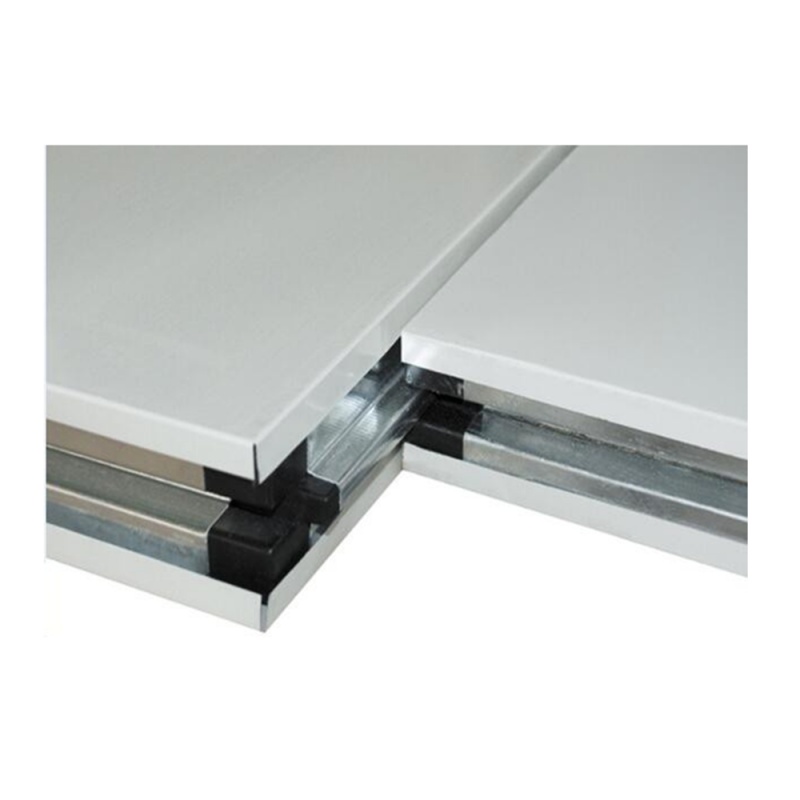
Key Installation Points for Aluminum Honeycomb Core Cleanroom Panels

Considérations relatives à l’installation des panneaux de salle blanche à âme en oxyde de magnésium et laine de roche

Panneaux dotés d’une âme en oxyde de magnésium (MgO) et laine de roche combiner les caractéristiques distinctives des deux matériaux. Lors de la pose, il est nécessaire de prendre en compte les exigences spécifiques imposées par l’âme en laine de roche — notamment en ce qui concerne sa résistance au feu et ses propriétés d’isolation thermique — tout en tenant simultanément compte des caractéristiques uniques des panneaux de revêtement en oxyde de magnésium. Lors de la fixation des panneaux, il est essentiel de veiller à ce que les éléments de fixation pénètrent fermement à travers le panneau d’oxyde de magnésium afin d’établir une liaison sécurisée avec la structure porteuse (solive), garantissant ainsi la stabilité structurelle de l’ensemble. Dans les projets de construction de salles propres au sein des installations de fabrication pharmaceutique, une fixation insuffisante peut entraîner un desserrage des panneaux lors des opérations ultérieures, pouvant notamment être déclenché par des facteurs tels que les vibrations d’équipements dans l’atelier.

En ce qui concerne le traitement des joints entre panneaux, les interstices doivent d’abord être comblés à l’aide d’un matériau d’étanchéité adapté, puis faire l’objet d’une finition de surface appropriée, afin d’assurer à la fois l’étanchéité à l’air et la continuité esthétique des joints. En outre, comme les plaques d’oxyde de magnésium sont sensibles aux problèmes liés à l’humidité — tels que la « transpiration » ou la migration d’humidité — dans les environnements à forte humidité, des mesures efficaces d’étanchéité à l’humidité doivent être mises en œuvre lors de la pose ; par exemple, l’application de revêtements résistants à l’humidité sur le support sous-jacent.
cleanroom panels factory Installation of Rock Wool Core Cleanroom Panels Rock wool core material is manufactured from natural rock through a high-temperature melting process; it is relatively heavy and possesses a certain degree of rigidity. During installation, the load-bearing capacity of the supporting keel structure is of paramount importance. Based on the weight of the panels, the spacing between keels must be designed scientifically and rationally to prevent panel deformation caused by insufficient load-bearing support. For instance, if rock wool cleanroom panels are utilized as wall materials in a large-scale industrial facility with stringent fire safety requirements, setting the keel spacing too wide—given the substantial weight of the rock wool panels—could eventually lead to sagging or deformation of the panels over time, thereby compromising both aesthetic appeal and operational safety.  Furthermore, the cut edges of rock wool panels are prone to generating dust. Consequently, appropriate protective measures must be implemented during installation—such as requiring construction personnel to wear professional dust-proof masks and deploying localized dust extraction equipment in cutting zones—to prevent dust contamination within the cleanroom environment. When joining panels, it is imperative to ensure that the seams are tightly fitted; this is essential for effectively guaranteeing thermal insulation and soundproofing performance. For example, in the construction of medical operating rooms—where noise control standards are exceptionally strict—tightly fitted seams can significantly minimize the intrusion of external noise while simultaneously preventing thermal exchange between the indoor and outdoor environments, thereby maintaining stable indoor temperatures.  Installation of Rock Wool Core Cleanroom Panels  Installation of Polyurethane Core Cleanroom Panels Polyurethane core material consists of a polyurethane foam filling; it offers excellent thermal insulation and sealing properties, combining high structural strength with a moderate weight. During installation, the layout of the supporting keel structure can be adjusted to suit the specific application scenario. For instance, in the construction of a cold storage facility—where thermal insulation requirements are particularly high—the low internal temperatures necessitate cleanroom panels with superior insulating capabilities to minimize energy consumption. In such cases, the keel layout can be flexibly configured based on practical factors such as the spatial structure of the cold storage unit and the positioning of refrigeration equipment.  However, since polyurethane materials may release harmful gases when exposed to high temperatures, the use of open flames must be strictly prohibited during the installation process, and adequate ventilation must be ensured. Additionally, polyurethane panels typically feature a tongue-and-groove interlocking design at their joints; during installation, it is crucial to ensure that these interlocking profiles engage tightly to enhance the overall airtightness of the structure. Taking a food cold storage facility as an example: if the tongue-and-groove joints do not interlock tightly, outside air can easily infiltrate. This may lead to temperature fluctuations within the cold storage area, thereby compromising the effectiveness of food preservation.  Installation of Polyurethane Core Cleanroom Panels  Installation of Hollow Magnesium Oxide Core Cleanroom Panels Hollow magnesium oxide core panels typically consist of a honeycomb or grid-like hollow internal structure bonded to magnesium oxide faceboards. Being lightweight, they offer relatively convenient installation. However, their installation places stringent demands on the flatness of the substrate (base layer). The substrate surface must be flat, dry, and clean; if the flatness deviation of the substrate exceeds the specified tolerance (generally, the flatness error must not exceed 5 mm within any 2-meter span), the cleanroom panels will fail to adhere tightly to the substrate after installation, resulting in excessively wide panel seams. In the construction of electronic cleanrooms, if panel seams are too wide, dust and other impurities can easily enter, making it impossible to meet the rigorous environmental cleanliness standards required for electronics manufacturing.  When securing the panels, methods such as self-tapping screws are typically employed. Specific requirements govern the spacing of these screws, which are generally distributed uniformly within a reasonable range to ensure the panels are firmly anchored. Furthermore, the treatment of panel seams is equally critical; they must be filled with sealing materials to ensure an effective seal and prevent air leakage.  cleanroom panels factory Installation of Rock Wool Core Cleanroom Panels Rock wool core material is manufactured from natural rock through a high-temperature melting process; it is relatively heavy and possesses a certain degree of rigidity. During installation, the load-bearing capacity of the supporting keel structure is of paramount importance. Based on the weight of the panels, the spacing between keels must be designed scientifically and rationally to prevent panel deformation caused by insufficient load-bearing support. For instance, if rock wool cleanroom panels are utilized as wall materials in a large-scale industrial facility with stringent fire safety requirements, setting the keel spacing too wide—given the substantial weight of the rock wool panels—could eventually lead to sagging or deformation of the panels over time, thereby compromising both aesthetic appeal and operational safety.  Furthermore, the cut edges of rock wool panels are prone to generating dust. Consequently, appropriate protective measures must be implemented during installation—such as requiring construction personnel to wear professional dust-proof masks and deploying localized dust extraction equipment in cutting zones—to prevent dust contamination within the cleanroom environment. When joining panels, it is imperative to ensure that the seams are tightly fitted; this is essential for effectively guaranteeing thermal insulation and soundproofing performance. For example, in the construction of medical operating rooms—where noise control standards are exceptionally strict—tightly fitted seams can significantly minimize the intrusion of external noise while simultaneously preventing thermal exchange between the indoor and outdoor environments, thereby maintaining stable indoor temperatures.  Installation of Rock Wool Core Cleanroom Panels  Installation of Polyurethane Core Cleanroom Panels Polyurethane core material consists of a polyurethane foam filling; it offers excellent thermal insulation and sealing properties, combining high structural strength with a moderate weight. During installation, the layout of the supporting keel structure can be adjusted to suit the specific application scenario. For instance, in the construction of a cold storage facility—where thermal insulation requirements are particularly high—the low internal temperatures necessitate cleanroom panels with superior insulating capabilities to minimize energy consumption. In such cases, the keel layout can be flexibly configured based on practical factors such as the spatial structure of the cold storage unit and the positioning of refrigeration equipment.  However, since polyurethane materials may release harmful gases when exposed to high temperatures, the use of open flames must be strictly prohibited during the installation process, and adequate ventilation must be ensured. Additionally, polyurethane panels typically feature a tongue-and-groove interlocking design at their joints; during installation, it is crucial to ensure that these interlocking profiles engage tightly to enhance the overall airtightness of the structure. Taking a food cold storage facility as an example: if the tongue-and-groove joints do not interlock tightly, outside air can easily infiltrate. This may lead to temperature fluctuations within the cold storage area, thereby compromising the effectiveness of food preservation.  Installation of Polyurethane Core Cleanroom Panels  Installation of Hollow Magnesium Oxide Core Cleanroom Panels  Key Installation Points for Aluminum Honeycomb Core Cleanroom Panels Aluminum honeycomb core cleanroom panels offer numerous advantages, such as high structural strength and excellent surface flatness. During installation, given the relatively uniform distribution of the panels' weight, the design of the supporting keel system can be determined based on the specific panel specifications and the ambient installation environment. In large-scale commercial shopping malls—specifically for projects involving the enclosure of central air conditioning ventilation ducts—the use of aluminum honeycomb cleanroom panels necessitates a keel design tailored to the shape and dimensions of the ventilation ducts, as well as the overall spatial layout of the mall.  When splicing aluminum honeycomb cleanroom panels, a high degree of precision is required. It is essential to ensure that all joints are flat and tightly sealed to achieve an aesthetically pleasing appearance and maintain optimal overall performance. Furthermore, during the installation process, great care must be taken to protect the panel surfaces; precautions should be implemented to prevent scratches or impacts that could cause surface damage, thereby compromising both the visual appeal and the functional integrity of the panels.  Key Installation Points for Aluminum Honeycomb Core Cleanroom Panels  Installation Considerations for Magnesium Oxide Rock Wool Core Cleanroom Panels

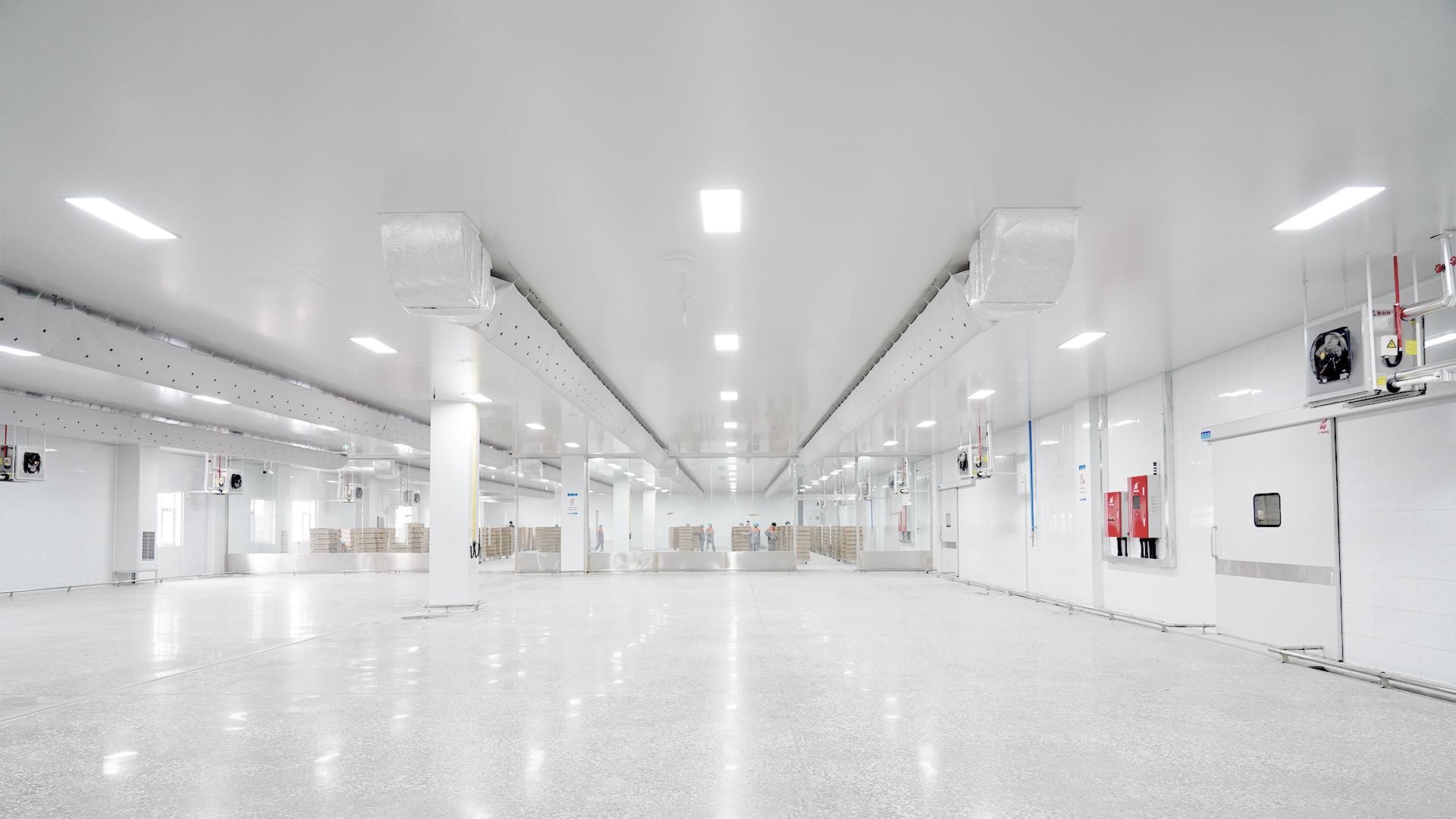
Lors de l'installation de panneaux de purification comportant des matériaux d'âme différents, des mesures spécifiques doivent être adoptées — adaptées aux caractéristiques du matériau d'âme — en ce qui concerne la conception des rails porteurs, les traitements de protection contre l'humidité et le feu, l'assemblage des panneaux et les précautions à prendre lors de leur manipulation. Cela garantit la qualité de l'installation et permet aux panneaux de purification de fonctionner pleinement selon leurs performances attendues. Dans les projets d'ingénierie réels, le choix des panneaux de purification dotés de matériaux d'âme appropriés doit reposer sur une évaluation globale de facteurs tels que le scénario d'application spécifique, les exigences environnementales et le budget ; par ailleurs, la mise en œuvre doit s'effectuer dans le strict respect des consignes d'installation applicables.
Cleanroom Enclosure System for Shandong Boda Food (1).jpg

Obtenez un devis gratuit pour votre projet

Que ce soit un atelier en acier, une chambre froide ou un système de salle blanche, nous proposons des prix usine compétitifs et une conception professionnelle.
Adresse e-mail
Nom
Téléphone mobile / WhatsApp
Nom de l'entreprise
Message
0/1000