Gaukite nemokamą pasiūlymą savo projektui

Ar tai būtų plieninė gamykla, šaldymo patalpa ar švariosios patalpos sistema – mes siūlome konkurencingas gamyklinio lygio kainas ir profesionalų projektavimą.
El. pašto adresas
Vardas
Mobilusis telefonas / WhatsApp
Įmonės pavadinimas
Žinutė
0/1000

Industrijos naujienos

Pagrindinis Puslapis >  Resursai >  Industrijos naujienos

Ar yra skirtumų montuojant švariosios patalpos plokštes su skirtingomis šerdies medžiagomis

Apr 14, 2026

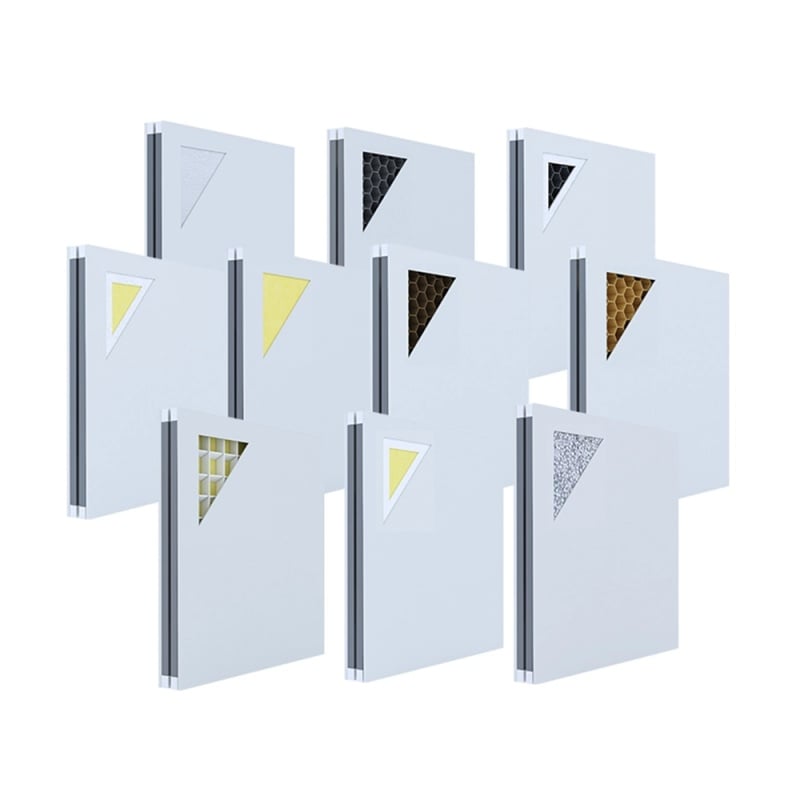
Švariosios patalpos plokštės plačiai naudojamos pramonės šakose, kurios turi griežtus aplinkos reikalavimus – pvz., elektronikoje, farmacijoje ir maisto perdirbimo pramonėje – kur jos naudojamos švarioms ir higieniškoms erdvinėms aplinkoms kurti. Šios plokštės turi įvairių rūšių šerdis, o dažniausiai pasitaikančios šerdies medžiagos yra uolienos vata, tuščiavidurė magnio oksido plokštė, aliuminio šešėlinė struktūra ir magnio oksido bei uolienos vatos kompozitai. Kadangi kiekvienos šerdies medžiagos savybės yra skirtingos, įvairių švariosios patalpos plokščių montavimo procesai iš tikrųjų labai skiriasi.
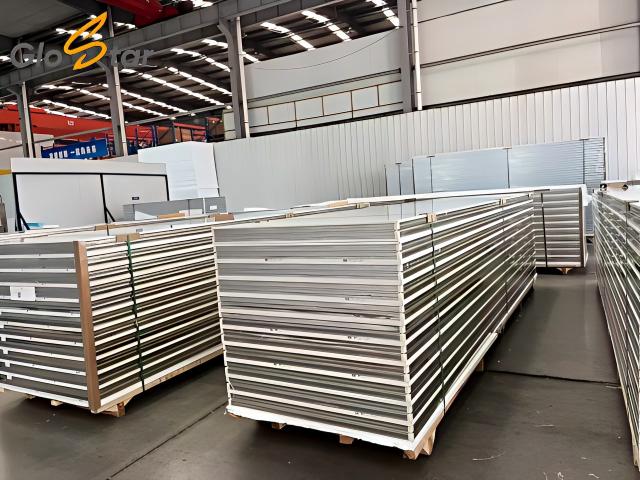
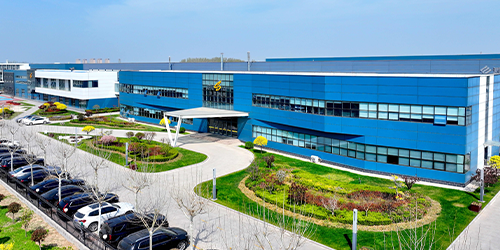
cleanroom panels factory

Uolienos vatos šerdies švariosios patalpos plokščių montavimas

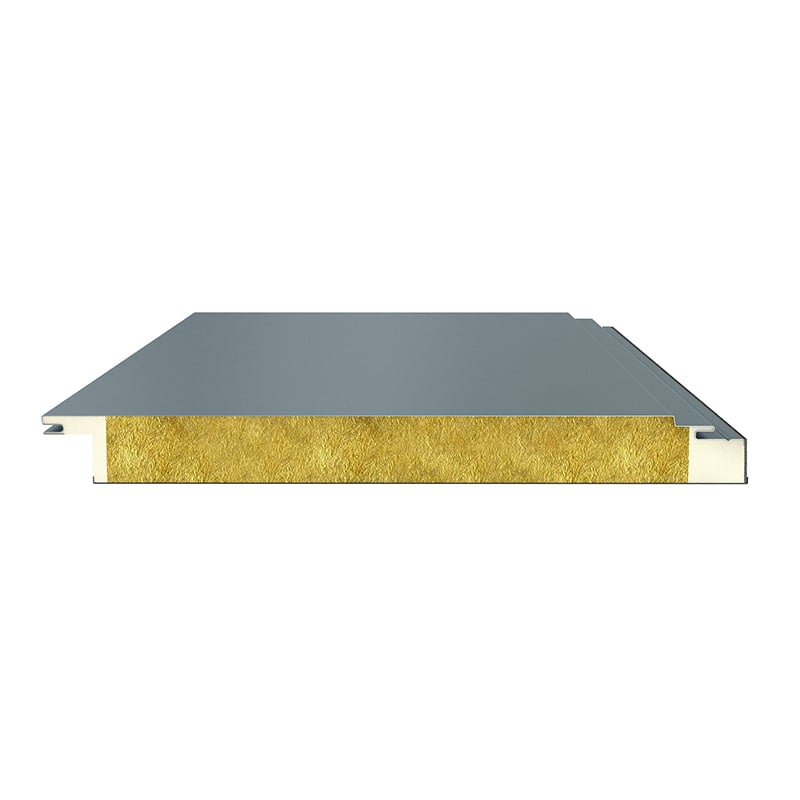
Akmenų vatos šerdies medžiaga gaminama iš natūralaus akmens naudojant aukštos temperatūros lydymo procesą; ji yra gana sunki ir turi tam tikrą standumo laipsnį. Montuojant svarbu, kad atraminės grotelės konstrukcija būtų pakankamai stipri. Remiantis plokščių svoriu, grotelių tarpas turi būti suprojektuotas moksliniškai ir racionaliai, kad būtų išvengta plokščių deformacijos dėl nepakankamos apkrovos laikymo galios. Pavyzdžiui, jei uolienų vatos švariosios patalpos plokštės naudojamos kaip sienų medžiaga didelės apimties pramoninėje patalpoje, kurios gaisrinė sauga yra ypač reikalaujama, per didelis grotelių tarpas, atsižvelgiant į akmenų vatos plokščių didelį svorį, galiausiai gali sukelti plokščių nusėdimą ar deformaciją laikui bėgant, todėl bus pažeista tiek estetinė išvaizda, tiek eksploatacinė sauga.

Be to, uolienos vatos plokščių pjūvio kraštai linkę kurti dulkes. Todėl montuojant būtina imtis tinkamų apsaugos priemonių – pavyzdžiui, reikalauti, kad statybos personalas dėvėtų profesines dulkių nepraleidžiančias kaukes, o pjovimo zonose būtų įrengta vietinė dulkių siurbimo įranga – siekiant išvengti dulkių užteršimo švariosios patalpos aplinkoje. Jungiant plokštes būtina užtikrinti, kad siūlės būtų kuo tankiau pritaikytos; tai yra būtina sąlyga, kad efektyviai būtų užtikrinta šiluminė izoliacija ir garso izoliacija. Pavyzdžiui, medicinos operacinėse – kurios turi itin griežtus triukšmo kontrolės reikalavimus – tankiai pritaikytos siūlės žymiai sumažina išorinio triukšmo įsiskverbimą, tuo pačiu neleisdamos šilumos mainams tarp patalpos vidinės ir išorinės aplinkos, taip palaikant pastovią patalpos vidinę temperatūrą.
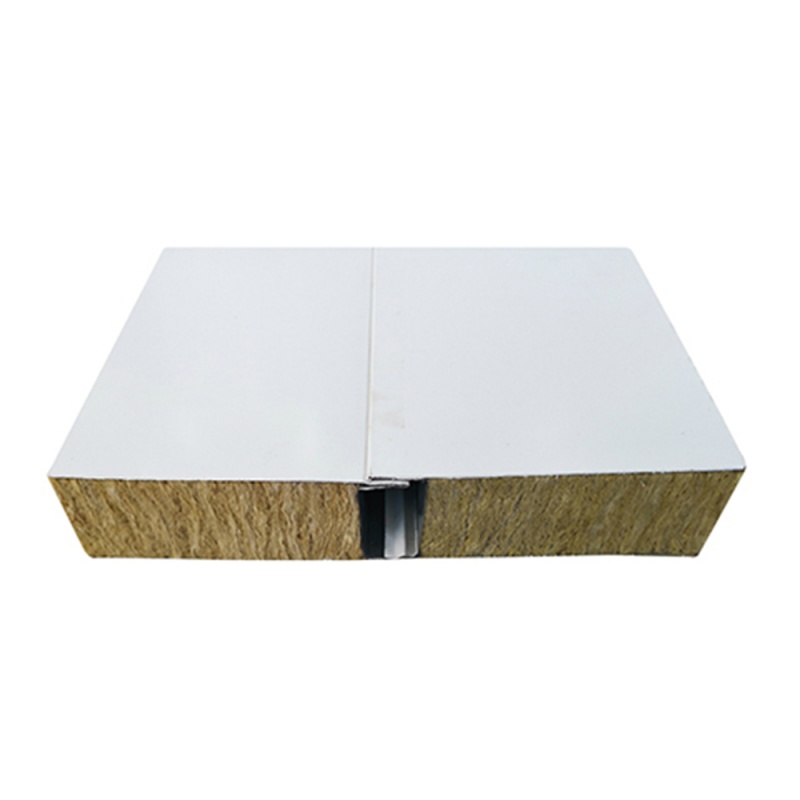
Installation of Rock Wool Core Cleanroom Panels

Poliuretano šerdies švariosios patalpos plokščių montavimas

Poliuretano šerdies medžiaga susideda iš poliuretano putų pripildymo; ji suteikia puikią šiluminę izoliaciją ir sandarinimo savybes, derindama didelę konstrukcinę stiprybę su vidutiniu svoriu. Montuojant galima lankstiai reguliuoti atraminės grotelės konstrukcijos išdėstymą, kad jis atitiktų konkrečią taikymo situaciją. Pavyzdžiui, šaldymo patalpų statyboje – kur šiluminės izoliacijos reikalavimai yra ypač aukšti – žemos vidinės temperatūros reikalauja švariosios patalpos plokščių su aukštesnėmis izoliacinėmis savybėmis, kad būtų sumažinta energijos sąnaudos. Tokiais atvejais grotelės išdėstymas gali būti lankstiai konfigūruojamas remiantis praktiniais veiksniais, tokiomis kaip šaldymo patalpos erdvinė konstrukcija ir šaldymo įrangos vietos.

Tačiau kadangi poliuretano medžiagos aukštoje temperatūroje gali išsklaidyti pavojingus dujų mišinius, montavimo metu visiškai draudžiama naudoti atvirą liepsną ir būtina užtikrinti pakankamą vėdinimą. Be to, poliuretano plokštės paprastai turi sujungimo sistemą „kalnas–slėnis“ („groove and tongue“) savo jungtyse; montuojant būtina užtikrinti, kad šios sujungiamosios profilio dalys būtų tvirtai įsiterpusios, kad būtų padidinta visos konstrukcijos sandarumas. Pavyzdžiui, maisto šaldymo patalpų atveju: jei „kalnas–slėnis“ jungtys nėra tvirtai įsiterpusios, į vidų gali lengvai prasiskverbti išorinis oras. Tai gali sukelti temperatūros svyravimus šaldymo patalpose, todėl sumažėja maisto produktų laikymo veiksmingumas.
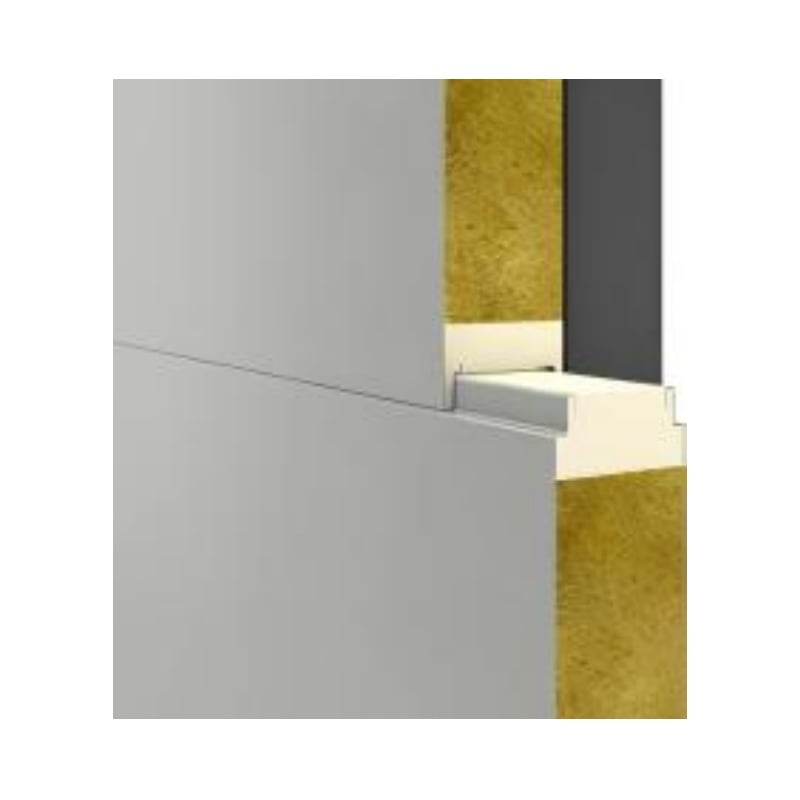
Installation of Polyurethane Core Cleanroom Panels

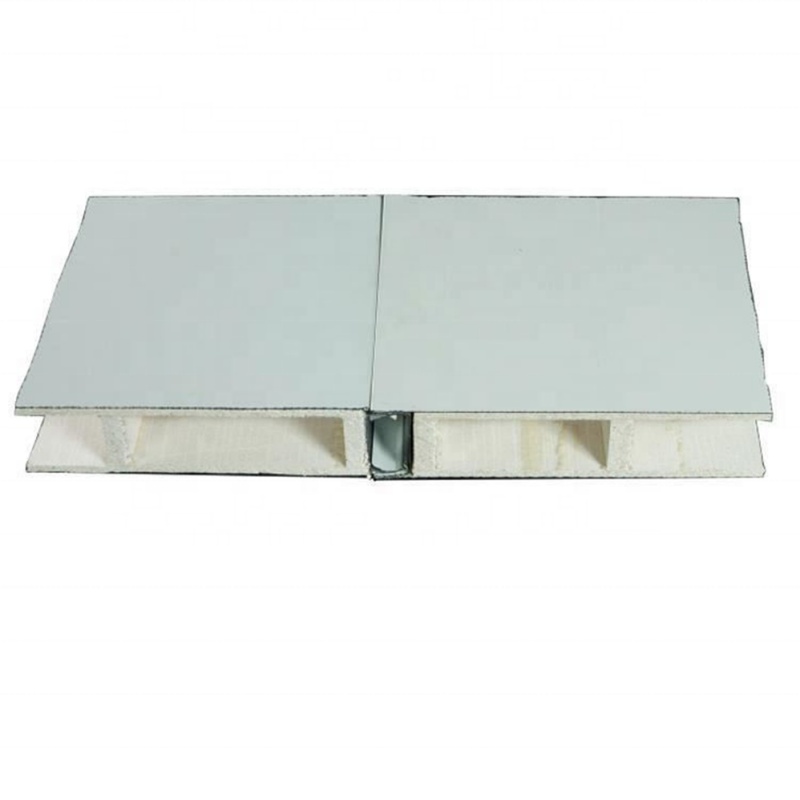
Tuščiavidurių magnio oksido šerdies valymo patalpų plokščių montavimas

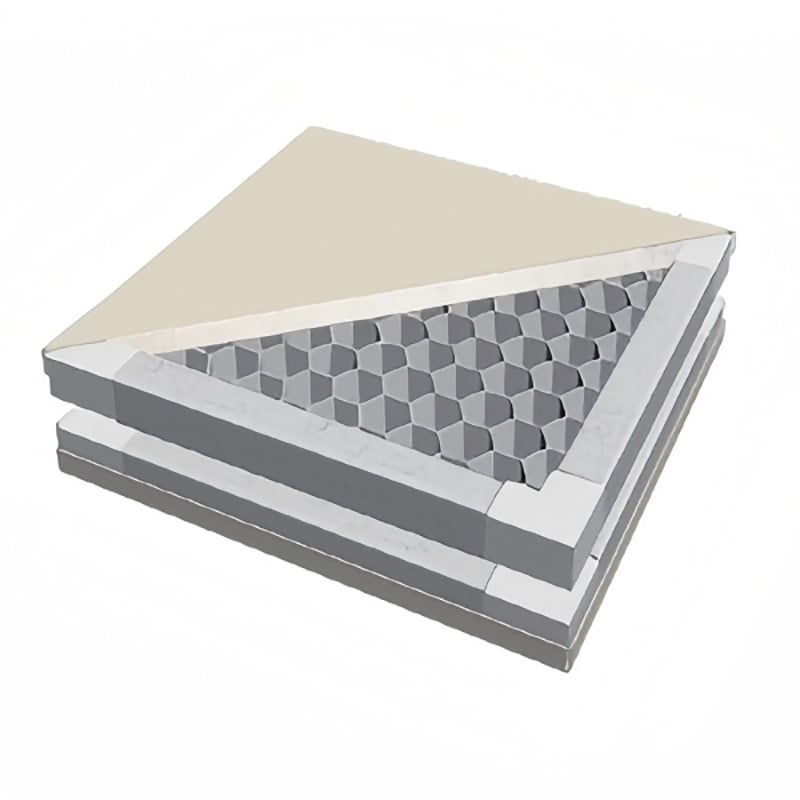
Tuščiavidurės magnio oksido šerdies plokštės paprastai susideda iš šešiakampės arba tinklelio pavidalo tuščios vidinės struktūros, priklijuotos prie magnio oksido paviršiaus plokščių. Dėl mažo svorio jie suteikia santykinai patogų montavimą. Tačiau jų montavimas kelia griežtus reikalavimus pagrindo (pagrindinio sluoksnio) lygumui. Pagrindo paviršius turi būti lygus, sausas ir švarus; jei pagrindo lygumo nuokrypis viršija nustatytą toleranciją (paprastai lygumo paklaida neturi viršyti 5 mm bet kuriame 2 metrų ilgio ruože), valymo patalpų plokštės po montavimo neprisitvirtins tvirtai prie pagrindo, dėl ko atsiras pernelyg platūs plokščių siūlės. Elektronikos valymo patalpų statyboje pernelyg platūs plokščių siūlės leidžia lengvai patekti dulkiams ir kitoms priemaišoms, todėl neįmanoma pasiekti elektronikos gamybai keliamų griežtų aplinkos švaros standartų.

Tvirtinant plokštes dažnai naudojami savisukantys varžtai. Šių varžtų tarpusavio atstumą nustato tam tikri reikalavimai, o patys varžtai paprastai vienodai išdėstyti pagrįstame intervale, kad būtų užtikrintas patikimas plokščių pritvirtinimas. Be to, vienodai svarbu ir plokščių siūlių apdorojimas: jas reikia užpildyti sandarinimo medžiagomis, kad būtų pasiektas veiksmingas sandarinimas ir neleidžiama orui prasiskverbti.
cleanroom panels factory Installation of Rock Wool Core Cleanroom Panels Rock wool core material is manufactured from natural rock through a high-temperature melting process; it is relatively heavy and possesses a certain degree of rigidity. During installation, the load-bearing capacity of the supporting keel structure is of paramount importance. Based on the weight of the panels, the spacing between keels must be designed scientifically and rationally to prevent panel deformation caused by insufficient load-bearing support. For instance, if rock wool cleanroom panels are utilized as wall materials in a large-scale industrial facility with stringent fire safety requirements, setting the keel spacing too wide—given the substantial weight of the rock wool panels—could eventually lead to sagging or deformation of the panels over time, thereby compromising both aesthetic appeal and operational safety.  Furthermore, the cut edges of rock wool panels are prone to generating dust. Consequently, appropriate protective measures must be implemented during installation—such as requiring construction personnel to wear professional dust-proof masks and deploying localized dust extraction equipment in cutting zones—to prevent dust contamination within the cleanroom environment. When joining panels, it is imperative to ensure that the seams are tightly fitted; this is essential for effectively guaranteeing thermal insulation and soundproofing performance. For example, in the construction of medical operating rooms—where noise control standards are exceptionally strict—tightly fitted seams can significantly minimize the intrusion of external noise while simultaneously preventing thermal exchange between the indoor and outdoor environments, thereby maintaining stable indoor temperatures.  Installation of Rock Wool Core Cleanroom Panels  Installation of Polyurethane Core Cleanroom Panels Polyurethane core material consists of a polyurethane foam filling; it offers excellent thermal insulation and sealing properties, combining high structural strength with a moderate weight. During installation, the layout of the supporting keel structure can be adjusted to suit the specific application scenario. For instance, in the construction of a cold storage facility—where thermal insulation requirements are particularly high—the low internal temperatures necessitate cleanroom panels with superior insulating capabilities to minimize energy consumption. In such cases, the keel layout can be flexibly configured based on practical factors such as the spatial structure of the cold storage unit and the positioning of refrigeration equipment.  However, since polyurethane materials may release harmful gases when exposed to high temperatures, the use of open flames must be strictly prohibited during the installation process, and adequate ventilation must be ensured. Additionally, polyurethane panels typically feature a tongue-and-groove interlocking design at their joints; during installation, it is crucial to ensure that these interlocking profiles engage tightly to enhance the overall airtightness of the structure. Taking a food cold storage facility as an example: if the tongue-and-groove joints do not interlock tightly, outside air can easily infiltrate. This may lead to temperature fluctuations within the cold storage area, thereby compromising the effectiveness of food preservation.  Installation of Polyurethane Core Cleanroom Panels  Installation of Hollow Magnesium Oxide Core Cleanroom Panels

Pagrindiniai aliuminio šešėlinio šerdies valymo patalpų plokščių montavimo punktai

Aliuminio šešėlinės struktūros valymo patalpų skydeliai siūlo daug privalumų, tokių kaip aukšta konstrukcinė stiprybė ir puiki paviršiaus lygumas. Montuojant, atsižvelgiant į plokščių svorio santykinai vienodą pasiskirstymą, atraminės grotelės sistemos projektavimas gali būti nustatomas remiantis konkrečiomis plokščių techninėmis charakteristikomis ir aplinkos montavimo sąlygomis. Dideliuose komerciniuose prekybos centruose – ypač projektuose, susijusiuose su centrinės oro kondicionavimo ventiliacijos ortakių apvalkalo įrengimu – naudojant aliuminio šešėlinių ląstelių valymo patalpų plokštes reikia sukurti grotelių sistemą, pritaikytą ventiliacijos ortakių formai ir matmenims bei viso prekybos centro erdviniam išdėstymui.

Sujungiant aliuminio šešėlinių lizdų valymo patalpų plokštes reikia labai didelės tikslumo. Būtina užtikrinti, kad visi sujungimai būtų lygūs ir sandariai užsandarinti, kad būtų pasiektas estetiškai patrauklus išvaizdos įspūdis ir išlaikytos optimalios bendrosios eksploatavimo savybės. Be to, montuojant reikia ypač atsargiai elgtis su plokščių paviršiais; reikia imtis priemonių, kad būtų išvengta bruožų ar smūgių, kurie galėtų pažeisti paviršių ir taip pabloginti tiek vizualinį plokščių vaizdą, tiek jų funkcinę vientisumą.
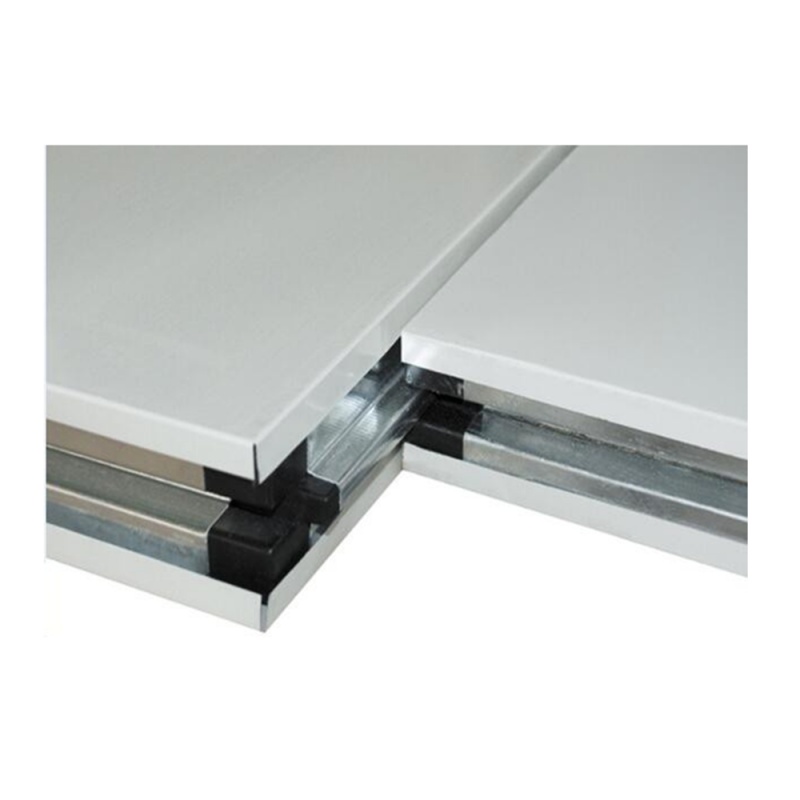
Key Installation Points for Aluminum Honeycomb Core Cleanroom Panels

Magnio oksido ir uolienų vatos šerdies valymo patalpų plokščių montavimo ypatumai

Plokštės su magnio oksido (MgO) ir uolienų vatos šerdimi sujungia abiejų medžiagų skirtingas savybes. Montuojant būtina atsižvelgti į specialius reikalavimus, keliamus dėl akmenų vatos šerdies – ypač jos ugniai atsparumo ir šiluminės izoliacijos savybių – tuo pačiu laiku pritaikant magnio oksido apdailos plokščių unikalias savybes. Fiksuojant plokštes būtina užtikrinti, kad tvirtinimo elementai patikimai prasiskverbtų per magnio oksido plokštę, kad būtų sukurtas patikimas ryšys su atramine grotelėmis, taip užtikrinant visos konstrukcijos struktūrinę stabilumą. Švariosios patalpos statybos projektuose farmacinėse gamyklose netinkamas fiksavimas gali sukelti plokščių atlaisvinimąsi vėlesniuose darbuose, potencialiai dėl tokių veiksnių kaip įrangos virpesiai gamyklos patalpose.

Dėl plokščių siūlių apdorojimo, siūlių tarpai pirma turi būti užpildyti tinkamu sandarinimo medžiaga, o vėliau atliktas tinkamas paviršiaus apdailos darbas, kad būtų užtikrinta tiek siūlių hermetiškumas, tiek jų estetinė vientisumas. Be to, atsižvelgiant į tai, kad magnio oksido plokštės yra jautrios drėgmės sąlygotoms problemoms – pvz., „prakaitavimui“ ar drėgmės migracijai – aukštos drėgmės aplinkoje, montuojant būtina įgyvendinti patikimas drėgmei atsparias priemones; pavyzdžiui, taikyti drėgmei atsparius dangos sluoksnius pagrindo paviršiuje.
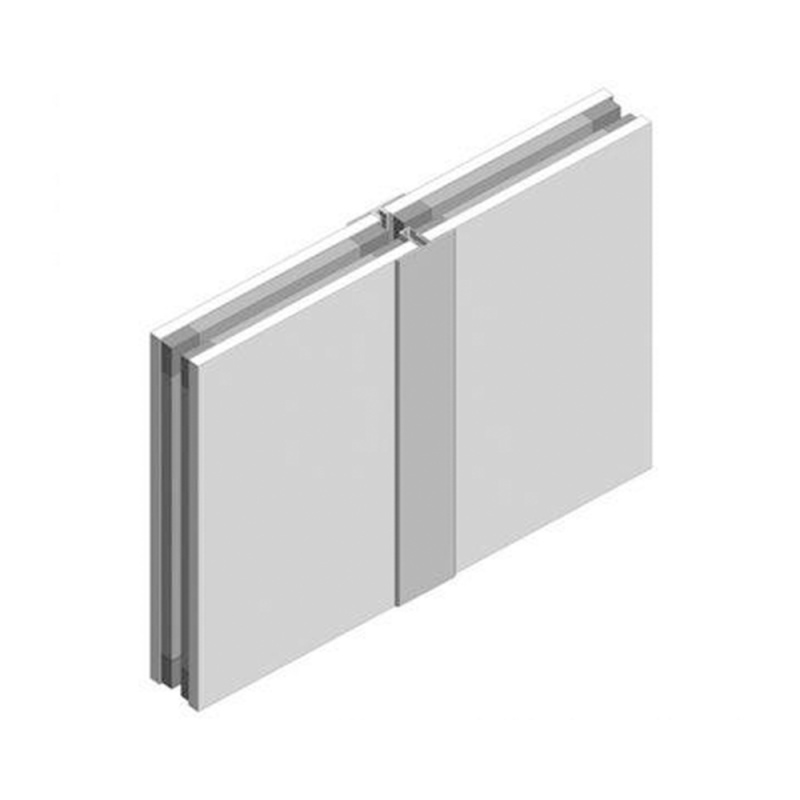
cleanroom panels factory Installation of Rock Wool Core Cleanroom Panels Rock wool core material is manufactured from natural rock through a high-temperature melting process; it is relatively heavy and possesses a certain degree of rigidity. During installation, the load-bearing capacity of the supporting keel structure is of paramount importance. Based on the weight of the panels, the spacing between keels must be designed scientifically and rationally to prevent panel deformation caused by insufficient load-bearing support. For instance, if rock wool cleanroom panels are utilized as wall materials in a large-scale industrial facility with stringent fire safety requirements, setting the keel spacing too wide—given the substantial weight of the rock wool panels—could eventually lead to sagging or deformation of the panels over time, thereby compromising both aesthetic appeal and operational safety.  Furthermore, the cut edges of rock wool panels are prone to generating dust. Consequently, appropriate protective measures must be implemented during installation—such as requiring construction personnel to wear professional dust-proof masks and deploying localized dust extraction equipment in cutting zones—to prevent dust contamination within the cleanroom environment. When joining panels, it is imperative to ensure that the seams are tightly fitted; this is essential for effectively guaranteeing thermal insulation and soundproofing performance. For example, in the construction of medical operating rooms—where noise control standards are exceptionally strict—tightly fitted seams can significantly minimize the intrusion of external noise while simultaneously preventing thermal exchange between the indoor and outdoor environments, thereby maintaining stable indoor temperatures.  Installation of Rock Wool Core Cleanroom Panels  Installation of Polyurethane Core Cleanroom Panels Polyurethane core material consists of a polyurethane foam filling; it offers excellent thermal insulation and sealing properties, combining high structural strength with a moderate weight. During installation, the layout of the supporting keel structure can be adjusted to suit the specific application scenario. For instance, in the construction of a cold storage facility—where thermal insulation requirements are particularly high—the low internal temperatures necessitate cleanroom panels with superior insulating capabilities to minimize energy consumption. In such cases, the keel layout can be flexibly configured based on practical factors such as the spatial structure of the cold storage unit and the positioning of refrigeration equipment.  However, since polyurethane materials may release harmful gases when exposed to high temperatures, the use of open flames must be strictly prohibited during the installation process, and adequate ventilation must be ensured. Additionally, polyurethane panels typically feature a tongue-and-groove interlocking design at their joints; during installation, it is crucial to ensure that these interlocking profiles engage tightly to enhance the overall airtightness of the structure. Taking a food cold storage facility as an example: if the tongue-and-groove joints do not interlock tightly, outside air can easily infiltrate. This may lead to temperature fluctuations within the cold storage area, thereby compromising the effectiveness of food preservation.  Installation of Polyurethane Core Cleanroom Panels  Installation of Hollow Magnesium Oxide Core Cleanroom Panels Hollow magnesium oxide core panels typically consist of a honeycomb or grid-like hollow internal structure bonded to magnesium oxide faceboards. Being lightweight, they offer relatively convenient installation. However, their installation places stringent demands on the flatness of the substrate (base layer). The substrate surface must be flat, dry, and clean; if the flatness deviation of the substrate exceeds the specified tolerance (generally, the flatness error must not exceed 5 mm within any 2-meter span), the cleanroom panels will fail to adhere tightly to the substrate after installation, resulting in excessively wide panel seams. In the construction of electronic cleanrooms, if panel seams are too wide, dust and other impurities can easily enter, making it impossible to meet the rigorous environmental cleanliness standards required for electronics manufacturing.  When securing the panels, methods such as self-tapping screws are typically employed. Specific requirements govern the spacing of these screws, which are generally distributed uniformly within a reasonable range to ensure the panels are firmly anchored. Furthermore, the treatment of panel seams is equally critical; they must be filled with sealing materials to ensure an effective seal and prevent air leakage.  cleanroom panels factory Installation of Rock Wool Core Cleanroom Panels Rock wool core material is manufactured from natural rock through a high-temperature melting process; it is relatively heavy and possesses a certain degree of rigidity. During installation, the load-bearing capacity of the supporting keel structure is of paramount importance. Based on the weight of the panels, the spacing between keels must be designed scientifically and rationally to prevent panel deformation caused by insufficient load-bearing support. For instance, if rock wool cleanroom panels are utilized as wall materials in a large-scale industrial facility with stringent fire safety requirements, setting the keel spacing too wide—given the substantial weight of the rock wool panels—could eventually lead to sagging or deformation of the panels over time, thereby compromising both aesthetic appeal and operational safety.  Furthermore, the cut edges of rock wool panels are prone to generating dust. Consequently, appropriate protective measures must be implemented during installation—such as requiring construction personnel to wear professional dust-proof masks and deploying localized dust extraction equipment in cutting zones—to prevent dust contamination within the cleanroom environment. When joining panels, it is imperative to ensure that the seams are tightly fitted; this is essential for effectively guaranteeing thermal insulation and soundproofing performance. For example, in the construction of medical operating rooms—where noise control standards are exceptionally strict—tightly fitted seams can significantly minimize the intrusion of external noise while simultaneously preventing thermal exchange between the indoor and outdoor environments, thereby maintaining stable indoor temperatures.  Installation of Rock Wool Core Cleanroom Panels  Installation of Polyurethane Core Cleanroom Panels Polyurethane core material consists of a polyurethane foam filling; it offers excellent thermal insulation and sealing properties, combining high structural strength with a moderate weight. During installation, the layout of the supporting keel structure can be adjusted to suit the specific application scenario. For instance, in the construction of a cold storage facility—where thermal insulation requirements are particularly high—the low internal temperatures necessitate cleanroom panels with superior insulating capabilities to minimize energy consumption. In such cases, the keel layout can be flexibly configured based on practical factors such as the spatial structure of the cold storage unit and the positioning of refrigeration equipment.  However, since polyurethane materials may release harmful gases when exposed to high temperatures, the use of open flames must be strictly prohibited during the installation process, and adequate ventilation must be ensured. Additionally, polyurethane panels typically feature a tongue-and-groove interlocking design at their joints; during installation, it is crucial to ensure that these interlocking profiles engage tightly to enhance the overall airtightness of the structure. Taking a food cold storage facility as an example: if the tongue-and-groove joints do not interlock tightly, outside air can easily infiltrate. This may lead to temperature fluctuations within the cold storage area, thereby compromising the effectiveness of food preservation.  Installation of Polyurethane Core Cleanroom Panels  Installation of Hollow Magnesium Oxide Core Cleanroom Panels  Key Installation Points for Aluminum Honeycomb Core Cleanroom Panels Aluminum honeycomb core cleanroom panels offer numerous advantages, such as high structural strength and excellent surface flatness. During installation, given the relatively uniform distribution of the panels' weight, the design of the supporting keel system can be determined based on the specific panel specifications and the ambient installation environment. In large-scale commercial shopping malls—specifically for projects involving the enclosure of central air conditioning ventilation ducts—the use of aluminum honeycomb cleanroom panels necessitates a keel design tailored to the shape and dimensions of the ventilation ducts, as well as the overall spatial layout of the mall.  When splicing aluminum honeycomb cleanroom panels, a high degree of precision is required. It is essential to ensure that all joints are flat and tightly sealed to achieve an aesthetically pleasing appearance and maintain optimal overall performance. Furthermore, during the installation process, great care must be taken to protect the panel surfaces; precautions should be implemented to prevent scratches or impacts that could cause surface damage, thereby compromising both the visual appeal and the functional integrity of the panels.  Key Installation Points for Aluminum Honeycomb Core Cleanroom Panels  Installation Considerations for Magnesium Oxide Rock Wool Core Cleanroom Panels

Montuojant valymo plokštes su skirtingomis šerdies medžiagomis, būtina taikyti specialius priemones – pritaikytas šerdies medžiagos savybėms – dėl karkaso projektavimo, drėgmės ir ugnies apsaugos apdorojimų, plokščių sujungimo bei apsaugos nuo pažeidimų priemones. Tai užtikrina montavimo kokybę ir leidžia valymo plokštėms veikti maksimaliu našumu. Realiose inžinerinėse projektuose valymo plokščių su tinkamomis šerdies medžiagomis pasirinkimas turėtų remtis visapusiška įvertinimu, įskaitant konkrečią taikymo aplinką, aplinkos reikalavimus ir biudžetą; be to, statybos darbai turi būti atliekami griežtai laikantis atitinkamų montavimo nurodymų.
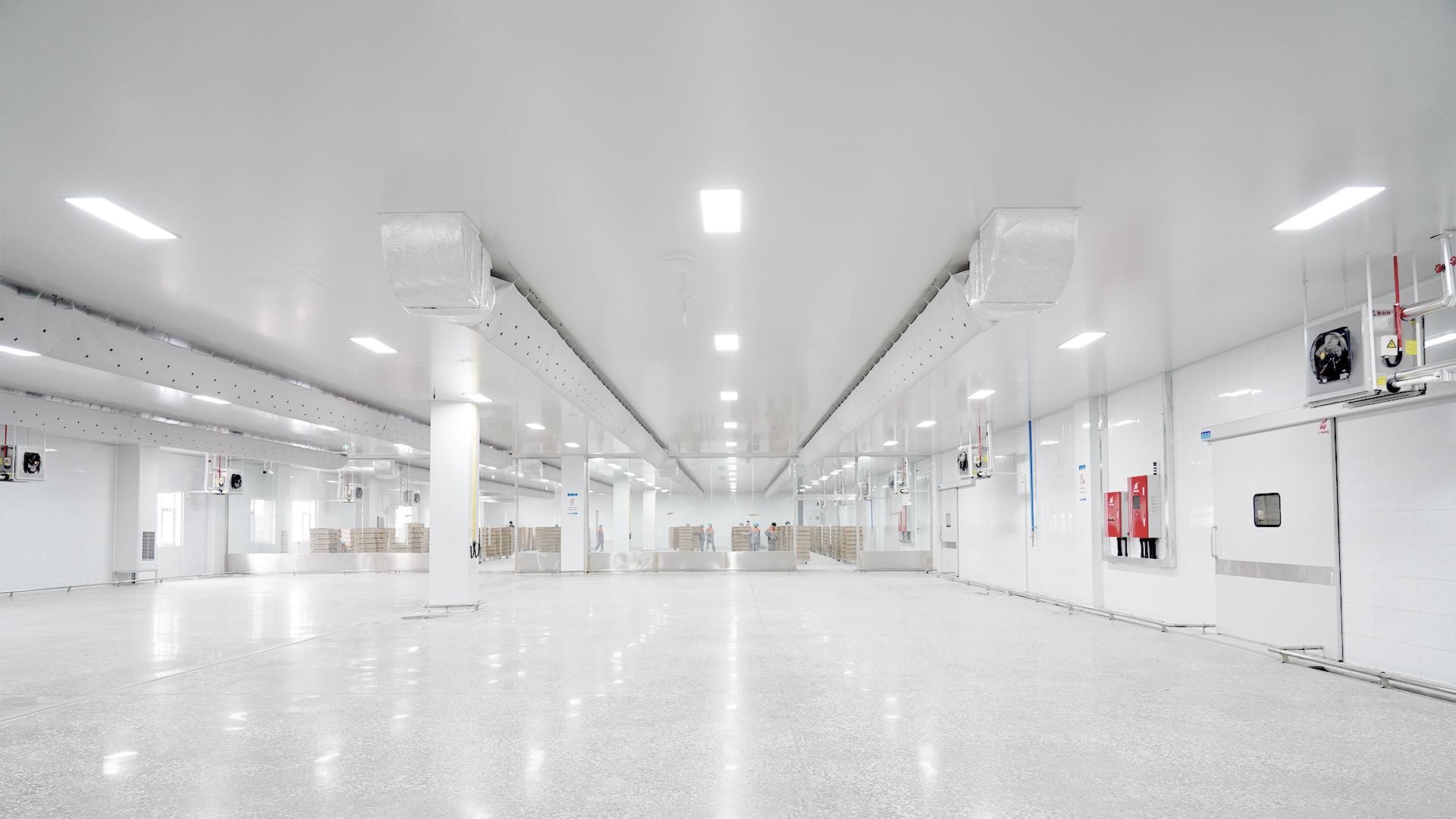
Cleanroom Enclosure System for Shandong Boda Food (1).jpg

Gaukite nemokamą pasiūlymą savo projektui

Ar tai būtų plieninė gamykla, šaldymo patalpa ar švariosios patalpos sistema – mes siūlome konkurencingas gamyklinio lygio kainas ir profesionalų projektavimą.
El. pašto adresas
Vardas
Mobilusis telefonas / WhatsApp
Įmonės pavadinimas
Žinutė
0/1000