Dapatkan Sebut Harga Percuma Untuk Projek Anda

Sama ada bengkel keluli, stor sejuk, atau sistem bilik bersih, kami menawarkan harga kilang yang kompetitif dan rekabentuk profesional.
Emel
Nama
Mudah Alih/WhatsApp
Nama Syarikat
Mesej
0/1000

Berita Industri

Laman Utama >  Sumber >  Berita Industri

Adakah terdapat perbezaan dalam pemasangan panel bilik bersih dengan bahan teras yang berbeza

Apr 14, 2026

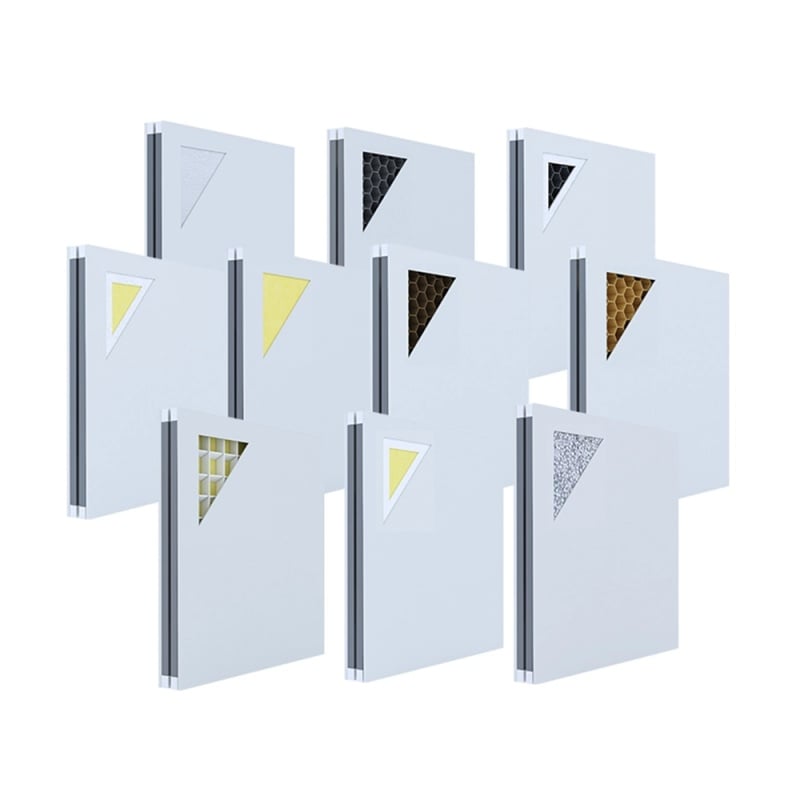
Panel bilik bersih digunakan secara meluas dalam industri yang mempunyai keperluan alam sekitar yang ketat—seperti elektronik, farmaseutikal, dan pemprosesan makanan—di mana panel ini berfungsi untuk mencipta persekitaran ruang yang bersih dan higienis. Panel-panel ini menampilkan pelbagai jenis bahan teras, dengan varieti yang biasa termasuk wool batu, magnesium oksida berongga, sarang lebah aluminium, dan komposit magnesium oksida–wool batu. Memandangkan sifat-sifat unik yang melekat pada setiap jenis bahan teras, proses pemasangan pelbagai panel bilik bersih ini memang menunjukkan banyak perbezaan.
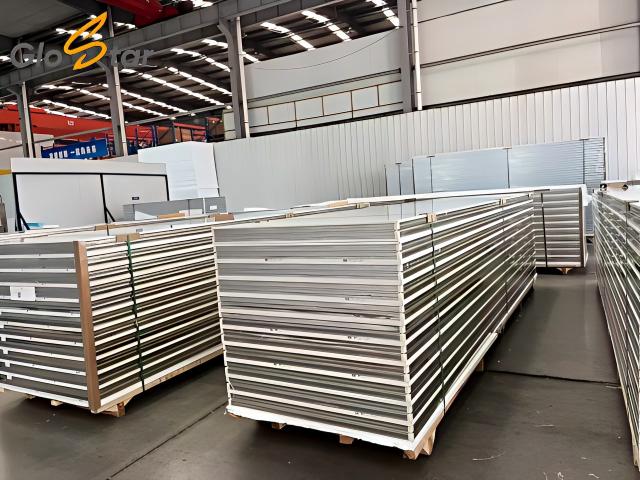
cleanroom panels factory

Pemasangan Panel Bilik Bersih dengan Teras Wool Batu

Bahan teras batu kapur dihasilkan daripada batu semula jadi melalui proses peleburan suhu tinggi; bahan ini relatif berat dan mempunyai tahap ketegaran tertentu. Semasa pemasangan, keupayaan menanggung beban struktur rangka sokongan adalah sangat penting. Berdasarkan berat panel-panel tersebut, jarak antara rangka sokongan mesti direka secara saintifik dan rasional untuk mengelakkan ubah bentuk panel akibat sokongan beban yang tidak mencukupi. Sebagai contoh, jika panel ruang bersih batu wol digunakan sebagai bahan dinding dalam sebuah kemudahan industri berskala besar dengan keperluan keselamatan kebakaran yang ketat, penetapan jarak rangka sokongan yang terlalu luas—memandangkan berat panel batu kapur yang besar—boleh akhirnya menyebabkan panel menjadi lesap atau berubah bentuk dari masa ke semasa, seterusnya menjejaskan daya tarikan estetik serta keselamatan operasi.

Selain itu, tepi potongan panel batu wol cenderung menghasilkan habuk. Oleh sebab itu, langkah-langkah perlindungan yang sesuai mesti dilaksanakan semasa pemasangan—seperti mewajibkan pekerja pembinaan memakai pelindung hidung profesional tahan habuk dan memasang peralatan ekstraksi habuk setempat di kawasan pemotongan—untuk mengelakkan pencemaran habuk dalam persekitaran bilik bersih. Apabila menyambungkan panel, adalah wajib memastikan bahawa sambungan-sambungan tersebut rapat; ini penting untuk menjamin secara berkesan prestasi penebatan haba dan kedap bunyi. Sebagai contoh, dalam pembinaan bilik pembedahan perubatan—di mana piawaian kawalan bunyi sangat ketat—sambungan yang rapat dapat mengurangkan secara ketara gangguan bunyi luaran sekaligus menghalang pertukaran haba antara persekitaran dalaman dan luaran, dengan demikian mengekalkan suhu dalaman yang stabil.
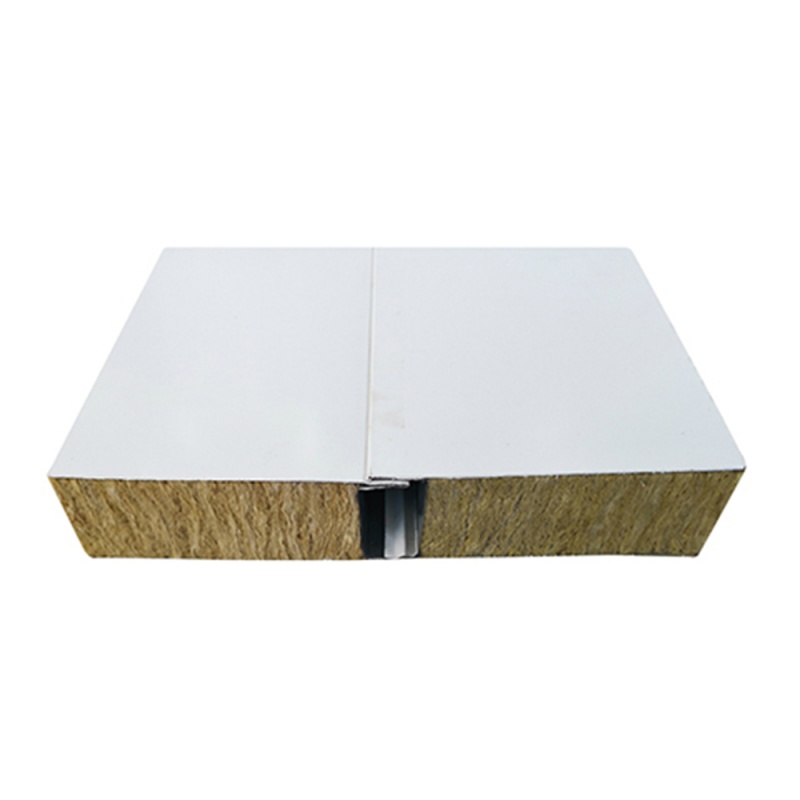
Installation of Rock Wool Core Cleanroom Panels

Pemasangan Panel Bilik Bersih Berinti Poliuretana

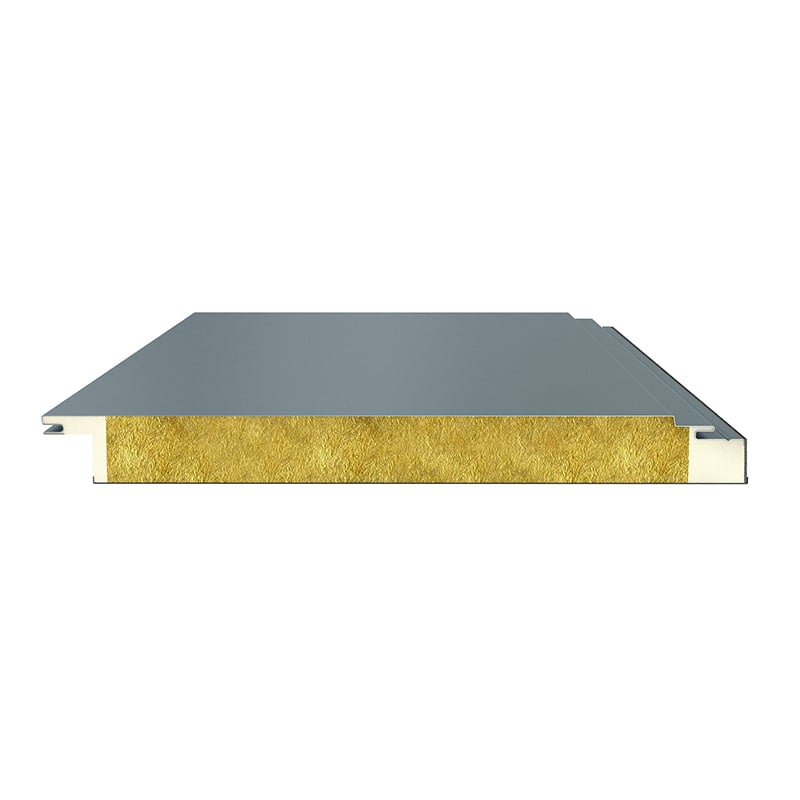
Bahan teras poliuretana terdiri daripada penucih busa poliuretana; bahan ini menawarkan sifat penebatan haba dan pengedap yang sangat baik, menggabungkan kekuatan struktur yang tinggi dengan berat yang sederhana. Semasa pemasangan, susunan struktur rangka sokongan boleh dilaraskan untuk menyesuaikan dengan senario aplikasi tertentu. Sebagai contoh, dalam pembinaan kemudahan storan sejuk—di mana keperluan penebatan haba adalah sangat tinggi—suhu dalaman yang rendah memerlukan panel bilik bersih dengan keupayaan penebatan yang unggul bagi meminimumkan penggunaan tenaga. Dalam kes sedemikian, susunan rangka boleh dikonfigurasikan secara fleksibel berdasarkan faktor praktikal seperti struktur ruang unit storan sejuk dan kedudukan peralatan penyejukan.

Walau bagaimanapun, memandangkan bahan poliuretana boleh membebaskan gas berbahaya apabila terdedah kepada suhu tinggi, penggunaan nyalaan terbuka mesti dilarang sepenuhnya semasa proses pemasangan, dan pengudaraan yang mencukupi mesti dijamin. Selain itu, panel poliuretana biasanya dilengkapi dengan reka bentuk saling kait berbentuk lidah-dan-alur pada sambungannya; semasa pemasangan, adalah penting untuk memastikan profil saling kait ini terpasang rapat bagi meningkatkan ketidakberanginan keseluruhan struktur. Sebagai contoh, pada kemudahan storan sejuk makanan: jika sambungan lidah-dan-alur tidak terpasang rapat, udara luar boleh dengan mudah meresap masuk. Ini boleh menyebabkan pelbagai perubahan suhu dalam kawasan storan sejuk, seterusnya menjejaskan keberkesanan pengawetan makanan.
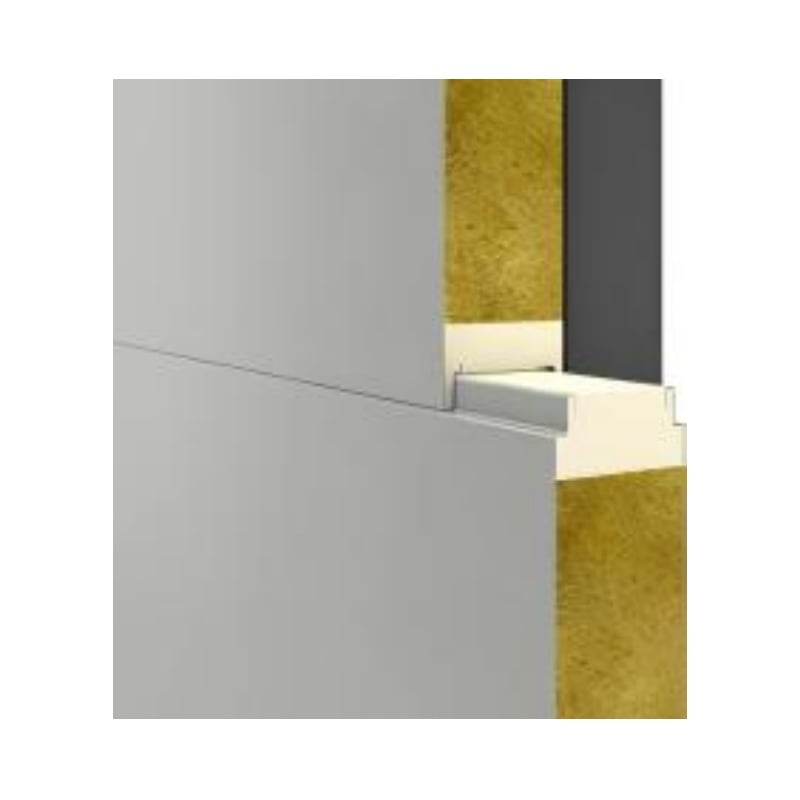
Installation of Polyurethane Core Cleanroom Panels

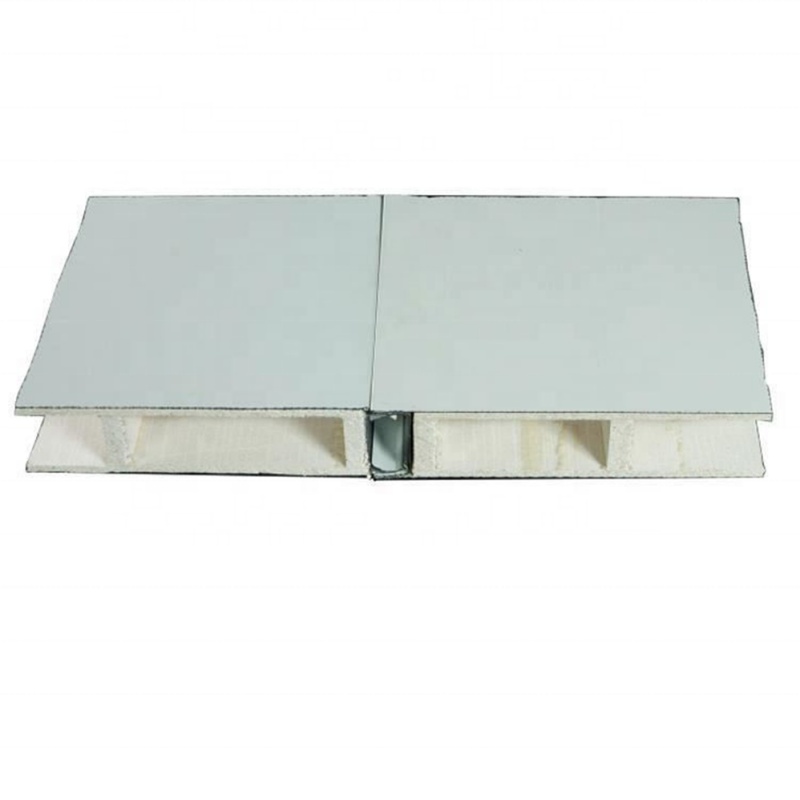
Pemasangan Panel Bilik Bersih Berteras Magnesium Oksida Berongga

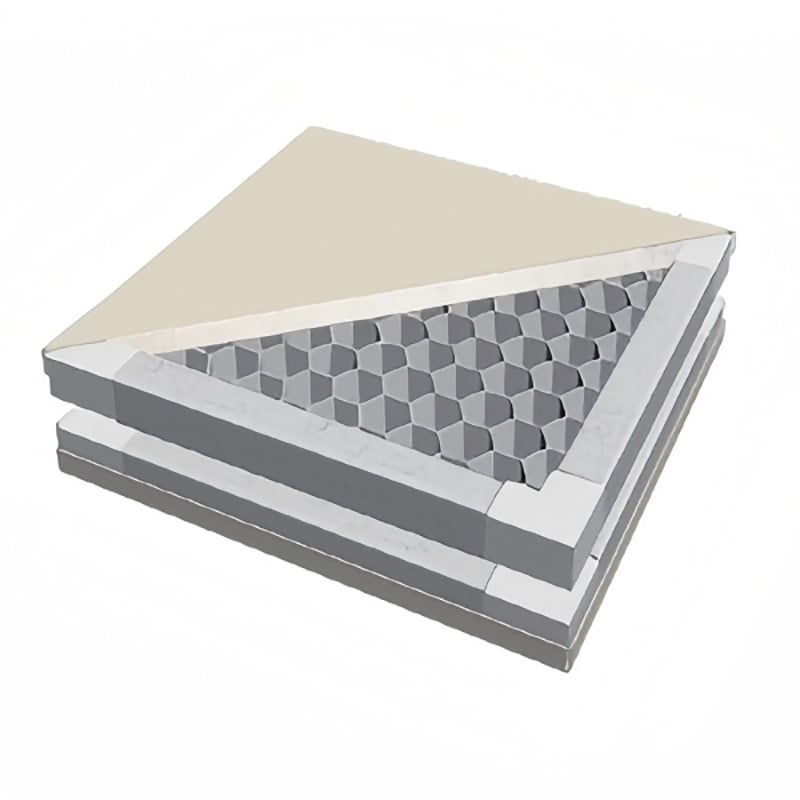
Panel berteras magnesium oksida berongga biasanya terdiri daripada struktur dalaman berongga berbentuk sarang lebah atau jejaring yang dilekatkan pada papan muka magnesium oksida. Memandangkan ringan, panel ini menawarkan pemasangan yang relatif mudah. Namun, pemasangannya menuntut ketepatan yang ketat terhadap kerataan substrat (lapisan asas). Permukaan substrat mesti rata, kering, dan bersih; jika sisihan kerataan substrat melebihi toleransi yang ditetapkan (secara umumnya, ralat kerataan tidak boleh melebihi 5 mm dalam rentang mana-mana 2 meter), panel bilik bersih tidak akan melekat dengan ketat pada substrat selepas pemasangan, mengakibatkan sambungan antara panel menjadi terlalu lebar. Dalam pembinaan bilik bersih elektronik, jika sambungan panel terlalu lebar, habuk dan bendasing lain boleh dengan mudah masuk, sehingga tidak memungkinkan pemenuhan piawaian kebersihan alam sekitar yang ketat yang diperlukan dalam pembuatan peralatan elektronik.

Apabila memasang panel-panel tersebut, kaedah seperti skru pengetat sendiri biasanya digunakan. Keperluan khusus mengawal jarak antara skru-skru ini, yang secara umumnya diedarkan secara seragam dalam julat yang munasabah untuk memastikan panel-panel tersebut dijangkarkan dengan kukuh. Selain itu, rawatan pada sambungan panel juga sama penting; sambungan tersebut mesti diisi dengan bahan pengedap untuk memastikan kedap yang berkesan dan mengelakkan kebocoran udara.
cleanroom panels factory Installation of Rock Wool Core Cleanroom Panels Rock wool core material is manufactured from natural rock through a high-temperature melting process; it is relatively heavy and possesses a certain degree of rigidity. During installation, the load-bearing capacity of the supporting keel structure is of paramount importance. Based on the weight of the panels, the spacing between keels must be designed scientifically and rationally to prevent panel deformation caused by insufficient load-bearing support. For instance, if rock wool cleanroom panels are utilized as wall materials in a large-scale industrial facility with stringent fire safety requirements, setting the keel spacing too wide—given the substantial weight of the rock wool panels—could eventually lead to sagging or deformation of the panels over time, thereby compromising both aesthetic appeal and operational safety.  Furthermore, the cut edges of rock wool panels are prone to generating dust. Consequently, appropriate protective measures must be implemented during installation—such as requiring construction personnel to wear professional dust-proof masks and deploying localized dust extraction equipment in cutting zones—to prevent dust contamination within the cleanroom environment. When joining panels, it is imperative to ensure that the seams are tightly fitted; this is essential for effectively guaranteeing thermal insulation and soundproofing performance. For example, in the construction of medical operating rooms—where noise control standards are exceptionally strict—tightly fitted seams can significantly minimize the intrusion of external noise while simultaneously preventing thermal exchange between the indoor and outdoor environments, thereby maintaining stable indoor temperatures.  Installation of Rock Wool Core Cleanroom Panels  Installation of Polyurethane Core Cleanroom Panels Polyurethane core material consists of a polyurethane foam filling; it offers excellent thermal insulation and sealing properties, combining high structural strength with a moderate weight. During installation, the layout of the supporting keel structure can be adjusted to suit the specific application scenario. For instance, in the construction of a cold storage facility—where thermal insulation requirements are particularly high—the low internal temperatures necessitate cleanroom panels with superior insulating capabilities to minimize energy consumption. In such cases, the keel layout can be flexibly configured based on practical factors such as the spatial structure of the cold storage unit and the positioning of refrigeration equipment.  However, since polyurethane materials may release harmful gases when exposed to high temperatures, the use of open flames must be strictly prohibited during the installation process, and adequate ventilation must be ensured. Additionally, polyurethane panels typically feature a tongue-and-groove interlocking design at their joints; during installation, it is crucial to ensure that these interlocking profiles engage tightly to enhance the overall airtightness of the structure. Taking a food cold storage facility as an example: if the tongue-and-groove joints do not interlock tightly, outside air can easily infiltrate. This may lead to temperature fluctuations within the cold storage area, thereby compromising the effectiveness of food preservation.  Installation of Polyurethane Core Cleanroom Panels  Installation of Hollow Magnesium Oxide Core Cleanroom Panels

Titik Pemasangan Utama untuk Panel Bilik Bersih Berteras Aluminium Honeycomb

Panel Bilik Bersih Sarang Lebah Aluminium menawarkan banyak kelebihan, seperti kekuatan struktural yang tinggi dan rataan permukaan yang sangat baik. Semasa pemasangan, memandangkan taburan berat panel yang relatif seragam, rekabentuk sistem rangka sokongan boleh ditentukan berdasarkan spesifikasi panel tertentu dan persekitaran pemasangan sekitar. Di pusat beli-belah komersial berskala besar—khususnya untuk projek yang melibatkan pembungkusan saluran pengudaraan pendingin hawa pusat—penggunaan panel bilik bersih berinti sarang lebah aluminium memerlukan rekabentuk rangka yang disesuaikan dengan bentuk dan dimensi saluran pengudaraan serta susun atur ruang keseluruhan pusat beli-belah tersebut.

Apabila menyambung panel bilik bersih berinti sarang lebah aluminium, tahap ketepatan yang tinggi diperlukan. Adalah penting untuk memastikan semua sambungan rata dan kedap rapat bagi mencapai rupa yang menarik secara estetik serta mengekalkan prestasi keseluruhan yang optimum. Selain itu, semasa proses pemasangan, penjagaan yang teliti mesti diambil terhadap permukaan panel; langkah-langkah pencegahan perlu dilaksanakan untuk mengelakkan calar atau hentaman yang boleh menyebabkan kerosakan pada permukaan, seterusnya menjejaskan daya tarikan visual dan integriti fungsional panel.
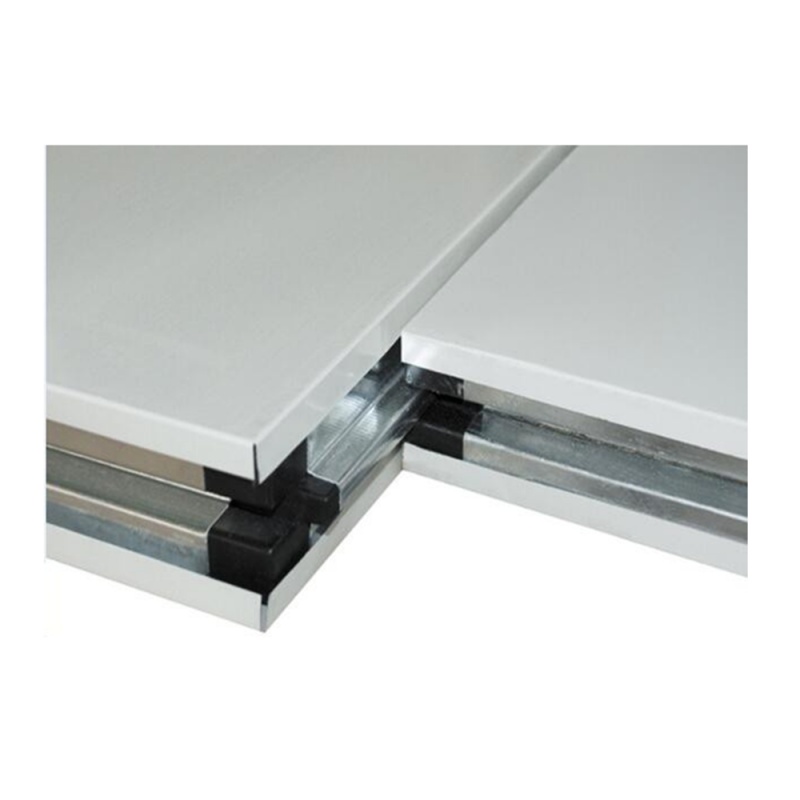
Key Installation Points for Aluminum Honeycomb Core Cleanroom Panels

Pertimbangan Pemasangan untuk Panel Bilik Bersih Berinti Magnesium Oksida dan Bulu Batu

Panel yang mempunyai inti magnesium oksida (MgO) dan bulu batu menggabungkan ciri-ciri unik kedua-dua bahan tersebut. Semasa pemasangan, adalah penting untuk mengambil kira keperluan khusus yang ditetapkan oleh teras wool batu—terutamanya dari segi rintangan api dan sifat penebatan haba—sambil pada masa yang sama memenuhi ciri-ciri unik papan penutup magnesium oksida. Apabila memasang panel-panel tersebut, adalah kritikal untuk memastikan bahawa pengikat menembusi secara kukuh melalui papan magnesium oksida bagi membentuk sambungan yang mantap dengan rangka sokongan, seterusnya menjamin kestabilan struktur keseluruhan pemasangan tersebut. Dalam projek pembinaan bilik bersih di kemudahan pembuatan farmaseutikal, pemasangan pengikat yang tidak mencukupi boleh menyebabkan panel menjadi longgar semasa operasi seterusnya, yang berpotensi dipicu oleh faktor-faktor seperti getaran peralatan di dalam bengkel.

Mengenai rawatan sambungan panel, celah-celah tersebut mesti terlebih dahulu diisi dengan bahan pengedap yang sesuai, diikuti dengan penyelesaian permukaan yang sesuai, bagi memastikan kedap udara dan kesinambungan estetik pada sambungan tersebut. Selain itu, memandangkan papan magnesium oksida mudah terjejas oleh isu-isu berkaitan lembapan—seperti "berpeluh" atau penghijauan lembapan—dalam persekitaran berlembapan tinggi, langkah-langkah ketat untuk menghalang lembapan mesti dilaksanakan semasa pemasangan; contohnya termasuklah mengaplikasikan salutan tahan lembapan pada substrat di bawahnya.
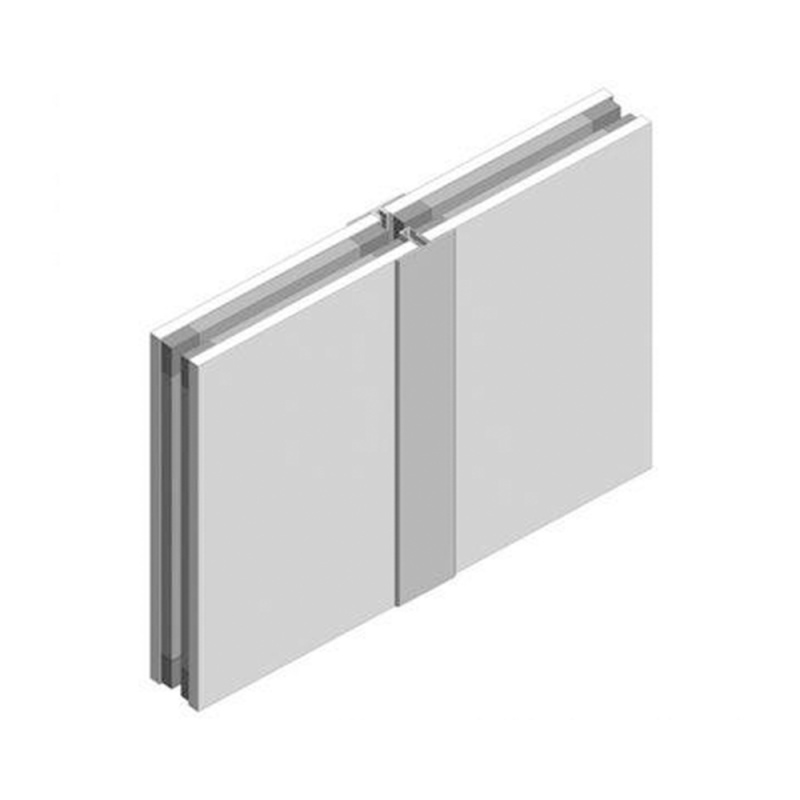
cleanroom panels factory Installation of Rock Wool Core Cleanroom Panels Rock wool core material is manufactured from natural rock through a high-temperature melting process; it is relatively heavy and possesses a certain degree of rigidity. During installation, the load-bearing capacity of the supporting keel structure is of paramount importance. Based on the weight of the panels, the spacing between keels must be designed scientifically and rationally to prevent panel deformation caused by insufficient load-bearing support. For instance, if rock wool cleanroom panels are utilized as wall materials in a large-scale industrial facility with stringent fire safety requirements, setting the keel spacing too wide—given the substantial weight of the rock wool panels—could eventually lead to sagging or deformation of the panels over time, thereby compromising both aesthetic appeal and operational safety.  Furthermore, the cut edges of rock wool panels are prone to generating dust. Consequently, appropriate protective measures must be implemented during installation—such as requiring construction personnel to wear professional dust-proof masks and deploying localized dust extraction equipment in cutting zones—to prevent dust contamination within the cleanroom environment. When joining panels, it is imperative to ensure that the seams are tightly fitted; this is essential for effectively guaranteeing thermal insulation and soundproofing performance. For example, in the construction of medical operating rooms—where noise control standards are exceptionally strict—tightly fitted seams can significantly minimize the intrusion of external noise while simultaneously preventing thermal exchange between the indoor and outdoor environments, thereby maintaining stable indoor temperatures.  Installation of Rock Wool Core Cleanroom Panels  Installation of Polyurethane Core Cleanroom Panels Polyurethane core material consists of a polyurethane foam filling; it offers excellent thermal insulation and sealing properties, combining high structural strength with a moderate weight. During installation, the layout of the supporting keel structure can be adjusted to suit the specific application scenario. For instance, in the construction of a cold storage facility—where thermal insulation requirements are particularly high—the low internal temperatures necessitate cleanroom panels with superior insulating capabilities to minimize energy consumption. In such cases, the keel layout can be flexibly configured based on practical factors such as the spatial structure of the cold storage unit and the positioning of refrigeration equipment.  However, since polyurethane materials may release harmful gases when exposed to high temperatures, the use of open flames must be strictly prohibited during the installation process, and adequate ventilation must be ensured. Additionally, polyurethane panels typically feature a tongue-and-groove interlocking design at their joints; during installation, it is crucial to ensure that these interlocking profiles engage tightly to enhance the overall airtightness of the structure. Taking a food cold storage facility as an example: if the tongue-and-groove joints do not interlock tightly, outside air can easily infiltrate. This may lead to temperature fluctuations within the cold storage area, thereby compromising the effectiveness of food preservation.  Installation of Polyurethane Core Cleanroom Panels  Installation of Hollow Magnesium Oxide Core Cleanroom Panels Hollow magnesium oxide core panels typically consist of a honeycomb or grid-like hollow internal structure bonded to magnesium oxide faceboards. Being lightweight, they offer relatively convenient installation. However, their installation places stringent demands on the flatness of the substrate (base layer). The substrate surface must be flat, dry, and clean; if the flatness deviation of the substrate exceeds the specified tolerance (generally, the flatness error must not exceed 5 mm within any 2-meter span), the cleanroom panels will fail to adhere tightly to the substrate after installation, resulting in excessively wide panel seams. In the construction of electronic cleanrooms, if panel seams are too wide, dust and other impurities can easily enter, making it impossible to meet the rigorous environmental cleanliness standards required for electronics manufacturing.  When securing the panels, methods such as self-tapping screws are typically employed. Specific requirements govern the spacing of these screws, which are generally distributed uniformly within a reasonable range to ensure the panels are firmly anchored. Furthermore, the treatment of panel seams is equally critical; they must be filled with sealing materials to ensure an effective seal and prevent air leakage.  cleanroom panels factory Installation of Rock Wool Core Cleanroom Panels Rock wool core material is manufactured from natural rock through a high-temperature melting process; it is relatively heavy and possesses a certain degree of rigidity. During installation, the load-bearing capacity of the supporting keel structure is of paramount importance. Based on the weight of the panels, the spacing between keels must be designed scientifically and rationally to prevent panel deformation caused by insufficient load-bearing support. For instance, if rock wool cleanroom panels are utilized as wall materials in a large-scale industrial facility with stringent fire safety requirements, setting the keel spacing too wide—given the substantial weight of the rock wool panels—could eventually lead to sagging or deformation of the panels over time, thereby compromising both aesthetic appeal and operational safety.  Furthermore, the cut edges of rock wool panels are prone to generating dust. Consequently, appropriate protective measures must be implemented during installation—such as requiring construction personnel to wear professional dust-proof masks and deploying localized dust extraction equipment in cutting zones—to prevent dust contamination within the cleanroom environment. When joining panels, it is imperative to ensure that the seams are tightly fitted; this is essential for effectively guaranteeing thermal insulation and soundproofing performance. For example, in the construction of medical operating rooms—where noise control standards are exceptionally strict—tightly fitted seams can significantly minimize the intrusion of external noise while simultaneously preventing thermal exchange between the indoor and outdoor environments, thereby maintaining stable indoor temperatures.  Installation of Rock Wool Core Cleanroom Panels  Installation of Polyurethane Core Cleanroom Panels Polyurethane core material consists of a polyurethane foam filling; it offers excellent thermal insulation and sealing properties, combining high structural strength with a moderate weight. During installation, the layout of the supporting keel structure can be adjusted to suit the specific application scenario. For instance, in the construction of a cold storage facility—where thermal insulation requirements are particularly high—the low internal temperatures necessitate cleanroom panels with superior insulating capabilities to minimize energy consumption. In such cases, the keel layout can be flexibly configured based on practical factors such as the spatial structure of the cold storage unit and the positioning of refrigeration equipment.  However, since polyurethane materials may release harmful gases when exposed to high temperatures, the use of open flames must be strictly prohibited during the installation process, and adequate ventilation must be ensured. Additionally, polyurethane panels typically feature a tongue-and-groove interlocking design at their joints; during installation, it is crucial to ensure that these interlocking profiles engage tightly to enhance the overall airtightness of the structure. Taking a food cold storage facility as an example: if the tongue-and-groove joints do not interlock tightly, outside air can easily infiltrate. This may lead to temperature fluctuations within the cold storage area, thereby compromising the effectiveness of food preservation.  Installation of Polyurethane Core Cleanroom Panels  Installation of Hollow Magnesium Oxide Core Cleanroom Panels  Key Installation Points for Aluminum Honeycomb Core Cleanroom Panels Aluminum honeycomb core cleanroom panels offer numerous advantages, such as high structural strength and excellent surface flatness. During installation, given the relatively uniform distribution of the panels' weight, the design of the supporting keel system can be determined based on the specific panel specifications and the ambient installation environment. In large-scale commercial shopping malls—specifically for projects involving the enclosure of central air conditioning ventilation ducts—the use of aluminum honeycomb cleanroom panels necessitates a keel design tailored to the shape and dimensions of the ventilation ducts, as well as the overall spatial layout of the mall.  When splicing aluminum honeycomb cleanroom panels, a high degree of precision is required. It is essential to ensure that all joints are flat and tightly sealed to achieve an aesthetically pleasing appearance and maintain optimal overall performance. Furthermore, during the installation process, great care must be taken to protect the panel surfaces; precautions should be implemented to prevent scratches or impacts that could cause surface damage, thereby compromising both the visual appeal and the functional integrity of the panels.  Key Installation Points for Aluminum Honeycomb Core Cleanroom Panels  Installation Considerations for Magnesium Oxide Rock Wool Core Cleanroom Panels

Apabila memasang panel pembersihan dengan bahan teras yang berbeza, langkah-langkah khusus mesti diambil—yang disesuaikan mengikut ciri-ciri bahan teras tersebut—berkaitan rekabentuk rangka, rawatan perlindungan terhadap kelembapan dan api, sambungan panel, serta langkah-langkah keselamatan semasa pengendalian. Ini memastikan kualiti pemasangan dan membolehkan panel pembersihan berfungsi pada prestasi maksimumnya. Dalam projek kejuruteraan sebenar, pemilihan panel pembersihan dengan bahan teras yang sesuai harus berdasarkan penilaian menyeluruh terhadap faktor-faktor seperti senario aplikasi spesifik, keperluan persekitaran, dan bajet; selain itu, kerja pembinaan mesti dilaksanakan secara ketat mengikut garis panduan pemasangan yang berkaitan.
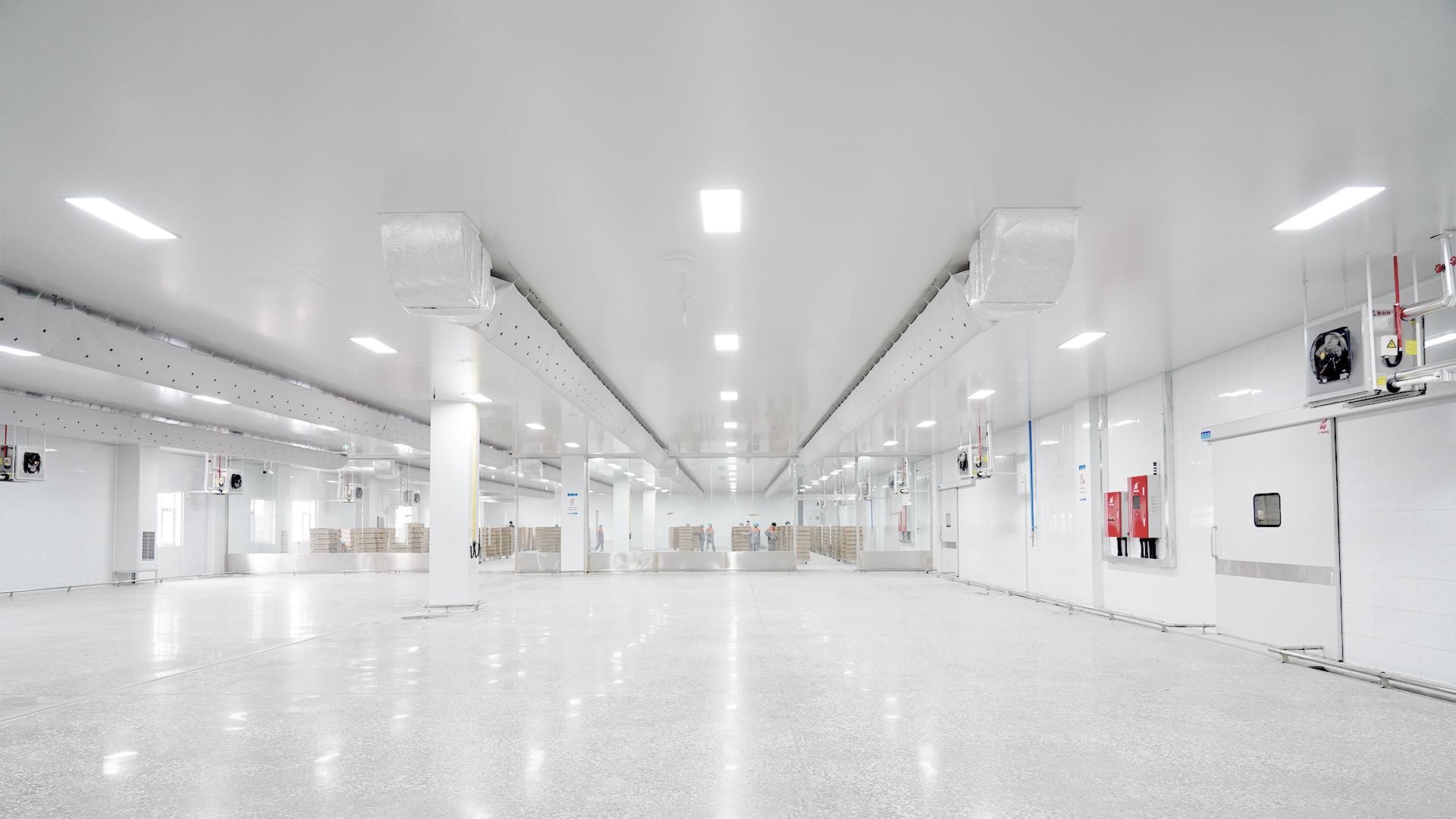
Cleanroom Enclosure System for Shandong Boda Food (1).jpg

Dapatkan Sebut Harga Percuma Untuk Projek Anda

Sama ada bengkel keluli, stor sejuk, atau sistem bilik bersih, kami menawarkan harga kilang yang kompetitif dan rekabentuk profesional.
Emel
Nama
Mudah Alih/WhatsApp
Nama Syarikat
Mesej
0/1000