Nhận Báo Giá Miễn Phí Cho Dự Án Của Bạn

Dù là xưởng thép, kho lạnh hay hệ thống phòng sạch, chúng tôi cung cấp giá xuất xưởng cạnh tranh cùng thiết kế chuyên nghiệp.
Email
Họ và tên
Số điện thoại di động / WhatsApp
Tên công ty
Tin nhắn
0/1000

Tin tức ngành

Trang Chủ >  Tài Nguyên >  Tin tức ngành

Có sự khác biệt nào trong việc lắp đặt các tấm phòng sạch có vật liệu lõi khác nhau không

Apr 14, 2026

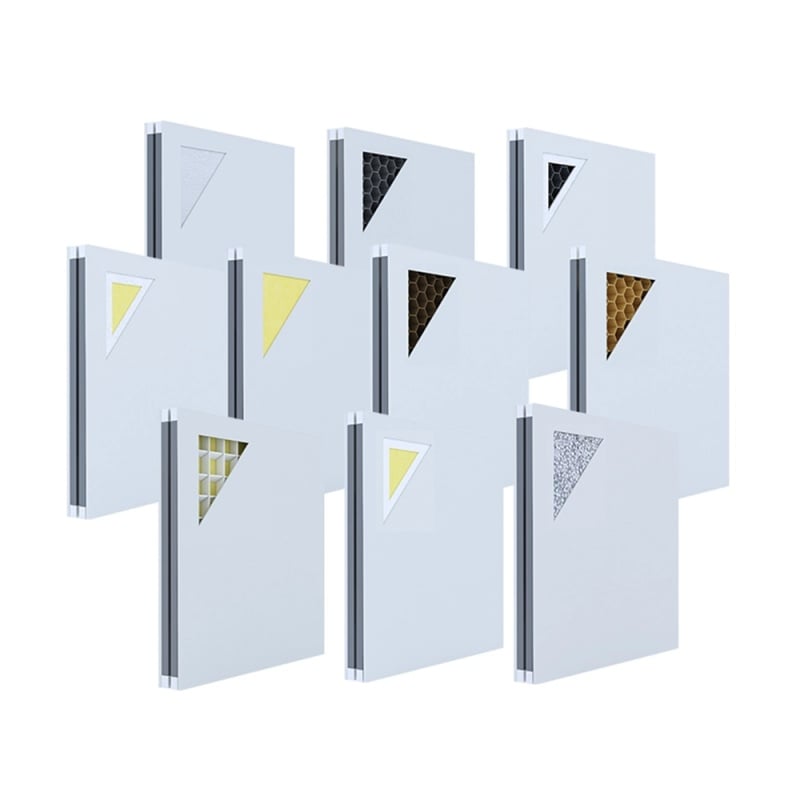
Tấm phòng sạch được sử dụng rộng rãi trong các ngành công nghiệp có yêu cầu nghiêm ngặt về môi trường—như điện tử, dược phẩm và chế biến thực phẩm—nơi chúng phục vụ tạo ra các môi trường không gian sạch và vệ sinh. Những tấm này có nhiều loại vật liệu lõi khác nhau, trong đó các loại phổ biến bao gồm bông khoáng, magie oxit rỗng, tổ ong nhôm và hợp chất magie oxit–bông khoáng. Do đặc tính riêng biệt của từng loại vật liệu lõi, quy trình lắp đặt các tấm phòng sạch khác nhau này thực tế có nhiều điểm khác biệt.
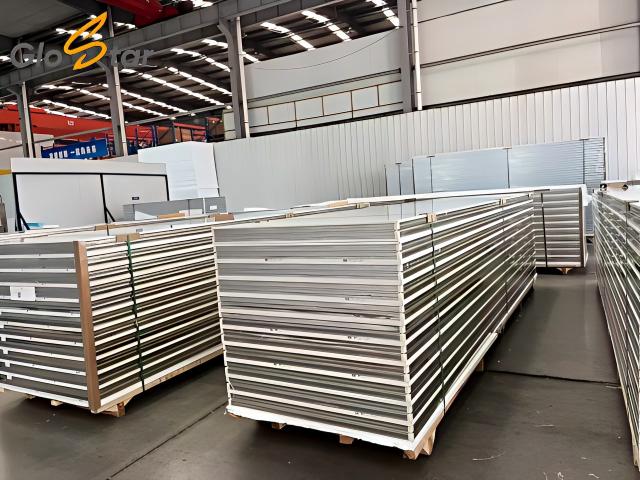
cleanroom panels factory

Lắp đặt tấm phòng sạch có lõi bông khoáng

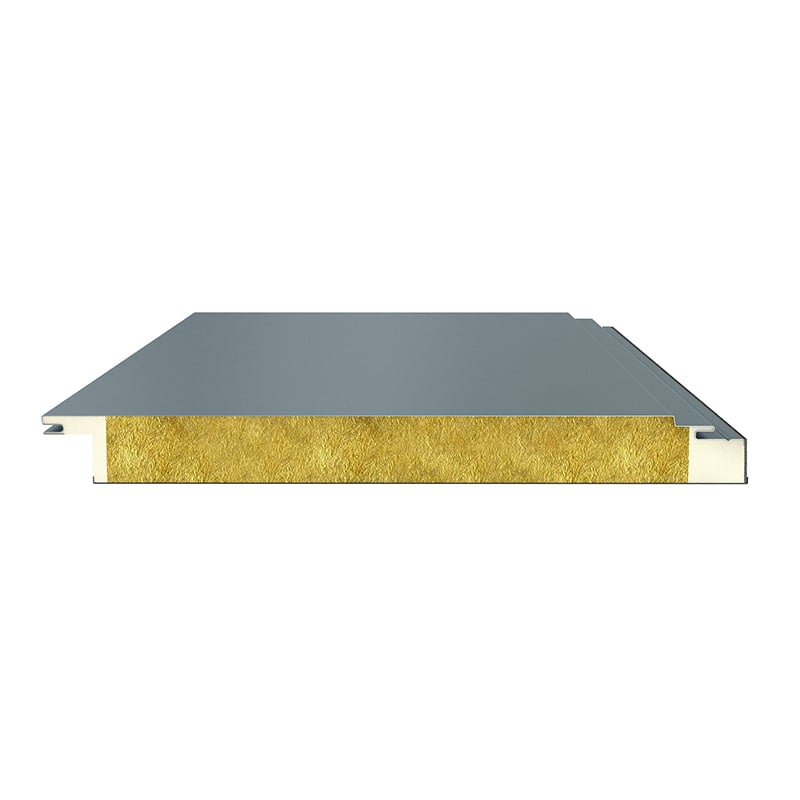
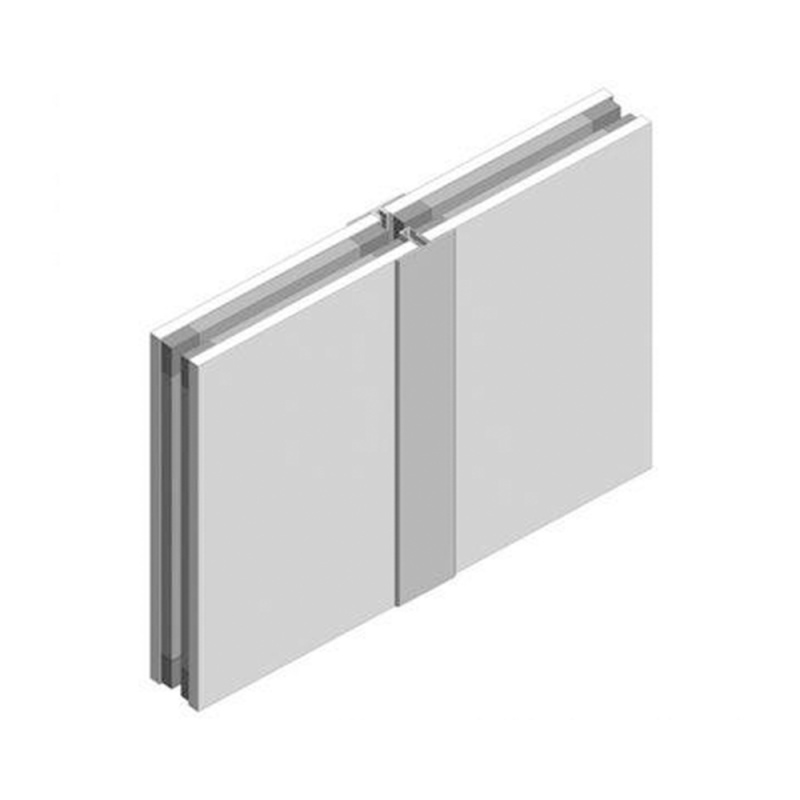
Vật liệu lõi bông khoáng được sản xuất từ đá tự nhiên thông qua quá trình nung chảy ở nhiệt độ cao; vật liệu này tương đối nặng và có độ cứng nhất định. Trong quá trình lắp đặt, khả năng chịu tải của hệ khung xương đỡ là yếu tố quan trọng hàng đầu. Dựa trên trọng lượng của các tấm panel, khoảng cách giữa các thanh xương phải được thiết kế một cách khoa học và hợp lý nhằm ngăn ngừa hiện tượng biến dạng tấm do khả năng chịu tải không đủ. Ví dụ, nếu tấm phòng sạch bông khoáng được sử dụng làm vật liệu tường trong một cơ sở công nghiệp quy mô lớn với yêu cầu an toàn cháy nổ nghiêm ngặt, việc bố trí khoảng cách giữa các thanh xương quá rộng—do trọng lượng đáng kể của các tấm bông khoáng—có thể dẫn đến hiện tượng võng hoặc biến dạng tấm theo thời gian, từ đó làm giảm cả tính thẩm mỹ lẫn độ an toàn vận hành.

Hơn nữa, các cạnh cắt của tấm bông khoáng đá dễ sinh ra bụi. Do đó, cần thực hiện các biện pháp bảo vệ phù hợp trong quá trình lắp đặt—ví dụ như yêu cầu nhân viên thi công đeo khẩu trang chuyên dụng chống bụi và bố trí thiết bị hút bụi cục bộ tại khu vực cắt—để ngăn ngừa ô nhiễm bụi trong môi trường phòng sạch. Khi nối các tấm với nhau, bắt buộc phải đảm bảo các mối nối được khít chặt; đây là yếu tố then chốt để đảm bảo hiệu quả cách nhiệt và cách âm. Chẳng hạn, trong xây dựng phòng mổ y tế—nơi tiêu chuẩn kiểm soát tiếng ồn đặc biệt nghiêm ngặt—các mối nối khít chặt có thể giảm thiểu đáng kể việc xâm nhập tiếng ồn từ bên ngoài đồng thời ngăn chặn sự trao đổi nhiệt giữa môi trường trong nhà và ngoài trời, từ đó duy trì ổn định nhiệt độ trong phòng.
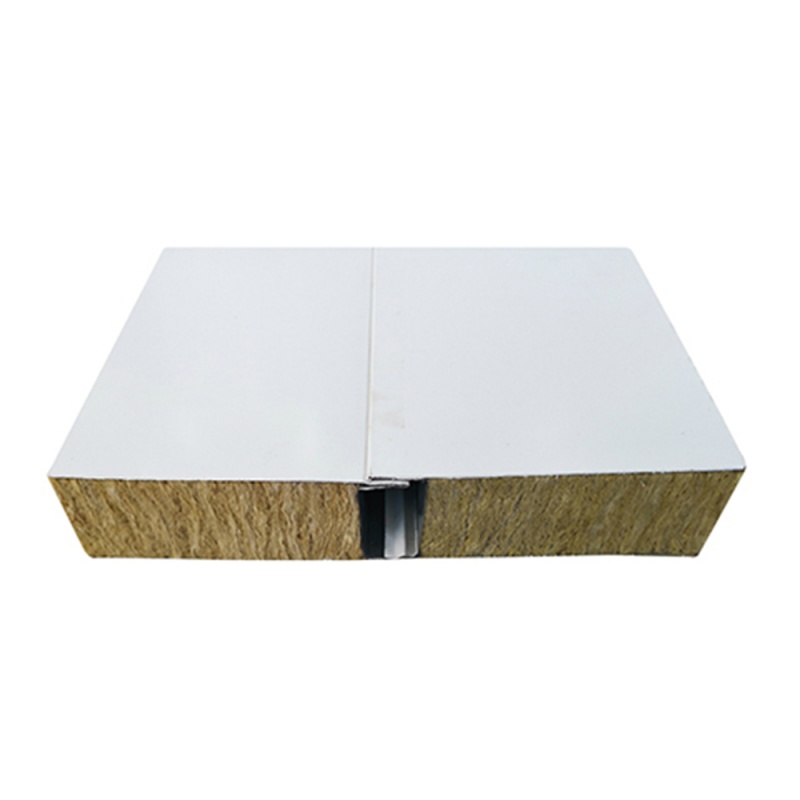
Installation of Rock Wool Core Cleanroom Panels

Lắp đặt tấm phòng sạch lõi polyurethane

Vật liệu lõi polyurethane bao gồm phần lõi xốp polyurethane; vật liệu này mang lại khả năng cách nhiệt và kín khí xuất sắc, đồng thời kết hợp độ bền cơ học cao với trọng lượng ở mức vừa phải. Trong quá trình lắp đặt, bố trí hệ thanh xương đỡ có thể được điều chỉnh linh hoạt để phù hợp với từng tình huống ứng dụng cụ thể. Ví dụ, trong xây dựng kho lạnh—nơi yêu cầu cách nhiệt đặc biệt cao—nhiệt độ bên trong thấp đòi hỏi các tấm panel phòng sạch phải có khả năng cách nhiệt vượt trội nhằm giảm thiểu tiêu thụ năng lượng. Trong những trường hợp như vậy, bố trí hệ thanh xương đỡ có thể được cấu hình linh hoạt dựa trên các yếu tố thực tế như cấu trúc không gian của kho lạnh và vị trí lắp đặt thiết bị làm lạnh.

Tuy nhiên, do vật liệu polyurethane có thể giải phóng các khí độc hại khi tiếp xúc với nhiệt độ cao, việc sử dụng ngọn lửa trần trong quá trình lắp đặt phải được nghiêm cấm tuyệt đối và cần đảm bảo thông gió đầy đủ. Ngoài ra, các tấm polyurethane thường được thiết kế khớp nối kiểu răng mộng (tongue-and-groove) tại các mối nối; trong quá trình lắp đặt, điều quan trọng là phải đảm bảo các phần răng mộng này khớp chặt với nhau nhằm nâng cao độ kín khí tổng thể của công trình. Lấy ví dụ về một kho lạnh thực phẩm: nếu các mối nối răng mộng không khớp chặt, không khí bên ngoài có thể dễ dàng xâm nhập vào bên trong. Điều này có thể dẫn đến dao động nhiệt độ trong khu vực kho lạnh, từ đó làm giảm hiệu quả bảo quản thực phẩm.
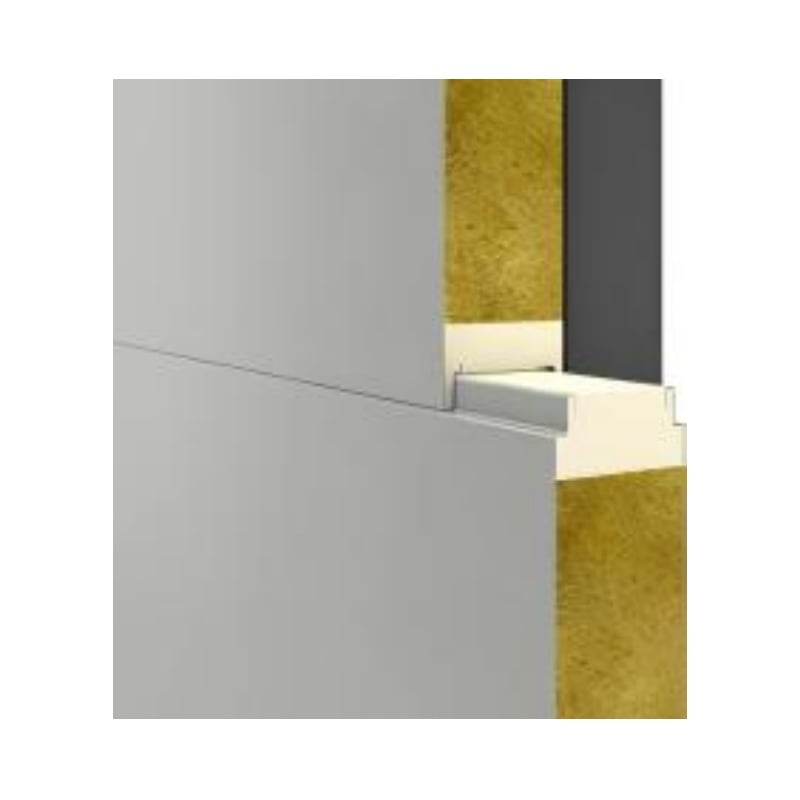
Installation of Polyurethane Core Cleanroom Panels

Lắp đặt các tấm phòng sạch lõi magie oxit rỗng

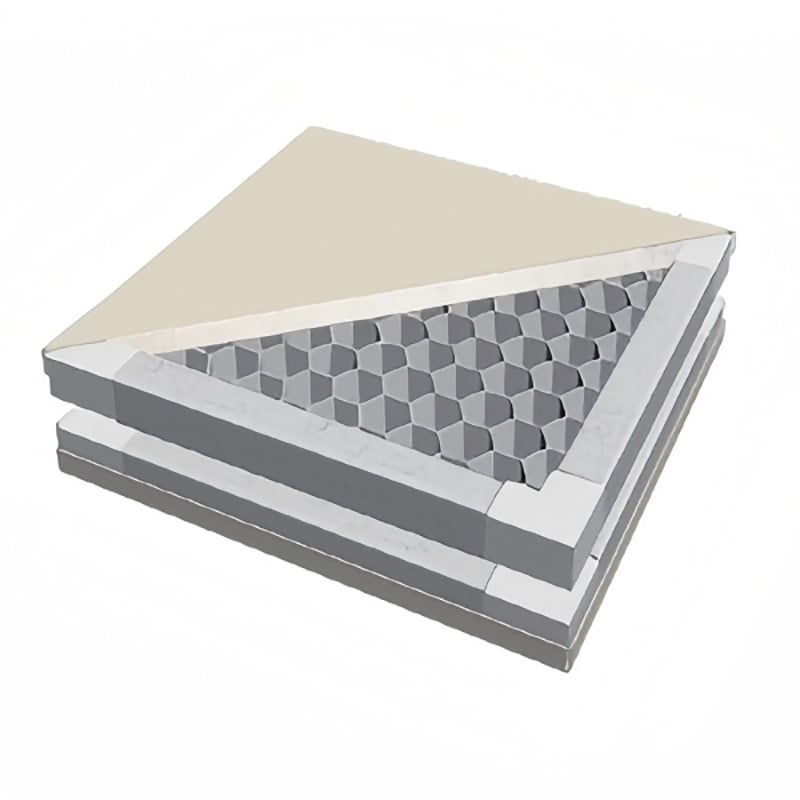
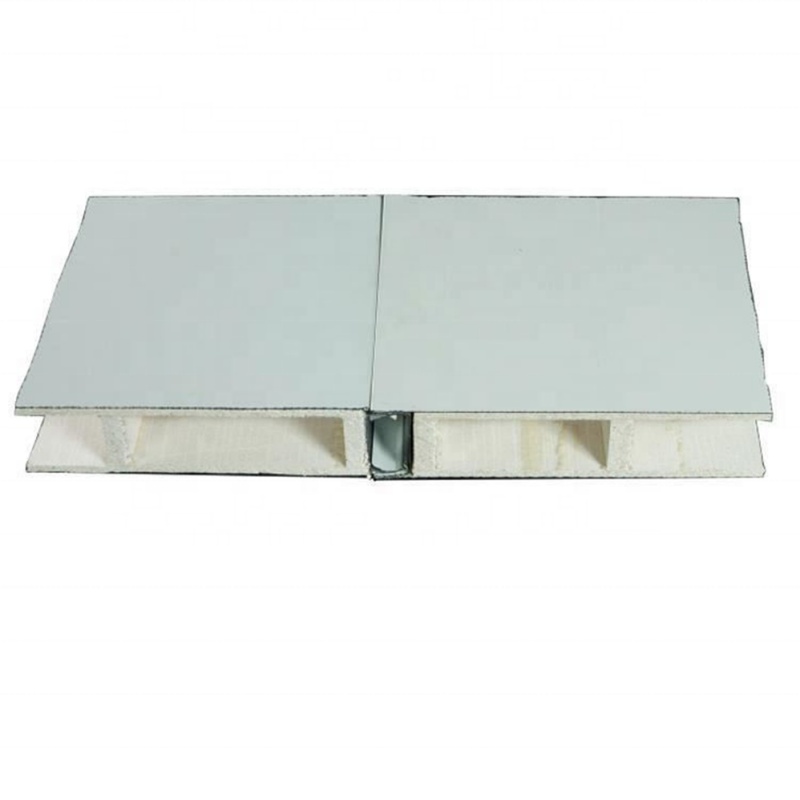
Tấm phòng sạch lõi magie oxit rỗng thường bao gồm một cấu trúc bên trong rỗng dạng tổ ong hoặc lưới được gắn kết với các tấm mặt làm từ magie oxit. Do có trọng lượng nhẹ, chúng mang lại sự thuận tiện tương đối trong quá trình lắp đặt. Tuy nhiên, việc lắp đặt chúng đòi hỏi khắt khe về độ phẳng của lớp nền (lớp cơ sở). Bề mặt lớp nền phải phẳng, khô và sạch; nếu độ lệch phẳng của lớp nền vượt quá dung sai quy định (nói chung, sai số độ phẳng không được vượt quá 5 mm trong phạm vi bất kỳ 2 mét nào), các tấm phòng sạch sẽ không bám dính chặt vào lớp nền sau khi lắp đặt, dẫn đến khe hở giữa các tấm quá rộng. Trong thi công phòng sạch điện tử, nếu khe hở giữa các tấm quá rộng thì bụi và các tạp chất khác có thể dễ dàng xâm nhập, khiến không thể đáp ứng được các tiêu chuẩn nghiêm ngặt về độ sạch môi trường yêu cầu trong sản xuất thiết bị điện tử.

Khi cố định các tấm panel, người ta thường sử dụng các phương pháp như vít tự khoan. Các yêu cầu cụ thể quy định khoảng cách giữa các vít này, thường được bố trí đều đặn trong một phạm vi hợp lý nhằm đảm bảo các tấm panel được neo chắc chắn. Hơn nữa, việc xử lý các mối nối giữa các tấm panel cũng hết sức quan trọng; các khe hở này phải được trám kín bằng vật liệu chống thấm để đảm bảo độ kín khít hiệu quả và ngăn ngừa rò rỉ không khí.
cleanroom panels factory Installation of Rock Wool Core Cleanroom Panels Rock wool core material is manufactured from natural rock through a high-temperature melting process; it is relatively heavy and possesses a certain degree of rigidity. During installation, the load-bearing capacity of the supporting keel structure is of paramount importance. Based on the weight of the panels, the spacing between keels must be designed scientifically and rationally to prevent panel deformation caused by insufficient load-bearing support. For instance, if rock wool cleanroom panels are utilized as wall materials in a large-scale industrial facility with stringent fire safety requirements, setting the keel spacing too wide—given the substantial weight of the rock wool panels—could eventually lead to sagging or deformation of the panels over time, thereby compromising both aesthetic appeal and operational safety.  Furthermore, the cut edges of rock wool panels are prone to generating dust. Consequently, appropriate protective measures must be implemented during installation—such as requiring construction personnel to wear professional dust-proof masks and deploying localized dust extraction equipment in cutting zones—to prevent dust contamination within the cleanroom environment. When joining panels, it is imperative to ensure that the seams are tightly fitted; this is essential for effectively guaranteeing thermal insulation and soundproofing performance. For example, in the construction of medical operating rooms—where noise control standards are exceptionally strict—tightly fitted seams can significantly minimize the intrusion of external noise while simultaneously preventing thermal exchange between the indoor and outdoor environments, thereby maintaining stable indoor temperatures.  Installation of Rock Wool Core Cleanroom Panels  Installation of Polyurethane Core Cleanroom Panels Polyurethane core material consists of a polyurethane foam filling; it offers excellent thermal insulation and sealing properties, combining high structural strength with a moderate weight. During installation, the layout of the supporting keel structure can be adjusted to suit the specific application scenario. For instance, in the construction of a cold storage facility—where thermal insulation requirements are particularly high—the low internal temperatures necessitate cleanroom panels with superior insulating capabilities to minimize energy consumption. In such cases, the keel layout can be flexibly configured based on practical factors such as the spatial structure of the cold storage unit and the positioning of refrigeration equipment.  However, since polyurethane materials may release harmful gases when exposed to high temperatures, the use of open flames must be strictly prohibited during the installation process, and adequate ventilation must be ensured. Additionally, polyurethane panels typically feature a tongue-and-groove interlocking design at their joints; during installation, it is crucial to ensure that these interlocking profiles engage tightly to enhance the overall airtightness of the structure. Taking a food cold storage facility as an example: if the tongue-and-groove joints do not interlock tightly, outside air can easily infiltrate. This may lead to temperature fluctuations within the cold storage area, thereby compromising the effectiveness of food preservation.  Installation of Polyurethane Core Cleanroom Panels  Installation of Hollow Magnesium Oxide Core Cleanroom Panels

Các điểm lắp đặt then chốt cho tấm panel phòng sạch lõi tổ ong nhôm

Tấm phòng sạch dạng tổ ong nhôm mang lại nhiều ưu điểm, chẳng hạn như độ bền cấu trúc cao và độ phẳng bề mặt xuất sắc. Trong quá trình lắp đặt, do trọng lượng của các tấm được phân bố tương đối đồng đều, thiết kế hệ thanh xương đỡ có thể được xác định dựa trên thông số kỹ thuật cụ thể của từng tấm cũng như điều kiện môi trường lắp đặt thực tế. Đối với các trung tâm thương mại quy mô lớn—đặc biệt là các dự án bao bọc đường ống thông gió điều hòa không khí trung tâm—việc sử dụng tấm phòng sạch tổ ong nhôm đòi hỏi thiết kế hệ thanh xương đỡ phù hợp với hình dạng và kích thước của đường ống thông gió, cũng như bố cục không gian tổng thể của trung tâm thương mại.

Khi nối các tấm phòng sạch tổ ong nhôm, yêu cầu độ chính xác cao. Điều cần thiết là đảm bảo tất cả các mối nối đều phẳng và kín chặt để đạt được vẻ ngoài thẩm mỹ và duy trì hiệu suất tổng thể tối ưu. Hơn nữa, trong quá trình lắp đặt, cần đặc biệt chú ý bảo vệ bề mặt tấm; phải thực hiện các biện pháp phòng ngừa nhằm tránh trầy xước hoặc va đập có thể gây hư hại bề mặt, từ đó ảnh hưởng đến cả tính thẩm mỹ lẫn độ nguyên vẹn chức năng của các tấm.
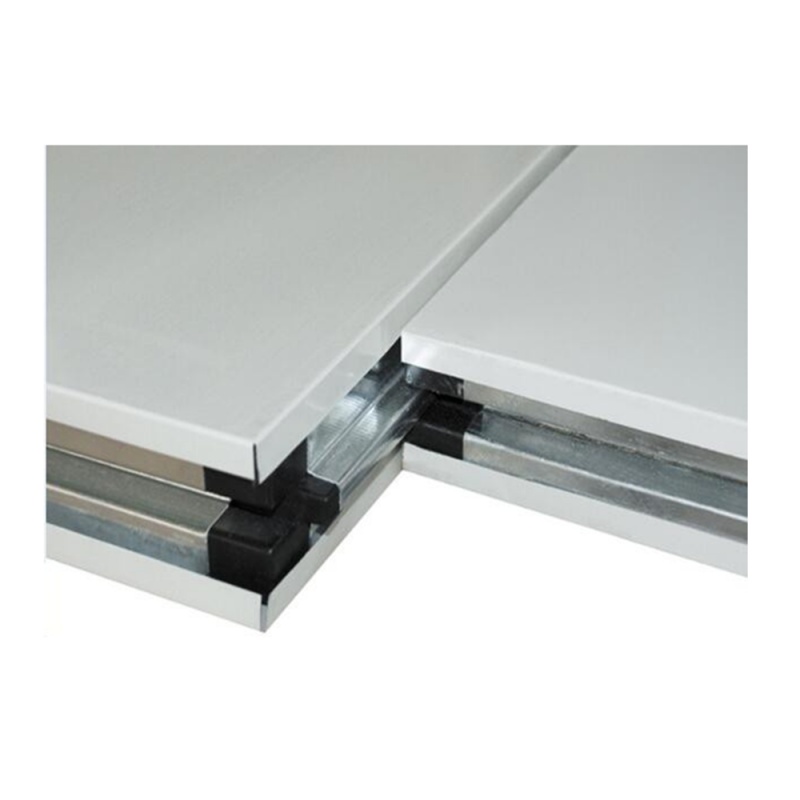
Key Installation Points for Aluminum Honeycomb Core Cleanroom Panels

Các yếu tố cần lưu ý khi lắp đặt tấm phòng sạch lõi bông khoáng magie oxit

Các tấm có lõi bông khoáng magie oxit (MgO) kết hợp các đặc tính riêng biệt của cả hai vật liệu. Trong quá trình lắp đặt, cần xem xét các yêu cầu cụ thể do lớp lõi bông khoáng đặt ra—đặc biệt là về khả năng chống cháy và tính cách nhiệt—đồng thời vẫn đáp ứng được các đặc điểm riêng của tấm ốp magie oxit. Khi cố định các tấm panel, điều quan trọng là đảm bảo các phụ kiện liên kết (fastener) xuyên thấu chắc chắn qua tấm ốp magie oxit để tạo thành mối nối an toàn với hệ thanh xương đỡ, từ đó đảm bảo độ ổn định cấu trúc cho toàn bộ cụm lắp ráp. Trong các dự án xây dựng phòng sạch tại các cơ sở sản xuất dược phẩm, việc cố định không đầy đủ có thể dẫn đến hiện tượng lỏng lẻo các tấm panel trong các công đoạn vận hành tiếp theo, có thể xảy ra do các yếu tố như rung động từ thiết bị trong xưởng.

Về việc xử lý các mối nối tấm ốp, trước tiên cần điền đầy khe hở bằng vật liệu chống thấm phù hợp, sau đó thực hiện hoàn thiện bề mặt thích hợp nhằm đảm bảo cả tính kín khí và tính liền mạch về mặt thẩm mỹ của các mối nối. Ngoài ra, do các tấm magie oxit dễ gặp các vấn đề liên quan đến độ ẩm—chẳng hạn như hiện tượng "đổ mồ hôi" hoặc di chuyển độ ẩm—trong môi trường có độ ẩm cao, nên cần áp dụng các biện pháp chống ẩm hiệu quả trong quá trình lắp đặt; ví dụ điển hình bao gồm việc phủ lớp sơn chống ẩm lên lớp nền bên dưới.
cleanroom panels factory Installation of Rock Wool Core Cleanroom Panels Rock wool core material is manufactured from natural rock through a high-temperature melting process; it is relatively heavy and possesses a certain degree of rigidity. During installation, the load-bearing capacity of the supporting keel structure is of paramount importance. Based on the weight of the panels, the spacing between keels must be designed scientifically and rationally to prevent panel deformation caused by insufficient load-bearing support. For instance, if rock wool cleanroom panels are utilized as wall materials in a large-scale industrial facility with stringent fire safety requirements, setting the keel spacing too wide—given the substantial weight of the rock wool panels—could eventually lead to sagging or deformation of the panels over time, thereby compromising both aesthetic appeal and operational safety.  Furthermore, the cut edges of rock wool panels are prone to generating dust. Consequently, appropriate protective measures must be implemented during installation—such as requiring construction personnel to wear professional dust-proof masks and deploying localized dust extraction equipment in cutting zones—to prevent dust contamination within the cleanroom environment. When joining panels, it is imperative to ensure that the seams are tightly fitted; this is essential for effectively guaranteeing thermal insulation and soundproofing performance. For example, in the construction of medical operating rooms—where noise control standards are exceptionally strict—tightly fitted seams can significantly minimize the intrusion of external noise while simultaneously preventing thermal exchange between the indoor and outdoor environments, thereby maintaining stable indoor temperatures.  Installation of Rock Wool Core Cleanroom Panels  Installation of Polyurethane Core Cleanroom Panels Polyurethane core material consists of a polyurethane foam filling; it offers excellent thermal insulation and sealing properties, combining high structural strength with a moderate weight. During installation, the layout of the supporting keel structure can be adjusted to suit the specific application scenario. For instance, in the construction of a cold storage facility—where thermal insulation requirements are particularly high—the low internal temperatures necessitate cleanroom panels with superior insulating capabilities to minimize energy consumption. In such cases, the keel layout can be flexibly configured based on practical factors such as the spatial structure of the cold storage unit and the positioning of refrigeration equipment.  However, since polyurethane materials may release harmful gases when exposed to high temperatures, the use of open flames must be strictly prohibited during the installation process, and adequate ventilation must be ensured. Additionally, polyurethane panels typically feature a tongue-and-groove interlocking design at their joints; during installation, it is crucial to ensure that these interlocking profiles engage tightly to enhance the overall airtightness of the structure. Taking a food cold storage facility as an example: if the tongue-and-groove joints do not interlock tightly, outside air can easily infiltrate. This may lead to temperature fluctuations within the cold storage area, thereby compromising the effectiveness of food preservation.  Installation of Polyurethane Core Cleanroom Panels  Installation of Hollow Magnesium Oxide Core Cleanroom Panels Hollow magnesium oxide core panels typically consist of a honeycomb or grid-like hollow internal structure bonded to magnesium oxide faceboards. Being lightweight, they offer relatively convenient installation. However, their installation places stringent demands on the flatness of the substrate (base layer). The substrate surface must be flat, dry, and clean; if the flatness deviation of the substrate exceeds the specified tolerance (generally, the flatness error must not exceed 5 mm within any 2-meter span), the cleanroom panels will fail to adhere tightly to the substrate after installation, resulting in excessively wide panel seams. In the construction of electronic cleanrooms, if panel seams are too wide, dust and other impurities can easily enter, making it impossible to meet the rigorous environmental cleanliness standards required for electronics manufacturing.  When securing the panels, methods such as self-tapping screws are typically employed. Specific requirements govern the spacing of these screws, which are generally distributed uniformly within a reasonable range to ensure the panels are firmly anchored. Furthermore, the treatment of panel seams is equally critical; they must be filled with sealing materials to ensure an effective seal and prevent air leakage.  cleanroom panels factory Installation of Rock Wool Core Cleanroom Panels Rock wool core material is manufactured from natural rock through a high-temperature melting process; it is relatively heavy and possesses a certain degree of rigidity. During installation, the load-bearing capacity of the supporting keel structure is of paramount importance. Based on the weight of the panels, the spacing between keels must be designed scientifically and rationally to prevent panel deformation caused by insufficient load-bearing support. For instance, if rock wool cleanroom panels are utilized as wall materials in a large-scale industrial facility with stringent fire safety requirements, setting the keel spacing too wide—given the substantial weight of the rock wool panels—could eventually lead to sagging or deformation of the panels over time, thereby compromising both aesthetic appeal and operational safety.  Furthermore, the cut edges of rock wool panels are prone to generating dust. Consequently, appropriate protective measures must be implemented during installation—such as requiring construction personnel to wear professional dust-proof masks and deploying localized dust extraction equipment in cutting zones—to prevent dust contamination within the cleanroom environment. When joining panels, it is imperative to ensure that the seams are tightly fitted; this is essential for effectively guaranteeing thermal insulation and soundproofing performance. For example, in the construction of medical operating rooms—where noise control standards are exceptionally strict—tightly fitted seams can significantly minimize the intrusion of external noise while simultaneously preventing thermal exchange between the indoor and outdoor environments, thereby maintaining stable indoor temperatures.  Installation of Rock Wool Core Cleanroom Panels  Installation of Polyurethane Core Cleanroom Panels Polyurethane core material consists of a polyurethane foam filling; it offers excellent thermal insulation and sealing properties, combining high structural strength with a moderate weight. During installation, the layout of the supporting keel structure can be adjusted to suit the specific application scenario. For instance, in the construction of a cold storage facility—where thermal insulation requirements are particularly high—the low internal temperatures necessitate cleanroom panels with superior insulating capabilities to minimize energy consumption. In such cases, the keel layout can be flexibly configured based on practical factors such as the spatial structure of the cold storage unit and the positioning of refrigeration equipment.  However, since polyurethane materials may release harmful gases when exposed to high temperatures, the use of open flames must be strictly prohibited during the installation process, and adequate ventilation must be ensured. Additionally, polyurethane panels typically feature a tongue-and-groove interlocking design at their joints; during installation, it is crucial to ensure that these interlocking profiles engage tightly to enhance the overall airtightness of the structure. Taking a food cold storage facility as an example: if the tongue-and-groove joints do not interlock tightly, outside air can easily infiltrate. This may lead to temperature fluctuations within the cold storage area, thereby compromising the effectiveness of food preservation.  Installation of Polyurethane Core Cleanroom Panels  Installation of Hollow Magnesium Oxide Core Cleanroom Panels  Key Installation Points for Aluminum Honeycomb Core Cleanroom Panels Aluminum honeycomb core cleanroom panels offer numerous advantages, such as high structural strength and excellent surface flatness. During installation, given the relatively uniform distribution of the panels' weight, the design of the supporting keel system can be determined based on the specific panel specifications and the ambient installation environment. In large-scale commercial shopping malls—specifically for projects involving the enclosure of central air conditioning ventilation ducts—the use of aluminum honeycomb cleanroom panels necessitates a keel design tailored to the shape and dimensions of the ventilation ducts, as well as the overall spatial layout of the mall.  When splicing aluminum honeycomb cleanroom panels, a high degree of precision is required. It is essential to ensure that all joints are flat and tightly sealed to achieve an aesthetically pleasing appearance and maintain optimal overall performance. Furthermore, during the installation process, great care must be taken to protect the panel surfaces; precautions should be implemented to prevent scratches or impacts that could cause surface damage, thereby compromising both the visual appeal and the functional integrity of the panels.  Key Installation Points for Aluminum Honeycomb Core Cleanroom Panels  Installation Considerations for Magnesium Oxide Rock Wool Core Cleanroom Panels

Khi lắp đặt các tấm làm sạch có vật liệu lõi khác nhau, cần áp dụng các biện pháp cụ thể—được điều chỉnh phù hợp với đặc tính của từng loại vật liệu lõi—liên quan đến thiết kế thanh xương (keel), xử lý chống ẩm và chống cháy, nối ghép các tấm và các biện pháp bảo vệ trong quá trình thi công. Điều này đảm bảo chất lượng lắp đặt và giúp các tấm làm sạch phát huy tối đa hiệu năng. Trong các dự án kỹ thuật thực tế, việc lựa chọn các tấm làm sạch có vật liệu lõi phù hợp cần dựa trên đánh giá toàn diện các yếu tố như tình huống ứng dụng cụ thể, yêu cầu về môi trường và ngân sách; hơn nữa, công tác thi công phải được thực hiện nghiêm ngặt theo đúng các hướng dẫn lắp đặt liên quan.
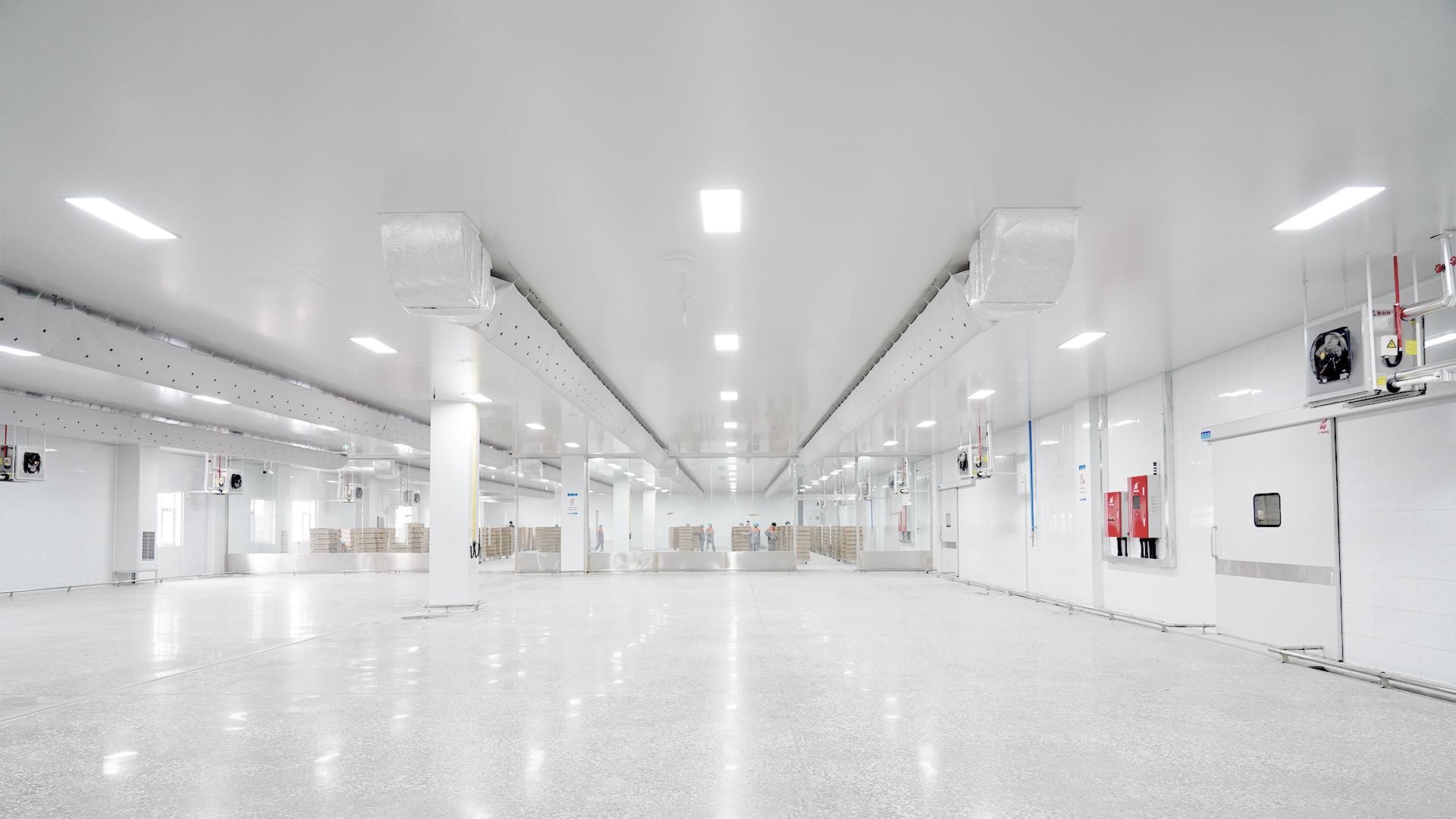
Cleanroom Enclosure System for Shandong Boda Food (1).jpg

Nhận Báo Giá Miễn Phí Cho Dự Án Của Bạn

Dù là xưởng thép, kho lạnh hay hệ thống phòng sạch, chúng tôi cung cấp giá xuất xưởng cạnh tranh cùng thiết kế chuyên nghiệp.
Email
Họ và tên
Số điện thoại di động / WhatsApp
Tên công ty
Tin nhắn
0/1000