Projeniz İçin Ücretsiz Teklif Alın

Bir çelik atölye, soğuk hava deposu ya da temiz oda sistemi olmasına bakılmaksızın, rekabetçi fabrika fiyatları ve profesyonel tasarım sunuyoruz.
E-posta
Ad
Cep Telefonu/Whatsapp
Şirket Adı
Mesaj
0/1000

Sektör Haberleri

Ana Sayfa >  Kaynaklar >  Sektör Haberleri

Farklı çekirdek malzemelerine sahip temiz oda panellerinin montajında farklar var mı?

Apr 14, 2026

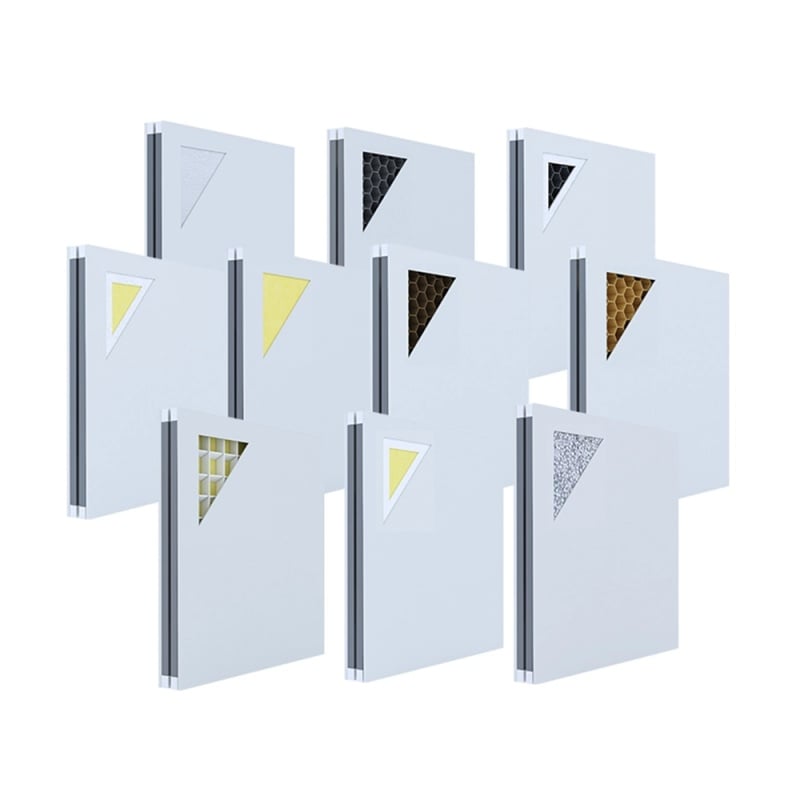
Temiz oda panelleri katı kaya yünü, içi boş magnezyum oksit, alüminyum balpeteği ve magnezyum oksit–kaya yünü kompozitleri gibi çeşitli çekirdek malzemelere sahip bu paneller, elektronik, ilaç ve gıda işleme gibi sıkı çevresel gereksinimlerin söz konusu olduğu sektörlerde yaygın olarak kullanılır; bunlar temiz ve hijyenik mekânsal ortamlar oluşturmak amacıyla tercih edilir. Her bir çekirdek malzemenin kendine özgü özellikleri nedeniyle bu farklı temiz odası panellerinin montaj süreçleri de birbirinden oldukça farklıdır.
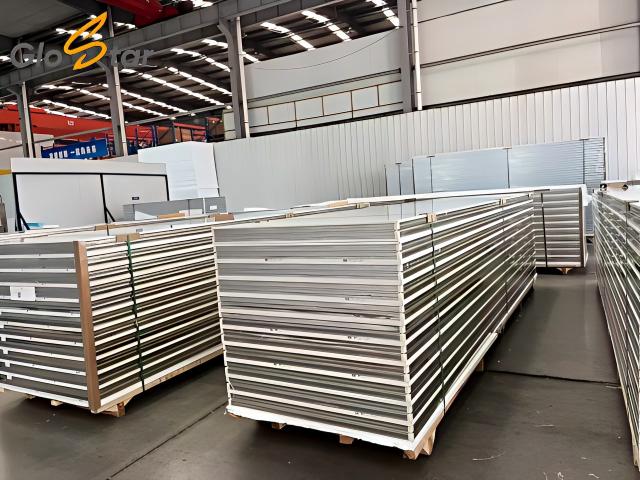
cleanroom panels factory

Kaya Yünü Çekirdekli Temiz Oda Panellerinin Montajı

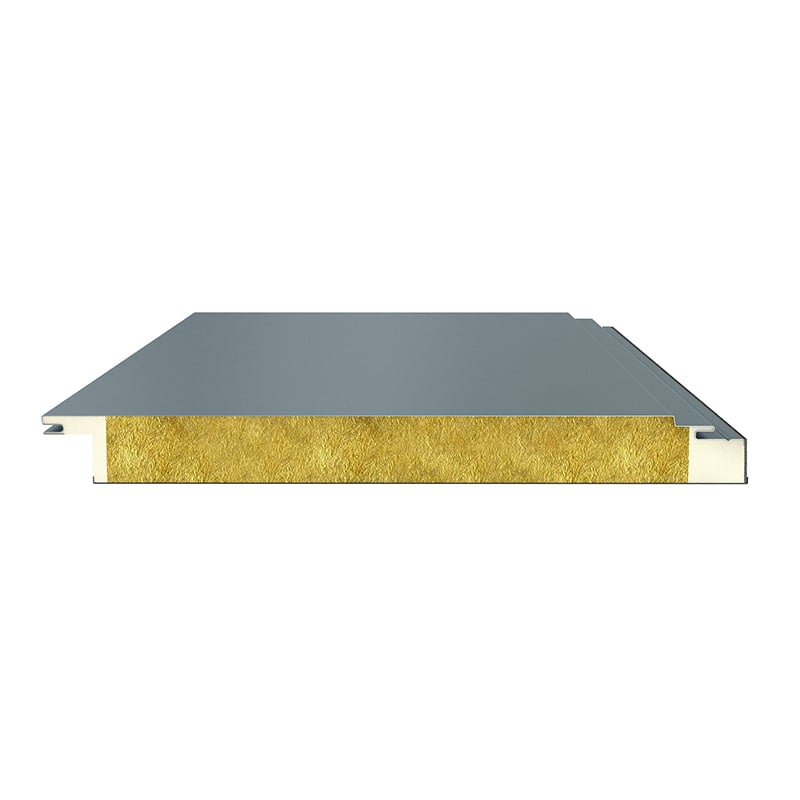
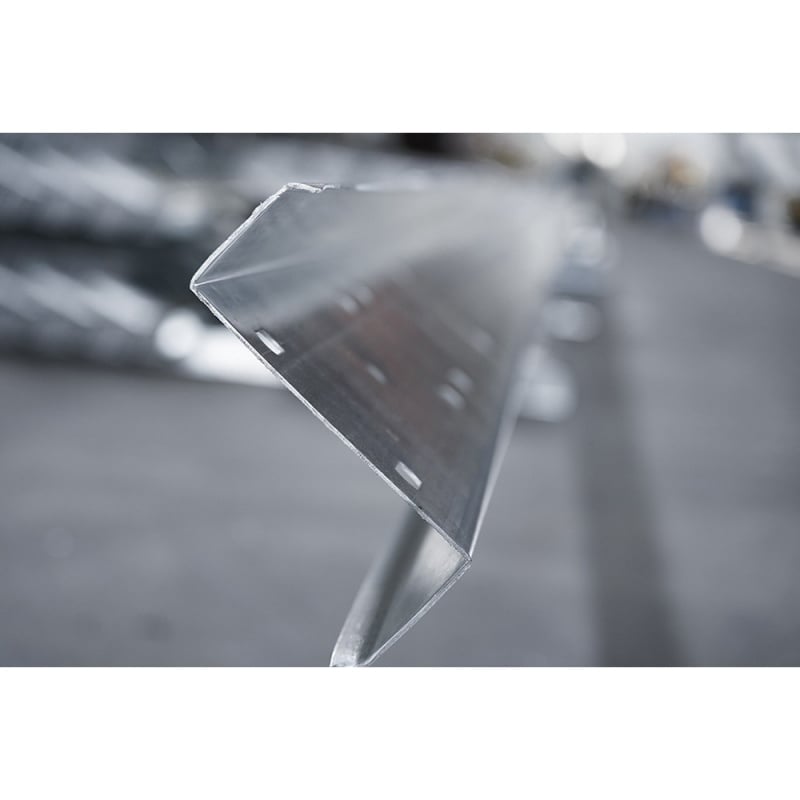
Kaynak yünü çekirdek malzemesi, doğal kayalardan yüksek sıcaklıkta eritme işlemiyle üretilir; nispeten ağırdır ve belirli bir ölçüde rijiditeye sahiptir. Montaj sırasında, taşıyıcı çıtaların (keel) yapısal taşıma kapasitesi büyük önem taşır. Panellerin ağırlığına göre çıta aralıkları, yetersiz taşıma desteği nedeniyle panellerde deformasyon oluşmasını önlemek amacıyla bilimsel ve mantıklı bir şekilde tasarlanmalıdır. Örneğin, kaya yünü temiz oda panelleri yangın güvenliği açısından sıkı gereksinimlerin olduğu büyük ölçekli bir endüstriyel tesisin duvar malzemesi olarak kullanılıyorsa, kaynak yünü panellerinin önemli ağırlığı göz önünde bulundurularak çıta aralıklarının çok geniş ayarlanması, zamanla panellerde sarkma veya deformasyona neden olabilir; bu da hem estetik görünümü hem de işletme güvenliğini tehlikeye atar.

Ayrıca, taş yünü panelerin kesim kenarları toz oluşumuna eğilimlidir. Bu nedenle, temiz oda ortamında toz kirliliğini önlemek amacıyla montaj sırasında uygun koruyucu önlemler alınmalıdır; örneğin, inşaat personelinin profesyonel toz geçirmez maske takması ve kesim bölgelerinde yerel toz emme ekipmanlarının kullanılması gibi önlemler alınmalıdır. Paneller birleştirilirken derzlerin sıkıca oturtulması zorunludur; bu, ısı yalıtımı ve ses yalıtımı performansının etkili bir şekilde sağlanabilmesi için hayati öneme sahiptir. Örneğin, gürültü kontrol standartları son derece katı olan tıbbi ameliyathane inşaatlarında sıkıca oturtulmuş derzler, dış gürültünün içeri girmesini önemli ölçüde azaltırken aynı zamanda iç ve dış ortam arasındaki ısı alışverişini de engeller; böylece iç ortam sıcaklığının sabit tutulması sağlanır.
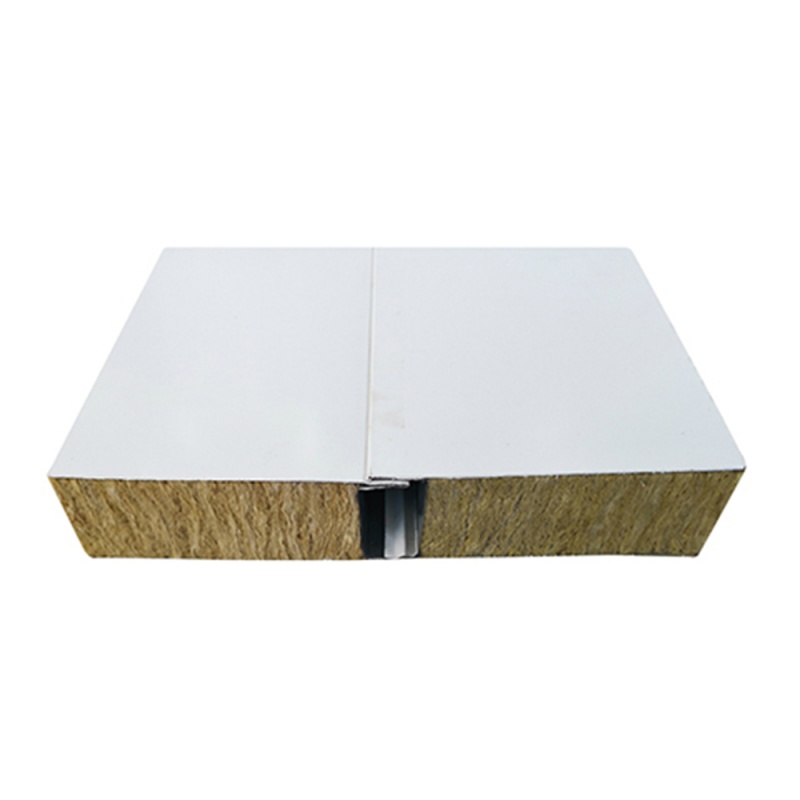
Installation of Rock Wool Core Cleanroom Panels

Poliüretan Çekirdekli Temiz Oda Panellerinin Montajı

Polüretan çekirdek malzemesi, polüretan köpük dolgu içerir; mükemmel ısı yalıtım ve sızdırmazlık özelliklerine sahiptir ve yüksek yapısal dayanım ile orta düzey bir ağırlığı bir araya getirir. Montaj sırasında, destekleyici kiriş yapısının yerleşimi, belirli uygulama senaryosuna göre ayarlanabilir. Örneğin, soğuk hava deposu inşaatında —ki burada ısı yalıtım gereksinimleri özellikle yüksektir— düşük iç sıcaklıklar, enerji tüketimini en aza indirmek amacıyla üstün yalıtım yeteneğine sahip temiz oda panelleri gerektirir. Bu tür durumlarda, kiriş yerleşimi, soğuk hava deposunun mekânsal yapısı ve soğutma ekipmanlarının konumu gibi pratik faktörlere göre esnek bir şekilde yapılandırılabilir.

Ancak poliüretan malzemeler yüksek sıcaklıklara maruz kaldığında zararlı gazlar yayabileceğinden, montaj işlemi sırasında açık alev kullanımı kesinlikle yasaklanmalıdır ve yeterli havalandırma sağlanmalıdır. Ayrıca poliüretan paneller genellikle birleşim noktalarında dil-dişli (dil-oluk) kilitlenme tasarımı içerir; montaj sırasında bu kilitlenen profillerin sıkıca birbirine geçmesini sağlamak, yapının genel hava sızdırmazlığını artırmak açısından büyük önem taşır. Örnek olarak bir gıda soğuk hava deposu verilebilir: eğer dil-dişli birleşimler sıkıca kilitlenmezse dış hava kolayca içeri girebilir. Bu durum, soğuk hava deposu içinde sıcaklık dalgalanmalarına neden olabilir ve dolayısıyla gıda koruma etkinliğini zayıflatabilir.
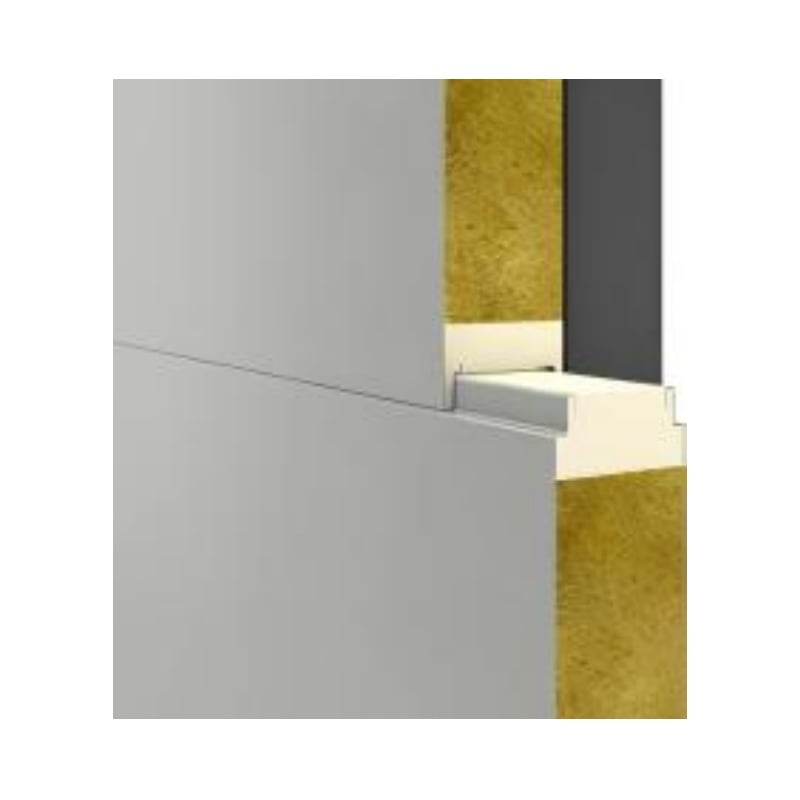
Installation of Polyurethane Core Cleanroom Panels

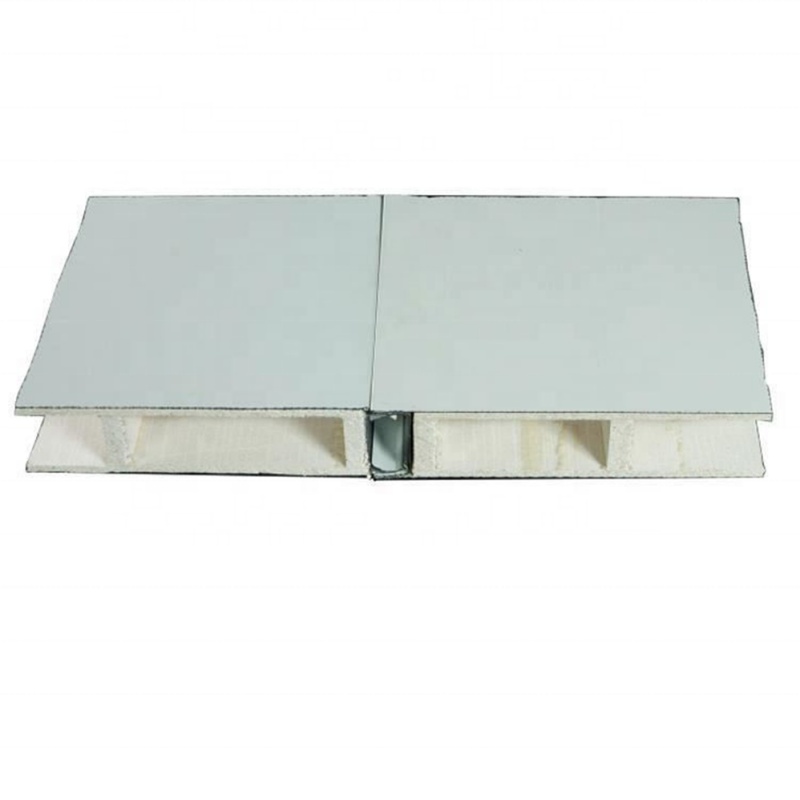
Boşluklu Magnezyum Oksit Çekirdekli Temiz Odası Panellerinin Montajı

Boşluklu magnezyum oksit çekirdekli paneller genellikle magnezyum oksit yüzey panellerine bağlanmış bir petek veya ızgara benzeri iç boş yapıdan oluşur. Hafif olduklarından nispeten kolay kurulum imkânı sunarlar. Ancak kurulumları, alt tabaka (temel katman) düzgünlüğüne karşı çok sıkı gereksinimler ortaya koyar. Alt tabaka yüzeyi düz, kuru ve temiz olmalıdır; eğer alt tabakanın düzgünlük sapması belirtilen tolerans değerini aşarsa (genellikle herhangi bir 2 metrelik mesafede düzgünlük hatası 5 mm’yi geçmemelidir), temiz odası panelleri kurulum sonrası alt tabakaya sıkıca yapışmaz ve bu durumda panel derzleri aşırı geniş olur. Elektronik temiz odalarının inşasında, panel derzleri çok genişse toz ve diğer kirleticiler kolayca içeri girebilir; bu da elektronik üretim için gerekli olan katı çevre temizliği standartlarının sağlanmasını imkânsız hale getirir.

Panel'lerin sabitlenmesi sırasında genellikle kendinden diş açan vida gibi yöntemler kullanılır. Bu vidaların aralığına ilişkin özel gereksinimler vardır; vidalar, panel'lerin sağlam bir şekilde sabitlenmesini sağlamak amacıyla genellikle makul bir aralık içinde eşit şekilde dağıtılır. Ayrıca panel dikişlerinin işlenmesi de eşit derecede kritiktir; etkili bir sızdırmazlık sağlamak ve hava kaçaklarını önlemek için bu dikişler contalama malzemeleriyle doldurulmalıdır.
cleanroom panels factory Installation of Rock Wool Core Cleanroom Panels Rock wool core material is manufactured from natural rock through a high-temperature melting process; it is relatively heavy and possesses a certain degree of rigidity. During installation, the load-bearing capacity of the supporting keel structure is of paramount importance. Based on the weight of the panels, the spacing between keels must be designed scientifically and rationally to prevent panel deformation caused by insufficient load-bearing support. For instance, if rock wool cleanroom panels are utilized as wall materials in a large-scale industrial facility with stringent fire safety requirements, setting the keel spacing too wide—given the substantial weight of the rock wool panels—could eventually lead to sagging or deformation of the panels over time, thereby compromising both aesthetic appeal and operational safety.  Furthermore, the cut edges of rock wool panels are prone to generating dust. Consequently, appropriate protective measures must be implemented during installation—such as requiring construction personnel to wear professional dust-proof masks and deploying localized dust extraction equipment in cutting zones—to prevent dust contamination within the cleanroom environment. When joining panels, it is imperative to ensure that the seams are tightly fitted; this is essential for effectively guaranteeing thermal insulation and soundproofing performance. For example, in the construction of medical operating rooms—where noise control standards are exceptionally strict—tightly fitted seams can significantly minimize the intrusion of external noise while simultaneously preventing thermal exchange between the indoor and outdoor environments, thereby maintaining stable indoor temperatures.  Installation of Rock Wool Core Cleanroom Panels  Installation of Polyurethane Core Cleanroom Panels Polyurethane core material consists of a polyurethane foam filling; it offers excellent thermal insulation and sealing properties, combining high structural strength with a moderate weight. During installation, the layout of the supporting keel structure can be adjusted to suit the specific application scenario. For instance, in the construction of a cold storage facility—where thermal insulation requirements are particularly high—the low internal temperatures necessitate cleanroom panels with superior insulating capabilities to minimize energy consumption. In such cases, the keel layout can be flexibly configured based on practical factors such as the spatial structure of the cold storage unit and the positioning of refrigeration equipment.  However, since polyurethane materials may release harmful gases when exposed to high temperatures, the use of open flames must be strictly prohibited during the installation process, and adequate ventilation must be ensured. Additionally, polyurethane panels typically feature a tongue-and-groove interlocking design at their joints; during installation, it is crucial to ensure that these interlocking profiles engage tightly to enhance the overall airtightness of the structure. Taking a food cold storage facility as an example: if the tongue-and-groove joints do not interlock tightly, outside air can easily infiltrate. This may lead to temperature fluctuations within the cold storage area, thereby compromising the effectiveness of food preservation.  Installation of Polyurethane Core Cleanroom Panels  Installation of Hollow Magnesium Oxide Core Cleanroom Panels

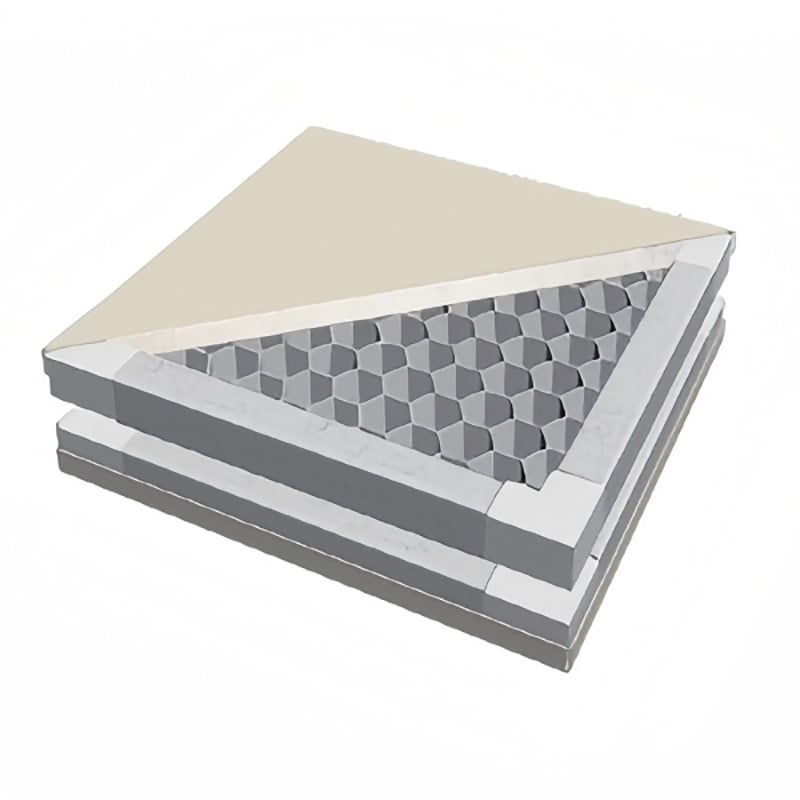
Alüminyum Petek Çekirdekli Temiz Oda Panel'lerinin Ana Montaj Noktaları

Alüminyum Petek Temiz Oda Panelleri yüksek yapısal dayanım ve mükemmel yüzey düzgünlüğü gibi birçok avantaj sunar. Montaj sırasında panellerin ağırlığının nispeten eşit dağılımı göz önünde bulundurularak, destekleyici kiriş sisteminin tasarımı, belirli panel özelliklerine ve çevresel montaj ortamına göre belirlenebilir. Büyük ölçekli ticari alışveriş merkezlerinde—özellikle merkezi iklimlendirme havalandırma kanallarının kaplanmasında yapılan projelerde—alüminyum balpeteği temiz oda panellerinin kullanılması, havalandırma kanallarının şekli ve boyutları ile alışveriş merkezinin genel mekânsal düzenlemesine uygun olarak özel olarak tasarlanmış bir kiriş sistemi gerektirir.

Alüminyum balpeteği temiz oda panelleri birleştirilirken yüksek düzeyde hassasiyet gerekmektedir. Tüm eklem yerlerinin düz ve sıkıca kapalı olduğundan emin olmak, estetik olarak hoş bir görünüm elde etmek ve panellerin genel performansını en iyi düzeyde korumak için hayati öneme sahiptir. Ayrıca montaj sürecinde panel yüzeylerinin korunmasına büyük özen gösterilmelidir; yüzey hasarına neden olabilecek çizikler veya darbeleri önlemek amacıyla gerekli önlemler alınmalıdır; aksi takdirde panellerin hem görsel çekiciliği hem de işlevsel bütünlüğü tehlikeye girebilir.
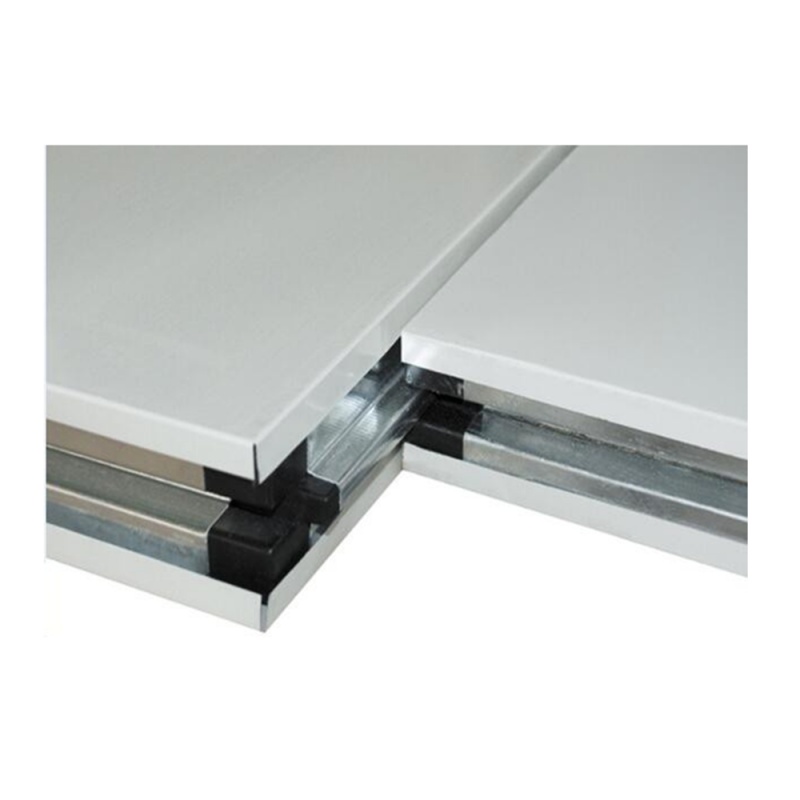
Key Installation Points for Aluminum Honeycomb Core Cleanroom Panels

Magnezyum Oksit ve Kayalık Yün Çekirdekli Temiz Oda Panelleri İçin Montaj Dikkat Edilmesi Gereken Hususlar

Magnezyum oksit (MgO) ve kayalık yün çekirdeğine sahip paneller her iki malzemenin de farklı özelliklerini bir araya getirir. Montaj sırasında, taş yünü çekirdeğinin özellikle yangın direnci ve termal yalıtım özellikleri açısından dayattığı özel gereksinimler dikkate alınmalı; aynı zamanda magnezyum oksit yüzey levhalarının benzersiz özellikleri de göz önünde bulundurulmalıdır. Panellerin sabitlenmesi sırasında, bağlantı elemanlarının (vidaların) güvenilir bir şekilde magnezyum oksit levhayı delerek taşıyıcı kirişle sağlam bir bağlantı oluşturması hayati öneme sahiptir; bu da tüm montajın yapısal stabilitesini garanti eder. İlaç üretim tesislerindeki temiz odaların inşaat projelerinde yetersiz sabitleme, daha sonraki işlemler sırasında panellerin gevşemesine neden olabilir; bu durum, atölye içindeki ekipmanların titreşimi gibi faktörlerle tetiklenebilir.

Panel eklerinin işlenmesiyle ilgili olarak, hava sızdırmazlığını ve eklerin estetik sürekliliğini sağlamak amacıyla öncelikle uygun bir conta malzemesiyle boşluklar doldurulmalı, ardından uygun yüzey bitirme işlemleri uygulanmalıdır. Ayrıca magnezyum oksit paneller, yüksek nem oranına sahip ortamlarda "terleme" veya nem göçü gibi nemle ilgili sorunlara yatkın olduklarından, montaj sırasında sağlam nem geçirmezlik önlemleri alınmalıdır; buna örnek olarak alt tabakaya nem dirençli kaplamalar uygulanması verilebilir.
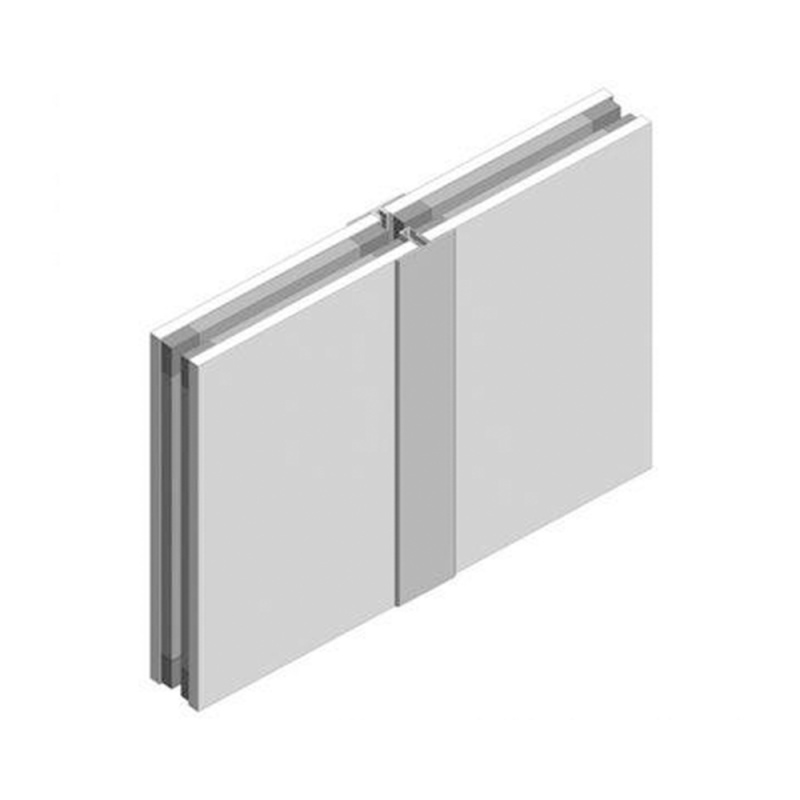
cleanroom panels factory Installation of Rock Wool Core Cleanroom Panels Rock wool core material is manufactured from natural rock through a high-temperature melting process; it is relatively heavy and possesses a certain degree of rigidity. During installation, the load-bearing capacity of the supporting keel structure is of paramount importance. Based on the weight of the panels, the spacing between keels must be designed scientifically and rationally to prevent panel deformation caused by insufficient load-bearing support. For instance, if rock wool cleanroom panels are utilized as wall materials in a large-scale industrial facility with stringent fire safety requirements, setting the keel spacing too wide—given the substantial weight of the rock wool panels—could eventually lead to sagging or deformation of the panels over time, thereby compromising both aesthetic appeal and operational safety.  Furthermore, the cut edges of rock wool panels are prone to generating dust. Consequently, appropriate protective measures must be implemented during installation—such as requiring construction personnel to wear professional dust-proof masks and deploying localized dust extraction equipment in cutting zones—to prevent dust contamination within the cleanroom environment. When joining panels, it is imperative to ensure that the seams are tightly fitted; this is essential for effectively guaranteeing thermal insulation and soundproofing performance. For example, in the construction of medical operating rooms—where noise control standards are exceptionally strict—tightly fitted seams can significantly minimize the intrusion of external noise while simultaneously preventing thermal exchange between the indoor and outdoor environments, thereby maintaining stable indoor temperatures.  Installation of Rock Wool Core Cleanroom Panels  Installation of Polyurethane Core Cleanroom Panels Polyurethane core material consists of a polyurethane foam filling; it offers excellent thermal insulation and sealing properties, combining high structural strength with a moderate weight. During installation, the layout of the supporting keel structure can be adjusted to suit the specific application scenario. For instance, in the construction of a cold storage facility—where thermal insulation requirements are particularly high—the low internal temperatures necessitate cleanroom panels with superior insulating capabilities to minimize energy consumption. In such cases, the keel layout can be flexibly configured based on practical factors such as the spatial structure of the cold storage unit and the positioning of refrigeration equipment.  However, since polyurethane materials may release harmful gases when exposed to high temperatures, the use of open flames must be strictly prohibited during the installation process, and adequate ventilation must be ensured. Additionally, polyurethane panels typically feature a tongue-and-groove interlocking design at their joints; during installation, it is crucial to ensure that these interlocking profiles engage tightly to enhance the overall airtightness of the structure. Taking a food cold storage facility as an example: if the tongue-and-groove joints do not interlock tightly, outside air can easily infiltrate. This may lead to temperature fluctuations within the cold storage area, thereby compromising the effectiveness of food preservation.  Installation of Polyurethane Core Cleanroom Panels  Installation of Hollow Magnesium Oxide Core Cleanroom Panels Hollow magnesium oxide core panels typically consist of a honeycomb or grid-like hollow internal structure bonded to magnesium oxide faceboards. Being lightweight, they offer relatively convenient installation. However, their installation places stringent demands on the flatness of the substrate (base layer). The substrate surface must be flat, dry, and clean; if the flatness deviation of the substrate exceeds the specified tolerance (generally, the flatness error must not exceed 5 mm within any 2-meter span), the cleanroom panels will fail to adhere tightly to the substrate after installation, resulting in excessively wide panel seams. In the construction of electronic cleanrooms, if panel seams are too wide, dust and other impurities can easily enter, making it impossible to meet the rigorous environmental cleanliness standards required for electronics manufacturing.  When securing the panels, methods such as self-tapping screws are typically employed. Specific requirements govern the spacing of these screws, which are generally distributed uniformly within a reasonable range to ensure the panels are firmly anchored. Furthermore, the treatment of panel seams is equally critical; they must be filled with sealing materials to ensure an effective seal and prevent air leakage.  cleanroom panels factory Installation of Rock Wool Core Cleanroom Panels Rock wool core material is manufactured from natural rock through a high-temperature melting process; it is relatively heavy and possesses a certain degree of rigidity. During installation, the load-bearing capacity of the supporting keel structure is of paramount importance. Based on the weight of the panels, the spacing between keels must be designed scientifically and rationally to prevent panel deformation caused by insufficient load-bearing support. For instance, if rock wool cleanroom panels are utilized as wall materials in a large-scale industrial facility with stringent fire safety requirements, setting the keel spacing too wide—given the substantial weight of the rock wool panels—could eventually lead to sagging or deformation of the panels over time, thereby compromising both aesthetic appeal and operational safety.  Furthermore, the cut edges of rock wool panels are prone to generating dust. Consequently, appropriate protective measures must be implemented during installation—such as requiring construction personnel to wear professional dust-proof masks and deploying localized dust extraction equipment in cutting zones—to prevent dust contamination within the cleanroom environment. When joining panels, it is imperative to ensure that the seams are tightly fitted; this is essential for effectively guaranteeing thermal insulation and soundproofing performance. For example, in the construction of medical operating rooms—where noise control standards are exceptionally strict—tightly fitted seams can significantly minimize the intrusion of external noise while simultaneously preventing thermal exchange between the indoor and outdoor environments, thereby maintaining stable indoor temperatures.  Installation of Rock Wool Core Cleanroom Panels  Installation of Polyurethane Core Cleanroom Panels Polyurethane core material consists of a polyurethane foam filling; it offers excellent thermal insulation and sealing properties, combining high structural strength with a moderate weight. During installation, the layout of the supporting keel structure can be adjusted to suit the specific application scenario. For instance, in the construction of a cold storage facility—where thermal insulation requirements are particularly high—the low internal temperatures necessitate cleanroom panels with superior insulating capabilities to minimize energy consumption. In such cases, the keel layout can be flexibly configured based on practical factors such as the spatial structure of the cold storage unit and the positioning of refrigeration equipment.  However, since polyurethane materials may release harmful gases when exposed to high temperatures, the use of open flames must be strictly prohibited during the installation process, and adequate ventilation must be ensured. Additionally, polyurethane panels typically feature a tongue-and-groove interlocking design at their joints; during installation, it is crucial to ensure that these interlocking profiles engage tightly to enhance the overall airtightness of the structure. Taking a food cold storage facility as an example: if the tongue-and-groove joints do not interlock tightly, outside air can easily infiltrate. This may lead to temperature fluctuations within the cold storage area, thereby compromising the effectiveness of food preservation.  Installation of Polyurethane Core Cleanroom Panels  Installation of Hollow Magnesium Oxide Core Cleanroom Panels  Key Installation Points for Aluminum Honeycomb Core Cleanroom Panels Aluminum honeycomb core cleanroom panels offer numerous advantages, such as high structural strength and excellent surface flatness. During installation, given the relatively uniform distribution of the panels' weight, the design of the supporting keel system can be determined based on the specific panel specifications and the ambient installation environment. In large-scale commercial shopping malls—specifically for projects involving the enclosure of central air conditioning ventilation ducts—the use of aluminum honeycomb cleanroom panels necessitates a keel design tailored to the shape and dimensions of the ventilation ducts, as well as the overall spatial layout of the mall.  When splicing aluminum honeycomb cleanroom panels, a high degree of precision is required. It is essential to ensure that all joints are flat and tightly sealed to achieve an aesthetically pleasing appearance and maintain optimal overall performance. Furthermore, during the installation process, great care must be taken to protect the panel surfaces; precautions should be implemented to prevent scratches or impacts that could cause surface damage, thereby compromising both the visual appeal and the functional integrity of the panels.  Key Installation Points for Aluminum Honeycomb Core Cleanroom Panels  Installation Considerations for Magnesium Oxide Rock Wool Core Cleanroom Panels

Farklı çekirdek malzemelerine sahip saflaştırma panelleri kurulurken, çıtaların tasarımı, nem ve yangına karşı koruma tedbirleri, panel birleştirme işlemleri ve işlem sırasında alınacak güvenlik önlemleri gibi konularda çekirdek malzemenin özelliklerine özel olarak uyarlanmış önlemler alınmalıdır. Bu, kurulum kalitesini garanti eder ve saflaştırma panellerinin tam performansını göstermelerini sağlar. Gerçek mühendislik projelerinde, uygun çekirdek malzemeli saflaştırma panellerinin seçilmesi; belirli uygulama senaryosu, çevresel gereksinimler ve bütçe gibi faktörlerin kapsamlı değerlendirilmesine dayanmalıdır; ayrıca, montaj işleri ilgili kurulum kılavuzlarına sıkı şekilde uyularak gerçekleştirilmelidir.
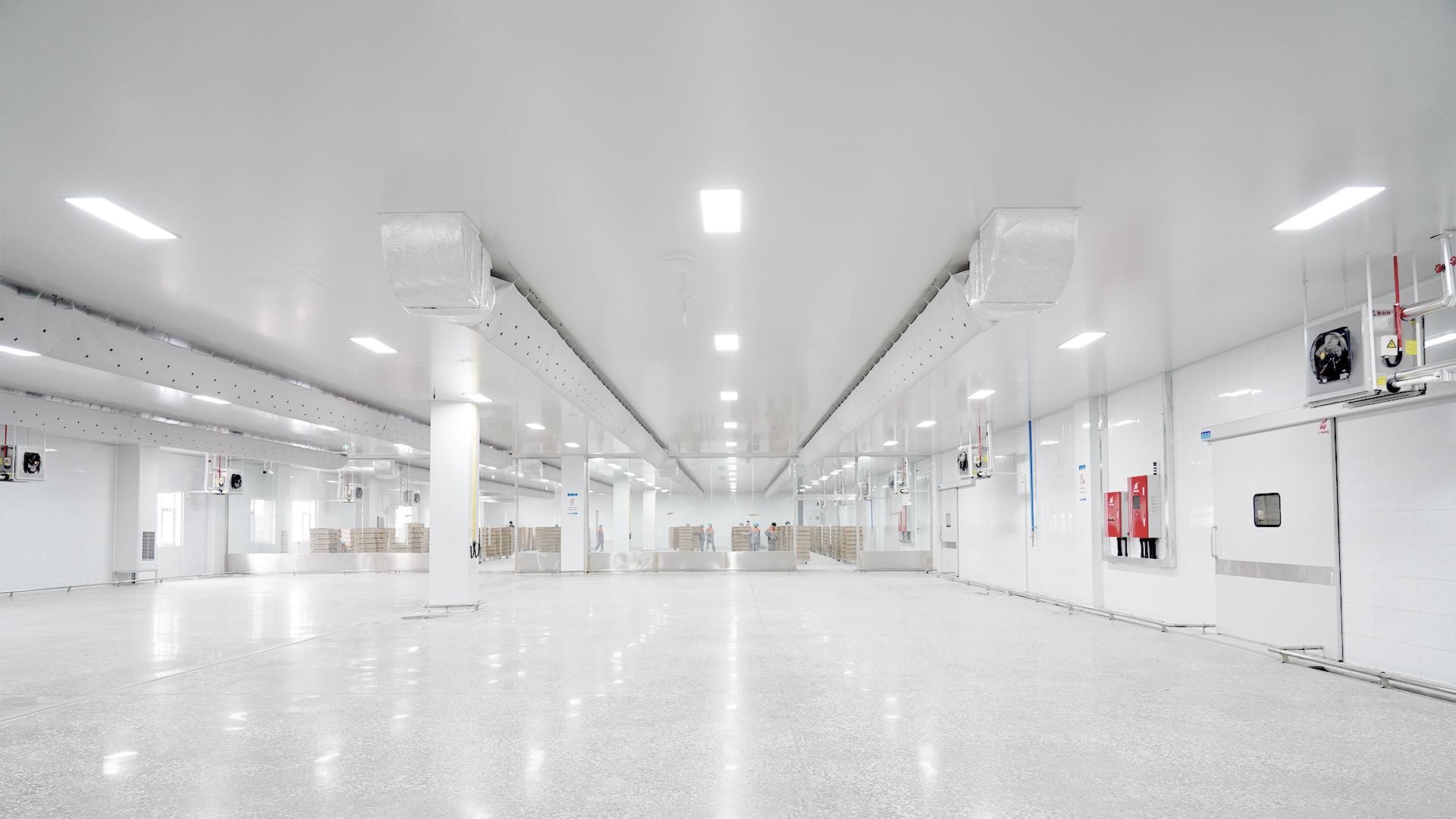
Cleanroom Enclosure System for Shandong Boda Food (1).jpg

Projeniz İçin Ücretsiz Teklif Alın

Bir çelik atölye, soğuk hava deposu ya da temiz oda sistemi olmasına bakılmaksızın, rekabetçi fabrika fiyatları ve profesyonel tasarım sunuyoruz.
E-posta
Ad
Cep Telefonu/Whatsapp
Şirket Adı
Mesaj
0/1000