Získajte bezplatnú ponuku pre váš projekt

Či už ide o oceľový dielňový priestor, chladničku alebo systém čistých miestností, ponúkame konkurencieschopné továrenské ceny a profesionálne návrhy.
E-mail
Meno
Mobil/WhatsApp
Názov spoločnosti
Správa
0/1000

Odvetvové novinky

Domovská stránka >  Zdroje >  Odvetvové novinky

Existujú rozdiely pri inštalácii panelov pre čisté miestnosti s rôznymi jadrovými materiálmi?

Apr 14, 2026

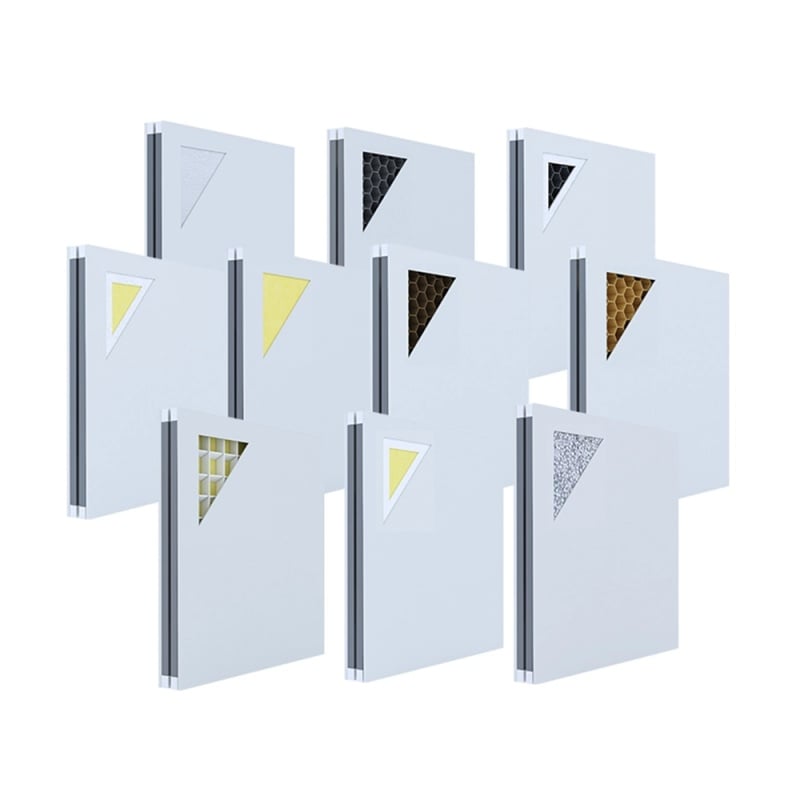
Panely pre čisté miestnosti sú široko využívané v odvetviach s prísnymi požiadavkami na prostredie – napríklad v elektronike, farmaceutickom priemysle a potravinárstve – kde slúžia na vytváranie čistých a hygienických priestorových prostredí. Tieto panely majú rozmanitú škálu jadrových materiálov, ktoré sa bežne používajú, napríklad kamenná vlna, dutý oxid horčíka, hliníková včelí plást, ako aj kompozity z oxidu horčíka a kamennej vlny. Vzhľadom na odlišné vlastnosti jednotlivých typov jadrových materiálov sa inštalačné postupy týchto rôznych panelov pre čisté miestnosti skutočne v mnohých aspektoch líšia.
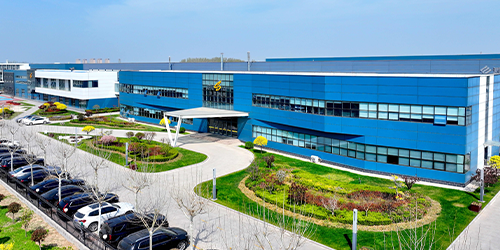
cleanroom panels factory

Inštalácia panelov pre čisté miestnosti s jadrom z kamennej vlny

Jadro z kamennej vlny sa vyrába z prírodného kameňa prostredníctvom vysokoteplotného procesu tavenia; je relatívne ťažké a má určitý stupeň tuhosti. Počas inštalácie je rozhodujúci nosný výkon podpornej kostry. Na základe hmotnosti dosiek musí byť vzdialenosť medzi kostrami navrhnutá vedecky a racionálne, aby sa zabránilo deformácii dosiek spôsobenej nedostatočnou nosnosťou podpory. Napríklad, ak panely pre čisté miestnosti z kamenného vlny sa používajú ako stenové materiály v rozsiahlej priemyselnej prevádzke s prísnymi požiadavkami na požiarnu bezpečnosť, príliš veľká vzdialenosť medzi kostrami – so zreteľom na významnú hmotnosť dosiek z kamennej vlny – by časom mohla viesť k prehnutiu alebo deformácii dosiek, čím by sa ohrozila nielen estetická pôsobivosť, ale aj prevádzková bezpečnosť.

Okrem toho sú rezané okraje panelov z kamennej vlny náchylné na tvorbu prachu. Preto je počas inštalácie nevyhnutné uplatniť primerané ochranné opatrenia – napríklad vyžadovať od stavebných pracovníkov, aby používali profesionálne protiprachové masky, a v miestach rezu nasadiť lokálne zariadenia na odstraňovanie prachu – aby sa zabránilo kontaminácii čistého priestoru prachom. Pri spájaní panelov je nevyhnutné zabezpečiť, aby boli švy tesne priliehajúce; to je kľúčové pre účinné zaručenie tepelnej izolácie a zvukovej izolácie. Napríklad pri výstavbe operačných sál v nemocniciach – kde sú normy na kontrolu hluku mimoriadne prísne – tesne priliehajúce švy významne znížia vnikanie vonkajšieho hluku a súčasne zabránia tepelnej výmene medzi vnútorným a vonkajším prostredím, čím sa udrží stabilná teplota v interiéri.
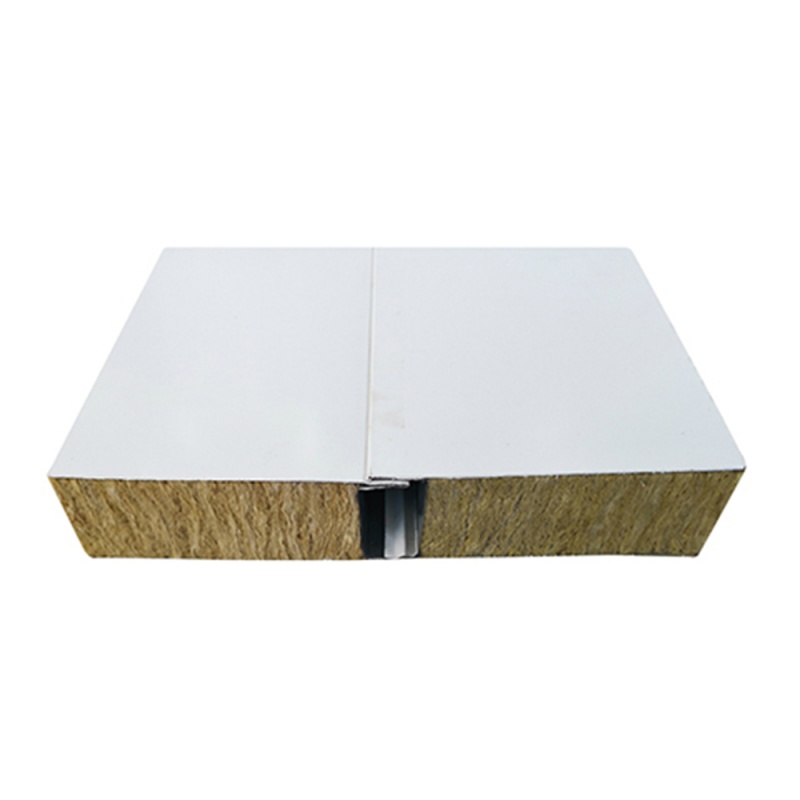
Installation of Rock Wool Core Cleanroom Panels

Inštalácia čistých panelov s jadrom z polyuretánového materiálu

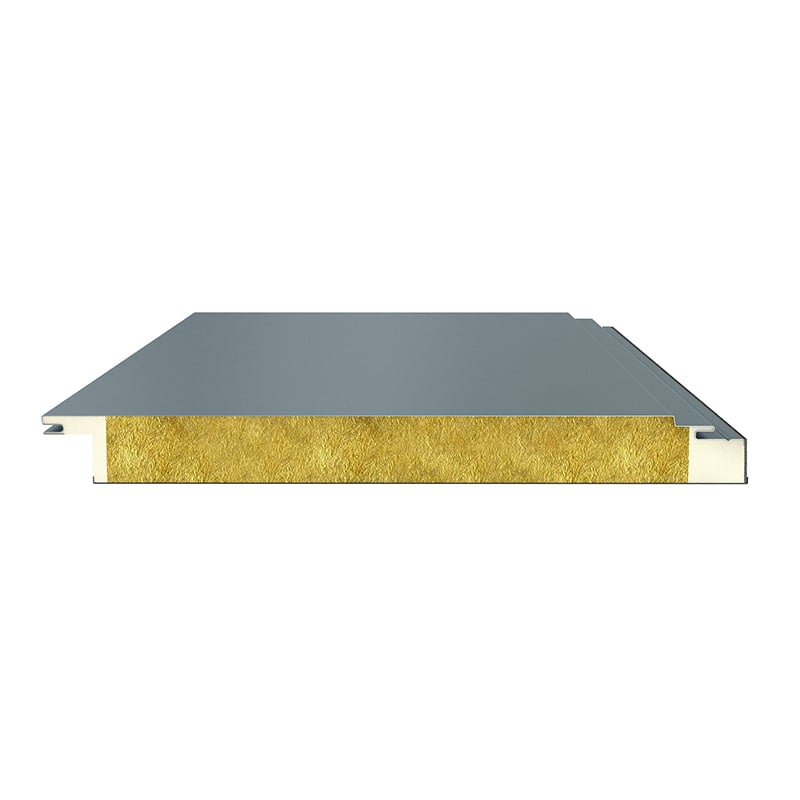
Jadro z polyuretánového materiálu pozostáva z polyuretánovej peny; ponúka vynikajúce tepelné izolačné a tesniace vlastnosti a kombinuje vysokú štrukturálnu pevnosť s miernou hmotnosťou. Počas inštalácie je možné upraviť rozmiestnenie nosnej kľúčovej konštrukcie tak, aby vyhovovala konkrétnemu aplikačnému scenáru. Napríklad pri výstavbe chladničky – kde sú požiadavky na tepelnú izoláciu obzvlášť vysoké – nízke vnútorné teploty vyžadujú čisté miestnosti s vynikajúcimi izolačnými schopnosťami, aby sa minimalizovala spotreba energie. V takýchto prípadoch je možné kľúčovú konštrukciu flexibilne nakonfigurovať na základe praktických faktorov, ako je priestorová štruktúra chladničky a umiestnenie chladiaceho zariadenia.

Avšak keďže materiály z polyuretánov môžu pri vystavení vysokým teplotám uvoľňovať škodlivé plyny, počas inštalačného procesu je prísne zakázané používať otvorený plameň a musí byť zabezpečená dostatočná ventilácia. Okrem toho majú polyuretánové panely zvyčajne na spojoch zámkový systém typu „jazyk–drážka“; počas inštalácie je nevyhnutné zabezpečiť, aby sa tieto zámkové profily pevne zapadli do seba, čím sa zvýši celková vzduchotesnosť konštrukcie. Ako príklad si uveďme potravinovú chladničku: ak sa zámkové spoje typu „jazyk–drážka“ nepripájajú tesne, vonkajší vzduch sa môže ľahko dostať dovnútra. To môže spôsobiť kolísanie teploty v chladničke, čím sa zníži účinnosť uchovávania potravín.
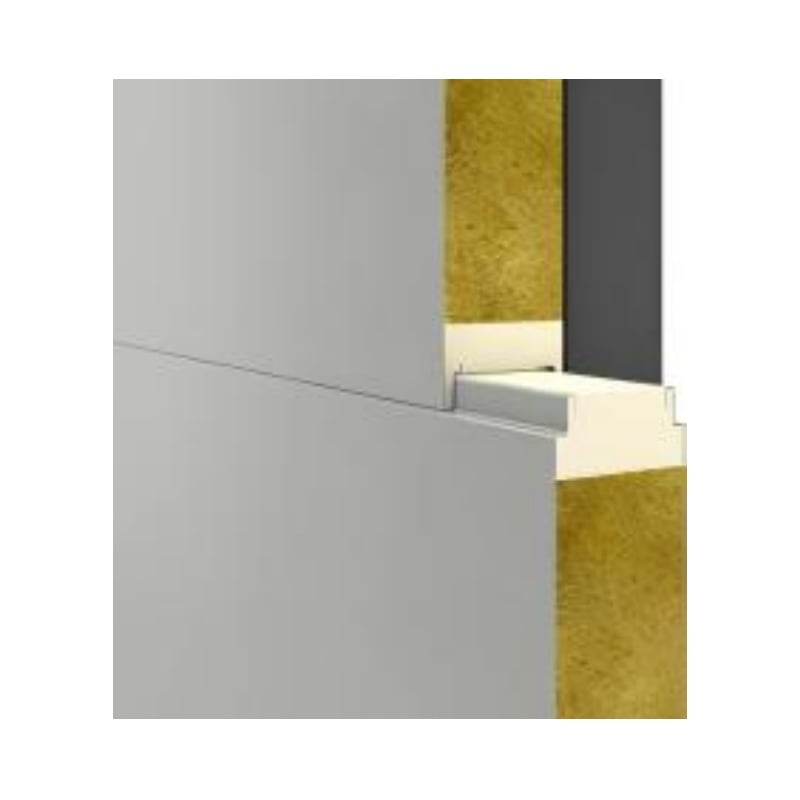
Installation of Polyurethane Core Cleanroom Panels

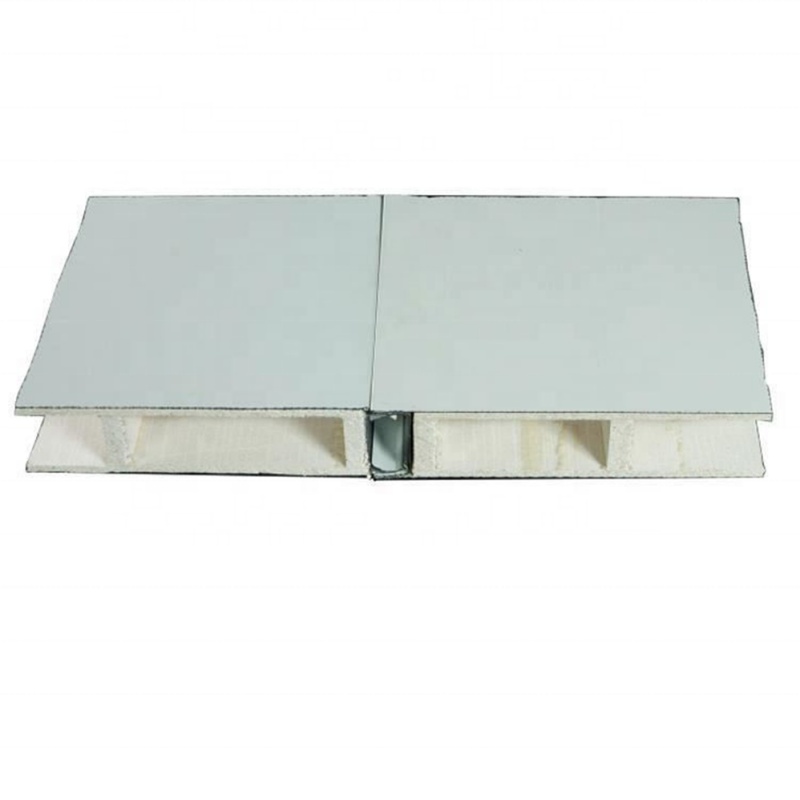
Inštalácia čistých miestností s dutými panelmi s jadrom z oxidu horčíka

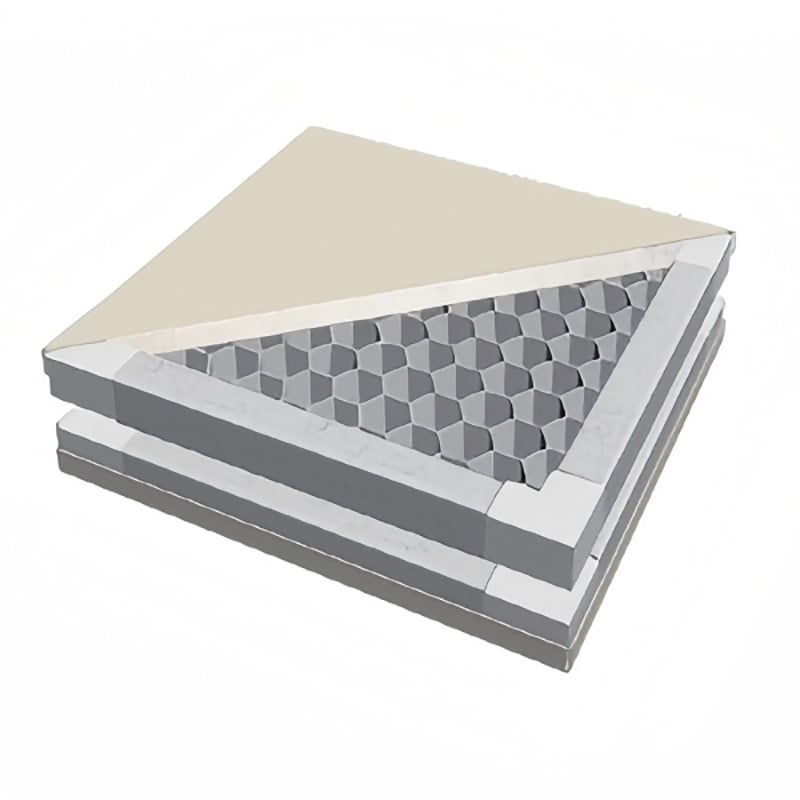
Duté panely s jadrom z oxidu horčíka zvyčajne pozostávajú z včelieho plástu alebo mriežkového dutého vnútorného štruktúrneho prvku spojeného s tvrdými doskami z oxidu horíka. Vzhľadom na svoju nízku hmotnosť ponúkajú relatívne pohodlnú inštaláciu. Ich inštalácia však kladie prísne požiadavky na rovnosť podkladovej vrstvy (základnej vrstvy). Povrch podkladovej vrstvy musí byť rovný, suchý a čistý; ak odchýlka rovnosti podkladovej vrstvy presahuje stanovenú toleranciu (všeobecne chyba rovnosti nesmie presiahnuť 5 mm v ľubovoľnom úseku dĺžky 2 m), po inštalácii sa panely čistých miestností nebudú pevne prilepiť k podkladovej vrstve, čo spôsobí nadmerné šírky medzier medzi panelmi. Pri výstavbe elektronických čistých miestností môžu príliš široké medzery medzi panelmi umožniť ľahký vstup prachu a iných nečistôt, čím sa stane nemožným splnenie prísnych požiadaviek na čistotu prostredia vyžadovaných pri výrobe elektronických zariadení.

Pri upevňovaní panelov sa zvyčajne používajú metódy, ako sú samorezné skrutky. Konkrétne požiadavky upravujú vzdialenosť medzi týmito skrutkami, ktoré sa všeobecne rovnomerne rozdeľujú v rozumnom rozsahu, aby sa zabezpečilo pevné ukotvenie panelov. Okrem toho je rovnako dôležitá úprava švíkov medzi panelmi; tieto švíky je potrebné vyplniť tesniacimi materiálmi, aby sa zabezpečil účinný tesnenie a zabránilo sa úniku vzduchu.
cleanroom panels factory Installation of Rock Wool Core Cleanroom Panels Rock wool core material is manufactured from natural rock through a high-temperature melting process; it is relatively heavy and possesses a certain degree of rigidity. During installation, the load-bearing capacity of the supporting keel structure is of paramount importance. Based on the weight of the panels, the spacing between keels must be designed scientifically and rationally to prevent panel deformation caused by insufficient load-bearing support. For instance, if rock wool cleanroom panels are utilized as wall materials in a large-scale industrial facility with stringent fire safety requirements, setting the keel spacing too wide—given the substantial weight of the rock wool panels—could eventually lead to sagging or deformation of the panels over time, thereby compromising both aesthetic appeal and operational safety.  Furthermore, the cut edges of rock wool panels are prone to generating dust. Consequently, appropriate protective measures must be implemented during installation—such as requiring construction personnel to wear professional dust-proof masks and deploying localized dust extraction equipment in cutting zones—to prevent dust contamination within the cleanroom environment. When joining panels, it is imperative to ensure that the seams are tightly fitted; this is essential for effectively guaranteeing thermal insulation and soundproofing performance. For example, in the construction of medical operating rooms—where noise control standards are exceptionally strict—tightly fitted seams can significantly minimize the intrusion of external noise while simultaneously preventing thermal exchange between the indoor and outdoor environments, thereby maintaining stable indoor temperatures.  Installation of Rock Wool Core Cleanroom Panels  Installation of Polyurethane Core Cleanroom Panels Polyurethane core material consists of a polyurethane foam filling; it offers excellent thermal insulation and sealing properties, combining high structural strength with a moderate weight. During installation, the layout of the supporting keel structure can be adjusted to suit the specific application scenario. For instance, in the construction of a cold storage facility—where thermal insulation requirements are particularly high—the low internal temperatures necessitate cleanroom panels with superior insulating capabilities to minimize energy consumption. In such cases, the keel layout can be flexibly configured based on practical factors such as the spatial structure of the cold storage unit and the positioning of refrigeration equipment.  However, since polyurethane materials may release harmful gases when exposed to high temperatures, the use of open flames must be strictly prohibited during the installation process, and adequate ventilation must be ensured. Additionally, polyurethane panels typically feature a tongue-and-groove interlocking design at their joints; during installation, it is crucial to ensure that these interlocking profiles engage tightly to enhance the overall airtightness of the structure. Taking a food cold storage facility as an example: if the tongue-and-groove joints do not interlock tightly, outside air can easily infiltrate. This may lead to temperature fluctuations within the cold storage area, thereby compromising the effectiveness of food preservation.  Installation of Polyurethane Core Cleanroom Panels  Installation of Hollow Magnesium Oxide Core Cleanroom Panels

Kľúčové body inštalácie čistých miestností s panelmi s hliníkovým plienkovým jadrom

Hliníkové panely s medzery v tvare včelích plástov pre čisté miestnosti ponúkajú množstvo výhod, ako napríklad vysokú štrukturálnu pevnosť a vynikajúcu plošnú rovnosť povrchu. Počas inštalácie, s ohľadom na relatívne rovnomerné rozloženie hmotnosti panelov, sa návrh nosného kľúčového systému môže určiť na základe špecifických technických údajov panelov a okolitého inštalačného prostredia. V rozsiahlych komerčných nákupných centrách – konkrétne pri projektoch obkladu vzduchotechnických kanálov centrálneho klimatizačného systému – je pri použití hliníkových medzidných čistých miestností potrebný návrh kľúčového systému prispôsobený tvaru a rozmerom vzduchotechnických kanálov, ako aj celkovej priestorovej úprave nákupného centra.

Pri spojovaní hliníkových panely s plnivom v podobe včelieho plástu pre čisté miestnosti je vyžadovaná veľmi vysoká presnosť. Je nevyhnutné zabezpečiť, aby boli všetky spoje rovné a tesne uzavreté, aby sa dosiahla esteticky príjemná vzhľad a zároveň sa udržala optimálna celková výkonnosť. Okrem toho je počas inštalačného procesu potrebné veľmi starostlivo chrániť povrch panelov; mali by sa prijať opatrenia na zabránenie poškrabania alebo nárazov, ktoré by mohli spôsobiť poškodenie povrchu a tým kompromitovať nielen vizuálny dojem, ale aj funkčnú celistvosť panelov.
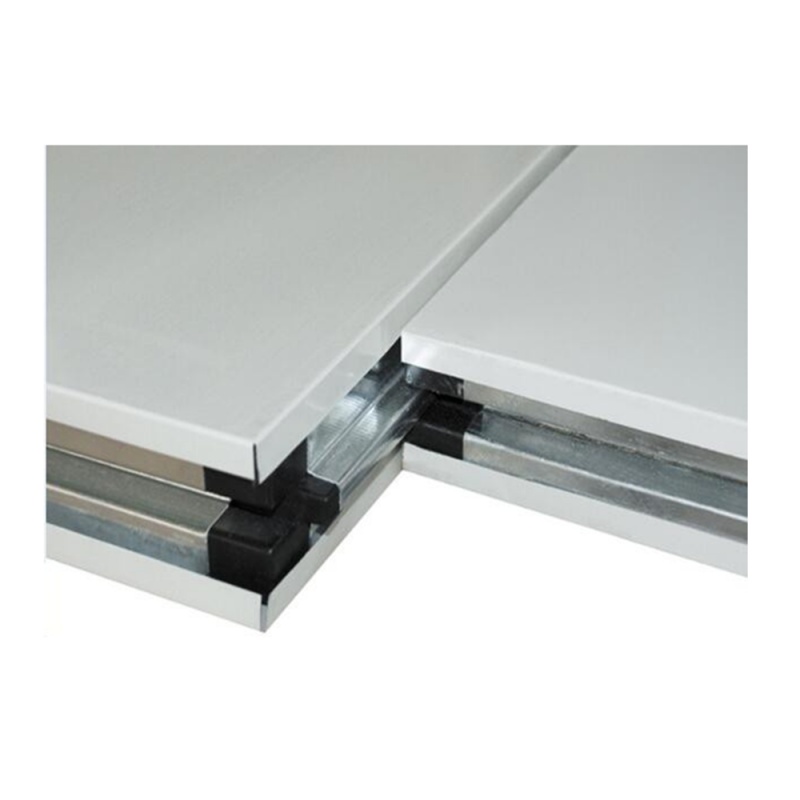
Key Installation Points for Aluminum Honeycomb Core Cleanroom Panels

Zvážte pri inštalácii panelov pre čisté miestnosti s jadrom z oxidu horčíka a kamenného vlny

Panely s jadrom z oxidu horčíka (MgO) a kamenného vlny kombinujú výrazné vlastnosti oboch materiálov. Počas inštalácie je potrebné zohľadniť špecifické požiadavky vyplývajúce z jadra z kamenného vlny – najmä pokiaľ ide o jeho požiarovzdornosť a tepelnú izoláciu – a súčasne prispôsobiť sa jedinečným vlastnostiam obkladových dosiek z oxidu horčíka. Pri upevňovaní panelov je kritické zabezpečiť, aby spojovacie prvky pevne prenikli cez dosku z oxidu horčíka a vytvorili tak bezpečné spojenie s nosnou kostrou, čím sa zaručí štrukturálna stabilita celého zariadenia. V projektoch výstavby čistých miestností v farmaceutických výrobných zariadeniach môže nedostatočné upevnenie viesť k uvoľneniu panelov počas neskorších prevádzkových činností, čo môže byť spôsobené napríklad vibráciami zariadení v dielni.

Čo sa týka spracovania spojov dosiek, medzery sa najprv musia vyplniť vhodným tesniacim materiálom a následne sa musí vykonať primerané povrchové dokončenie, aby sa zabezpečila nielen vzduchotesnosť, ale aj estetická súvislosť spojov. Okrem toho, keďže dosky z oxidu horčíka sú v prostredí s vysokou vlhkosťou náchylné na problémy súvisiace s vlhkosťou – napríklad na „potenie“ alebo migráciu vlhkosti – je počas inštalácie nevyhnutné uplatniť účinné opatrenia proti vlhkosti; príkladmi sú nanášanie vlhkosťou odolných povlakov na podkladový materiál.
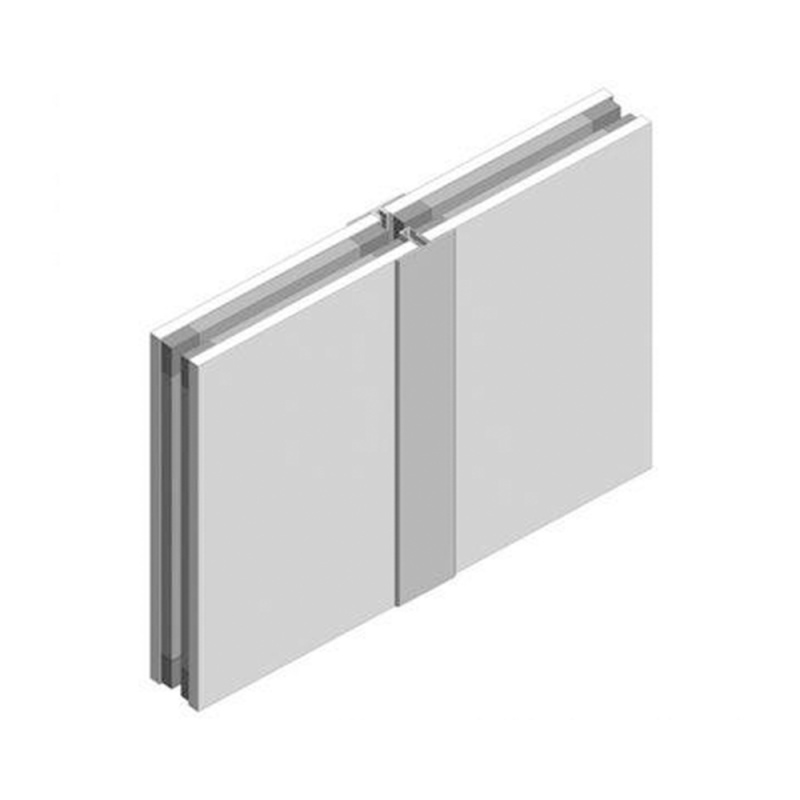
cleanroom panels factory Installation of Rock Wool Core Cleanroom Panels Rock wool core material is manufactured from natural rock through a high-temperature melting process; it is relatively heavy and possesses a certain degree of rigidity. During installation, the load-bearing capacity of the supporting keel structure is of paramount importance. Based on the weight of the panels, the spacing between keels must be designed scientifically and rationally to prevent panel deformation caused by insufficient load-bearing support. For instance, if rock wool cleanroom panels are utilized as wall materials in a large-scale industrial facility with stringent fire safety requirements, setting the keel spacing too wide—given the substantial weight of the rock wool panels—could eventually lead to sagging or deformation of the panels over time, thereby compromising both aesthetic appeal and operational safety.  Furthermore, the cut edges of rock wool panels are prone to generating dust. Consequently, appropriate protective measures must be implemented during installation—such as requiring construction personnel to wear professional dust-proof masks and deploying localized dust extraction equipment in cutting zones—to prevent dust contamination within the cleanroom environment. When joining panels, it is imperative to ensure that the seams are tightly fitted; this is essential for effectively guaranteeing thermal insulation and soundproofing performance. For example, in the construction of medical operating rooms—where noise control standards are exceptionally strict—tightly fitted seams can significantly minimize the intrusion of external noise while simultaneously preventing thermal exchange between the indoor and outdoor environments, thereby maintaining stable indoor temperatures.  Installation of Rock Wool Core Cleanroom Panels  Installation of Polyurethane Core Cleanroom Panels Polyurethane core material consists of a polyurethane foam filling; it offers excellent thermal insulation and sealing properties, combining high structural strength with a moderate weight. During installation, the layout of the supporting keel structure can be adjusted to suit the specific application scenario. For instance, in the construction of a cold storage facility—where thermal insulation requirements are particularly high—the low internal temperatures necessitate cleanroom panels with superior insulating capabilities to minimize energy consumption. In such cases, the keel layout can be flexibly configured based on practical factors such as the spatial structure of the cold storage unit and the positioning of refrigeration equipment.  However, since polyurethane materials may release harmful gases when exposed to high temperatures, the use of open flames must be strictly prohibited during the installation process, and adequate ventilation must be ensured. Additionally, polyurethane panels typically feature a tongue-and-groove interlocking design at their joints; during installation, it is crucial to ensure that these interlocking profiles engage tightly to enhance the overall airtightness of the structure. Taking a food cold storage facility as an example: if the tongue-and-groove joints do not interlock tightly, outside air can easily infiltrate. This may lead to temperature fluctuations within the cold storage area, thereby compromising the effectiveness of food preservation.  Installation of Polyurethane Core Cleanroom Panels  Installation of Hollow Magnesium Oxide Core Cleanroom Panels Hollow magnesium oxide core panels typically consist of a honeycomb or grid-like hollow internal structure bonded to magnesium oxide faceboards. Being lightweight, they offer relatively convenient installation. However, their installation places stringent demands on the flatness of the substrate (base layer). The substrate surface must be flat, dry, and clean; if the flatness deviation of the substrate exceeds the specified tolerance (generally, the flatness error must not exceed 5 mm within any 2-meter span), the cleanroom panels will fail to adhere tightly to the substrate after installation, resulting in excessively wide panel seams. In the construction of electronic cleanrooms, if panel seams are too wide, dust and other impurities can easily enter, making it impossible to meet the rigorous environmental cleanliness standards required for electronics manufacturing.  When securing the panels, methods such as self-tapping screws are typically employed. Specific requirements govern the spacing of these screws, which are generally distributed uniformly within a reasonable range to ensure the panels are firmly anchored. Furthermore, the treatment of panel seams is equally critical; they must be filled with sealing materials to ensure an effective seal and prevent air leakage.  cleanroom panels factory Installation of Rock Wool Core Cleanroom Panels Rock wool core material is manufactured from natural rock through a high-temperature melting process; it is relatively heavy and possesses a certain degree of rigidity. During installation, the load-bearing capacity of the supporting keel structure is of paramount importance. Based on the weight of the panels, the spacing between keels must be designed scientifically and rationally to prevent panel deformation caused by insufficient load-bearing support. For instance, if rock wool cleanroom panels are utilized as wall materials in a large-scale industrial facility with stringent fire safety requirements, setting the keel spacing too wide—given the substantial weight of the rock wool panels—could eventually lead to sagging or deformation of the panels over time, thereby compromising both aesthetic appeal and operational safety.  Furthermore, the cut edges of rock wool panels are prone to generating dust. Consequently, appropriate protective measures must be implemented during installation—such as requiring construction personnel to wear professional dust-proof masks and deploying localized dust extraction equipment in cutting zones—to prevent dust contamination within the cleanroom environment. When joining panels, it is imperative to ensure that the seams are tightly fitted; this is essential for effectively guaranteeing thermal insulation and soundproofing performance. For example, in the construction of medical operating rooms—where noise control standards are exceptionally strict—tightly fitted seams can significantly minimize the intrusion of external noise while simultaneously preventing thermal exchange between the indoor and outdoor environments, thereby maintaining stable indoor temperatures.  Installation of Rock Wool Core Cleanroom Panels  Installation of Polyurethane Core Cleanroom Panels Polyurethane core material consists of a polyurethane foam filling; it offers excellent thermal insulation and sealing properties, combining high structural strength with a moderate weight. During installation, the layout of the supporting keel structure can be adjusted to suit the specific application scenario. For instance, in the construction of a cold storage facility—where thermal insulation requirements are particularly high—the low internal temperatures necessitate cleanroom panels with superior insulating capabilities to minimize energy consumption. In such cases, the keel layout can be flexibly configured based on practical factors such as the spatial structure of the cold storage unit and the positioning of refrigeration equipment.  However, since polyurethane materials may release harmful gases when exposed to high temperatures, the use of open flames must be strictly prohibited during the installation process, and adequate ventilation must be ensured. Additionally, polyurethane panels typically feature a tongue-and-groove interlocking design at their joints; during installation, it is crucial to ensure that these interlocking profiles engage tightly to enhance the overall airtightness of the structure. Taking a food cold storage facility as an example: if the tongue-and-groove joints do not interlock tightly, outside air can easily infiltrate. This may lead to temperature fluctuations within the cold storage area, thereby compromising the effectiveness of food preservation.  Installation of Polyurethane Core Cleanroom Panels  Installation of Hollow Magnesium Oxide Core Cleanroom Panels  Key Installation Points for Aluminum Honeycomb Core Cleanroom Panels Aluminum honeycomb core cleanroom panels offer numerous advantages, such as high structural strength and excellent surface flatness. During installation, given the relatively uniform distribution of the panels' weight, the design of the supporting keel system can be determined based on the specific panel specifications and the ambient installation environment. In large-scale commercial shopping malls—specifically for projects involving the enclosure of central air conditioning ventilation ducts—the use of aluminum honeycomb cleanroom panels necessitates a keel design tailored to the shape and dimensions of the ventilation ducts, as well as the overall spatial layout of the mall.  When splicing aluminum honeycomb cleanroom panels, a high degree of precision is required. It is essential to ensure that all joints are flat and tightly sealed to achieve an aesthetically pleasing appearance and maintain optimal overall performance. Furthermore, during the installation process, great care must be taken to protect the panel surfaces; precautions should be implemented to prevent scratches or impacts that could cause surface damage, thereby compromising both the visual appeal and the functional integrity of the panels.  Key Installation Points for Aluminum Honeycomb Core Cleanroom Panels  Installation Considerations for Magnesium Oxide Rock Wool Core Cleanroom Panels

Pri inštalácii čistiacich panelov s rôznymi materiálmi jadra je potrebné prijať špecifické opatrenia – prispôsobené vlastnostiam materiálu jadra – týkajúce sa návrhu kostry, ochrany pred vlhkosťou a požiarom, spojovania panelov a bezpečnostných opatrení pri manipulácii. Tým sa zabezpečí kvalita inštalácie a umožní sa čistiacim panelom dosiahnuť ich plný výkonnostný potenciál. V reálnych inžinierskych projektoch by výber čistiacich panelov s vhodnými materiálmi jadra mal vychádzať z komplexného posúdenia faktorov, ako je konkrétny aplikačný scenár, požiadavky na prostredie a rozpočet; navyše musí byť výstavba vykonaná v striktnej súlade s príslušnými pokynmi pre inštaláciu.
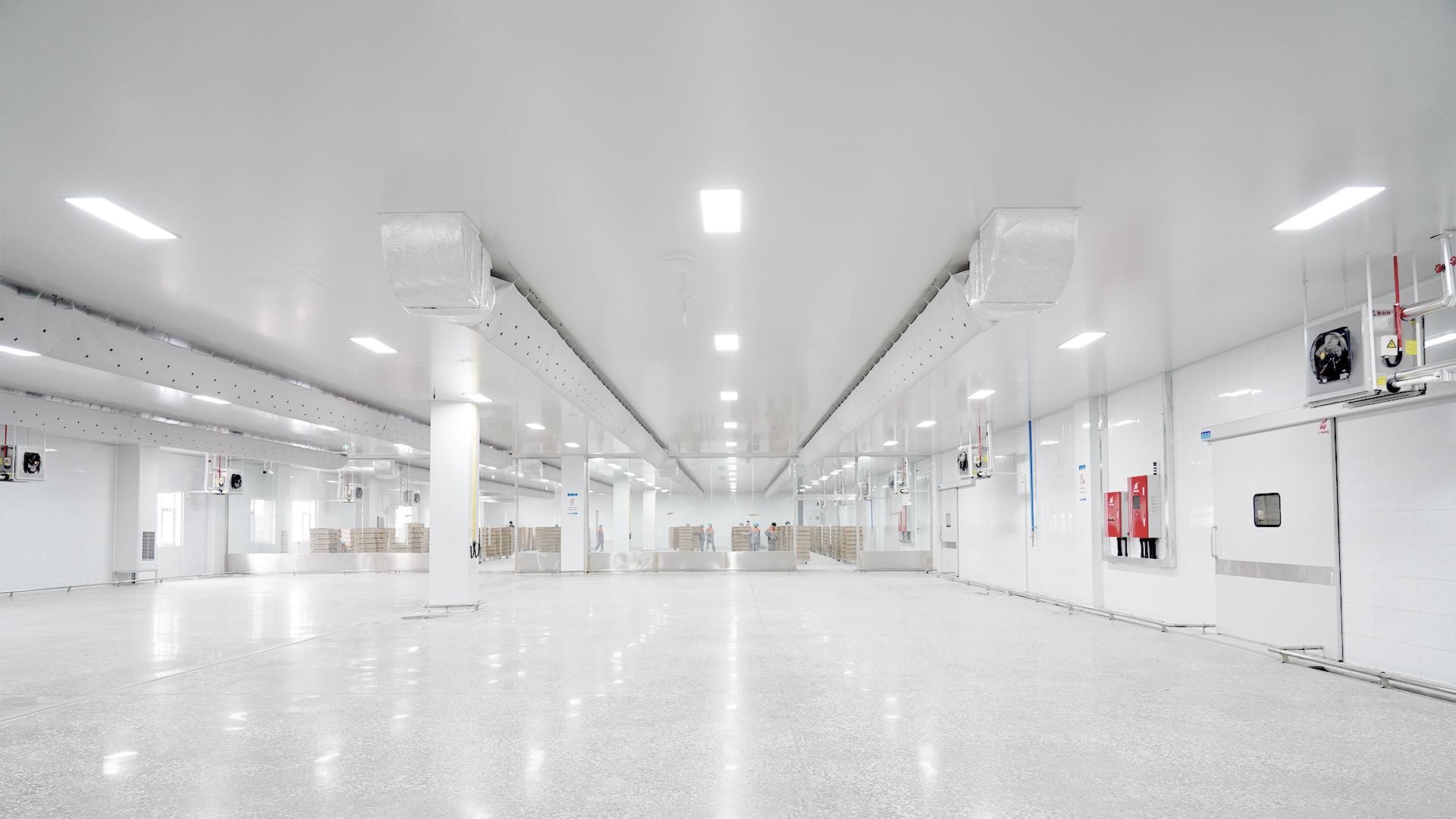
Cleanroom Enclosure System for Shandong Boda Food (1).jpg

Získajte bezplatnú ponuku pre váš projekt

Či už ide o oceľový dielňový priestor, chladničku alebo systém čistých miestností, ponúkame konkurencieschopné továrenské ceny a profesionálne návrhy.
E-mail
Meno
Mobil/WhatsApp
Názov spoločnosti
Správa
0/1000