プロジェクトの無料お見積りを取得

鋼構造工場、冷蔵倉庫、クリーンルームシステムなど、いずれの場合でも、当社は競争力のある工場価格と専門的な設計サービスをご提供します。
メールアドレス
氏名
携帯電話/WhatsApp
会社名
メッセージ
0/1000

業界ニュース

Hōmupeーji >  リソース >  業界ニュース

異なるコア材質を用いたクリーンルームパネルの設置には、違いがありますか

Apr 14, 2026

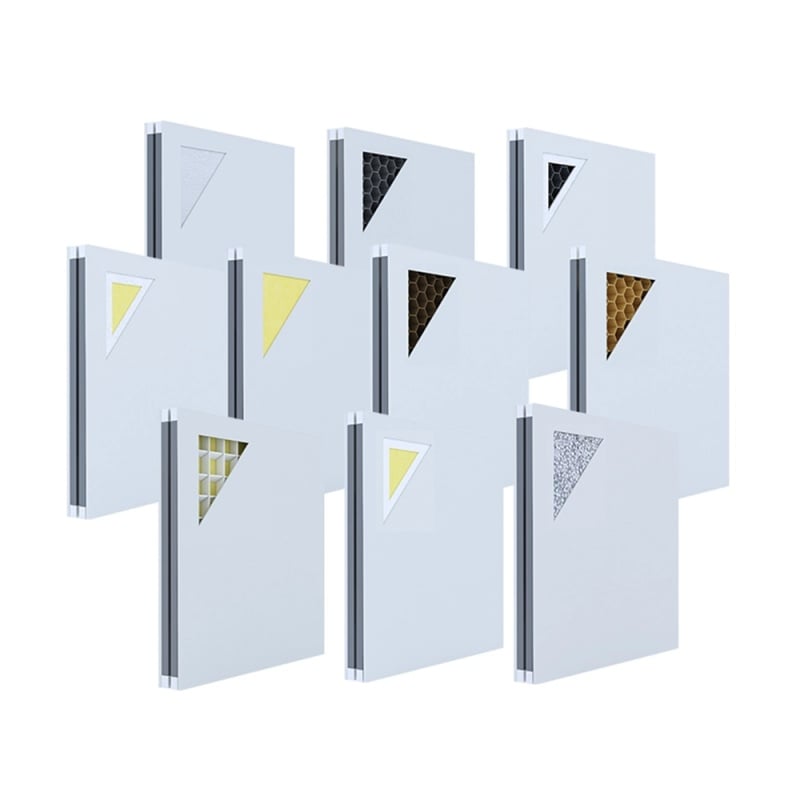
クリーンルームパネル これらのパネルは、電子機器、医薬品、食品加工など、厳しい環境要件が求められる産業分野で広く利用されており、清潔で衛生的な空間環境を構築するために使用されます。これらのパネルには多様なコア材質が採用されており、一般的な例としてロックウール、中空マグネシウムオキサイド、アルミニウムハニカム、およびマグネシウムオキサイド-ロックウール複合材が挙げられます。各コア材質は固有の特性を持つため、これらのさまざまなクリーンルームパネルの設置工程には、確かに多くの違いが存在します。
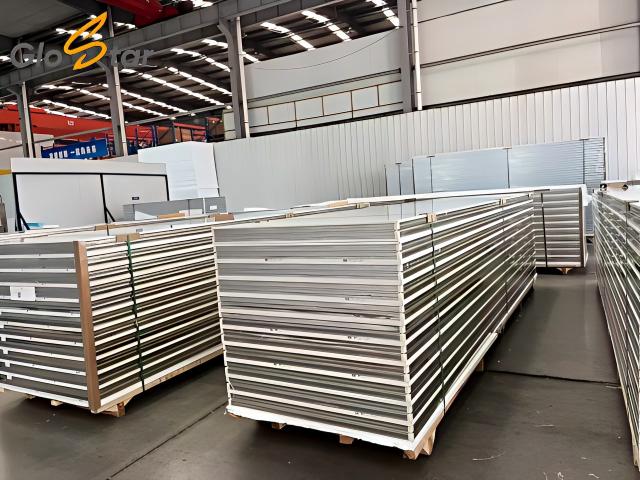
cleanroom panels factory

ロックウールコア材を用いたクリーンルームパネルの設置

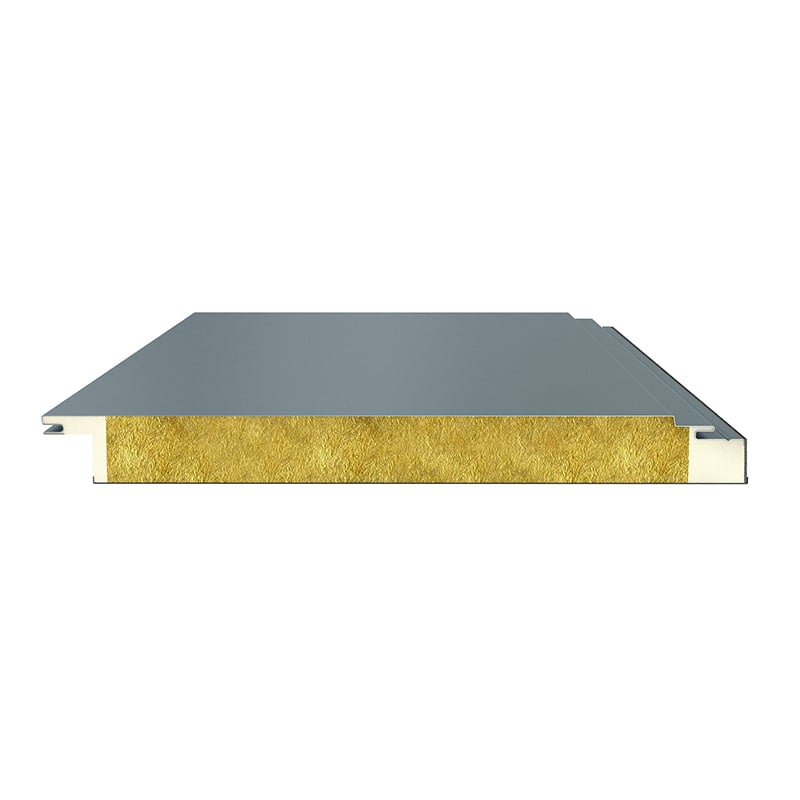
ロックウール芯材は天然岩石を高温溶融プロセスで製造されたものであり、比較的重量があり、一定の剛性を有しています。設置時には、支持用ケイル構造の耐荷重能力が極めて重要です。パネルの重量に基づき、ケイル間隔を科学的かつ合理的に設計しなければならず、耐荷重支持が不十分なためにパネルが変形するのを防ぐ必要があります。例えば、 ロックウール製クリーンルームパネル 防火安全性が厳しく求められる大規模産業施設において壁材として使用される場合、ロックウールパネルの重量が大きいため、ケイル間隔を広く設定しすぎると、長期にわたりパネルがたわんだり変形したりする可能性があり、結果として外観上の美観および運用上の安全性の両方を損なうおそれがあります。

さらに、ロックウールパネルの切断面は粉塵を発生しやすいため、クリーンルーム環境内への粉塵汚染を防止するため、施工時に適切な防護措置を講じる必要があります。具体的には、作業員に専門の粉塵防護マスクを着用させることや、切断作業エリアに局所排気装置を設置することなどが挙げられます。また、パネル同士を接合する際には、継ぎ目を密閉して隙間なく確実に取り付けることが不可欠です。これは、断熱性能および遮音性能を効果的に確保する上で極めて重要です。例えば、騒音制御基準が極めて厳しい医療用手術室の建設においては、継ぎ目を密閉することで外部からの騒音侵入を大幅に低減するとともに、室内と室外との間の熱交換を防止し、室内温度の安定を維持することができます。
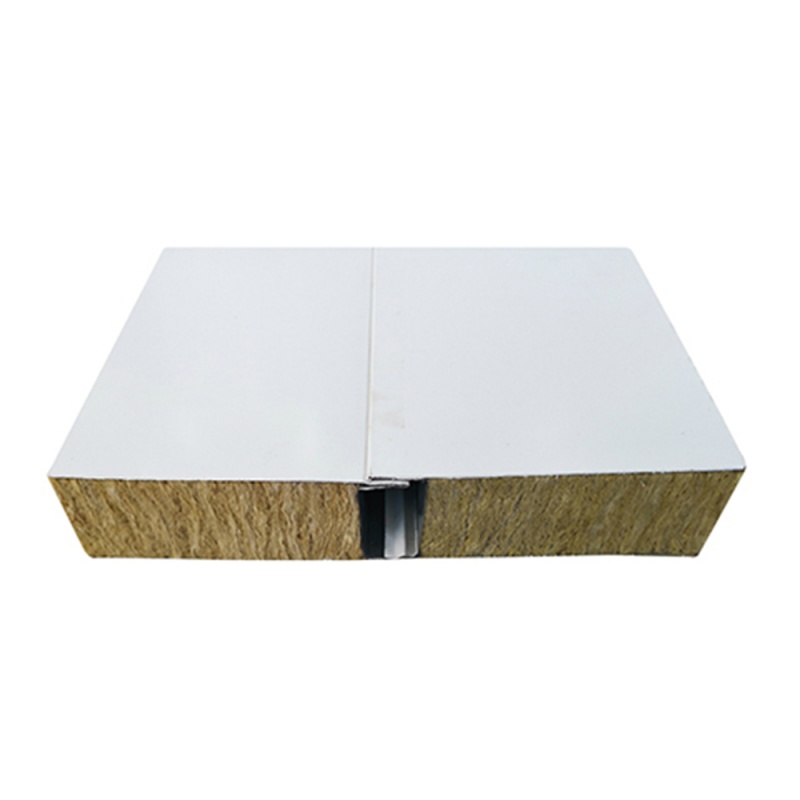
Installation of Rock Wool Core Cleanroom Panels

ポリウレタン芯材クリーンルームパネルの設置

ポリウレタンコア材は、ポリウレタンフォームを充填材として用いた構造であり、優れた断熱性および気密性を備え、高い構造強度と適度な重量を両立しています。設置時には、支持用ケイル構造の配置を、具体的な適用シーンに応じて調整可能です。例えば、冷蔵庫施設の建設においては、特に高い断熱性能が求められるため、内部温度が低くなる環境下では、エネルギー消費を最小限に抑えるために、より優れた断熱性能を持つクリーンルームパネルが必要となります。このような場合、冷蔵庫施設の空間構造や冷凍機器の配置といった実際の要因に基づき、ケイルの配置を柔軟に設定することができます。

ただし、ポリウレタン材料は高温にさらされると有害なガスを放出する可能性があるため、設置作業中は裸火の使用を厳重に禁止しなければならず、十分な換気が確保される必要があります。また、ポリウレタンパネルは通常、継手部に突起(トング)と溝(グローブ)による嵌合構造を備えており、設置時にこれらの嵌合形状が確実に密着するよう注意することが重要です。これにより、建物全体の気密性が向上します。食品用冷蔵庫施設を例に挙げると、突起・溝の継手部が密着していない場合、外部空気が容易に侵入します。その結果、冷蔵庫内の温度が変動し、食品の保存効果が損なわれるおそれがあります。
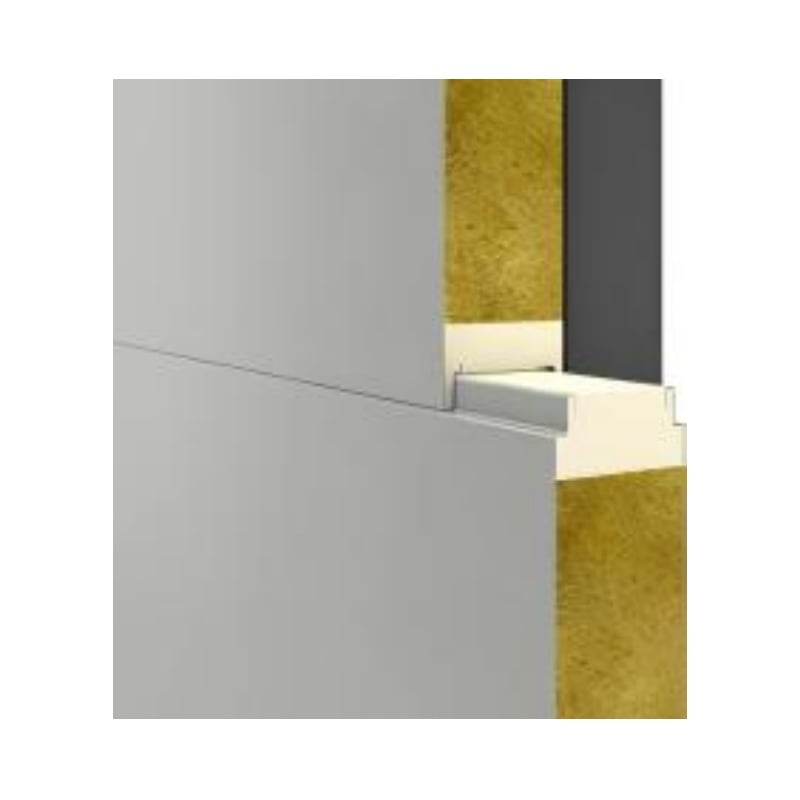
Installation of Polyurethane Core Cleanroom Panels

中空酸化マグネシウム芯材クリーンルームパネルの設置

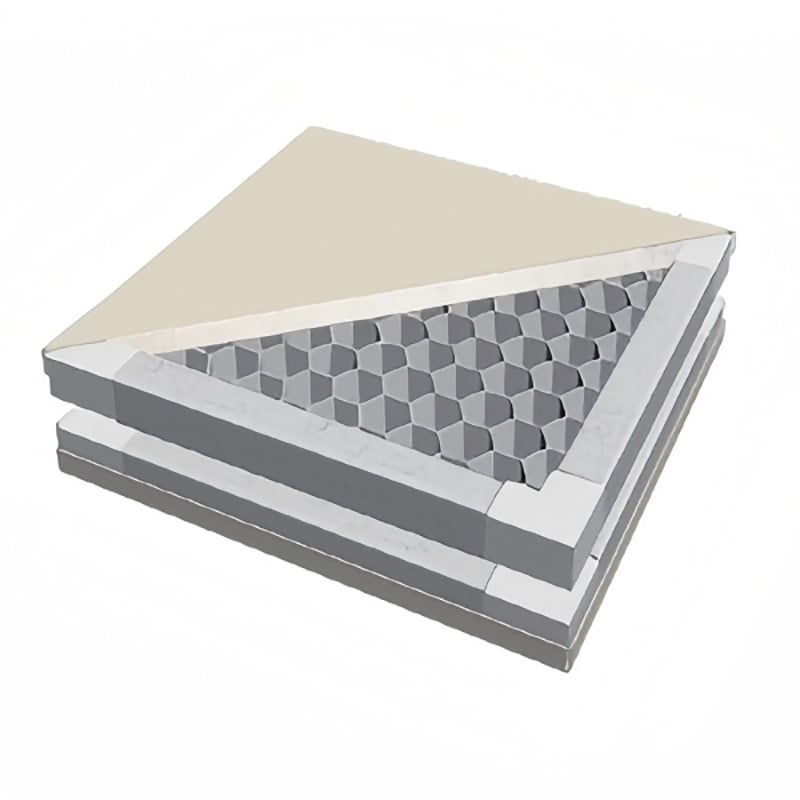
中空酸化マグネシウム芯材パネル 通常、マグネシウムオキサイド製の表面板に接着されたハニカム構造または格子状の中空内部構造から構成されます。軽量であるため、比較的容易な設置が可能です。ただし、設置時には下地(基層)の平面度に対して厳しい要求が課されます。下地表面は平滑で、乾燥し、清掃されている必要があります。下地の平面度偏差が規定許容範囲を超える場合(一般的には、任意の2メートル区間内で平面度誤差が5 mmを超えてはならない)、クリーンルーム用パネルは設置後に下地に密着しなくなり、パネル継ぎ目が過度に広がってしまいます。電子機器用クリーンルームの施工において、パネル継ぎ目が広すぎると、粉塵その他の不純物が容易に侵入し、電子機器製造に求められる厳格な環境清浄度基準を満たすことができなくなります。

パネルの固定には、通常、セルフタッピングねじなどの方法が用いられます。これらのねじの間隔については、特定の要件が定められており、一般に、パネルが確実に固定されるよう、合理的な範囲内で均等に配置されます。さらに、パネル継ぎ目部の処理も同様に重要であり、シーリング材で充填して有効な気密性を確保し、空気漏れを防止する必要があります。
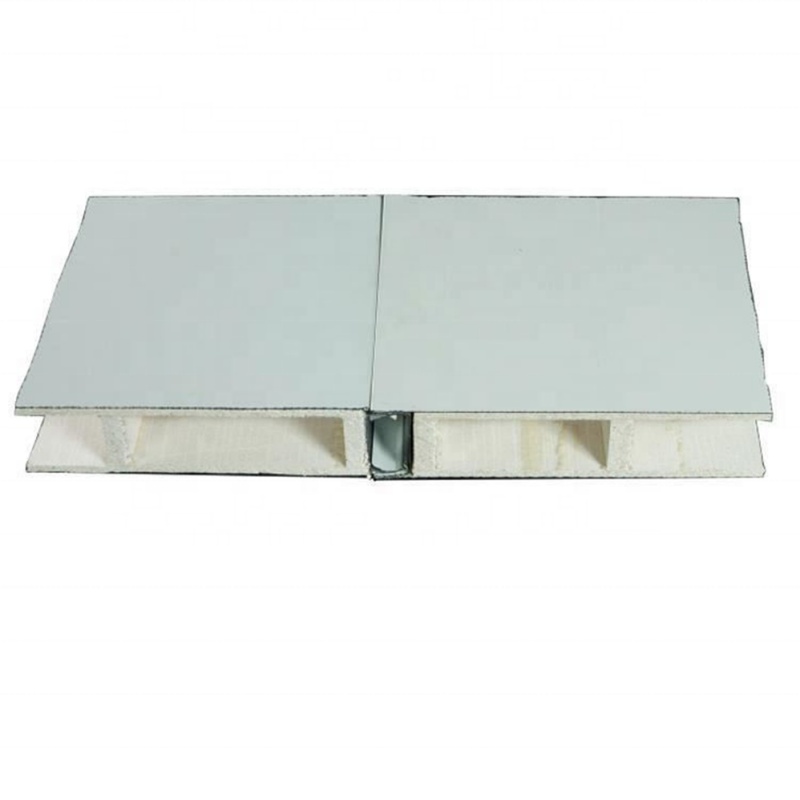
cleanroom panels factory Installation of Rock Wool Core Cleanroom Panels Rock wool core material is manufactured from natural rock through a high-temperature melting process; it is relatively heavy and possesses a certain degree of rigidity. During installation, the load-bearing capacity of the supporting keel structure is of paramount importance. Based on the weight of the panels, the spacing between keels must be designed scientifically and rationally to prevent panel deformation caused by insufficient load-bearing support. For instance, if rock wool cleanroom panels are utilized as wall materials in a large-scale industrial facility with stringent fire safety requirements, setting the keel spacing too wide—given the substantial weight of the rock wool panels—could eventually lead to sagging or deformation of the panels over time, thereby compromising both aesthetic appeal and operational safety.  Furthermore, the cut edges of rock wool panels are prone to generating dust. Consequently, appropriate protective measures must be implemented during installation—such as requiring construction personnel to wear professional dust-proof masks and deploying localized dust extraction equipment in cutting zones—to prevent dust contamination within the cleanroom environment. When joining panels, it is imperative to ensure that the seams are tightly fitted; this is essential for effectively guaranteeing thermal insulation and soundproofing performance. For example, in the construction of medical operating rooms—where noise control standards are exceptionally strict—tightly fitted seams can significantly minimize the intrusion of external noise while simultaneously preventing thermal exchange between the indoor and outdoor environments, thereby maintaining stable indoor temperatures.  Installation of Rock Wool Core Cleanroom Panels  Installation of Polyurethane Core Cleanroom Panels Polyurethane core material consists of a polyurethane foam filling; it offers excellent thermal insulation and sealing properties, combining high structural strength with a moderate weight. During installation, the layout of the supporting keel structure can be adjusted to suit the specific application scenario. For instance, in the construction of a cold storage facility—where thermal insulation requirements are particularly high—the low internal temperatures necessitate cleanroom panels with superior insulating capabilities to minimize energy consumption. In such cases, the keel layout can be flexibly configured based on practical factors such as the spatial structure of the cold storage unit and the positioning of refrigeration equipment.  However, since polyurethane materials may release harmful gases when exposed to high temperatures, the use of open flames must be strictly prohibited during the installation process, and adequate ventilation must be ensured. Additionally, polyurethane panels typically feature a tongue-and-groove interlocking design at their joints; during installation, it is crucial to ensure that these interlocking profiles engage tightly to enhance the overall airtightness of the structure. Taking a food cold storage facility as an example: if the tongue-and-groove joints do not interlock tightly, outside air can easily infiltrate. This may lead to temperature fluctuations within the cold storage area, thereby compromising the effectiveness of food preservation.  Installation of Polyurethane Core Cleanroom Panels  Installation of Hollow Magnesium Oxide Core Cleanroom Panels

アルミニウムハニカムコアクリーンルームパネルの主要な設置ポイント

アルミニウムハニカムクリーンルームパネル 高強度な構造性能と優れた表面平坦性など、多数の利点を提供します。設置時には、パネルの重量が比較的均一に分布しているため、支持用ケイルシステムの設計は、特定のパネル仕様および周辺の設置環境に基づいて決定できます。大規模な商業ショッピングモール(特に中央空調換気ダクトの外装工事)においては、アルミニウムハニカムクリーンルームパネルを用いる場合、換気ダクトの形状・寸法およびモール全体の空間配置に応じた専用ケイル設計が必要となります。

アルミニウムハニカムクリーンルームパネルを継ぎ足す際には、高い精度が求められます。すべての継ぎ目が平滑かつ密閉状態になるよう確実に確保することが不可欠であり、これにより美観性が向上するとともに、全体的な性能を最適な状態で維持できます。さらに、設置作業中はパネル表面を十分に保護する必要があります。表面に傷や衝撃による損傷が生じないよう、あらかじめ対策を講じる必要があります。こうした損傷は、パネルの外観のみならず機能的完全性にも悪影響を及ぼす可能性があります。
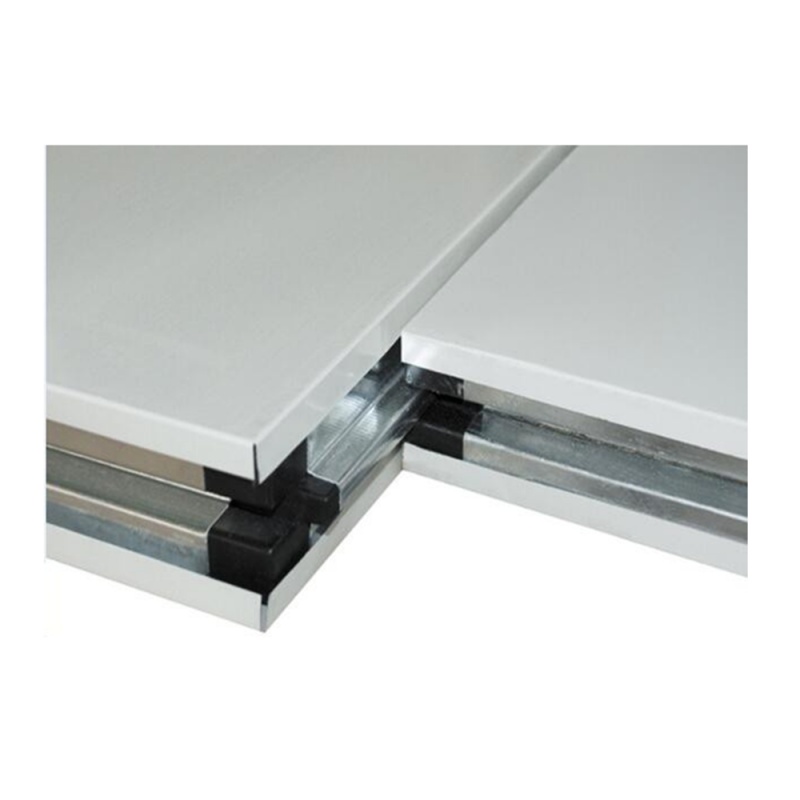
Key Installation Points for Aluminum Honeycomb Core Cleanroom Panels

酸化マグネシウム・ロックウール芯材クリーンルームパネルの設置上の留意点

酸化マグネシウム(MgO)およびロックウールを芯材とするパネル 両方の材料が持つ特有の特性を組み合わせます。設置時には、ロックウール芯材が要求する特定の条件——特に耐火性および断熱性能——を考慮する必要があります。同時に、酸化マグネシウム表面ボードの独自の特性にも対応しなければなりません。パネルを固定する際には、留め具が確実に酸化マグネシウムボードを貫通し、支持用ケイルと堅固な接続を確立することが極めて重要です。これにより、全体のアセンブリの構造的安定性が保証されます。製薬工場内のクリーンルーム建設プロジェクトにおいて、不十分な固定は、その後の作業中にパネルの緩みを引き起こす可能性があります。これは、ワークショップ内における機器の振動などの要因によって誘発されることがあります。

パネル継ぎ目に対する処理に関しては、まず適切なシーラント材で隙間を充填し、その後に適切な表面仕上げを行うことで、継ぎ目の気密性および美観上の連続性の両方を確保する必要があります。また、酸化マグネシウムボードは高湿度環境下において「結露(スウェーティング)」や湿気の移行などの湿気関連問題を起こしやすいため、施工時に確実な防湿対策を講じる必要があります。具体的な対策例として、下地材への防湿性塗料の塗布が挙げられます。
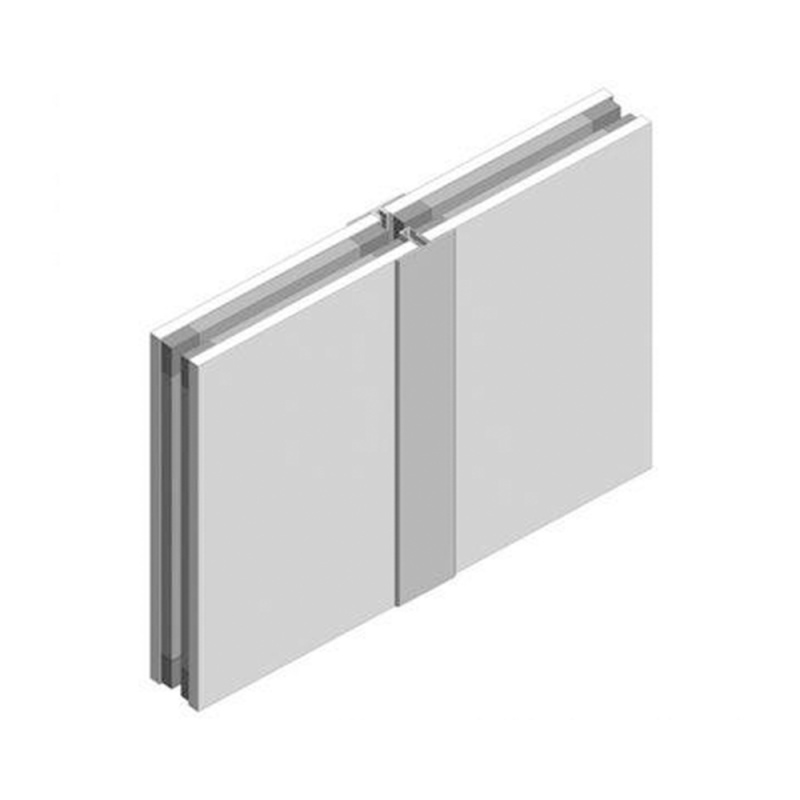
cleanroom panels factory Installation of Rock Wool Core Cleanroom Panels Rock wool core material is manufactured from natural rock through a high-temperature melting process; it is relatively heavy and possesses a certain degree of rigidity. During installation, the load-bearing capacity of the supporting keel structure is of paramount importance. Based on the weight of the panels, the spacing between keels must be designed scientifically and rationally to prevent panel deformation caused by insufficient load-bearing support. For instance, if rock wool cleanroom panels are utilized as wall materials in a large-scale industrial facility with stringent fire safety requirements, setting the keel spacing too wide—given the substantial weight of the rock wool panels—could eventually lead to sagging or deformation of the panels over time, thereby compromising both aesthetic appeal and operational safety.  Furthermore, the cut edges of rock wool panels are prone to generating dust. Consequently, appropriate protective measures must be implemented during installation—such as requiring construction personnel to wear professional dust-proof masks and deploying localized dust extraction equipment in cutting zones—to prevent dust contamination within the cleanroom environment. When joining panels, it is imperative to ensure that the seams are tightly fitted; this is essential for effectively guaranteeing thermal insulation and soundproofing performance. For example, in the construction of medical operating rooms—where noise control standards are exceptionally strict—tightly fitted seams can significantly minimize the intrusion of external noise while simultaneously preventing thermal exchange between the indoor and outdoor environments, thereby maintaining stable indoor temperatures.  Installation of Rock Wool Core Cleanroom Panels  Installation of Polyurethane Core Cleanroom Panels Polyurethane core material consists of a polyurethane foam filling; it offers excellent thermal insulation and sealing properties, combining high structural strength with a moderate weight. During installation, the layout of the supporting keel structure can be adjusted to suit the specific application scenario. For instance, in the construction of a cold storage facility—where thermal insulation requirements are particularly high—the low internal temperatures necessitate cleanroom panels with superior insulating capabilities to minimize energy consumption. In such cases, the keel layout can be flexibly configured based on practical factors such as the spatial structure of the cold storage unit and the positioning of refrigeration equipment.  However, since polyurethane materials may release harmful gases when exposed to high temperatures, the use of open flames must be strictly prohibited during the installation process, and adequate ventilation must be ensured. Additionally, polyurethane panels typically feature a tongue-and-groove interlocking design at their joints; during installation, it is crucial to ensure that these interlocking profiles engage tightly to enhance the overall airtightness of the structure. Taking a food cold storage facility as an example: if the tongue-and-groove joints do not interlock tightly, outside air can easily infiltrate. This may lead to temperature fluctuations within the cold storage area, thereby compromising the effectiveness of food preservation.  Installation of Polyurethane Core Cleanroom Panels  Installation of Hollow Magnesium Oxide Core Cleanroom Panels Hollow magnesium oxide core panels typically consist of a honeycomb or grid-like hollow internal structure bonded to magnesium oxide faceboards. Being lightweight, they offer relatively convenient installation. However, their installation places stringent demands on the flatness of the substrate (base layer). The substrate surface must be flat, dry, and clean; if the flatness deviation of the substrate exceeds the specified tolerance (generally, the flatness error must not exceed 5 mm within any 2-meter span), the cleanroom panels will fail to adhere tightly to the substrate after installation, resulting in excessively wide panel seams. In the construction of electronic cleanrooms, if panel seams are too wide, dust and other impurities can easily enter, making it impossible to meet the rigorous environmental cleanliness standards required for electronics manufacturing.  When securing the panels, methods such as self-tapping screws are typically employed. Specific requirements govern the spacing of these screws, which are generally distributed uniformly within a reasonable range to ensure the panels are firmly anchored. Furthermore, the treatment of panel seams is equally critical; they must be filled with sealing materials to ensure an effective seal and prevent air leakage.  cleanroom panels factory Installation of Rock Wool Core Cleanroom Panels Rock wool core material is manufactured from natural rock through a high-temperature melting process; it is relatively heavy and possesses a certain degree of rigidity. During installation, the load-bearing capacity of the supporting keel structure is of paramount importance. Based on the weight of the panels, the spacing between keels must be designed scientifically and rationally to prevent panel deformation caused by insufficient load-bearing support. For instance, if rock wool cleanroom panels are utilized as wall materials in a large-scale industrial facility with stringent fire safety requirements, setting the keel spacing too wide—given the substantial weight of the rock wool panels—could eventually lead to sagging or deformation of the panels over time, thereby compromising both aesthetic appeal and operational safety.  Furthermore, the cut edges of rock wool panels are prone to generating dust. Consequently, appropriate protective measures must be implemented during installation—such as requiring construction personnel to wear professional dust-proof masks and deploying localized dust extraction equipment in cutting zones—to prevent dust contamination within the cleanroom environment. When joining panels, it is imperative to ensure that the seams are tightly fitted; this is essential for effectively guaranteeing thermal insulation and soundproofing performance. For example, in the construction of medical operating rooms—where noise control standards are exceptionally strict—tightly fitted seams can significantly minimize the intrusion of external noise while simultaneously preventing thermal exchange between the indoor and outdoor environments, thereby maintaining stable indoor temperatures.  Installation of Rock Wool Core Cleanroom Panels  Installation of Polyurethane Core Cleanroom Panels Polyurethane core material consists of a polyurethane foam filling; it offers excellent thermal insulation and sealing properties, combining high structural strength with a moderate weight. During installation, the layout of the supporting keel structure can be adjusted to suit the specific application scenario. For instance, in the construction of a cold storage facility—where thermal insulation requirements are particularly high—the low internal temperatures necessitate cleanroom panels with superior insulating capabilities to minimize energy consumption. In such cases, the keel layout can be flexibly configured based on practical factors such as the spatial structure of the cold storage unit and the positioning of refrigeration equipment.  However, since polyurethane materials may release harmful gases when exposed to high temperatures, the use of open flames must be strictly prohibited during the installation process, and adequate ventilation must be ensured. Additionally, polyurethane panels typically feature a tongue-and-groove interlocking design at their joints; during installation, it is crucial to ensure that these interlocking profiles engage tightly to enhance the overall airtightness of the structure. Taking a food cold storage facility as an example: if the tongue-and-groove joints do not interlock tightly, outside air can easily infiltrate. This may lead to temperature fluctuations within the cold storage area, thereby compromising the effectiveness of food preservation.  Installation of Polyurethane Core Cleanroom Panels  Installation of Hollow Magnesium Oxide Core Cleanroom Panels  Key Installation Points for Aluminum Honeycomb Core Cleanroom Panels Aluminum honeycomb core cleanroom panels offer numerous advantages, such as high structural strength and excellent surface flatness. During installation, given the relatively uniform distribution of the panels' weight, the design of the supporting keel system can be determined based on the specific panel specifications and the ambient installation environment. In large-scale commercial shopping malls—specifically for projects involving the enclosure of central air conditioning ventilation ducts—the use of aluminum honeycomb cleanroom panels necessitates a keel design tailored to the shape and dimensions of the ventilation ducts, as well as the overall spatial layout of the mall.  When splicing aluminum honeycomb cleanroom panels, a high degree of precision is required. It is essential to ensure that all joints are flat and tightly sealed to achieve an aesthetically pleasing appearance and maintain optimal overall performance. Furthermore, during the installation process, great care must be taken to protect the panel surfaces; precautions should be implemented to prevent scratches or impacts that could cause surface damage, thereby compromising both the visual appeal and the functional integrity of the panels.  Key Installation Points for Aluminum Honeycomb Core Cleanroom Panels  Installation Considerations for Magnesium Oxide Rock Wool Core Cleanroom Panels

異なるコア材を用いた浄化パネルを設置する際には、ケイルの設計、防湿・防火処理、パネルの継手、および取扱い時の保護対策などについて、それぞれのコア材の特性に応じた具体的な措置を講じる必要があります。これにより、設置品質が確保され、浄化パネルがその性能を十分に発揮できるようになります。実際の工事プロジェクトにおいては、具体的な用途シーン、環境要件、予算などの諸要素を総合的に評価したうえで、適切なコア材を備えた浄化パネルを選定すべきです。さらに、関連する設置ガイドラインを厳密に遵守して施工を行う必要があります。
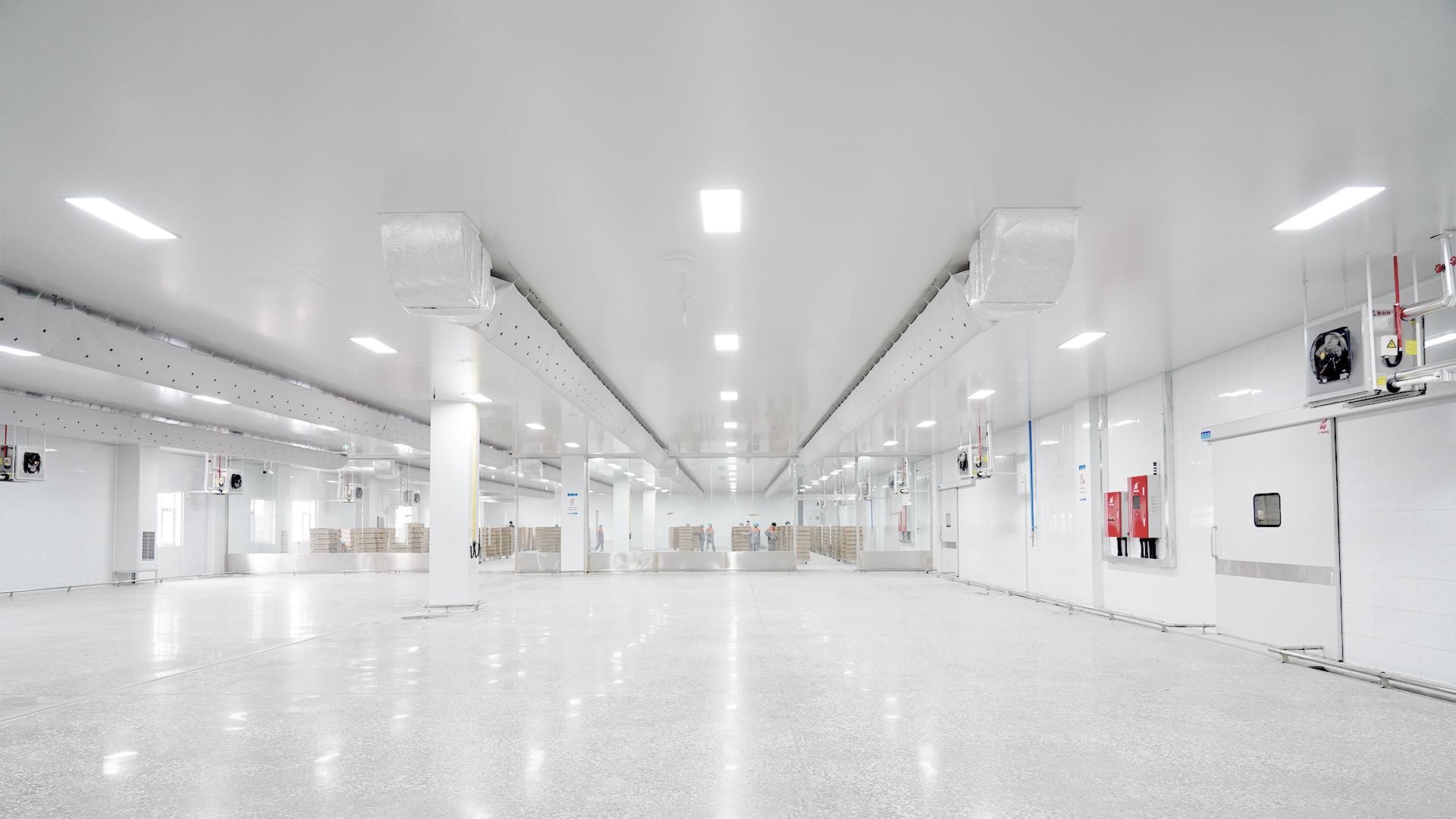
Cleanroom Enclosure System for Shandong Boda Food (1).jpg

プロジェクトの無料お見積りを取得

鋼構造工場、冷蔵倉庫、クリーンルームシステムなど、いずれの場合でも、当社は競争力のある工場価格と専門的な設計サービスをご提供します。
メールアドレス
氏名
携帯電話/WhatsApp
会社名
メッセージ
0/1000