Kumuha ng Libreng Presyo para sa Iyong Proyekto

Kahit na ang proyekto ay isang gusali para sa pabrika ng bakal, cold storage, o sistema ng cleanroom, nag-aalok kami ng kompetitibong presyo mula sa pabrika at propesyonal na disenyo.
Email
Pangalan
Mobile/WhatsApp
Pangalan ng Kumpanya
Mensahe
0/1000

Balita ng Industriya

Pahina ng Simula >  Mga Rehiyon >  Balita ng Industriya

May mga pagkakaiba ba sa pag-install ng mga panel ng clean room na may iba't ibang materyales sa core?

Apr 14, 2026

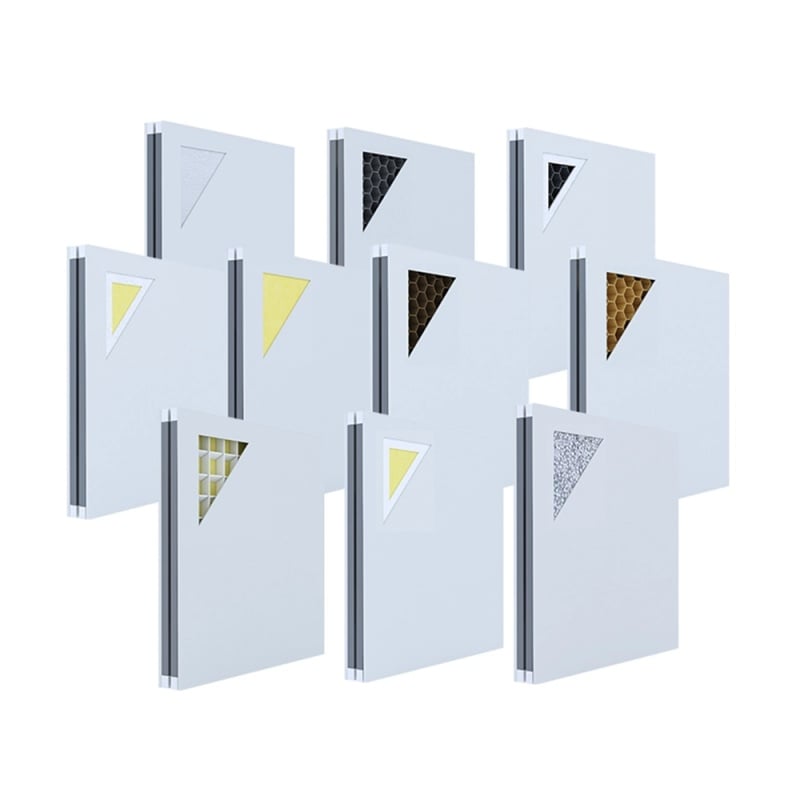
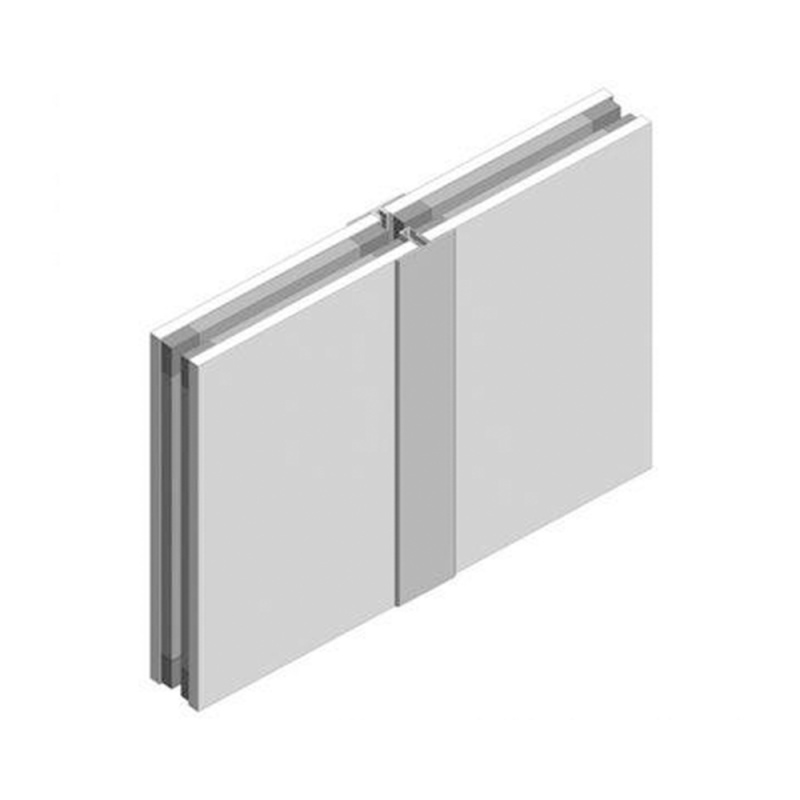
Mga panel ng cleanroom ang mga ito ay malawakang ginagamit sa mga industriya na may mahigpit na mga pangangailangan sa kapaligiran—tulad ng elektronika, pharmaceuticals, at pagproseso ng pagkain—kung saan ginagamit ang mga ito upang lumikha ng malinis at hygienic na mga espasyong kapaligiran. Ang mga panel na ito ay may iba't ibang uri ng materyales sa core, kung saan ang karaniwang mga uri ay ang rock wool, hollow magnesium oxide, aluminum honeycomb, at magnesium oxide-rock wool composites. Dahil sa natatanging mga katangian ng bawat uri ng materyal sa core, tunay nga na may maraming pagkakaiba ang mga proseso ng pag-install para sa iba't ibang uri ng cleanroom panels.
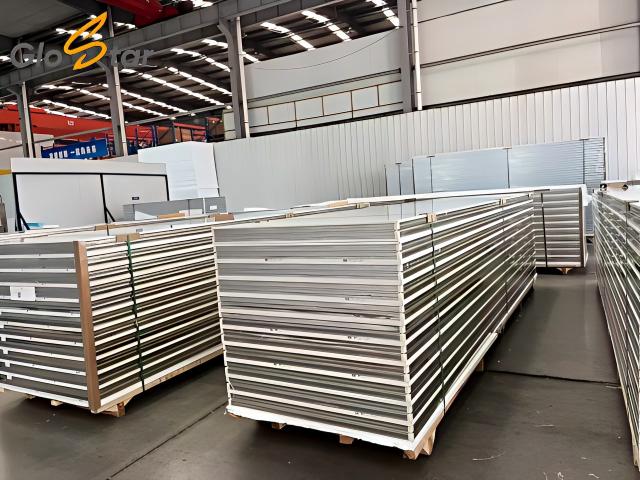
cleanroom panels factory

Pag-install ng mga Cleanroom Panel na may Rock Wool Core

Ang core material na gawa sa rock wool ay ginagawa mula sa likas na bato sa pamamagitan ng proseso ng pagmelt sa mataas na temperatura; ito ay medyo mabigat at may tiyak na antas ng rigidity. Sa panahon ng pag-install, ang kapasidad ng suportang keel structure na magdala ng beban ay napakahalaga. Batay sa timbang ng mga panel, ang distansya sa pagitan ng mga keel ay kailangang idisenyo nang siyentipiko at lohikal upang maiwasan ang deformation ng panel dahil sa hindi sapat na suporta sa beban. Halimbawa, kung mga panel ng kumplikadong espasyo na gawa sa bato at wool ay ginagamit bilang mga materyales sa pader ng isang malawakang pasilidad na pang-industriya na may mahigpit na mga kinakailangan sa kaligtasan laban sa sunog, ang pagtakda ng sobrang lapad na spacing ng mga keel—dahil sa malaking timbang ng mga panel na gawa sa rock wool—ay maaaring magdulot ng pagbaba o deformation ng mga panel sa paglipas ng panahon, na kung saan ay nakakaapekto sa parehong estetika at kaligtasan sa operasyon.

Bukod dito, ang mga gilid na pinutol ng mga panel ng rock wool ay madaling magpalabas ng alikabok. Kaya naman, kinakailangan na ipatupad ang mga angkop na pananggalang sa panahon ng pag-install—tulad ng pagpapagamit sa mga manggagawa sa konstruksyon ng mga propesyonal na maskara laban sa alikabok at pagkakalaga ng mga kagamitan sa lokal na pag-alis ng alikabok sa mga lugar kung saan ginagawa ang pagputol—upang maiwasan ang kontaminasyon ng alikabok sa loob ng cleanroom. Kapag pinagsasama ang mga panel, mahalaga na tiyaking mabuti ang pagkakasunod-sunod ng mga hiwa; ito ay mahalaga upang matiyak nang epektibo ang pagganap sa pampainit (thermal insulation) at pampabago ng tunog (soundproofing). Halimbawa, sa paggawa ng mga kuwarto sa operasyon sa medisina—kung saan ang mga pamantayan sa pagkontrol ng ingay ay lubhang mahigpit—ang maayos na pagkakasunod-sunod ng mga hiwa ay makakabawas nang malaki sa pumasok na ingay mula sa labas habang iniiwasan din ang palitan ng init sa pagitan ng loob at labas ng gusali, na nagpapanatili ng matatag na temperatura sa loob.
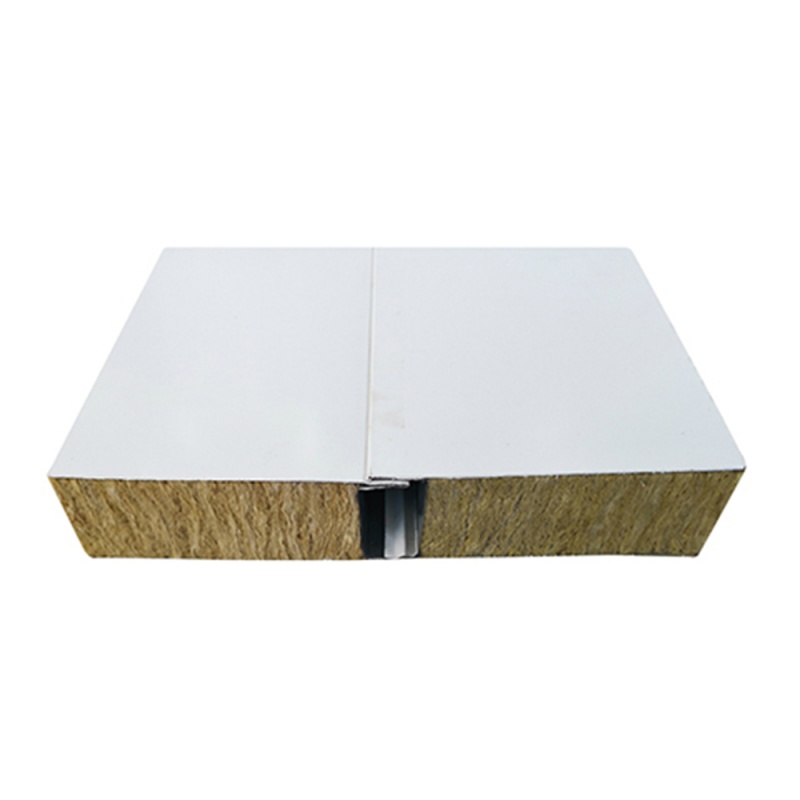
Installation of Rock Wool Core Cleanroom Panels

Pag-install ng mga Panel ng Cleanroom na may Puno ng Polyurethane

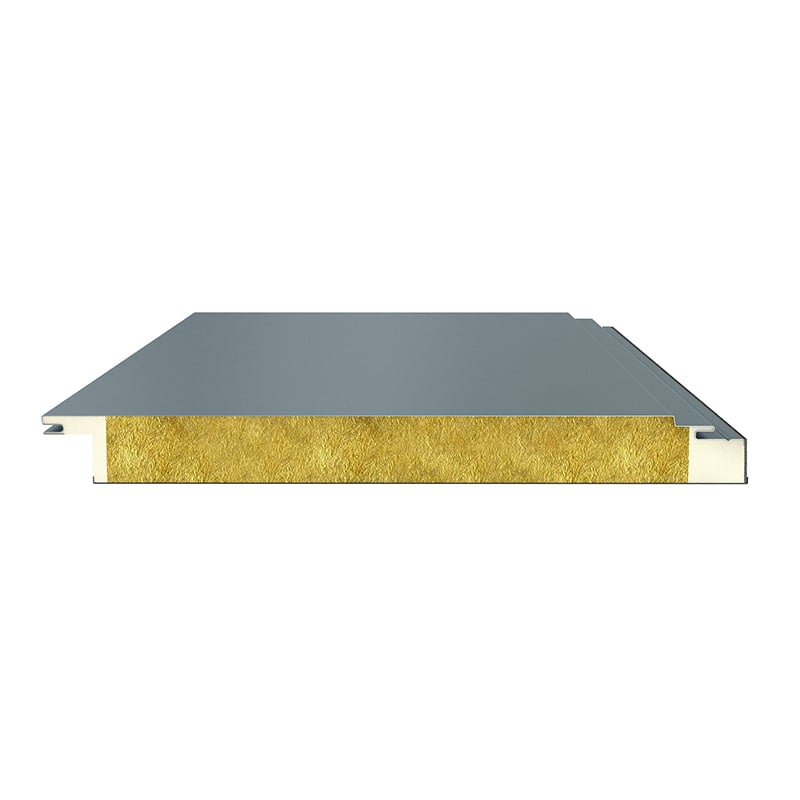
Ang materyal na core na gawa sa polyurethane ay binubuo ng puno ng polyurethane foam; nag-aalok ito ng mahusay na thermal insulation at sealing properties, na pagsasama-sama ng mataas na structural strength kasama ang katamtamang timbang. Sa panahon ng pag-install, maaaring i-adjust ang layout ng suportadong keel structure upang tumugma sa tiyak na senaryo ng aplikasyon. Halimbawa, sa paggawa ng cold storage facility—kung saan lubhang mataas ang mga kinakailangan sa thermal insulation—ang mababang temperatura sa loob ay nangangailangan ng cleanroom panels na may napakahusay na kakayahan sa pag-insulate upang bawasan ang konsumo ng enerhiya. Sa ganitong mga kaso, maaaring i-flexibly i-configure ang layout ng keel batay sa mga praktikal na kadahilanan tulad ng spatial structure ng cold storage unit at ang posisyon ng refrigeration equipment.

Gayunman, dahil ang mga materyales na polyurethane ay maaaring magpalabas ng nakakasirang gas kapag inilantad sa mataas na temperatura, ang paggamit ng bukas na apoy ay mahigpit na ipinagbabawal sa panahon ng pag-install, at kailangang tiyaking may sapat na bentilasyon. Bukod dito, ang mga panel na polyurethane ay karaniwang may disenyo ng interlocking na tongue-and-groove sa kanilang mga hiwa; sa panahon ng pag-install, mahalaga na tiyaking malapit na naka-engage ang mga interlocking na profile upang mapabuti ang kabuuang airtightness ng istruktura. Bilang halimbawa, isang pasilidad para sa cold storage ng pagkain: kung ang mga hiwa ng tongue-and-groove ay hindi malapit na naka-engage, ang hangin mula sa labas ay madaling pumasok. Ito ay maaaring magdulot ng mga pagbabago sa temperatura sa loob ng cold storage area, kaya naman nababawasan ang kahusayan ng pag-iingat ng pagkain.
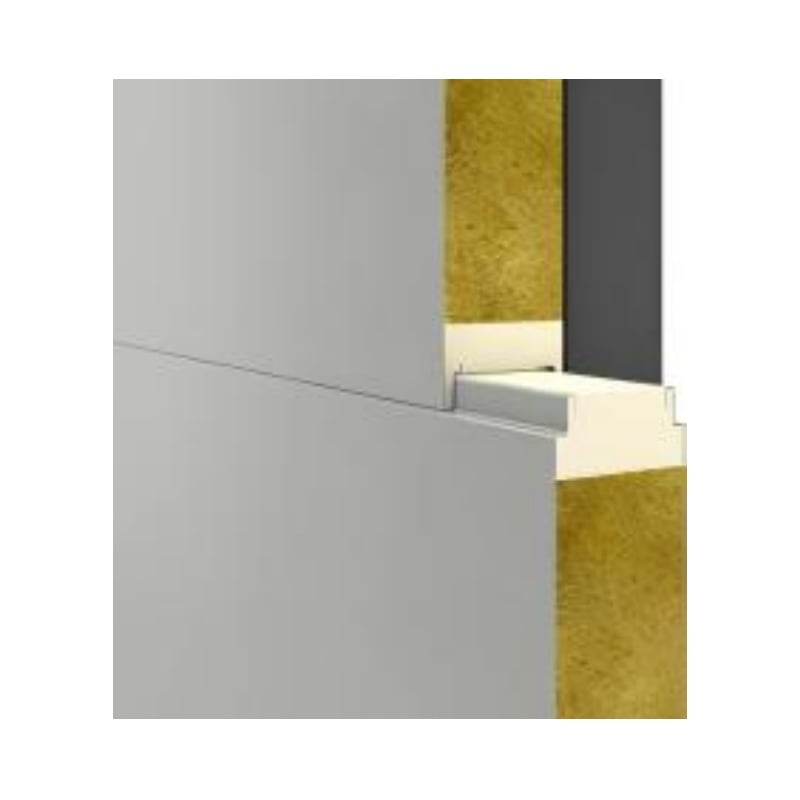
Installation of Polyurethane Core Cleanroom Panels

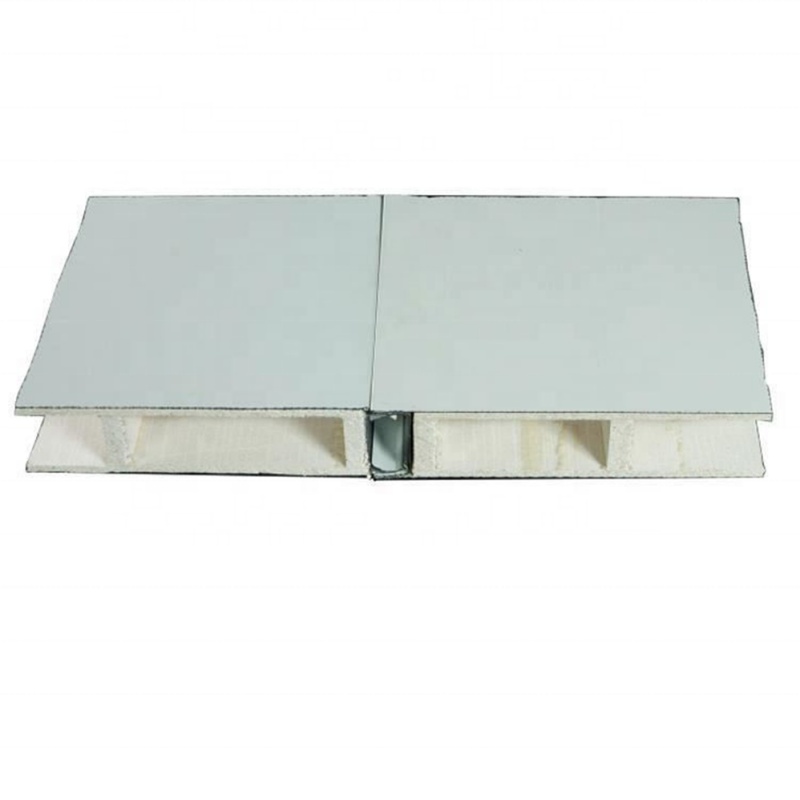
Pag-install ng mga Panel ng Cleanroom na May Puso na Hollow Magnesium Oxide

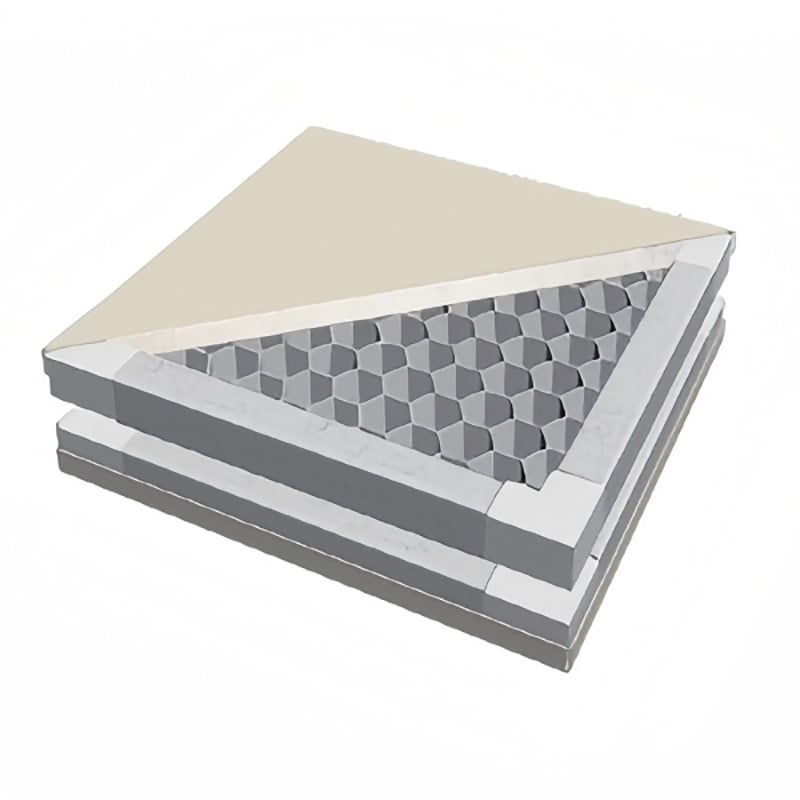
Mga Panel na May Puso na Hollow Magnesium Oxide karaniwang binubuo ng isang honeycomb o grid-like na walang laman na panloob na estruktura na nakadikit sa mga magnesium oxide faceboard. Dahil sa kanilang magaan na timbang, nag-aalok sila ng kahit na kumbeniyenteng pag-install. Gayunpaman, ang kanilang pag-install ay nangangailangan ng mahigpit na pagkakapantay ng substrate (base layer). Ang ibabaw ng substrate ay dapat maging patag, tuyo, at malinis; kung ang pagkakaiba sa pagkakapantay ng substrate ay lumalampas sa itinakdang toleransya (karaniwan, ang pagkakamali sa pagkakapantay ay hindi dapat lumampas sa 5 mm sa loob ng anumang 2-metro na span), ang mga panel ng cleanroom ay hindi maaaring kumapit nang mahigpit sa substrate matapos ang pag-install, na nagreresulta sa sobrang lapad na mga sira ng panel. Sa konstruksyon ng mga electronic cleanroom, kung ang mga sira ng panel ay sobrang lapad, madaling pumasok ang alikabok at iba pang dumi, kaya hindi na maisasagawa ang mahigpit na mga pamantayan sa kalinisan ng kapaligiran na kinakailangan para sa pagmamanupaktura ng electronics.

Kapag inilalagay ang mga panel, karaniwang ginagamit ang mga paraan tulad ng mga self-tapping screws. Ang mga tiyak na kinakailangan ang namamahala sa espasyo ng mga screw na ito, na karaniwang inilalagay nang pantay-pantay sa loob ng isang karampatang saklaw upang matiyak na ang mga panel ay ligtas at matatag na nakakabit. Bukod dito, ang pag-aalaga sa mga sira o butas sa pagitan ng mga panel ay katumbas din ng kahalagahan; kailangang punuan ang mga ito ng mga sealing material upang matiyak ang epektibong pag-seal at maiwasan ang pagbubuga ng hangin.
cleanroom panels factory Installation of Rock Wool Core Cleanroom Panels Rock wool core material is manufactured from natural rock through a high-temperature melting process; it is relatively heavy and possesses a certain degree of rigidity. During installation, the load-bearing capacity of the supporting keel structure is of paramount importance. Based on the weight of the panels, the spacing between keels must be designed scientifically and rationally to prevent panel deformation caused by insufficient load-bearing support. For instance, if rock wool cleanroom panels are utilized as wall materials in a large-scale industrial facility with stringent fire safety requirements, setting the keel spacing too wide—given the substantial weight of the rock wool panels—could eventually lead to sagging or deformation of the panels over time, thereby compromising both aesthetic appeal and operational safety.  Furthermore, the cut edges of rock wool panels are prone to generating dust. Consequently, appropriate protective measures must be implemented during installation—such as requiring construction personnel to wear professional dust-proof masks and deploying localized dust extraction equipment in cutting zones—to prevent dust contamination within the cleanroom environment. When joining panels, it is imperative to ensure that the seams are tightly fitted; this is essential for effectively guaranteeing thermal insulation and soundproofing performance. For example, in the construction of medical operating rooms—where noise control standards are exceptionally strict—tightly fitted seams can significantly minimize the intrusion of external noise while simultaneously preventing thermal exchange between the indoor and outdoor environments, thereby maintaining stable indoor temperatures.  Installation of Rock Wool Core Cleanroom Panels  Installation of Polyurethane Core Cleanroom Panels Polyurethane core material consists of a polyurethane foam filling; it offers excellent thermal insulation and sealing properties, combining high structural strength with a moderate weight. During installation, the layout of the supporting keel structure can be adjusted to suit the specific application scenario. For instance, in the construction of a cold storage facility—where thermal insulation requirements are particularly high—the low internal temperatures necessitate cleanroom panels with superior insulating capabilities to minimize energy consumption. In such cases, the keel layout can be flexibly configured based on practical factors such as the spatial structure of the cold storage unit and the positioning of refrigeration equipment.  However, since polyurethane materials may release harmful gases when exposed to high temperatures, the use of open flames must be strictly prohibited during the installation process, and adequate ventilation must be ensured. Additionally, polyurethane panels typically feature a tongue-and-groove interlocking design at their joints; during installation, it is crucial to ensure that these interlocking profiles engage tightly to enhance the overall airtightness of the structure. Taking a food cold storage facility as an example: if the tongue-and-groove joints do not interlock tightly, outside air can easily infiltrate. This may lead to temperature fluctuations within the cold storage area, thereby compromising the effectiveness of food preservation.  Installation of Polyurethane Core Cleanroom Panels  Installation of Hollow Magnesium Oxide Core Cleanroom Panels

Mga Pangunahing Punto sa Pag-install ng Aluminum Honeycomb Core Cleanroom Panels

Mga Panel ng Cleanroom na May Aluminum Honeycomb mag-aalok ng maraming mga pakinabang, tulad ng mataas na lakas ng istruktura at mahusay na patag na ibabaw. Sa panahon ng pag-install, dahil sa kahalos pantay na distribusyon ng timbang ng mga panel, ang disenyo ng sistema ng suportang keel ay maaaring matukoy batay sa mga tiyak na espesipikasyon ng panel at sa kapaligirang kondisyon ng lugar ng pag-install. Sa malalaking komersyal na shopping mall—lalo na para sa mga proyekto na kinasasangkutan ng pagsasara ng mga duct ng sentral na air conditioning ventilation—the use of aluminum honeycomb cleanroom panels necessitates a keel design tailored to the shape and dimensions of the ventilation ducts, as well as the overall spatial layout of the mall.

Kapag pinagsasama-sama ang mga panel ng malinis na silid na may core na aluminum honeycomb, kailangan ng mataas na antas ng kahusayan. Mahalaga na tiyaking patag at mahigpit na isinara ang lahat ng mga sambungan upang makamit ang kaakit-akit na anyo at panatilihin ang pinakamahusay na kabuuang pagganap. Bukod dito, dapat maging lubos na maingat sa proseso ng pag-install upang protektahan ang mga ibabaw ng mga panel; dapat magpatupad ng mga panukala upang maiwasan ang mga sugat o mga impact na maaaring magdulot ng pinsala sa ibabaw, na magkakasira sa parehong biswal na kaakit-akit at pangkalahatang integridad na pang-fungsyon ng mga panel.
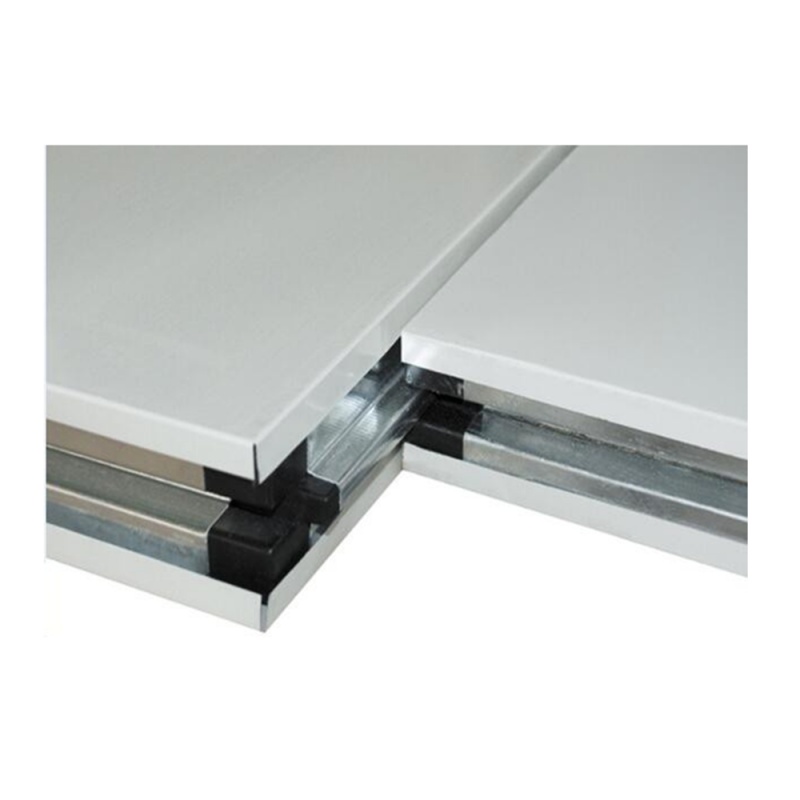
Key Installation Points for Aluminum Honeycomb Core Cleanroom Panels

Mga Konsiderasyon sa Pag-install para sa mga Panel ng Malinis na Silid na May Core na Magnesium Oxide at Rock Wool

Mga panel na may core na magnesium oxide (MgO) at rock wool pagsamahin ang mga natatanging katangian ng parehong materyales. Sa panahon ng pag-install, kinakailangan isaalang-alang ang mga tiyak na pangangailangan na ipinataw ng core na gawa sa rock wool—lalo na ang kanyang pagtutol sa apoy at mga katangian sa thermal insulation—habang pinapayagan din ang mga natatanging katangian ng mga magnesium oxide facing boards. Kapag pinipigilan ang mga panel, mahalaga na tiyakin na ang mga fastener ay tumutusok nang malakas sa loob ng magnesium oxide board upang makabuo ng ligtas na koneksyon sa suportadong keel, kaya naman ginagarantiya ang istruktural na katatagan ng buong assembly. Sa mga proyektong konstruksyon ng cleanroom sa loob ng mga pasilidad ng pharmaceutical manufacturing, ang hindi sapat na pagpipigil ay maaaring magdulot ng pagkawala ng katiyakan ng mga panel sa susunod na operasyon, na maaaring magsimula dahil sa mga kadahilanan tulad ng vibration ng kagamitan sa loob ng workshop.

Tungkol sa paggamit ng mga sira ng panel, ang mga puwang ay kailangang punuan muna ng isang angkop na sealant na materyal, kasunod ng tamang pagpapaganda ng ibabaw, upang matiyak ang hermetikong pagkakasara at ang estetikong pagkakapareho ng mga sira. Bukod dito, dahil ang mga board na gawa sa magnesium oxide ay madaling apektado ng mga problema kaugnay ng kahalumigmigan—tulad ng "pagkakasusog" o paglipat ng kahalumigmigan—sa mga kapaligirang may mataas na kahalumigmigan, kinakailangan ang malakas na mga hakbang para sa pag-iwas sa kahalumigmigan sa panahon ng pag-install; halimbawa nito ang paglalapat ng mga coating na tumutol sa kahalumigmigan sa ilalim na substrate.
cleanroom panels factory Installation of Rock Wool Core Cleanroom Panels Rock wool core material is manufactured from natural rock through a high-temperature melting process; it is relatively heavy and possesses a certain degree of rigidity. During installation, the load-bearing capacity of the supporting keel structure is of paramount importance. Based on the weight of the panels, the spacing between keels must be designed scientifically and rationally to prevent panel deformation caused by insufficient load-bearing support. For instance, if rock wool cleanroom panels are utilized as wall materials in a large-scale industrial facility with stringent fire safety requirements, setting the keel spacing too wide—given the substantial weight of the rock wool panels—could eventually lead to sagging or deformation of the panels over time, thereby compromising both aesthetic appeal and operational safety.  Furthermore, the cut edges of rock wool panels are prone to generating dust. Consequently, appropriate protective measures must be implemented during installation—such as requiring construction personnel to wear professional dust-proof masks and deploying localized dust extraction equipment in cutting zones—to prevent dust contamination within the cleanroom environment. When joining panels, it is imperative to ensure that the seams are tightly fitted; this is essential for effectively guaranteeing thermal insulation and soundproofing performance. For example, in the construction of medical operating rooms—where noise control standards are exceptionally strict—tightly fitted seams can significantly minimize the intrusion of external noise while simultaneously preventing thermal exchange between the indoor and outdoor environments, thereby maintaining stable indoor temperatures.  Installation of Rock Wool Core Cleanroom Panels  Installation of Polyurethane Core Cleanroom Panels Polyurethane core material consists of a polyurethane foam filling; it offers excellent thermal insulation and sealing properties, combining high structural strength with a moderate weight. During installation, the layout of the supporting keel structure can be adjusted to suit the specific application scenario. For instance, in the construction of a cold storage facility—where thermal insulation requirements are particularly high—the low internal temperatures necessitate cleanroom panels with superior insulating capabilities to minimize energy consumption. In such cases, the keel layout can be flexibly configured based on practical factors such as the spatial structure of the cold storage unit and the positioning of refrigeration equipment.  However, since polyurethane materials may release harmful gases when exposed to high temperatures, the use of open flames must be strictly prohibited during the installation process, and adequate ventilation must be ensured. Additionally, polyurethane panels typically feature a tongue-and-groove interlocking design at their joints; during installation, it is crucial to ensure that these interlocking profiles engage tightly to enhance the overall airtightness of the structure. Taking a food cold storage facility as an example: if the tongue-and-groove joints do not interlock tightly, outside air can easily infiltrate. This may lead to temperature fluctuations within the cold storage area, thereby compromising the effectiveness of food preservation.  Installation of Polyurethane Core Cleanroom Panels  Installation of Hollow Magnesium Oxide Core Cleanroom Panels Hollow magnesium oxide core panels typically consist of a honeycomb or grid-like hollow internal structure bonded to magnesium oxide faceboards. Being lightweight, they offer relatively convenient installation. However, their installation places stringent demands on the flatness of the substrate (base layer). The substrate surface must be flat, dry, and clean; if the flatness deviation of the substrate exceeds the specified tolerance (generally, the flatness error must not exceed 5 mm within any 2-meter span), the cleanroom panels will fail to adhere tightly to the substrate after installation, resulting in excessively wide panel seams. In the construction of electronic cleanrooms, if panel seams are too wide, dust and other impurities can easily enter, making it impossible to meet the rigorous environmental cleanliness standards required for electronics manufacturing.  When securing the panels, methods such as self-tapping screws are typically employed. Specific requirements govern the spacing of these screws, which are generally distributed uniformly within a reasonable range to ensure the panels are firmly anchored. Furthermore, the treatment of panel seams is equally critical; they must be filled with sealing materials to ensure an effective seal and prevent air leakage.  cleanroom panels factory Installation of Rock Wool Core Cleanroom Panels Rock wool core material is manufactured from natural rock through a high-temperature melting process; it is relatively heavy and possesses a certain degree of rigidity. During installation, the load-bearing capacity of the supporting keel structure is of paramount importance. Based on the weight of the panels, the spacing between keels must be designed scientifically and rationally to prevent panel deformation caused by insufficient load-bearing support. For instance, if rock wool cleanroom panels are utilized as wall materials in a large-scale industrial facility with stringent fire safety requirements, setting the keel spacing too wide—given the substantial weight of the rock wool panels—could eventually lead to sagging or deformation of the panels over time, thereby compromising both aesthetic appeal and operational safety.  Furthermore, the cut edges of rock wool panels are prone to generating dust. Consequently, appropriate protective measures must be implemented during installation—such as requiring construction personnel to wear professional dust-proof masks and deploying localized dust extraction equipment in cutting zones—to prevent dust contamination within the cleanroom environment. When joining panels, it is imperative to ensure that the seams are tightly fitted; this is essential for effectively guaranteeing thermal insulation and soundproofing performance. For example, in the construction of medical operating rooms—where noise control standards are exceptionally strict—tightly fitted seams can significantly minimize the intrusion of external noise while simultaneously preventing thermal exchange between the indoor and outdoor environments, thereby maintaining stable indoor temperatures.  Installation of Rock Wool Core Cleanroom Panels  Installation of Polyurethane Core Cleanroom Panels Polyurethane core material consists of a polyurethane foam filling; it offers excellent thermal insulation and sealing properties, combining high structural strength with a moderate weight. During installation, the layout of the supporting keel structure can be adjusted to suit the specific application scenario. For instance, in the construction of a cold storage facility—where thermal insulation requirements are particularly high—the low internal temperatures necessitate cleanroom panels with superior insulating capabilities to minimize energy consumption. In such cases, the keel layout can be flexibly configured based on practical factors such as the spatial structure of the cold storage unit and the positioning of refrigeration equipment.  However, since polyurethane materials may release harmful gases when exposed to high temperatures, the use of open flames must be strictly prohibited during the installation process, and adequate ventilation must be ensured. Additionally, polyurethane panels typically feature a tongue-and-groove interlocking design at their joints; during installation, it is crucial to ensure that these interlocking profiles engage tightly to enhance the overall airtightness of the structure. Taking a food cold storage facility as an example: if the tongue-and-groove joints do not interlock tightly, outside air can easily infiltrate. This may lead to temperature fluctuations within the cold storage area, thereby compromising the effectiveness of food preservation.  Installation of Polyurethane Core Cleanroom Panels  Installation of Hollow Magnesium Oxide Core Cleanroom Panels  Key Installation Points for Aluminum Honeycomb Core Cleanroom Panels Aluminum honeycomb core cleanroom panels offer numerous advantages, such as high structural strength and excellent surface flatness. During installation, given the relatively uniform distribution of the panels' weight, the design of the supporting keel system can be determined based on the specific panel specifications and the ambient installation environment. In large-scale commercial shopping malls—specifically for projects involving the enclosure of central air conditioning ventilation ducts—the use of aluminum honeycomb cleanroom panels necessitates a keel design tailored to the shape and dimensions of the ventilation ducts, as well as the overall spatial layout of the mall.  When splicing aluminum honeycomb cleanroom panels, a high degree of precision is required. It is essential to ensure that all joints are flat and tightly sealed to achieve an aesthetically pleasing appearance and maintain optimal overall performance. Furthermore, during the installation process, great care must be taken to protect the panel surfaces; precautions should be implemented to prevent scratches or impacts that could cause surface damage, thereby compromising both the visual appeal and the functional integrity of the panels.  Key Installation Points for Aluminum Honeycomb Core Cleanroom Panels  Installation Considerations for Magnesium Oxide Rock Wool Core Cleanroom Panels

Kapag inilalagay ang mga panel na panglinis na may iba't ibang materyales sa core, kinakailangan ang paggamit ng mga tiyak na hakbang—na nakabase sa mga katangian ng materyal ng core—tungkol sa disenyo ng keel, mga pananggalang laban sa kahalumigan at apoy, pagkabit ng mga panel, at mga pananggalang sa paghawak. Ito ay nagsisiguro sa kalidad ng paglalagay at nagpapahintulot sa mga panel na panglinis na gumana nang buong potensyal. Sa mga aktwal na proyektong pang-inhinyero, ang pagpili ng mga panel na panglinis na may angkop na materyales sa core ay dapat batay sa isang komprehensibong pagsusuri ng mga salik tulad ng tiyak na sitwasyon ng paggamit, mga kinakailangan sa kapaligiran, at badyet; higit pa rito, ang konstruksyon ay dapat isagawa nang mahigpit na sumusunod sa mga kaugnay na gabay sa paglalagay.
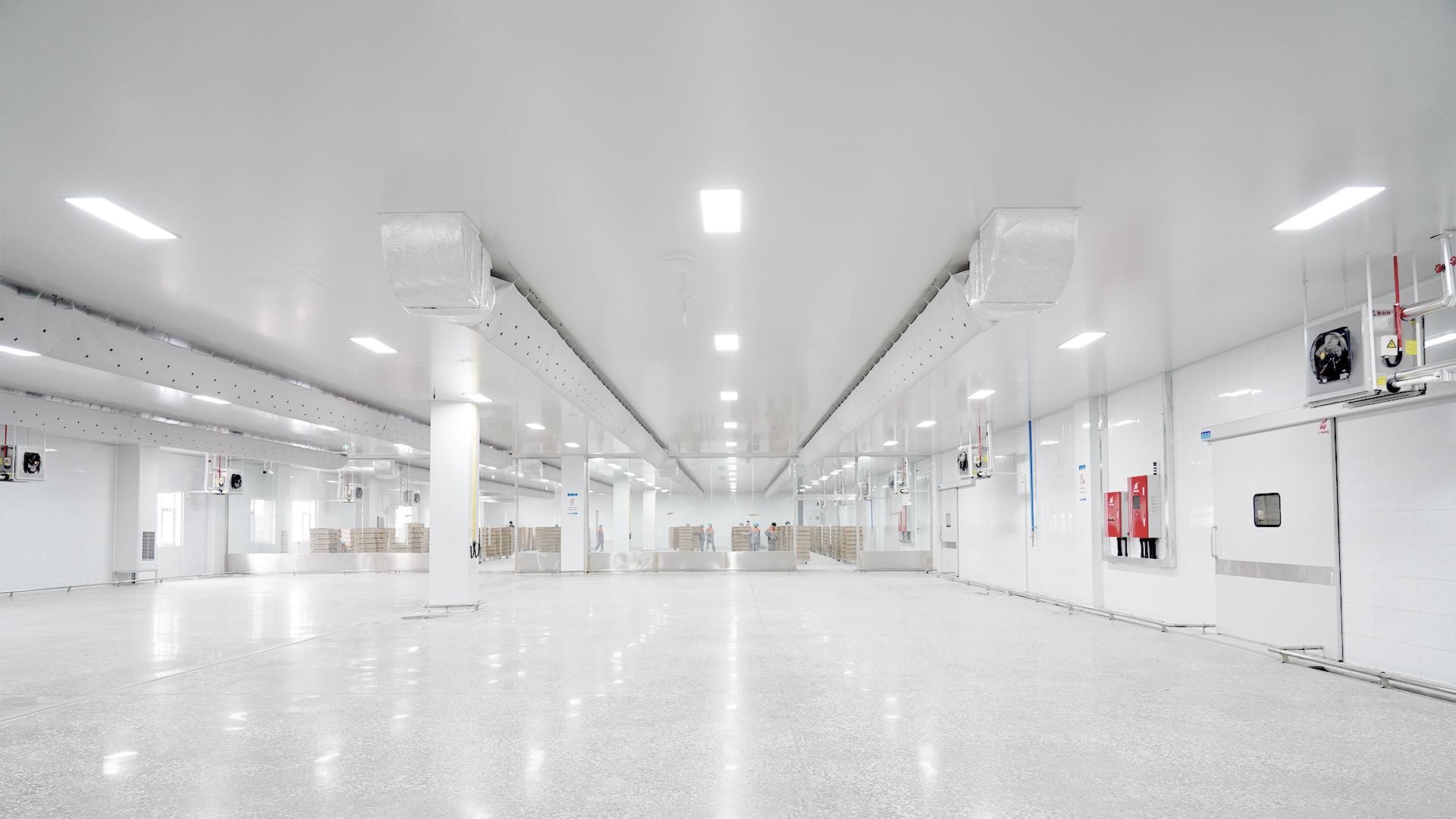
Cleanroom Enclosure System for Shandong Boda Food (1).jpg

Kumuha ng Libreng Presyo para sa Iyong Proyekto

Kahit na ang proyekto ay isang gusali para sa pabrika ng bakal, cold storage, o sistema ng cleanroom, nag-aalok kami ng kompetitibong presyo mula sa pabrika at propesyonal na disenyo.
Email
Pangalan
Mobile/WhatsApp
Pangalan ng Kumpanya
Mensahe
0/1000