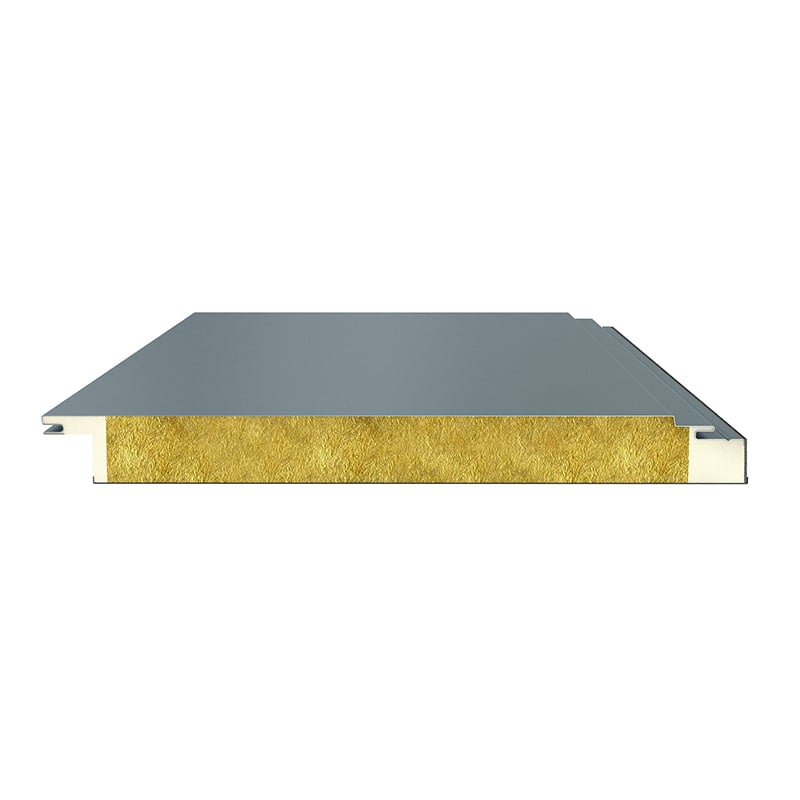
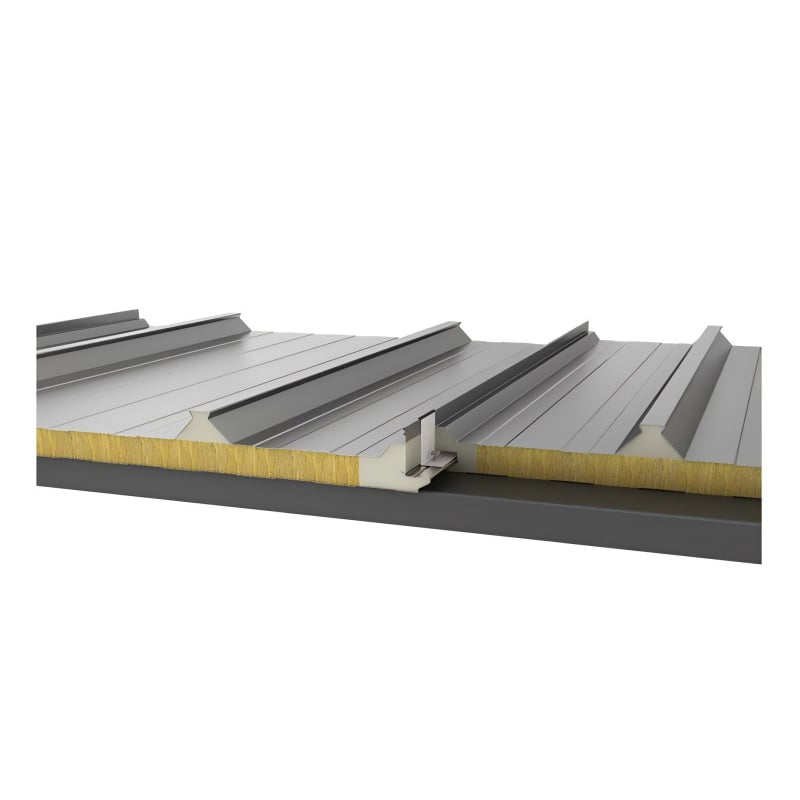
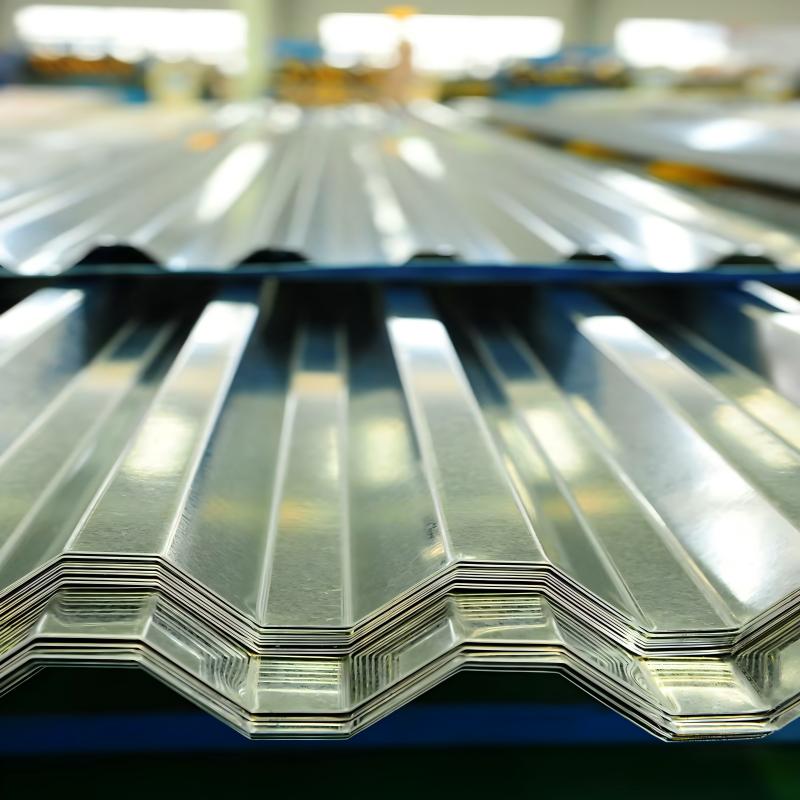
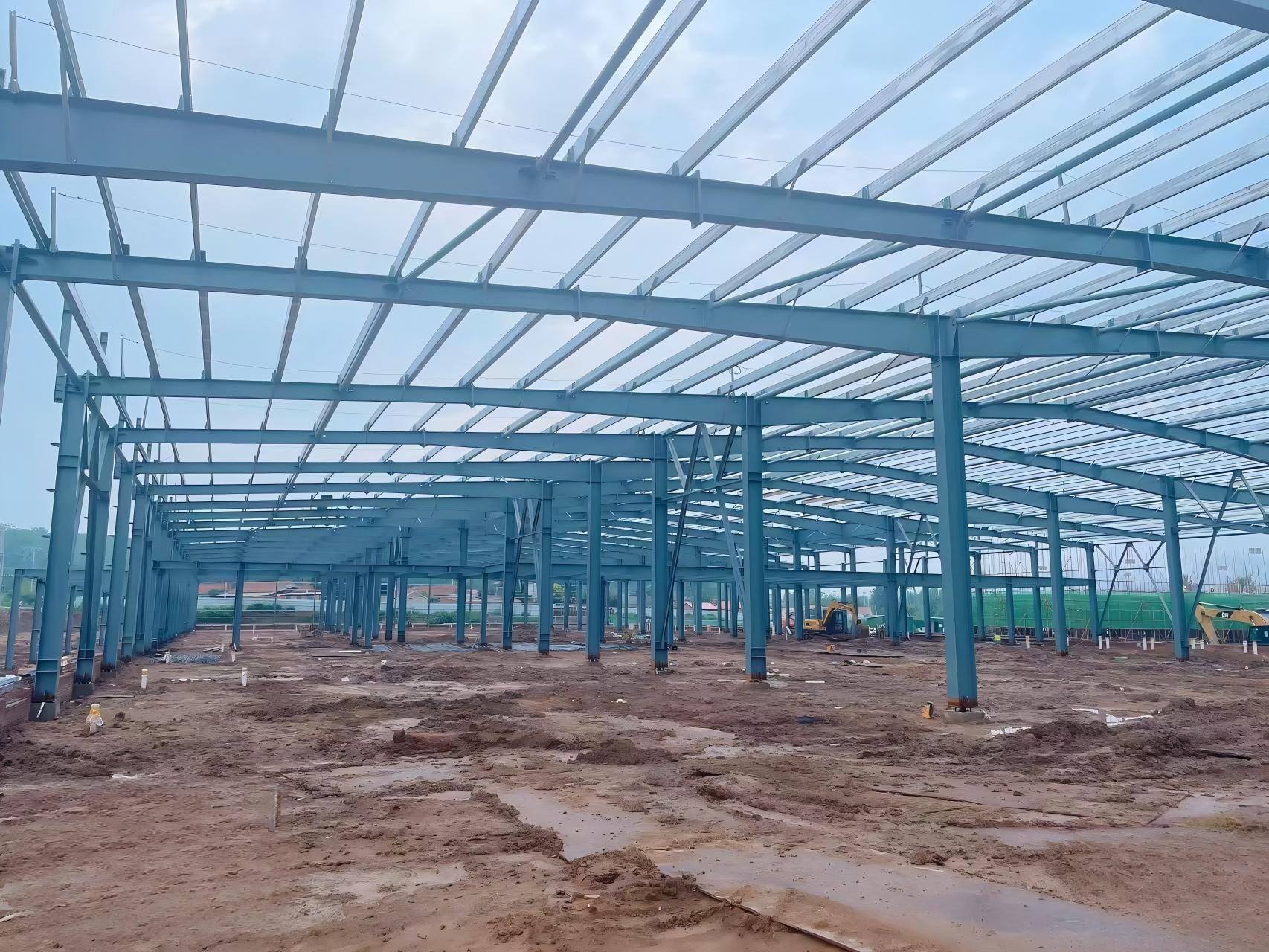
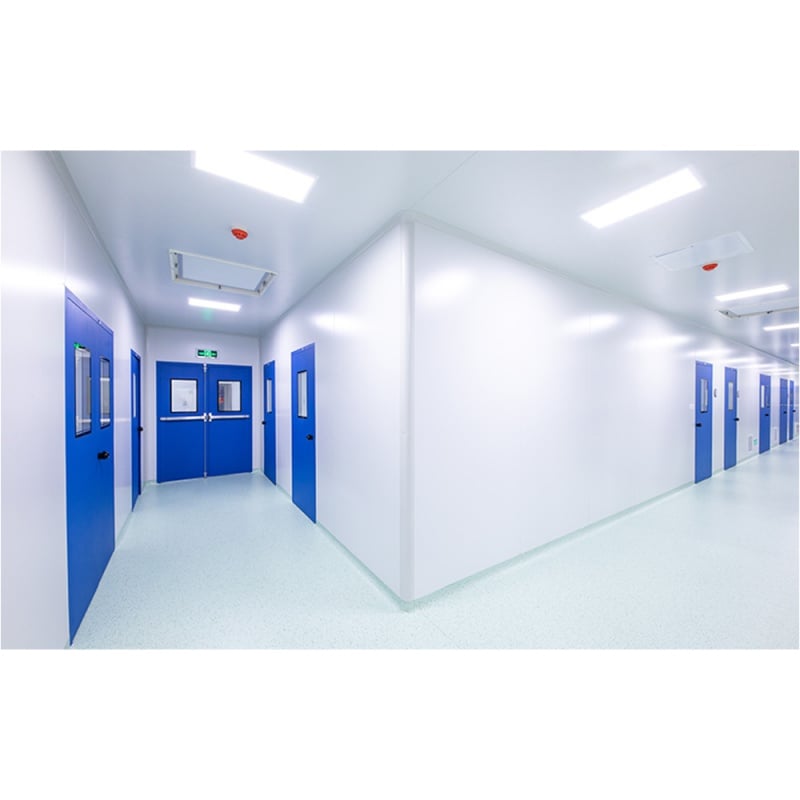
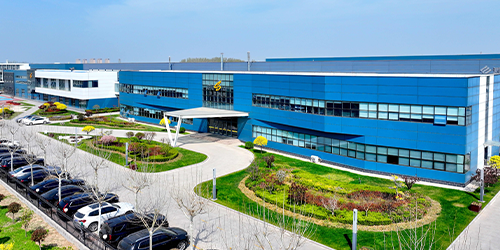
Cleanroom panels are ubiquitous in purification engineering sectors—such as electronics, pharmaceuticals, food processing, biotechnology, aerospace, and precision instrument manufacturing—where indoor environmental requirements are exceptionally stringent. Utilizing materials such as color-coated steel or stainless steel for their surface layers, these panels have become a critical component in constructing clean spaces, distinguished by their unique dust-proof, anti-static, and antibacterial properties. Among the numerous factors influencing the performance and application of cleanroom panels, steel sheet thickness stands out as a crucial variable that cannot be overlooked.
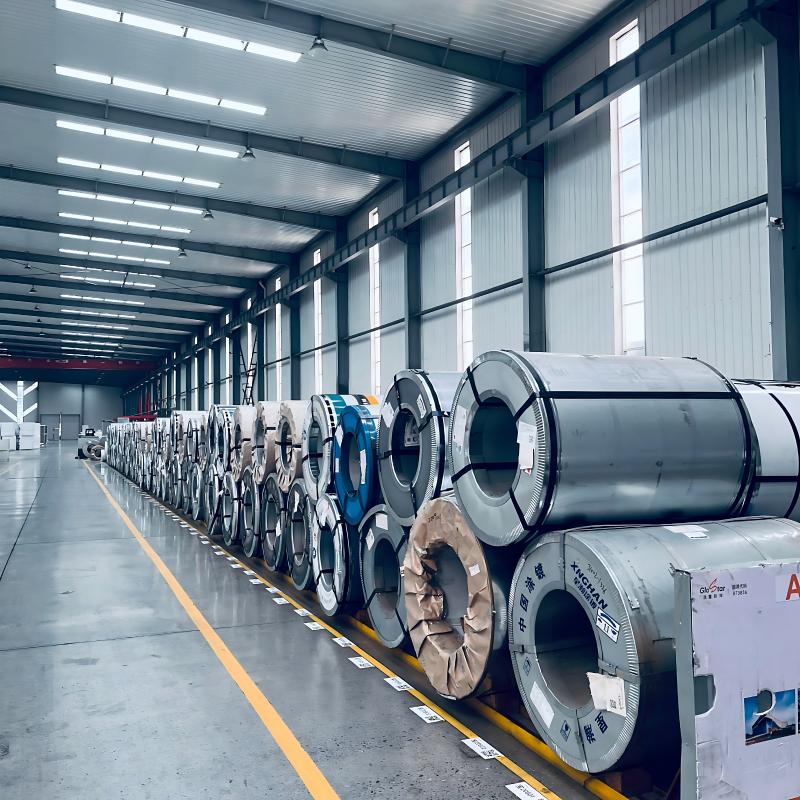
As the surface layer material of a cleanroom panel, the thickness of the steel sheet directly determines the panel's overall strength and stability. Thicker steel sheets endow the panel with superior impact resistance, enabling it to better withstand external collisions and friction during handling and installation, thereby minimizing the risk of surface damage such as dents or scratches. Consider, for instance, a hospital operating room: given the frequent movement of personnel and equipment, cleanroom panels are susceptible to various accidental impacts. In such scenarios, panels fabricated with thicker steel sheets are better equipped to maintain their structural integrity, ensuring they remain in excellent operational condition over the long term.
In certain cleanroom workshops with rigorous structural requirements, the panels may also be required to bear a portion of the dead load from the walls or ceilings. Increasing the steel sheet thickness significantly enhances the panel's load-bearing capacity, ensuring that it does not undergo deformation or bending under gravitational stress during prolonged use, thereby safeguarding the overall safety and stability of the entire cleanroom environment.
Fire resistance is a critical performance metric for cleanroom panels, and steel sheet thickness plays a significant role in this regard. Although a panel's fire resistance is primarily determined by its core material (such as non-combustible or flame-retardant substances like rock wool or magnesium oxide board), the steel sheet serves as the outer protective layer. In the event of a fire, thicker steel sheets can maintain their structural integrity for a longer duration, thereby delaying the spread of flames and providing precious time for personnel evacuation and firefighting operations. When the high temperatures generated by a fire impinge upon a purification panel, a thicker steel sheet is better able to withstand thermal deformation. This prevents the panel's core material from becoming exposed due to structural warping, thereby preserving the core's fire-retardant and thermal-insulating properties and elevating the overall fire rating of the purification panel system.
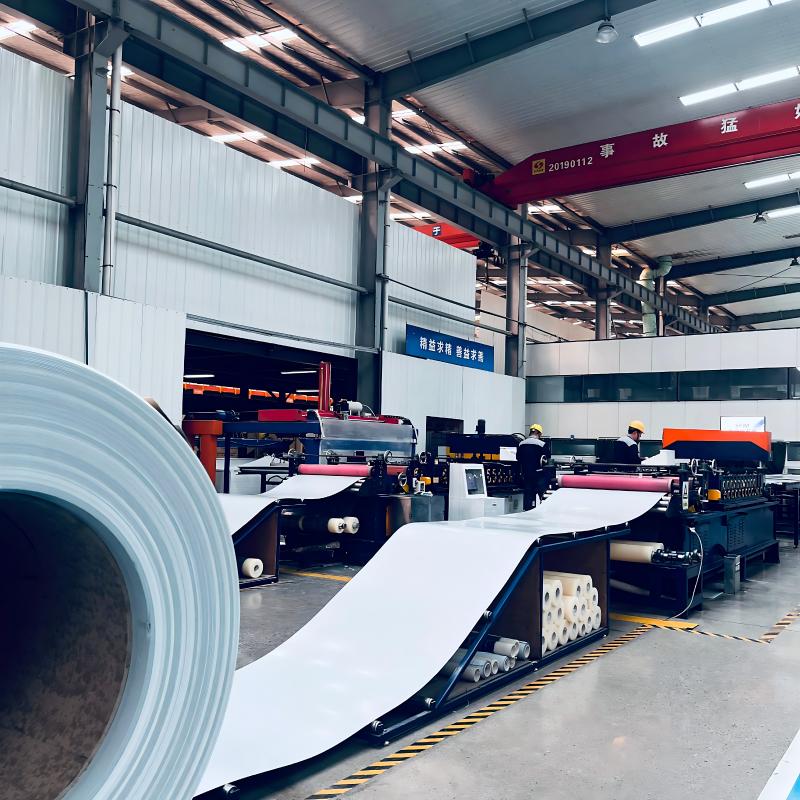
The surface flatness of a purification panel is critical to its antibacterial and dust-prevention efficacy. During the manufacturing and processing stages, a thicker steel sheet makes it easier to ensure the flatness of the panel's surface, thereby minimizing the creation of "dead zones"—areas where dust tends to accumulate due to surface irregularities. Furthermore, a steel sheet of sufficient thickness is more resistant to surface deformation caused by external factors over the course of long-term use. It consistently maintains a smooth, flat surface, making it difficult for bacteria to adhere and proliferate, and thus better satisfying the stringent environmental cleanliness requirements of purification spaces.
In electronic chip manufacturing facilities, even microscopic dust particles suspended in the air can have a severe impact on chip production. The use of purification panels featuring steel sheets of appropriate thickness can effectively reduce dust adsorption, thereby ensuring that the air cleanliness within the facility meets production standards.
From the perspective of long-term usage, the thickness of the steel sheet directly influences the service life of the purification panel. Thicker steel sheets exhibit superior corrosion resistance; when exposed to harsh environments—such as those characterized by high humidity or chemical corrosion—they are more effective at shielding the core material from degradation. For instance, in food processing facilities—where humidity levels are typically high and volatile chemical substances from various acidic or alkaline cleaning agents may be present—purification panels constructed with thicker steel sheets can withstand the corrosive effects of these adverse factors. This significantly extends their service life and reduces future costs associated with replacement and maintenance.
In purification projects located in coastal regions, where the air contains high levels of salinity, the requirements for the corrosion resistance of purification panels are particularly rigorous. In such contexts, increasing the thickness of the steel sheet serves as a crucial strategy for enhancing the panel's resistance to salt-spray corrosion, thereby guaranteeing the long-term, stable performance of the purification panels within complex environmental conditions.
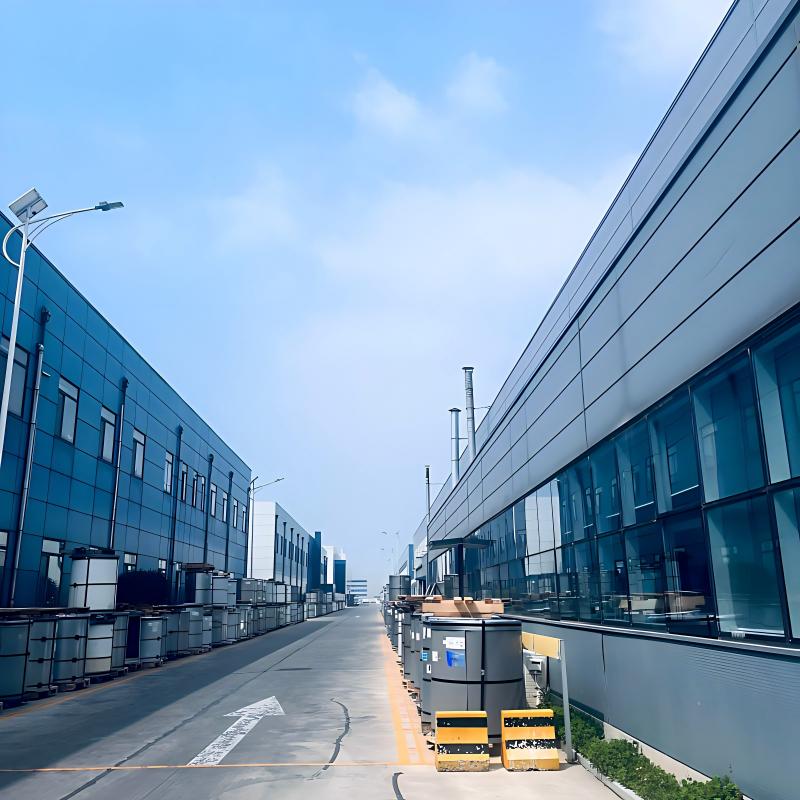
An increase in the thickness of the steel sheet inevitably leads to a rise in raw material costs. During the production of purification panels, the steel sheet constitutes one of the primary cost components; specifically, any increase in the steel sheet's thickness results in a corresponding rise in procurement costs. Furthermore, as processing thicker steel sheets can present greater technical challenges, the associated manufacturing costs—encompassing processes such as cutting, bending, and welding—also tend to increase.
Consequently, purification panels fabricated with thicker steel sheets carry a higher overall cost compared to those utilizing thinner sheets. In situations where project budgets are limited, it becomes essential to comprehensively weigh both performance requirements and cost factors to judiciously select the appropriate steel sheet thickness, thereby achieving an optimal balance between cost-effectiveness and functional utility.
Variations in steel sheet thickness exert a significant influence on the overall performance of purification panels across multiple dimensions, including structural strength, fire resistance, antimicrobial and dust-proof properties, service life, and cost. In practical applications, it is imperative to exercise careful judgment—taking into account specific usage scenarios, environmental requirements, and budgetary constraints—to select the most suitable steel sheet thickness. By doing so, we can fully leverage the functional advantages of purification panels to create purification spaces that are safe, efficient, and economically viable.
 Hot News
2026-09-09
2026-08-14
2026-08-11
2026-08-06
2026-07-30
2026-07-20

We believe that by upholding quality and embracing innovation, we can drive transformative changes in architecture and build a sustainable future for the construction industry.
No. 377, Gaoqi Road, High-tech Zone, Binzhou City, Shandong Province, China
Copyright © Shandong Apex Metal Products Co., Ltd. All Rights Reserved (Under the Glostar New Materials Group) Privacy Policy Blog
 EN
EN