Uzyskaj bezpłatną ofertę cenową na swój projekt

Nie ma znaczenia, czy chodzi o hale stalowe, chłodnie czy systemy pomieszczeń czystych – oferujemy konkurencyjne ceny fabryczne oraz profesjonalne projekty.
Adres e-mail
Imię i nazwisko
Numer telefonu komórkowego / WhatsApp
Nazwa firmy
Wiadomość
0/1000

Wiadomości branżowe

Strona Główna >  Zasoby >  Wiadomości branżowe

Czy istnieją różnice w montażu paneli do pomieszczeń czystych z różnymi materiałami rdzenia

Apr 14, 2026

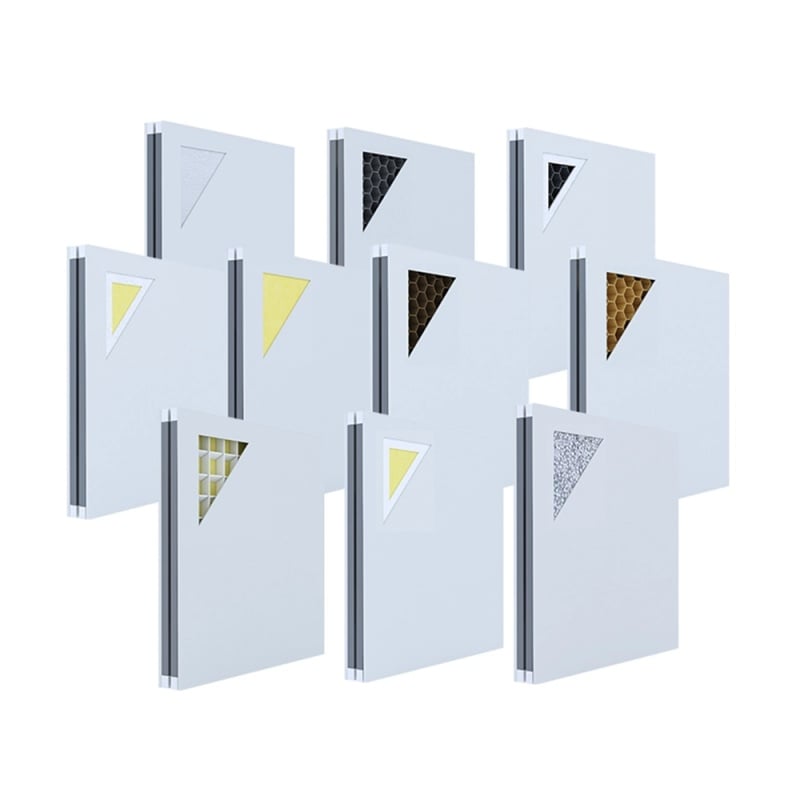
Panele czyste są szeroko stosowane w branżach o surowych wymogach środowiskowych — takich jak elektronika, farmacja i przemysł spożywczy — gdzie służą do tworzenia czystych i higienicznych środowisk przestrzennych. Te panele charakteryzują się różnorodnymi materiałami rdzeniowymi; najczęściej spotykane to wełna skalna, tlenek magnezu w konstrukcji pustej, aluminiowa struktura plastra miodu oraz kompozyty z tlenku magnezu i wełny skalanой. Ze względu na odmienne właściwości charakterystyczne dla każdego rodzaju materiału rdzeniowego procesy montażu poszczególnych typów paneli do pomieszczeń czystych różnią się istotnie.
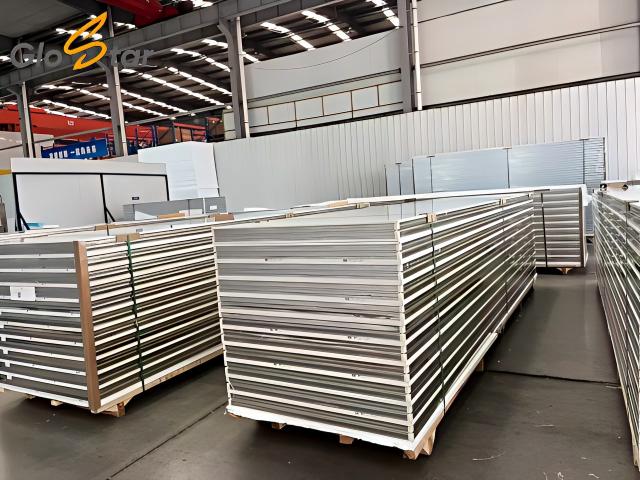
cleanroom panels factory

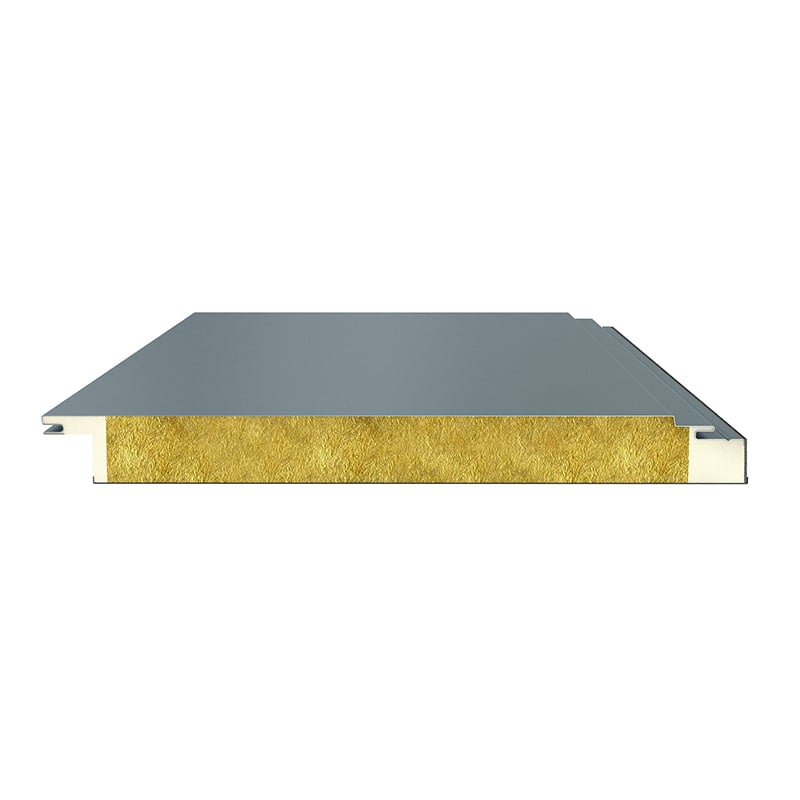
Montaż paneli do pomieszczeń czystych z rdzeniem z wełny skalanой

Materiał rdzeniowy z wełny skalnej jest wytwarzany z naturalnej skały poprzez proces topienia w wysokiej temperaturze; jest stosunkowo ciężki i charakteryzuje się pewnym stopniem sztywności. Podczas montażu kluczowe znaczenie ma nośność konstrukcji krokwi wsporczych. W oparciu o masę paneli odstępy między krokwiąmi muszą być zaprojektowane naukowo i racjonalnie, aby zapobiec odkształceniom paneli spowodowanym niewystarczającą nośnością podpór. Na przykład, jeśli panele do pomieszczeń czystych z wełny skalnej są wykorzystywane jako materiały ścienne w dużym obiekcie przemysłowym o surowych wymogach bezpieczeństwa pożądowego, zbyt duże odstępy między krokwiąmi – biorąc pod uwagę znaczną masę paneli z wełny skalnej – mogą w dłuższym okresie prowadzić do osiadania lub odkształcenia paneli, co z kolei pogorszy zarówno wygląd estetyczny, jak i bezpieczeństwo eksploatacyjne.

Ponadto krawędzie cięcia paneli z wełny skalnej mają tendencję do wydzielania pyłu. W związku z tym podczas montażu należy zastosować odpowiednie środki ochronne — na przykład wymagać od personelu budowlanego noszenia profesjonalnych masek przeciwpyłowych oraz stosować lokalne urządzenia do odprowadzania pyłu w strefach cięcia — w celu zapobieżenia zanieczyszczeniu środowiska czystej sali pyłem. Przy łączeniu paneli konieczne jest zapewnienie szczelnego dopasowania połączeń; jest to kluczowe dla skutecznego zapewnienia izolacji termicznej i akustycznej. Na przykład przy budowie sal operacyjnych medycznych — gdzie normy kontroli hałasu są szczególnie rygorystyczne — szczelne połączenia mogą znacznie ograniczyć przenikanie zewnętrznego hałasu, a jednocześnie zapobiec wymianie ciepła między środowiskiem wewnętrznym a zewnętrznym, co umożliwia utrzymanie stabilnej temperatury w pomieszczeniu.
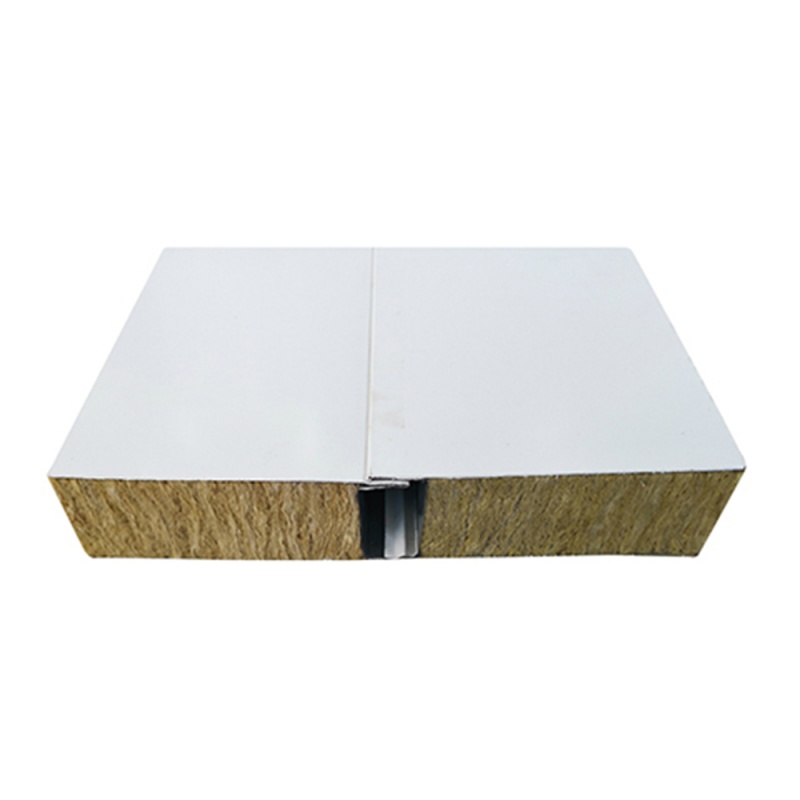
Installation of Rock Wool Core Cleanroom Panels

Montaż paneli czystych z rdzeniem poliuretanowym

Materiał rdzeniowy z poliuretanu składa się z wypełnienia piankowym poliuretanem; zapewnia doskonałą izolację termiczną oraz właściwości uszczelniające, łącząc przy tym wysoką wytrzymałość konstrukcyjną ze średnim ciężarem. Podczas montażu układ konstrukcji krokwi wsporczych można dostosować do konkretnego scenariusza zastosowania. Na przykład przy budowie pomieszczeń chłodniczych – gdzie wymagania dotyczące izolacji termicznej są szczególnie wysokie – niskie temperatury wewnętrzne wymagają paneli czystych (cleanroom) o wyjątkowych właściwościach izolacyjnych, aby zminimalizować zużycie energii. W takich przypadkach układ krokwi można elastycznie konfigurować, uwzględniając praktyczne czynniki, takie jak struktura przestrzenna pomieszczenia chłodniczego oraz rozmieszczenie urządzeń chłodniczych.

Jednak ponieważ materiały poliuretanowe mogą uwalniać szkodliwe gazy przy narażeniu na wysokie temperatury, stosowanie otwartego płomienia podczas procesu montażu jest surowo zabronione, a należy zapewnić odpowiednią wentylację. Dodatkowo panele poliuretanowe zwykle mają w miejscach połączeń system złączenia typu „występ–wpad” (tzw. język–bruzda); w trakcie montażu konieczne jest zapewnienie ścisłego założenia się tych profili złącznych w celu poprawy ogólnej szczelności powietrznej konstrukcji. Na przykład w przypadku obiektu chłodni spożywczej: jeśli połączenia typu język–bruzda nie są ścisłe, powietrze zewnętrzne może łatwo przedostać się do wnętrza. Może to prowadzić do fluktuacji temperatury w strefie chłodni, co z kolei wpłynie negatywnie na skuteczność zachowywania produktów spożywczych.
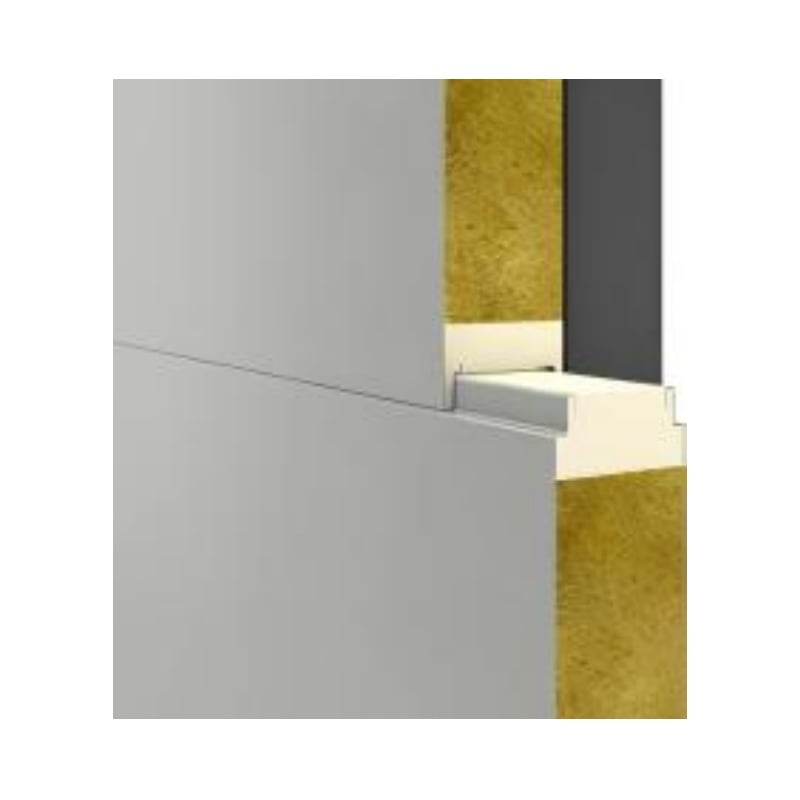
Installation of Polyurethane Core Cleanroom Panels

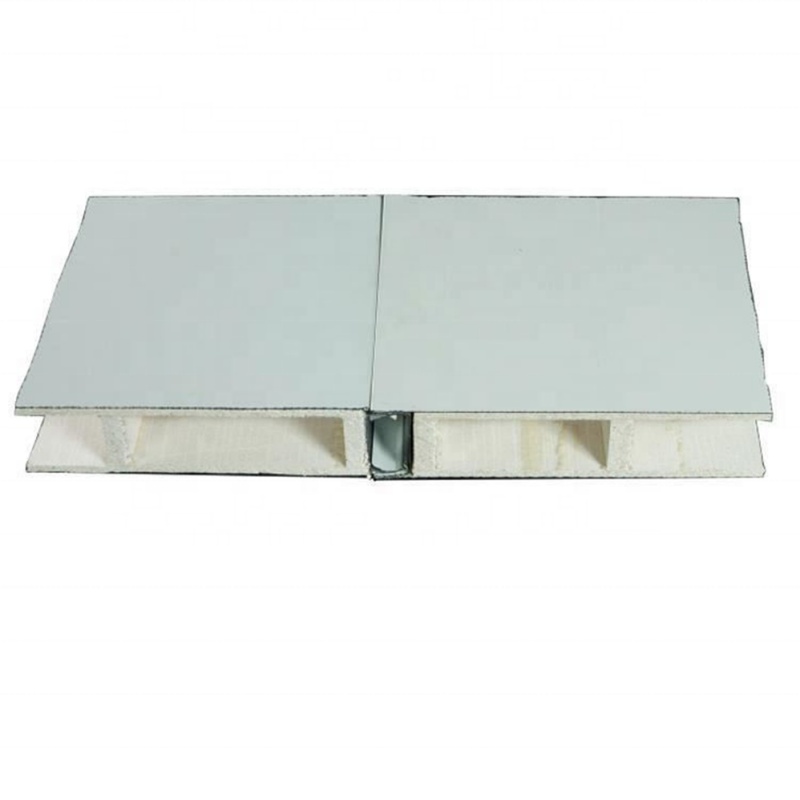
Montaż paneli czystych z rdzeniem z tlenku magnezu o konstrukcji pustej

Panele czyste z rdzeniem z tlenku magnezu o konstrukcji pustej zwykle składają się z komórkowej lub siatkowej, pustej wewnętrznej struktury połączonej z płytami czołowymi wykonanymi z tlenku magnezu. Ze względu na niewielką masę zapewniają stosunkowo wygodną instalację. Jednak ich montaż stawia surowe wymagania dotyczące płaskości podłoża (warstwy bazowej). Powierzchnia podłoża musi być płaska, sucha i czysta; jeśli odchylenie płaskości podłoża przekracza określony dopuszczalny zakres (ogólnie błąd płaskości nie może przekraczać 5 mm na odcinku 2 metrów), panele do pomieszczeń czystych nie przylepią się odpowiednio do podłoża po montażu, co spowoduje nadmiernie szerokie szwy między panelami. W budowie czystych pomieszczeń elektronicznych zbyt szerokie szwy między panelami ułatwiają przenikanie pyłu i innych zanieczyszczeń, uniemożliwiając spełnienie rygorystycznych standardów czystości środowiskowej wymaganych w produkcji elektronicznej.

Podczas montażu paneli stosuje się zwykle takie metody, jak wkręty samowiercące. Istnieją określone wymagania dotyczące odstępów między tymi wkrętami, które zazwyczaj są rozmieszczone jednolicie w rozsądnych granicach, aby zapewnić solidne zamocowanie paneli. Ponadto obróbka szwów paneli jest równie istotna; szwy te należy wypełnić materiałami uszczelniającymi, aby zapewnić skuteczne uszczelnienie i zapobiec wyciekowi powietrza.
cleanroom panels factory Installation of Rock Wool Core Cleanroom Panels Rock wool core material is manufactured from natural rock through a high-temperature melting process; it is relatively heavy and possesses a certain degree of rigidity. During installation, the load-bearing capacity of the supporting keel structure is of paramount importance. Based on the weight of the panels, the spacing between keels must be designed scientifically and rationally to prevent panel deformation caused by insufficient load-bearing support. For instance, if rock wool cleanroom panels are utilized as wall materials in a large-scale industrial facility with stringent fire safety requirements, setting the keel spacing too wide—given the substantial weight of the rock wool panels—could eventually lead to sagging or deformation of the panels over time, thereby compromising both aesthetic appeal and operational safety.  Furthermore, the cut edges of rock wool panels are prone to generating dust. Consequently, appropriate protective measures must be implemented during installation—such as requiring construction personnel to wear professional dust-proof masks and deploying localized dust extraction equipment in cutting zones—to prevent dust contamination within the cleanroom environment. When joining panels, it is imperative to ensure that the seams are tightly fitted; this is essential for effectively guaranteeing thermal insulation and soundproofing performance. For example, in the construction of medical operating rooms—where noise control standards are exceptionally strict—tightly fitted seams can significantly minimize the intrusion of external noise while simultaneously preventing thermal exchange between the indoor and outdoor environments, thereby maintaining stable indoor temperatures.  Installation of Rock Wool Core Cleanroom Panels  Installation of Polyurethane Core Cleanroom Panels Polyurethane core material consists of a polyurethane foam filling; it offers excellent thermal insulation and sealing properties, combining high structural strength with a moderate weight. During installation, the layout of the supporting keel structure can be adjusted to suit the specific application scenario. For instance, in the construction of a cold storage facility—where thermal insulation requirements are particularly high—the low internal temperatures necessitate cleanroom panels with superior insulating capabilities to minimize energy consumption. In such cases, the keel layout can be flexibly configured based on practical factors such as the spatial structure of the cold storage unit and the positioning of refrigeration equipment.  However, since polyurethane materials may release harmful gases when exposed to high temperatures, the use of open flames must be strictly prohibited during the installation process, and adequate ventilation must be ensured. Additionally, polyurethane panels typically feature a tongue-and-groove interlocking design at their joints; during installation, it is crucial to ensure that these interlocking profiles engage tightly to enhance the overall airtightness of the structure. Taking a food cold storage facility as an example: if the tongue-and-groove joints do not interlock tightly, outside air can easily infiltrate. This may lead to temperature fluctuations within the cold storage area, thereby compromising the effectiveness of food preservation.  Installation of Polyurethane Core Cleanroom Panels  Installation of Hollow Magnesium Oxide Core Cleanroom Panels

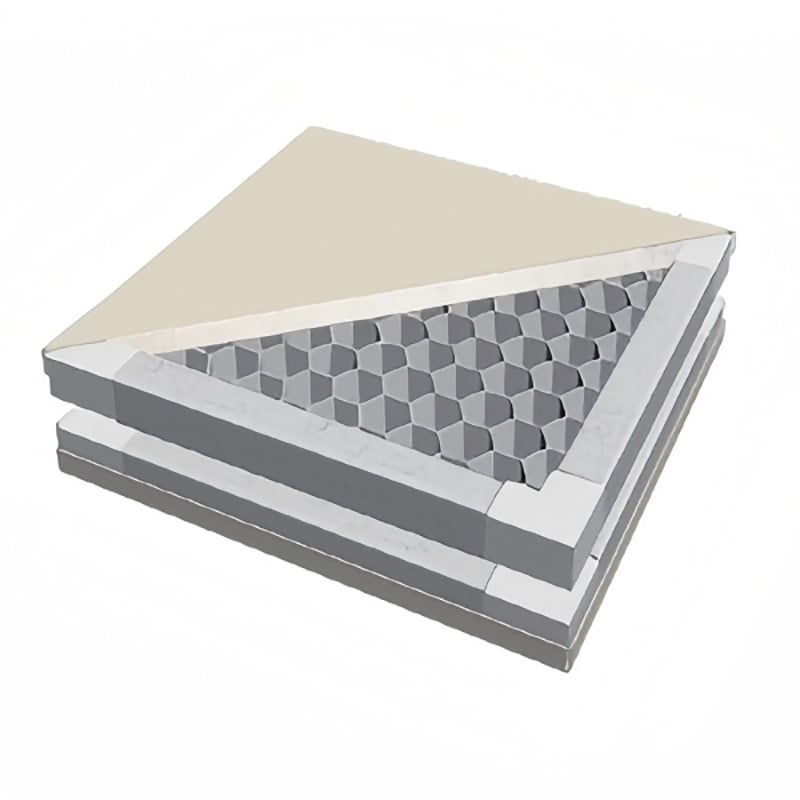
Główne punkty montażu paneli czystych pomieszczeń z rdzeniem z aluminium w strukturze plastra miodu

Panelowe elementy do czystych pomieszczeń z rdzeniem z aluminium w strukturze plastra miodu ofertują wiele zalet, takich jak wysoka wytrzymałość konstrukcyjna i doskonała płaskość powierzchni. Podczas montażu, biorąc pod uwagę stosunkowo jednolite rozłożenie masy paneli, projekt systemu wsporników (szkieletu nośnego) można określić na podstawie konkretnych specyfikacji paneli oraz warunków otoczenia, w jakich odbywa się montaż. W dużych handlowo-usługowych centrach – w szczególności w projektach obejmujących obudowę kanałów wentylacyjnych centralnego systemu klimatyzacji – zastosowanie aluminiowych paneli czystych pomieszczeń typu „plastra miodu” wymaga zaprojektowania szkieletu nośnego dostosowanego do kształtu i wymiarów kanałów wentylacyjnych oraz do ogólnego układu przestrzennego centrum handlowego.

Podczas łączenia paneli czystych pomieszczeń z aluminiowej pianki miodowej wymagany jest wysoki stopień precyzji. Konieczne jest zapewnienie, aby wszystkie połączenia były płaskie i szczelnie uszczelnione, co pozwala osiągnąć estetyczną powierzchnię oraz zachować optymalną ogólną wydajność. Ponadto w trakcie montażu należy szczególnie zadbać o ochronę powierzchni paneli; należy podjąć odpowiednie środki zapobiegawcze, aby uniknąć rysów lub uderzeń, które mogłyby uszkodzić powierzchnię i tym samym naruszyć zarówno wygląd wizualny, jak i integralność funkcjonalną paneli.
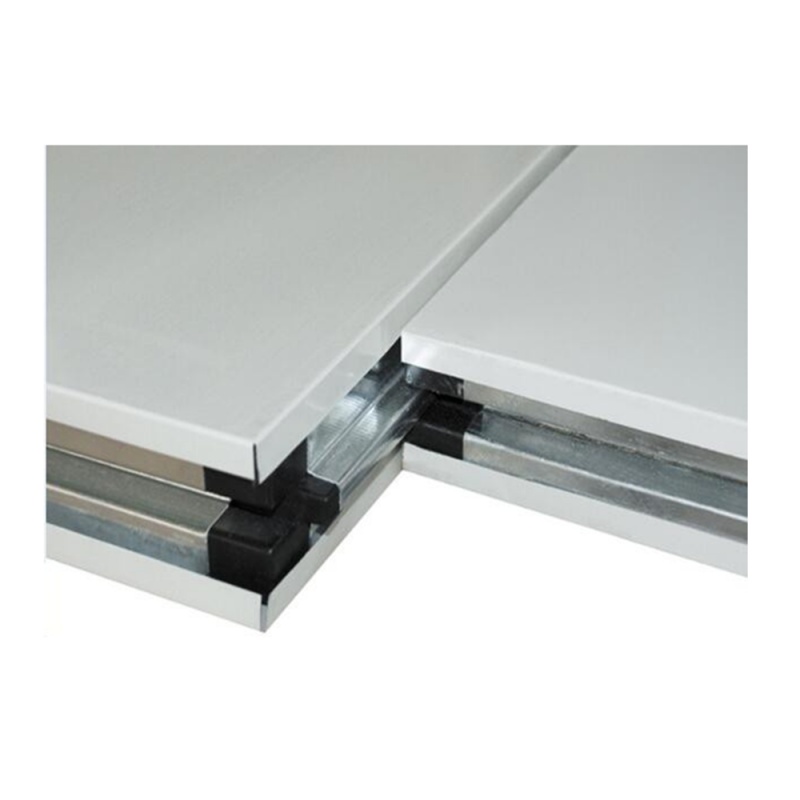
Key Installation Points for Aluminum Honeycomb Core Cleanroom Panels

Uwagi dotyczące montażu paneli czystych pomieszczeń z rdzeniem z tlenku magnezu i wełny kamiennnej

Panele z rdzeniem z tlenku magnezu (MgO) i wełny kamiennnej połączyć odmienne cechy obu materiałów. Podczas montażu konieczne jest uwzględnienie specyficznych wymagań stawianych przez rdzeń z wełny skalnej — w szczególności pod względem odporności na ogień oraz właściwości izolacji termicznej — jednocześnie dostosowując się do unikalnych cech płyt okładzinowych z tlenku magnezu. Przy mocowaniu paneli kluczowe znaczenie ma zapewnienie, aby elementy mocujące przeniknęły solidnie przez płytę z tlenku magnezu, tworząc bezpieczne połączenie z podporową krokwią i gwarantując w ten sposób stabilność konstrukcyjną całego układu. W projektach budowy czystych pomieszczeń w zakładach produkcyjnych farmaceutycznych niewłaściwe zamocowanie może prowadzić do poluzowania paneli w trakcie późniejszych operacji, co potencjalnie może zostać spowodowane czynnikami takimi jak wibracje urządzeń w warsztacie.

W odniesieniu do obróbki połączeń płyt szczeliny należy najpierw wypełnić odpowiednim materiałem uszczelniającym, a następnie wykonać odpowiednią obróbkę powierzchniową, aby zapewnić zarówno szczelność powietrzną, jak i estetyczną ciągłość połączeń. Dodatkowo, ponieważ płyty tlenku magnezu są podatne na problemy związane z wilgotnością – takie jak „potliwość” lub migracja wilgoci – w środowiskach o wysokiej wilgotności konieczne jest zastosowanie skutecznych środków zapobiegawczych przed wilgocią podczas montażu; przykładami takich środków jest nanoszenie powłok odpornych na wilgoć na podłożu.
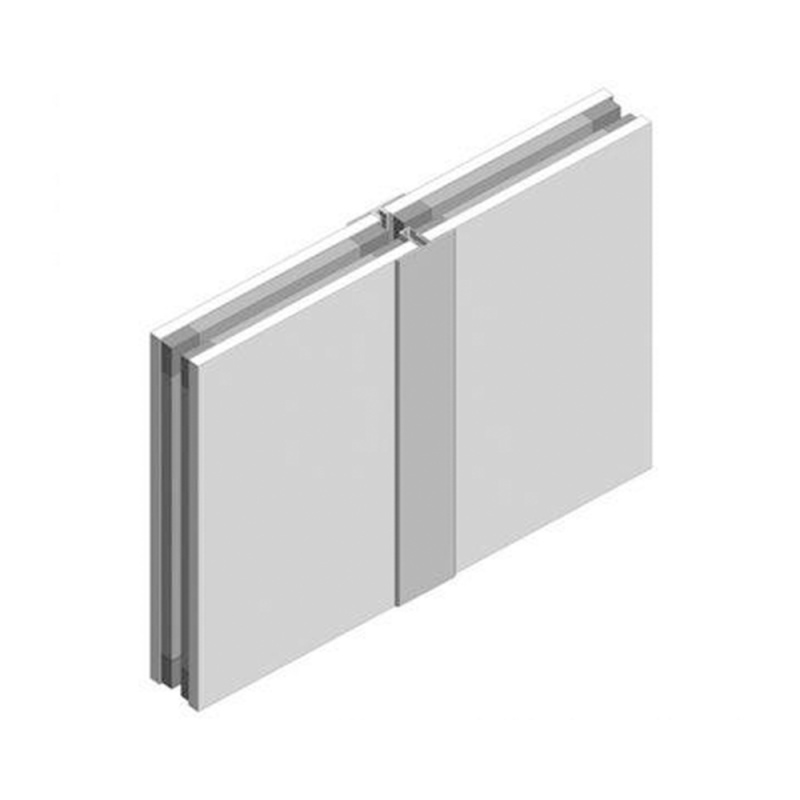
cleanroom panels factory Installation of Rock Wool Core Cleanroom Panels Rock wool core material is manufactured from natural rock through a high-temperature melting process; it is relatively heavy and possesses a certain degree of rigidity. During installation, the load-bearing capacity of the supporting keel structure is of paramount importance. Based on the weight of the panels, the spacing between keels must be designed scientifically and rationally to prevent panel deformation caused by insufficient load-bearing support. For instance, if rock wool cleanroom panels are utilized as wall materials in a large-scale industrial facility with stringent fire safety requirements, setting the keel spacing too wide—given the substantial weight of the rock wool panels—could eventually lead to sagging or deformation of the panels over time, thereby compromising both aesthetic appeal and operational safety.  Furthermore, the cut edges of rock wool panels are prone to generating dust. Consequently, appropriate protective measures must be implemented during installation—such as requiring construction personnel to wear professional dust-proof masks and deploying localized dust extraction equipment in cutting zones—to prevent dust contamination within the cleanroom environment. When joining panels, it is imperative to ensure that the seams are tightly fitted; this is essential for effectively guaranteeing thermal insulation and soundproofing performance. For example, in the construction of medical operating rooms—where noise control standards are exceptionally strict—tightly fitted seams can significantly minimize the intrusion of external noise while simultaneously preventing thermal exchange between the indoor and outdoor environments, thereby maintaining stable indoor temperatures.  Installation of Rock Wool Core Cleanroom Panels  Installation of Polyurethane Core Cleanroom Panels Polyurethane core material consists of a polyurethane foam filling; it offers excellent thermal insulation and sealing properties, combining high structural strength with a moderate weight. During installation, the layout of the supporting keel structure can be adjusted to suit the specific application scenario. For instance, in the construction of a cold storage facility—where thermal insulation requirements are particularly high—the low internal temperatures necessitate cleanroom panels with superior insulating capabilities to minimize energy consumption. In such cases, the keel layout can be flexibly configured based on practical factors such as the spatial structure of the cold storage unit and the positioning of refrigeration equipment.  However, since polyurethane materials may release harmful gases when exposed to high temperatures, the use of open flames must be strictly prohibited during the installation process, and adequate ventilation must be ensured. Additionally, polyurethane panels typically feature a tongue-and-groove interlocking design at their joints; during installation, it is crucial to ensure that these interlocking profiles engage tightly to enhance the overall airtightness of the structure. Taking a food cold storage facility as an example: if the tongue-and-groove joints do not interlock tightly, outside air can easily infiltrate. This may lead to temperature fluctuations within the cold storage area, thereby compromising the effectiveness of food preservation.  Installation of Polyurethane Core Cleanroom Panels  Installation of Hollow Magnesium Oxide Core Cleanroom Panels Hollow magnesium oxide core panels typically consist of a honeycomb or grid-like hollow internal structure bonded to magnesium oxide faceboards. Being lightweight, they offer relatively convenient installation. However, their installation places stringent demands on the flatness of the substrate (base layer). The substrate surface must be flat, dry, and clean; if the flatness deviation of the substrate exceeds the specified tolerance (generally, the flatness error must not exceed 5 mm within any 2-meter span), the cleanroom panels will fail to adhere tightly to the substrate after installation, resulting in excessively wide panel seams. In the construction of electronic cleanrooms, if panel seams are too wide, dust and other impurities can easily enter, making it impossible to meet the rigorous environmental cleanliness standards required for electronics manufacturing.  When securing the panels, methods such as self-tapping screws are typically employed. Specific requirements govern the spacing of these screws, which are generally distributed uniformly within a reasonable range to ensure the panels are firmly anchored. Furthermore, the treatment of panel seams is equally critical; they must be filled with sealing materials to ensure an effective seal and prevent air leakage.  cleanroom panels factory Installation of Rock Wool Core Cleanroom Panels Rock wool core material is manufactured from natural rock through a high-temperature melting process; it is relatively heavy and possesses a certain degree of rigidity. During installation, the load-bearing capacity of the supporting keel structure is of paramount importance. Based on the weight of the panels, the spacing between keels must be designed scientifically and rationally to prevent panel deformation caused by insufficient load-bearing support. For instance, if rock wool cleanroom panels are utilized as wall materials in a large-scale industrial facility with stringent fire safety requirements, setting the keel spacing too wide—given the substantial weight of the rock wool panels—could eventually lead to sagging or deformation of the panels over time, thereby compromising both aesthetic appeal and operational safety.  Furthermore, the cut edges of rock wool panels are prone to generating dust. Consequently, appropriate protective measures must be implemented during installation—such as requiring construction personnel to wear professional dust-proof masks and deploying localized dust extraction equipment in cutting zones—to prevent dust contamination within the cleanroom environment. When joining panels, it is imperative to ensure that the seams are tightly fitted; this is essential for effectively guaranteeing thermal insulation and soundproofing performance. For example, in the construction of medical operating rooms—where noise control standards are exceptionally strict—tightly fitted seams can significantly minimize the intrusion of external noise while simultaneously preventing thermal exchange between the indoor and outdoor environments, thereby maintaining stable indoor temperatures.  Installation of Rock Wool Core Cleanroom Panels  Installation of Polyurethane Core Cleanroom Panels Polyurethane core material consists of a polyurethane foam filling; it offers excellent thermal insulation and sealing properties, combining high structural strength with a moderate weight. During installation, the layout of the supporting keel structure can be adjusted to suit the specific application scenario. For instance, in the construction of a cold storage facility—where thermal insulation requirements are particularly high—the low internal temperatures necessitate cleanroom panels with superior insulating capabilities to minimize energy consumption. In such cases, the keel layout can be flexibly configured based on practical factors such as the spatial structure of the cold storage unit and the positioning of refrigeration equipment.  However, since polyurethane materials may release harmful gases when exposed to high temperatures, the use of open flames must be strictly prohibited during the installation process, and adequate ventilation must be ensured. Additionally, polyurethane panels typically feature a tongue-and-groove interlocking design at their joints; during installation, it is crucial to ensure that these interlocking profiles engage tightly to enhance the overall airtightness of the structure. Taking a food cold storage facility as an example: if the tongue-and-groove joints do not interlock tightly, outside air can easily infiltrate. This may lead to temperature fluctuations within the cold storage area, thereby compromising the effectiveness of food preservation.  Installation of Polyurethane Core Cleanroom Panels  Installation of Hollow Magnesium Oxide Core Cleanroom Panels  Key Installation Points for Aluminum Honeycomb Core Cleanroom Panels Aluminum honeycomb core cleanroom panels offer numerous advantages, such as high structural strength and excellent surface flatness. During installation, given the relatively uniform distribution of the panels' weight, the design of the supporting keel system can be determined based on the specific panel specifications and the ambient installation environment. In large-scale commercial shopping malls—specifically for projects involving the enclosure of central air conditioning ventilation ducts—the use of aluminum honeycomb cleanroom panels necessitates a keel design tailored to the shape and dimensions of the ventilation ducts, as well as the overall spatial layout of the mall.  When splicing aluminum honeycomb cleanroom panels, a high degree of precision is required. It is essential to ensure that all joints are flat and tightly sealed to achieve an aesthetically pleasing appearance and maintain optimal overall performance. Furthermore, during the installation process, great care must be taken to protect the panel surfaces; precautions should be implemented to prevent scratches or impacts that could cause surface damage, thereby compromising both the visual appeal and the functional integrity of the panels.  Key Installation Points for Aluminum Honeycomb Core Cleanroom Panels  Installation Considerations for Magnesium Oxide Rock Wool Core Cleanroom Panels

Podczas montażu paneli oczyszczających z różnymi materiałami rdzeniowymi należy zastosować konkretne środki — dostosowane do cech materiału rdzeniowego — dotyczące projektowania rusztowania, ochrony przed wilgocią i pożarem, łączenia paneli oraz środków ostrożności podczas ich obsługi. Zapewnia to jakość montażu i umożliwia pełną realizację potencjału paneli oczyszczających. W rzeczywistych projektach inżynierskich wybór paneli oczyszczających z odpowiednimi materiałami rdzeniowymi powinien opierać się na kompleksowej ocenie takich czynników jak konkretne zastosowanie, wymagania środowiskowe oraz budżet; ponadto wykonanie robót musi odbywać się w ścisłym przestrzeganiu odpowiednich wytycznych montażowych.
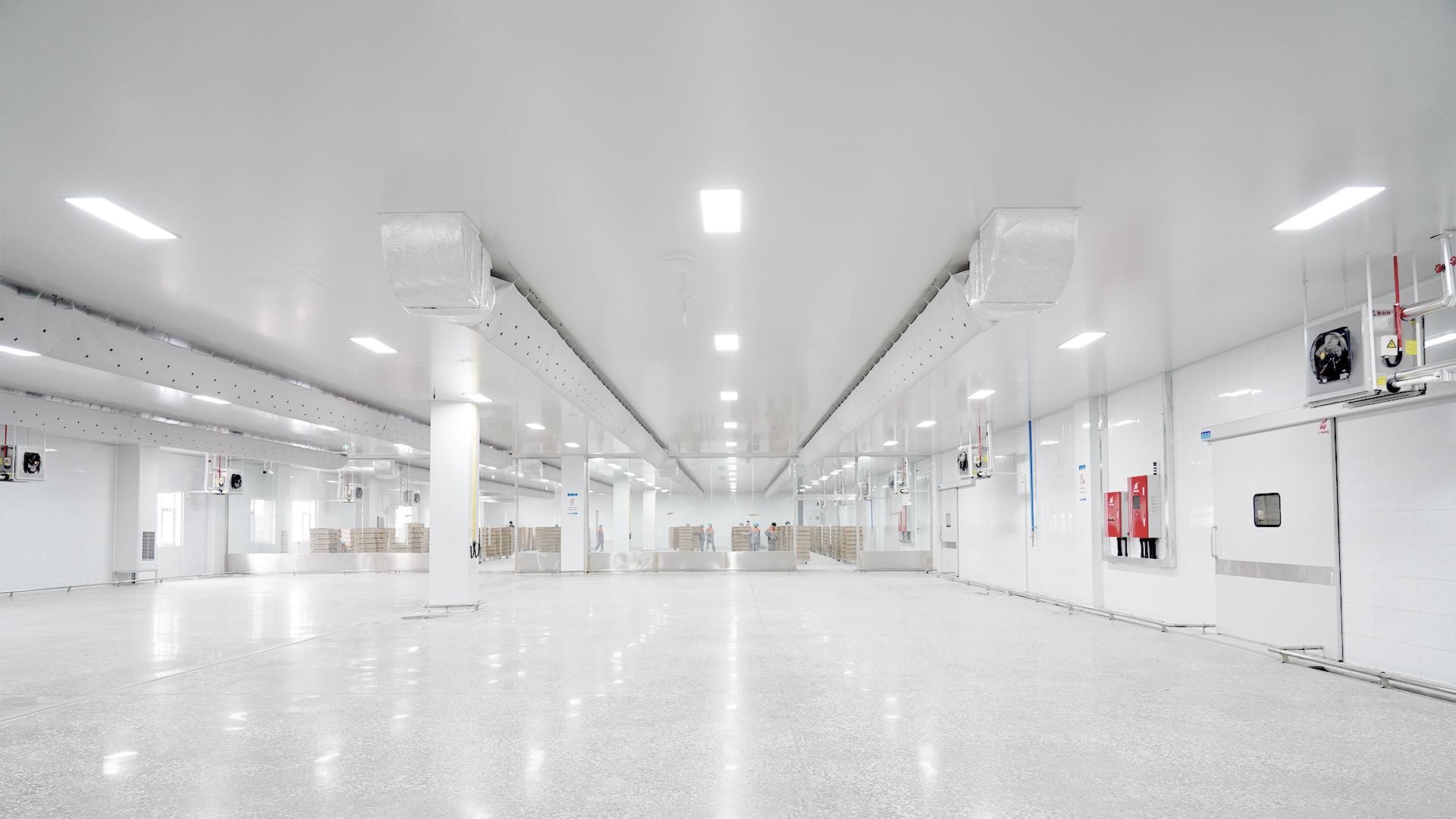
Cleanroom Enclosure System for Shandong Boda Food (1).jpg

Uzyskaj bezpłatną ofertę cenową na swój projekt

Nie ma znaczenia, czy chodzi o hale stalowe, chłodnie czy systemy pomieszczeń czystych – oferujemy konkurencyjne ceny fabryczne oraz profesjonalne projekty.
Adres e-mail
Imię i nazwisko
Numer telefonu komórkowego / WhatsApp
Nazwa firmy
Wiadomość
0/1000