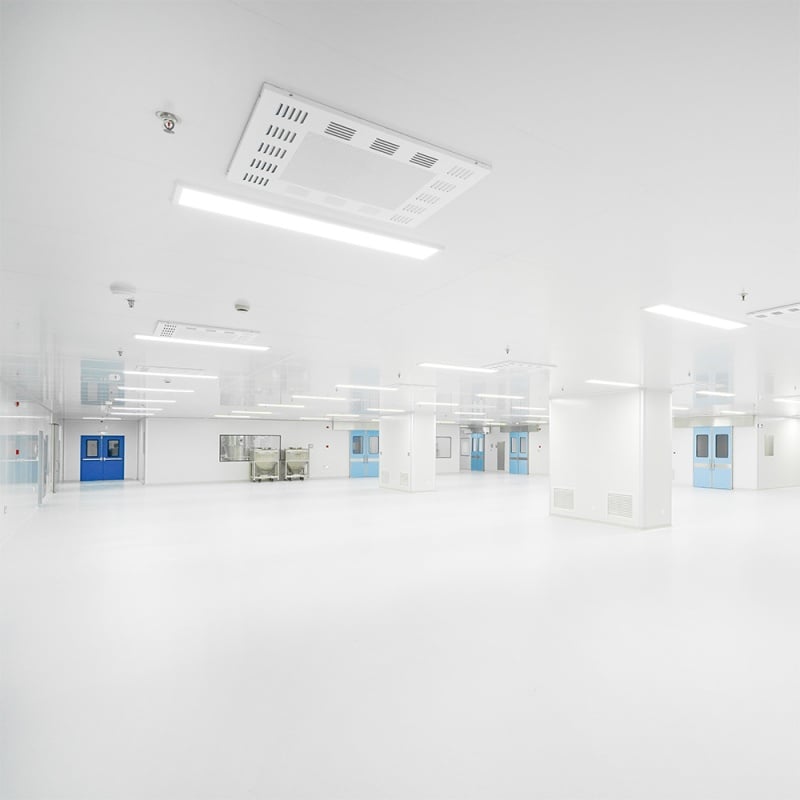
"What ISO class can you build to?" is one of the first questions we get from almost every buyer. Yet a lot of people asking that question haven't actually seen what the number means in practice. Here's a plain-English breakdown of cleanroom classification and how to pick the right level for your project.
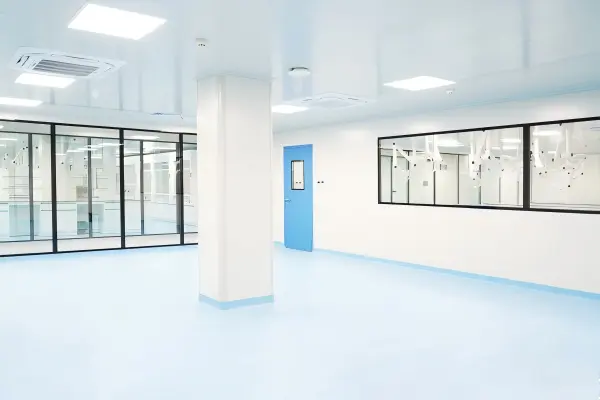
Cleanroom classes aren't set by individual manufacturers — they follow an international standard called ISO 14644-1. It replaced the older US Federal Standard 209E, which is where terms like "Class 100" or "Class 10,000" originally came from. Today, international projects use the ISO numbering system instead: ISO 5, ISO 7, ISO 8, and so on. The lower the number, the stricter the cleanliness requirement — meaning fewer airborne particles are allowed per cubic meter of air.
The core metric behind every class is the maximum allowed particle count per cubic meter of air, measured across a few reference particle sizes — most commonly 0.1μm, 0.5μm, and 5μm.
The table below shows all nine classes defined by ISO 14644-1, along with the maximum particle concentration limit for particles ≥0.5μm per cubic meter, so you can see how dramatically each level differs:
| ISO Class | Max particles ≥0.5μm/m³ | Old Fed Std 209E | Typical Use |
|---|---|---|---|
| ISO 1 | ~10 | - | Ultra-advanced semiconductor lithography |
| ISO 2 | ~100 | - | Semiconductor wafer fab core areas |
| ISO 3 | ~1,000 | Class 1 | Semiconductor, precision optics |
| ISO 4 | ~10,000 | Class 10 | Semiconductor packaging, precision electronics |
| ISO 5 | ~100,000 | Class 100 | Sterile pharma filling, biotech core labs |
| ISO 6 | ~1,000,000 | Class 1,000 | Precision instrument assembly, hard disk manufacturing |
| ISO 7 | ~10,000,000 | Class 10,000 | Non-sterile pharma areas, medical device assembly |
| ISO 8 | ~100,000,000 | Class 100,000 | Pharma packaging, food processing, cosmetics |
| ISO 9 | Near room air | - | Cleanroom surrounding areas, gowning rooms |
*Figures shown are the standard's reference-order magnitudes. Actual compliance always depends on third-party on-site testing.
In practice, very few projects actually need ISO 1 or ISO 2 — the construction and operating costs at that level are extremely high. Based on the projects we've worked on, most buyers fall into one of these three classes:
ISO 5 (sterile core areas): mainly injectable filling lines and aseptic biologics processing, which corresponds to Grade A under EU GMP Annex 1. These areas demand very tight airflow control and sealing, usually with unidirectional (laminar) flow.
ISO 7 (clean support areas): compounding rooms adjacent to filling suites, medical device assembly areas. This is the class we see most often across pharma and device projects.
ISO 8 (general clean areas): food processing, cosmetics filling, some electronics assembly, plus pharma packaging and staging areas. It offers a reasonable balance of cost and performance, which is why many new-build projects across Southeast Asia and the Middle East start at this level.
Cleanliness isn't achieved by sealing a room tightly — it's maintained through continuous filtration and air exchange that dilutes and removes particles. The higher the class, the more times per hour the air in the room needs to be replaced:
| ISO Class | Typical Air Changes/Hour | Airflow Pattern |
|---|---|---|
| ISO 5 | 240–600+ | Unidirectional (laminar) |
| ISO 7 | 60–90 | Non-unidirectional |
| ISO 8 | 10–25 | Non-unidirectional |
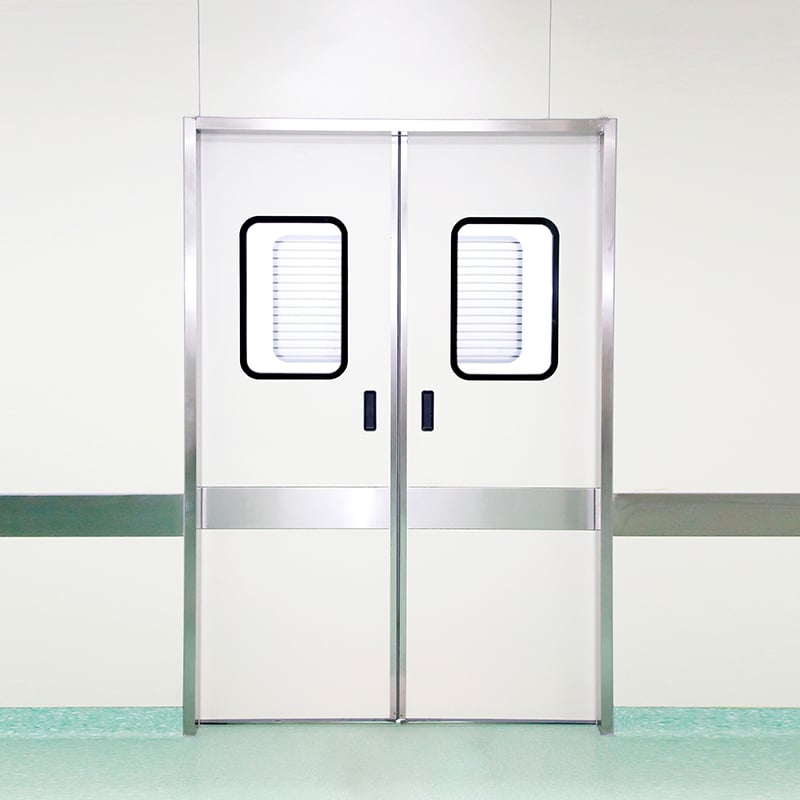
This is something first-time cleanroom buyers often overlook: the HVAC system only handles half the job. The other half comes down to the enclosure itself — the walls, ceiling, doors, and windows. If the joints between cleanroom panels aren't sealed properly, or the panel surface allows dust and microbial buildup, even a strong air handling system will struggle to hold the class steady, especially during third-party annual requalification.
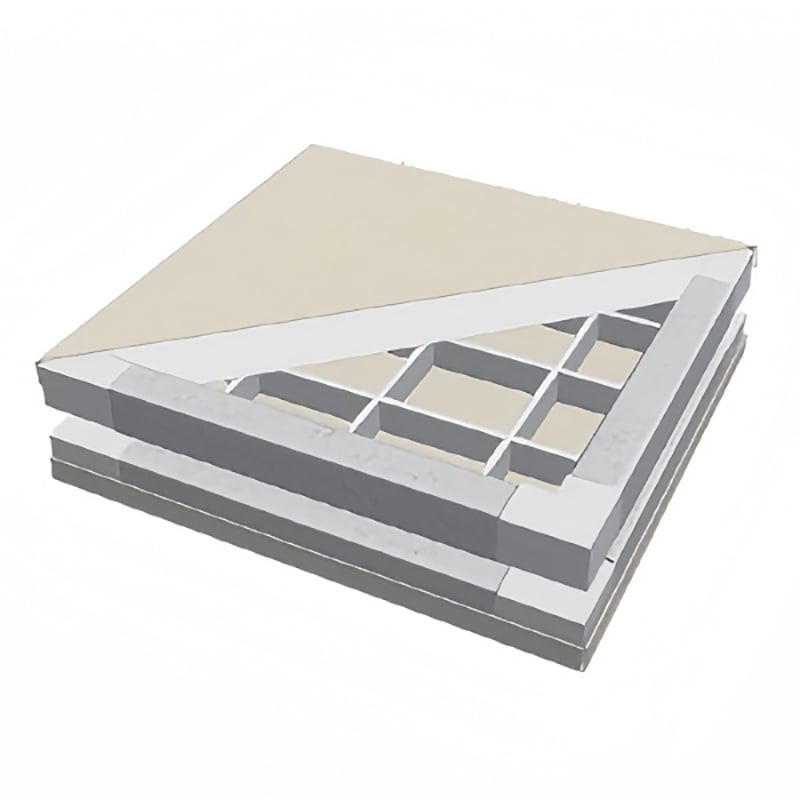
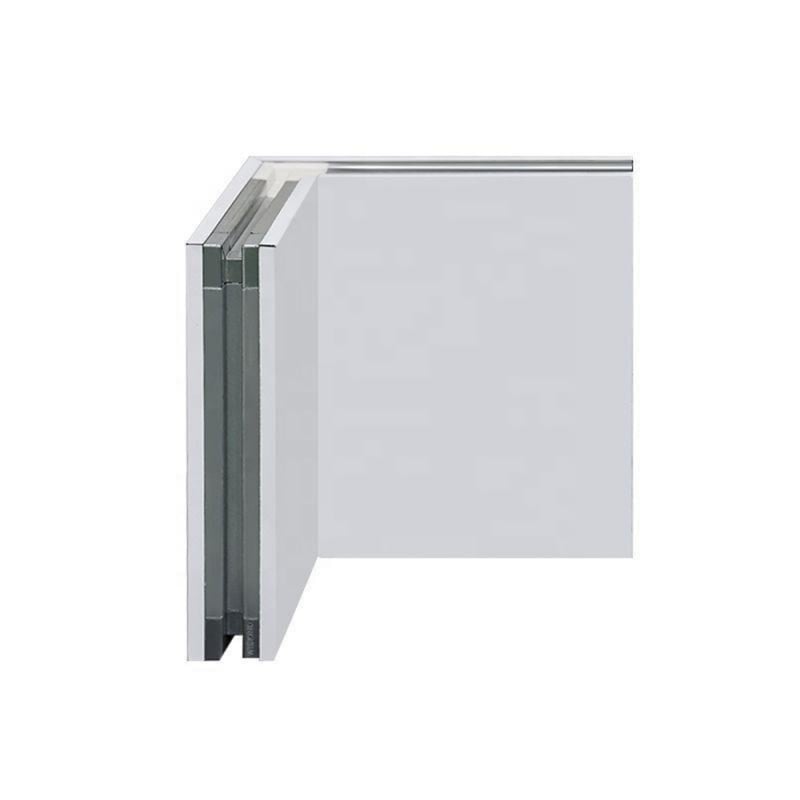
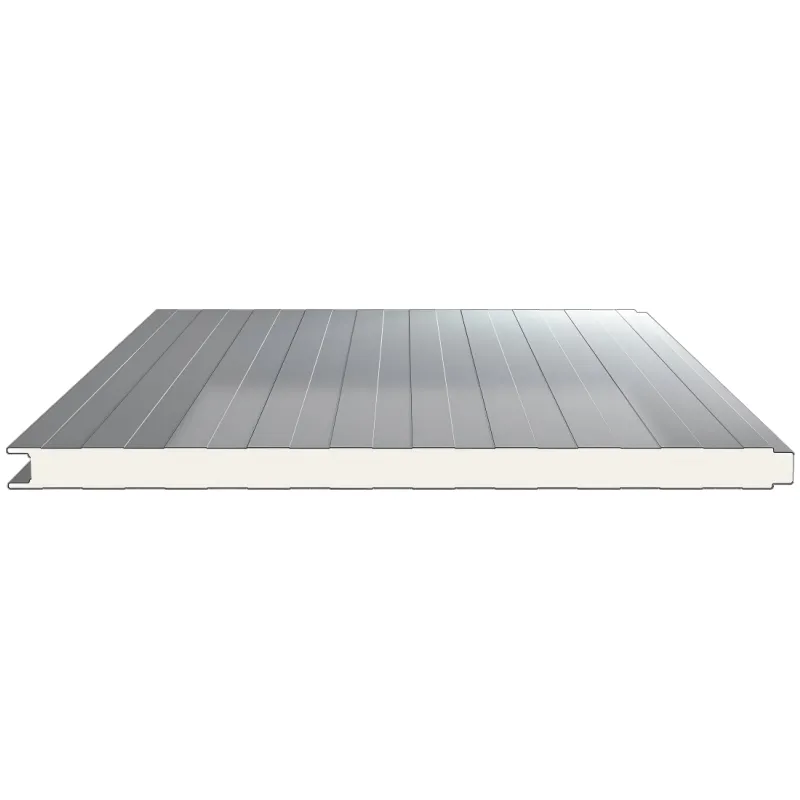
That's why, in real projects, panel selection usually goes hand in hand with the class target. Sterile core areas typically use aluminum honeycomb or rock wool cleanroom panels with coved corners to eliminate dust traps, while general clean areas often use PU/PIR sandwich panels for a more cost-effective build. Panel choice has a direct impact on whether a project can hold its class consistently — and on long-term maintenance cost.
If you're planning a new cleanroom project, work backward from these three factors instead of defaulting to "higher is better":
1. Start with regulatory requirements. Pharma and medical device projects usually have a mandated class — for example, sterile products require Grade A/B environments (ISO 5), which isn't negotiable.
2. Consider how sensitive your product is to contamination. Even within electronics, a camera module line and a standard PCB line can have vastly different cleanliness needs.
3. Then run the numbers. Every step up in class adds meaningfully to both construction and operating cost. The smarter approach is usually to zone the facility — high class in the core process area, stepping down in surrounding support areas — to keep the overall budget under control.
Q: What ISO class is Class 100?
A: It roughly corresponds to ISO 5. "Class 100" comes from the older Federal Standard 209E; most international projects now use ISO numbering instead.
Q: Is "cleanliness level" the same as "ISO class"?
A: Yes, they're generally used interchangeably in everyday conversation — just different terminology for the same thing.
Q: Can one cleanroom project have multiple classes?
A: Absolutely, and it's actually very common. Most pharma and electronics facilities are zoned, with the highest class in the core process area and lower classes stepping outward.
Glostar specializes in cleanroom panels and turnkey enclosure solutions, with proven delivery experience from ISO 5 to ISO 8 projects. Get panel and system recommendations based on your industry and budget.
 Hot News
2026-09-09
2026-08-14
2026-08-11
2026-08-06
2026-07-30
2026-07-20

We believe that by upholding quality and embracing innovation, we can drive transformative changes in architecture and build a sustainable future for the construction industry.
No. 377, Gaoqi Road, High-tech Zone, Binzhou City, Shandong Province, China
Copyright © Shandong Apex Metal Products Co., Ltd. All Rights Reserved (Under the Glostar New Materials Group) Privacy Policy Blog
 EN
EN