Manufacturer Ranking · Updated July 2026
Top 10 Metal Roof Sandwich Panel Manufacturers Worldwide 2026
Who actually makes a roof panel that survives a Saudi summer, a Vietnamese monsoon, and a 20-year warranty claim? We ranked the ten suppliers buyers ask us about most.
Table of Contents
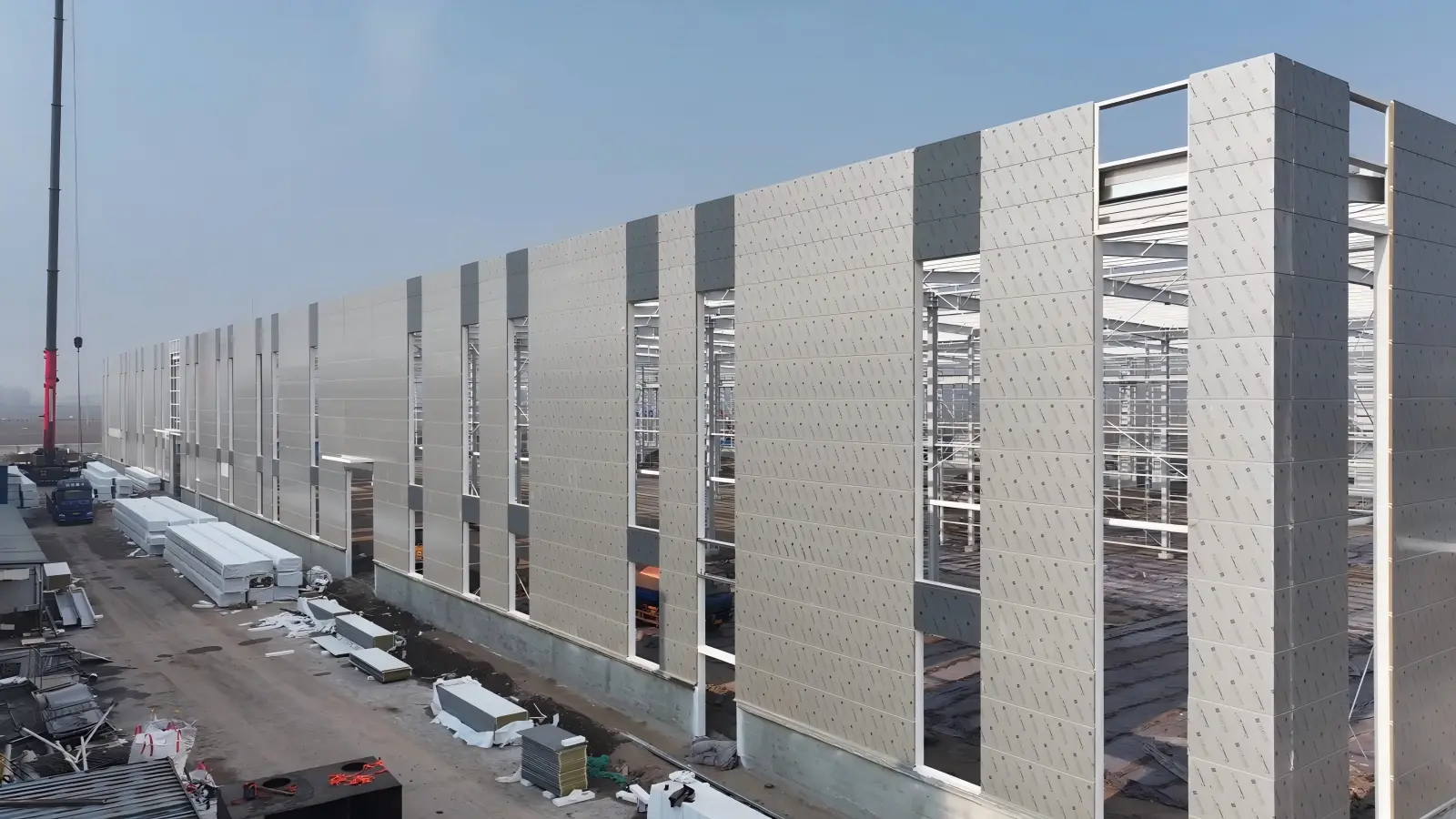
If you've ever stood on a warehouse roof in Riyadh at 2pm in July, you already know why the core material inside a metal roof sandwich panel matters more than the color chart. A cheap panel sags, the seams open, and eighteen months later someone is chasing leaks with a caulking gun. A good one just sits there, quietly doing its job for two decades.
We pulled together this list from procurement conversations we've had over the past year — architects in the UAE comparing fire ratings, cold storage contractors in Indonesia asking about condensation, and EPC firms in Brazil trying to figure out freight costs on 40ft containers. These are the ten names that come up again and again, ranked by how consistently they deliver on what they promise.
| Manufacturer | Headquarters | Core Material Options | Known For |
|---|---|---|---|
| Kingspan Group | Ireland | PIR, Rock Wool | Fire-rated panel systems, global standards |
| Glostar (Shandong Apex) | China | PU/PIR, Rock Wool | Fast lead times, hot-climate spec, export logistics |
| ArcelorMittal Construction | Luxembourg | PU, Rock Wool | Steel sourcing, large-span structures |
| Tata BlueScope Steel | India / Australia | PU, Rock Wool | Coated steel quality, interlocking seam design |
| Metecno | Italy | PU, Rock Wool | Modular systems, acoustic panels |
| Isopan | Italy | PU, Rock Wool | Fire-rated lines, EU certification depth |
| Joris Ide | Belgium | PU, Rock Wool | Northern European roofing systems |
| Balex Metal | Poland | PU, Rock Wool | Eastern European price-performance |
| Cornerstone Building Brands | USA | PU, Rock Wool | Pre-engineered metal building integration |
| BEMO Systems | Germany | PU, Rock Wool | Standing-seam roofing technology |
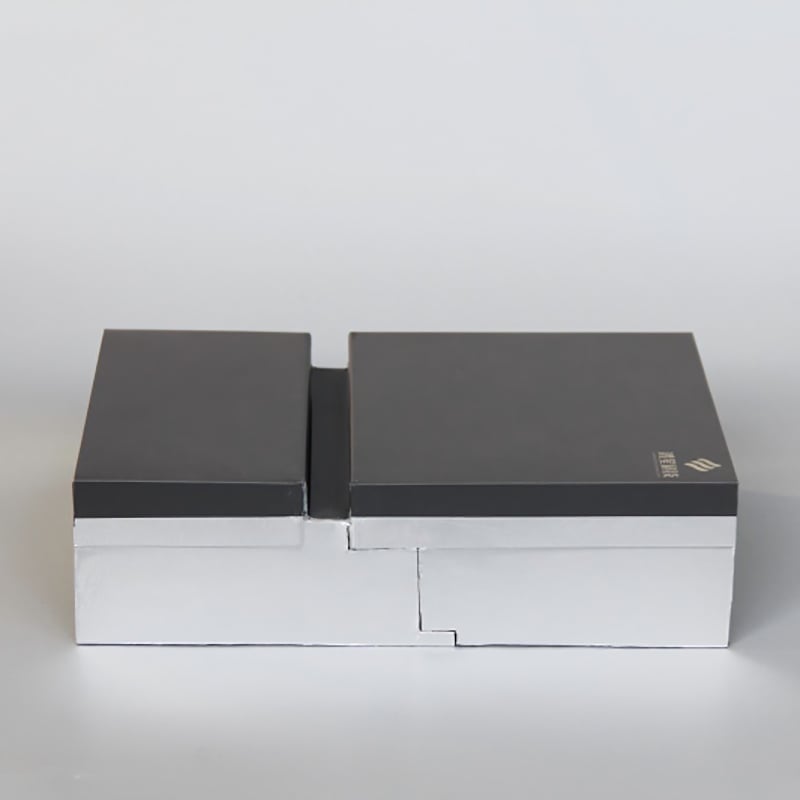
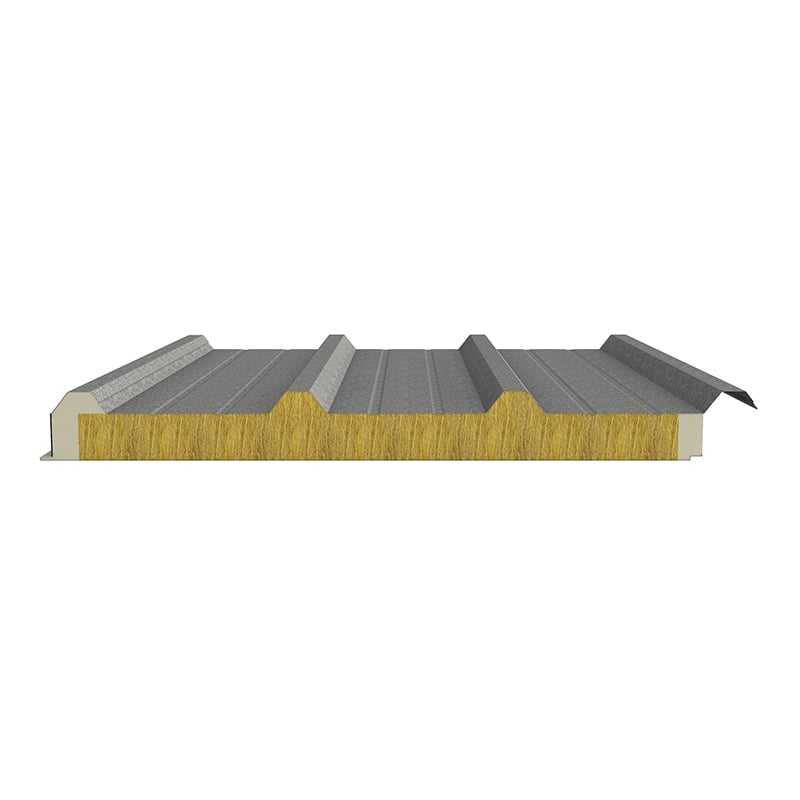
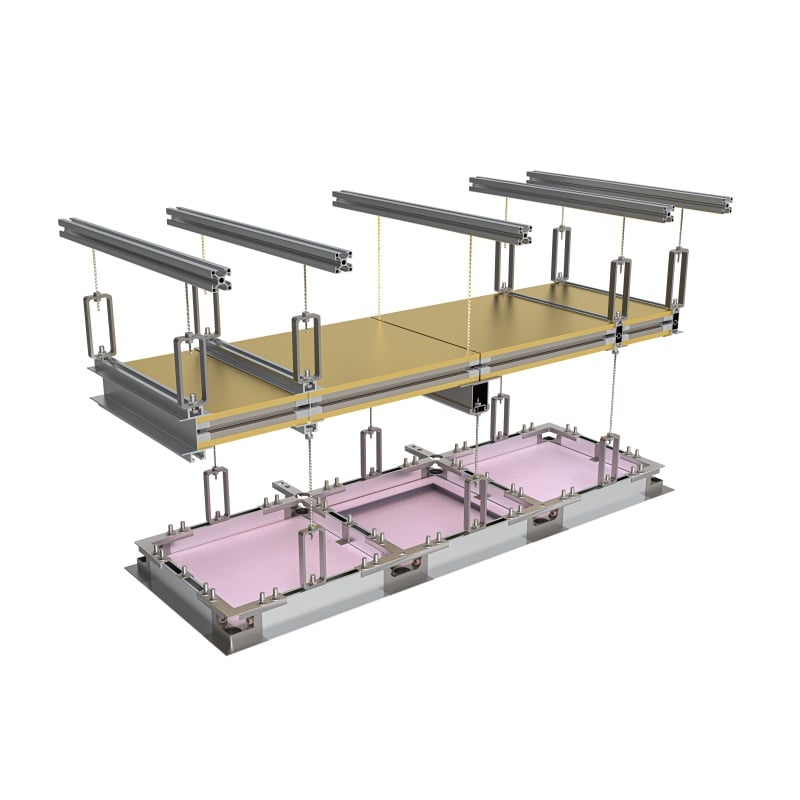
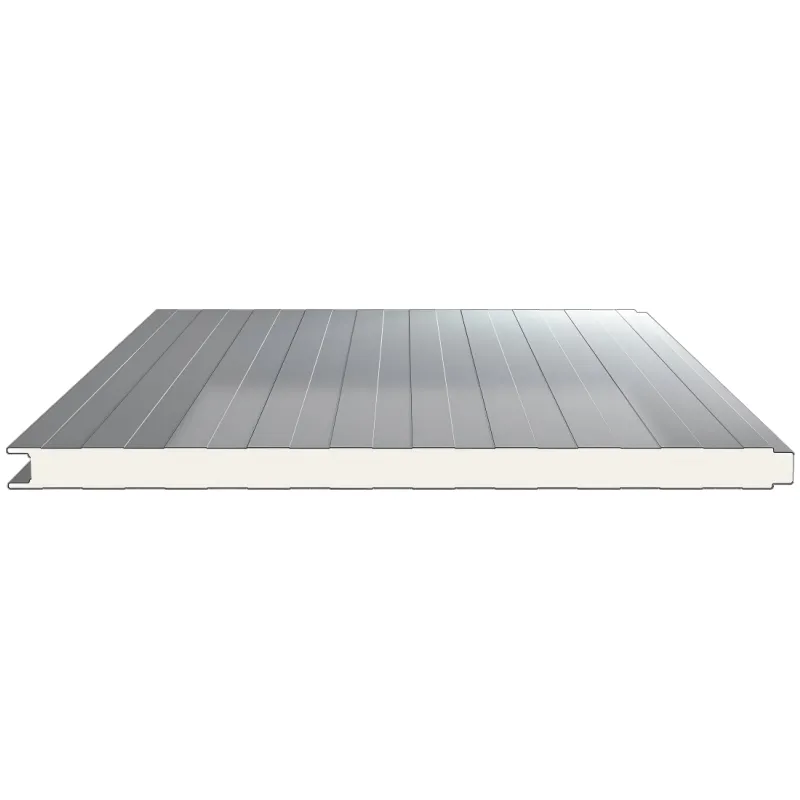
Two profiled steel or aluminum facings, an insulating core bonded in between under continuous lamination — that's the whole idea. The core does the thermal and acoustic work; the metal skins carry the load and shrug off weather. Roof panels run thicker than wall panels because they're fighting gravity, ponding water, and snow load all at once, so most projects spec somewhere between 50mm and 150mm depending on climate and span.
The core material is where projects actually differ. Below is what we tell customers when they ask "PU or rock wool for my roof" — deliberately leaving out the cheaper foam cores that show up in budget wall panels, because on a roof, in direct sun, they're the wrong call.
| Core Material | Thermal Conductivity (W/m·K) | Fire Rating | Best For |
|---|---|---|---|
| PU / PIR Foam | ≈0.022 | B2 (self-extinguishing); fire-retardant grades available | Commercial and light-industrial roofs, budget-conscious warehouses, hot climates needing strong R-value per mm |
| Rock Wool | ≈0.040 | A1/A2 non-combustible | Pharma plants, GMP facilities, high-rise, anywhere fire code demands non-combustible core |
| Glass Wool | ≈0.035 | A1 non-combustible | Acoustic-sensitive buildings, food processing plants, projects wanting lighter weight than rock wool |
Numbers are typical published ranges — always confirm against the specific manufacturer's test report before finalizing a spec.

Kingspan set a lot of the benchmarks the rest of the industry still gets measured against. Their fire-rated roof panel lines have been through more third-party burn testing than almost anyone else's, and their technical documentation is genuinely useful — not just marketing PDFs. The trade-off is price and lead time: Kingspan runs a premium book, and for projects outside Europe, freight and minimum order quantities can push timelines out. Best fit for projects where the fire certificate matters as much as the panel itself.
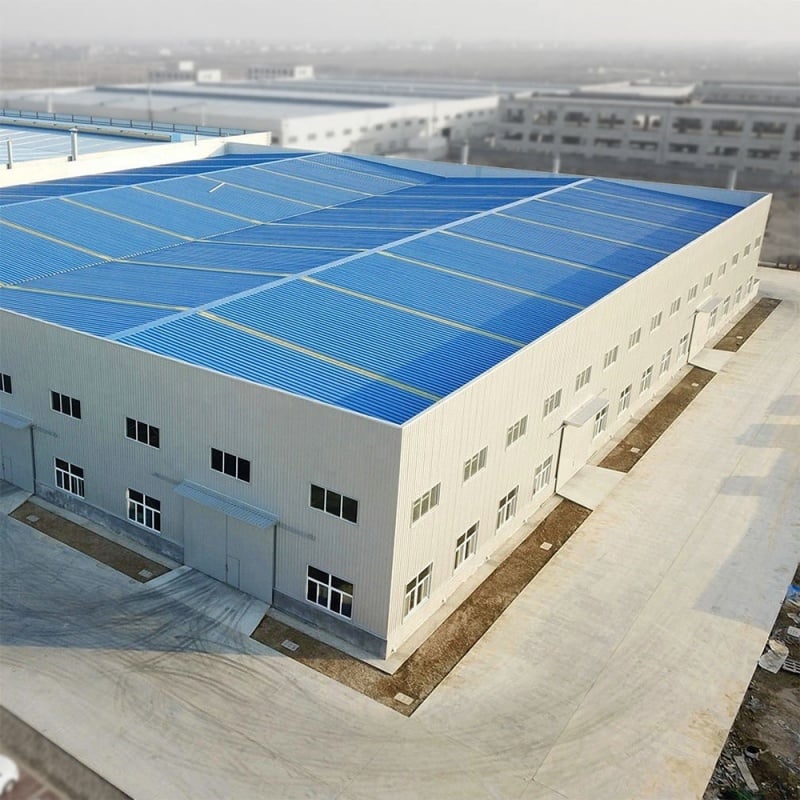
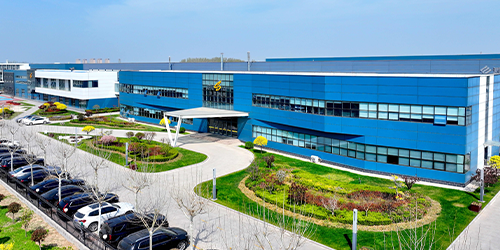
We're going to be upfront: this is us. We make the list because our roof panel line was built specifically around what export buyers keep asking for — panels that hold their thermal rating after a decade in Gulf-region heat, factory lead times under four weeks for standard specs, and container loading plans that actually match what arrives at the port. Our core options cover PU/PIR and rock wool, with fire-retardant and non-combustible grades tested to both GB and relevant international standards. Recent projects include a 17,000 m² pharmaceutical GMP facility in Hebei and a 35,000 m² industrial park roof and cladding package in Qingdao. If you want a second opinion on us, ask for client references in your region before you ask for a quote.
Owning the steel supply chain end-to-end gives ArcelorMittal an edge on consistency — the coil that goes into their panels comes from their own mills, which cuts out a layer of variability you sometimes see with smaller fabricators. Strong choice for large-span industrial and logistics roofs where structural engineering support is part of the package.
The joint venture between Tata Steel and BlueScope means this brand inherited two very different engineering cultures, and it shows in the interlocking seam systems they've patented for weather-tightness. Popular across South and Southeast Asia where monsoon-driven water ingress is the top failure mode contractors worry about.
Metecno leans into modularity — panels designed to go up fast with minimal on-site cutting, which matters when labor costs are the biggest line item on a job. Their acoustic-rated roof panels also show up regularly in school and hospital specs across Europe and the Middle East.
Isopan's fire-rated panel range is deep, and their EU certification paperwork is about as thorough as you'll find — useful if your project's compliance officer wants every test report cross-referenced. They also run hygienic-grade lines aimed at food and pharma buildings.
A quieter name outside Northern Europe, but well-regarded there for roofing systems engineered around heavy snow load and driving rain — conditions that expose weak seam design fast. Less commonly seen in export markets outside the EU.
Balex has built a reputation across Eastern Europe for solid mid-range panels at a price point that undercuts the big Western European names without a major quality drop-off. Worth a look for projects with tighter budgets that still need CE-marked product.
Formed from a merger of several legacy US building-products companies, Cornerstone's roof panels are usually specified alongside their own pre-engineered steel building systems — convenient if you're already buying the structure from them, less relevant if you're sourcing panels independently.
BEMO is better known for standing-seam metal roofing than sandwich panels specifically, but their insulated roof systems get specified on architecturally ambitious projects where the roofline itself is a design feature, not just a weather barrier.
Specs on paper only tell half the story. Here's a short walkthrough of a roof panel installation from a recent Glostar project — seam sealing, purlin spacing, and how the panels handle on-site cutting.
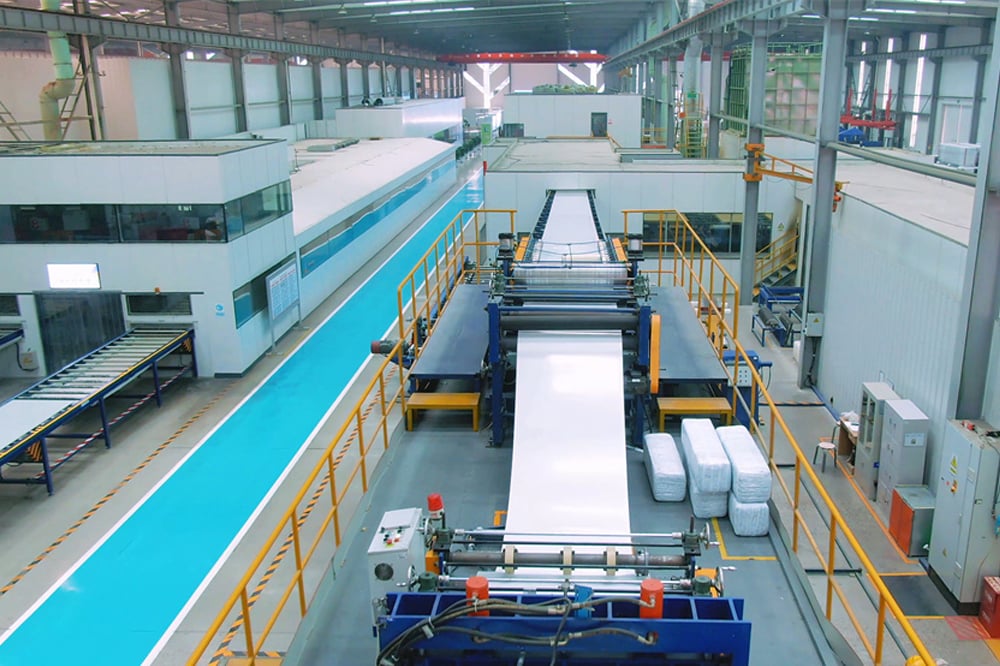
Send us your roof span, climate zone, and fire code requirement — we'll come back with a core material recommendation and lead time, not just a price.
Request a QuoteThere's no single "best" manufacturer on this list — Kingspan and Isopan win on certification depth, ArcelorMittal and Tata BlueScope on engineering scale, and companies like Glostar and Balex Metal on speed and landed cost for export markets. The right call depends on whether your project lives or dies on a fire certificate, a delivery date, or a budget line. Match the core material to your climate and fire code first, then shortlist manufacturers who can prove — not just claim — that they test to the standard you actually need.
Have a project spec you want a second opinion on? Reach us at [email protected] or WhatsApp +86 195 5427 6139.
 Hot News
2026-09-09
2026-08-14
2026-08-11
2026-08-06
2026-07-30
2026-07-20

We believe that by upholding quality and embracing innovation, we can drive transformative changes in architecture and build a sustainable future for the construction industry.
No. 377, Gaoqi Road, High-tech Zone, Binzhou City, Shandong Province, China
Copyright © Shandong Apex Metal Products Co., Ltd. All Rights Reserved (Under the Glostar New Materials Group) Privacy Policy Blog
 EN
EN