For engineers and procurement managers building a cleanroom in Saudi Arabia, the UAE, Vietnam, or Malaysia, choosing the wrong wall panel can mean failing an ISO 14644 audit — or worse, a GMP re-inspection. ISO 14644 is the international benchmark for cleanroom classification, and it has direct implications for the panels you specify on every project.
This guide breaks down what ISO 14644 actually demands at each classification level, translates those requirements into concrete panel specifications — surface finish, sealing, material, and fire rating — and explains which Glostar cleanroom panel systems are engineered to meet those standards.
ISO 14644 is a multi-part international standard that defines cleanroom classification by airborne particulate concentration. Part 1 establishes nine classes (ISO Class 1 being the most stringent, ISO Class 9 the least). For most pharmaceutical, medical device, semiconductor, and electronics manufacturing facilities, the relevant range is ISO Class 5 through ISO Class 8.
The standard does not prescribe specific panel materials by name. Instead, it defines the environmental outcomes a cleanroom must achieve — particle counts, pressure differentials, air change rates — and these outcomes impose very specific requirements on the walls, ceiling, and floor that contain them. A wall panel that generates particles, harbors microbes, or allows air infiltration will cause the room to fail classification testing regardless of how well the HVAC system performs.
| ISO Class | Max Particles ≥0.5µm / m³ | Typical Applications | Panel Surface Finish | Sealing Requirement | Core Material | Fire Rating |
|---|---|---|---|---|---|---|
| ISO Class 5 | 3,520 | Sterile drug filling, aseptic processing, semiconductor wafer lines | Ra ≤ 0.5 µm, seamless radius coved corners | Continuous silicone bead, all joints flush-sealed | PIR / PU (low outgassing) | A2 or B (EN 13501-1) |
| ISO Class 6 | 35,200 | Optics manufacturing, medical device assembly, biotech labs | Ra ≤ 0.8 µm, smooth flush surfaces | Full-perimeter silicone sealing, no exposed fasteners | PIR / Rockwool | B or C (EN 13501-1) |
| ISO Class 7 | 352,000 | Pharma secondary packaging (GMP Grade C/D), electronics assembly, hospital surgical suites | Ra ≤ 1.6 µm, smooth painted or powder-coated steel | Silicone sealing at floor/wall and ceiling/wall junctions | PIR / EPS / Rockwool | C (EN 13501-1) |
| ISO Class 8 | 3,520,000 | Food processing, general electronics, cosmetics, controlled storage | Standard smooth factory finish acceptable | Sealed perimeter joints; standard gasket systems acceptable | EPS / PIR / Rockwool | C or D (EN 13501-1) |
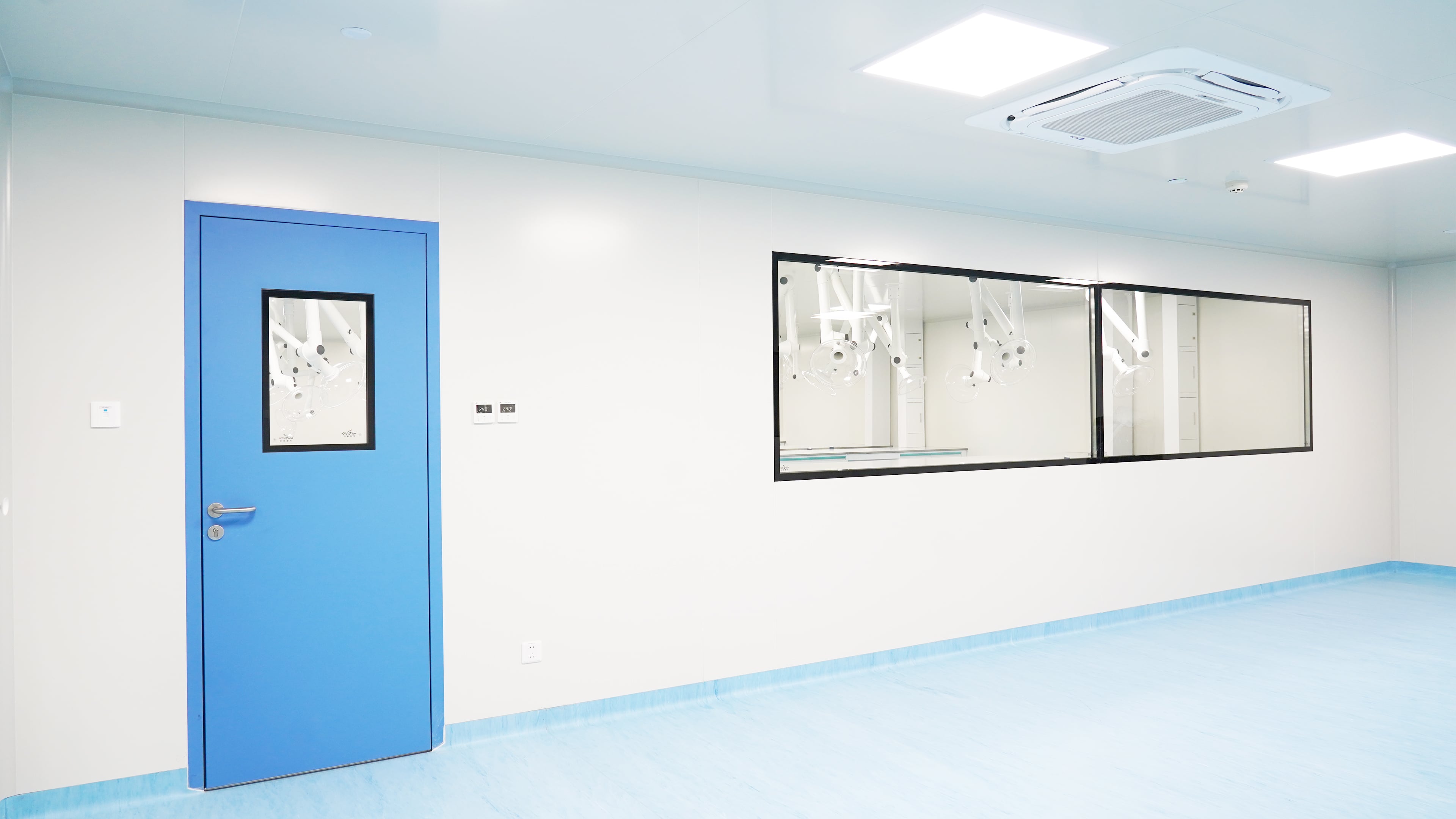
Surface roughness is measured in Ra (arithmetic mean roughness). Microscopic peaks and valleys on a rough surface trap particles and support microbial colonization — both of which will cause particle counts to spike during in-operation testing. For ISO Class 5 and 6 applications, particularly in Saudi and UAE pharmaceutical facilities operating under GMP EU Annex 1 or SFDA standards, surface Ra must be ≤ 0.5–0.8 µm.
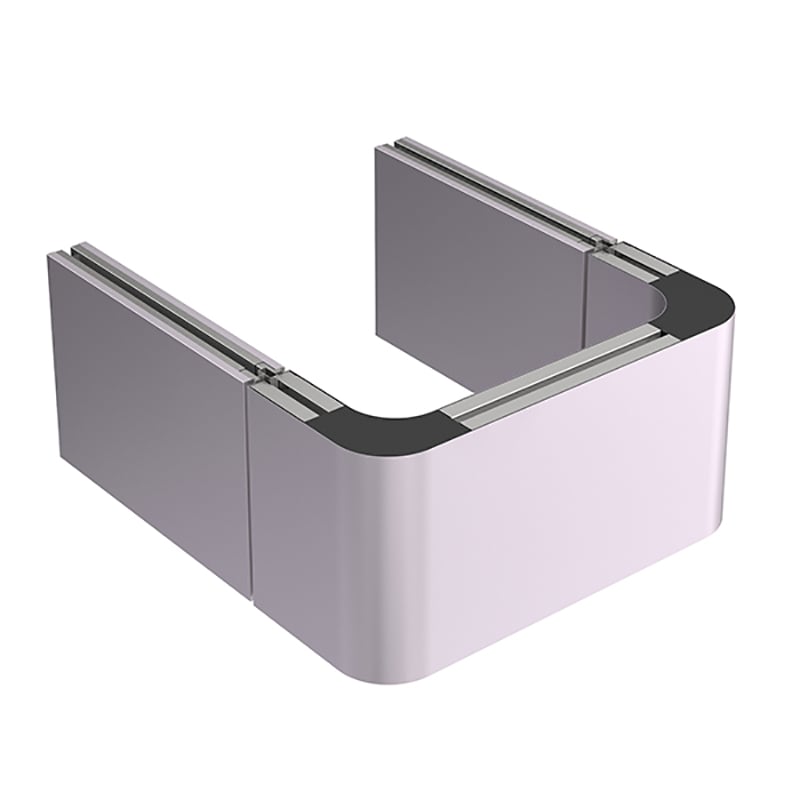
Pre-painted galvanized steel or stainless steel facings with a factory roller-coat finish typically achieve Ra values of 0.4–0.8 µm. Corners must be coved (rounded radius ≥ 50mm) at ISO Class 5–6 to eliminate 90-degree dust-trapping joints.
Cleanrooms maintain positive or negative pressure differentials (typically ±10–15 Pa between zones). Any unsealed joint in the wall or ceiling envelope will allow air infiltration, destroying pressure control and introducing unfiltered particles. For ISO Class 7 and above, all panel-to-panel joints, panel-to-floor joints, and panel-to-ceiling joints must be continuously sealed with pharmaceutical-grade neutral-cure silicone sealant — not merely gasketed.
In high-humidity environments common to Vietnam and Malaysia electronics factories (relative humidity often 70–85%), the sealant must also maintain adhesion and flexibility without shrinking or cracking over time. Exposed fasteners are not acceptable in ISO Class 5–6 environments because they create particle-shedding sites.
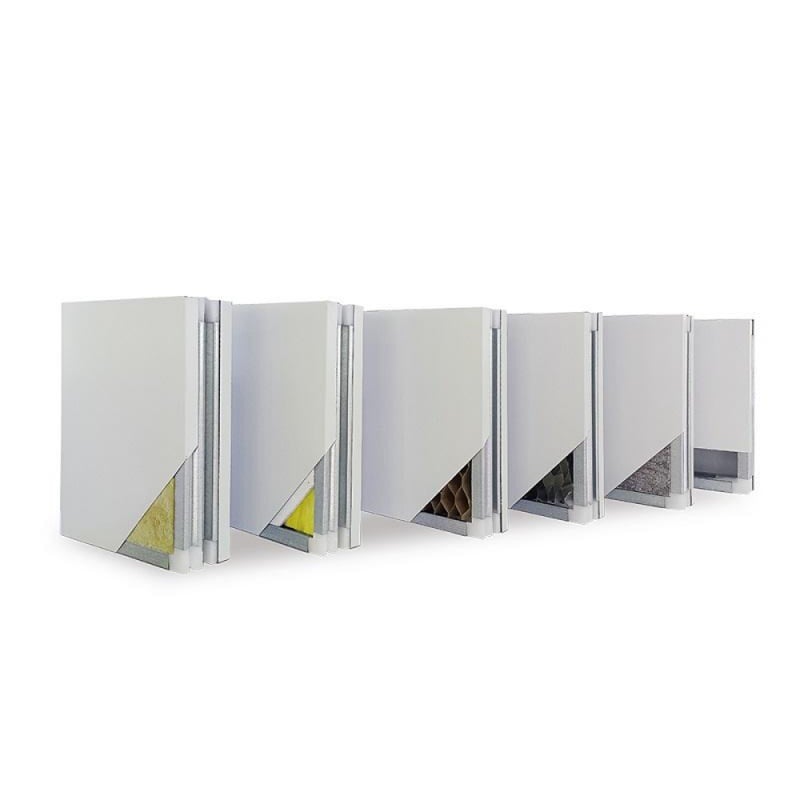
The core material affects thermal performance, fire behavior, and chemical off-gassing — all of which matter for cleanroom classification:
In Saudi Arabia and the UAE, new industrial and pharmaceutical construction must comply with Civil Defense fire codes that reference NFPA 101 or EN 13501-1 standards. ISO Class 5–6 cleanrooms in these markets typically require wall panels rated at minimum Class B (EN 13501-1), with Class A2 (non-combustible) rockwool panels increasingly specified for critical pharmaceutical zones. In Vietnam and Malaysia, local building codes (QCVN 06 and MS 1183 respectively) follow similar European fire classification frameworks.
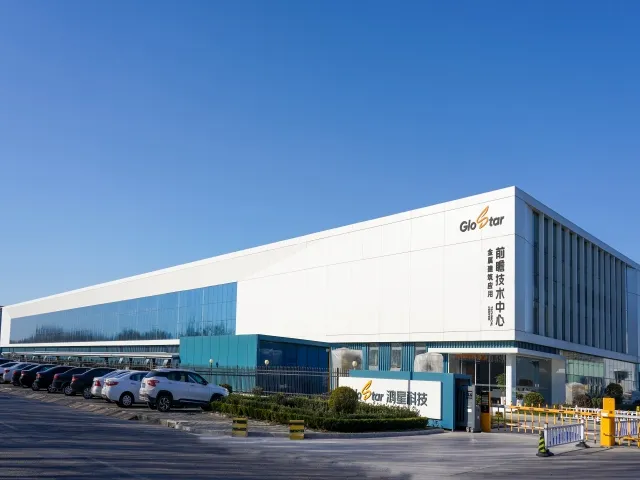
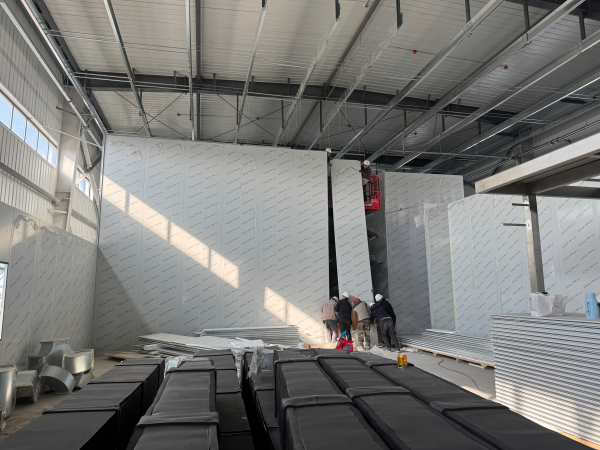
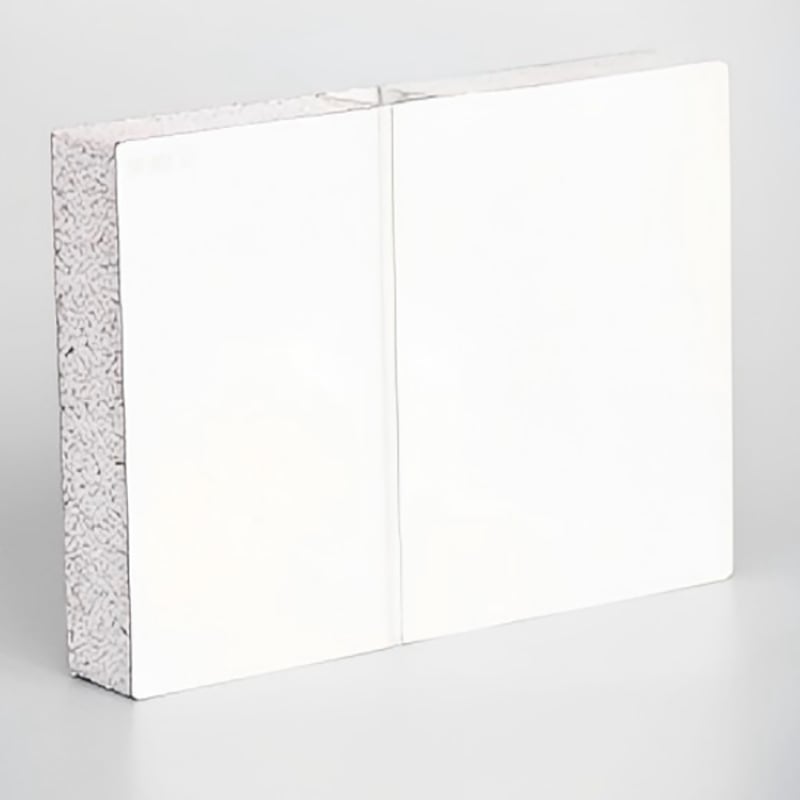
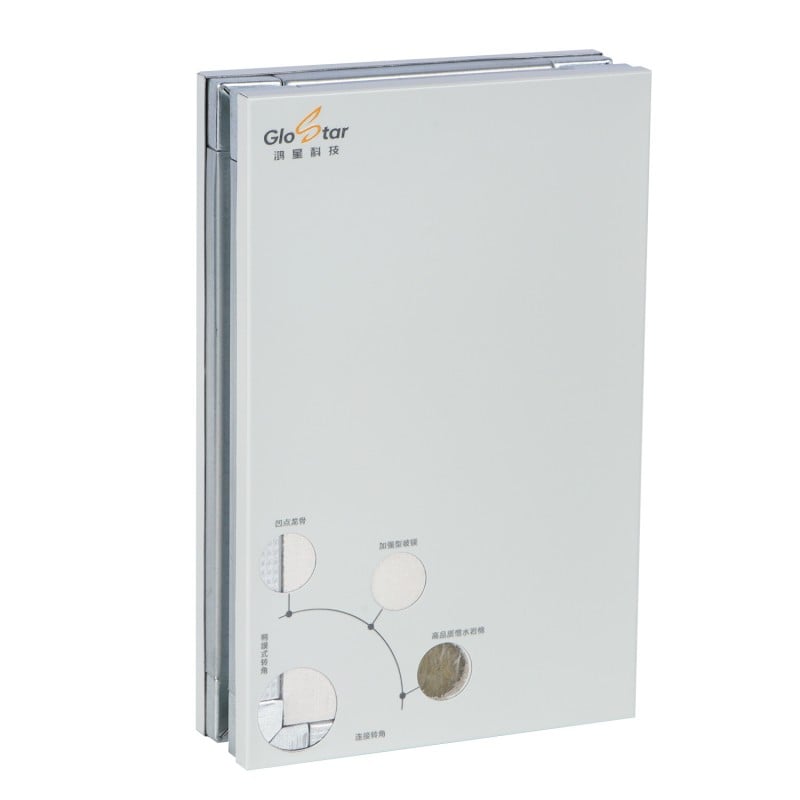
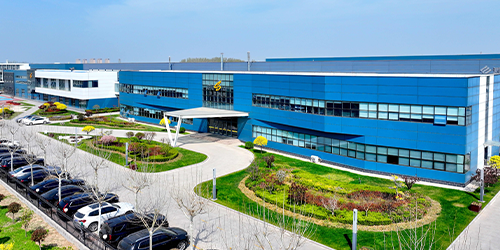
Glostar manufactures cleanroom sandwich panel systems from our facility in Shandong, China, specifically engineered for export to the Middle East, Southeast Asia, and South America. Our panels are available with PIR and rockwool cores and are supplied with matching coved aluminum corner profiles, pharmaceutical-grade silicone sealant kits, and concealed cam-lock joint systems.
Glostar Cleanroom Panel — ISO Compliance Summary:
Our panels have been used in pharmaceutical, medical device, electronics, and food processing cleanrooms across the GCC and Southeast Asia. All panels are manufactured under ISO 9001 quality management systems with full batch traceability documentation available for GMP audit purposes.
Specifying a cleanroom in Saudi Arabia, UAE, Vietnam, or Malaysia?
Our technical team can review your ISO classification, project drawings, and local fire code requirements — and recommend the right panel system with full compliance documentation.
Or email us directly: [email protected]
Saudi Arabia & UAE: Pharmaceutical manufacturers seeking SFDA (Saudi Food and Drug Authority) or MOHAP (UAE Ministry of Health) GMP approval must demonstrate cleanroom classification per ISO 14644-1 and maintenance qualification per ISO 14644-2. Civil Defense fire inspections in both countries require wall assembly fire test certificates under EN 13501-1 or equivalent. Rockwool-core panels are increasingly the standard for critical zones in Saudi pharma factory projects.
Vietnam & Malaysia: Electronics and semiconductor fabs operating under ISO Class 6–7 conditions typically follow IEC and SEMI standards that reference ISO 14644 for environmental classification. The China Plus One manufacturing shift has driven a significant increase in new fab construction in both countries since 2022, with imported panel systems from established Chinese manufacturers preferred for their cost efficiency and documented track record.
ISO 14644 cleanroom classification is not just about HVAC design — it starts with the envelope. Getting panel surface finish, joint sealing, core material, and fire rating right at specification stage is far less costly than remediation after a failed classification test. For engineers and procurement teams working on ISO Class 5–8 projects in the Middle East or Southeast Asia, Glostar's cleanroom panel systems are engineered to meet these requirements with full documentation support.
Explore our Cleanroom Panel Systems or visit our Cleanroom Solutions page for application-specific guidance, or contact [email protected] with your project specifications.
 Hot News
2026-09-09
2026-08-14
2026-08-11
2026-08-06
2026-07-30
2026-07-20

We believe that by upholding quality and embracing innovation, we can drive transformative changes in architecture and build a sustainable future for the construction industry.
No. 377, Gaoqi Road, High-tech Zone, Binzhou City, Shandong Province, China
Copyright © Shandong Apex Metal Products Co., Ltd. All Rights Reserved (Under the Glostar New Materials Group) Privacy Policy Blog
 EN
EN