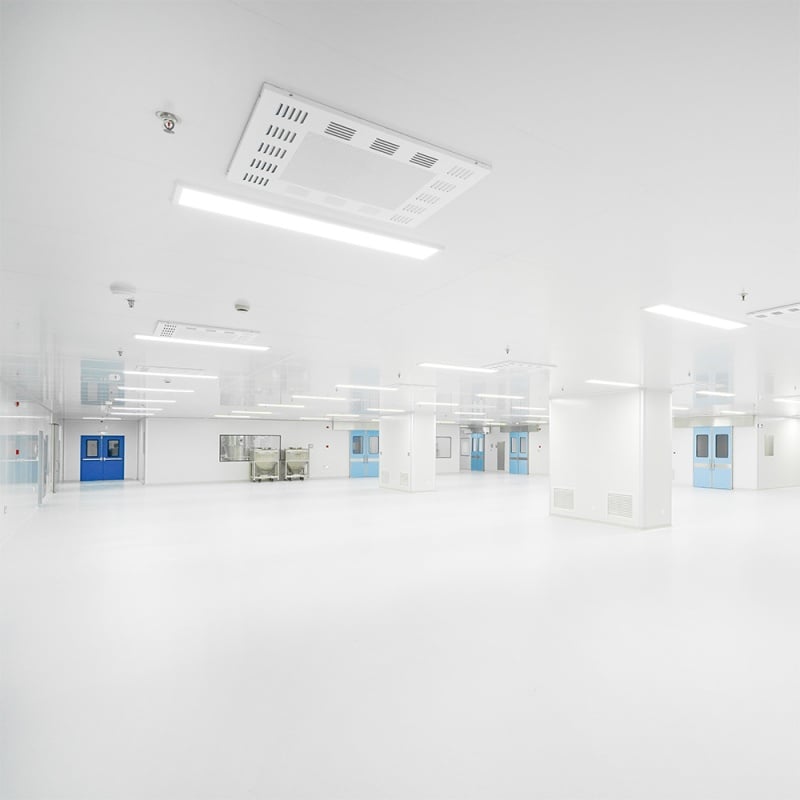
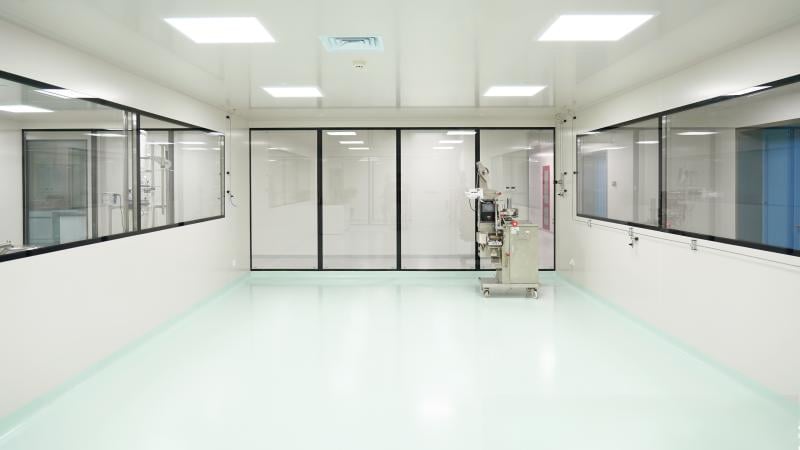
In the purification engineering of the pharmaceutical industry, clean room panels are the core materials for constructing the walls and ceilings of clean rooms, and they need to meet strict requirements such as anti-bacterial, anti-mildew, easy cleaning, resistance to disinfection, no dust production, and high strength.
At the same time, they must comply with the GMP (Good Manufacturing Practice) regulations for clean environments. The commonly used purification boards mainly include the following types:
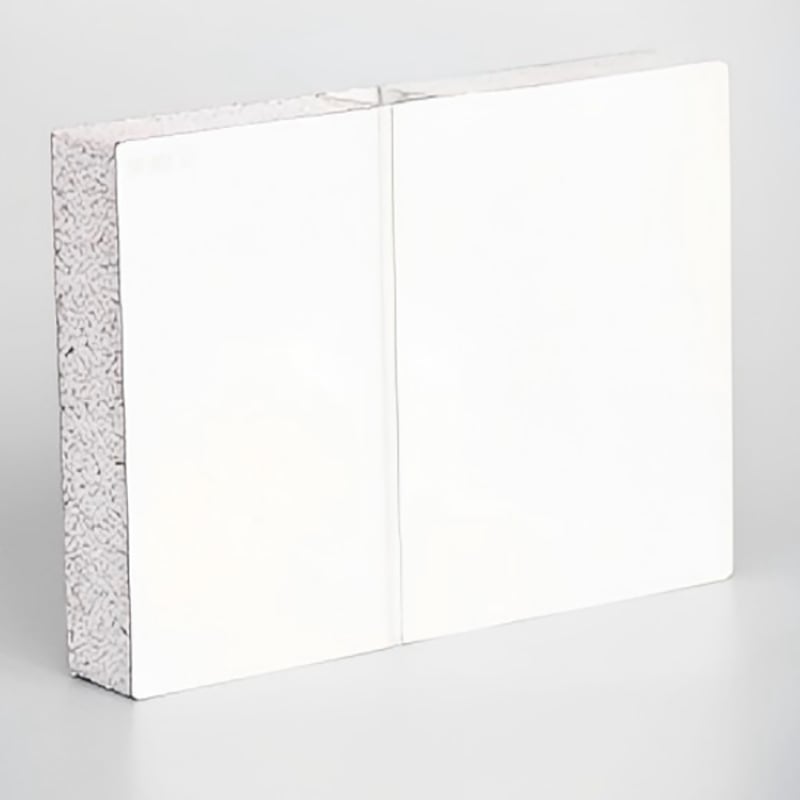
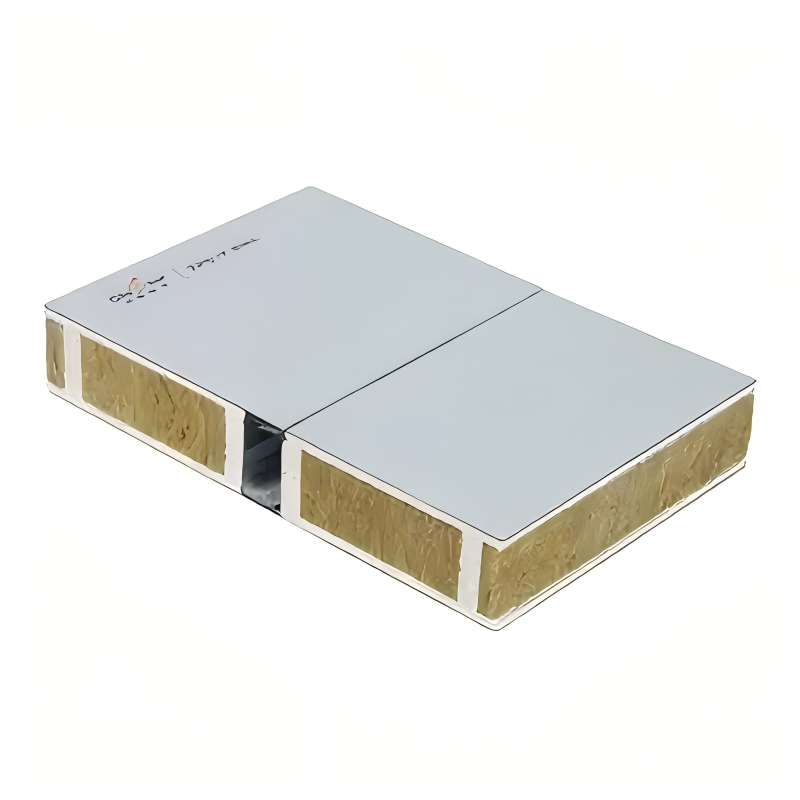
Composition: It is made of rock wool as the core material, with colored steel plates (galvanized steel plates or stainless steel plates) adhered on both sides, and is produced through a composite process. The surface is usually treated with anti-static and antibacterial processes.
Characteristics:The rock wool core material has excellent fire resistance (A-level non-combustible), meeting the high safety requirements of the pharmaceutical industry.
It has good insulation and heat preservation properties, and can stably maintain the temperature and humidity in the clean room.
The core material has a high density, a sturdy structure, and strong impact resistance, making it suitable for long-term use.
Application scenarios: It is commonly used in the walls and partitions of clean rooms, especially suitable for areas with high requirements for fire resistance (such as hazardous materials storage rooms, corridors, etc.).
Composition: The core material is polyurethane foam, and both sides are coated with colored steel plates or stainless steel plates. The density of the core material is usually between 40-60 kg/m³.
Characteristics:
It has excellent thermal insulation and heat preservation performance, with a low thermal conductivity, which can reduce the energy consumption of air conditioning in clean rooms;
The surface is smooth and flat, easy to clean and resistant to wiping, and can withstand repeated disinfection with common disinfectants such as alcohol and iodophor;
The core material does not contain harmful substances such as formaldehyde, meeting the environmental protection requirements of the pharmaceutical industry.
Notes: Polyurethane is a B1 grade non-flammable material. Its use should be limited according to the engineering fire protection grade. In some areas with high fire protection requirements, fire coatings or other fire prevention measures should be combined.
Composition: It is made of polystyrene foam as the core material, with colored steel plates on both sides, and the cost is relatively low.
Characteristics:Light in weight, easy to install, and with high cost performance;
Smooth surface, less prone to dust accumulation, and can meet basic cleanliness requirements.
Limitations:
Poor fire resistance (B2 flammable grade), and may release harmful gases at high temperatures, thus restricted for use in high-cleanliness and high-fire-resistance areas in the pharmaceutical industry (such as sterile preparation workshops);
Weak weather resistance, and may deform under long-term influence of temperature and humidity changes. Therefore, it is more suitable for non-core clean areas (such as clean corridors, auxiliary rooms).
Composition: Core material is glass fiber wool (an inorganic fiber material), combined with colored steel plate or stainless steel plate, and the surface can be treated with antibacterial coating.
Characteristics:The fire resistance level reaches A grade, and it is free of formaldehyde, with excellent environmental friendliness;
The core material structure is stable, not prone to deformation, and has strong temperature difference resistance, suitable for scenarios with large temperature differences in clean rooms both indoors and outdoors;
The sound absorption performance is good, which can reduce the noise of equipment operation in the clean room.
Application scenarios: It is commonly used in the ceilings and walls of pharmaceutical clean rooms, especially suitable for areas with comprehensive requirements for fire resistance, environmental friendliness, and noise reduction (such as biopharmaceutical workshops, aseptic filling areas).
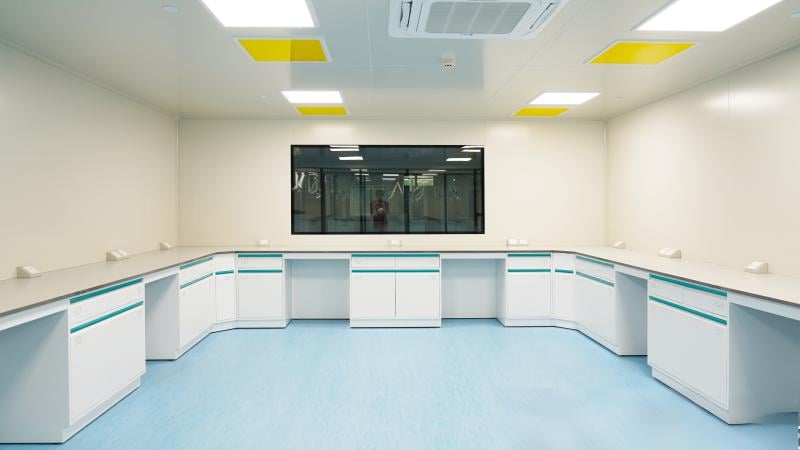
Composition: The panel is made of stainless steel plates (commonly 304 or 316 materials), and the core material can be combined with rock wool, polyurethane, etc., and the edges adopt a sealed design.
Characteristics:The surface is smooth without any gaps, easy to clean, and resistant to strong acids and alkalis for disinfection (such as hydrogen peroxide, peracetic acid), meeting the GMP requirements for "no dead corners and easy cleaning";
It is corrosion-resistant, wear-resistant, has a long service life, and is suitable for high cleanliness areas (such as GMP A-class areas, biosafety laboratories);
The stainless steel material itself has certain antibacterial properties, which can reduce the risk of microbial growth.
Notes: The cost is high, the weight is large. During installation, attention should be paid to the load-bearing design. It is usually used in the core functional areas of pharmaceutical clean rooms (such as sterile preparation production rooms, microbiological inspection rooms).
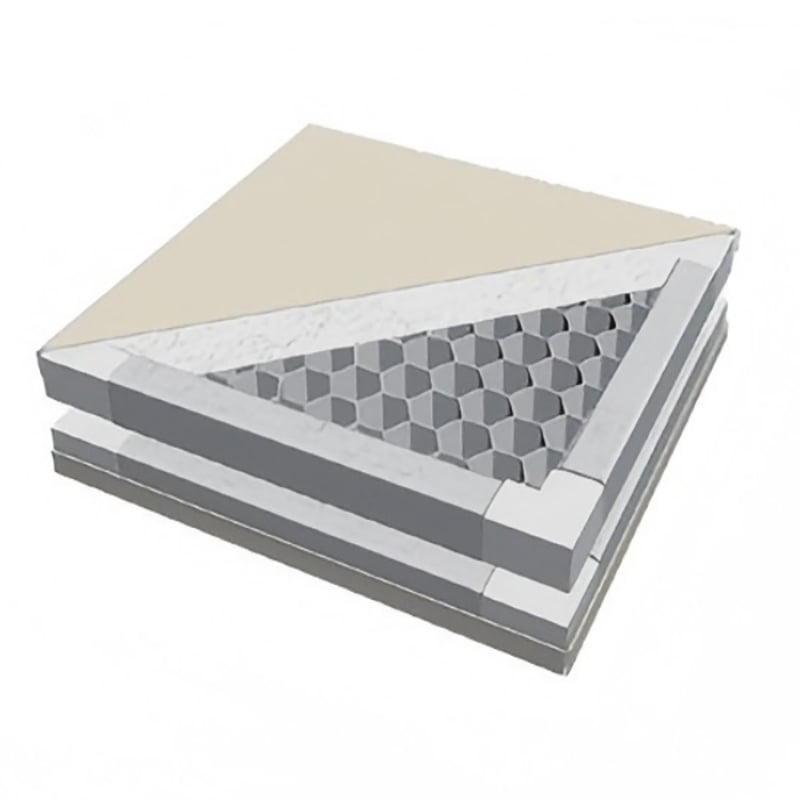
Composition: With aluminum honeycomb structure as the core material, both sides are coated with colored steel plates or aluminum plates. The surface can be treated for anti-static and antibacterial purposes.
Characteristics:Light in weight, high in strength, highly resistant to impact, and not prone to deformation;
The core material is of a hollow structure, providing good sound insulation and heat insulation performance, and is environmentally friendly and non-toxic;
High installation efficiency, suitable for large-scale clean room wall and ceiling construction.
Application scenarios: Often used in non-load-bearing walls and ceilings of pharmaceutical clean rooms, especially suitable for areas that are sensitive to self-weight or require rapid construction.
Comparison Table of Commonly Used Cleanroom Panels in Pharmaceutical Plants: Selection and Characteristics
| Panel Types | Fire Rating | Key Advantages and Disadvantages | Application | Recommendation Rating |
| Rock Wool Panels | Class A (Non-combustible) |
Advantages: Completely non-combustible, meets the most stringent fire safety requirements, and offers excellent value for money. When combined with magnesium oxide boards, its strength and flatness are significantly enhanced. Disadvantages: Pure rock wool is prone to moisture absorption and has a heavy dead weight. |
Standard GMP production areas, corridors, packaging areas, and standard partition walls and ceilings. | ⭐⭐⭐⭐⭐ |
| Aluminum Honeycomb Panels | Class A (Non-combustible) |
Advantages: The all-metal core ensures no dust shedding and prevents mold growth; it is highly durable, extremely lightweight, offers perfect flatness, and withstands repeated fumigation. Disadvantages: It is relatively expensive and has average thermal insulation properties. |
Ideal for: Biopharmaceutical facilities, vaccine production areas, Class A/B cleanrooms, and areas requiring frequent VHP (hydrogen peroxide) sterilization. | ⭐⭐⭐⭐⭐ |
| Stainless Steel Panels | Depends on core material (usually Class A) |
Advantages: Exceptional resistance to chemical corrosion and exposure to acidic and alkaline disinfectants; high impact resistance; never rusts. Disadvantages: High cost; may cause visual glare when used over large areas. |
Special Areas: Bottle and Utensil Washing Room, Solution Preparation Room, Highly Corrosive API Workshop, and the lower half of corridors prone to collisions with carts. | ⭐⭐⭐⭐ |
| Polyurethane (PU) Panels | Class B1/B2 (Flame-retardant/Combustible) |
Advantages: Excellent thermal insulation and heat retention; unmatched airtightness for cold storage; moisture- and water-resistant. Disadvantages: Insufficient fire resistance; produces toxic smoke when burned. |
Limited to storage rooms in pharmaceutical plants, such as cold storage and cool storage facilities, where strict temperature control is required. | ⭐⭐⭐ |
| Fiberglass Wool Panels | Class A (Non-combustible) |
Advantages: Fire-resistant; provides excellent sound absorption and noise reduction. Disadvantages: Slightly lower compressive strength; there is a risk of microscopic glass fibers leaching out, which may cause particulate contamination of pharmaceuticals. |
Biopharmaceutical production area, aseptic filling area | ⭐ |
| Expanded Polystyrene (EPS) Panels | Very poor (Highly flammable) |
Advantages: Extremely low cost; decent thermal insulation. Disadvantages: Highly flammable; burns rapidly and produces large amounts of highly toxic black smoke, posing a significant safety hazard. |
Suitable for non-core clean areas, but has largely been phased out | ❌ |
Glostar is a supplier with over ten years of experience in manufacturing cleanroom panels, and our products perfectly meet the cleanroom standards of pharmaceutical plants. We believe that the selection of materials for pharmaceutical factory clean engineering is a systematic and highly regulated task. It must be guided by GMP and based on product process requirements. Comprehensive consideration should be given to safety, functionality, durability, and economy to make the most scientific and reasonable choice, thereby providing a safe, reliable, and compliant clean environment for pharmaceutical production.
 Hot News
2026-09-09
2026-08-14
2026-08-11
2026-08-06
2026-07-30
2026-07-20

We believe that by upholding quality and embracing innovation, we can drive transformative changes in architecture and build a sustainable future for the construction industry.
No. 377, Gaoqi Road, High-tech Zone, Binzhou City, Shandong Province, China
Copyright © Shandong Apex Metal Products Co., Ltd. All Rights Reserved (Under the Glostar New Materials Group) Privacy Policy Blog
 EN
EN