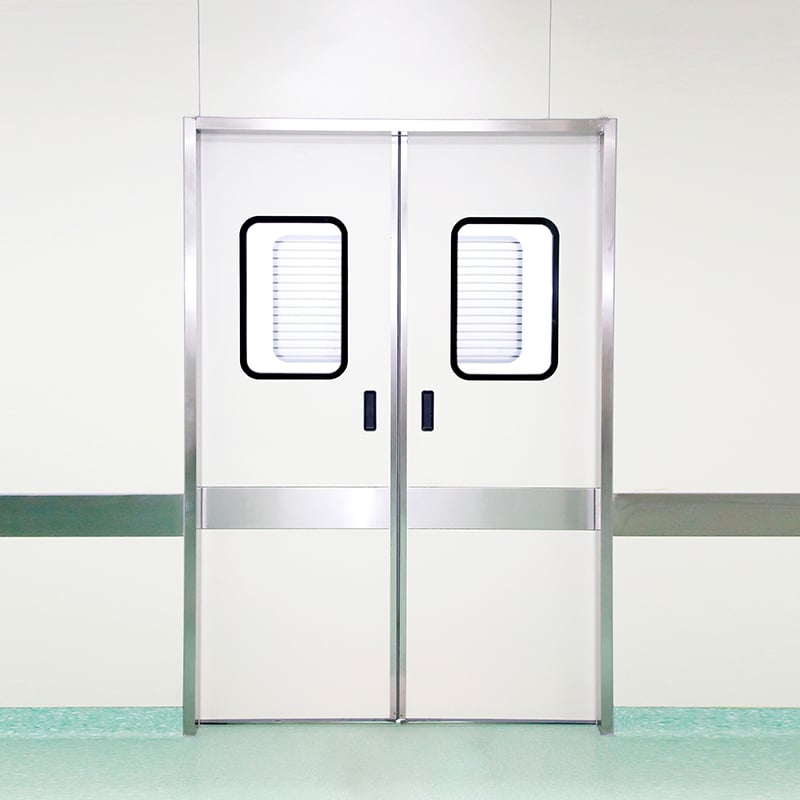
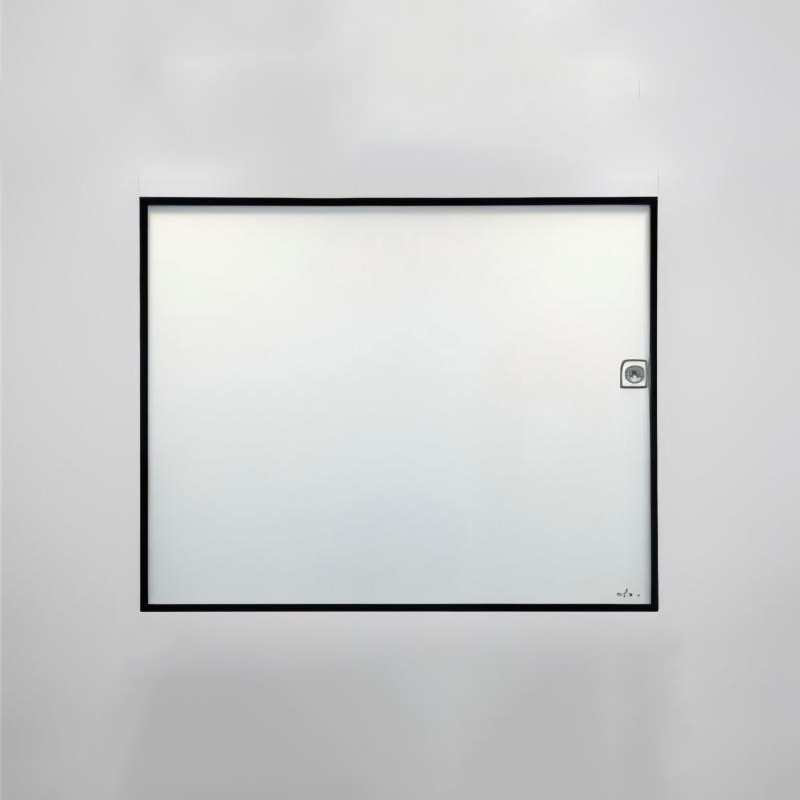
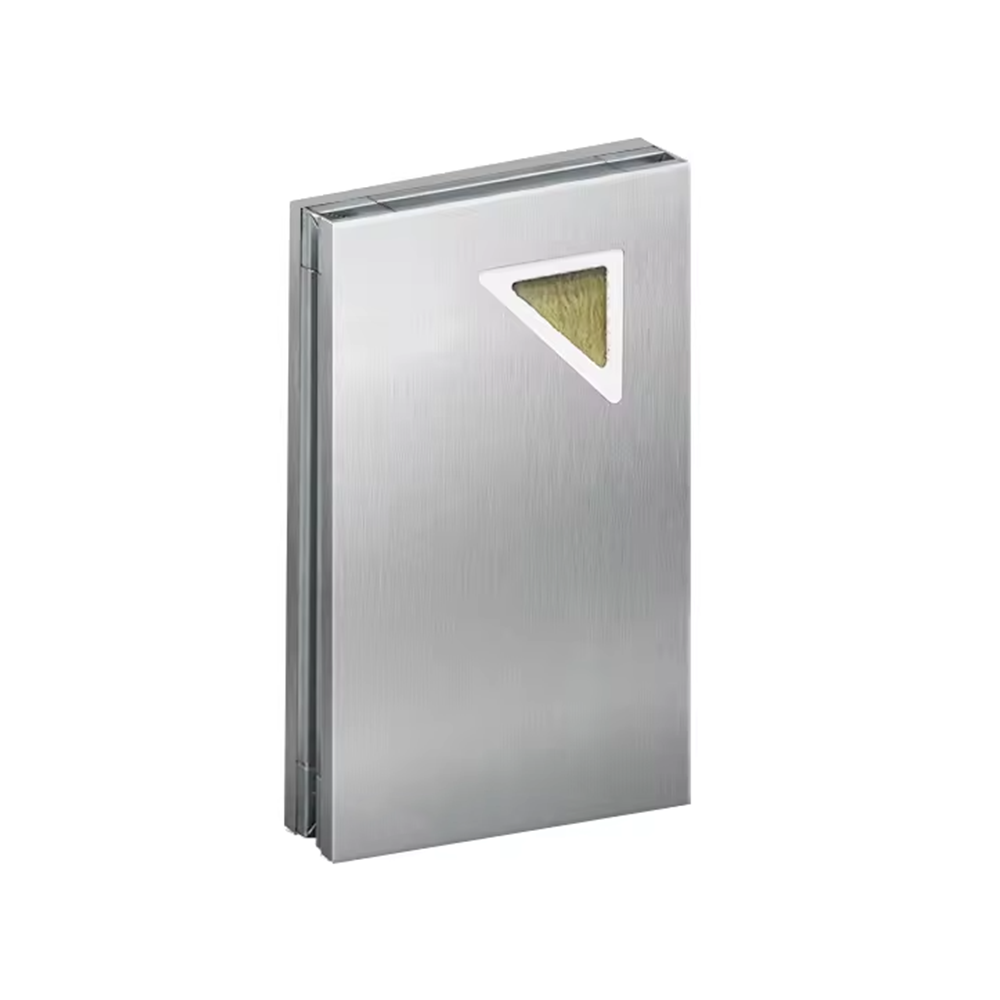
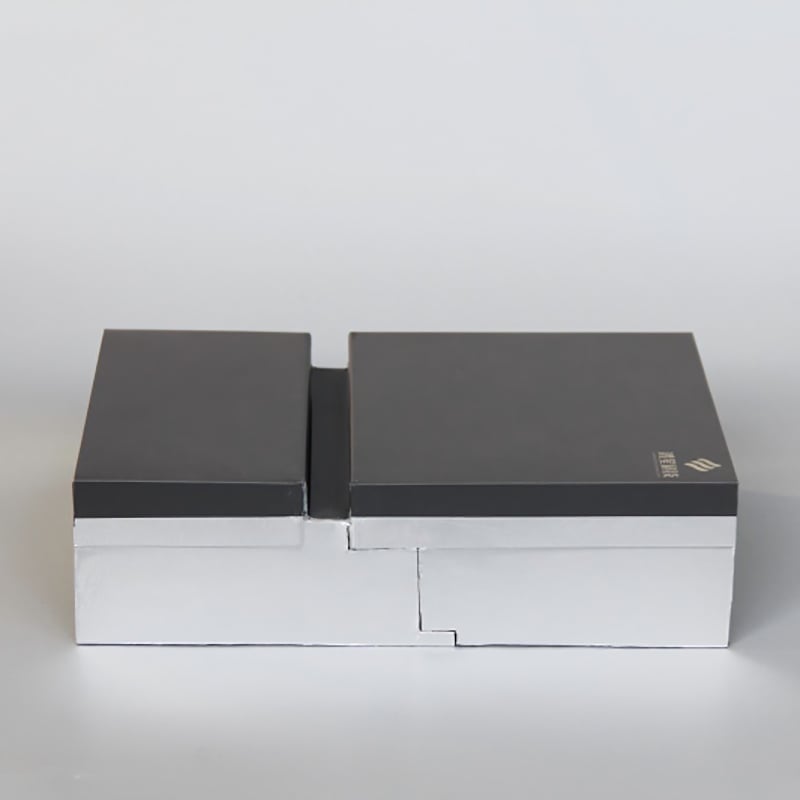
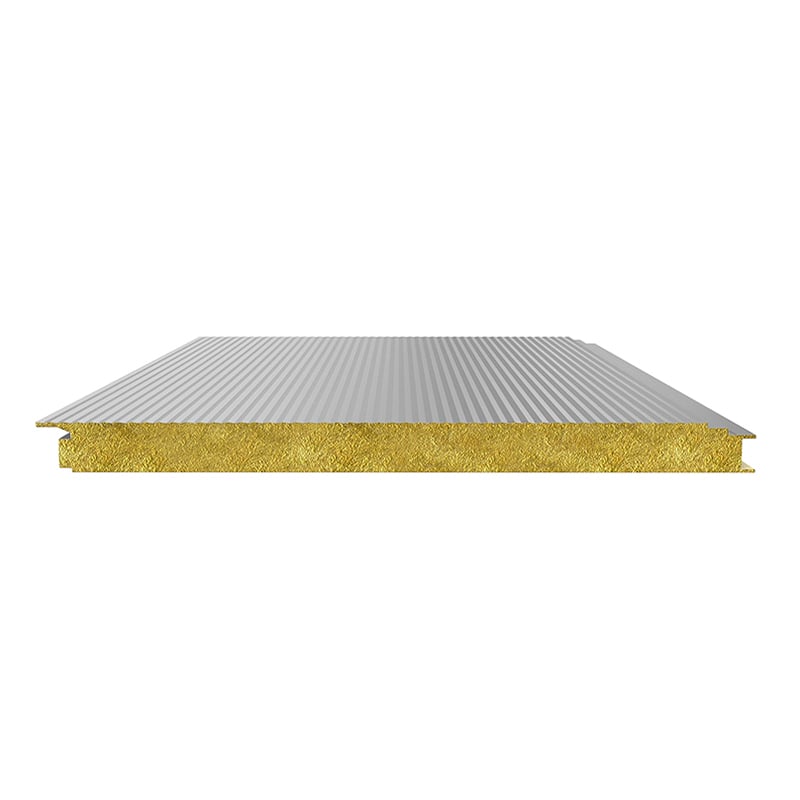
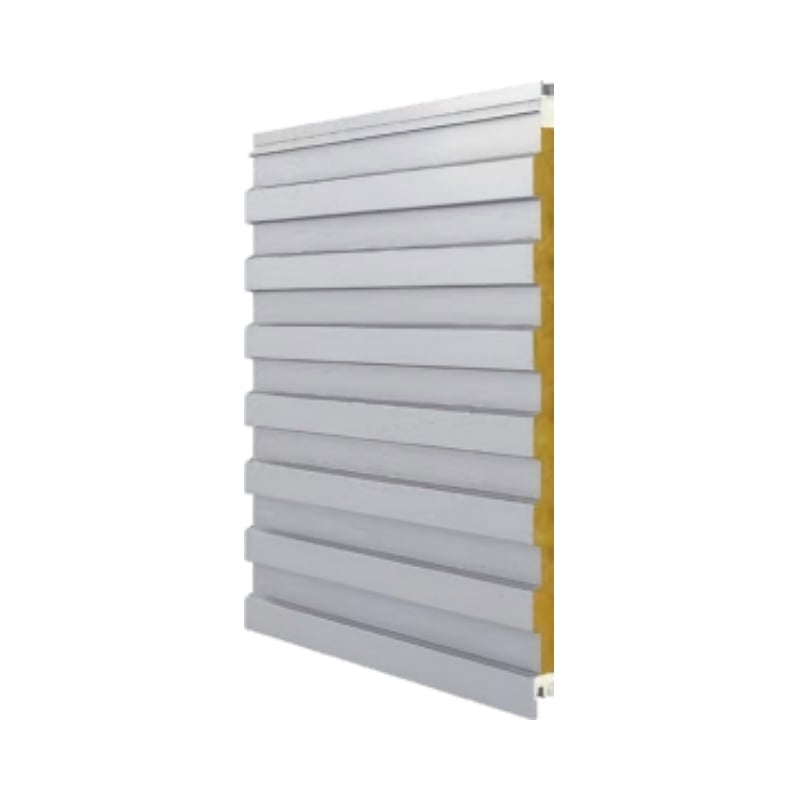
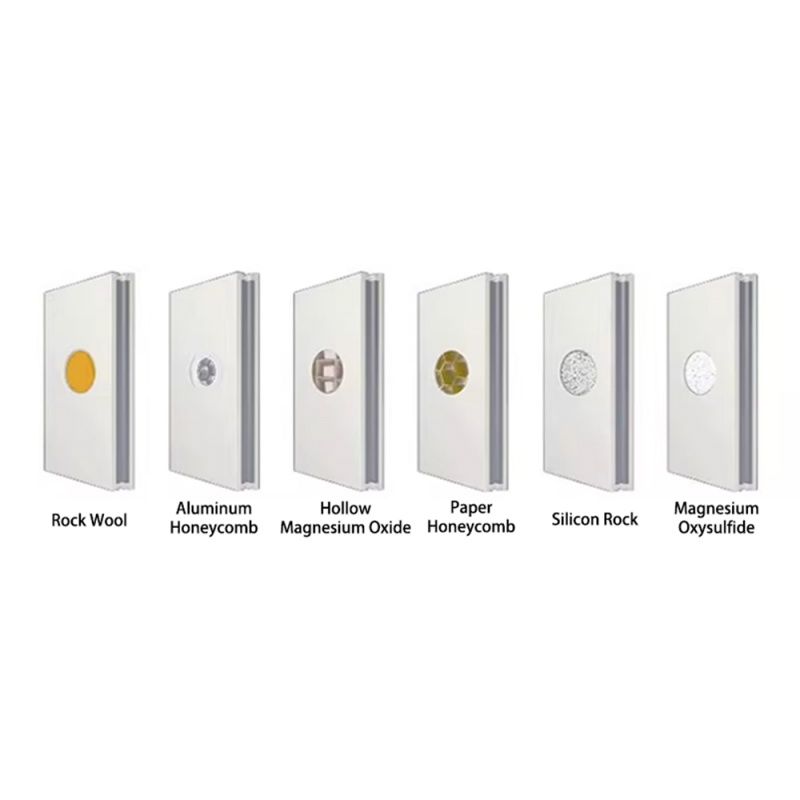
Cleanroom panels, a core building material in cleanroom engineering, are composite materials made from color-coated steel sheets, stainless steel, and aluminum alloys. With their excellent dustproof, antistatic, and antibacterial properties, they have become standard building materials in high-end cleanroom fields such as electronics, food, biology, and aerospace.
High-quality cleanroom panels require standardized installation to fully unleash their performance advantages and ensure the cleanliness level and operational stability of the cleanroom. Conversely, improper installation can easily lead to problems such as dust leakage through gaps and panel deformation, directly affecting the quality of the project. Based on Glostar's years of on-site installation experience, we have summarized four core requirements for cleanroom panel installation to help industry colleagues avoid installation pitfalls and create high-quality cleanroom projects.
The core requirement of a cleanroom is to isolate it from external dust and impurities. Sealing is paramount in the installation process. During installation, all installed windows, cleanroom doors, and joints of various panels must be thoroughly sealed. Neutral silicone sealant suitable for cleanroom environments should be used preferentially to avoid corroding the substrate and affecting the panel performance.
The sealing process must ensure a uniform, full adhesive layer, free of bubbles, gaps, and voids, completely blocking the entry of dust and moisture. This not only guarantees the purification effect of the cleanroom but also simultaneously improves indoor thermal insulation and soundproofing performance, laying a solid foundation for a clean environment.
Pre-installation environmental and material cleaning is a crucial prerequisite for avoiding potential cleanliness issues later. On one hand, the installation space must be thoroughly cleaned, removing dust, debris, oil stains, etc., from the floor and walls to ensure the installation environment meets cleanliness standards. On the other hand, the purification panels and all installation accessories must be stored in a dry, clean warehouse, strictly prohibiting open-air storage or contact with contaminants.
During storage, the purification panels should be laid flat on a moisture-proof membrane to avoid direct contact with the ground and deformation due to moisture. Protective measures should be taken to prevent scratches and damage to the panel surface. Before installation, the quality of each panel and accessory must be inspected. If any damage, deformation, or non-compliance with specifications is found, they must be replaced immediately; the use of substandard materials is strictly prohibited.
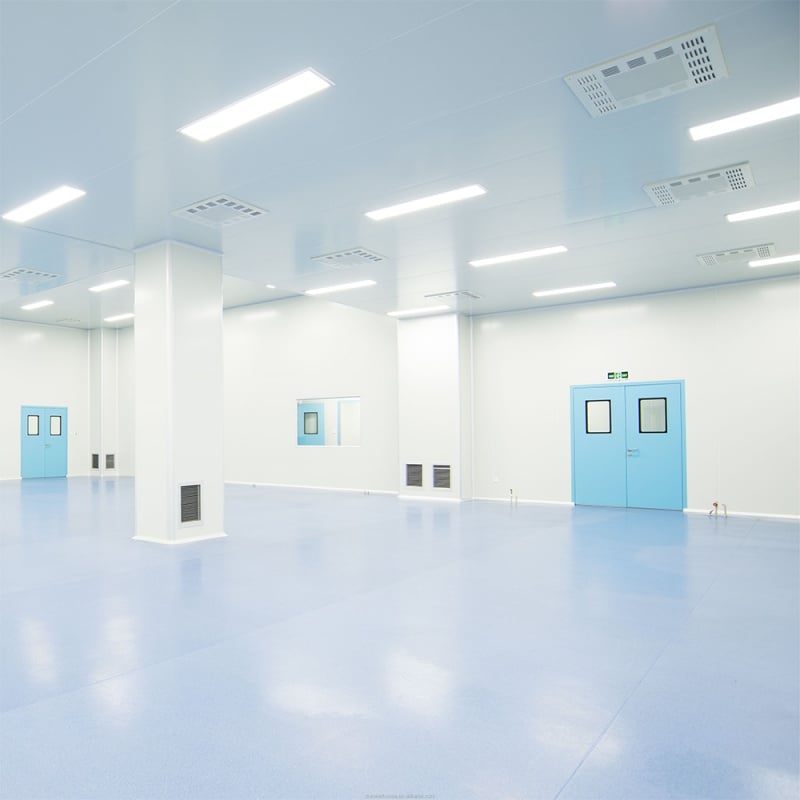
The installation process must strictly adhere to construction specifications to ensure structural stability and a flat appearance. When constructing partition walls, ensure the walls are vertical and flat, and that panel joints are straight, tight, and with uniform gaps. When installing ceilings, fasteners and hangers must be precisely connected to the main structure (such as the main joists), and must not be fixed to non-load-bearing structures to prevent the risk of ceiling detachment.
Simultaneously, ensure that ceiling and wall panels are clean, free of stains, and have impact-resistant, corrosion-resistant, and easy-to-clean surfaces, meeting the requirements of cleanroom use. It is recommended that the installation be carried out by a professionally certified installation team to avoid problems such as panel deformation and cracking caused by improper splicing and insecure fixing.
If right angles are used for the inside and outside corners of a cleanroom, dust accumulation can easily form dead corners, increasing the difficulty of cleaning. Therefore, specialized aluminum alloy rounded corners are required. The standard requires a rounded corner radius R ≥ 50mm. During installation, ensure the rounded corners are straight and tightly fitted, and seal the joints firmly with silicone sealant.
Aluminum alloy rounded corners not only prevent dust accumulation but also enhance the overall integrity and aesthetics of the wall structure, strengthen the impact resistance of internal and external corners, and extend the service life of the cleanroom.
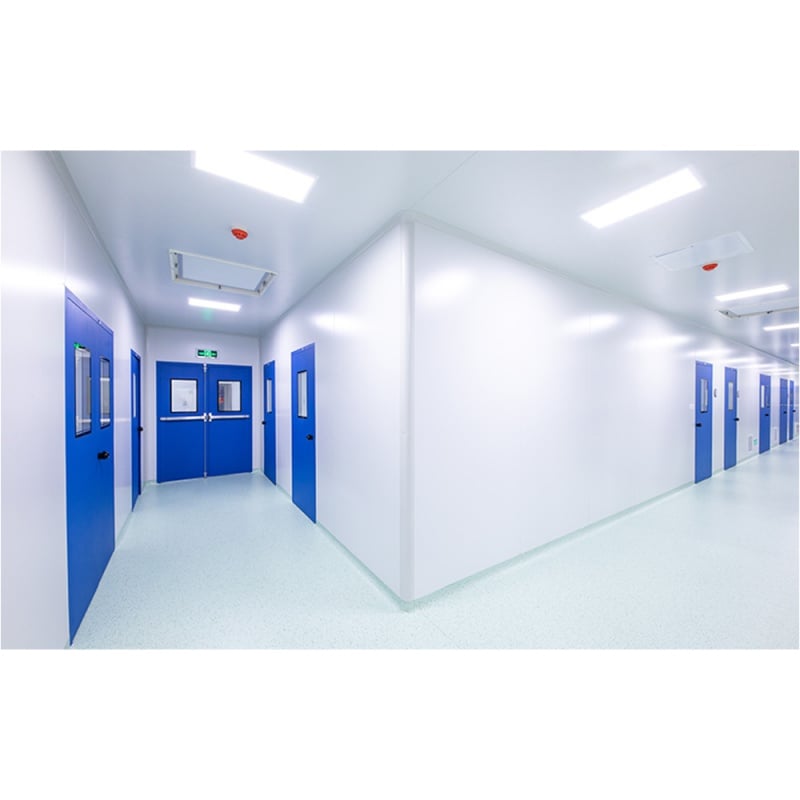
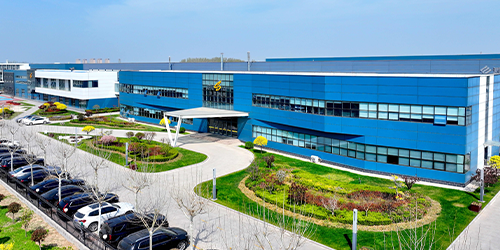
Whether the installation is up to standard directly determines the final quality and user experience of the cleanroom project. These four core requirements are crucial for ensuring purification effectiveness and are fundamental to reducing subsequent maintenance costs. Glostar has been deeply involved in the cleanroom materials field for many years, providing high-quality cleanroom panels and professionally certified installation services, covering the entire process from material selection and customized production to installation and acceptance. For any questions regarding cleanroom panel installation or customized cleanroom project needs, please consult the Glostar professional team for a personalized solution.
 Hot News
2026-09-09
2026-08-14
2026-08-11
2026-08-06
2026-07-30
2026-07-20

We believe that by upholding quality and embracing innovation, we can drive transformative changes in architecture and build a sustainable future for the construction industry.
No. 377, Gaoqi Road, High-tech Zone, Binzhou City, Shandong Province, China
Copyright © Shandong Apex Metal Products Co., Ltd. All Rights Reserved (Under the Glostar New Materials Group) Privacy Policy Blog
 EN
EN