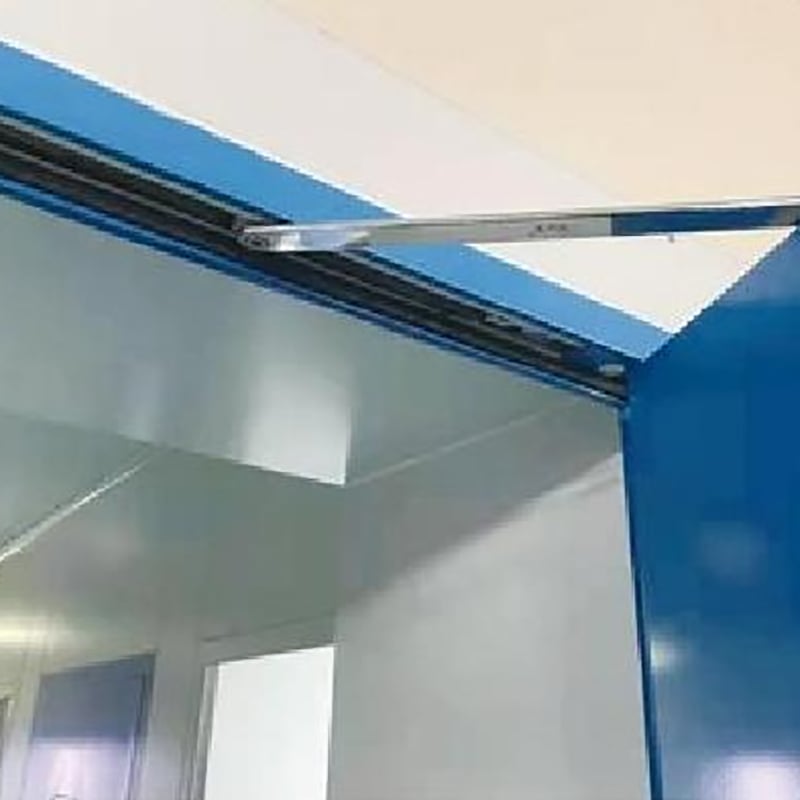
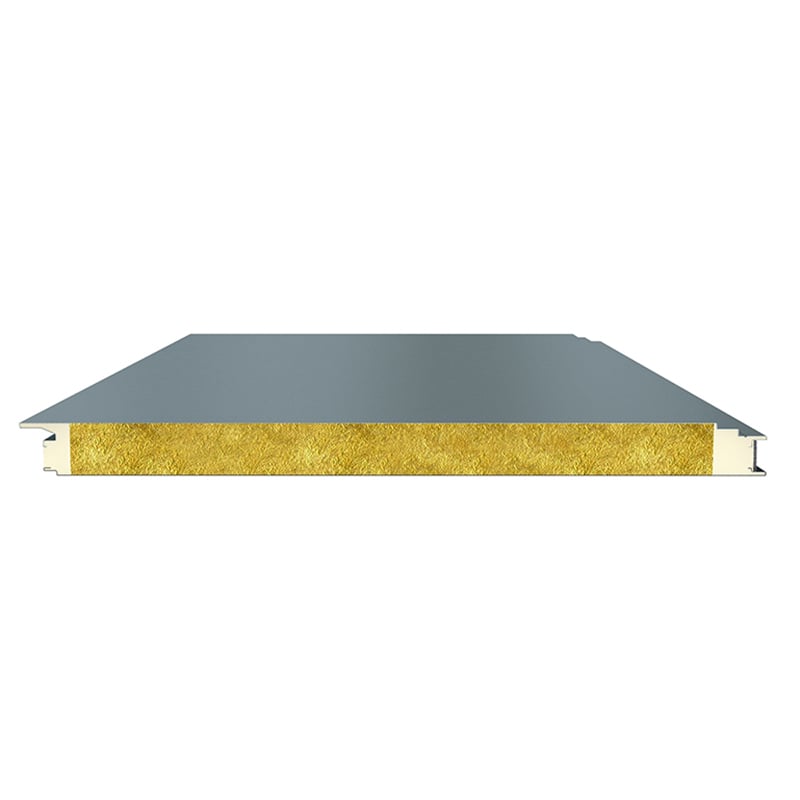
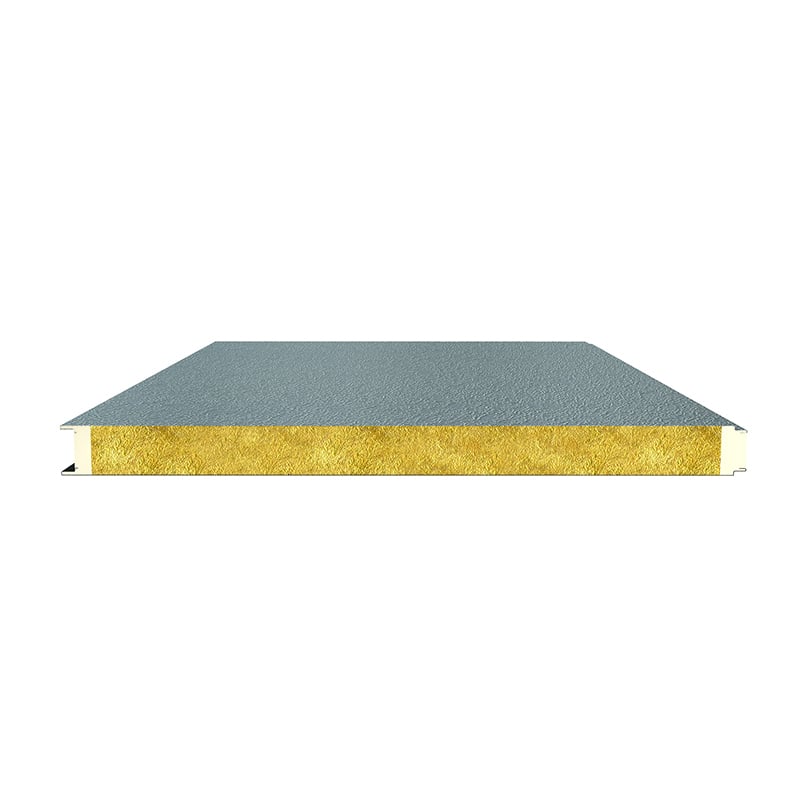
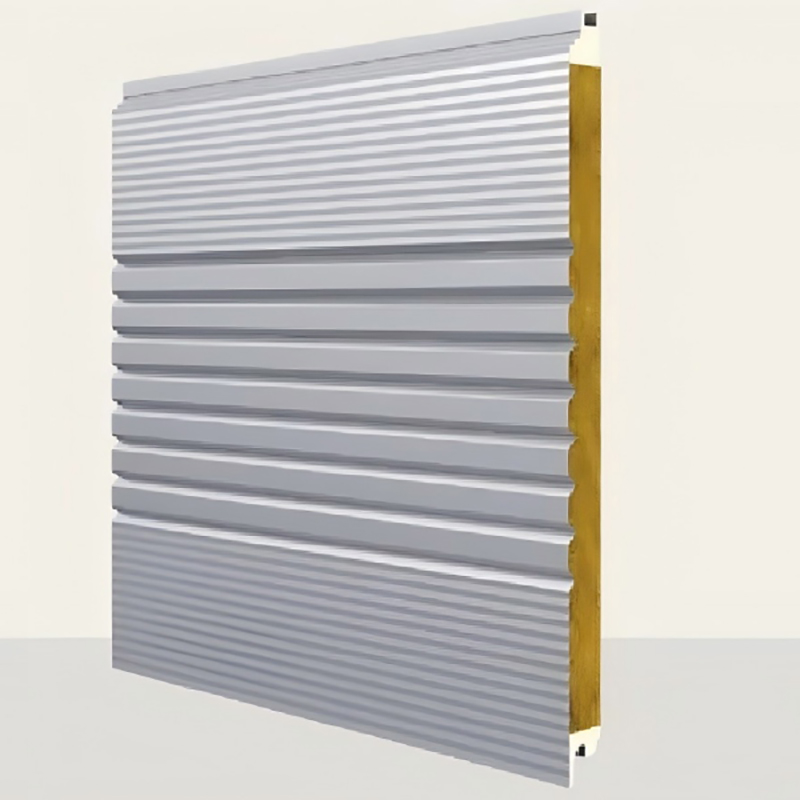
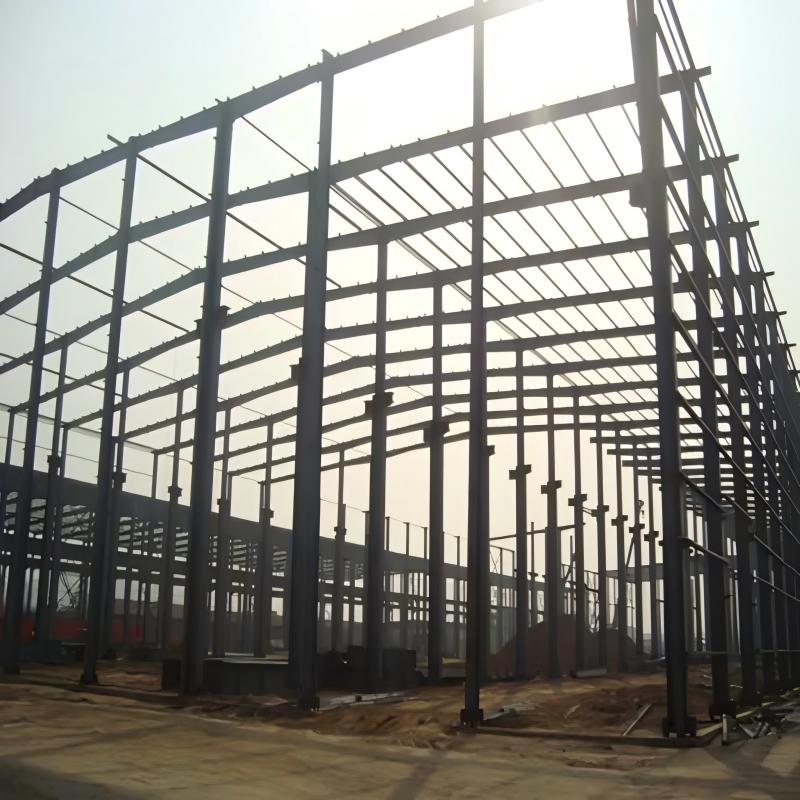
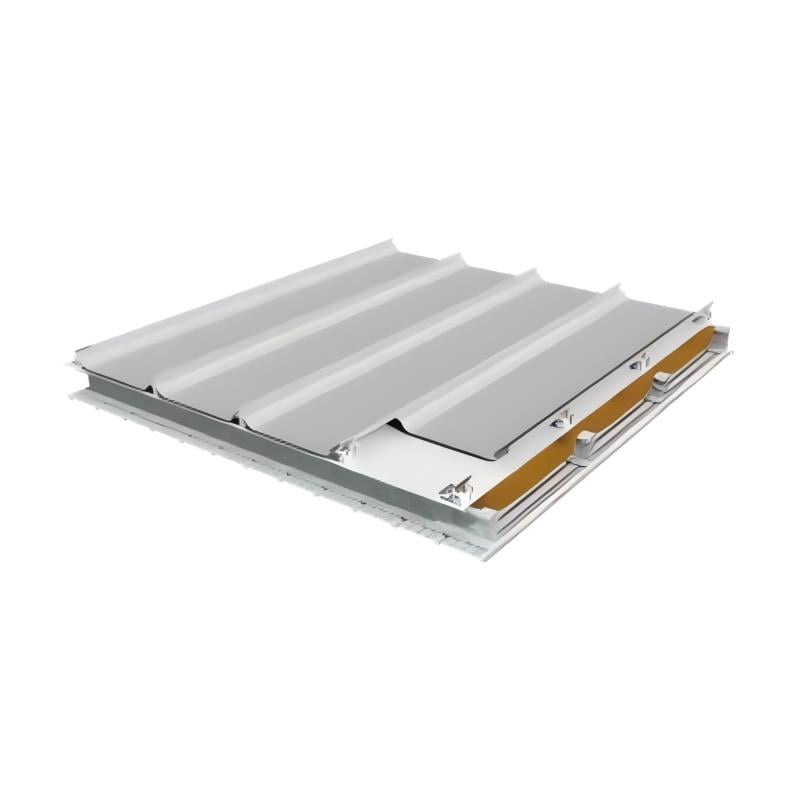
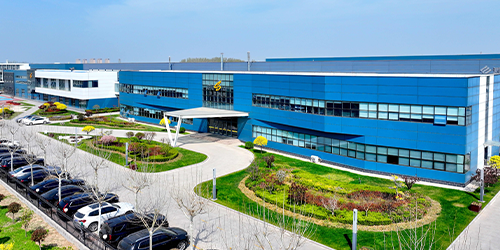
The rock wool composite sandwich panel is made by using high-quality glass wool and fiber cement boards. The rock wool core material of the sandwich panel fully exploits its unique properties, and it has good effects in terms of fire resistance, heat insulation, sound absorption and noise reduction. From the perspective of its material nature, rock wool is classified as a non-combustible material (Class A), and its fire resistance performance complies with major international standards. Due to their excellent fire-resistant properties, rock wool composite sandwich panels are widely used in industrial plants, cleanrooms, warehouses, and public buildings.
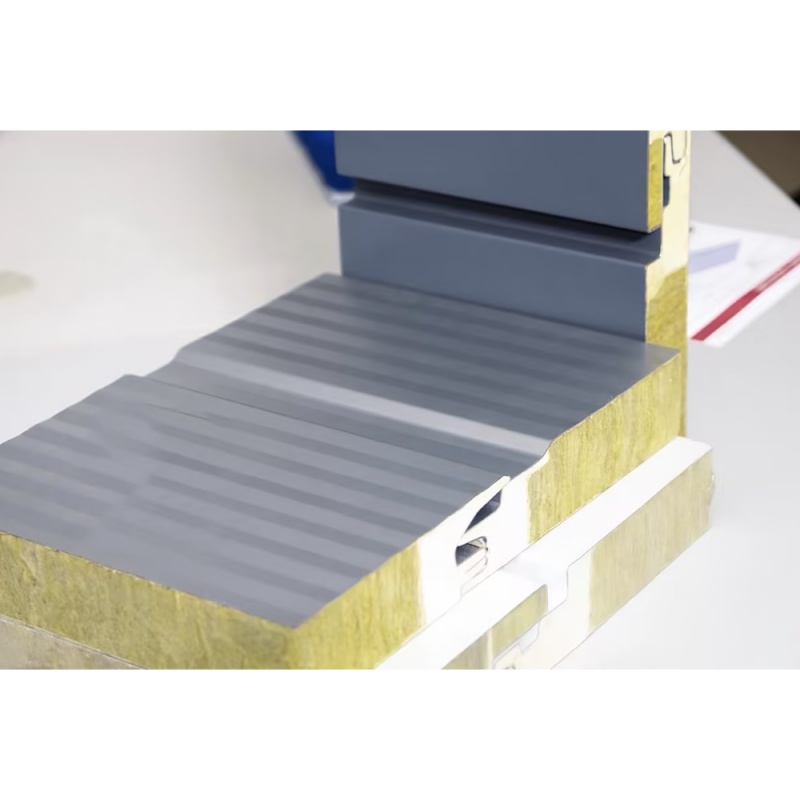
Rockwool sandwich panels are suitable for applications with high fire protection requirements. In addition to the fire resistance class, engineering practice places greater emphasis on the fire rating, which refers to the length of time a structure can maintain its integrity during a fire. According to the "Fire Protection Code for Interior Decoration of Buildings", rock wool composite panels are classified as A grade. Their lifespan can reach over 15 years, and the usage temperature can reach 700°C. They can effectively resist fire for 4 hours. Moreover, rock wool composite panels are environmentally friendly materials and are a good choice in the construction industry.
Common configuration references are as follows:
| Panel Thickness | Fire resistance time |
| 50mm | 60min |
| 100mm | 120min |
| 150mm | 180min |
⚠️ Actual fire resistance ratings may be affected by the following factors:
👉 For a precise fire resistance solution tailored to your project, please visit: Cleanroom/Industrial Enclosure Systems Solutions page
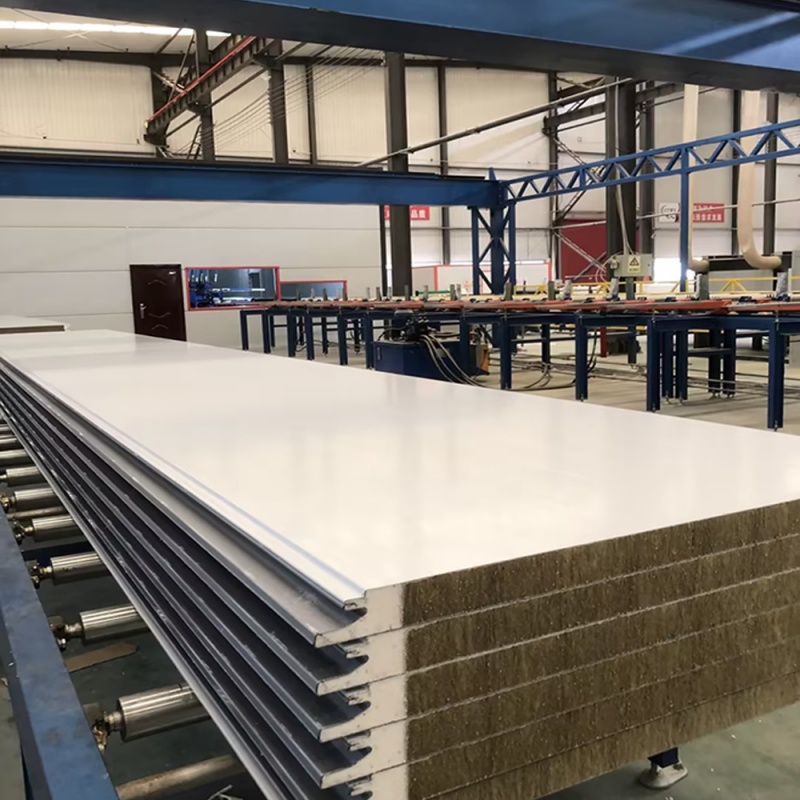
Rockwool sandwich panels are mainly used for building insulation. Generally, they can cover several aspects such as wall insulation, roof insulation, door insulation and floor insulation. Among them, wall insulation is the main one. It can be implemented in two forms: on-site composite wall construction and factory-prepared composite wall construction.
One of the methods in the former is internal insulation on the exterior wall. The rock wool composite board is used as the outer layer, with brick walls, reinforced concrete walls, glass curtain walls or metal sheets at the inner side, and an air layer with a rock wool layer in the middle. The inner side uses paper-faced gypsum board. The other method is external insulation on the exterior wall. It involves applying a layer of rock wool on the exterior of the building, followed by an external decorative layer. The advantage of this method is that it does not affect the usable area of the building. The external insulation layer is fully enclosed, which basically eliminates the cold and hot bridge phenomenon, and its insulation performance is better than that of internal insulation on the exterior wall.
The promotion of rock wool composite walls is of great significance for China, especially for buildings in northern cold regions. The rock wool composite sandwich panels can play an important role in energy conservation. Due to its excellent insulation and heat preservation properties, it is even better than EPS foam and has excellent fire resistance. It is highly suitable for insulation of buildings and industrial equipment, pipelines, containers, and various kilns. Building insulation, which prevents heat loss in winter and heat gain in summer, is a major application area of rock wool.
| Material Types | Fire Resistance Rating | Flammable | Applications |
| Rock Wool Sandwich Panels | Class A / Class A1 | ❌ Non-flammable | Buildings with high fire resistance requirements |
| Glass Wool Panels | Class A | ❌ Non-flammable | Standard industrial buildings |
| PU Sandwich Panels | Class B1/B2 | ✅ Flammable | Cold storage facilities / where thermal insulation is a priority |
| EPS Sandwich Panels | Class B2/B3 | ✅ Highly flammable | Low-cost projects |
In addition, rock wool insulation boards are also widely used for insulation and heat preservation of various equipment such as flat surfaces, large-radius curved tanks, boilers, heat exchangers, and buildings. The normal operating temperature is 600℃. They can also be used for insulation and fire prevention of the walls and ceilings of ships.
For actual projects, we recommend selecting panels based on the following criteria:
👉 Unsure how to select the right product?
We offer:
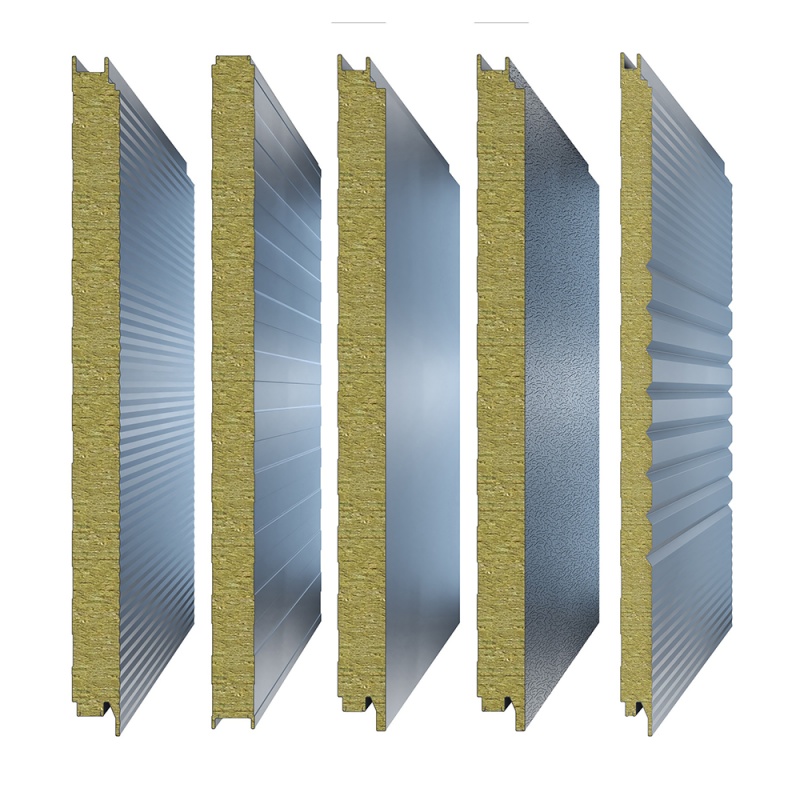
✔ Class A fire rating (compliant with international standards)
✔ Consistent density and high-strength structure
✔ Support for integrated cleanroom system solutions
✔ Extensive experience in overseas projects
✔ Comprehensive technical support and installation guidance
If you are looking for high-quality rock wool sandwich panels for your project, please contact us to receive:
Product specifications and technical parameters
Customized project solutions
Latest pricing
👉 Contact us now to get your exclusive solution!
 Hot News
2026-09-09
2026-08-14
2026-08-11
2026-08-06
2026-07-30
2026-07-20

We believe that by upholding quality and embracing innovation, we can drive transformative changes in architecture and build a sustainable future for the construction industry.
No. 377, Gaoqi Road, High-tech Zone, Binzhou City, Shandong Province, China
Copyright © Shandong Apex Metal Products Co., Ltd. All Rights Reserved (Under the Glostar New Materials Group) Privacy Policy Blog
 EN
EN