The portal frame steel structure is one of the most widely utilized structural systems in industrial construction. Renowned for its efficient structural design, large-span capabilities, and cost-effective construction, it has become the preferred choice for warehouses, factories, and logistics centers. Compared to traditional reinforced concrete structures, portal frame steel buildings are lighter in weight, offer faster construction speeds, and are easier to expand. Thanks to these advantages, this system has emerged as the primary solution for numerous industrial construction projects.
In this guide, Glostar Manufacture will provide a comprehensive overview of the fundamentals of portal frame steel structures—covering their structural design, key components, and practical application benefits.
The portal frame steel structure constitutes a rigid framework system comprising vertical columns and inclined roof beams (purlins), interconnected through rigid, moment-resisting joints. This structural configuration forms a stable framework capable of spanning and supporting large roof spans with minimal internal bracing.
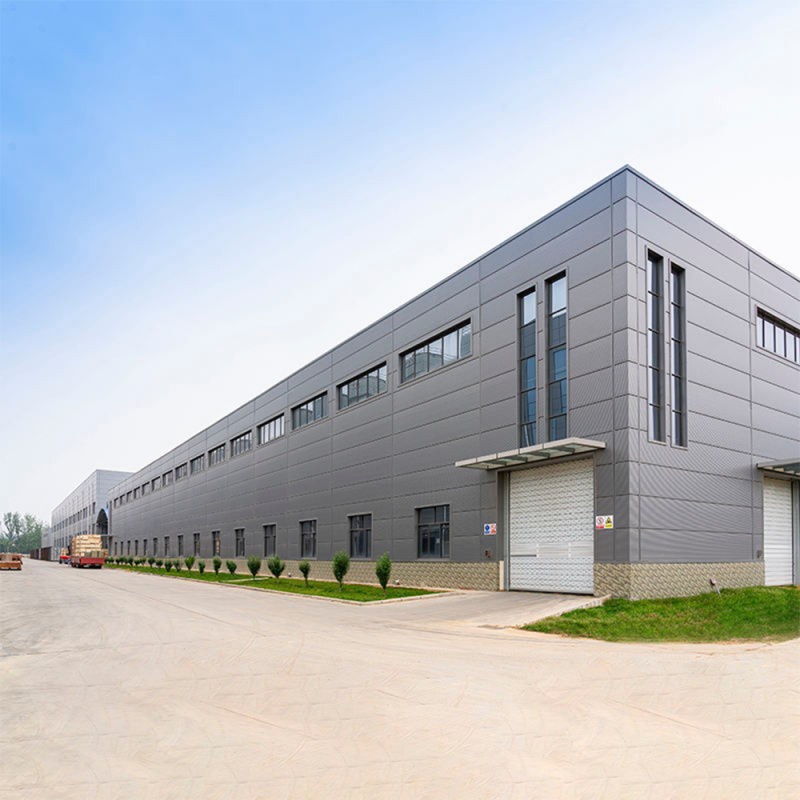
A typical portal frame steel structure comprises several key structural elements.
Steel Columns: These serve as the primary vertical load-bearing members. They transmit loads from the roof system to the building foundation.
Steel Roof Beams: Forming the roof structure, these inclined beams connect to the columns, defining the characteristic portal frame configuration.
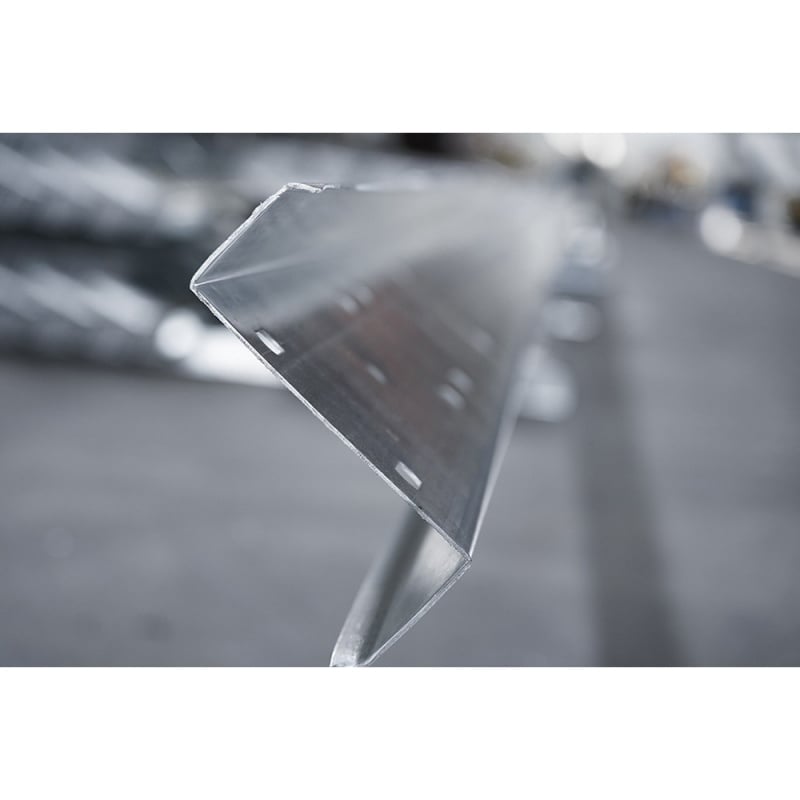
Purlins: Purlins are secondary structural members primarily used to support roof sheeting and distribute loads from the sheeting to the roof beams.
Bracing System: The bracing system provides lateral stability and assists the structure in resisting wind loads and other horizontal forces.
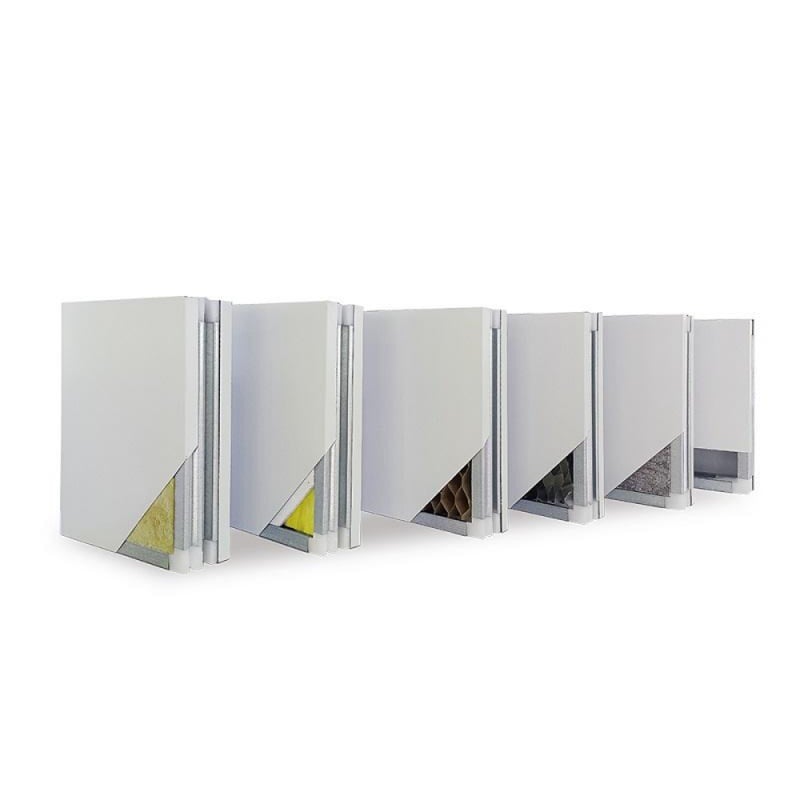
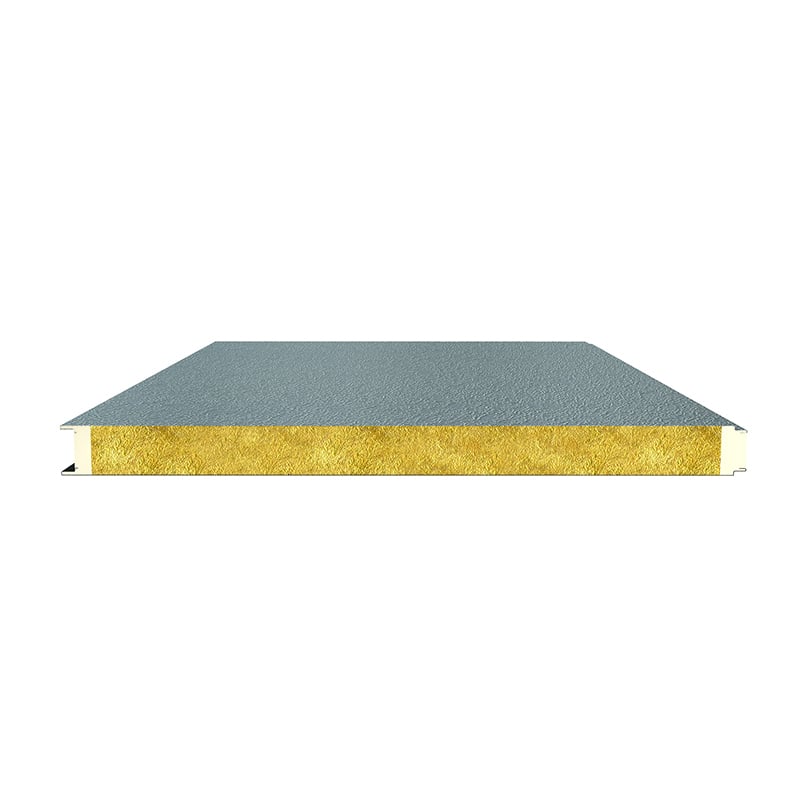
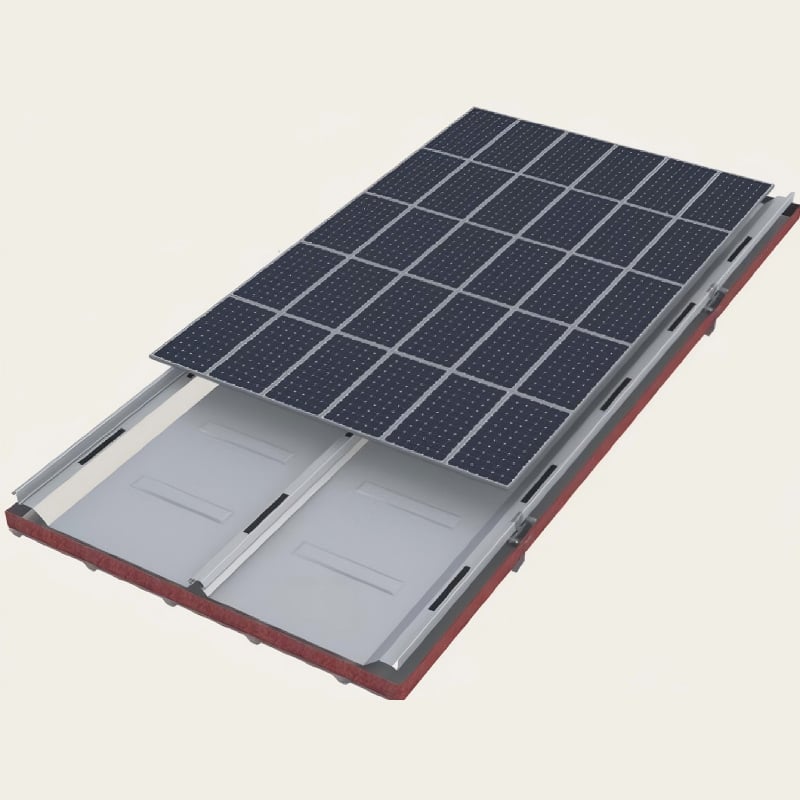
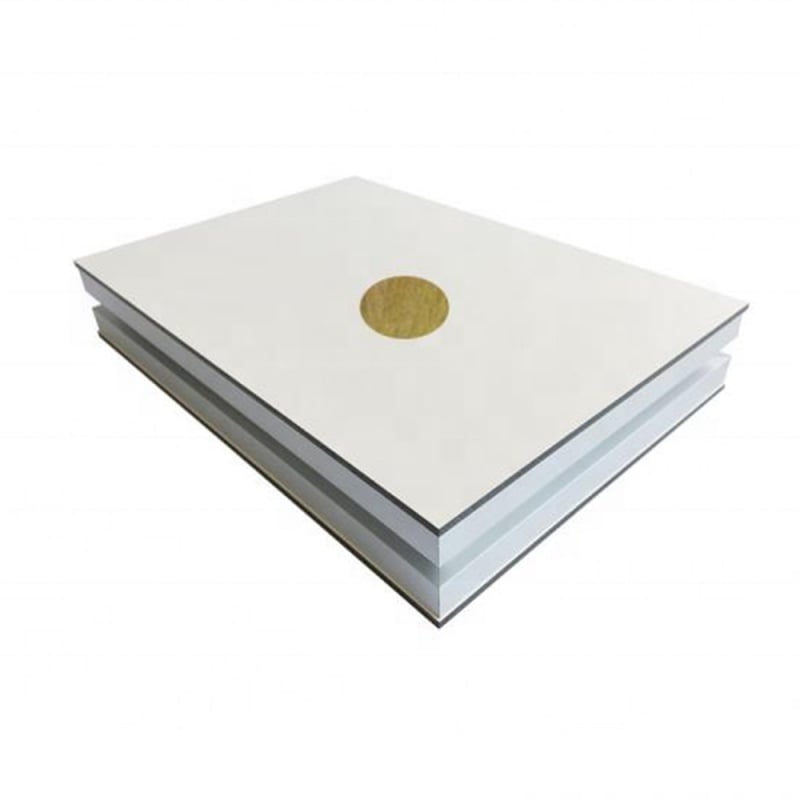
Roof and Wall Panelling: Roof and wall panelling collectively form the building envelope, providing protection against adverse weather conditions for the interior.
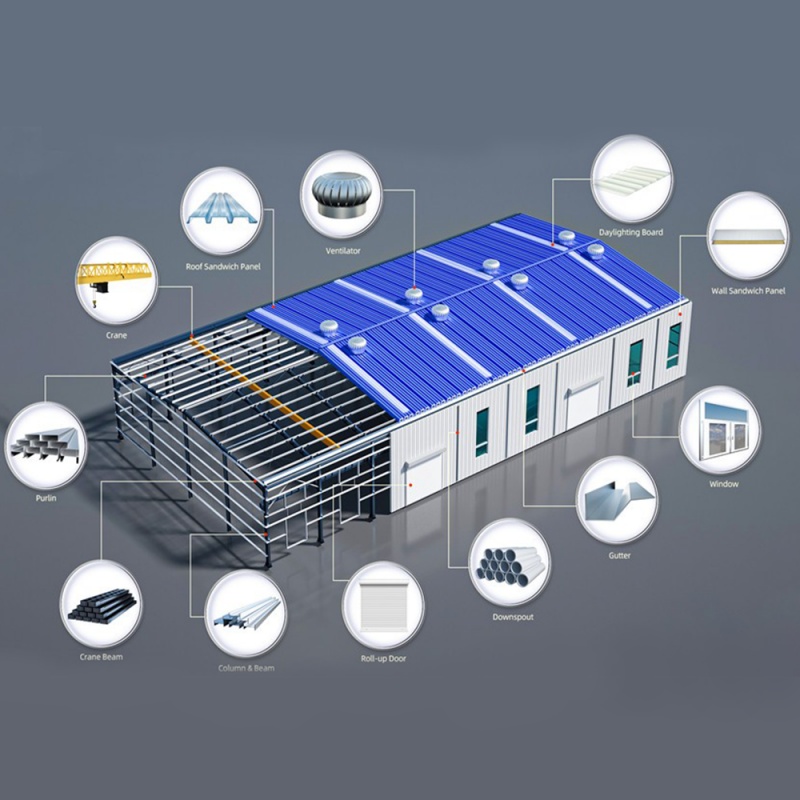
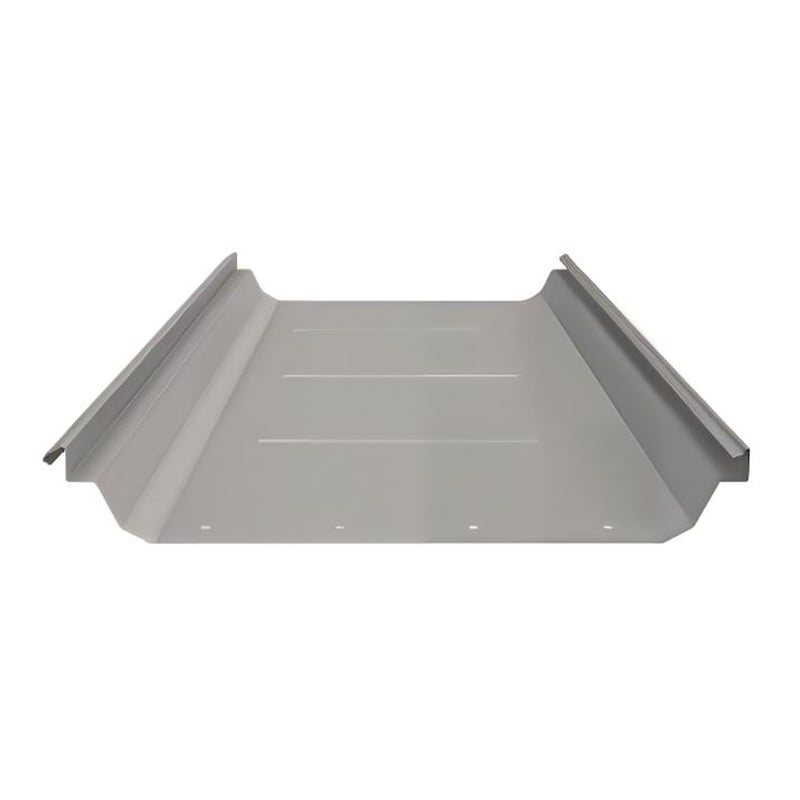
a. In portal frame lightweight building systems, roof panels should employ profiled steel sheets with cold-formed thin-walled steel purlins. Main frames may utilise variable-section solid-web frames, while external walls should incorporate profiled steel wall panels with cold-formed thin-walled steel wall beams.
b. Portal frames are categorised into single-span, double-span, multi-span configurations, as well as those incorporating eaves overhangs or adjoining structures.
c. Depending on span, height, and load requirements, portal frame beams and columns may employ variable-section (60mm/m) or constant-section solid-web welded I-sections, or rolled H-sections.
d. Roof slopes for portal frame light-weight buildings should range from 1/8 to 1/20, with higher values recommended in regions with significant rainfall.
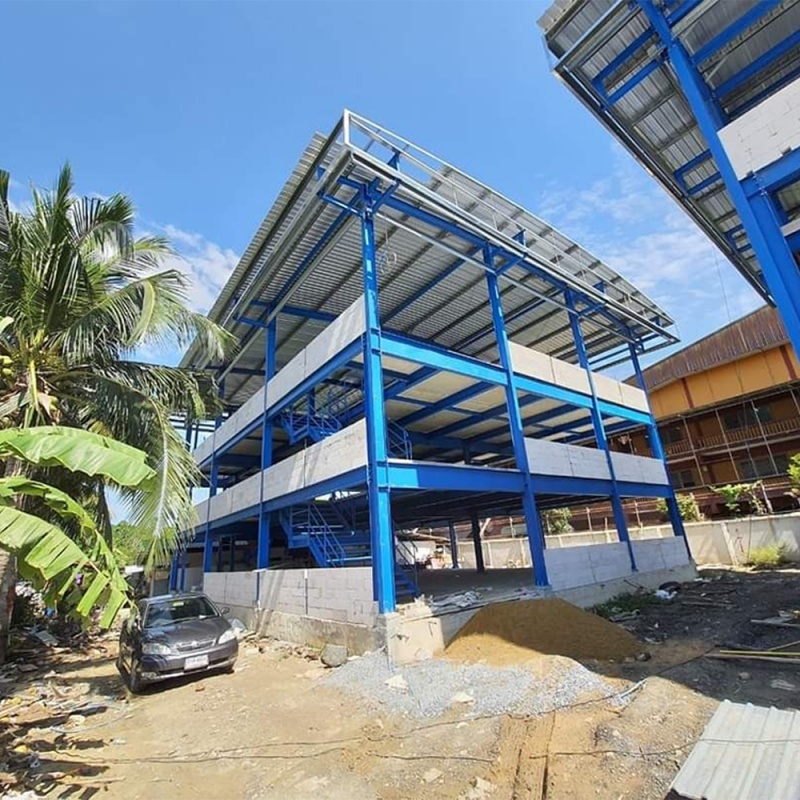
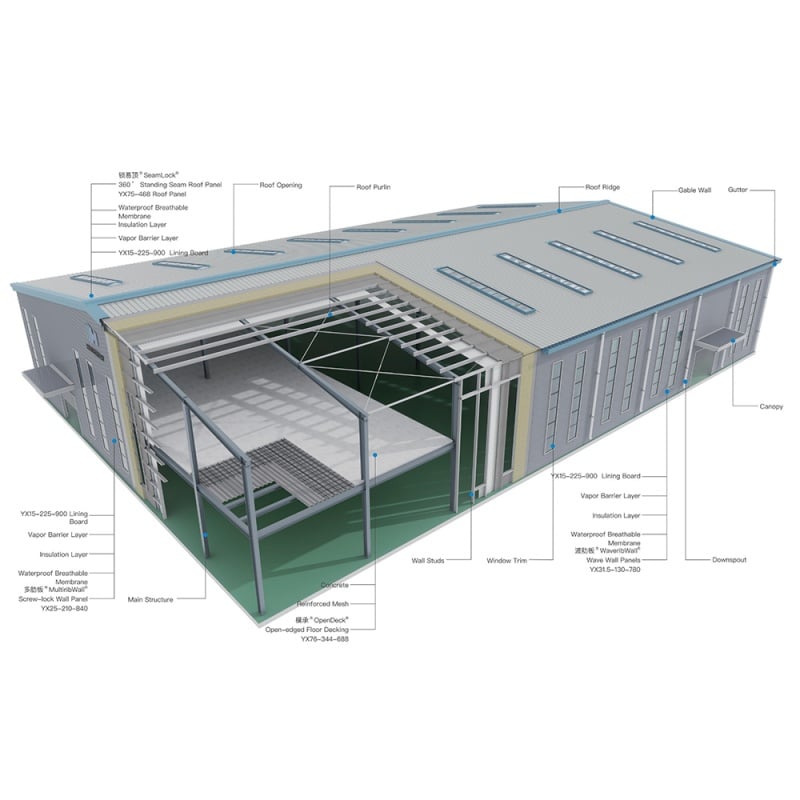
Portal frame steel structures find extensive use across numerous industries.
Common applications include:
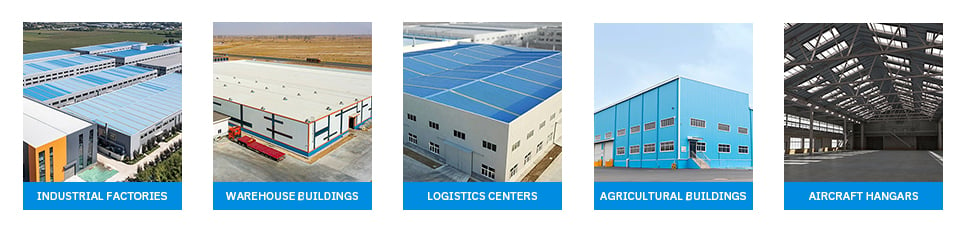
Owing to their efficiency and durability, portal frame systems represent the most favoured structural solution in industrial construction.
Portal frame steel structures provide an efficient and economical structural solution for large-span industrial buildings. Their simplicity, high flexibility, and rapid installation make them an ideal choice for modern construction projects.
Glostar Manufacture delivers professional portal frame steel structure solutions, bespoke for diverse industrial applications.
 Hot News
2026-09-09
2026-08-14
2026-08-11
2026-08-06
2026-07-30
2026-07-20

We believe that by upholding quality and embracing innovation, we can drive transformative changes in architecture and build a sustainable future for the construction industry.
No. 377, Gaoqi Road, High-tech Zone, Binzhou City, Shandong Province, China
Copyright © Shandong Apex Metal Products Co., Ltd. All Rights Reserved (Under the Glostar New Materials Group) Privacy Policy Blog
 EN
EN