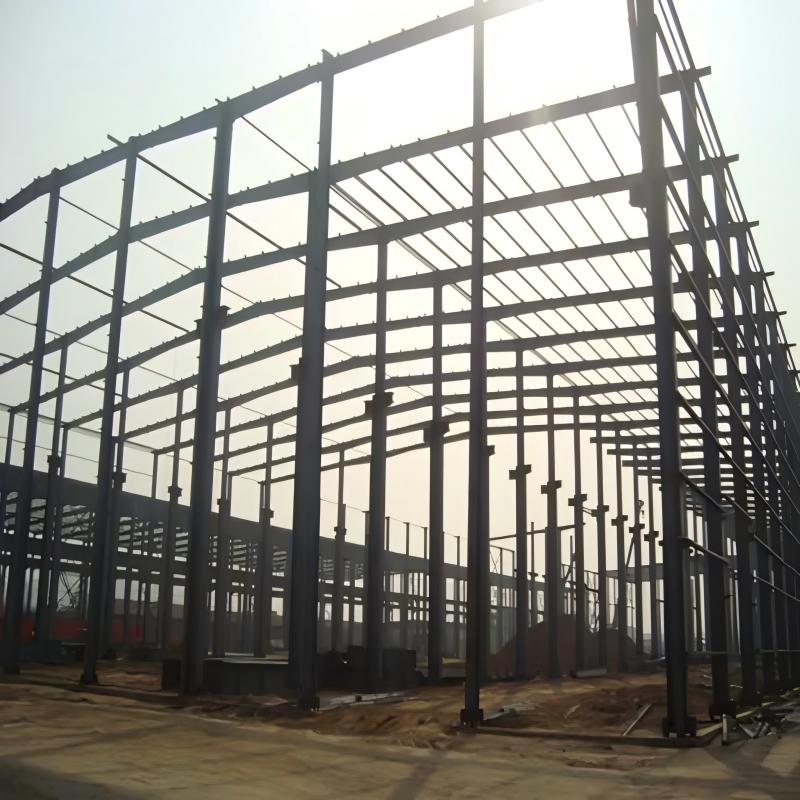
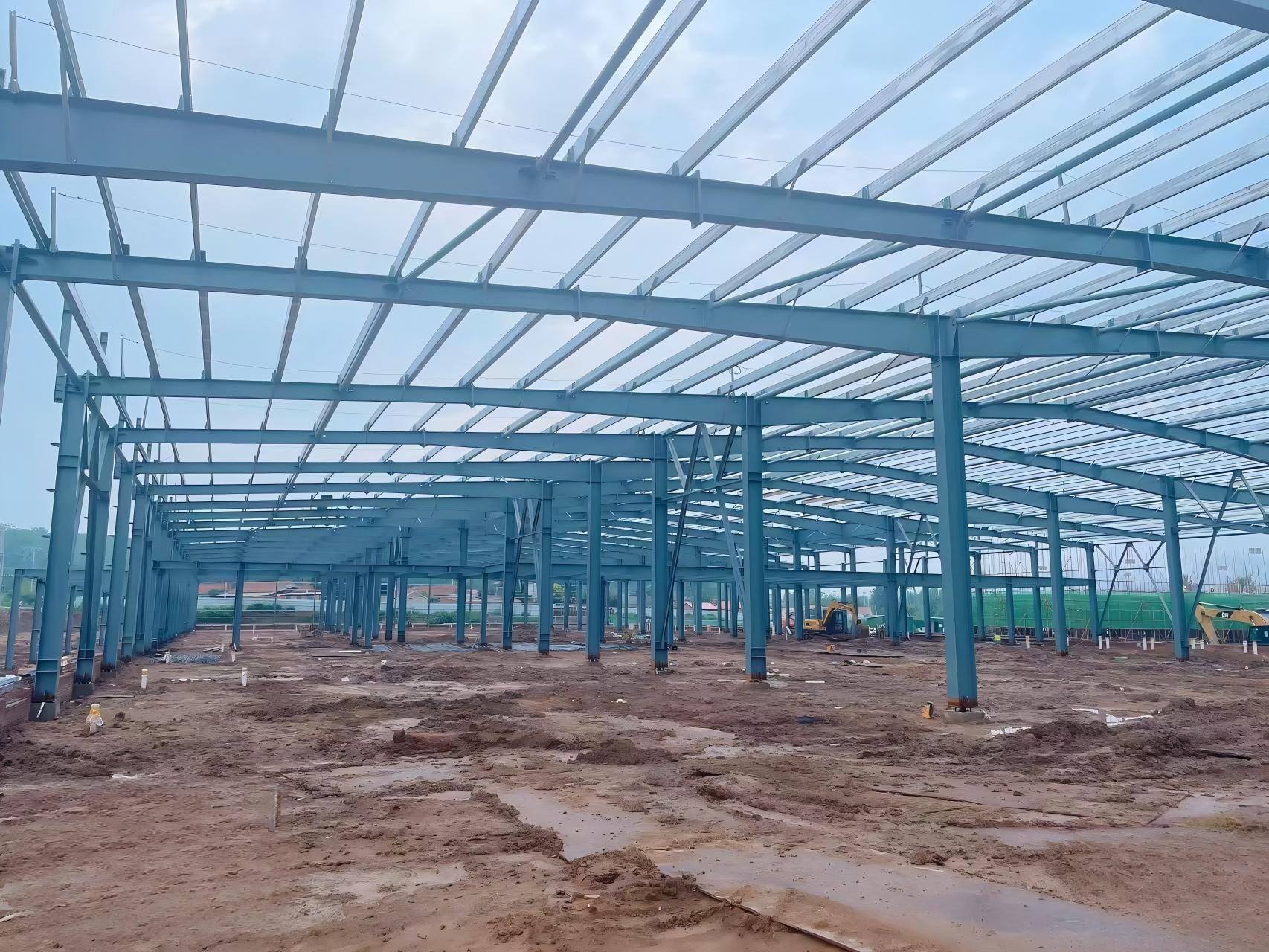
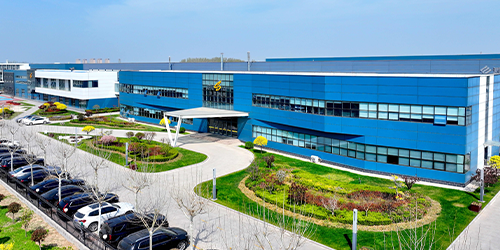
Steel structures are widely used in modern architecture due to their high strength, light weight, durability, quick installation, short construction period, and good seismic performance. They are extensively used in industrial plants, warehouses, logistics centers, and commercial buildings. From industrial plants to warehouses, steel structures offer reliable and flexible building solutions.
Among various types of steel structure buildings, portal steel structures are one of the most commonly used structural systems in industrial buildings and warehouses.
This article written by Glostar Manufacturer, explains the fundamentals of steel structures and introduces the key characteristics of portal steel structure systems.
Steel structures are structures made of steel and are one of the main types of building structures. They are typically composed of beams, columns, trusses, and other components made of shaped steel and steel plates, and undergo rust removal and prevention processes such as silanization, pure manganese phosphating, washing and drying, and galvanizing. The components are usually connected by welds, bolts, or rivets. Steel structures are characterized by their light weight, high strength, fast construction speed, environmental friendliness, energy efficiency, and reusability. They are widely used in high-rise buildings, factories, bridges, and other fields.
Steel structures are renowned for their high strength-to-weight ratio, allowing buildings to span large distances without requiring numerous supporting columns.
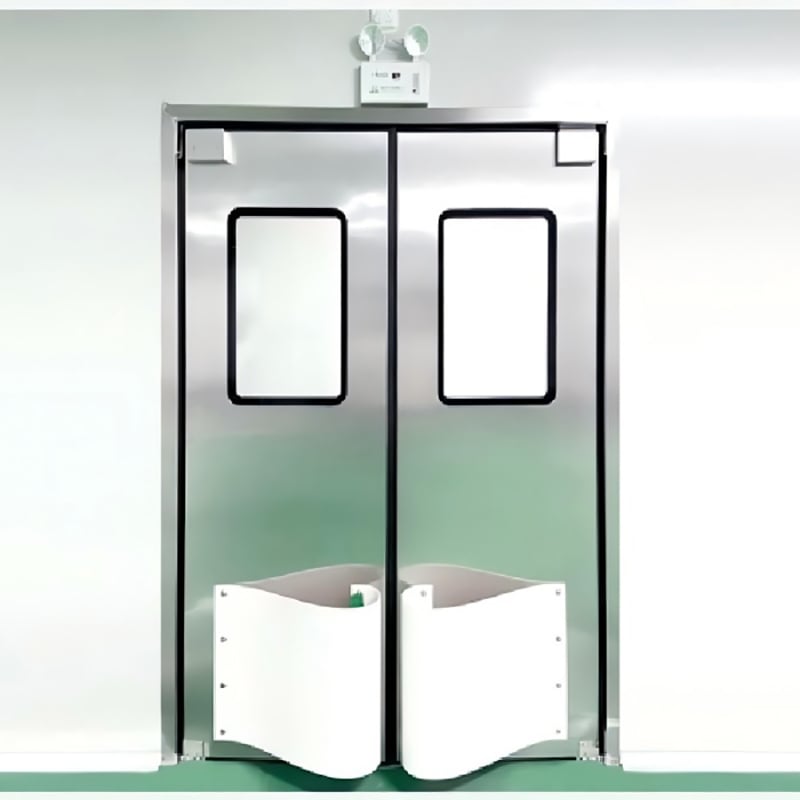
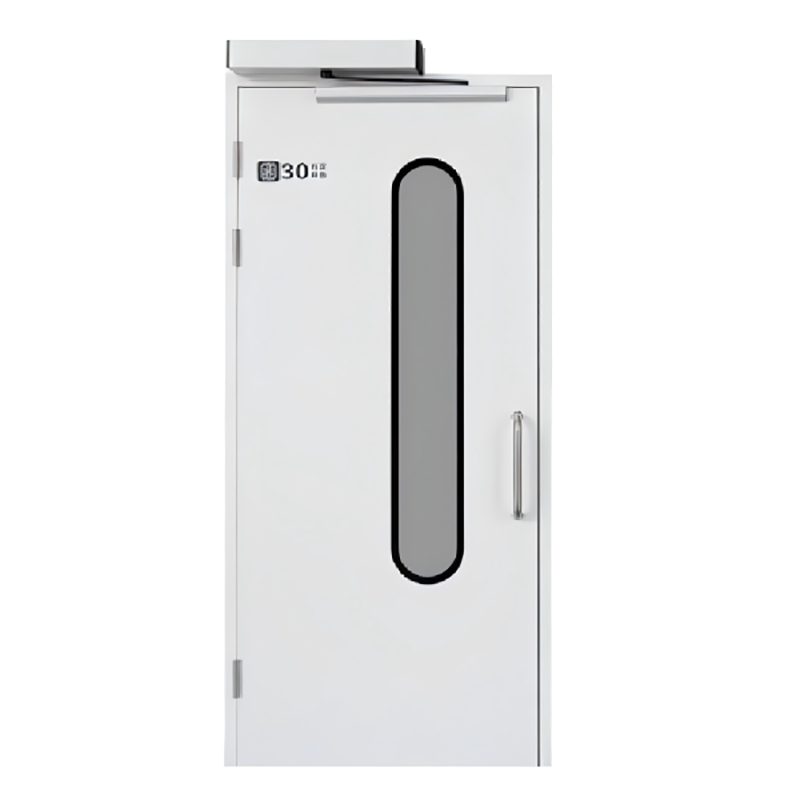
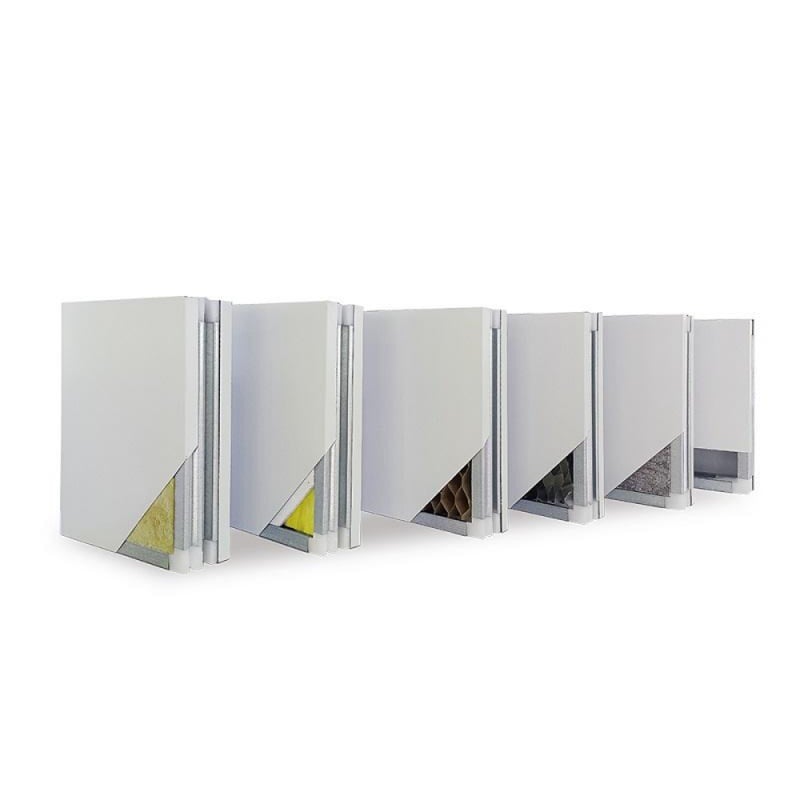
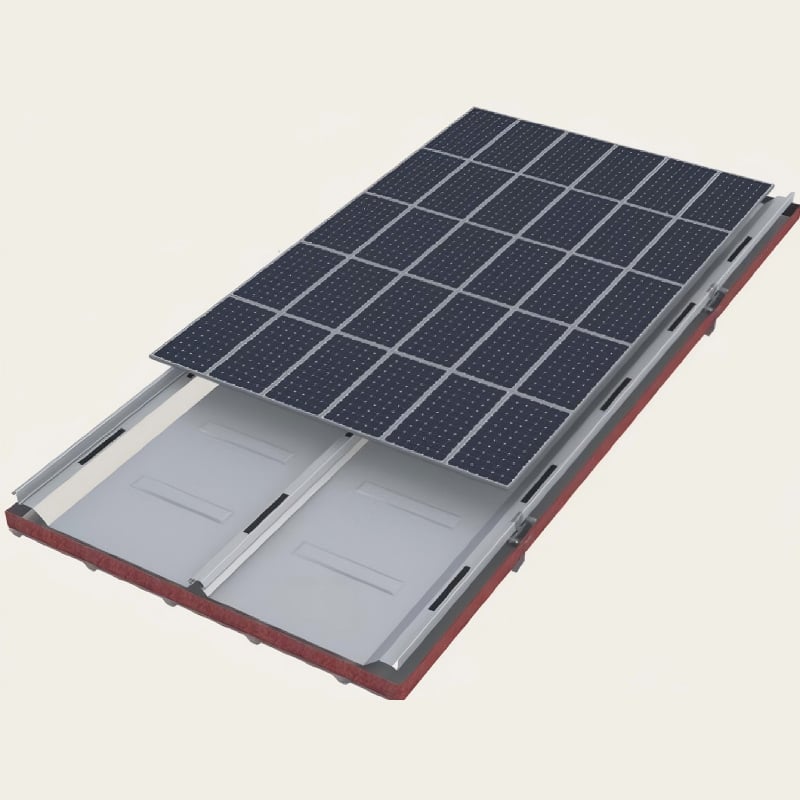
Typical steel structure components include: steel columns, steel beams, purlins, secondary steel, bracing systems, roof panels, wall panels, doors, and windows. Due to these structural advantages, steel structure buildings are widely used in industrial and commercial buildings.
1. High strength and light weight. Although steel has a higher density than concrete, its strength is much higher. The density-to-strength ratio of steel is generally lower than that of concrete. Therefore, under the same stress, steel structures have smaller components and are lighter than concrete structures, reducing foundation costs.
2. Good material properties and high reliability. Steel is manufactured in factories with strict quality control, good material uniformity, and good plasticity and toughness. It closely resembles an ideal isotropic elasto-plastic material. Therefore, current calculation theories can better reflect the actual working performance of steel structures, resulting in high reliability.
3. High degree of industrialization and short construction period. Steel components are all manufactured in factories, allowing for mass production of large parts and high precision of finished products. The factory manufacturing and on-site installation method effectively shortens the construction period, creating conditions for reducing costs and maximizing the economic benefits of investment.
4. Good sealing performance. Steel structures, after welding connections, can achieve a safe seal, meeting some airtightness and watertightness requirements.
7.Good seismic performance. Steel structures, due to their light weight and relatively flexible structural system, experience less seismic force. Steel also possesses high tensile and compressive strength, as well as good plasticity and toughness. Therefore, in numerous earthquakes both domestically and internationally, steel structures suffer the least damage and are widely recognized as the most suitable structure for seismic fortification areas, especially in areas prone to strong earthquakes. (According to portal frame specifications, seismic calculations are generally not required in seismic zones of intensity 7 and below.)
8.Environmentally friendly and energy-saving: Steel structure components can be reused, reducing construction waste. Simultaneously, energy consumption during construction is low, meeting the requirements of green building.
7. Fire and corrosion resistant: After treatment, steel possesses excellent fire and corrosion resistance, extending the building's service life.
Steel structures are considered a sustainable material; therefore, from a long-term development perspective, steel structures have excellent application and development prospects.
Steel structures can be classified according to their structural design, construction methods, and applications. They can be categorized into heavy steel structures, light steel structures, precast steel structures, and portal steel structures.
Heavy steel structures are typically used in large industrial facilities, power plants, stadiums, and high-rise buildings. These structures require immense load-bearing capacity and often involve complex engineering designs. Heavy steel structures typically employ large steel sections and advanced structural systems to support extremely high loads and large spans.
Light steel structures are commonly used in small industrial buildings, warehouses, workshops, and commercial facilities. Compared to heavy steel structures, light steel structures use lighter steel sections and are easier to manufacture and install.
They offer significant advantages in cost-effectiveness, construction speed, and design flexibility.
prefabricated steel structures are manufactured in a factory and then assembled on-site. Compared to traditional construction methods, this approach ensures precise manufacturing, better quality control, and faster installation.
Precasting also reduces labor costs and construction waste, making it an increasingly popular construction method in modern building projects.
Among all structural types, portal steel structures are one of the most widely used structural systems in industrial and warehousing buildings. Their efficient structural design allows for large span clearances and cost-effective construction. Lightweight portal frames: These are single-story steel structures with a single-span or multi-span solid-web portal frame as the main load-bearing structure, featuring a lightweight roof and lightweight exterior walls, and either no overhead crane or an A1-A5 working class overhead crane with a lifting capacity not exceeding 20 tons, or a 3-ton suspended crane.
The latter part of this article will focus on introducing the basic knowledge of portal lightweight steel structures.
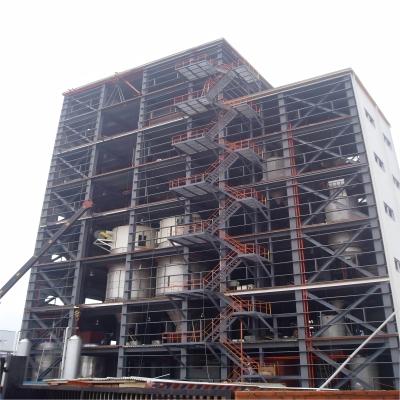
| 1. Industrial plants 2. Large-span structures 3. Tall structures 4. Multi-story and high-rise buildings 5. Structures subjected to vibration and seismic forces 6. Shell and plate structures 7. Other special structures 8. Demountable or movable structures 9. Light steel structures 10. Steel-concrete composite structures |
 |
Next, we will introduce the most commonly used structural system in industrial buildings—the portal frame structure.
A portal frame steel structure is generally a spatial system composed of roof structure, columns, crane beams, braking beams, various supports, and wall frames.
a). Transverse Frame: Composed of columns and beams, it is the main load-bearing system of the factory building, bearing the structure's own weight, wind and snow loads, and the vertical and lateral loads of the crane, and transferring these loads to the foundation.
b). Roof Structure: The structural system bearing the roof load, including the transverse frame's beams, brackets, intermediate roof trusses, skylight frames, purlins, etc.
c). Support System: Includes roof supports and inter-column supports. On one hand, it forms the longitudinal frame of the factory building with columns and crane beams, bearing longitudinal horizontal loads; on the other hand, it connects the main load-bearing system from individual planar structures into a spatial whole, thus ensuring the necessary rigidity and stability of the factory building structure. When using a portal frame with a crane of not less than 5 tons, steel section supports should be used for inter-column bracing.
d). Crane beams and brake beams (or brake trusses): Primarily bear the vertical and horizontal loads of the crane and transfer these loads to the transverse and longitudinal frames.
e). Wall frames: Primarily bear wind loads. In addition, there are some secondary components such as ladders, walkways, doors, and windows. In some factory buildings, work platforms are also provided due to process requirements. The layout of the portal frame structure is closely related to the amount of steel used.
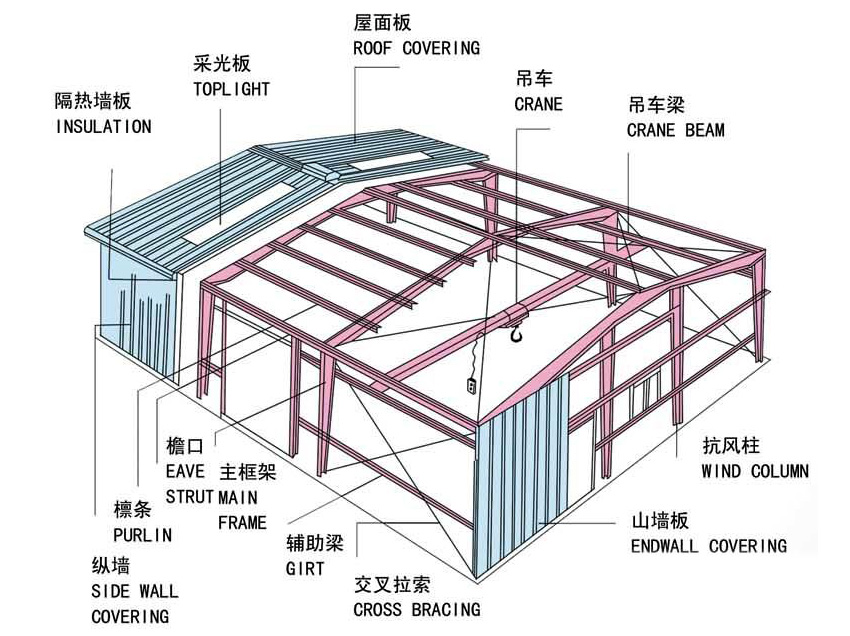
Portal frame systems are widely used in industrial buildings. Learn more in our Portal Frame Steel Structure Guide.
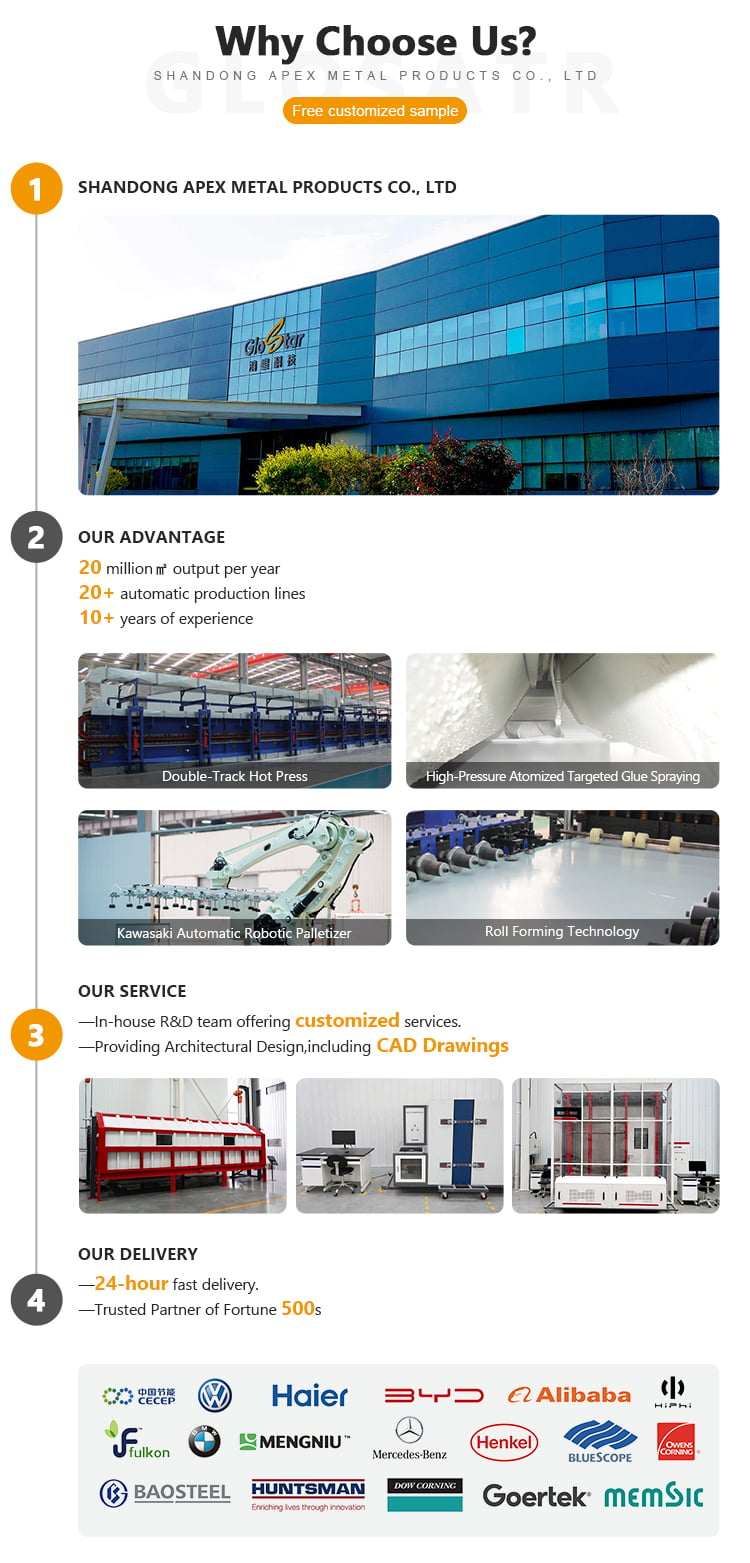
Glostar Manufacturer is a professional steel structure solutions provider serving industrial and commercial projects.
With strong manufacturing capabilities and an experienced engineering team, Glostar offers the following comprehensive services:
Glostar combines high-quality manufacturing processes with professional engineering technology to help clients build durable, efficient, and economical steel structures suitable for various applications.
Steel structures, due to their high strength, flexibility, and high construction efficiency, have become an important component of modern architecture. Among numerous structural systems, portal steel structures are one of the most practical solutions due to their suitability for applications such as industrial buildings and warehouses.
Portal steel structures offer large spans, rapid installation, and cost-effective designs, making them an ideal choice for many industrial and commercial projects.
If you are planning a steel structure project, Glostar Manufacturer provides professional design support and reliable steel structure building solutions, tailored to your specific needs.
Contact our team today to learn more about our steel structure products and services.

 Hot News
2026-09-09
2026-08-14
2026-08-11
2026-08-06
2026-07-30
2026-07-20

We believe that by upholding quality and embracing innovation, we can drive transformative changes in architecture and build a sustainable future for the construction industry.
No. 377, Gaoqi Road, High-tech Zone, Binzhou City, Shandong Province, China
Copyright © Shandong Apex Metal Products Co., Ltd. All Rights Reserved (Under the Glostar New Materials Group) Privacy Policy Blog
 EN
EN