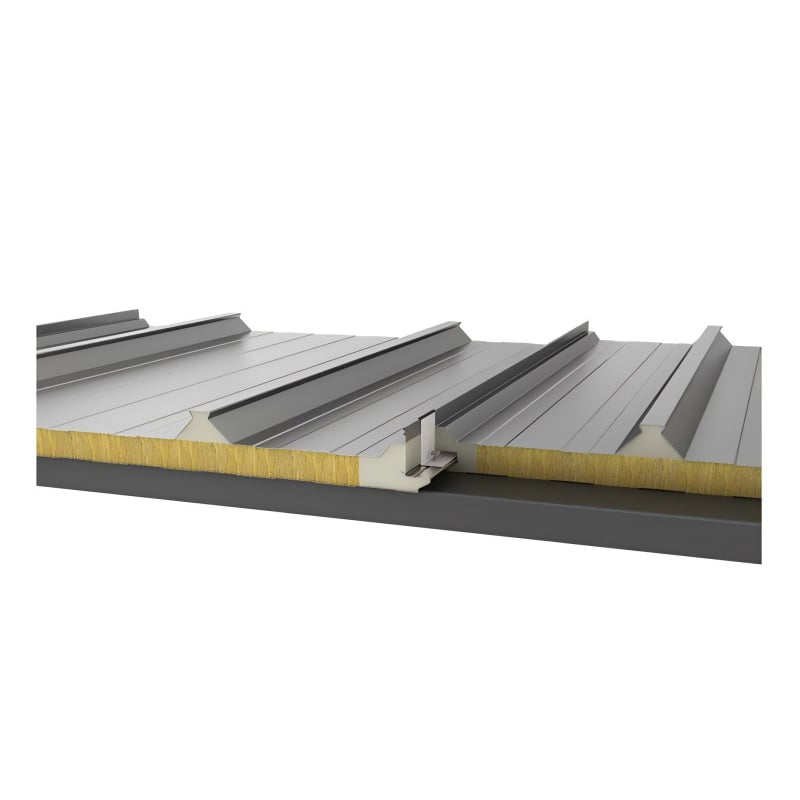
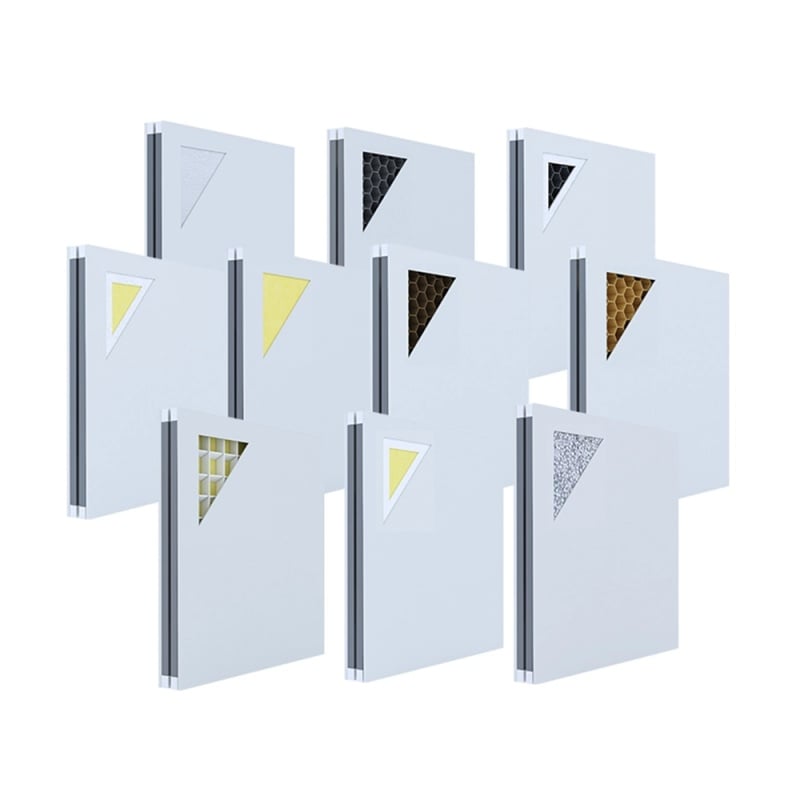
In cleanroom construction, particularly in the biopharmaceutical, semiconductor, and food processing industries, fire safety is always a top priority in engineering design. To meet stringent fire safety inspection standards, engineers typically prioritize the use of high-fire-resistance-rated cleanroom color-coated steel panels for walls and ceilings.
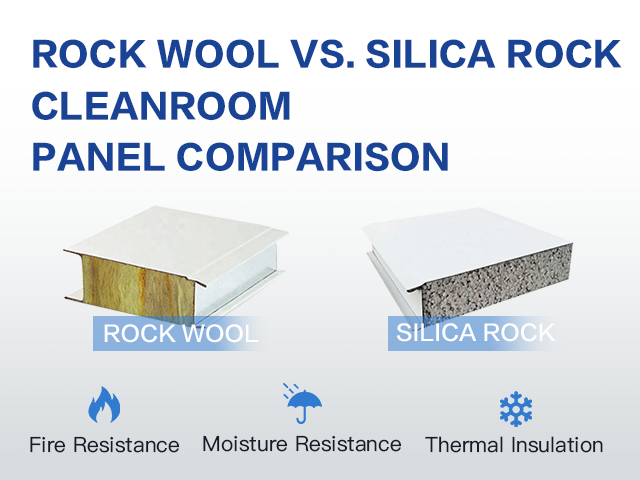
Today, we will focus on the two mainstream high-efficiency fire-resistant core materials: rock wool cleanroom panels and silicon rock cleanroom panels. Although both offer excellent flame-retardant properties, they differ significantly in terms of physical characteristics, thermal insulation performance, construction and cost-effectiveness, technological development, and applicable scenarios. This article will provide an in-depth analysis of the core advantages of these two materials to help you make the most informed material selection decision for your next cleanroom project.
1. Fire Resistance Test Data
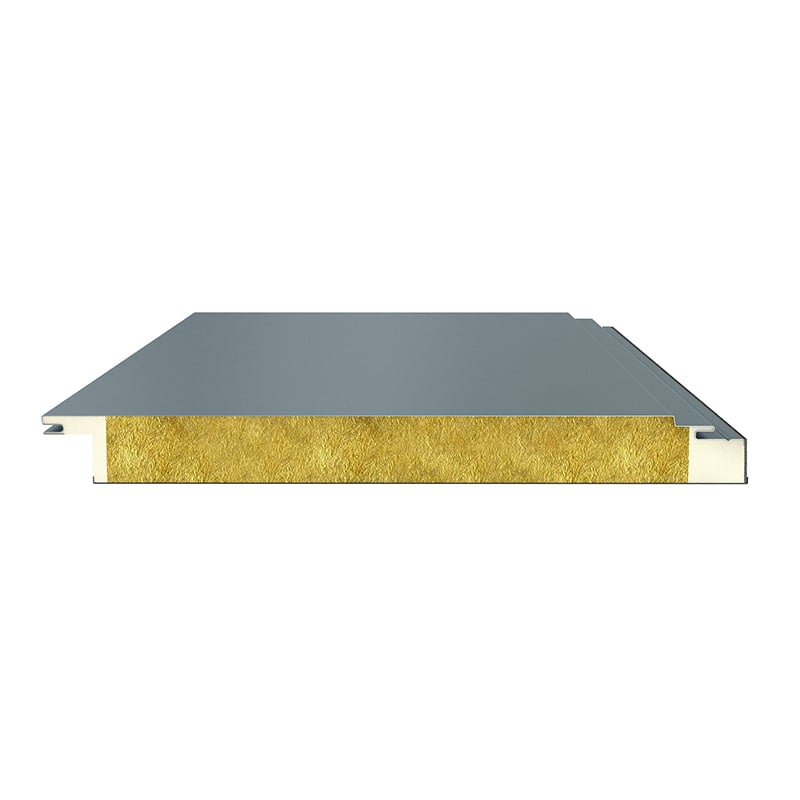
Rock wool cleanroom boards: Made from high-temperature fused basalt fibers, with a measured fire resistance rating of up to 4 hours (GB/T 9978 standard) and a smoke density rating of ≤5 (GB/T 8627), fully meeting the requirements for Class A1 non-combustible materials.
Silicate Purification Board: Features a modified silica composite core material with a fire resistance rating of 3.5 hours and exhibits no melting or dripping during combustion (passed GB/T 8624-2012 testing).
2. High-Temperature Stability
Rock wool boards exhibit a linear shrinkage rate of <2% at 800°C (GB/T 19686).
Silica rock boards retain >90% of their compressive strength after 72 hours of continuous heating at 600°C.
Case Study: A lithium-ion battery separator factory’s explosion-proof cleanroom utilized 50mm rock wool boards and successfully passed the 2-hour fire integrity test required by fire authorities.
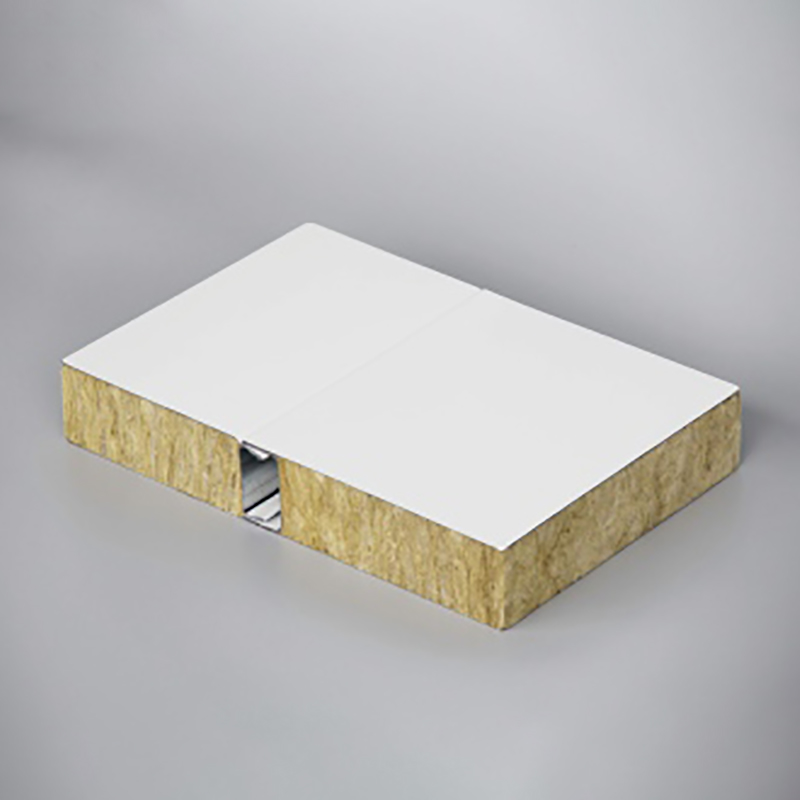
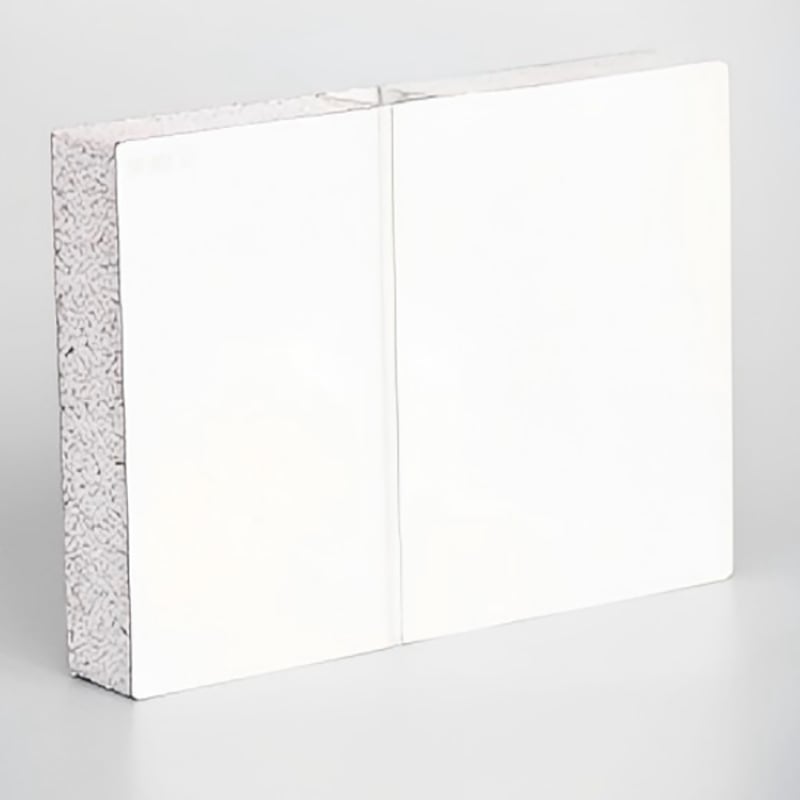
Structural Strength: The honeycomb structure of silicate rock boards gives them a flexural strength 1.8 times that of rock wool boards (GB/T 5480 test).
Thermal Performance: The lower thermal conductivity of silicate rock boards makes them particularly suitable for constant temperature and humidity cleanrooms.
Weather Resistance: Silicate rock boards passed a 30-cycle freeze-thaw test (-30°C to 60°C) without cracking.
| Metrics | Rock Wool | Silica Rock |
| Fire Rating | Class A1 Non-combustible | A2-Class Flame Retardant |
| Thermal conductivity | 0.03-0.046 W/(m·K) | 0.030 W/(m·K) |
| Moisture resistance | High-Quality Hydrophobic Rock Wool | The closed-cell structure does not absorb water. |
| Weight | Relatively heavy | Lightweighting |
| Flatness | good | Extremely high |
| Cost | Affordable | Relatively high, but energy-efficient in the long run. |
Comparison Table
1. Installation Process
Rock wool boards: Require a dedicated stud system; fiber protection is necessary during cutting (prone to generating dust).
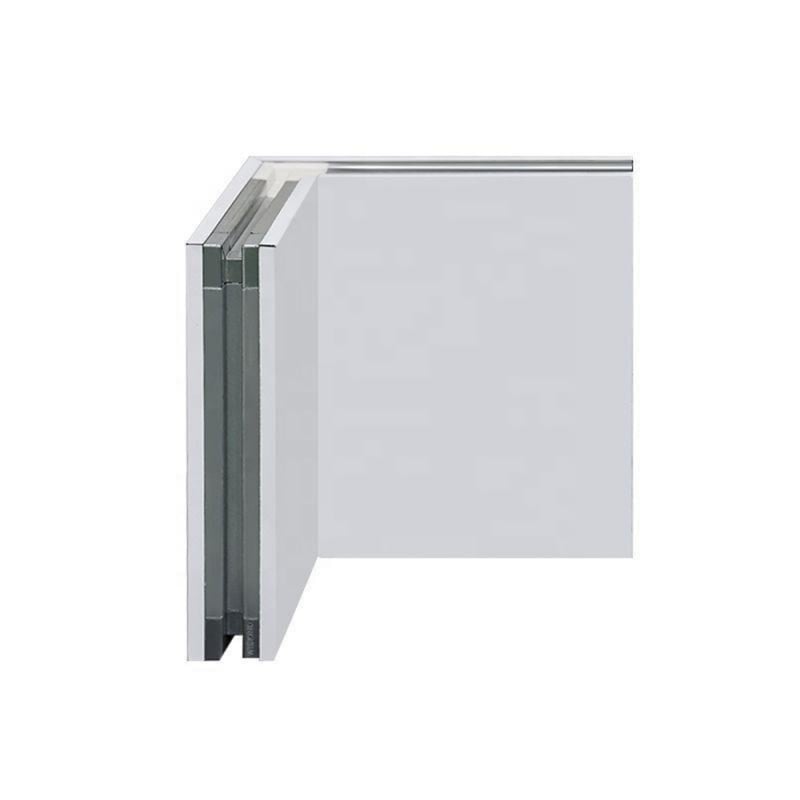
Silicate boards: Can be installed using tongue-and-groove joints, increasing installation efficiency by 40% (actual test data).
2. Life Cycle Cost
Initial purchase price: Rock wool boards are 15–20% cheaper than silicate boards.
Maintenance Costs: Silicate boards have a service life of up to 20 years (rock wool boards typically last 12–15 years)
Economic Selection Recommendations:
- Short-term projects/limited budgets: Prioritize rock wool boards
- High-end laboratories/long-term use: Recommend silicate boards
1. Preferred Applications for Rock Wool Boards
2. Areas where Silicate Boards Excel
Composite Materials: Glostar manufacturer’s new-generation rock wool silicon rock composite clean room panels combine the advantages of both materials, achieving a fire resistance rating exceeding 5 hours
Smart Technology: Fire monitoring systems embedded with temperature sensors have entered the testing phase
Green Technology: Recycled rock wool (recovery rate ≥85%) technology is gradually maturing
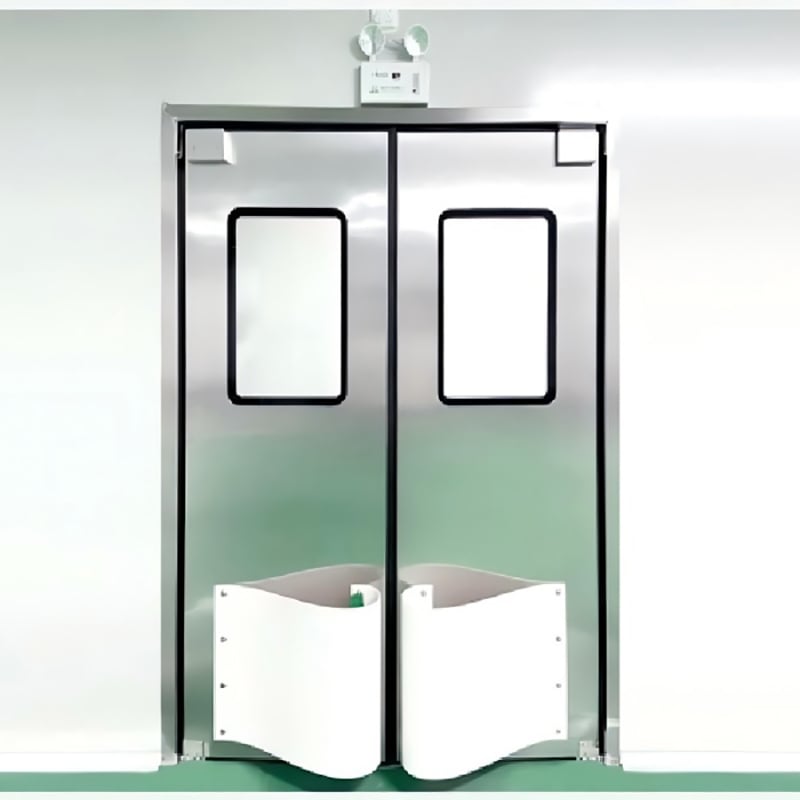
Selecting the right core material is the first step toward constructing a high-quality, high-security cleanroom. As a specialized manufacturer of cleanroom engineering materials, Glostar provides global clients with a comprehensive range of customized sandwich panels—including high-density rock wool cleanroom panels, premium silicon-rock cleanroom panels, magnesium oxide (MgO) cleanroom panels, and integrated cleanroom door and window systems.
All our panels comply with international fire safety standards and are available with customizable options for thickness, surface coatings, and dimensions.
📩 Facing challenges in material selection? Planning your next cleanroom project?
Contact us today to connect with our cleanroom engineering experts and receive material samples along with a customized project quotation!
 Hot News
2026-09-09
2026-08-14
2026-08-11
2026-08-06
2026-07-30
2026-07-20

We believe that by upholding quality and embracing innovation, we can drive transformative changes in architecture and build a sustainable future for the construction industry.
No. 377, Gaoqi Road, High-tech Zone, Binzhou City, Shandong Province, China
Copyright © Shandong Apex Metal Products Co., Ltd. All Rights Reserved (Under the Glostar New Materials Group) Privacy Policy Blog
 EN
EN