In cleanroom engineering and architectural decoration, cleanroom panels (also known as cleanroom boards) are a core material for creating dust-free environments. However, purchasing managers or contractors often struggle to choose between manual and mechanism cleanroom panels.
Although they may seem similar, they differ significantly in manufacturing processes, structural strength, installation methods, and final costs. Choosing the wrong panel can not only lead to substandard project acceptance but also cause a sharp increase in subsequent maintenance costs.
Glostar Manufacturer, with over 10 years of experience in the construction industry, will provide an in-depth guide today, thoroughly analyzing the differences between manual and mechanism cleanroom panels to help you make the most informed decision.
we need to understand the cleanroom industry, what a cleanroom is, and its origins, definition, structure, and principles. A cleanroom, also known as a dust-free workshop or cleanroom, primarily functions to control indoor contamination. Without cleanrooms, mass production of contamination-sensitive parts is impossible. The degree of cleanliness and the continuous stability of contamination control are the core standards for evaluating cleanroom quality. These standards are divided into several levels based on factors such as the area environment and the degree of purification. Commonly used standards include international standards and domestic regional industry standards.
A cleanroom mainly consists of four parts: the decorative structure, the flooring, the electrical system, and the air conditioning and ventilation system.
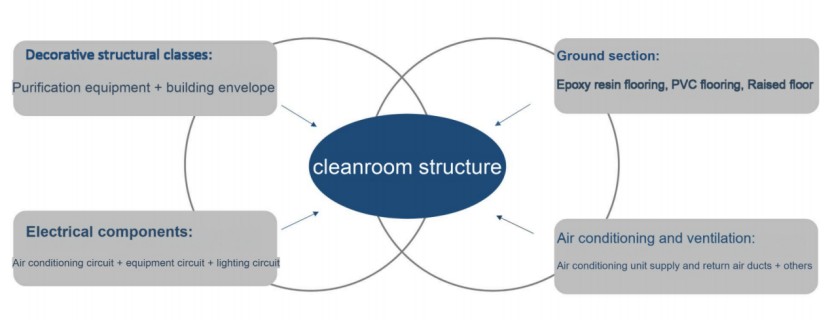
A cleanroom is not just a room, but a sophisticated system engineering project. The principle of a cleanroom is that the visible clean and tidy purification workshop has a comfortable temperature. The invisible air conditioning, purification equipment, purification lights, and other equipment operate according to the design to achieve the required working environment.
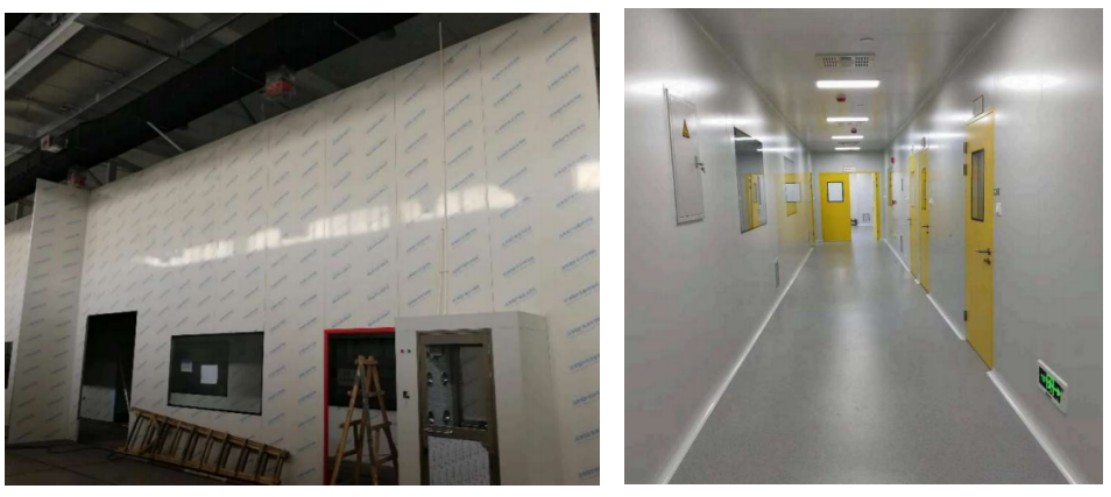
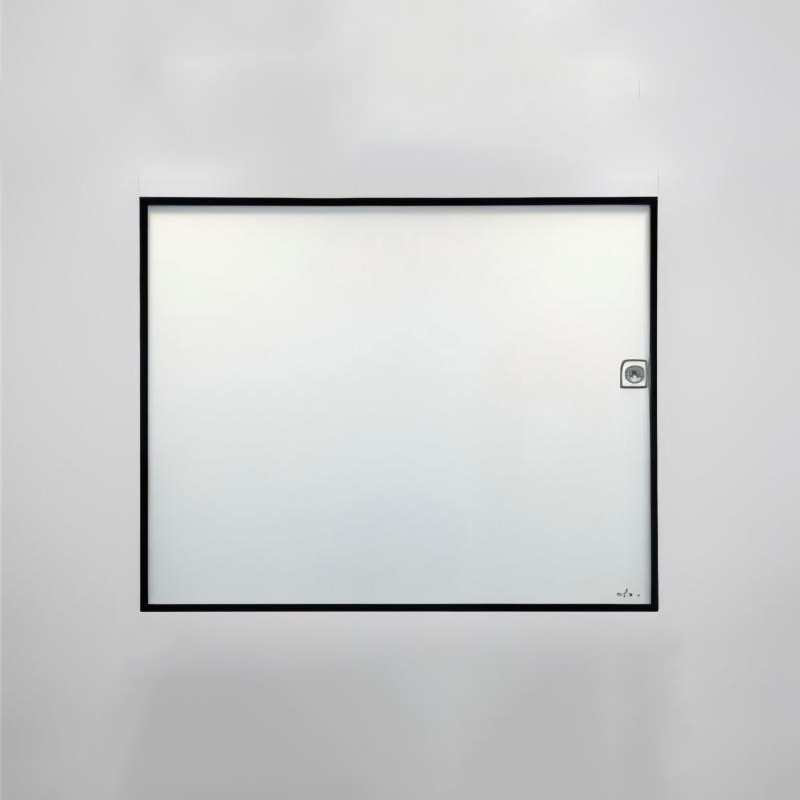
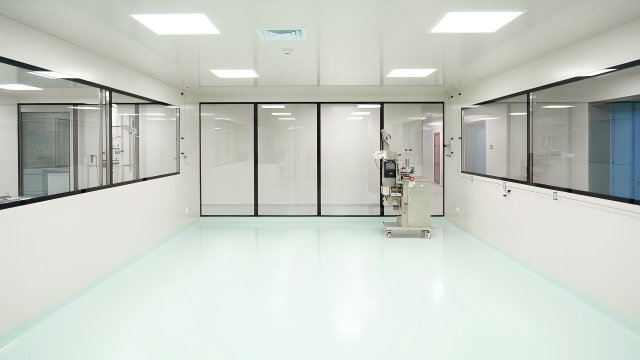
Cleanroom panels (Purification Panels), also known as purification panels or color-coated steel sandwich panels, are the physical foundation for building cleanroom environments. They are not merely building materials, but a core component of the cleanroom enclosure system. In cleanroom engineering, cleanroom panels are primarily used to construct partitions and ceilings, acting as the "skeleton" and "skin" of the cleanroom.
Their main function is sealing and isolation—through their high flatness, dust-free operation, ease of cleaning, and excellent airtightness, they completely isolate the controlled environment (clean area) from the outside world (non-clean area), thereby ensuring that the air pressure, temperature, humidity, and cleanliness within the workshop can be maintained within design standards over the long term.
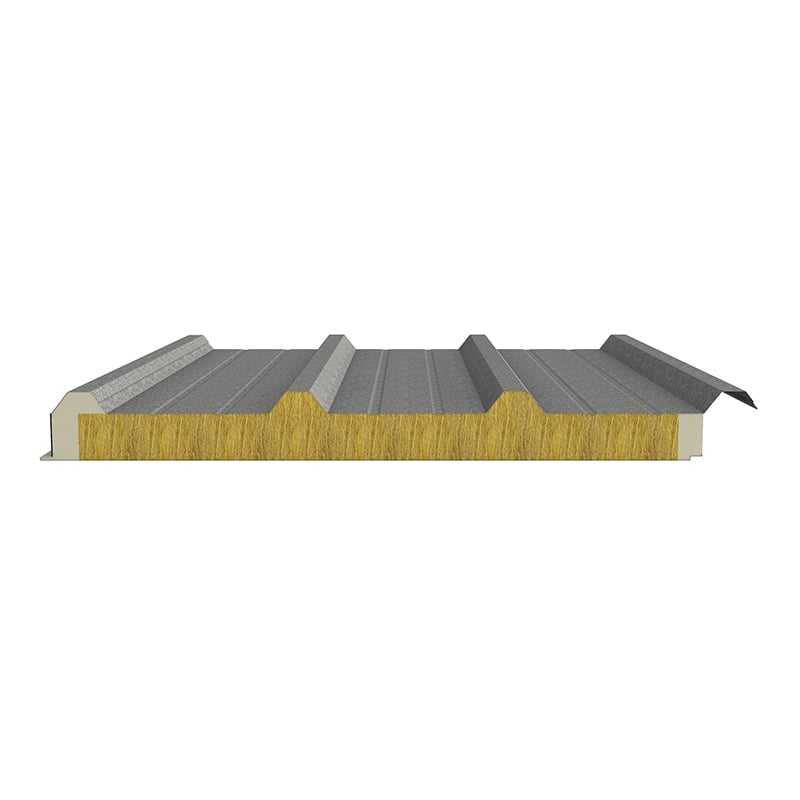
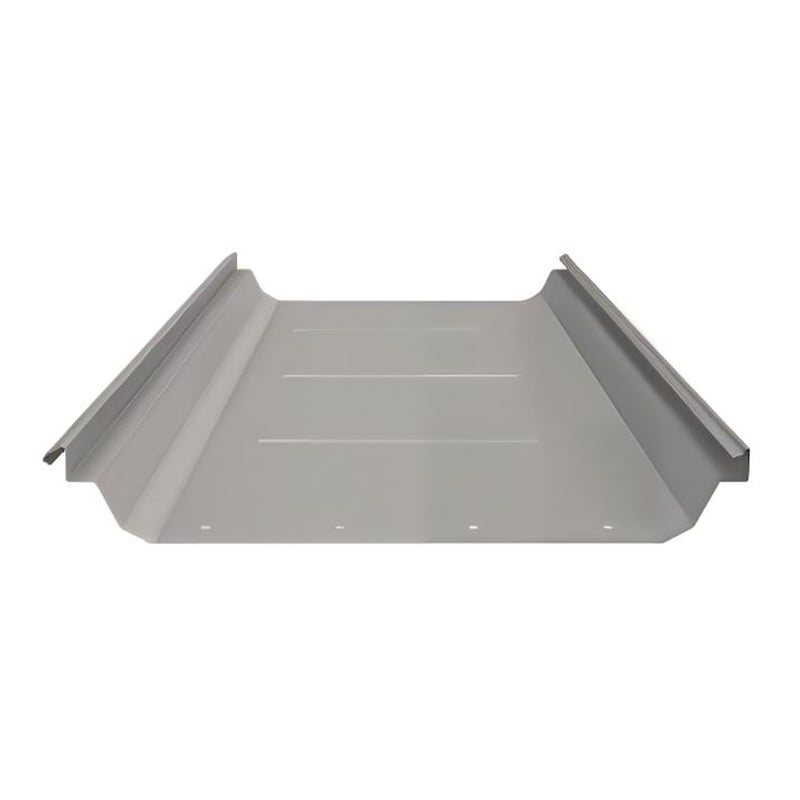
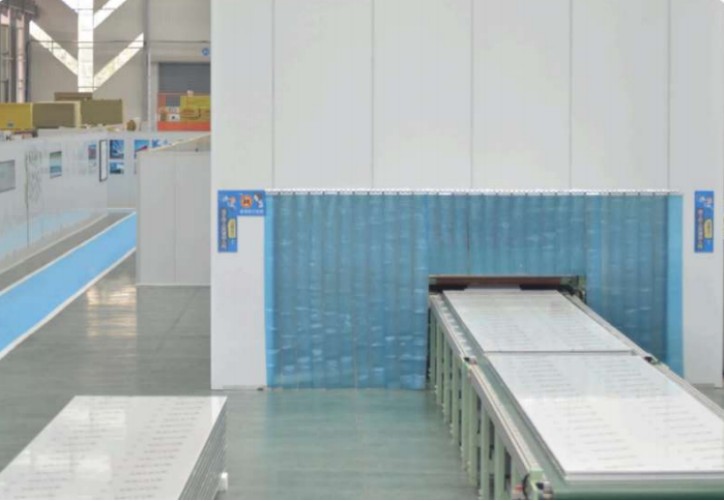
Mechanism cleanroom panels, as the name suggests, are formed in a single process using automated production line equipment.
| Composite forming machine: Performs leveling, edge rolling, composite, and cutting of upper and lower steel plates in machine-made panels. | 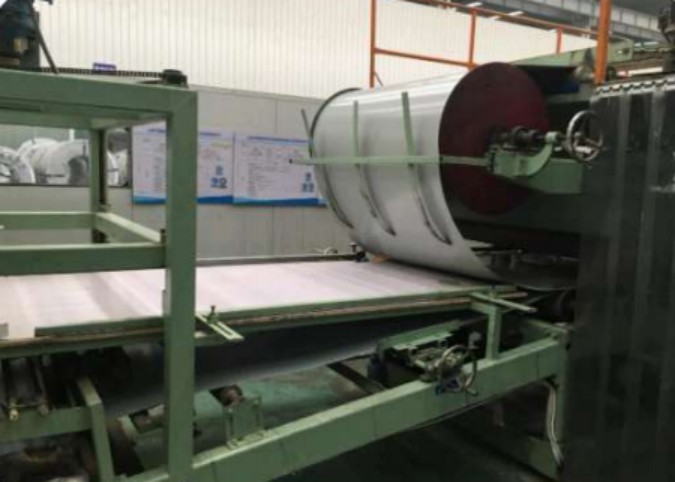 |
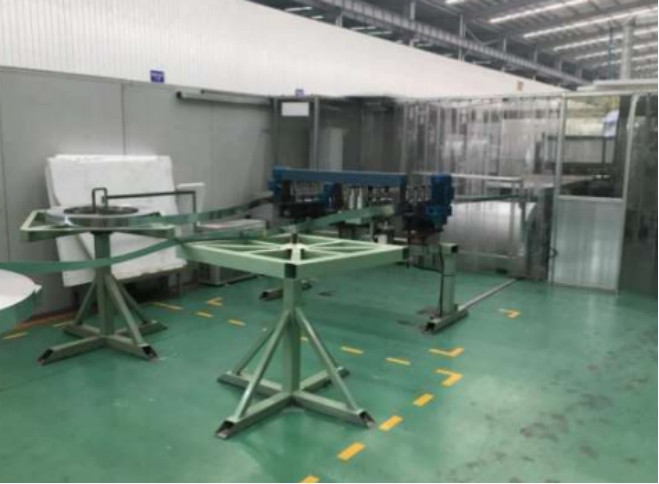 |
Edge sealing machine: Performs steel strip forming and rolling for edge sealing of the male and female edges of machine-made panels. |
During production, color-coated steel sheets, core materials (such as rock wool and glass wool), and adhesives are automatically conveyed, pressed, heated, and cut by machine. The entire process requires minimal human intervention and is extremely fast.
• Standardized Production: Dimensions are typically fixed (width after molding is 950-1150mm).
• Socket Connection: Panels are typically connected using a socket-type connection.
• Frameless Structure: The panels usually lack an internal metal frame (keel), relying primarily on the adhesive strength between the core material and the steel plate for support.
• Core Material Thickness: 50mm, 75mm, 100mm, 150mm, 200mm.
Glostar's mechanism cleanroom panels utilize an ultra-long composite process, resulting in excellent flatness and low cost. Both ends can be sealed with steel plates, which are then pressed together for edge sealing and interlocking installation, allowing for fast installation. Longitudinal reinforcing ribs can be added to the middle of the panel to increase overall strength.
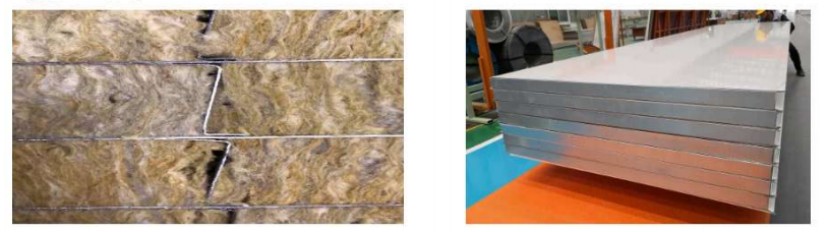
There are many types of core materials for machine-made cleanroom panels, such as rock wool, EPS, paper honeycomb panels, silicon rock panels, hollow magnesium oxide glass, and magnesium oxide sulfur. Let's take a look at the performance characteristics of commonly used core materials for mechanism cleanroom panels from the table below.
| Performance characteristics of commonly used core materials for mechanism cleanroom panels | |||||
| Name | Raw Materials | fire prevention | strength | Adhesion | Remark |
| Rock wool | Basalt Rock | A | Medium strength | Excellent | High cost-performance ratio |
| Foam | Polystyrene | B | High strength | Excellent | Poor fire resistance |
| Magnesium oxysulfate | Magnesium oxide, magnesium sulfate | A | High strength | Average | Low usage rate |
| Paper honeycomb board | Kraft Paper, Corrugated Paper | B1 | Medium strength | Average | Mostly door panels |
| Hollow glass magnesium oxide | Magnesium Chloride, Magnesium Oxide, Acidic Soil | A | High strength | Average | Easy to peel off and bulge |
| Silica rock board | Polystyrene, Flame Retardants, Cement | A2 | High strength | Excellent | Flawless |
The core material is complete and uniform, and there is one and only one type of core material.
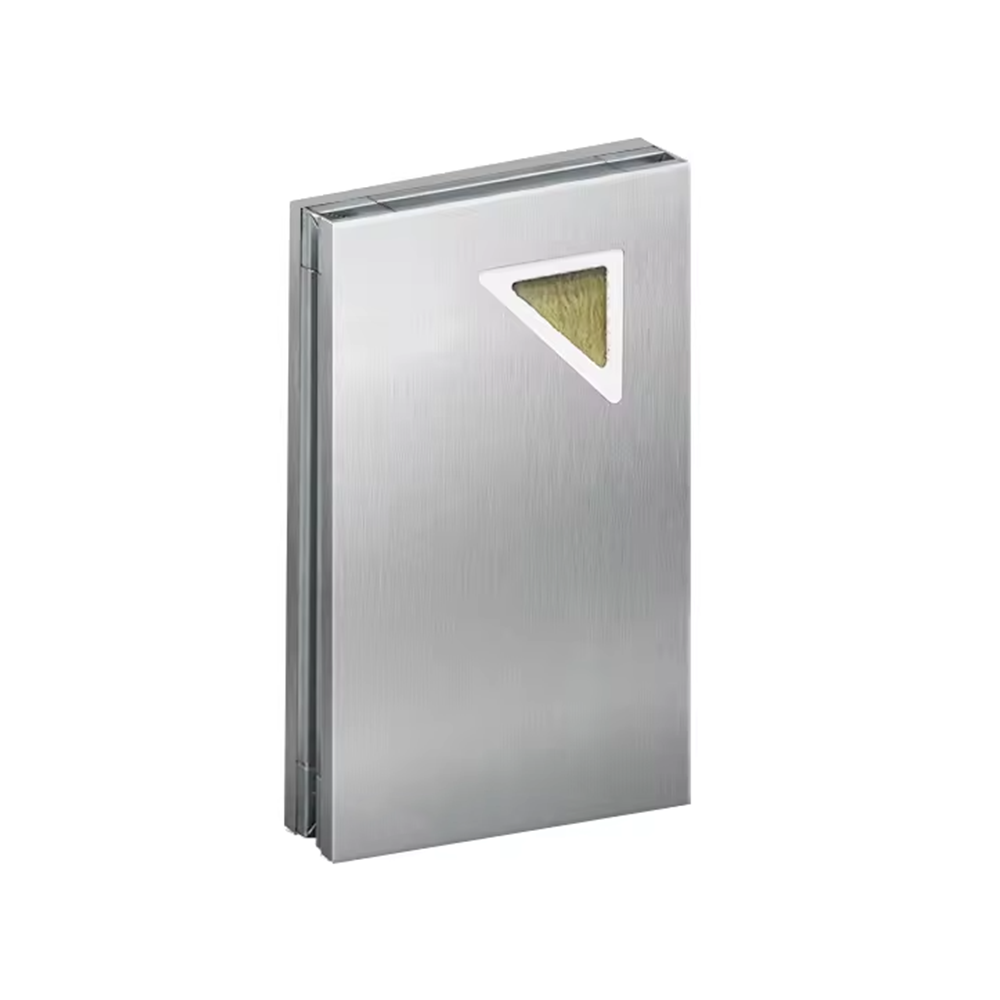
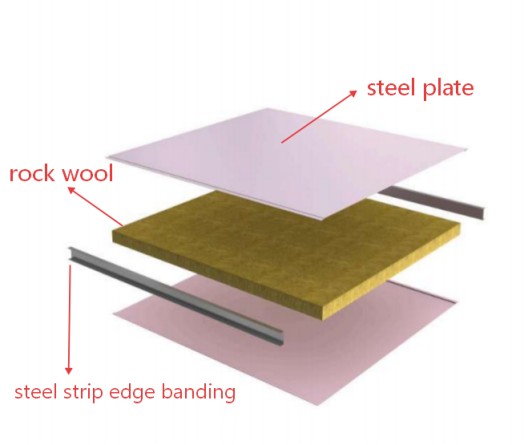
Manual cleanroom panels are high-end, customized products. Although the name includes "handmade," it doesn't mean they are entirely handmade. Rather, it refers to the fact that their core forming processes (applying glue, stacking core materials, cold pressing, lifting, glue removal, packaging, etc.) require manual assistance and utilize a unique "keel" structure.
During production, workers prefabricate the galvanized keel frame around the perimeter, then manually lay and glue the cut color steel plates and core material, and finally shape them under high pressure.
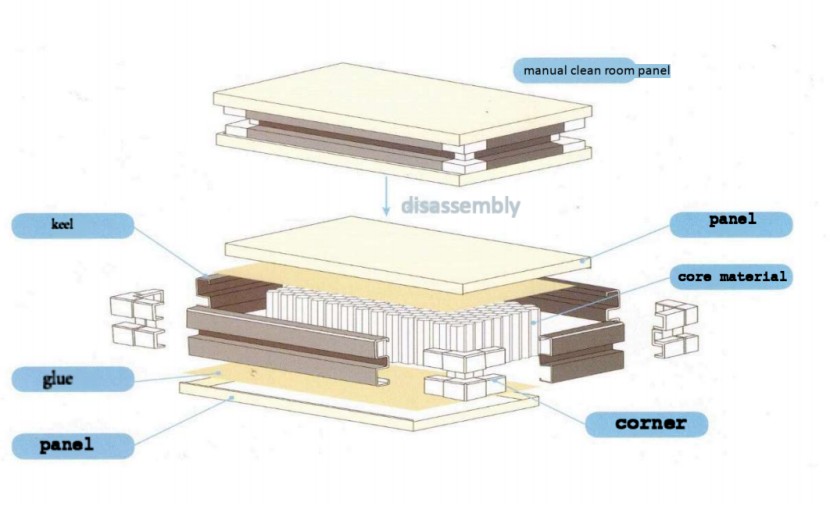
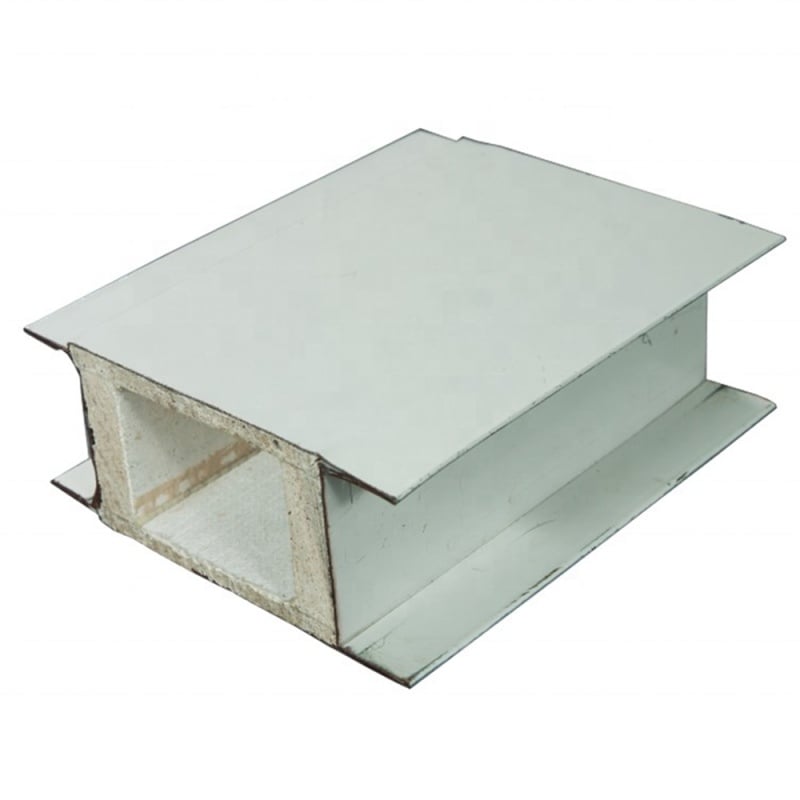
Four-sided framing: This is the biggest difference between handmade and machine-made panels. The internal four sides are framed with galvanized cold-drawn profiles, greatly enhancing the panel's strength.
High customization: Width, irregular shapes, and openings can all be precisely adjusted by hand according to drawings.
Box-like structure: After forming, it resembles a sealed metal box, providing excellent airtightness.
Glostar's manual cleanroom panels use cleanroom-grade steel plates, are durable and corrosion-resistant, and feature high-quality water-repellent rock wool with Class A fire resistance.
1. Four-sided grooved framing design for high strength;
2. Standard and non-standard panel combination design;
3. On-site modular assembly, no cutting required, minimizing waste;
4. Central aluminum connectors at panel joints for convenient and efficient installation;
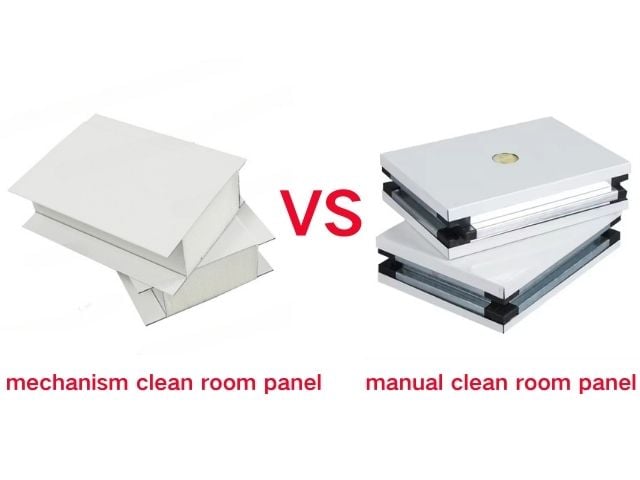
To give you a clear overview, we've conducted an in-depth comparison across five key dimensions:
This is the most fundamental difference.
Machine-made panels: Lacking internal support and relying solely on glue to bond the core material, their overall mechanical strength is relatively weak. If the panels are too long, they are prone to bending and deformation.
Handmade cleanroom panels: Equipped with an internal galvanized frame, they essentially have a "skeleton." Their bending resistance and load-bearing capacity are several times that of ordinary machine-made panels, making them ideal for suspended ceilings or tall walls.
Machine-made panels: Due to continuous roll forming, surface flatness is acceptable, but noticeable tongue-and-groove gaps are often visible at the joints.
Handmade cleanroom panels: Utilizing a static high-pressure curing process, their surface is extremely flat and has a higher degree of smoothness. Furthermore, handmade panels typically use tongue-and-groove or tongue-and-groove joints, resulting in tighter seams and a more upscale overall appearance, meeting the stringent "dust-free" requirements of GMP workshops.
Machine-made panels: Limited by machine processing, the types of core materials that can be filled are limited, commonly including rock wool, foam, and extruded polystyrene (XPS).
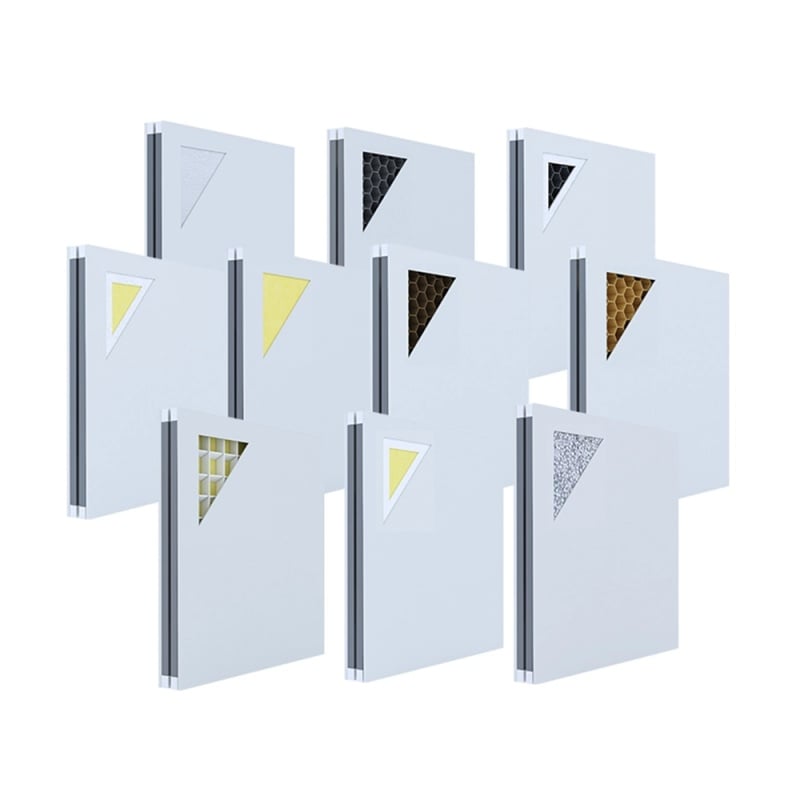
Handmade panels: These can be considered "universal sandwich panels." Besides ordinary rock wool, they can be filled with aluminum honeycomb, paper honeycomb, magnesium oxide mesh, and even magnesium oxide rock wool composites. Aluminum honeycomb handmade panels, in particular, possess extremely light weight and extremely high strength, which is impossible to achieve with machine processing.
While the fire resistance rating of both depends primarily on the core material, the structure determines the upper limit.
Machine-made panels: Generally meet fire resistance standards, but in extreme fire conditions, due to the lack of structural support, they are more prone to collapse.
Handmade Panels: The galvanized edge banding not only prevents the core material from being exposed, enhancing fire resistance and sealing, but also allows the keel structure to maintain its structural integrity for longer during a fire.
Machine-Made Panels: Fully automated production, extremely efficient, low labor costs, therefore inexpensive, suitable for large-area factory projects with limited budgets.
Handmade Panels: Low production efficiency, complex processes, high labor costs, therefore more expensive (usually 20%-40% more expensive than machine-made panels), but worth the price.
| Comparison Dimensions | Machine-made | Hand-made |
| Production Method | Continuous automated production line | Manual installation + machine pressing |
| Internal Structure | No keel, relies on glue bonding | Galvanized steel frame on all four sides |
| Panel Width | Standard 950mm / 1150mm | 980mm / 1180mm (customizable) |
| Strength & Hardness | Generally, long boards are prone to deformation | Extremely high strength and excellent load-bearing capacity |
| Core Material Compatibility | Base materials include rock wool and foam | Full coverage of aluminum honeycomb, glass magnesium oxide, paper honeycomb, etc |
| Installation Method | Tip-and-groove joint | Tongue and groove or H-joint aluminum connection (better sealing) |
| Price & Cost | Economical and practical | higher |
| Applicable Scenarios | Suitable for general electronics factories and food processing workshops | High-end pharmaceutical manufacturing, operating rooms, and biological laboratories |
✅ Mechanism Cleanroom Panels Advantages:
⚠️ Mechanism Cleanroom Panels Disadvantages:
✅ Handmade Cleanroom Panels Advantages:
⚠️ Manual Cleanroom Panels Disadvantages:
Ultimately, the choice of panel type depends on your application scenario and budget.
If your project is: a general electronics factory, logistics warehouse partition, or a workshop with low cleanliness requirements (such as Class 100,000 or Class 300,000), and your budget is tight.
Recommended choice: Machine-made cleanroom panels. They offer the best cost-performance ratio.
If your project involves: a biopharmaceutical workshop (GMP certified)[1], a hospital operating room, a high-precision instrument room, or a Class 1000 or Class 100 cleanroom, and requires personnel to walk on the ceiling for maintenance,
we strongly recommend: hand-made cleanroom panels. According to Glostar's past 10+ years of manufacturing experience, over 80% of our pharmaceutical clients choose manual panels because they easily pass GMP inspections.
1. Can manual cleanroom panels be used for suspended ceilings?
Absolutely, and highly recommended. Because hand-made panels have an internal keel, they are extremely strong. With a proper hanging system, they can fully meet the load-bearing requirements for maintenance personnel walking on the ceiling.
2. How to distinguish between machine-made and hand-made panels by appearance?
The simplest way is to look at the edges of the panels. Machine-made panels usually have directly exposed cuts or simple interlocking joints on both sides; while hand-made panels usually have a smooth metal edging (galvanized keel) around the edges, looking like a closed box.
3. Which type of panel has better fire resistance?
Theoretically, the fire resistance rating is the same if the core material is the same (e.g., both are rock wool). However, hand-made panels, due to their better edge sealing, can better block heat flow in actual fires and have stronger structural stability.
4. What are the characteristics of aluminum honeycomb manual cleanroom panels?
Aluminum honeycomb core material is exclusive to hand-made panels. It is also one of the most high-end configurations in cleanroom panels currently available, featuring Class A fire resistance, moisture and rust resistance, lightweight yet extremely high strength (aerospace-grade material structure), and is commonly used in electronic chip factories with extremely high environmental requirements.
Note:
[1]:https://en.wikipedia.org/wiki/Good_manufacturing_practice
 Hot News
2026-09-09
2026-08-14
2026-08-11
2026-08-06
2026-07-30
2026-07-20

We believe that by upholding quality and embracing innovation, we can drive transformative changes in architecture and build a sustainable future for the construction industry.
No. 377, Gaoqi Road, High-tech Zone, Binzhou City, Shandong Province, China
Copyright © Shandong Apex Metal Products Co., Ltd. All Rights Reserved (Under the Glostar New Materials Group) Privacy Policy Blog
 EN
EN