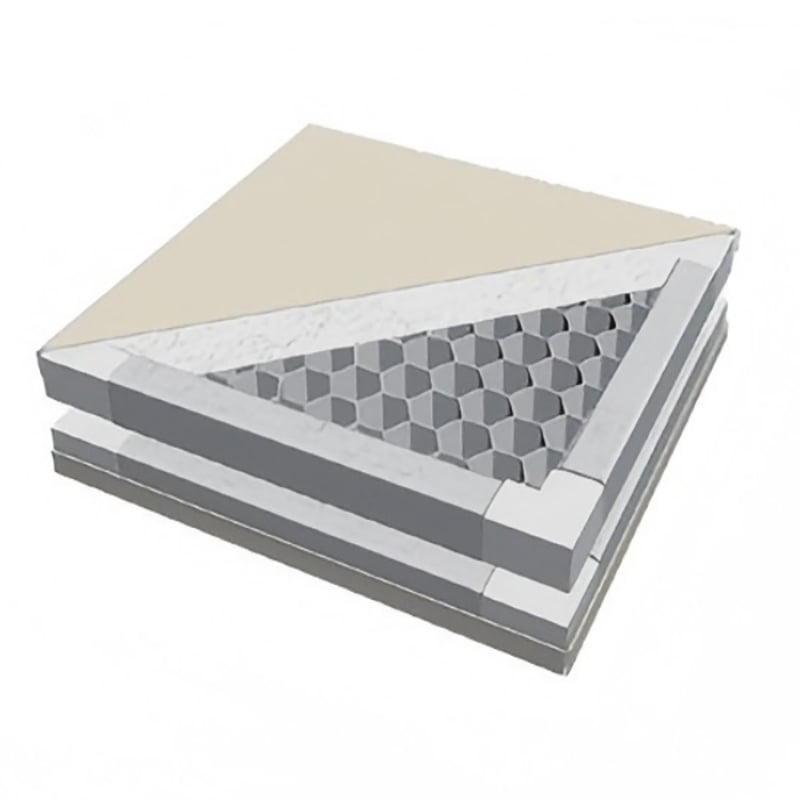
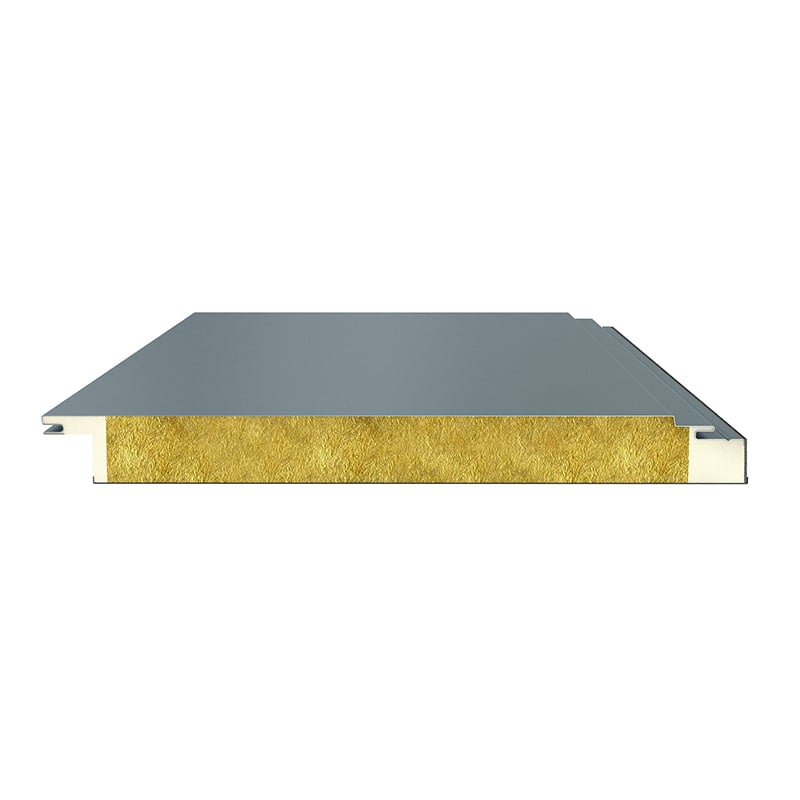
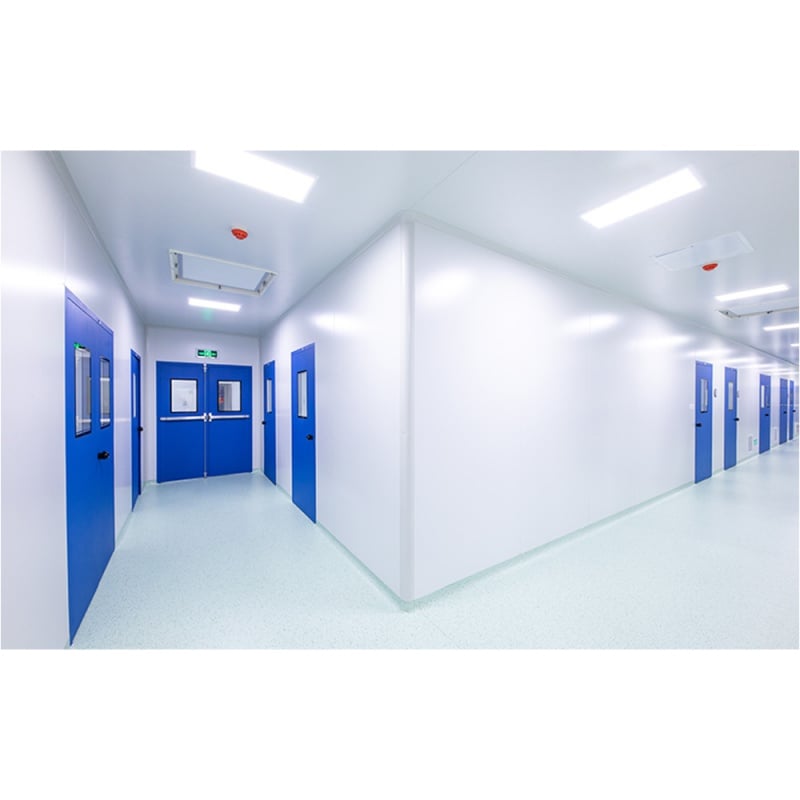
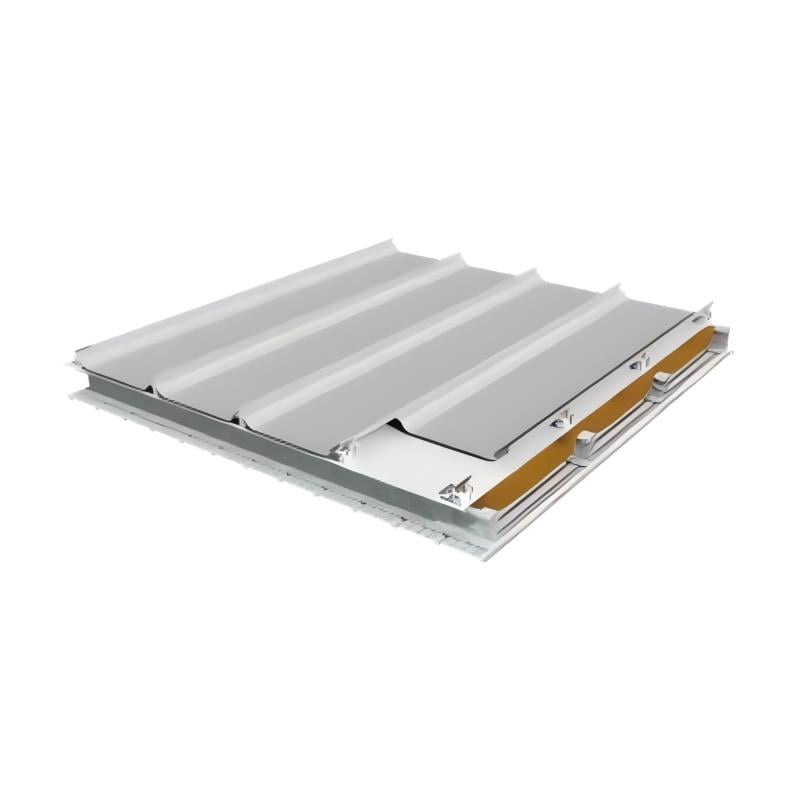
In controlled environment construction, Manual Cleanroom Panels are the gold standard for their superior strength, fire resistance, and flush surfaces. However, these premium materials are sensitive. Because these panels typically feature a galvanized steel frame around the edges and have extremely high requirements for scratch resistance and airtightness, improper storage or installation can lead to panel warping, surface scratches, and reduced airtightness. To help you minimize material waste and ensure your project passes inspection, please pay special attention to the following seven details during storage and installation:
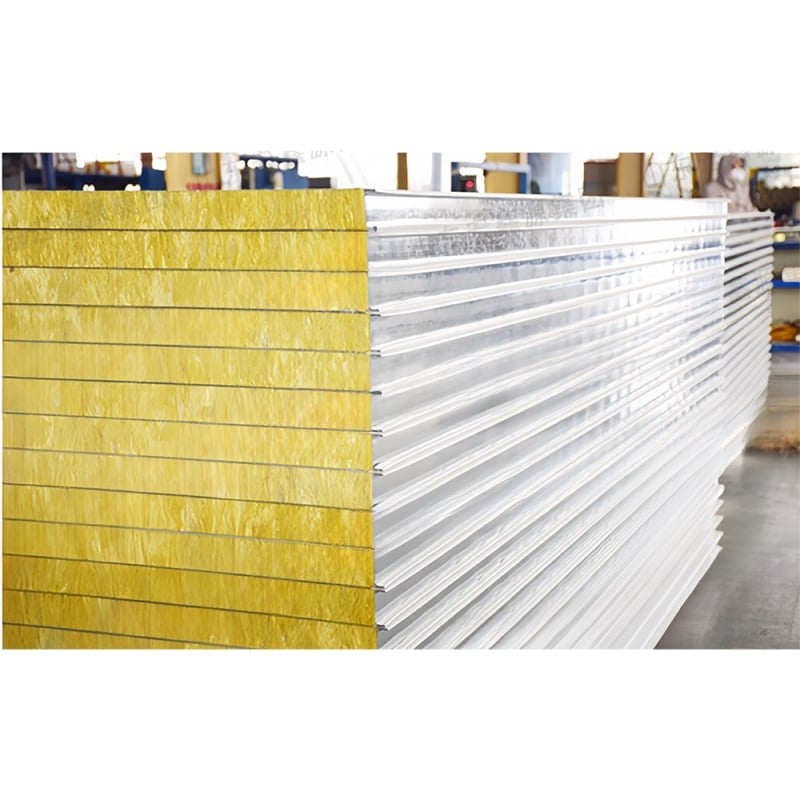
The core materials (such as Rockwool or Magnesium Oxide) and the surface coating of handmade panels require specific environmental conditions.
Indoor is Best: Always store panels in a dry, well-ventilated indoor area. The ground must be solid and perfectly level.
Outdoor Protection: If outdoor storage is unavoidable, never place panels directly on the ground. Use sleepers or pallets (raised at least 10cm) to prevent rising dampness and cover them securely with waterproof tarpaulins to protect against rain and wind.
Weight Distribution: Stack panels by specification and model. Never place heavy objects on top of the stack, as this can cause the bottom panels to buckle or the metal face to delaminate from the core.
Avoid Direct Sunlight: Prolonged exposure to UV rays causes the protective film to age and become brittle. This leaves a sticky glue residue on the panel surface that is extremely difficult to remove.
Time Limit: We recommend installing panels within 3 months of production to ensure the film peels off cleanly.
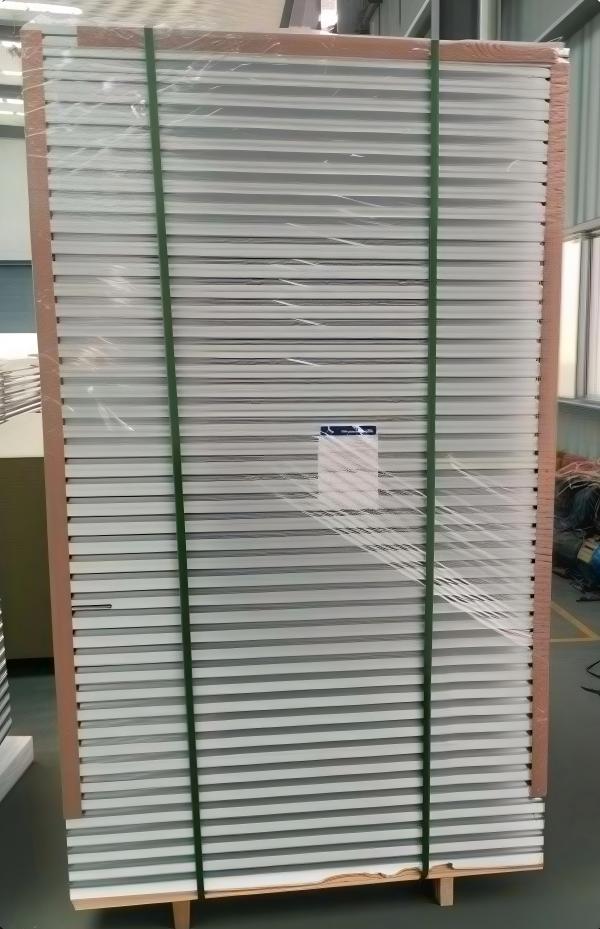
Forklift Safety: When using a forklift, unload onto a solid, flat surface. Use soft pads or cardboard between the forks and the panel to prevent scratching.
Manual Handling: Installers must wear protective gloves.
Crucial Tip: Always carry panels vertically on their edge (like carrying a sheet of glass). Never carry them flat by holding the two ends, as the panels will bow in the middle, causing permanent deformation or core separation.
Tools: Prepare laser levels, electric drills, screwdrivers, suction cups, and neutral sealant.
Cleanliness: Before installation begins, clean the installation area thoroughly. Unpack panels in a clean environment and place them on moisture-proof membranes to avoid contamination.
Laser Leveling: Install the aluminum floor channels (U-track) or angles based on precise laser lines.
Drilling: Secure the channels to the floor/wall using expansion screws.
Level Check: If the ground is uneven, use shims to level the channel. Do not force the panel into a twisted channel, as this will result in uneven gaps later.
Peel the Edges: Before inserting the panel into the profile, peel back the protective film about 5cm from the edges. Do not install with the full film tucked into the frame, or you will be left with ragged plastic edges that trap dust.
Tight Fit: Insert the handmade panel into the aluminum corner/channel. Ensure it sits flush against the wall or the adjacent panel with no unintended gaps.
Fastening: When using screws, control the torque. Too tight, and you will dent the panel surface; too loose, and the structure will be unstable.
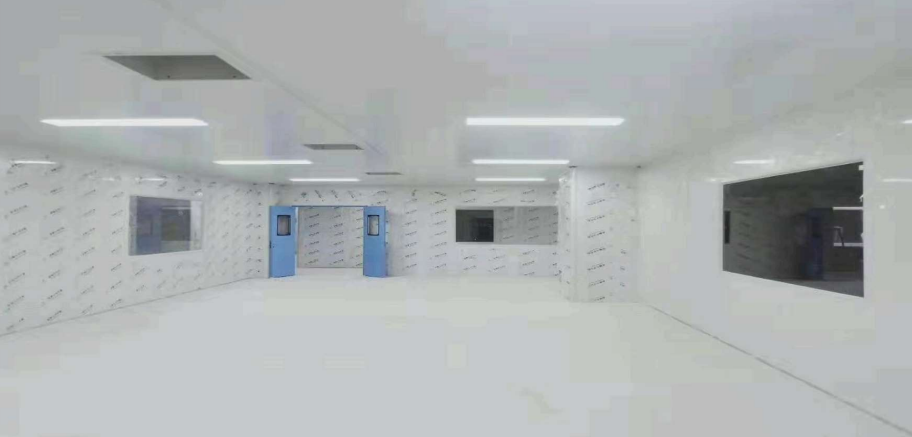
Airtight Sealing: This is critical for cleanroom performance. All joints between panels, windows, and doors must be sealed.
Select the Right Sealant: Use Neutral Silicone Sealant. Never use acidic sealant, as it will corrode the metal surface of the panels.
Aesthetics: Apply masking tape along the seams before caulking to ensure a straight, clean line. Remove the tape immediately after smoothing the sealant.
Final Check: Inspect the flatness of the walls, the tightness of the joints, and ensure the surface is free of dust, scratches, or dents.
The installation of handmade cleanroom panels requires a balance of heavy lifting and delicate precision. By following these storage and installation protocols, you ensure the safety of your team and the longevity of your cleanroom facility.
Looking for premium manual cleanroom panels or technical installation support?
Contact Glostar today. We provide high-quality enclosure solutions for pharmaceutical, electronic, and food industry cleanrooms.

 Hot News
2026-09-09
2026-08-14
2026-08-11
2026-08-06
2026-07-30
2026-07-20

We believe that by upholding quality and embracing innovation, we can drive transformative changes in architecture and build a sustainable future for the construction industry.
No. 377, Gaoqi Road, High-tech Zone, Binzhou City, Shandong Province, China
Copyright © Shandong Apex Metal Products Co., Ltd. All Rights Reserved (Under the Glostar New Materials Group) Privacy Policy Blog
 EN
EN