In 2026—a year marked by the booming growth of industries such as semiconductors, food processing, biopharmaceuticals, and precision manufacturing—market demand for cleanrooms has experienced explosive growth [1][2]. However, the inherent conflict between the "fast pace" of industrial upgrading and the "slow cycle" of traditional cleanroom engineering is intensifying.
As "parallel prefabrication" and "intelligent control" emerge as the dominant trends in cleanroom construction in 2026 [3][4], modular cleanrooms are gradually displacing the traditional "on-site assembly" model [2][3]. This article provides an in-depth analysis of the core trends and technological pathways shaping modular cleanroom construction in 2026.
In today’s industrial landscape, high-tech manufacturing companies and pharmaceutical giants are facing unprecedented engineering challenges:
From a technical perspective, cleanroom engineering faces a series of challenges involving “extreme performance metrics”:
Sub-millimeter airtight joints and extreme pressure differential control: When assembling modular wall panels and ceiling systems, how can hundreds or even thousands of joints be ensured to achieve absolute airtightness at the sub-millimeter level [3]? Under dynamic operational loads, even the slightest gap can lead to pressure differential imbalances, thereby causing cross-contamination.
Surface materials must balance “dual resistance”: Cleanroom wall panels must withstand repeated, high-frequency disinfection with highly corrosive agents such as VHP (vaporized hydrogen peroxide), while also possessing excellent anti-static (ESD) properties and zero-dust generation capabilities [3]. Additionally, they must maintain “zero deflection” structural rigidity under high pressure differentials.
High-Density Integration of HVAC and Electrical Systems: The space within ceilings and walls is extremely limited for components such as fan filter units (FFUs), return air ducts, lighting, low-voltage sensors, and fire protection piping. How can high-density, gap-free routing of these systems be achieved without compromising the integrity of the cleanroom?
To address the aforementioned industry pain points and engineering challenges, the 2026 Modular Cleanroom offers a systematic solution based on a new paradigm of “manufacturing instead of construction”:
The “Parallel Prefabrication” model: Bringing the cleanroom “into the factory” [5]. While foundation and civil engineering work proceeds at the project site, the cleanroom’s wall panels, ceilings, doors, windows, and piping are simultaneously standardized, prefabricated, and assembled into modules at the manufacturing plant [3]. On-site assembly is as simple as “building with LEGO blocks,” resulting in a 30%–50% reduction in the overall delivery cycle and a 40% decrease in on-site labor requirements [3][5].
Modular Adaptable Design (Plug-and-Play): The system employs a 100% reconfigurable modular structure [2][3]. When production lines require adjustments or expansion, there is no need for a complete shutdown or demolition; instead, “plug-and-play” non-destructive modifications and expansions can be performed on wall panels and ceiling modules in specific areas, enabling upgrades with zero downtime [3].
AI and IoT-Driven Smart Adaptive Control: Integrating the latest 2026 Industry 4.0 IoT technology, the system comes pre-integrated with sensors, AI adaptive control units, and variable-frequency HVAC systems prior to shipment [1]. The AI system monitors dust particles, temperature, humidity, and pressure differentials in real time, dynamically adjusting energy consumption based on the actual load of production equipment, achieving energy savings of up to 20%-25% [1].
In response to mainstream process trends for 2026, we offer a comprehensive range of cleanroom system products:
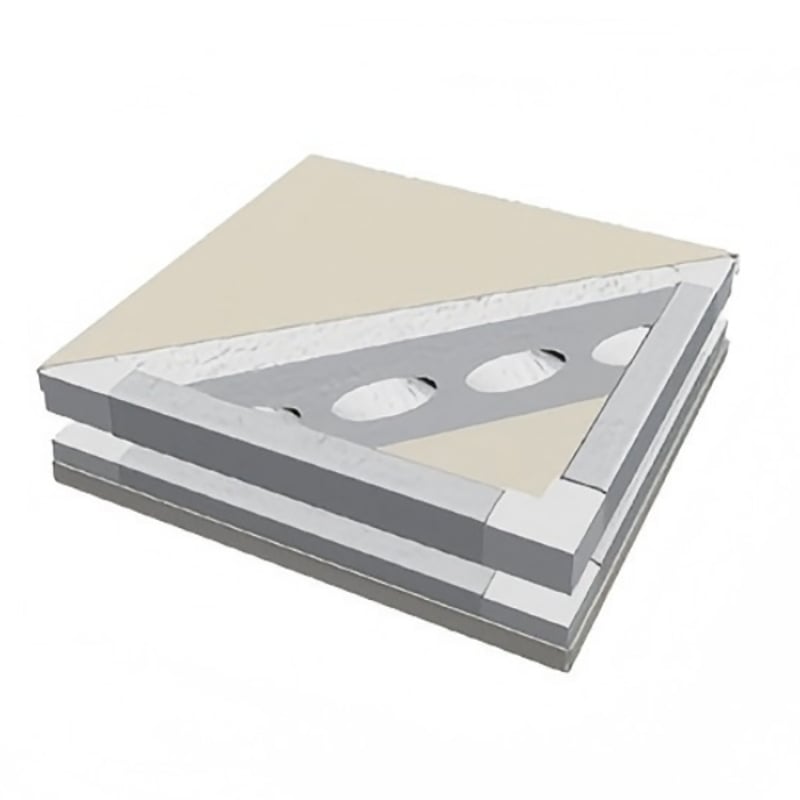
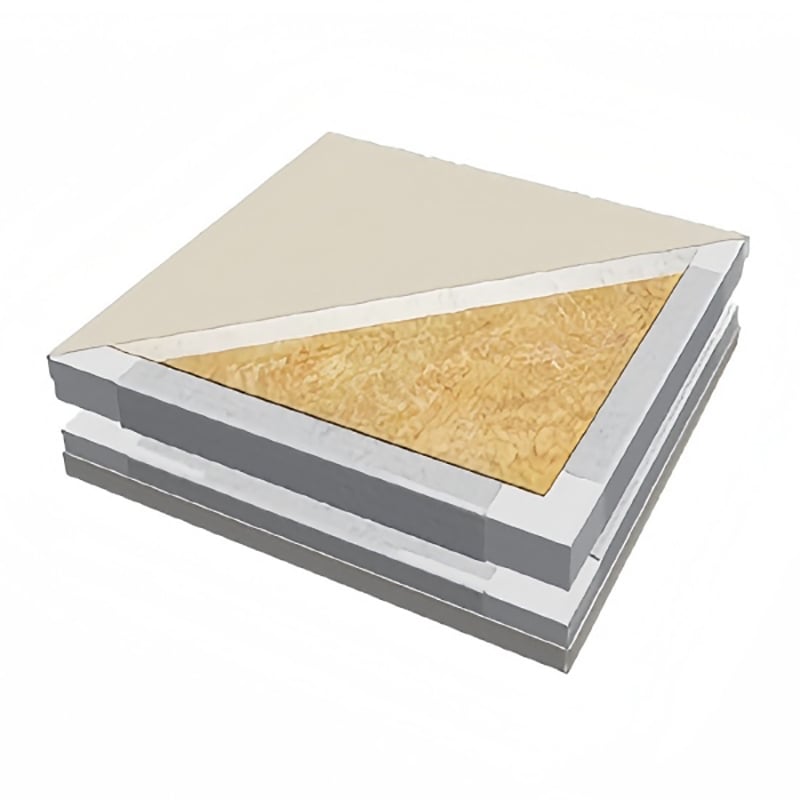
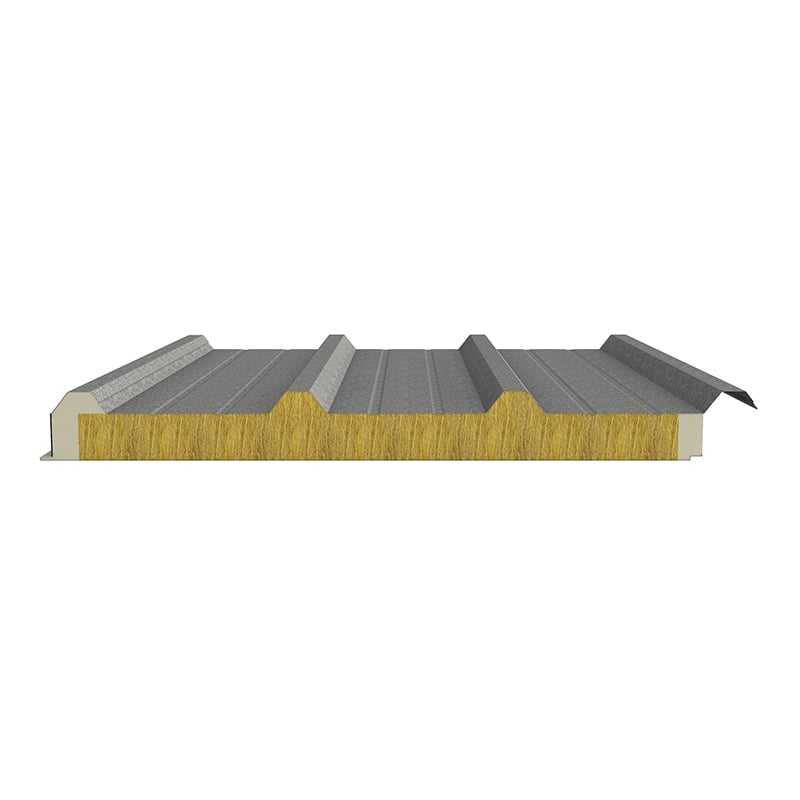
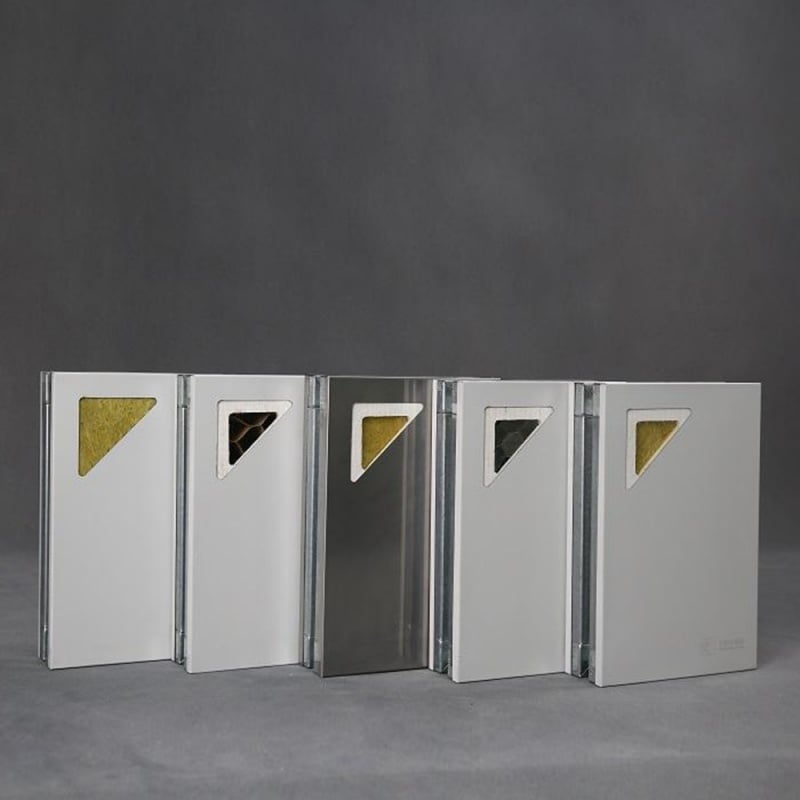
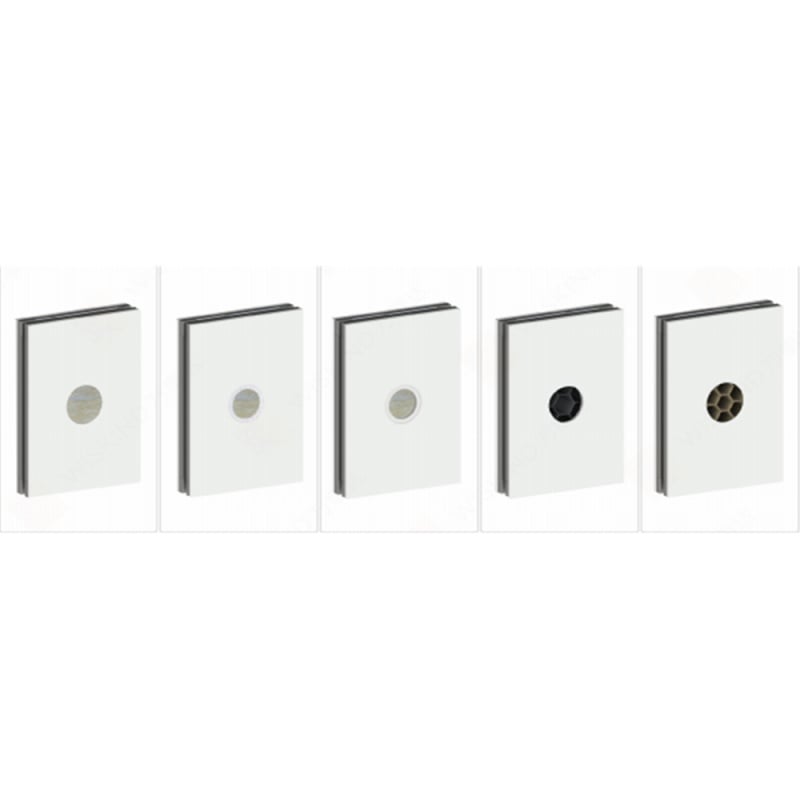
Cleanroom Wall and Ceiling Systems: Featuring magnesium oxide, aluminum honeycomb, or rock wool sandwich structures, these systems offer exceptional resistance to bending and tensile loads. Surfaces are treated with antimicrobial, corrosion-resistant, and electrostatic discharge (ESD) coatings to meet the dual stringent requirements of sterility and explosion-proof standards.
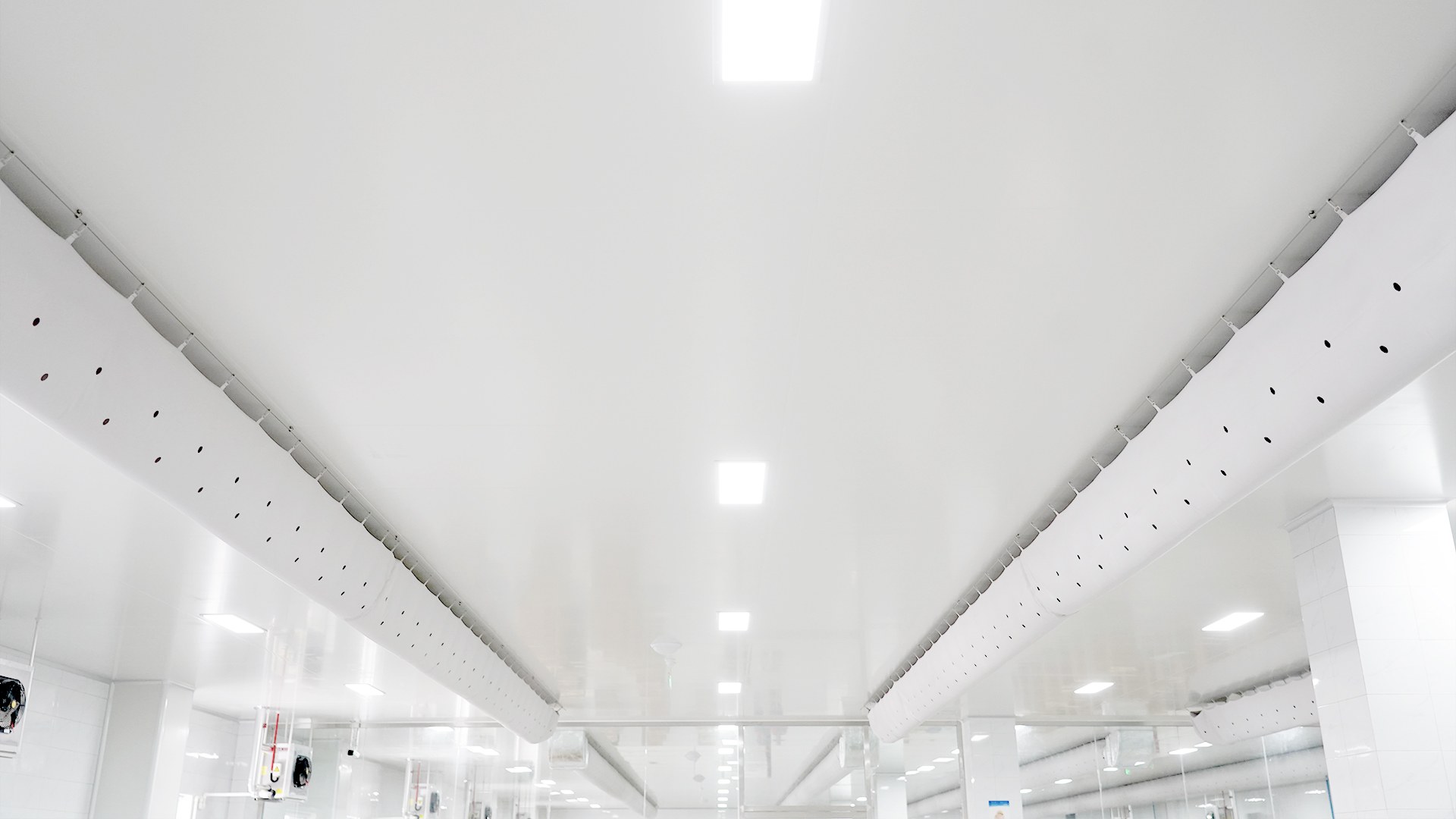
Hollow Spring-Loaded Wall & Double-Layer Ceiling Systems: Hollow spring-loaded walls enable rapid installation and disassembly and can be equipped with independent, reliable built-in return air units, featuring an aesthetically pleasing, smooth surface. The double-layer ceiling system accommodates FFU equipment installation for high-precision manufacturing industries. The structure offers high load-bearing capacity and is safe and reliable. Panel systems can be custom-sized to meet specific requirements, facilitating pre-installation assembly.
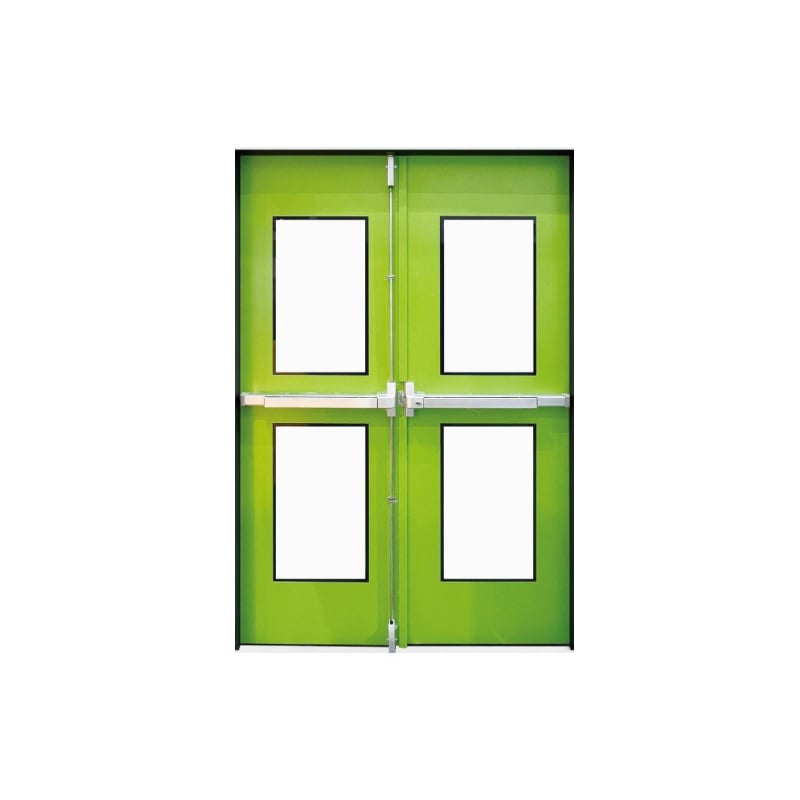
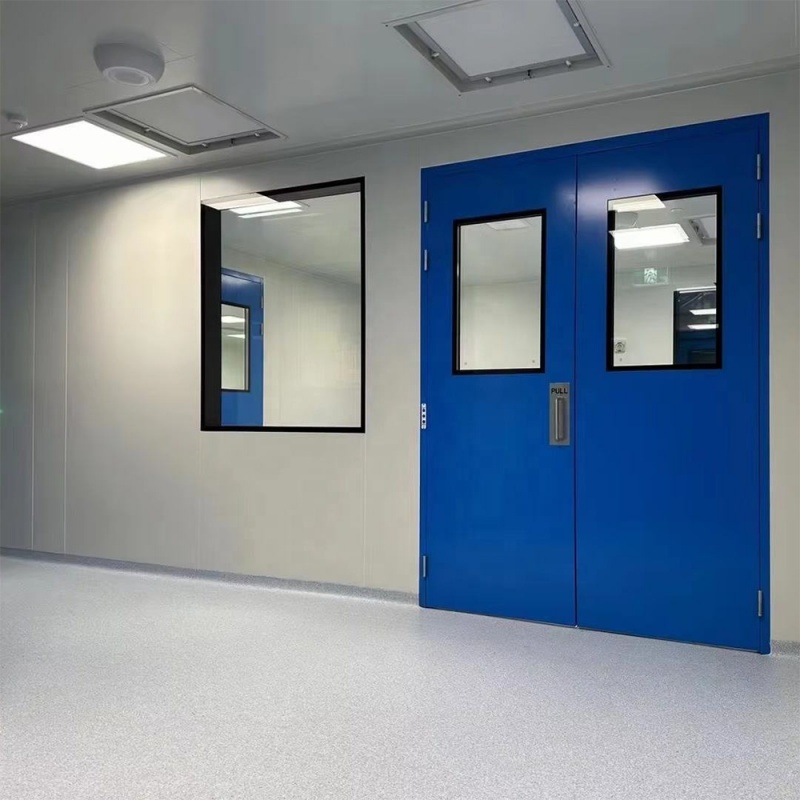
Fully Airtight, Flush-Mounted Cleanroom Doors and Windows: Doors and windows are perfectly flush with the main wall panels, with no protruding edges, eliminating particle accumulation and hygiene dead zones. Cleanroom doors are equipped with high-strength, wear-resistant sealing strips, ensuring exceptional airtightness.
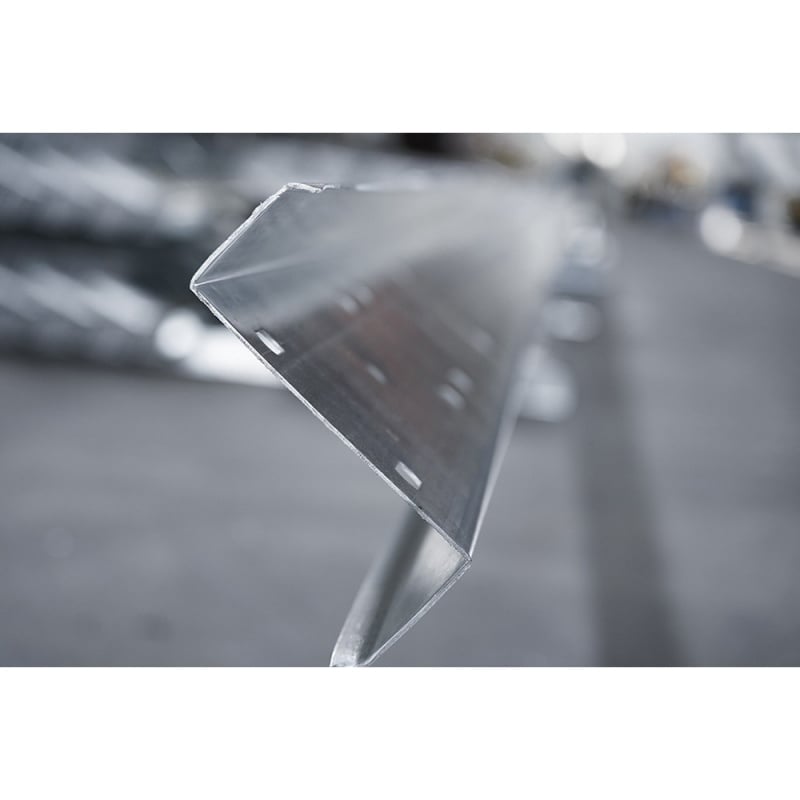
Standard Door and Window Hardware Options: Hardware includes interlocks, lever locks, door closers, and electric automatic door openers.[6]
 |
 |
 |
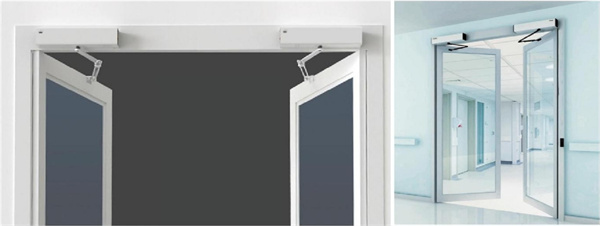 |
| Cleanroom Wall and Ceiling Systems | Hollow Spring-Loaded Wall & Double-Layer Ceiling Systems | Fully Airtight, Flush-Mounted Cleanroom Doors and Windows | Standard Door and Window Hardware Options |
Case Study 1: Qilu Pharmaceutical Cleanroom Project:https://www.cnapex.net/qilu-pharmaceutical-cleanroom-project
Case Study 2: Qingdao Goertek Electronics Workshop Project: https://www.cnapex.net/qingdao-goer-electronics-workshop-project
If you would like to learn more about these two case studies, please click the corresponding links to visit our case study page; we won’t go into further detail here.
Cleanrooms are the result of precision “smart manufacturing”:
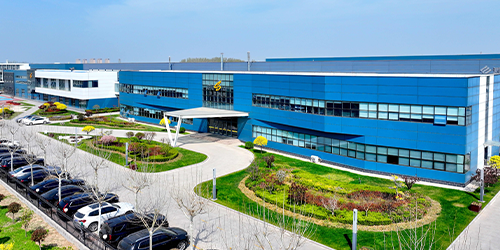
High-precision, flexible, automated continuous production lines: The factory is equipped with fully automated continuous production lines, as well as CNC ultra-high-precision punching, bending, and laser cutting equipment, ensuring that every panel shipped meets dimensional tolerances within standard specifications.
Flexible Manufacturing to Meet Project-Specific Design Needs: We have revolutionized production methods to overcome industry-wide technical challenges, achieving automated continuous production for magnesium oxide cutting and feeding, as well as rock wool conveying and cutting, alongside an innovative four-sided adhesive application method.
International Certifications and Standards Compliance: The factory is certified under the ISO 9001 and ISO 14001 management systems, and our products come with third-party test reports for anti-static and fire-resistant properties.
By 2026, controlled environments featuring high airtightness and rapid delivery capabilities will be the key to establishing competitive advantages for high-tech enterprises [2][3].
If you are planning to build a new biopharmaceutical laboratory, sterile production line, or semiconductor cleanroom [1], or need to perform a non-destructive upgrade of your existing cleanroom [3],Please contact our cleanroom engineering team immediately.
Reference:
1.researchandmarkets.com
2.insightaceanalytic.com
3.wonclean.com
4.researchandmarkets.com
5.cicconstruction.com
6.www.cnapex.net
 Hot News
2026-09-09
2026-08-14
2026-08-11
2026-08-06
2026-07-30
2026-07-20

We believe that by upholding quality and embracing innovation, we can drive transformative changes in architecture and build a sustainable future for the construction industry.
No. 377, Gaoqi Road, High-tech Zone, Binzhou City, Shandong Province, China
Copyright © Shandong Apex Metal Products Co., Ltd. All Rights Reserved (Under the Glostar New Materials Group) Privacy Policy Blog
 EN
EN