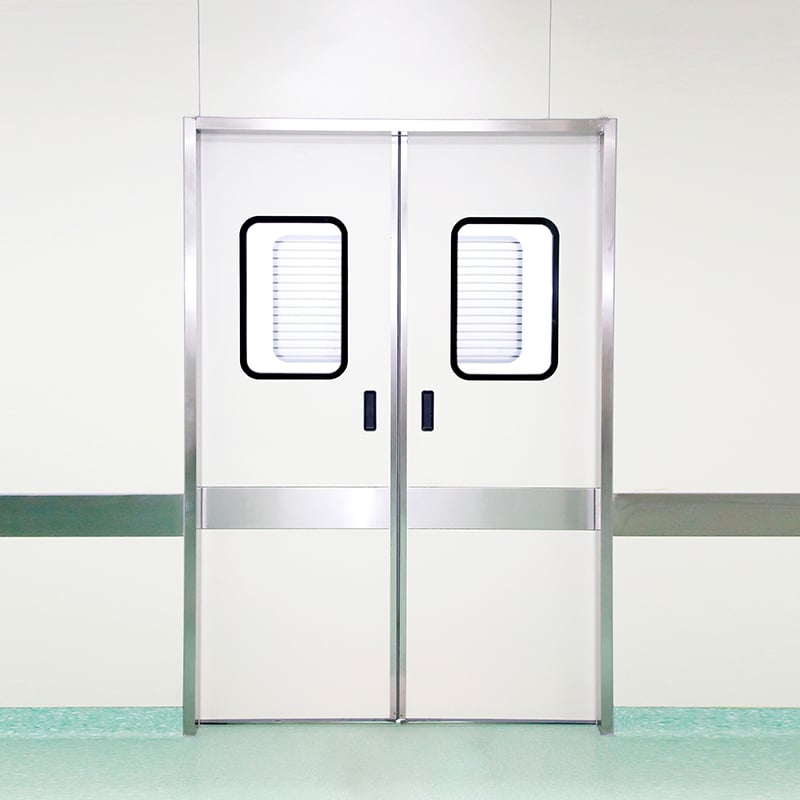
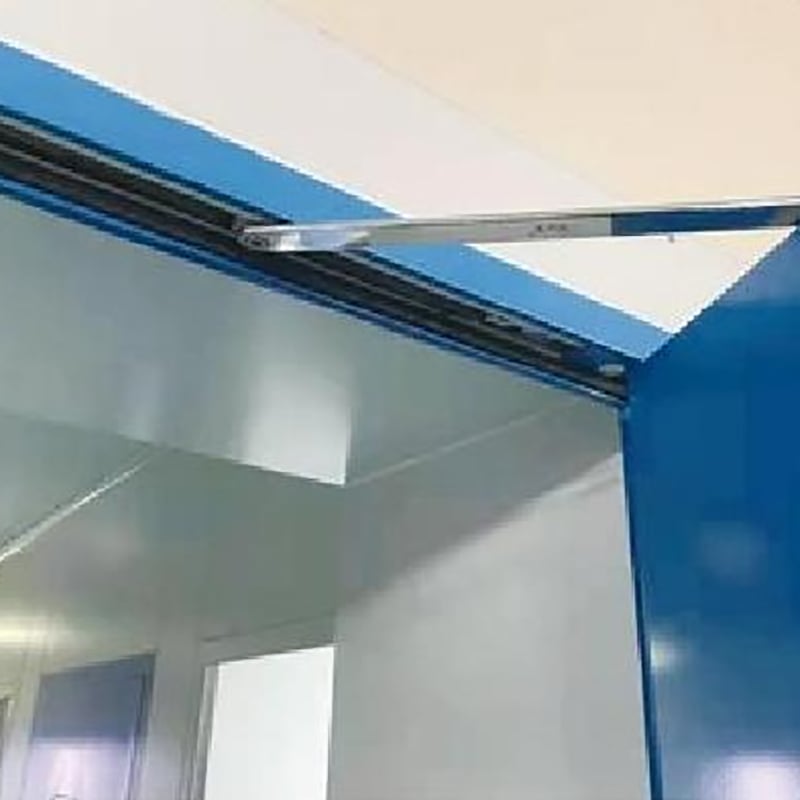
With the rapid development of industries such as pharmaceuticals, electronics, food, and biotechnology, cleanroom construction systems are evolving toward greater efficiency, lower carbon emissions, and environmental sustainability. As a key component of cleanroom construction, the core materials used in cleanroom panels are also moving toward greater environmental friendliness, energy efficiency, and sustainability. This article analyzes and discusses low-carbon core materials, recyclable design, energy-saving insulation, and future trends in cleanroom panels.
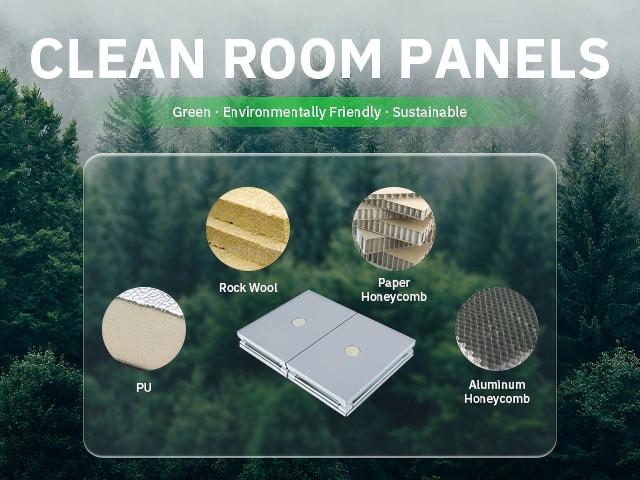
Green and eco-friendly properties have become the primary criteria for core materials used in cleanroom panels. Formulations that are low in volatile organic compounds (VOCs), formaldehyde-free, halogen-free, and non-toxic meet stringent air cleanliness requirements. Recyclable materials such as aluminum honeycomb, recycled rock wool, and modified inorganic materials reduce construction waste and carbon emissions. Therefore, buyers should prioritize materials with comprehensive environmental test reports and low-carbon certifications. As a professional manufacturer of cleanroom panels, Glostar adheres to the principles of environmental protection, energy conservation, and sustainable development. Our cleanroom panels come with relevant test reports and certifications. If you are interested in purchasing cleanroom panels, please feel free to contact us. Glostar’s mission is to build green architecture and create new living spaces. We focus on the future of technology-driven sustainable construction. Glostar’s product systems will continue to be applied in the optimal venues and spaces for future human production, work, study, and various activities, serving as a new engine for green buildings. First and foremost, we use recyclable and reusable materials—such as aluminum honeycomb panels, recycled rock wool, and modified inorganic materials—all of which can be recycled after dismantling, thereby reducing construction waste. We also have numerous project cases in the pharmaceutical, food, and electronics industries.
 Related articles:Typical Applications of Core Materials for Cleanroom Panels Across Various Industries
Energy efficiency is key to reducing the long-term operating costs of cleanrooms. Furthermore, energy conservation regulations are driving the use of materials with higher thermal resistance. High-efficiency insulation materials can reduce energy consumption of HVAC and heating systems while maintaining the same thickness. Stable thermal performance ensures no significant degradation throughout the entire lifecycle. Superior airtightness and thermal bridge prevention designs enhance the overall energy efficiency of cleanrooms. Core materials are also shifting toward PIR foam and modified PU panels, which offer the advantage of reducing energy consumption for heating and cooling while improving temperature control stability. For example, cold chain warehouses using high-thermal-resistance PU panels can achieve energy savings of approximately 15%.
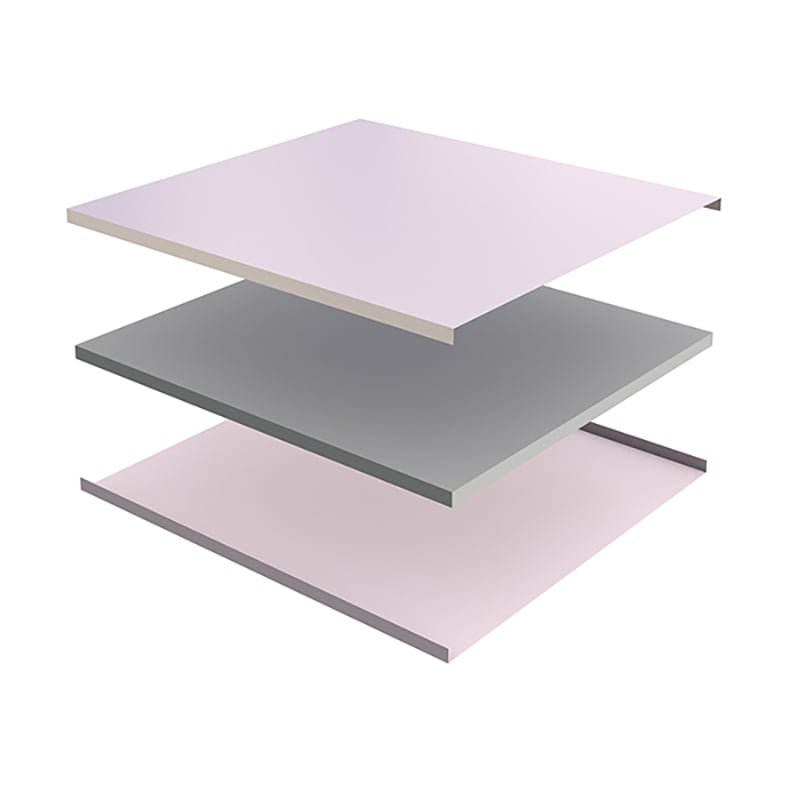
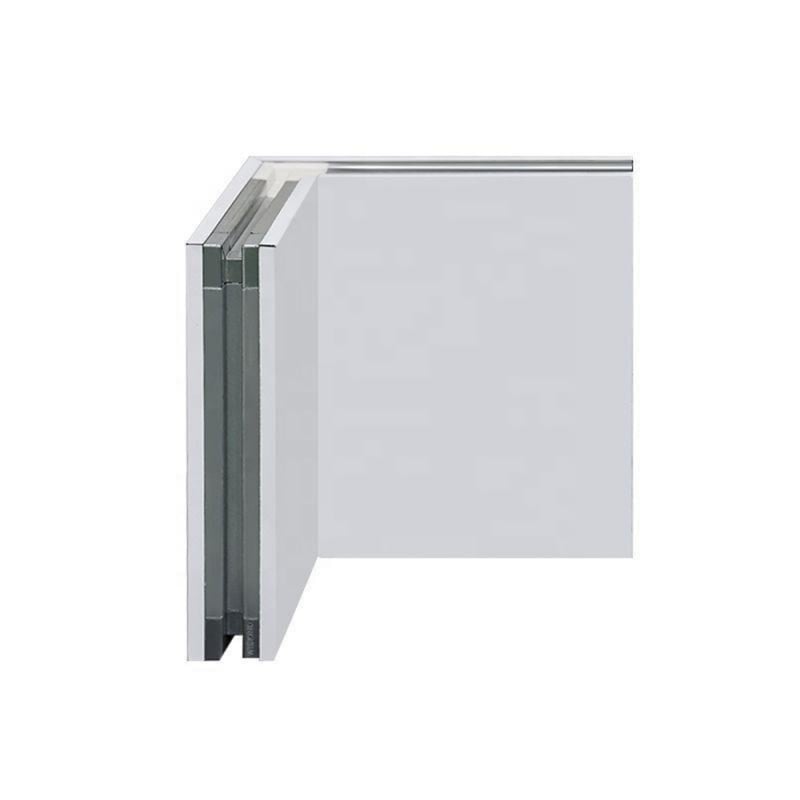
Smart and composite technologies have brought about a new level of performance enhancement. Composite core materials possess properties such as fire resistance, anti-static properties, antibacterial properties, corrosion resistance, and mechanical strength. Composite structures consist of a core material combined with a functional surface layer, capable of meeting the multiple requirements of cleanrooms for safety, cleanliness, and environmental sustainability. Modular composite structures improve installation efficiency and facilitate future maintenance. In the future, smart panels integrating antimicrobial and static-dissipative layers will become increasingly widespread.
Market demand for cost-effective materials is growing, and cost-effectiveness has become a key factor in market adoption. For example, we can select core materials such as high-efficiency honeycomb structures, lightweight mineral materials, and recyclable PU. However, you must choose the appropriate material based on requirements such as fire resistance ratings, service life, and price to meet the needs of projects of varying scales. These materials are generally suitable for projects in industries such as low- to medium-grade cleanrooms and logistics warehousing, and their long service life and low maintenance costs reduce the project’s total lifecycle cost.
As standards such as ISO and GMP continue to evolve, global and regional cleanroom standards are driving material upgrades. For instance, international standards like ISO 14644 impose stricter requirements on material fire resistance, recyclability, safety, and environmental protection. Relevant regulations in the EU, the U.S., and China have tightened restrictions on volatile organic compounds (VOCs), hazardous substances, and carbon emissions.
Green, low-carbon, and recyclable criteria are gradually being incorporated into standards and bidding requirements. This, in turn, drives innovation in our core material technologies as well as the upgrading and application of green materials.
To help purchasers and project builders quickly grasp key information, the following table summarizes the core trends, procurement focus and relevant standards of cleanroom panel core materials:
| Core Development Trends | Procurement Focus | Relevant Global Standards |
| Greening (low-carbon, non-toxic, recyclable) | Environmental test reports, low-carbon certification, non-toxic indicators | LEED, BREEAM |
| Energy Saving (high-efficiency thermal insulation) | Thermal conductivity, high-low temperature stability, air-tightness | ISO 14644, local energy-saving building norms |
| Sustainable Development (long life cycle, circular economy) | Service life, maintainability, recyclability | ESG verification standards, carbon footprint certification |
| Intelligent & Composite Integration | Multi-functional performance (fireproof, anti-static), installation efficiency | ISO 14644, industry-specific cleanroom norms |
The future development trends of core materials for cleanroom panels are moving toward environmental friendliness, energy efficiency, and sustainability. Environmental friendliness, high energy efficiency, smart composites, cost-effectiveness optimization, and compliance with global standards will be the five core directions. When selecting materials, purchasers and project builders must not only meet current cleanroom requirements but also consider future standards and sustainability, achieving a balance between safety, energy efficiency, environmental protection, and economic benefits.

As a manufacturer, Glostar upholds the mission of “Building Green Structures, Creating New Living Spaces.” In our operations, we actively assume responsibility in the areas of environment, society, and governance, and are committed to contributing to society through innovative products and services, working together to create a better life and future.
 Hot News
2026-09-09
2026-08-14
2026-08-11
2026-08-06
2026-07-30
2026-07-20

We believe that by upholding quality and embracing innovation, we can drive transformative changes in architecture and build a sustainable future for the construction industry.
No. 377, Gaoqi Road, High-tech Zone, Binzhou City, Shandong Province, China
Copyright © Shandong Apex Metal Products Co., Ltd. All Rights Reserved (Under the Glostar New Materials Group) Privacy Policy Blog
 EN
EN