When designing the building envelope for electronic semiconductor cleanrooms, engineers and project managers often face a key challenge: how to strike the perfect balance between the two stringent requirements of anti-static protection and the highest level of fire resistance? Electrostatic discharge can instantly destroy expensive chips, whilst a fire can reduce equipment and production lines worth hundreds of millions of dollars to ashes. This article provides an in-depth analysis of the selection criteria for cleanroom sandwich panels, helping you make the best decisions during project design and procurement.
1. Fire Safety: Class A Non-Combustibility is a Mandatory Standard
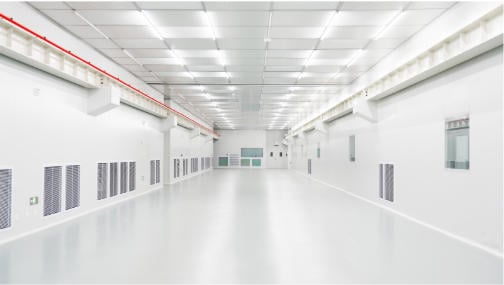
Electronic semiconductor factories typically store large quantities of flammable chemicals (such as photoresists, solvents, etc.); should a fire occur, the consequences would be catastrophic. Therefore, cleanroom panels must comply with the GB8624-2012 Class A non-combustible material standard (equivalent to the EU EN13501-1 Class A1 standard).
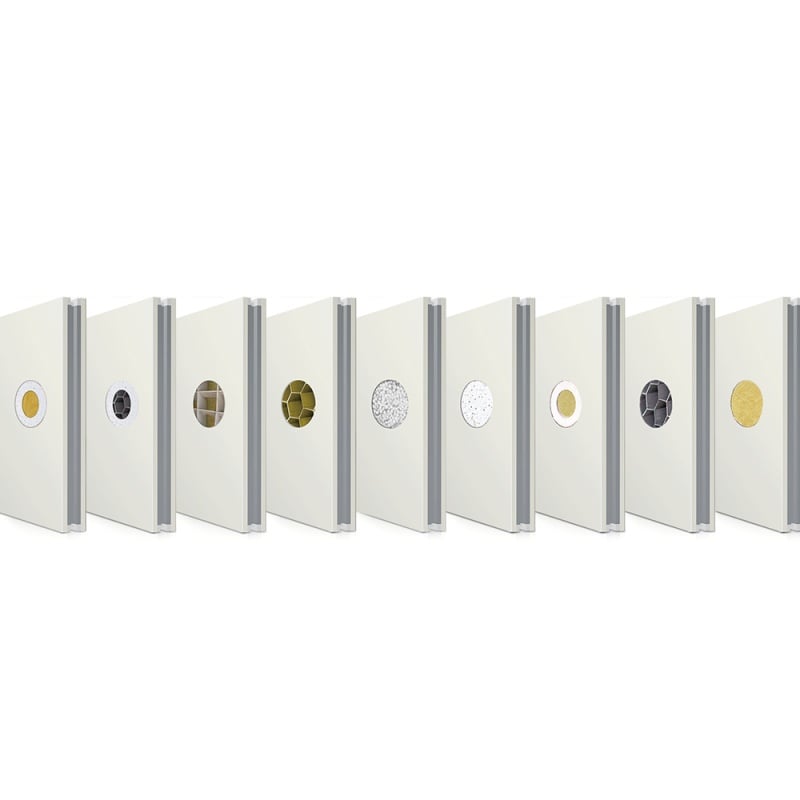
Common fire-resistant panel materials include:
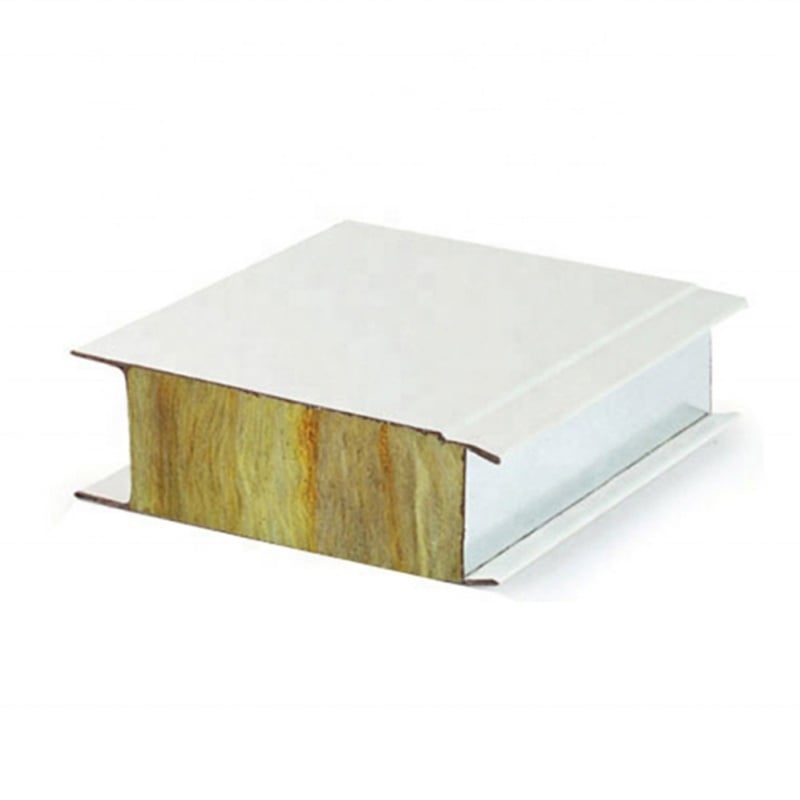
Rock Wool Panels (Class A1; fire resistance limit ≥ 2 hours)
Hollow Magnesium Oxide Panels (Class A; high-temperature resistant and non-deforming)
Magnesium Oxysulfate Panels (Class A; offering the dual advantages of moisture resistance and fire resistance)
2. Anti-Static Performance: Surface Resistance Must Be Controlled Within 10⁶–10⁹ Ω
During the semiconductor manufacturing process, the accumulation of static electricity can lead to:
Device breakdown (ESD damage)
Dust adhesion (compromising cleanroom purity)
Equipment malfunction (interference with sensitive circuits in automated machinery)
Therefore, the panel surfaces must undergo treatment—either via a conductive coating or metal grounding—to stabilize the surface resistance within the range of 10⁶–10⁹ Ω (in compliance with the IEC 61340-5-1 standard).
| Panel type | Fire resistance rating | Anti-static treatment | Suitable applications |
| Colour-coated sandwich panels | Class A2 | Galvanised steel sheet + conductive coating | Class 1,000 to Class 100,000 cleanrooms |
| Hollow Magnesium Oxide Board | Class A | Surface Finish: Anti-static Film / Spray Coating | Areas with High Humidity and Strict Fire Resistance Requirements |
| Silica board | Class A | With built-in conductive fibre layer | Class 100 to Class 10,000 cleanrooms |
| Polyurethane panels | Class B1 | Metal foil laminate + earthed | Low-temperature cleanrooms (e.g. cold stores) |
1. Anti-Static Color Steel Sandwich Panels: An Economical Anti-Static Solution
Advantages: Lightweight and easy to install; anti-static properties are achieved through the use of galvanized steel sheets combined with a conductive coating.
Limitations: If the core material is Polystyrene (EPS), the fire rating reaches only Class B1; for higher safety standards, the core material must be upgraded to rock wool or magnesium oxide.
Case Study: A wafer fabrication plant utilized conductive color steel panels (Class A2 fire rating) with a stable surface resistance of 10⁸ Ω; when paired with grounding copper strips, this effectively mitigated ESD risks.
2. Hollow Magnesium Oxide Panels: High Fire Resistance + Customizable Anti-Static Properties
Advantages: Class A fire rating (with a non-combustible core material); surface resistance can be optimized through the application of anti-static PVC laminates or nano-conductive coatings.
Applicable Scenarios: Wet etching workshops (due to resistance to acids and alkalis) and high-humidity areas. 3. Silicon Rock Board: Balancing Cleanliness and Fire Safety
Innovation Highlight: Conductive carbon fibers are incorporated into the core material, endowing the entire panel with electrostatic dissipation capabilities—eliminating the need for additional surface coatings.
Measured Data: At a storage chip manufacturing facility, the use of Silicon Rock Board for wall surfaces resulted in a 30% reduction in airborne particle deposition rates within the space.
1. Cleanliness Class Matching
Class 100 / Class 1,000: Prioritize Silicon Rock Boards or Anti-static Hollow Magnesium Oxide Boards to ensure minimal particle shedding combined with effective static control.
Class 10,000 / Class 100,000: Colored Steel Panels with conductive surface treatments can be selected as a cost-effective alternative.
2. Environmental Adaptability
High-Humidity Areas: Select Magnesium Oxysulfate Boards (moisture-resistant) or Hollow Magnesium Oxide Boards (zero water absorption).
Chemical Exposure Areas: The surface requires the application of a fluorocarbon anti-corrosion coating.
3. Installation and Maintenance Costs
Modular panels minimize seams and joints, thereby simplifying subsequent cleaning and maintenance procedures.
4. Certifications and Compliance
Verify that the panels have passed SGS fire resistance testing, RoHS environmental compliance certification, and anti-static performance testing.
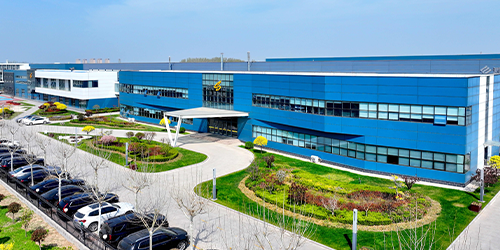
Project Background: The Qingdao Goer Electronics workshop project required the construction of a cleanroom, mandating panel materials that met both Class A fire resistance and anti-static performance standards.
Solution:
Wall Panels: Anti-static Cleanroom Panels were utilized (preventing dust adsorption and protecting sensitive electronic components).
Upper Ceiling Panels: Single-sided Magnesium Oxide Rock Wool Cleanroom Panels were selected (featuring Class A fire resistance, high-quality hydrophobic rock wool, and high-strength magnesium oxide board).
Lower Ceiling Panels: Pure Rock Wool Blind Panels were installed (providing fire resistance and thermal insulation).
Results: Following the commencement of operations, the incidence of ESD-related defects declined, and the facility successfully passed the final fire safety inspection.
Click here to view the full details of this case study.
In the construction of cleanrooms for the electronics and semiconductor industries, there is absolutely no room for compromise regarding material selection. The right cleanroom panels serve not merely as structural walls but as a protective shield for precision manufacturing processes. Therefore, the selection of panels for electronics and semiconductor cleanrooms requires finding the optimal balance between fire safety and anti-static performance. GloStar specializes in providing exceptional cleanroom enclosure system solutions to industrial and high-tech enterprises worldwide. Our anti-static cleanroom panels and magnesium-oxide rock wool panels have undergone rigorous parameter testing and can be extensively customized—including specifications for thickness, anti-static properties, and fire resistance duration—to precisely match design blueprints. For further technical inquiries, we invite you to contact our engineering team to obtain a complimentary product selection report.
 Hot News
2026-09-09
2026-08-14
2026-08-11
2026-08-06
2026-07-30
2026-07-20

We believe that by upholding quality and embracing innovation, we can drive transformative changes in architecture and build a sustainable future for the construction industry.
No. 377, Gaoqi Road, High-tech Zone, Binzhou City, Shandong Province, China
Copyright © Shandong Apex Metal Products Co., Ltd. All Rights Reserved (Under the Glostar New Materials Group) Privacy Policy Blog
 EN
EN