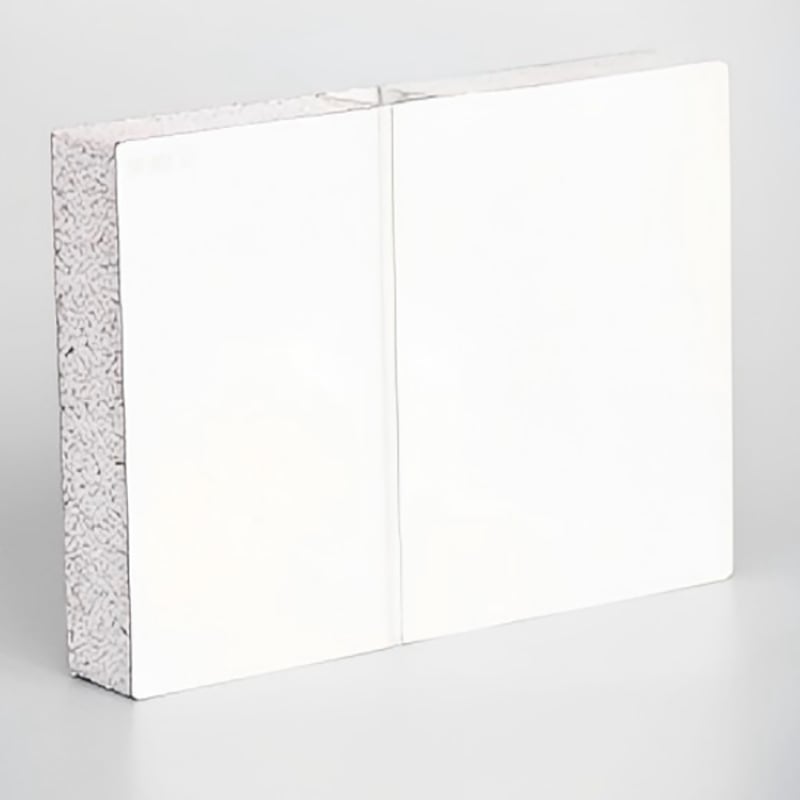
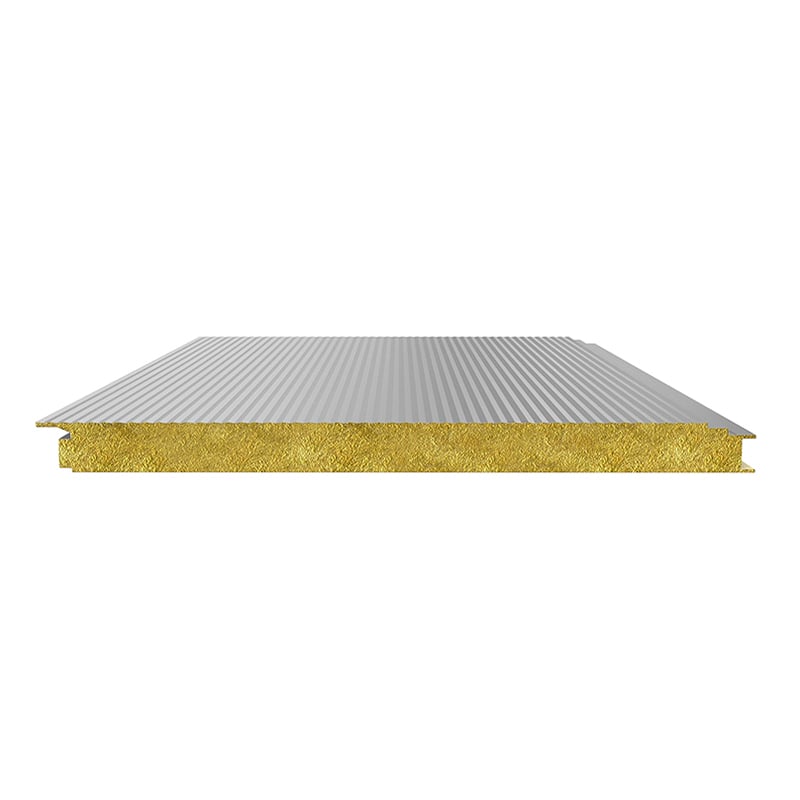
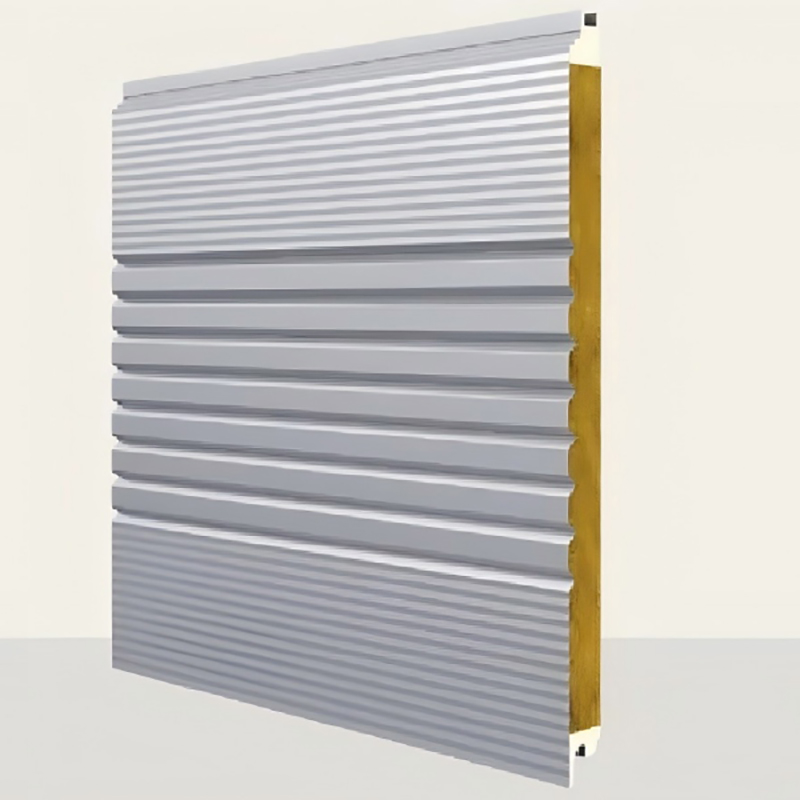
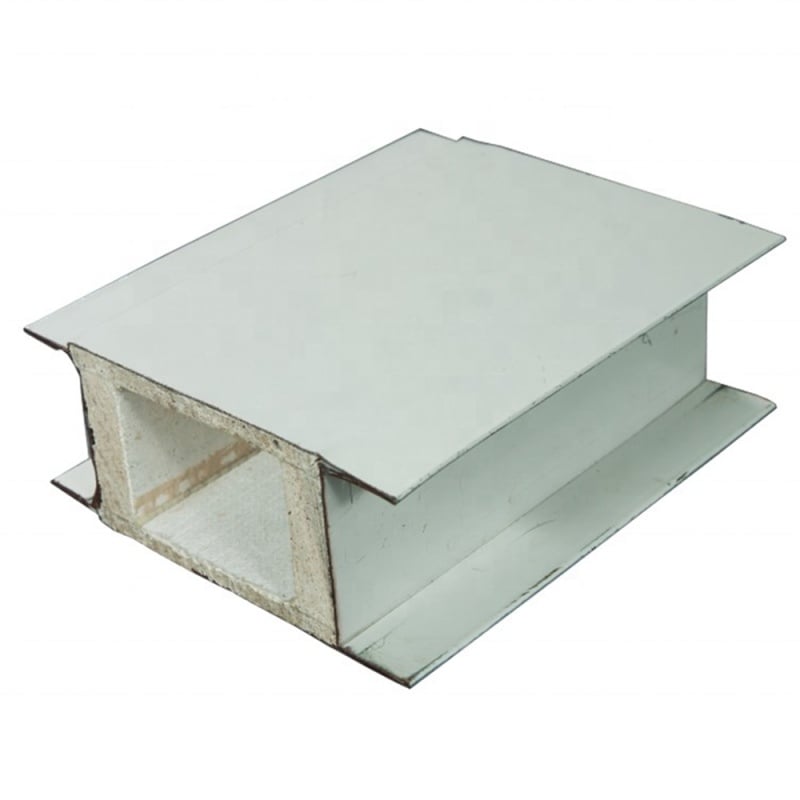
When designing and constructing cleanrooms, the choice of wall and ceiling materials is about much more than just aesthetics. It directly impacts the facility’s industry compliance, daily cleaning efficiency, and long-term operating costs.
Faced with the two most popular metal cleanroom panel options on the market—aluminum cleanroom panels and stainless steel cleanrooom panels—many procurement managers and project engineers often find themselves torn: should they prioritize the lightweight nature and cost-effectiveness of aluminum, or invest in stainless steel for ultimate corrosion resistance?
This article provides a comprehensive comparison of these two core materials and offers an in-depth analysis of their actual performance across different ISO cleanliness classes (ISO 5 to ISO 8), helping you make the optimal choice for your project.
To provide a clear overview, we have compared the core performance characteristics of these two materials. Each material has its own advantages in specific applications:
| Feature | Aluminum Cleanroom Panels | Stainless Steel Cleanroom Panels |
| Corrosion Resistance | Good (typically requires anodizing or a specialized antimicrobial coating) | Excellent (Perfectly resistant to strong disinfectants, acids, alkalis, and VHP fumigation) |
| Weight and Load | Lightweight (Fast installation, significantly reduces structural load) | Heavier (Requires stronger building support structures) |
| Hygiene Rating | High (Smooth surface, resists dust accumulation) | Highest (Non-porous surface, meets top-tier medical/sterile requirements) |
| Purchase Cost | Cost-effective (Budget-friendly) | Higher (Premium cost; considered a long-term investment) |
| Conductivity/Anti-static | Excellent (Excellent conductivity, aids in ESD control) | Average |
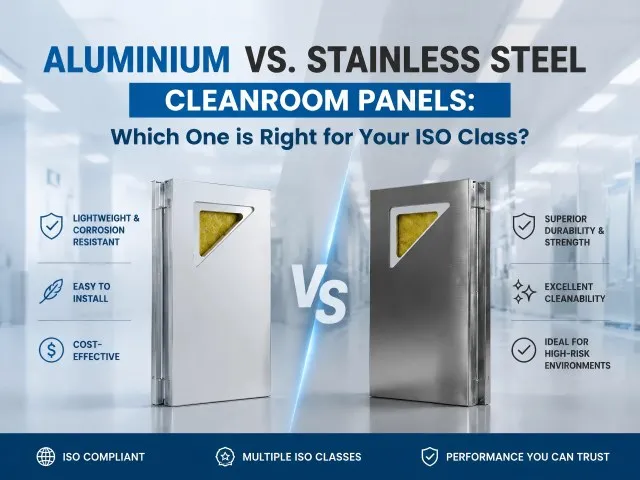
The ISO class of a cleanroom determines the environmental requirements for controlling airborne particulate matter, which directly dictates which type of paneling you should use.
Typical applications: Pharmaceutical sterile filling rooms, biosafety laboratories, and high-end semiconductor chip manufacturing.
🏆 Recommended Materials: Stainless Steel (316L/304)
Why this choice?
In the extreme environment of an ISO 5-class facility, the workshop requires extremely strict cleaning protocols, which typically involve frequent use of high-concentration disinfectants (such as hydrogen peroxide or VHP fumigation). Stainless steel sheets (especially 316L grade) offer unmatched resistance to oxidation and corrosion. Their surface is exceptionally dense and non-porous, ensuring that no microscopic particles are shed even under the most rigorous cleaning conditions, making them the absolute “gold standard” for sterile environments.
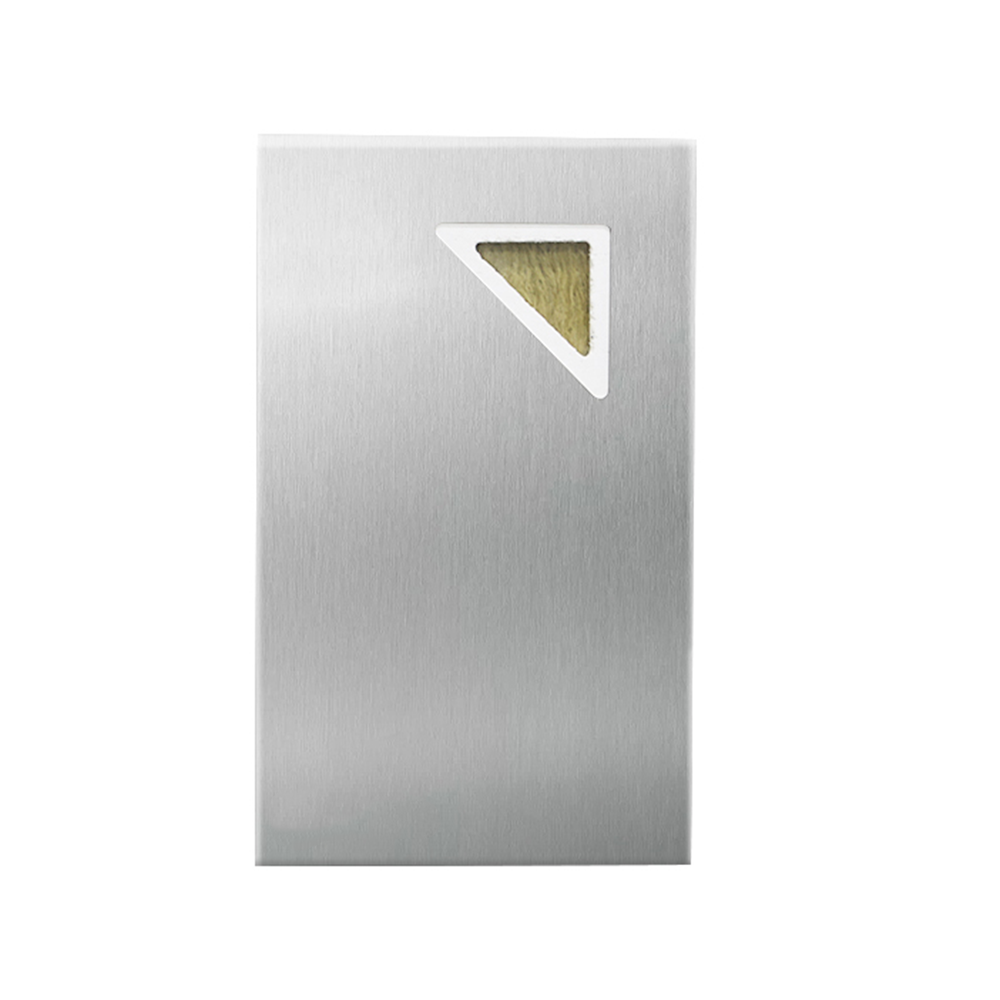
Learn more about the specifications and parameters of our Stainless Steel Cleanroom Panels.
Typical applications: Medical device assembly, food and beverage packaging, and general electronics manufacturing.
🏆 Recommended material: Aluminum Honeycomb Panels.
Why this choice?
In ISO 7 and ISO 8-grade cleanrooms, the floor area is typically large. In these cases, the lightweight nature and exceptional structural strength of aluminum panels (especially when using a honeycomb core structure) truly shine. Not only do they significantly reduce the load on building floors, but they also substantially shorten construction timelines and lower overall project costs. Additionally, aluminum’s natural anti-static properties (ESD Control) make it the perfect choice for the electronics manufacturing industry.
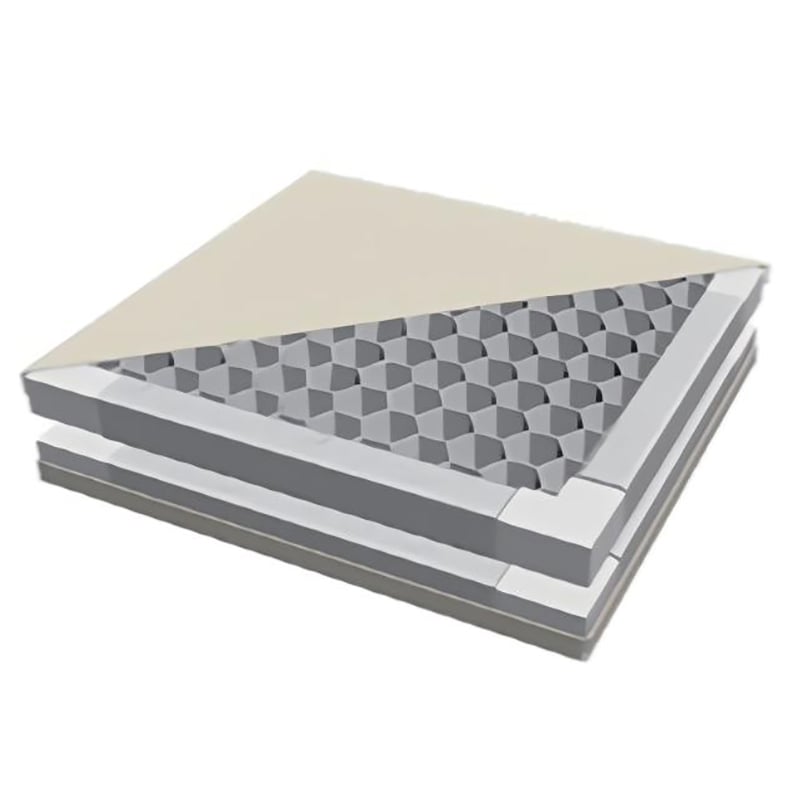
Learn more about the specifications and parameters of our Aluminum Honeycomb Cleanroom Panels.
If you are still undecided between the two options, consider the following three practical requirements to help you make your final choice:
This is the most critical deal-breaker. If your SOP (Standard Operating Procedures) involves the use of corrosive chemicals, high-concentration bleach, or frequent VHP disinfection, be sure to allocate additional budget for stainless steel panels.
If you’re renovating an existing facility or building a cleanroom on the second floor or higher, the lightweight advantage of aluminum panels can save you a significant amount in additional engineering costs for floor reinforcement and structural support.
Aluminum panels are more ductile and easier to cut, drill, and fabricate on-site. If your project is time-sensitive and requires rapid delivery and production start-up, aluminum panels offer greater flexibility.
In the world of cleanroom paneling, there is no single “best” material—only the “most suitable” choice.
For extreme sterile environments (ISO 5) that demand long-term durability and must withstand harsh chemical disinfection, stainless steel is the irreplaceable ultimate defense; whereas for general controlled environments (ISO 7-8) that prioritize construction efficiency, large-area coverage, and ESD control, aluminum panels represent the most cost-effective and smarter investment.
Choosing the right material is critical for your cleanroom’s success. Contact our engineering team today for a customized panel solution tailored to your specific ISO Class and industry requirements!
 Hot News
2026-09-09
2026-08-14
2026-08-11
2026-08-06
2026-07-30
2026-07-20

We believe that by upholding quality and embracing innovation, we can drive transformative changes in architecture and build a sustainable future for the construction industry.
No. 377, Gaoqi Road, High-tech Zone, Binzhou City, Shandong Province, China
Copyright © Shandong Apex Metal Products Co., Ltd. All Rights Reserved (Under the Glostar New Materials Group) Privacy Policy Blog
 EN
EN