If you are sourcing insulated sandwich panels for a construction or industrial project in 2026, pricing is almost certainly your first question. But sandwich panel pricing is not a single number — it is a matrix of variables that can shift your landed cost per square meter by 40% or more depending on how you specify, where you source, and how much you order.
This guide breaks down every factor that affects sandwich panel cost in 2026, provides real factory price ranges for the most common panel types, and shows you exactly how to get the most competitive pricing for your project — whether you are building a warehouse in Southeast Asia, a pharmaceutical GMP facility in the Middle East, or a cold storage plant in Europe.
| Panel Type | Core Material | Thickness | FOB Price |
| Wall Panel | EPS | 50mm | / |
| Wall Panel | PU/PIR | 50mm | / |
| Wall Panel | Rockwool | 50mm | / |
| Wall Panel | Glasswool | 50mm | / |
| Roof Panel | PU/PIR | 75mm | / |
| Roof Panel | Rockwool | 100mm | / |
| Cold Room Panel | PU/PIR | 100mm | / |
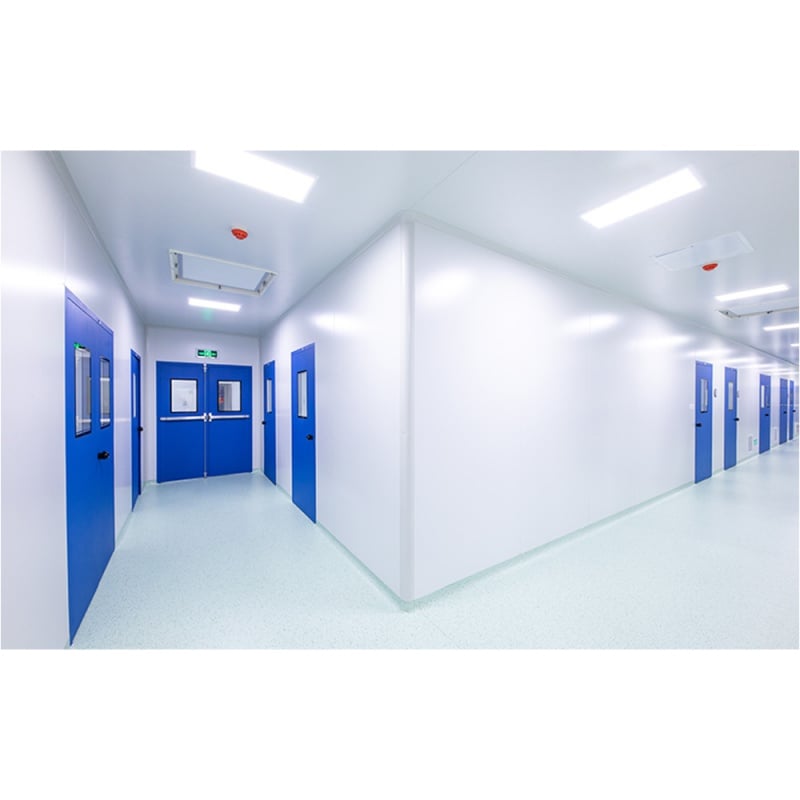
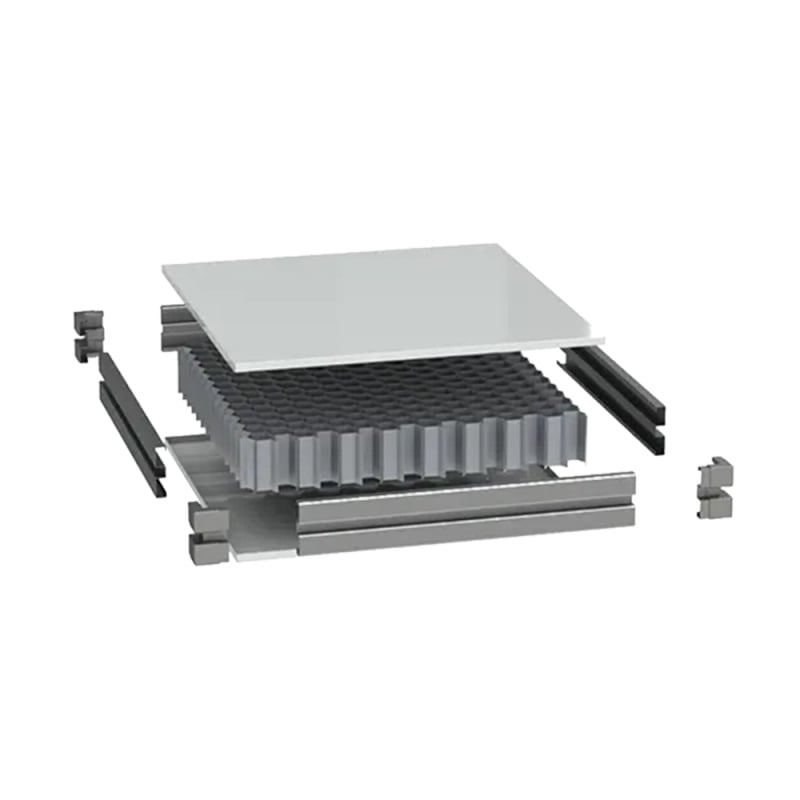
| Cleanroom Panel | PU Honeycomb | 50mm | / |
Note: If you would like to inquire about Glostar's factory FOB prices, please feel free to contact us.
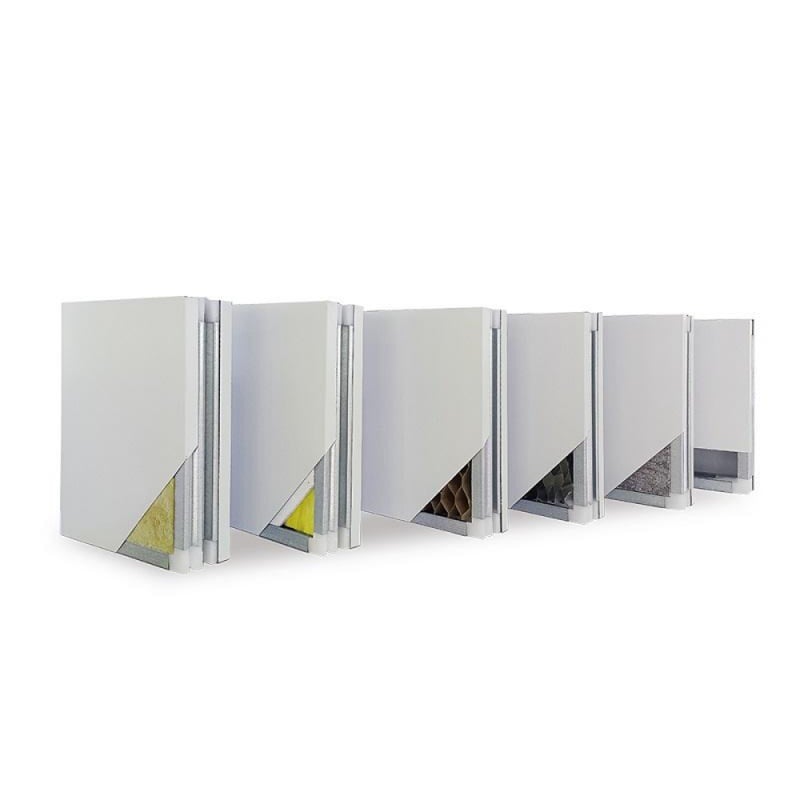
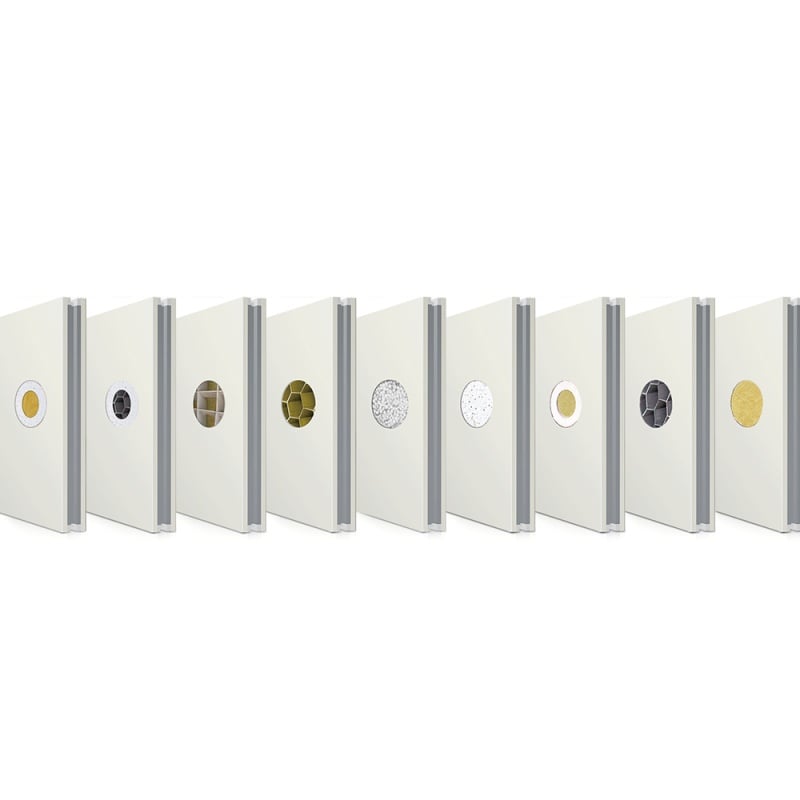
The insulation core is the single largest determinant of sandwich panel price. Different core materials offer different performance profiles, and the market prices them accordingly:
The most affordable core option. EPS panels offer adequate thermal performance for general warehousing and light industrial use but have limited fire resistance (typically Class B2). Increasingly restricted under newer building codes in Europe and the Middle East for commercial applications.
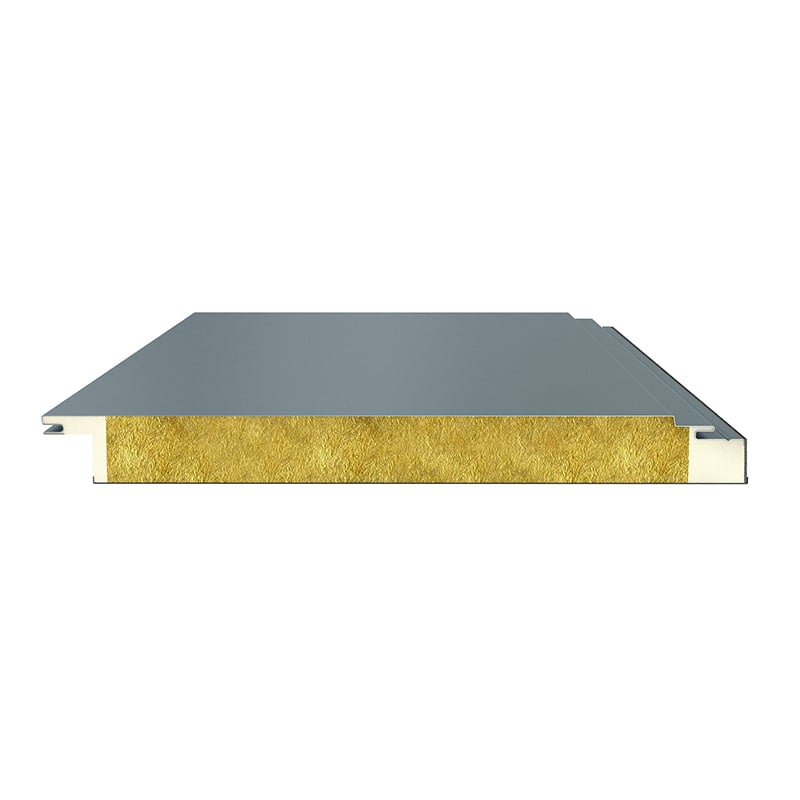
The market standard for most commercial and industrial applications. PIR offers better fire resistance than PU (Class B1 achievable) and superior thermal efficiency (λ ≈ 0.022 W/m·K vs 0.035 W/m·K for glasswool). The price premium over EPS is typically 20–35%, justified by better performance and regulatory compliance.
The premium fire-resistant option. Non-combustible (Class A), rockwool panels are mandatory in chemical plants, battery manufacturing facilities, pharmaceutical workshops, and any building where fire resistance is a regulatory requirement. Expect to pay 35–55% more than equivalent PU panels. The price has increased in 2025–2026 due to higher energy costs in mineral wool production.
Intermediate between rockwool and PU in price. Better acoustic performance than rockwool, similar fire resistance, but slightly lower thermal efficiency. Common in facilities with both fire safety and noise control requirements.
The core material decision is not just a cost decision — it is a compliance decision. Always confirm the required fire rating for your jurisdiction before specifying a core material, since switching post-specification can require resubmitting building permits.
Thicker panels require more core material and, in the case of foam cores, more chemical inputs. The price impact is roughly linear:
| Thickness Relative Cost vs. 50mm Base | |
| 50mm | Baseline |
| 75mm | +20 – 25% |
| 100mm | +40 – 50% |
| 150mm | +70 – 85% |
| 200mm | +100 – 120% |
For most temperate-climate applications, 75mm wall panels and 100mm roof panels represent the optimal balance between thermal performance and cost. Cold storage facilities and buildings in extreme climates typically require 150–200mm.
Do not over-specify thickness just because it feels safer. A 150mm PU panel does not perform twice as well as a 75mm panel in most climates — the marginal thermal benefit decreases significantly above 100mm, while cost increases are proportional.
Both the thickness of the outer steel faces and their protective coating specification significantly affect price — and this is where lower-cost suppliers often cut corners without it being immediately obvious.
Standard sandwich panels use 0.4mm to 0.6mm galvanized steel faces. Upgrading from 0.4mm to 0.5mm adds approximately 5–8% to panel cost but meaningfully improves dent resistance and panel rigidity. For roofing applications, the minimum recommended steel face is 0.5mm; for wall panels, 0.4mm is acceptable for interior use.
The coating determines corrosion resistance and lifespan, particularly in coastal, high-humidity, or chemically aggressive environments:
| Standard polyester (PE) | Baseline | Interior walls, dry environments |
| High-durability polyester (HDP) | +5 – 8% | General exterior walls |
| PVDF (Polyvinylidene Fluoride) | +15 – 25% | Coastal, high-UV, or aggressive environments |
| Plastisol +10 – 18% High humidity, food processing | +10 – 18% | High humidity, food processing |
| Stainless steel (304) | +80 – 150% | Food contact, pharmaceutical cleanrooms |
The most common buyer mistake is specifying standard polyester coating for coastal or tropical projects to save cost, then facing corrosion failure within 5 years. Factor in the full lifecycle cost, not just the upfront panel price.
The panel's surface profile (flat, micro-ribbed, deep-ribbed, or embossed) and its joint design affect both manufacturing complexity and installation labor cost:
Flat panels with concealed-fix joint systems are the most expensive to produce but deliver the cleanest aesthetic — preferred for cleanrooms, food facilities, and architectural applications.
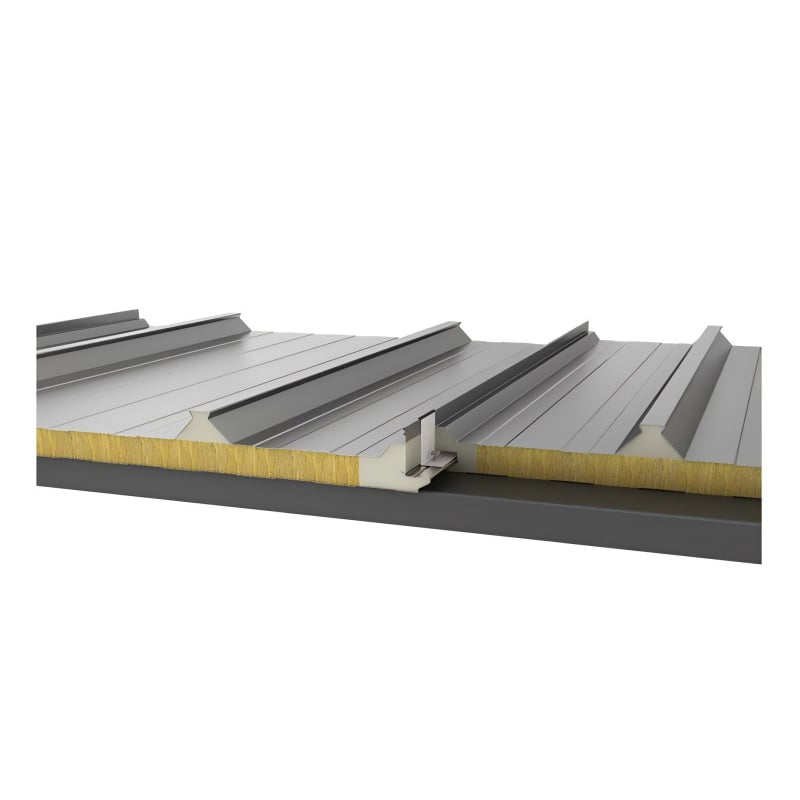
Trapezoidal roof panels with exposed fastener systems are the most cost-effective for large-span industrial roofs — the profile provides structural rigidity and drainage, reducing the required panel thickness for a given span.
Tongue-and-groove wall panels are the standard for insulated facades — the interlocking joint provides thermal continuity without cold bridging, which is critical for energy performance certification in Europe and North America.
Profile complexity typically adds 5–15% to panel cost but can reduce installation time (and labor cost) by 10–20%, so evaluate the total installed cost, not just panel supply cost.
Sandwich panel manufacturing has high fixed costs (raw material setup, production line changeovers, logistics coordination). Factories reward volume with significantly better pricing:
| Order Volume | Typical Discount vs. MOQ |
| 500 – 2,000 m² | (MOQ) Baseline |
| 2,000 – 5,000 m² | 5 – 8% |
| 5,000 – 15,000 m² | 10 – 15% |
| 15,000 m² | + 15 – 22% |
For EPC contractors managing multiple projects, framework agreements with a single manufacturer — committing to total annual volume across projects — can deliver pricing equivalent to the highest volume tier even when individual project orders are smaller.
Standard sizes and colors are priced off the shelf. Any customization adds cost:
Custom lengths: Most factories produce panels in standard lengths up to 12m. Custom lengths up to 16m are available but typically add 8–15% per panel due to special handling requirements on the production line.
Custom colors: Standard RAL colors (typically RAL 9002, 7035, 6005, 5015) are stocked. Non-standard RAL colors require minimum order quantities of the custom color and add 5–10%.
Special coatings or surfaces: Anti-bacterial coatings for pharmaceutical environments, anti-static coatings for electronics cleanrooms, or food-grade hygienic surfaces each add 10–30% to base panel price.
Custom core density: Cold storage applications often require higher-density PU foam (≥42 kg/m³ vs. standard 38 kg/m³) to prevent long-term compression. This adds approximately 8–12% to core material cost.
Where you source from fundamentally shifts your cost structure:
European manufacturers (Kingspan, Isopan, Metecno): Premium pricing — typically $35–80/m² ex-works for commercial specifications. Justified when CE documentation, local warranty support, or regulatory relationships are critical. Lead times of 8–14 weeks for large orders.
Chinese manufacturers (Glostar, Wiskind, and Duowei): Factory-direct pricing — $10–28/m² FOB for equivalent specifications with CE/ISO certification. Lead times of 35–40 days. Best for international EPC projects where cost competitiveness is the margin.
Regional distributors: Typically 20–40% above factory pricing, but offer smaller MOQs, local stock, and faster delivery. Best for urgent replacements or small projects where shipping economics don't support direct factory orders.
The landed cost calculation is critical: A $12/m² FOB China panel with $3/m² freight to your destination may be far cheaper than a $30/m² ex-works European panel with $2/m² local delivery — but only if your project volume justifies the container-load minimum.
Before sending your first inquiry to a supplier, prepare the following to get accurate, comparable pricing quickly:
Technical specification (what you need):
Project details (what drives pricing):
Sending a complete specification with the first inquiry reduces quote turnaround from 3–5 days to 24 hours and ensures the quotes you receive are comparable across suppliers.
Steel prices globally have seen moderate increases in 2025–2026 due to continued infrastructure investment in Asia and trade policy adjustments. Rockwool core prices have risen 8–12% year-on-year as energy costs for mineral fiber manufacturing remain elevated. These trends are expected to continue through H2 2026.
PU/PIR chemical feedstock prices (MDI and polyol) have stabilized after the volatility of 2022–2024, providing some relief on foam-core panel pricing. Increased Chinese manufacturing capacity has also maintained competitive pressure on global panel pricing, particularly for export-market orders.
Net outlook: Expect 3–6% overall price increases through 2026 for most panel types, with rockwool panels seeing the steepest increases. If your project timeline allows, locking in pricing with a factory order in the near term provides protection against further increases.
For standard 50mm PU wall panels with 0.5mm galvanized steel faces and standard PE coating in RAL 9002, FOB China pricing from certified factories typically ranges from $10–15/m² for orders of 2,000m² and above. The wide range reflects differences in steel quality, foam density, and factory certification level.
At that price point, something is being compromised — most likely steel face thickness (possibly 0.3mm or below), foam density (below 38 kg/m³), or the absence of legitimate fire certification. For non-critical applications like temporary structures or agriculture, the risk may be acceptable. For commercial buildings, food facilities, or any fire-regulated environment, the long-term cost of failure far exceeds the short-term saving.
Installation costs vary significantly by region and panel type. As a rough guide, expect installation labor to add $5–15/m² on top of panel supply cost in most markets. Concealed-fix wall panel systems require more skilled labor than exposed-fastener roof systems and command a higher installation rate.
For orders above 1,000m² where direct container shipping is viable, yes — typically 30–45% below equivalent European brand pricing for the same technical specification. The key is verifying the factory's certifications (ISO 9001, CE Declaration of Conformity, third-party fire test reports) and requesting a physical sample before placing a large order.
Ensure you are comparing the same specification — specifically steel face thickness, coating type, core density, and certification package. A quote that is 20% cheaper but specifies 0.4mm vs 0.5mm steel and lacks a CE fire test report is not a like-for-like comparison.
Glostar is a leading sandwich panel manufacturer with 15 automated production lines and an annual capacity exceeding 20 million square meters across manufacturing bases in Shandong and Anhui, China. We export CE-certified sandwich panels to EPC contractors and facility owners across Southeast Asia, the Middle East, Africa, and Europe.
Our export team provides:
- Itemized price quotation within 24 hours
- Full technical data sheets (TDS) and CE Declaration of Conformity
- Third-party fire test certificates
- Free physical sample shipment for orders above 5,000m²
- Dedicated project manager for EPC and large-volume orders
Related Reading:
- Top 10 Metal Insulated Sandwich Panel Manufacturers Worldwide 2026
- Top 10 Cleanroom Panel Manufacturers Worldwide 2026
- Manual cleanroom panels vs. Mechanism cleanroom panels: Which is more suitable for your cleanroom project
- Sandwich Panel Systems — Glostar Product Range
 Hot News
2026-09-09
2026-08-14
2026-08-11
2026-08-06
2026-07-30
2026-07-20

We believe that by upholding quality and embracing innovation, we can drive transformative changes in architecture and build a sustainable future for the construction industry.
No. 377, Gaoqi Road, High-tech Zone, Binzhou City, Shandong Province, China
Copyright © Shandong Apex Metal Products Co., Ltd. All Rights Reserved (Under the Glostar New Materials Group) Privacy Policy Blog
 EN
EN