There's a moment in most sandwich panel procurement processes where the buyer realizes the decision is harder than it looked. You have a stack of quotations from manufacturers whose product photos are nearly identical, whose certifications all say ISO 9001, and whose prices span a range that's difficult to explain. You need to choose one. And you know that choosing wrong doesn't show up immediately — the consequences of a poor panel specification or a low-quality production run tend to emerge during installation, during a regulatory inspection, or during year seven of a facility's operation when delamination appears in panels that were supposed to last twenty-five years.

This article is for buyers, procurement managers, and contractors who are working through that decision — whether for a first-time purchase of insulated sandwich panels or for re-evaluating an existing supplier relationship. It covers the factors that actually differentiate manufacturers at the top of the quality range from those who aren't, explains what to look for and why each factor matters, and provides specific questions and verification methods that go beyond the standard due diligence checklist.
The gap between a manufacturer's marketing materials and their actual production capability is often widest in the sandwich panel industry. Because the finished product — a flat panel with steel faces — looks similar regardless of how carefully or carelessly it was made, buyers who don't look closely at the production process have difficulty distinguishing genuine capability from its appearance.
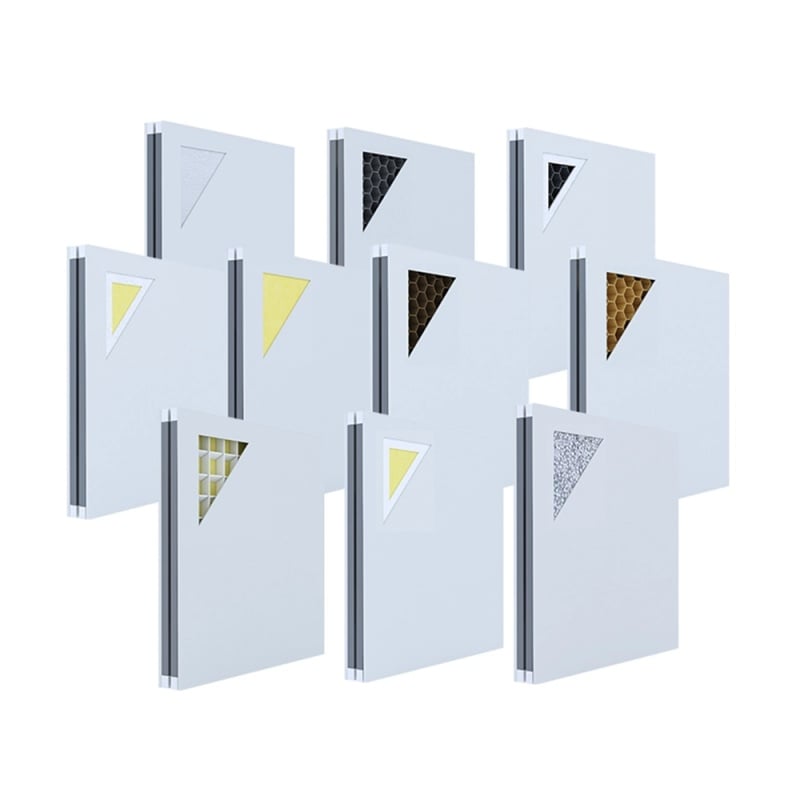
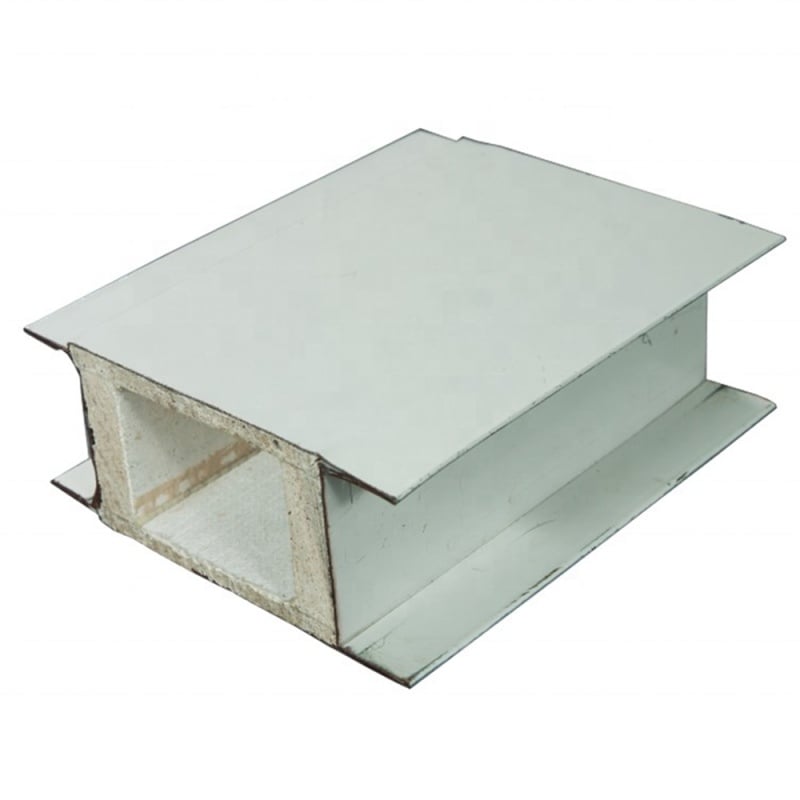
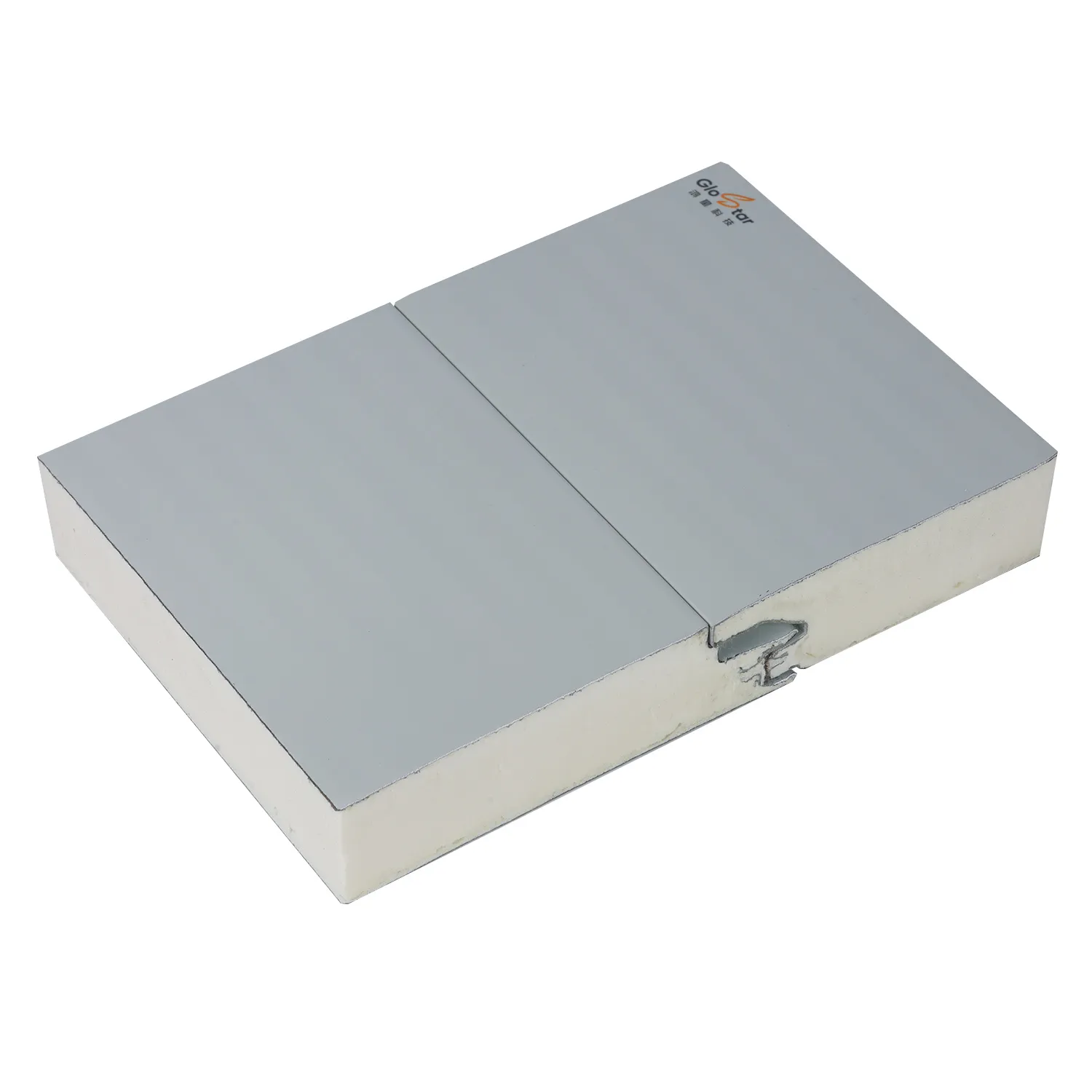
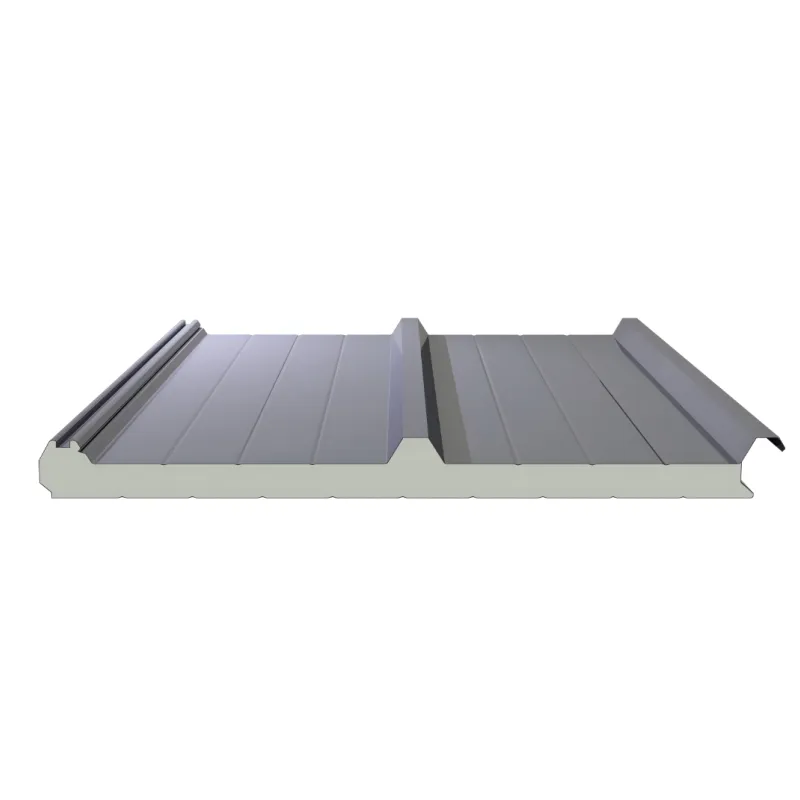
Insulated sandwich panels are made by two fundamentally different processes. Continuous lamination lines — where two steel coils unroll simultaneously while liquid foam is injected between them and the assembly passes through a heated press — are suited to high-volume production of standard-size PU and PIR panels. Manual (hand-made) assembly — where steel sheets and pre-cut core slabs are bonded together under press pressure with a separate adhesive — is the production method for rock wool panels, aluminum honeycomb panels, and custom-dimension products of any core type.
Neither process is inherently superior, but each has implications. Continuous line production is highly consistent when the line is well-maintained and calibrated, but it provides limited flexibility for non-standard dimensions and offers fewer inspection checkpoints during production. Manual assembly allows much greater dimensional flexibility and accommodates a wider range of core materials, but its quality is more sensitive to workforce skill and adherence to procedure. When evaluating a manufacturer, understand which process they use for your specific product and ask how quality is controlled at each production stage.
For manually assembled panels, the pressing and curing stage is where bond quality is established. The press needs to apply uniform pressure across the full panel area while the adhesive cures — uneven pressure produces differential bond strength that may pass initial testing but creates delamination risk over the panel's service life. Ask manufacturers what pressing equipment they use and what their minimum curing time is before panels leave the press. Manufacturers who cure under controlled temperature conditions (rather than ambient factory temperature, which varies seasonally) achieve more consistent bond quality across different times of year.
Marketing materials routinely state impressive annual capacity figures — "500,000 m² per year" — that reflect theoretical maximum output rather than typical throughput. For buyers placing significant orders, the more useful question is: what is the current order backlog, and what is the realistic lead time for my specific panel type and volume? A manufacturer at 90% capacity produces to a different schedule than one at 40% capacity, and the right answer depends on your project timeline.
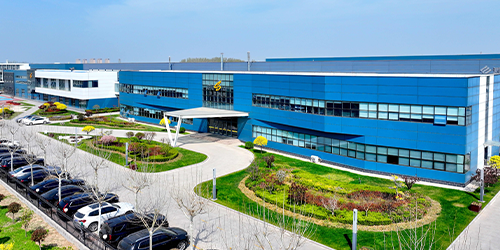
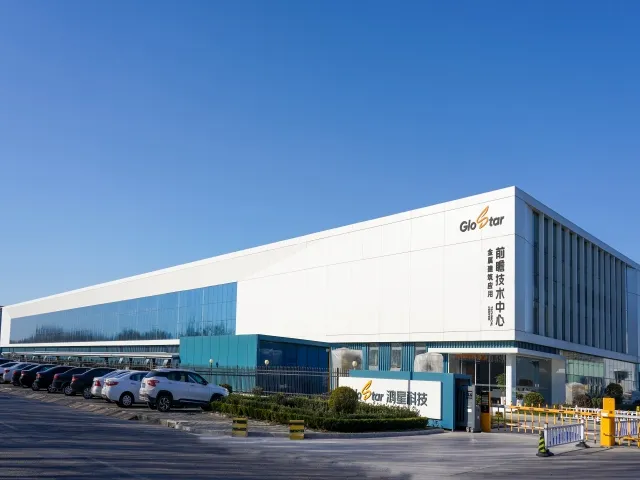
What to ask: Request a factory video tour specifically showing the panel assembly area, the adhesive mixing station, the pressing equipment, and the QC inspection area. A manufacturer confident in their production process will show it without hesitation. One who deflects to product photos and certificates has something they'd rather you not see.
The core material is the component most frequently misrepresented in sandwich panel quotations — not always through deliberate fraud, but sometimes simply because the manufacturer's standard production uses a lower specification than the buyer assumed when requesting a "rock wool sandwich panel" or a "PU insulated panel."
Rock wool panels for cleanroom and GMP applications should use mineral wool at 100–120 kg/m³ density. Many manufacturers' standard production uses 60–80 kg/m³, which is adequate for general industrial wall cladding but insufficient for regulated cleanroom environments: it compresses over time, creates voids between core and skin, provides lower acoustic performance, and bonds less securely to the steel faces. The difference in material cost between 60 kg/m³ and 100 kg/m³ rock wool is meaningful, which creates an incentive for manufacturers to use lower density when the buyer hasn't specified otherwise.
The reliable verification method is a mill certificate from the rock wool supplier — not the panel manufacturer's own data sheet. A mill certificate from a named rock wool producer (e.g., ROCKWOOL Group, Knauf Insulation, or a reputable Chinese supplier) showing the declared density for the specific production batch confirms what actually went into the panel. Manufacturers who source quality rock wool and are confident in their specification will have these certificates readily available.
For PU and PIR foam-core panels, the key quality parameters are foam density (typically 38–42 kg/m³ for quality panels) and closed-cell content (≥ 90%). Lower-density foam has inferior thermal performance and lower structural contribution to the composite panel. Foam with lower closed-cell content absorbs moisture more readily, which degrades insulation value over time. Ask for the declared foam density and confirm it with a production test report — foam density can be measured by weighing a known volume of core cut from a panel.
Within rock wool panels, fiber orientation is a second-tier quality parameter that most buyers don't know to ask about. Standard-orientation rock wool has fibers running parallel to the panel face — it performs adequately for general industrial applications. Lamella-oriented rock wool has fibers running perpendicular to the panel face, which provides substantially higher bonding strength at the skin interface, better fire resistance (the fibers resist structural collapse under heat more effectively), and improved acoustic performance. For cleanroom and pharmaceutical applications, lamella-oriented rock wool at 100+ kg/m³ is the correct specification. For general industrial cladding, standard orientation at 60–80 kg/m³ is typically sufficient.
| Core Parameter | Industrial / General Use | GMP / Cleanroom Standard |
|---|---|---|
| Rock wool density | 60–80 kg/m³ | 100–120 kg/m³ |
| Rock wool fiber orientation | Standard (parallel) | Lamella (perpendicular) |
| PU foam density | 35–38 kg/m³ | 40–45 kg/m³ |
| PU closed-cell content | ≥ 85% | ≥ 92% |
| Bonding strength | ≥ 40 kPa | ≥ 60 kPa (3rd-party verified) |
The two steel face sheets determine the panel's surface durability, corrosion resistance, and — for cleanroom applications — its compatibility with cleaning and disinfection agents over decades of operation. Steel specification is an area where manufacturers can and do vary quality without it being obvious in a product photo.
The base metal for most sandwich panel skins is cold-rolled galvanized steel. Key parameters are the steel grade (SGCC or equivalent for standard applications) and the zinc coating weight (Z275, meaning 275 g/m² total zinc coating, is the standard minimum for most applications). For exterior panels in coastal environments within 5 km of the sea, Galvalume substrate (55% aluminum–zinc alloy, typically AZ150) offers substantially better salt-air corrosion resistance than standard galvanized steel. Manufacturers who regularly supply coastal projects should have Galvalume as a standard option; those who don't may not have the supplier relationships to deliver it reliably.
The paint system applied over the galvanized substrate defines surface durability over time. Standard polyester (PE) coatings perform adequately under mild cleaning conditions and provide acceptable service life in low-UV or indoor environments. PVDF (polyvinylidene fluoride) coatings — applied at 25–30 µm dry film thickness — provide dramatically better chemical resistance, UV stability, and color retention. In regulated environments (pharmaceutical cleanrooms, food processing facilities, hospital construction), PVDF is the standard specification; PE coatings degrade too quickly under aggressive disinfection regimes to be a viable long-term choice.
When comparing quotations, confirm which coating system is included. Some manufacturers quote with PE as the default and list PVDF as an upgrade; others include PVDF as standard for cleanroom products. A price comparison that mixes PE and PVDF products is not meaningful.
Standard cleanroom panel skin thickness is 0.5 mm on both faces. Manufacturers sometimes offer 0.4 mm skins at a lower price point. For wall panels in active cleanroom environments, 0.4 mm skins are more susceptible to denting and surface waviness. Confirm skin thickness on both faces (inner and outer), and ask whether the stated thickness is a nominal or minimum value. On continuous production lines where coil steel is purchased by weight, under-gauge steel — slightly thinner than nominal — can slip through without robust incoming inspection.
Certifications are the most easily misrepresented element of a manufacturer's profile — not always through forgery, but because buyers rarely understand what each certificate covers or how to confirm its validity. A certificate is only as useful as the test it represents.
ISO 9001 certification is held by virtually every serious manufacturer, and its presence should be expected rather than treated as a differentiator. Its absence should be a concern. The certificate itself tells you a quality management system exists and has been audited; it doesn't tell you how rigorously it's applied. Ask for the certificate and verify that the company name and facility address on the certificate match the entity you're dealing with — it's not uncommon for manufacturers to present certificates issued to related companies or former legal entity names.
This European standard classifies materials by their reaction to fire — for rock wool, the correct classification is A1 (non-combustible). The certificate should be from an accredited third-party testing laboratory, should identify the specific product tested (not a product "family" that your product may or may not belong to), and should be current (not expired). For PU and PIR panels, B2 is the expected classification — any claim of A1 for a foam-core panel should be verified with extreme skepticism, as it would represent a genuinely exceptional material performance that would be widely reported in the industry if it existed.
EN 14509 is the primary European product standard for self-supporting double-skin metal-faced sandwich panels. CE marking under this standard, through a Notified Body, covers structural performance and requires a Declaration of Performance (DoP) that lists the actual tested values for the specific product. For projects supplying the EU or UK market, CE marking is a legal requirement. For projects in other markets where CE marking is accepted as evidence of third-party testing, verify the DoP — it's more informative than the CE certificate itself because it shows what performance values were actually tested and declared.
Beyond system certifications, the most useful quality documents are test reports from independent laboratories for specific performance properties. For sandwich panels, the most relevant are bonding strength and peel strength tests (verifying the skin-to-core adhesive bond quality) and thermal conductivity measurements (verifying the declared lambda value). Reports from SGS, Bureau Veritas, Intertek, CNAS-accredited Chinese laboratories, or equivalent organizations carry substantially more weight than in-house test data. Manufacturers who regularly commission independent testing have done so because customers required it — which reflects the caliber of projects they serve.
| Certificate | What It Confirms | How to Verify | Required For |
|---|---|---|---|
| ISO 9001 | QMS exists and has been audited | Check name/address match; confirm with issuing body | All regulated applications |
| EN 13501-1 (A1) | Material is non-combustible | Check lab accreditation; confirm product match | Pharma, hospital, EU building code |
| EN 14509 / CE DoP | Structural performance tested to European standard | Cross-reference DoP with Notified Body registry | EU/UK projects; international regulated projects |
| SGS / BV bonding test | Skin-to-core bond meets declared strength | Request full report including test date and sample ID | GMP pharma IQ; regulated food processing |
| Rock wool mill cert | Core density matches declared spec | Issued by rock wool supplier, not panel manufacturer | Any rock wool cleanroom panel order |
Most insulated sandwich panel projects require some degree of customization — non-standard dimensions, specific colors, integrated door and window openings, or connection hardware matched to the architectural design. A manufacturer's ability to handle these requirements smoothly, without generating excessive lead time or cost premiums, is a meaningful differentiator for project-focused buyers.
Panel length is the most commonly customized dimension. Most manufacturers can produce panels to any length within the capability of their pressing and handling equipment — typically up to 6,000 mm for wall panels without internal structural reinforcement, longer with reinforcement. Panel width is usually constrained to the manufacturer's standard profiles (typically 898 mm, 950 mm, 1150 mm, or 1180 mm net width, depending on the product line). Confirm available widths early: if your project's architectural grid uses a 1,200 mm module and the manufacturer's closest width is 1,150 mm, you need to know that before shop drawings are finalized.
Any RAL color is technically available on pre-painted steel coil, but manufacturers typically hold inventory of a limited set of common colors (RAL 9002, 9003, 9016 white variants, RAL 7035 light grey, and a few others). Non-standard colors require a minimum coil order from the steel supplier — the specific minimum varies by manufacturer and steel supplier, but 2,000–5,000 m² is typical. For small projects requiring non-standard colors, either accept a color from the manufacturer's standard range or budget for the minimum coil quantity surcharge.
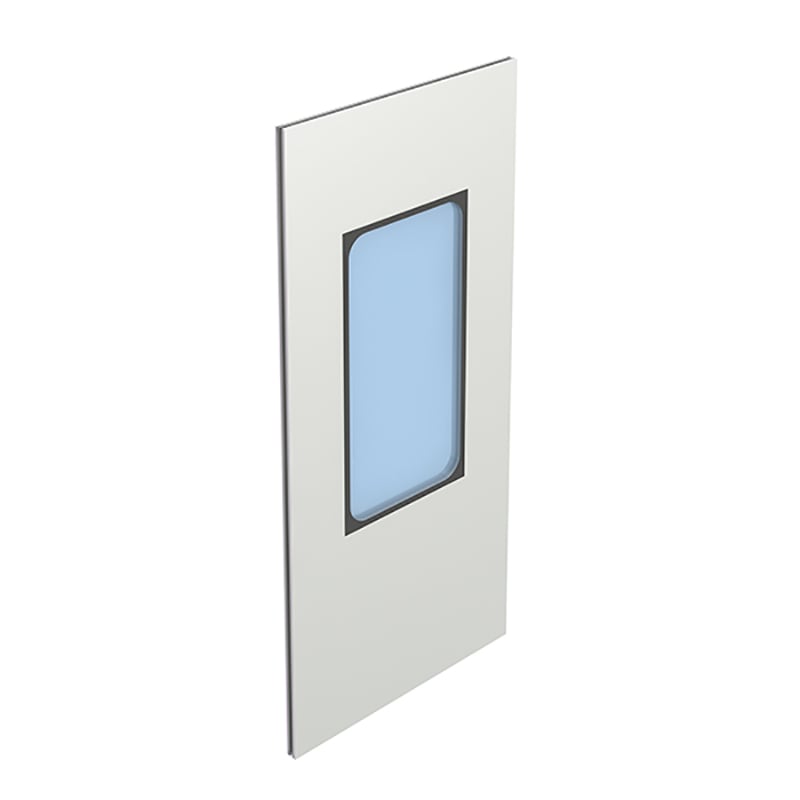
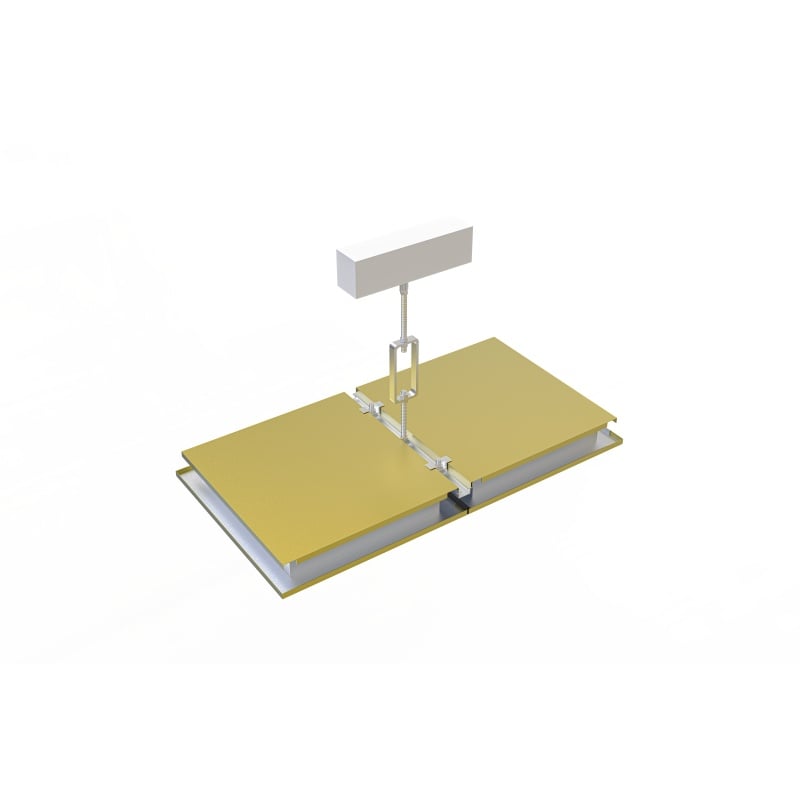
For cleanroom and industrial building projects, the panels are one component of a system that also includes connection hardware (floor channels, ceiling channels, internal connectors, corner extrusions), doors, windows, and cove pieces. Manufacturers who can supply all of these from a single design package — with shop drawings showing how every component interfaces — reduce coordination risk significantly. Those who supply panels only and leave the buyer to source everything else create interface problems that typically manifest on site during installation.
Ask specifically: do you supply cleanroom doors and windows as well as panels? Do your doors share the same edge profile as your panels? Can you provide shop drawings for the complete wall system, not just individual panels? The answers to these questions reveal more about the manufacturer's actual cleanroom capability than their fire certificate does.
The best manufacturers engage with buyers during the design phase, not just at order confirmation. Providing shop drawing review services, flagging dimensional conflicts between the panel grid and the structural frame, recommending panel thickness based on thermal and fire requirements, and coordinating HVAC penetration positions with the HVAC engineer — these services add real value to the project and are available from manufacturers who have accumulated experience on regulated construction projects. Manufacturers whose customer-facing capability is limited to quoting and order processing provide less.
Quality control in sandwich panel manufacturing is partly about the systems a manufacturer has in place, and partly about how rigorously they're applied. The ISO 9001 certificate confirms the former; you need to dig a little to assess the latter.
Before any panel is made, the input materials need to be verified: steel coil gauge (is the stated thickness what's on the coil?), rock wool density (confirmed by weighing cut samples), adhesive batch records (correct components, within shelf life). Manufacturers with robust incoming inspection catch problems at the point where they're cheapest to address. Those who skip this step may not know they have a specification deviation until it shows up in a field complaint months later.
During production, critical control points include adhesive mixing ratio verification, adhesive coverage measurement (is the adhesive reaching the full bonding surface?), press pressure confirmation, and curing time compliance. A manufacturer with documented in-process controls can show you production records for a specific batch — lot number, date, operator, adhesive batch, press settings, curing time. A manufacturer without these records is relying on operator experience and visual observation, which produces variable results.
After production, finished panels should be inspected for flatness (how wavy is the surface?), dimensional accuracy (length, width, thickness within specified tolerance), and edge seal quality (are all four edges fully closed?). Some manufacturers conduct random destructive testing — cutting one panel from a production batch and performing pull tests to verify bond strength — and maintain records of these tests. This is a meaningful quality signal: a manufacturer who conducts destructive testing on finished production has genuine confidence in their product consistency.
Every manufacturer eventually produces panels that don't meet specification — it's what they do about it that matters. Ask specifically: what is your procedure when a panel fails inspection? Is it scrapped or reworked? How is the non-conformance recorded? What happens if a non-conforming panel is shipped and the buyer discovers it on arrival? A manufacturer with a clear, documented procedure for non-conformances has thought carefully about quality assurance. One who is vague on this point hasn't.
A manufacturer who produces excellent panels but delivers them eight weeks later than promised creates project problems that are difficult and expensive to recover from. Delivery reliability — which is different from quoted lead time — is one of the most practically important factors for project-focused buyers, and one of the most difficult to assess before the first order.
Panel fabrication cannot start until shop drawings are finalized and approved — a process that typically takes 2–3 weeks of back-and-forth between the manufacturer's technical team and the project's design team. Add this to the stated production lead time (typically 3–5 weeks for a standard order from an established manufacturer) and you have the realistic time from order confirmation to panels leaving the factory. For international orders, add shipping (3–4 weeks sea freight for most Middle East and Southeast Asian destinations), customs clearance (1–2 weeks), and inland delivery. Total: 10–14 weeks from order placement to panels available on site — and this is for a smooth process. Complications add time.
The most reliable way to assess delivery reliability before the first order is to ask for references from recent international projects and specifically ask those references about delivery performance. Did panels arrive when promised? Were there delays, and how were they communicated and managed? This takes 15 minutes and provides better information than any due diligence questionnaire.
For international buyers, a manufacturer's export experience is not just a nice credential — it's a practical capability that determines whether the supply relationship runs smoothly or generates repeated friction around documentation, payment terms, logistics, and communication.
Experienced exporters know how to pack panels correctly for sea freight (face-to-face with interleaving protection, strapped to robust pallets, with adequate packing material around edges to prevent transit damage), have relationships with freight forwarders familiar with panel dimensions and loading configurations, and know how to prepare the export documentation set — commercial invoice, packing list, certificate of origin, B/L — correctly the first time. Manufacturers who primarily serve the domestic market often underestimate the packing requirements for sea freight and produce documentation that creates customs clearance complications at the destination port.
For international regulated projects — pharmaceutical GMP facilities, hospitals, regulated food processing — the panel documentation becomes part of a regulatory submission or Installation Qualification (IQ) record. Material data sheets, fire certificates, and test reports need to be in English to be usable by project teams and readable by regulatory inspectors. Many capable Chinese manufacturers produce all technical documentation exclusively in Chinese — a genuine barrier for international project teams. Ask specifically for English-language versions of material data sheets and fire certificates before assuming they're available.
Different export markets have different product registration and certification requirements. Saudi Arabia's SABER system, the UAE's ESMA requirements, Vietnam's MoC approvals, India's BIS standards, and the EU's CE marking requirements each add steps to the procurement process that an experienced exporter navigates routinely and an inexperienced one treats as surprises. Ask any potential supplier which markets they've exported to and what certifications they hold or have supported for those markets. The answer is a reliable proxy for how much friction you'll encounter in the shipping and customs process.
Use this checklist when evaluating any insulated sandwich panel manufacturer for a significant order. A manufacturer who answers all items promptly and completely has demonstrated the baseline documentation and capability needed for regulated international projects.
Production & Manufacturing
☐ Request a factory video showing the cleanroom panel assembly area, adhesive station, and pressing equipment
☐ Confirm whether panels are manually assembled or machine-line produced — and what the quality control checkpoints are for that process
☐ Ask for the current production lead time (not the theoretical minimum) for your specific panel type and volume
Core Material
☐ Request declared rock wool density in kg/m³ (not "high density") — minimum 100 kg/m³ for cleanroom / GMP applications
☐ Request a rock wool mill certificate from the raw material supplier confirming the declared density
☐ For PU/PIR panels: confirm foam density (≥ 40 kg/m³) and closed-cell content (≥ 92%) with test data
Steel & Surface Coating
☐ Confirm skin thickness on both faces (not just the interior face) — minimum 0.5 mm for cleanroom wall panels
☐ Confirm coating system: PVDF or PE? For pharmaceutical and food processing, PVDF is the minimum specification
☐ For coastal projects: confirm substrate is Galvalume (AZ150) rather than standard galvanized
Certifications & Documentation
☐ Request EN 13501-1 fire certificate — confirm it shows A1 (rock wool), check issuing lab is accredited, verify product match
☐ Request third-party bonding/peel strength test report (SGS, BV, Intertek, or CNAS-accredited lab)
☐ Confirm ISO 9001 certificate is current and issued to the same legal entity you are dealing with
☐ Confirm English-language versions of all key documents are available (material data sheets, fire certificate, test reports)
System & Project Support
☐ Ask whether they supply cleanroom doors, windows, and connection hardware from the same design package as the panels
☐ Request a sample shop drawing showing panel connection details and edge profiles
☐ Request three project references with contact information — specifically ask those references about delivery performance
☐ Order physical samples, inspect all four edges for sealed core, weigh against declared panel weight, and perform a basic corner peel test
It depends on the application, but for regulated projects (pharmaceutical, food, hospital), the most consequential factor is the ability to provide verifiable third-party documentation — fire certificates from accredited labs, bonding strength test reports from independent testing organizations, and rock wool mill certificates confirming density. These documents form the basis for regulatory submissions and IQ records; a manufacturer who cannot provide them is not equipped for regulated project supply regardless of how their panels look or what their price is.
The most reliable method is a mill certificate from the rock wool raw material supplier — not the panel manufacturer's own data sheet or product description. The mill certificate identifies the specific product, declared density, and production batch. For additional verification, a panel sample can be taken to an independent laboratory where the core material is extracted and weighed at a known volume to verify density directly. Manufacturers confident in their specification make mill certificates available immediately on request.
For most international buyers, sourcing directly from the factory is preferable. Trading companies add cost (their margin), create an additional communication layer that slows down technical query resolution, and have limited ability to resolve quality issues that require factory-level decisions. The exception is when the trading company has a long-term, close relationship with a specific factory and provides genuine value-added services — logistics management, local regulatory compliance support, or consolidated ordering of multiple product types. Verify you're dealing with the actual factory by requesting the manufacturing facility's address, business license, and production photos, and cross-checking with a factory audit if the order is significant.
More important than most buyers initially assume. Cleanroom doors and their surrounding panel frame need to interface precisely: the door frame profile is designed to match the panel edge thickness and configuration, the gasket compression geometry is calibrated to the door frame dimensions, and the connection hardware needs to accommodate both panel and door frame in the same joint. When doors come from a different supplier than panels, dimensional mismatches are common — gaps between frame and panel that are too wide to seal cleanly, or edge profiles that don't sit flush. These problems have to be resolved on site, usually under time pressure and at additional cost.
Based on experience across international projects, the most frequently encountered issues are: surface waviness in panels (a manufacturing control problem — often caused by inadequate press pressure or non-uniform adhesive application); rock wool density below specification (the most common material substitution); edge seal gaps or partial sealing on one or more edges; and skin delamination discovered during installation, typically at corners or panel ends. Most of these can be caught before shipment through a proper incoming inspection protocol and pre-shipment sample evaluation.
The PVDF coating premium on a finished panel is typically 15–25% over standard PE coating — for example, a panel priced at USD 20/m² with PE might be USD 23–25/m² with PVDF. This premium is modest relative to the cost of replacing panels whose PE coating has degraded under aggressive pharmaceutical or food processing disinfection within 5–8 years of installation. For any project where the cleaning protocol involves VHP, high-concentration bleach, peracetic acid, or other oxidizing agents, PVDF is not an optional upgrade — it's the correct initial specification from a lifecycle cost perspective.
Shandong Apex Metal Products Co., Ltd. manufactures insulated rock wool sandwich panels, aluminum honeycomb ceiling panels, PU/PIR panels, and complete cleanroom door and window systems for international export. We welcome technical inquiries, sample requests, and factory audits — and provide full documentation packages for regulated projects as standard.
Request a Technical Quotation → Hot News
2026-09-09
2026-08-14
2026-08-11
2026-08-06
2026-07-30
2026-07-20

We believe that by upholding quality and embracing innovation, we can drive transformative changes in architecture and build a sustainable future for the construction industry.
No. 377, Gaoqi Road, High-tech Zone, Binzhou City, Shandong Province, China
Copyright © Shandong Apex Metal Products Co., Ltd. All Rights Reserved (Under the Glostar New Materials Group) Privacy Policy Blog
 EN
EN